

In the heart of summer, industrial roofs can reach a blistering 170°F, threatening the $50 billion worth of mechanical systems they shelter across America’s manufacturing sector. Each year, heat-related roof damage leads to over $2 billion in repairs and equipment failures.
For facility managers, understanding how heat impacts roofing structures isn’t just about maintenance—it’s about protecting critical assets and preventing catastrophic system failures.
This systematic analysis explores the complex interplay between rising temperatures and industrial roof performance, offering actionable strategies for heat management, compliance, and risk mitigation.
SECTION 1: PERFORMANCE FACTORS
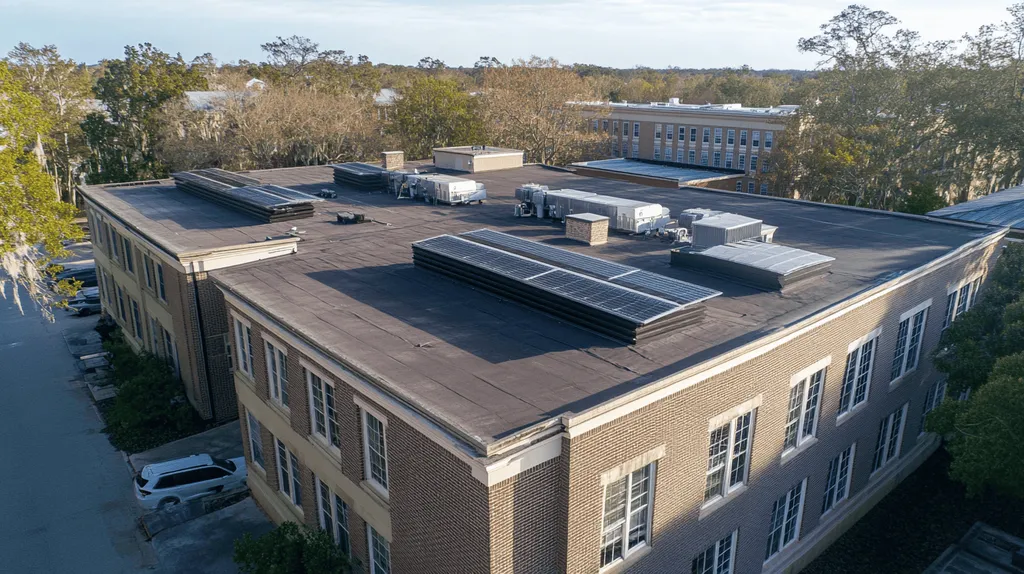
The influence of heat on industrial roofs goes well beyond mere discomfort; it significantly affects the durability and efficiency of the mechanical systems within these structures. For example, research indicates that roofs can soar to temperatures exceeding 170°F during the peak summer months. Such extreme heat not only intensifies energy consumption but also hampers system performance, prompting facility managers to re-evaluate roof design and material choices. This section will delve into critical performance factors: heat absorption and dissipation, the impact of temperature fluctuations, and assessments of material degradation.
Heat Absorption and Dissipation
The type of materials used in roofing systems is pivotal in determining heat absorption and dissipation. Dark roofs tend to absorb more heat, which can lead to uncomfortably high indoor temperatures. As HVAC systems struggle to manage this excess heat, energy costs can spike dramatically.
On the flip side, lighter-colored or reflective roofs can drastically reduce heat absorption, promoting cooler indoor conditions. This proactive choice not only mitigates energy consumption but can also extend the lifespan of air conditioning units. Property owners are encouraged to assess the thermal properties of roofing materials to enhance energy efficiency.
Additionally, understanding a roof’s heat dynamics can aid in selecting the right insulation strategies. Effective insulation prevents problematic heat buildup, ensuring both comfort and operational efficiency. Thorough assessments of heat absorption can lead to well-informed decisions in roof design and maintenance.
Key Action Items
Temperature Fluctuations Impact
Industrial roofs face considerable temperature swings throughout the year. These variations can lead to thermal expansion and contraction, potentially compromising the roofing system’s overall integrity. Continuous exposure to these extreme cycles can gradually result in cracks and seam failures.
Being aware of local climate patterns is essential for predicting how these fluctuations will impact roofing materials. For example, materials with lower thermal shock resistance may degrade more quickly in regions that experience drastic temperature changes.
Adopting a temperature management plan can mitigate these risks. Innovative solutions, such as using expanded polystyrene or rigid foam, can help buffer the effects of temperature fluctuations, safeguarding the structure from possible damage.
Key Action Items
Material Degradation Assessment
Heat exposure can significantly jeopardize the durability of roofing materials, leading to gradual degradation. High temperatures can compromise material integrity, resulting in leaks and other structural issues. For instance, certain sealants may start to break down when subjected to prolonged heat exposure, ultimately threatening the roof’s security.
Regular assessments of roofing materials are crucial for identifying early signs of wear and tear. Property managers should consider the expected lifespan of their materials while accounting for their heat resistance capabilities when making roofing decisions.
Choosing high-performance materials designed to endure heat exposure can significantly mitigate degradation risks. Examples of such materials are advanced membranes that provide improved flexibility and longevity against thermal stress.
Key Action Items
SECTION 2: FINANCIAL CONSIDERATIONS
The ramifications of heat exposure on industrial roofs extend beyond just structural concerns; they can place a significant burden on budgets. When roofing systems endure excessive heat, they accelerate wear and tear, leading to unexpected and costly repairs. The National Roofing Contractors Association reports that heat-related damage can elevate annual maintenance costs by as much as 30%. For property owners and facility managers, grasping these financial implications is key to safeguarding investments and enhancing operational efficiency.
Cost of Heat-Related Damage
High temperatures can wreak havoc on roofing materials, resulting in critical damage that drains financial resources. Common issues, such as blistering and cracking, arise when roofs face prolonged heat stress, often requiring costly replacements or extensive repairs.
The fallout from heat-related issues extends beyond direct repair costs; facilities may also incur additional expenses associated with business interruptions during emergency repairs. Moreover, when insulation is compromised due to heat damage, energy expenses can increase, creating a double threat to budgets.
Estimates indicate that industrial facilities could face thousands of dollars in annual expenses if they neglect to manage heat exposure effectively. Regular inspections and prompt repairs can mitigate these costs, ensuring roofs last longer and protect financial investments. By prioritizing preventative measures, business owners can gain a clearer understanding of the long-term financial stakes.
Key Action Items
Insulation and Ventilation Expenses
Investing in effective insulation and ventilation is essential for managing heat within industrial roofs. Quality insulation prevents excessive heat accumulation, alleviating strain on roofing materials and extending their lifespan. Conversely, inadequate insulation can lead to inflated energy bills and hastened degradation of roof integrity.
Though the initial costs for high-quality insulation may seem daunting, the long-term savings should not be overlooked. Facilities employing proper insulation can achieve energy savings of 10% to 30%, as reported by the Department of Energy, effectively offsetting those upfront expenditures.
Moreover, effective ventilation is crucial for regulating temperatures across rooftops. Proper airflow helps keep roofs cooler, reducing the chances of damage, and ultimately diminishes repair costs over time. Therefore, investing in insulation and ventilation is not just a stopgap; it is a forward-looking strategy that delivers significant cost savings and enhances building performance.
Key Action Items
Long-Term Maintenance Savings
Implementing a systematic approach to roofing maintenance can result in substantial long-term financial benefits. Addressing the effects of heat on roofs proactively limits both the frequency and the severity of repair needs. Consistent maintenance checks and timely interventions are pivotal components of this strategy.
Facilities that invest in regular upkeep can expect to lower their lifecycle costs associated with roofing systems significantly. Research indicates that a well-planned roof maintenance program can extend the lifespan of industrial roofs by up to 50%.
Additionally, properly maintained roofs enhance energy efficiency, leading to reduced overhead expenses. This creates a self-reinforcing cycle where savings can fund further improvements or much-needed upgrades.
Ultimately, focusing on long-term maintenance through a financial lens empowers facility managers to achieve a strong return on investment, ensuring that resources are managed wisely while maintaining roof integrity.
Key Action Items
SECTION 3: COMPLIANCE REQUIREMENTS
The implications of heat on roof structures carry significant weight, dictating strict adherence to various regulations. Industrial facilities must meet energy codes that dictate thermal performance, ensuring roofs endure heat while conserving energy. Non-compliance not only incurs costly penalties but also escalates utility bills and introduces safety hazards. Grasping these requirements is essential for making informed choices about roofing systems and their long-term durability.
Energy Code Compliance
Energy codes set forth the minimum standards for energy-efficient buildings, covering critical aspects such as thermal resistance and reflective properties for industrial roofs. Non-compliance can result in heightened energy consumption and warmer indoor environments, negatively affecting operational budgets.
Facilities need to ensure that their roofing systems meet or exceed energy code specifications. The International Energy Conservation Code (IECC), for instance, provides guidelines on insulation and reflective materials. Ignoring these mandates can lead to increased air conditioning demands, placing additional strain on mechanical systems.
Moreover, adhering to energy codes can positively impact a facility’s financial health. Buildings that comply with these standards are often eligible for tax benefits and rebates, helping to offset the initial costs of roofing upgrades. Performing regular audits and maintaining documented compliance are vital for avoiding financial penalties and reinforcing corporate responsibility.
Key Action Items
Ventilation Standards and Regulations
Effective ventilation is crucial for maximizing roof lifespan and enhancing energy efficiency. Organizations like ASHRAE establish ventilation standards that outline airflow requirements, helping to minimize heat buildup. Insufficient ventilation can lead to overheating of mechanical systems, creating expensive repairs and prolonged downtimes.
Failure to comply with these ventilation guidelines can have serious repercussions. Stagnant air can trap moisture, fostering mold growth and structural deterioration. Prioritizing proper ventilation design is essential, incorporating adequate systems for intake and exhaust.
In practice, effective ventilation should blend natural and mechanical strategies. Compliance involves using airflow assessments to evaluate existing systems and determine necessary enhancements. Regular maintenance checks are vital for ensuring continued ventilation effectiveness over time.
Key Action Items
Safety Codes for Industrial Roofs
Safety codes for roofs aim to safeguard both personnel and property from potential dangers. These regulations address critical concerns such as load-bearing capacities and fire resistance, ensuring that roofs can endure extreme heat and other external factors. Non-compliance poses serious safety risks and legal challenges.
Guidelines from the Occupational Safety and Health Administration (OSHA) must be incorporated into roof design and maintenance plans. For example, roofs should be engineered to manage heat and wind loads properly to avert structural failures.
Moreover, compliance enhances workplace safety by reducing the likelihood of accidents linked to overheating mechanical systems or compromised roof structural integrity. Regular assessments of roofing conditions are necessary to adhere to evolving safety standards.
Key Action Items
SECTION 4: RISK MANAGEMENT
Heat presents serious challenges to industrial roof structures and their mechanical systems. Each year, the National Safety Council reports more than 600 deaths in the U.S. due to heat-related illnesses. Rising temperatures can trigger equipment failures and increase heat stress among workers. Addressing these risks is essential for maintaining operational efficiency and ensuring employee safety. This section will explore how to identify heat-related hazards, prevent equipment failures, and mitigate worker heat stress.
Identifying Heat-Related Hazards
Recognizing heat-related hazards is critical for any industrial operation. High temperatures can jeopardize the integrity of roofing materials and the efficiency of HVAC systems. Monitoring temperature regularly, especially during the hottest months, allows for timely detection of extreme heat situations.
Using infrared thermography can help assess heat distribution across roof surfaces. Any temperature anomalies may indicate moisture intrusion or failing insulation. Conducting routine inspections to focus on heat exposure can help uncover these underlying problems before they escalate.
Workers should also be trained to identify signs of heat strain on equipment. Maintenance schedules should include checks on cooling systems for both machinery and employees. Proactive risk assessments allow facility managers to address potential hazards promptly.
Key Action Items
Preventing Equipment Failure
Preventing equipment failure due to excessive heat is crucial for continuous operations. High temperatures can rapidly accelerate wear on mechanical parts, leading to costly downtimes. Reflective roof coatings or green roofing systems can significantly lower surface temperatures.
Regular maintenance of cooling systems is essential to ensure their effectiveness under high heat conditions. Filters should be cleaned or replaced frequently, as blockages can lead to overheating. This straightforward action can save substantial costs associated with replacements or emergency repairs.
Investing in energy-efficient equipment also helps tackle heat issues. Modern machinery is often engineered to function under higher temperature ranges without sacrificing performance. Upgrading to newer technologies can enhance safety and operational efficiency.
Key Action Items
Mitigating Worker Heat Stress
Worker heat stress is a significant concern in industrial facilities, particularly in high-temperature environments. OSHA notes that heat-related illnesses can diminish worker productivity and pose serious health risks. It is vital to monitor worker exposure to high heat and provide plenty of hydration and rest breaks.
Establishing a heat stress management program that educates employees on recognizing symptoms of heat exhaustion or stroke is essential. Continuous monitoring of workplace temperatures, along with real-time alerts, can effectively manage heat exposure.
Providing shaded rest areas and access to cool drinking water drastically lowers the chances of heat-related incidents. Simple steps, such as encouraging lighter work attire, can greatly enhance comfort levels.
Key Action Items
SECTION 5: OPERATIONAL PROCEDURES
Addressing the impact of heat on mechanical systems within industrial roofing is crucial for maintaining peak performance and longevity. Rising temperatures can pose severe risks, leading to costly repairs and even operational shutdowns. Research reveals that extreme heat can shorten a roof’s lifespan by up to 30%. Therefore, establishing systematic operational procedures is vital. This section outlines essential practices, including regular roof inspections, installation of heat-reflective coatings, and diligent maintenance of ventilation systems.
Regular Roof Inspections
Conducting routine inspections is essential for catching potential heat-related damage before it escalates. Prolonged exposure to high temperatures may compromise structural integrity, leading to blisters, cracks, or insulation failures. By adhering to a regular inspection schedule, facility managers can proactively identify and address these issues, ensuring the longevity of their roofing systems.
During inspections, particular attention should be given to seams, flashing, and penetrations for signs of thermal stress. Utilizing infrared technology can uncover hidden spots of heat accumulation, allowing for targeted repairs that prevent further damage to the mechanical systems below.
Inspections should align with seasonal transitions, focusing especially before peak summer months. Engaging professionals knowledgeable about heat impacts on roofing will help uncover any new vulnerabilities effectively.
Key Action Items
Installation of Heat-Reflective Coatings
Applying heat-reflective coatings presents an effective strategy for reducing heat accumulation on roofs. These coatings can lower surface temperatures by up to 30%, translating to reduced energy costs and extending the life of the roofing materials. By reflecting solar radiation, they also minimize thermal expansion and the stresses it places on the roofing structure.
Facility managers might consider applying these coatings during routine maintenance or when replacing aging roofs, resulting in appreciable energy savings and a lighter load on air conditioning systems.
Moreover, maintaining lower roof temperatures enhances indoor comfort, crucial for equipment sensitive to heat. Selecting high-quality coatings that adhere to industry standards ensures lasting effectiveness, supporting the ongoing resistance of the roof against heat-related damage.
Key Action Items
Proper Ventilation System Maintenance
Effective ventilation is crucial in moderating heat within roofing systems. Poor ventilation can exacerbate existing heat issues, risking mechanical system failures. Routine maintenance of these systems is essential to ensure heat is dissipated efficiently, alleviating overall thermal stress on roofing structures.
Facility managers should inspect vents, fans, and ducts regularly to ensure they are unobstructed and functioning properly. Blocked or poorly maintained ventilation can lead to increased heat buildup, adversely affecting roof integrity and the performance of mechanical systems.
Implementing automated controls can enhance ventilation effectiveness by adjusting airflow in real time based on temperature data, thus reducing the chance of overheating. Periodically reviewing the ventilation strategy allows for adaptations to evolving conditions and technologies.
Key Action Items
SECTION 5: OPERATIONAL PROCEDURES
The impact of heat on mechanical systems in industrial roofing cannot be overemphasized. Rising temperatures can lead to severe risks, manifesting in costly repairs and potential operational shutdowns. Research indicates that excessive heat can decrease a roof’s lifespan by up to 30%. For this reason, implementing strategic operational procedures is essential to mitigate these effects and promote long-term roof performance. This section outlines critical practices like regular roof inspections, the installation of heat-reflective coatings, and the diligent maintenance of ventilation systems.
Regular Roof Inspections
Regular inspections are crucial for identifying potential heat-related damage before it escalates. High temperatures can compromise structural integrity, resulting in blisters, cracks, or insulation failures. By establishing a regular inspection schedule, facility managers can proactively uncover these issues and address them prior to significant damage occurring.
During inspections, it is vital to scrutinize seams, flashing, and roof penetrations for any signs of thermal stress. Employing infrared technology can reveal hidden areas of heat accumulation that may otherwise go undetected, allowing for targeted repairs that protect underlying mechanical systems.
Additionally, aligning inspections with seasonal transitions—especially prior to peak summer months—ensures that potential vulnerabilities are effectively managed. Engaging professionals with expertise in heat impacts on roofing systems enhances the likelihood of detecting new issues during evaluations.
Key Action Items
Installation of Heat-Reflective Coatings
Heat-reflective coatings provide an effective remedy for combating heat accumulation on roofs. These coatings can lower surface temperatures by as much as 30%, leading to significant energy cost reductions and prolonging roof lifespan. Their application is a proactive measure that directly enhances the efficiency of mechanical systems.
These coatings work by reflecting solar radiation, thereby minimizing thermal expansion and reducing stresses on roofing materials. Facility managers should consider applying heat-reflective coatings during routine maintenance or roof replacements, yielding substantial energy savings and lessening the load on air conditioning systems.
Furthermore, these coatings increase indoor comfort by maintaining lower roof temperatures, which is essential for sensitive equipment within the facility. This cooler environment protects mechanical systems from potential heat-related failures, further safeguarding operational efficiency.
Choosing high-quality coatings that meet industry standards is vital for optimal performance. Regular assessments of the coating’s effectiveness will ensure that its reflective properties remain intact over time, thus continuing to protect the roof from heat-related deterioration.
Key Action Items
Proper Ventilation System Maintenance
Efficient ventilation is critical in managing heat within roofing systems. Poorly maintained ventilation can worsen heat-related issues, leading to mechanical system failures. Regular maintenance of ventilation systems is essential to ensure effective heat dissipation, thereby lessening thermal stress on the roofing structure.
Facility managers should inspect vents, fans, and ducts to ensure they are unobstructed and functioning properly. Blocked or poorly maintained ventilation increases heat accumulation, negatively impacting both the roof and the mechanical systems it supports.
Implementing automated controls can optimize ventilation effectiveness by dynamically adjusting airflow based on real-time temperature data. Capturing these metrics ensures that heat is efficiently expelled, reducing the risk of overheating.
Consistent reviews and updates of the ventilation strategy allow facility managers to adapt to evolving conditions and technologies. An ongoing commitment to ventilation system maintenance is vital for preventing heat-related issues and ensuring the longevity of both the roof and its mechanical systems.
Key Action Items
Looking Ahead
With industrial rooftop temperatures routinely exceeding 170°F, the $50 billion worth of mechanical systems housed on America’s manufacturing facilities face unprecedented stress.
The data is clear: heat-related damage leads to over $2 billion in annual repairs, while proper heat management can extend roof lifespans by up to 50% and reduce energy costs by 30%.
As climate patterns shift and equipment demands intensify, the importance of systematic heat management approaches will only grow.
The future of industrial roofing lies in integrated solutions: advanced materials, smart monitoring systems, and proactive maintenance strategies.
Those who adapt their heat management practices today will be better positioned to protect their assets and optimize operational efficiency tomorrow.
FREQUENTLY ASKED QUESTIONS
Q. How does heat affect my commercial roof’s mechanical systems?
A. Excessive heat can lead to increased energy consumption and mechanical failures. Roofing materials may absorb high temperatures, causing HVAC systems to work harder, leading to higher costs and reduced efficiency.
Q. What financial impact can heat have on my industrial roof?
A. Heat-related damage can escalate annual maintenance costs significantly. Investing in quality roofing materials and regular inspections can prevent unexpected costs and enhance operational efficiency, leading to long-term savings.
Q. How do I ensure my commercial roof meets energy code compliance?
A. Regular audits and keeping documentation of energy improvements help ensure compliance with energy codes. It’s crucial to assess insulation and reflective properties to avoid non-compliance penalties and enhance building energy efficiency.
Q. What steps can I take to manage risks associated with heat exposure?
A. Implementing regular temperature monitoring, training staff to recognize warning signs, and establishing maintenance protocols for cooling equipment are vital. These actions can significantly reduce the risks of equipment failures and worker heat stress.
Q. How often should I conduct roof inspections for my industrial roof?
A. Scheduling quarterly inspections can help identify heat-related damage early. Focusing on seams and using infrared technology can aid in spotting issues before they escalate, ensuring a healthier roof and mechanical systems.
Q. What are the benefits of heat-reflective coatings for industrial roofs?
A. Heat-reflective coatings can lower roof surface temperatures and extend material lifespan. By reducing thermal expansion, these coatings decrease stress on roofing materials, improve energy efficiency, and enhance indoor comfort.
Q. How can I prepare for future heatwaves impacting my commercial roof?
A. Assessing insulation effectiveness, enhancing ventilation systems, and scheduling proactive maintenance are essential. Additionally, upgrading to energy-efficient machinery can ensure better performance and reduce risks associated with extreme heat conditions.






