
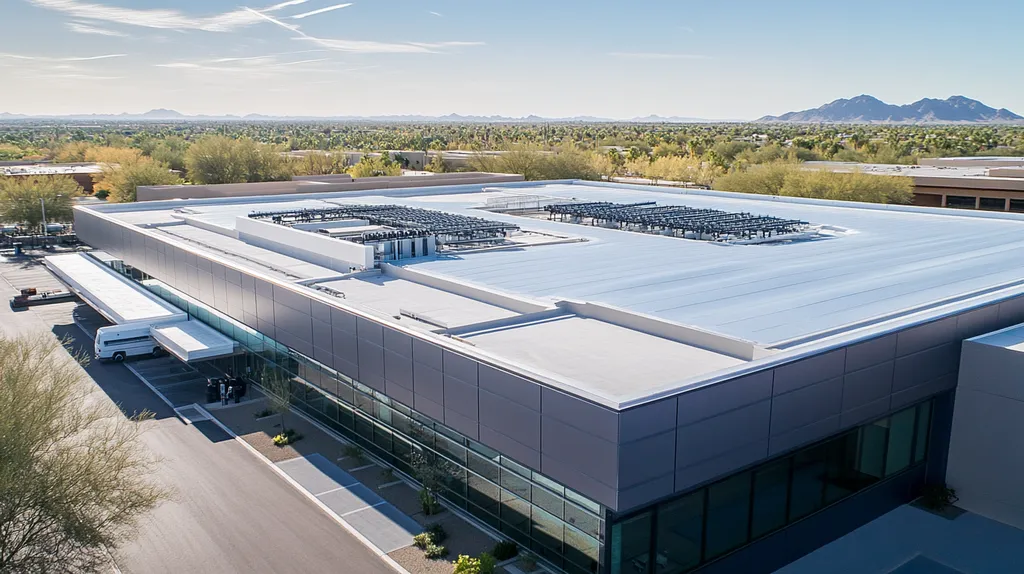
In the evolving landscape of commercial roofing, technological innovations have revolutionized how we inspect and maintain these critical assets. Studies show that 40% of all building-related problems stem from water infiltration, yet traditional inspection methods miss up to 80% of early warning signs.
From advanced drone systems to infrared imaging and AI-powered analytics, modern inspection tools are transforming how facility managers protect their investments. The stakes couldn’t be higher – a single undetected leak can escalate into tens of thousands in damage.
This comprehensive guide examines the cutting-edge technologies reshaping commercial roof inspections, equipping property owners with the knowledge to make informed decisions about their roofing systems.
SECTION 1: FUNDAMENTAL CONCEPTS
Knowing the condition of a commercial roof isn’t just about maintenance; it’s a financial safeguard. Alarmingly, about 20% of commercial roofs are replaced prematurely due to inadequate inspection practices. By grasping the core principles of roofing, property owners and facility managers can make informed decisions that protect their investments. This section will break down the vital components of roof anatomy, explore the most common roofing materials, and clarify essential inspection principles.
Understanding Roof Anatomy
A commercial roof is a complex system made up of several key components that collaboratively shield the building beneath. The primary layers consist of the roof deck, insulation, and waterproofing membrane. Recognizing these elements is crucial for effective inspection and ongoing maintenance.
The roof deck acts as the structural backbone, typically constructed from durable materials like plywood or concrete. This foundational layer must be strong enough to support the weight of the roofing system and handle additional stress, such as snow accumulation.
Insulation plays a critical role in enhancing energy efficiency and moisture management. Inadequate insulation can lead to rising energy costs and condensation issues, negatively affecting occupant comfort and the building’s structural soundness.
The waterproofing membrane, often made from materials such as TPO or EPDM, serves as the first barrier against water intrusion. Regular assessments for cracks, punctures, and seam integrity are vital to ensure the long-term durability of the roof.
Common Roofing Materials
In the realm of commercial roofing, various materials are employed, each offering distinct characteristics and performance metrics. Notable options include Thermoplastic Olefin (TPO), Ethylene Propylene Diene Monomer (EPDM), and Built-Up Roofing (BUR). Familiarity with these materials can enhance the effectiveness of inspections.
TPO is lauded for its energy efficiency and reflective properties, which help lower cooling costs. However, the seams of TPO can be particularly vulnerable, warranting thorough inspections to confirm their integrity.
EPDM stands out for its exceptional longevity and resistance to harsh weather conditions, making it a popular choice for flat roofs. While it generally requires less maintenance, regular evaluations for signs of wear can optimize its performance.
BUR has a long-standing reputation for reliability in roofing. Despite its proven durability, moisture can become trapped between layers if not installed or inspected properly, making early detection of potential issues crucial.
Basic Inspection Principles
Establishing a comprehensive inspection strategy is vital for the ongoing integrity of any commercial roof. Visual inspections should be conducted at least twice a year and more frequently following severe weather events. A detailed inspection should focus on visible damage, standing water, and other potential problems.
Incorporating technology into inspections can significantly improve efficiency and accuracy. Tools like drones and infrared cameras can uncover hidden issues such as leaks and thermal inefficiencies that might be overlooked during traditional assessments.
Thorough documentation plays an essential role in effective roof management. Maintaining detailed records of all inspections and repairs provides valuable insights into the roof’s condition over time, aiding in future maintenance planning or replacements.
In conclusion, understanding the fundamental aspects of commercial roofing empowers property owners and facilities managers to make informed decisions. A proactive inspection approach not only extends the roof’s lifespan but also safeguards the building’s assets.
SECTION 2: SYSTEM COMPONENTS
Understanding the components of a commercial roofing system is not optional; it’s essential for effective inspections and risk management. The roof membrane, flashing, drainage systems, and roof penetrations each serve crucial roles in safeguarding buildings from water damage and structural failures. A missing or damaged component can result in costly repairs and potential long-term consequences. Being aware of these elements empowers property owners and facility managers to make proactive, informed decisions about their roofing systems.
Roof Membrane and Flashing
The roof membrane serves as the first line of defense against the elements, crucial for preventing moisture intrusion and shielding the underlying structures. Varieties like TPO, EPDM, and PVC present different advantages in terms of durability and insulation, catering to diverse needs.
Flashing, generally crafted from metal, secures seams and transitions around penetrations, playing a vital role in leak prevention. These junction points are where water is most likely to breach the roof, so thorough inspections should include looking for signs of corrosion, gaps, or absent sections of flashing.
Advanced inspection technologies, such as infrared thermography, can uncover hidden moisture lurking beneath membranes. By evaluating the membrane’s condition, facility managers can determine whether repairs or replacements are necessary, preventing more severe issues from arising down the line.
Proper maintenance of these components not only extends the lifespan of the roof but also boosts energy efficiency. By prioritizing inspections of roof membranes and flashing, property managers can mitigate risks and protect significant investments.
Drainage Systems and Gutters
Effective drainage systems are pivotal for preserving the health of commercial roofs. They ensure that water is redirected away from the roof surface, preventing ponding that may lead to leaks or structural deterioration. Clogged gutters and downspouts can create overflow conditions, putting additional strain on roofing materials.
Routine inspection of drainage systems is critical to keep them clear and functioning optimally. Inspectors should seek out indicators of blockages, rust, or structural damage. Swiftly addressing these concerns can save property owners from substantial repair costs in the future.
Innovations like drone surveillance are proving invaluable in identifying drainage issues without requiring personnel to scale roofs. This method enhances safety and efficiency during inspections, enabling early detection of problems.
Maintaining an effective drainage system not only protects the roof itself but also upholds the integrity of the building’s foundation. Proper management of water runoff is crucial for the health and longevity of the entire property.
Roof Penetrations and Accessories
Roof penetrations—like HVAC units, vents, and skylights—are common weak points in roofing systems and deserve extra scrutiny during inspections. If not installed properly or maintained, these features can become gateways for leaks. Ensuring their integrity is crucial to overall roof performance.
Accessories such as roof curbs and expansion joints also serve vital roles in managing stress and accommodating movement within the building structure. Inspecting these components for signs of wear, misalignment, or degradation is key for maintaining a watertight roof.
Thermal imaging technology can help detect discrepancies around penetrations, revealing potential moisture intrusion early on. Leveraging these tools can significantly enhance the quality and effectiveness of inspections.
By proactively addressing issues with roof penetrations and accessories, facility managers can protect the integrity of the roofing system. Regular inspections focused on these components not only provide cost savings but also ensure the comfort and safety of building occupants.
SECTION 3: IMPLEMENTATION METHODS
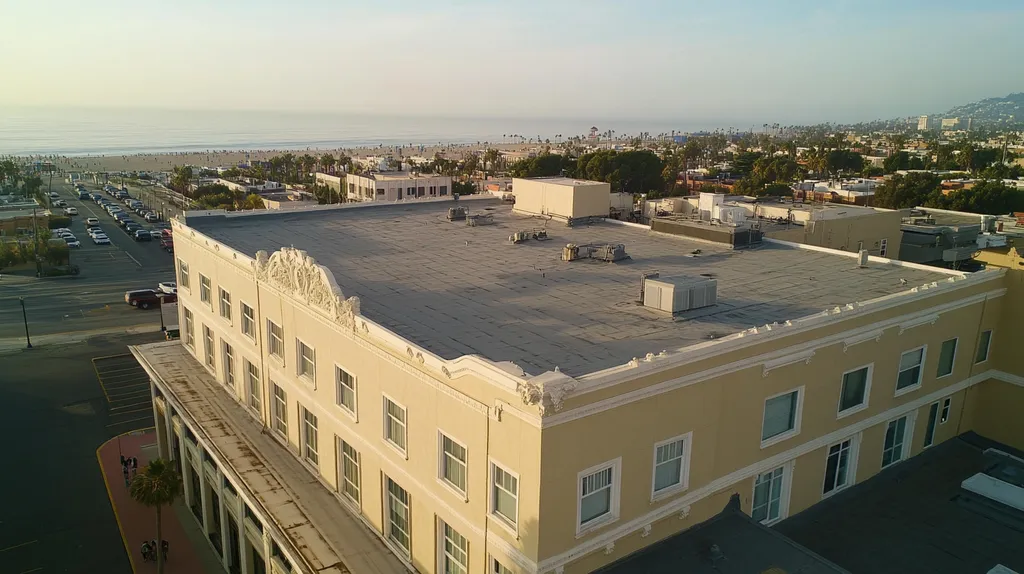
In the ever-changing landscape of commercial roofing, proactive maintenance is a crucial defense against escalating repair costs. Statistics reveal that effective inspection protocols can save property owners up to 30% on repair expenses by catching problems early. To protect financial investments and ensure the longevity of roofs, implementing comprehensive inspection methods is essential. This section will delve into vital inspection techniques, including visual assessments, infrared scanning, and cutting-edge drone technology.
Visual Inspection Techniques
Visual inspections are the bedrock of routine roof evaluations. Property managers routinely conduct these checks, looking for visible damage like cracks, blisters, and loose materials. These regular assessments help catch minor concerns before they escalate into major issues.
During a visual inspection, trained professionals search for wear patterns that could signal deeper problems. For instance, persistent ponding water may indicate drainage issues that could lead to leaks. Documenting findings creates a crucial maintenance log.
Utilizing checklists can greatly enhance the effectiveness of visual inspections. Templates ensure consistency, covering everything from debris accumulation to deterioration in flashing. Thorough reporting enables better decision-making regarding necessary repairs or replacements.
To be truly effective, visual inspections should follow a regular schedule, ideally occurring twice a year. Seasonal shifts can significantly affect roof conditions, underscoring the need for routine checks to identify potential concerns early.
Infrared Scanning and Moisture Surveys
Infrared scanning marks a significant leap forward in roof inspection technology. This method allows professionals to visualize thermal variations that signal moisture infiltration. Identifying trapped moisture provides a clearer picture of the roof’s overall health.
Moisture surveys utilizing infrared technology can uncover hidden leaks that remain invisible to the naked eye. By addressing moisture issues proactively, property owners can prevent long-term damage, including structural deterioration and mold growth.
For optimal results, thermal imaging scans should ideally be carried out during cooler months, when temperature differentials are most pronounced. This timing maximizes the clarity and accuracy of collected data.
Incorporating these scans into regular maintenance schedules can yield significant cost savings. By pinpointing problem areas early, property owners can avoid extensive repairs, ensuring the roof remains intact and functional over time.
Drone Technology in Roof Inspections
Drone technology is transforming the way roofs are inspected, enabling access to otherwise hard-to-reach areas without extensive labor overhead. Equipped with high-resolution cameras, drones capture detailed imagery of roof surfaces, identifying potential problems with ease.
This innovation significantly reduces safety risks for inspectors by eliminating the need to climb ladders or erect scaffolding. This improvement not only enhances safety but also speeds up the inspection process, leading to faster, more thorough evaluations.
Additionally, drones can be fitted with thermal imaging capabilities, providing an added layer of analysis. This feature allows inspectors to precisely detect leaks and insulation discrepancies, facilitating better-informed decisions regarding repairs.
While the initial investment in drone technology may seem high, the long-term benefits significantly outweigh the costs. Utilizing drones can streamline operations and improve inspection accuracy, ultimately leading to better maintenance and longer-lasting commercial roofs.
SECTION 4: MAINTENANCE REQUIREMENTS
Regular maintenance of commercial roofing systems is not just a best practice; it’s a vital strategy for avoiding costly damages and extending roof life. Research indicates that buildings with proactive maintenance plans encounter up to 30% fewer roof-related problems. By establishing a clear maintenance regimen, property owners and facility managers can shield their assets from the perils of leaks, moisture infiltration, and environmental wear. This section discusses the significance of routine inspection schedules, the urgent need to address leaks promptly, and effective maintenance of both the roof perimeter and field.
Regular Inspection Schedules
Establishing a regular inspection schedule is foundational for effective roof maintenance. Inspections should occur at least twice a year—ideally in spring and fall—to catch potential issues before they grow serious. Additionally, after severe weather events, an immediate inspection is crucial to assess any damage that may have occurred.
Qualified technicians will search for signs of wear, such as cracked membranes or blocked drains, during these inspections. Incorporating technologies like drone inspections can speed up this process and provide thorough assessments from hard-to-reach areas. Documenting inspection findings is essential for tracking the roof’s condition through time.
A systematic maintenance approach does more than extend a roof’s lifespan; it enhances energy efficiency too. Roofs in optimal condition help regulate building temperatures, leading to lower utility costs. Thus, constructing an inspection regimen is not merely advisable—it is a sound financial strategy.
Addressing Leaks and Moisture Infiltration
Responding swiftly to leaks is a critical aspect of commercial roof maintenance. Delaying repairs can lead to severe damage, including mold growth and structural integrity issues. A single leak, if neglected, can jeopardize the health of the entire roofing system.
Facilities managers should be trained to recognize early leakage signs, such as water spots on ceilings or walls. Utilizing moisture detection technology can further enhance their ability to identify hidden moisture before it escalates into a critical problem. This proactive stance significantly minimizes the risk of costly repairs and potential legal ramifications from water damage.
Collaboration with experienced roofing contractors is essential for a successful leak management strategy. Their expertise allows for accurate evaluation of the cause and appropriate recommendations for an effective long-term solution. Employing high-quality materials during repairs not only secures a durable fix but also ensures resilience against future moisture exposure.
Maintaining Roof Perimeter and Field
The upkeep of both the roof perimeter and field is vital for the overall health of the roofing system. The roof edge is particularly susceptible to deterioration and moisture infiltration, making routine inspections essential. Facilities managers should consistently check for damaged flashings or loose seams and ensure they are repaired promptly.
Moreover, the roof field demands thorough maintenance to prevent debris accumulation, which can impede drainage and lead to ponding water. Clearing debris should be integral to routine inspections, ensuring drains and scuppers remain unobstructed. A well-maintained roof not only enhances the building’s appearance but also improves its functional efficiency.
Taking a proactive approach to maintaining the perimeter and field can drastically diminish the likelihood of leaks and structural damage. Advanced technologies, such as thermal imaging, can detect vulnerabilities in the roofing system that may otherwise go unnoticed. Such measures significantly strengthen the roofing structure, safeguarding the investment while promoting the overall integrity of the building.

SECTION 5: PERFORMANCE METRICS
Understanding performance metrics for commercial roofs is essential for property owners and facility managers. Neglecting these metrics can lead to staggering costs, unsafe working conditions, and rising energy bills. For example, a single unresolved leak can increase repair costs by as much as 50% over time. By effectively evaluating roof conditions, assessing drainage efficiency, and identifying potential hazards, stakeholders can make informed decisions that protect their investments and enhance overall building safety.
Evaluating Roof Condition
Evaluating roof condition is the cornerstone of a successful maintenance strategy. Regular inspections utilizing drones or infrared technology swiftly reveal areas of concern without disrupting daily operations. These advanced technologies provide vivid visual data, highlighting potential issues like wear, blisters, or punctures that could eventually lead to leaks.
Employing performance metrics such as the Roof Condition Index (RCI) allows managers to gauge the health of their roofs efficiently. An RCI score between 80 and 100 indicates a well-maintained roof, while scores below 60 signal an urgent need for repairs. This evaluative framework prioritizes maintenance actions and aids in resource allocation.
Additionally, tracking trends in roof performance over time can illuminate emerging patterns that may necessitate adjustments to maintenance schedules. Taking proactive measures based on these insights can dramatically extend the lifespan of roofing systems, yielding substantial cost savings.
Ultimately, a systematic evaluation of roof condition not only preserves assets but also enhances safety for building occupants, contributing to a positive working environment.
Assessing Drainage Efficiency
Effective drainage is crucial for the durability of commercial roofs. Poor drainage can lead to water pooling, escalating the risks of leaks and structural damage. Employing advanced monitoring systems enables the gathering of data on drainage performance, allowing property managers to intervene before issues worsen.
Incorporating flow sensors is one practical way to continuously assess drainage efficiency. These sensors deliver real-time data on water flow, generating alerts if anomalies arise. If pooling is detected consistently, immediate interventions, such as debris removal or altering drainage slopes, can be executed.
Performance metrics like drainage time and water runoff rates offer invaluable insights into a roof’s overall efficiency. By quantifying these elements, facility managers can make well-informed decisions regarding necessary upgrades or refurbishments.
In conclusion, assessing drainage efficiency transcends basic maintenance; it actively protects the building’s structural integrity and minimizes disruptions to business operations.
Identifying Potential Hazards
Identifying potential hazards is vital for maintaining a safe and compliant commercial roofing system. Risks such as sharp objects, deteriorating materials, or inadequate barriers threaten both the roof’s integrity and the safety of personnel working onsite. Regular inspections should incorporate safety assessments as a core component of the evaluation process.
Utilizing imaging technologies can illuminate areas where hazards exist, enabling proactive interventions. For instance, thermal imaging can reveal hidden moisture that may compromise roofing materials. Addressing these dangerous issues early on allows facilities to implement corrective measures before minor problems escalate into significant safety violations.
Monitoring performance metrics regarding the frequency and severity of identified hazards is essential for forming effective risk management strategies. Understanding these patterns allows facility managers to prioritize inspections and maintenance efforts, ensuring the safest working conditions are established and maintained.
Ultimately, recognizing potential hazards not only protects the roof’s integrity but also fosters a safer working environment, reinforcing a commitment to employee well-being.
SECTION 5: PERFORMANCE METRICS
Understanding performance metrics for commercial roofs is not merely beneficial; it is essential for safeguarding property investments. Neglected roof conditions can lead to soaring repair costs, hazardous working environments, and climbing energy bills. For example, failing to address a single leak can amplify repair costs by as much as 50% over time. By meticulously evaluating roof conditions, assessing drainage efficiency, and pinpointing potential hazards, stakeholders can protect their investments and ensure a safer building environment.
Evaluating Roof Condition
Evaluating roof condition is the linchpin of an effective maintenance strategy. Regular inspections employing drones or infrared technology can swiftly identify concerns without disrupting operations. These advanced tools deliver detailed visual data, exposing issues like wear, blisters, or punctures that could eventually result in leaks.
Utilizing performance metrics such as the Roof Condition Index (RCI) is invaluable for property managers. An RCI score ranging from 80 to 100 signals a well-maintained roof, while scores below 60 indicate urgent repair needs. This scoring system assists in prioritizing necessary maintenance actions and resource allocation.
Moreover, monitoring trends in roof performance over time can reveal patterns that guide adjustments to maintenance schedules. Taking timely action based on these evaluations can significantly prolong the life of the roofing system, translating into tangible cost savings.
Ultimately, a systematic approach to roof condition evaluation not only safeguards assets but also enhances safety for building occupants, fostering a more productive and secure working environment.
Assessing Drainage Efficiency
Effective drainage is crucial for the longevity and integrity of a commercial roof. Inadequate drainage can promote water pooling, increasing the likelihood of leaks and structural damage. By implementing advanced monitoring systems, property managers can gather vital data on drainage performance and tackle issues proactively.
Flow sensors serve as an effective means to regularly assess drainage efficiency. These sensors can relay real-time data on water movement, issuing alerts when anomalies occur. If consistent pooling is detected, immediate corrective measures, such as clearing debris or adjusting the drainage slope, can be executed.
Performance metrics—including drainage time and water runoff rates—offer critical insights into a roof’s efficiency. Quantifying these metrics enables facility managers to make informed decisions about necessary improvements or refurbishments.
In summary, assessing drainage efficiency is not just a maintenance task; it is vital for preserving the integrity of the building and minimizing disruption to operations.
Identifying Potential Hazards
Identifying potential hazards is vital for maintaining a safe and compliant commercial roofing system. Hazards like sharp objects, deteriorating materials, or inefficient safety barriers pose risks not only to the roof but also to personnel working above. Regular inspections must include a safety assessment to ensure a comprehensive evaluation process.
Employing imaging technologies can illuminate areas of concern, enabling proactive interventions. For example, thermal imaging can detect trapped moisture that may compromise roofing materials. Addressing these hazardous conditions early prevents minor problems from escalating into major safety violations.
Monitoring performance metrics related to the frequency and severity of identified hazards is crucial for effective risk management. Understanding these patterns aids in prioritizing inspections and maintenance efforts, ensuring that the safest working conditions are consistently upheld.
Ultimately, recognizing potential hazards not only fortifies the roof’s integrity but also nurtures a safer working environment, reflecting a commitment to employee well-being.
Looking Ahead
The evolution of commercial roof inspection technology represents a watershed moment for the industry, with studies showing adoption of advanced tools can reduce inspection costs by up to 70% while increasing detection of potential failures by 85%.
From infrared scanning to AI-enabled drones, these innovations are transforming how we protect one of our most valuable building assets.
The stakes couldn’t be higher – a single undetected roof leak typically costs organizations between $5,000 to $20,000 in repairs and damages.
As these technologies continue advancing, property owners who embrace these tools will gain critical advantages in maintaining their facilities while significantly reducing long-term costs.
The future of commercial roof inspection isn’t just about new technology – it’s about combining these innovations with proven inspection principles to create more resilient, longer-lasting roofing systems.
FREQUENTLY ASKED QUESTIONS
Q. Why is evaluating commercial roof condition important?
A. Knowing the condition of your commercial roof helps prevent costly repairs and prolongs lifespan. Many roofs fail prematurely due to overlooked issues, which can directly impact your financial investment. A thorough understanding enables informed decisions regarding maintenance and timely interventions.
Q. What components should I inspect on my industrial roof?
A. Essential components to inspect include the roof membrane, flashing, drainage systems, and penetrations like vents. Neglecting any of these can lead to leaks and structural damage, potentially costing you more in repairs. Regular assessments help ensure your roof’s performance and longevity.
Q. How often should I conduct visual inspections of my commercial roof?
A. It’s recommended to conduct visual inspections at least twice a year, particularly in spring and fall. Regular assessments help spot minor issues before they escalate into significant problems. Additional inspections should follow severe weather to address any potential damage quickly.
Q. What technologies enhance commercial roof inspections?
A. Tools like infrared cameras and drones greatly improve inspection accuracy and efficiency. These technologies expose hidden moisture, leaks, and structural weaknesses that standard visual inspections might miss. Implementing such innovations helps safeguard your investment and reduces repair costs over time.
Q. What are the key maintenance requirements for my industrial roof?
A. Regular inspections, prompt leak repairs, and clearing debris are essential maintenance practices. Timing your inspections post-storm is crucial to catch any damage early. Effective upkeep of both the roof field and perimeter greatly minimizes costly repairs while extending your roof’s lifespan.
Q. How can I assess drainage efficiency on my commercial roof?
A. Effective assessment involves monitoring flow sensors for real-time data on water movement and detecting any pooling. Observing drainage efficiency ensures water is redirected appropriately, preventing leaks and structural problems. Regular checks can drastically reduce long-term repair costs and enhance system performance.
Q. What safety hazards should I inspect on my commercial roof?
A. Be vigilant for sharp objects, deteriorating materials, and inadequate safety barriers. Regular inspections should include safety assessments to identify and address potential threats. Prioritizing safety not only protects the roof’s integrity but also ensures a safe working environment for maintenance personnel.






