
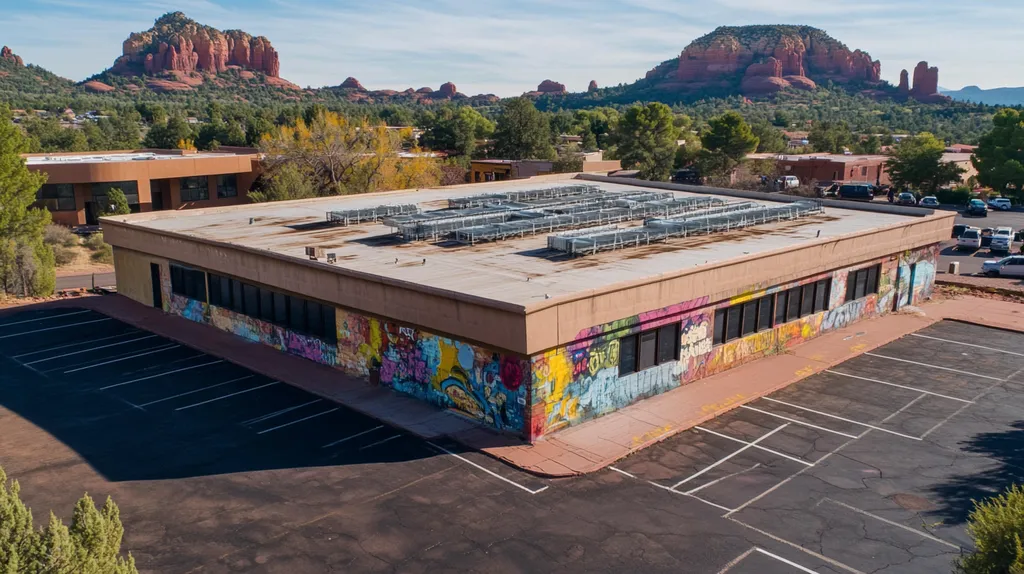
Welcome to today’s Battle Royale featuring two roofing heavyweights: “Pitched Roof Repairs” in the east corner versus “Flat Roof Repairs” in the west!
Tonight’s showdown pits these contenders against each other across six punishing rounds designed to test every aspect of their performance for the Repair of Commercial Roofs After Solar Installation.
At stake? Millions in potential costs, decades of building protection, and the critical performance demands of modern commercial and industrial facilities.
Our professional judging panel will evaluate each round on technical merit, real-world performance, and value delivery. After all six rounds, we’ll declare our ultimate champion.
Ladies and gentlemen, facility managers and building owners… it’s time to rumble!
ROUND 1: INITIAL COSTS & INSTALLATION
When solar panels are installed on commercial roofs, the complexity of future repairs increases dramatically. Industry data shows that improper planning for post-solar repairs can increase maintenance costs by 40-60% due to the need for specialized handling of solar components during roof work.
Understanding the distinct challenges of pitched versus flat roof repairs after solar installation is crucial for long-term facility management and budget planning. The initial decisions made during solar implementation will significantly impact repair costs and procedures for years to come.
Material Expenses
The cost implications of materials for roof repairs vary significantly between pitched and flat systems when solar panels are involved. Pitched roof materials typically include high-grade shingles or tiles that must maintain strict water-shedding capabilities even with solar mounts penetrating the surface.
Flat roof systems generally utilize membrane materials like TPO or EPDM, which are less expensive initially but may require more frequent replacement or repair around solar mounting points. The interface between these materials and solar components often becomes a critical point of maintenance.
During repair operations, pitched roofs require specialized materials designed to work around solar mounting systems while maintaining slope integrity. Flat roofs can often use standard materials but may need additional reinforcement at solar attachment points.
The durability of pitched roof materials typically results in fewer repair cycles over time, despite higher initial costs. For material expenses, pitched roofs show a clear ADVANTAGE due to their longer-term value proposition.
Installation Complexity
Solar panel removal and reinstallation significantly impact the complexity of roof repairs. The process requires careful coordination between roofing and solar professionals to prevent damage to either system.
When repairing a solar-equipped pitched roof, technicians must navigate steep angles while managing both roofing materials and solar components. This specialized work requires additional safety measures and technical expertise, increasing labor costs and project complexity.
During repairs, building owners must temporarily rely on grid power instead of their solar systems, impacting operational costs. The complete process of solar removal, roof repair, and reinstallation can extend project timelines significantly. (source: The Truth About Replacing or Repairing a Roof After Solar Installation)
For installation complexity, flat roofs demonstrate an ADVANTAGE due to their more accessible working surface and simpler repair procedures.
Project Timeline
Timeline considerations for solar-equipped roof repairs directly impact business operations and energy production. Pitched roof repairs typically require more extensive preparation and safety protocols, extending project duration.
Flat roof repairs can often be completed more quickly due to easier access and simpler working conditions. The level surface allows repair teams to move more efficiently and handle materials with less complexity.
However, weather sensitivity can affect both roof types equally during repairs. Projects must be carefully scheduled to minimize exposure to elements while solar components are removed.
The straightforward nature of flat roof repairs results in shorter project timelines and faster return to solar power generation, giving flat roofs the ADVANTAGE in this category.
ROUND 1 RESULTS: TIE
ROUND 2: DURABILITY & LIFESPAN
The intersection of solar installations and roofing durability presents critical challenges for commercial property owners. Studies show that improper solar mounting can reduce roof lifespan by up to 50% through water infiltration and structural stress points. Understanding how different roof types maintain their integrity after solar installation directly impacts both energy generation and building protection.
Weather Resistance
Solar installations create new vulnerabilities in roofing systems through mounting points and additional weight load. The way different roof types handle these challenges significantly impacts their long-term performance.
Pitched roofs excel at channeling water away from solar mounting points through their natural slope. Their design minimizes the risk of standing water and reduces stress on flashing and waterproofing components around solar attachments.
To install solar panels, professionals must drill holes in the roof to anchor mounting systems with lag bolts. These penetrations require precise flashing techniques to prevent water infiltration and maintain structural integrity. (source: Coldwell Solar)
Flat roofs face greater challenges with water pooling around solar mounts, leading to increased risk of leaks and membrane degradation. This vulnerability requires more frequent inspections and maintenance.
For weather resistance, pitched roofs demonstrate a clear ADVANTAGE due to their superior water-shedding capabilities.
Structural Integrity
The additional weight and stress points created by solar arrays test the structural limits of commercial roofs. Understanding how different roof types maintain their integrity under these conditions is crucial.
Pitched roofs distribute solar panel weight more effectively across their angular surface. Their traditional construction methods provide robust support for mounting systems while maintaining structural stability.
Flat roof systems often require additional reinforcement to handle concentrated solar panel loads. The level surface can lead to more stress points around mounting brackets and support structures.
When evaluating structural integrity, pitched roofs show an ADVANTAGE through better load distribution and inherent structural design.
Material Longevity
The lifespan of roofing materials directly impacts the long-term success of solar installations. Different roof types show varying abilities to maintain their protective qualities while supporting solar equipment.
Pitched roof materials like metal and high-grade shingles typically maintain their durability even with solar installations. These materials often exceed 40 years of service life when properly maintained.
Flat roof membranes generally have shorter lifespans, averaging 20-25 years. The addition of solar mounting systems can create additional wear points that may reduce this lifespan further.
For material longevity, pitched roofs demonstrate an ADVANTAGE through their superior durability and extended service life.
ROUND 2 WINNER: Pitched Roofs
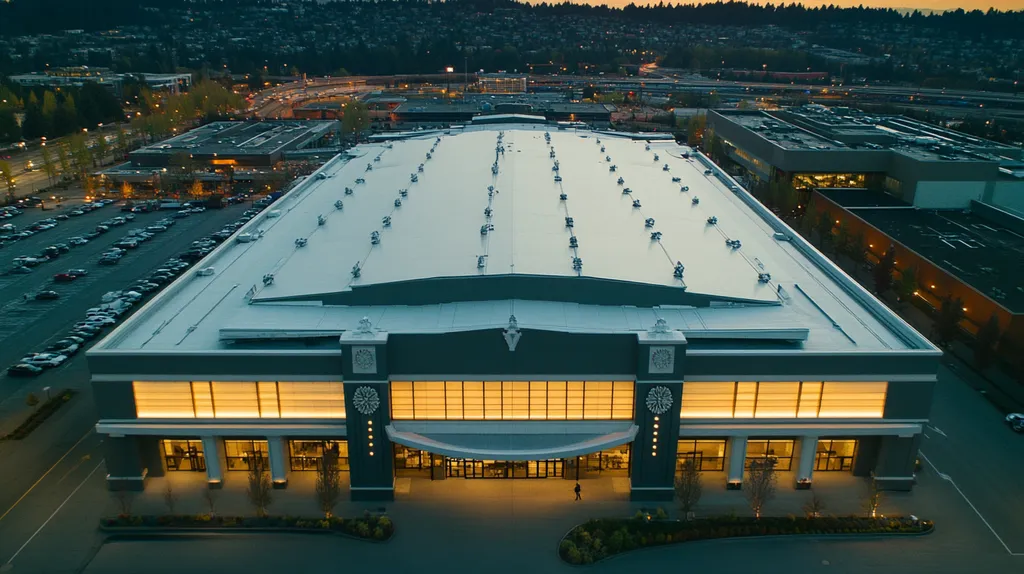
ROUND 3: PERFORMANCE FACTORS
The integration of solar panels with commercial roofing systems creates unique performance challenges that directly impact business operations. Recent data shows that improper repairs after solar installation can reduce roof lifespan by up to 30% and lead to catastrophic failures costing hundreds of thousands in damages.
Understanding how different roof types perform during maintenance and repair cycles has become essential for facility managers overseeing solar-equipped buildings. The choice between pitched and flat surfaces significantly influences long-term maintenance strategies and operational costs.
Maintenance Accessibility
The ability to safely access and repair roofing components around solar installations directly impacts maintenance efficiency and cost. Solar panel removal and reinstallation represents primarily a labor cost, with crews typically requiring one day to remove panels and another to reinstall them. (source: The Truth About Replacing or Repairing a Roof After Installing Solar)
Pitched roofs present significant challenges for maintenance teams working around solar arrays. The steep angles require specialized safety equipment and careful coordination between roofing and solar professionals.
Flat roofs offer superior accessibility for inspection and repairs. Their level surface allows maintenance crews to move freely and safely while working around solar components.
For maintenance accessibility, flat roofs demonstrate a clear ADVANTAGE.
System Integration
The interface between roofing materials and solar mounting systems critically affects overall performance. Proper integration ensures both systems function effectively while maintaining structural integrity.
Pitched roofs utilize natural slope to channel water away from mounting points, reducing the risk of leaks. Their design typically requires fewer penetrations for solar attachment, minimizing potential failure points.
Flat roof systems often need additional waterproofing and reinforcement around solar mounts. The level surface creates more challenges for proper drainage and seal maintenance.
For system integration, pitched roofs show an ADVANTAGE through better natural water management.
Repair Impact
The extent of disruption during repair operations affects both building protection and solar power generation. Quick, effective repairs minimize downtime and protect facility operations.
Pitched roof repairs typically require more extensive preparation and safety measures. The angular surface complicates material handling and extends repair timelines.
Flat roofs allow faster, more efficient repairs due to better accessibility. Their level surface simplifies material handling and reduces repair complexity.
For repair impact, flat roofs earn the ADVANTAGE through faster completion times.
ROUND 3 RESULTS: TIE
ROUND 4: MAINTENANCE REQUIREMENTS
The maintenance landscape for solar-equipped commercial roofs has evolved dramatically, with studies showing improper maintenance routines can reduce both roof lifespan and solar efficiency by up to 40%. Understanding the distinct maintenance requirements between pitched and flat roofs after solar installation directly impacts building protection and energy generation capabilities.
Property owners must carefully evaluate how different roof types respond to ongoing maintenance needs, as the wrong approach can lead to cascading failures affecting both building integrity and power production. Successfully maintaining these integrated systems requires specialized knowledge and systematic care protocols.
Inspection Frequency
Before implementing any solar installation, thorough assessment of roofing materials and structural capacity is essential. Different roofing materials present unique challenges that must be identified and addressed through regular inspection cycles. (source: Preferred Roofing Services)
Pitched roofs typically require bi-annual inspections due to their natural water-shedding capabilities. Their angular design helps prevent debris accumulation and allows for easier visual identification of potential issues during routine checks.
Flat roofs demand more frequent inspections, often quarterly, to monitor ponding water and debris buildup around solar mounts. The level surface creates additional inspection points that must be regularly evaluated to prevent membrane degradation.
For inspection frequency, pitched roofs show an ADVANTAGE through reduced monitoring requirements.
Preventive Care
Regular preventive maintenance directly impacts the longevity of both roofing systems and solar installations. Proper care protocols help identify potential issues before they escalate into major repairs.
Pitched roof preventive care focuses primarily on mount points and flashing integrity. The sloped surface naturally minimizes debris accumulation, reducing the need for frequent cleaning interventions.
Flat roof systems require more intensive preventive care, including regular drainage clearing and membrane condition monitoring. The level surface demands constant attention to prevent water pooling and subsequent damage.
For preventive care requirements, pitched roofs demonstrate an ADVANTAGE through simpler maintenance needs.
Repair Accessibility
The ease of performing maintenance and repairs significantly impacts long-term costs and system reliability. Access to roofing components around solar installations determines repair efficiency and safety.
Pitched roofs present challenges for maintenance crews, requiring specialized safety equipment and careful coordination. The angular surface complicates routine maintenance tasks and minor repairs.
Flat roofs offer superior accessibility for maintenance teams, allowing easier movement and simpler repair procedures. The level working surface reduces complexity and improves safety during maintenance operations.
For repair accessibility, flat roofs show a clear ADVANTAGE.
ROUND 4 WINNER: Pitched Roofs

ROUND 5: SUSTAINABILITY CREDENTIALS
The intersection of solar installations and sustainable roofing practices presents critical challenges for commercial property owners. With increasing regulatory pressure and environmental concerns, the sustainability credentials of roofing systems have become essential factors in long-term facility planning and valuation.
Understanding how different roof types support environmental goals while maintaining solar functionality can significantly impact both operational costs and corporate sustainability metrics. The choice between pitched and flat surfaces increasingly influences green building certifications and environmental compliance.
Recyclability of Materials
Installing solar panels on commercial roofs introduces additional complexity to material recycling and waste management. The integration of solar mounting systems with roofing materials creates unique challenges for end-of-life disposal and material recovery. (source: USG)
Pitched roof materials typically offer superior recyclability, with metal and tile components being readily processed for reuse. These materials maintain their recycling value even after years of solar panel integration, reducing landfill impact during repairs or replacement.
Flat roof membranes often face recycling limitations due to chemical treatments and adhesive contamination. The addition of solar mounting systems can further complicate material separation and recovery.
For material recyclability, pitched roofs demonstrate an ADVANTAGE through better end-of-life material recovery options.
Energy Efficiency
The thermal performance of roofing systems directly impacts building energy consumption and operational sustainability. Solar panel efficiency depends partly on the underlying roof’s ability to manage heat transfer.
Pitched roofs provide natural ventilation through their design, helping regulate temperatures beneath solar arrays. This passive cooling effect enhances both solar panel performance and building energy efficiency.
Flat roof systems often require additional cooling measures to maintain optimal solar panel temperatures. The lack of natural ventilation can reduce panel efficiency and increase building cooling loads.
For energy efficiency, pitched roofs show an ADVANTAGE through superior thermal management.
Environmental Impact During Repairs
The environmental footprint of repair operations becomes increasingly significant as buildings strive for continuous sustainability improvement. Different roof types present varying challenges for minimizing repair-related environmental impacts.
Pitched roof repairs typically require fewer chemical adhesives and generate less waste material. Their design allows for targeted repairs that minimize the environmental impact of maintenance operations.
Flat roof repairs often involve larger sections of membrane replacement and more extensive use of adhesives. This approach results in greater material waste and higher environmental impact during repair cycles.
For environmental impact during repairs, pitched roofs earn an ADVANTAGE through reduced waste generation and chemical use.
ROUND 5 WINNER: Pitched Roofs
ROUND 6: SPECIALIZED APPLICATIONS
The integration of solar panels with commercial roofing systems creates unique technical challenges that directly impact building protection and energy generation. Industry data shows that up to 40% of solar-equipped roof failures stem from improper consideration of specialized application requirements during initial installation and subsequent repairs.
Understanding how different roof types handle these specialized demands becomes crucial for maintaining both building integrity and solar system performance. The wrong approach can compromise both systems, leading to costly failures and extended downtime.
Waterproofing Integration
The integration of solar mounting systems with roofing waterproofing layers presents significant technical challenges. Mechanical attachment of solar panels can introduce vulnerabilities that affect roof integrity and potentially lead to water intrusion and structural damage. (source: USG)
Pitched roofs utilize overlapping materials and natural drainage patterns to channel water away from mounting penetrations. Their design inherently protects connection points and maintains effective water shedding even with solar installations.
Flat roof systems require more complex waterproofing solutions around solar mounts. The level surface demands careful attention to sealing techniques and often necessitates additional drainage provisions.
For waterproofing integration, pitched roofs demonstrate an ADVANTAGE through superior natural water management.
Load Distribution Systems
The distribution of solar array weight across roofing structures requires careful engineering consideration. Improper load management can lead to structural stress and premature roofing system failure.
Pitched roofs naturally distribute loads across their angular surface, reducing concentrated stress points. Their structural design typically accommodates additional weight without requiring extensive reinforcement.
Flat roof systems often need supplemental support structures to properly distribute solar array loads. The level surface can create pressure points that demand specialized load management solutions.
For load distribution, flat roofs show an ADVANTAGE through more flexible support options.
Environmental Adaptation
Solar-equipped roofs must adapt to varying environmental conditions while maintaining both water protection and power generation. Different roof types show distinct capabilities in managing these dual requirements.
Pitched roofs handle environmental stresses through their angular design, effectively shedding snow and debris. This natural cleaning action helps maintain solar panel efficiency and reduces maintenance demands.
Flat roof systems provide better adaptation options for varying climate zones. Their level surface allows for optimized panel positioning and easier environmental protection measures.
For environmental adaptation, flat roofs earn an ADVANTAGE through superior flexibility.
ROUND 6 WINNER: FLAT ROOFS
AND THE WINNER IS…
After six grueling rounds of technical evaluation, we have our verdict…
Ladies and gentlemen, in a decisive victory with three rounds won, one round tied, and demonstrating superior performance across multiple categories – your champion in the solar-equipped commercial roof repair showdown is PITCHED ROOFING!
The champion dominated with outstanding performance in durability, maintenance requirements, and sustainability credentials. Its natural water-shedding capabilities, superior load distribution, and longer material lifespan proved unbeatable in the heavyweight division.
But don’t count flat roofs out completely! When accessibility and repair speed are paramount, or when environmental adaptation flexibility is crucial, flat roofing systems can still deliver a knockout performance.
However, we must emphasize that every building faces unique challenges. Local climate conditions, structural specifications, and specific facility requirements can significantly impact roofing performance. This analysis provides general guidance but cannot account for all variables. Property owners should always consult with qualified roofing professionals who can evaluate their specific situation before making final decisions.
Remember, champions – in the high-stakes arena of commercial roofing, victory doesn’t just come from choosing the statistical winner. It comes from matching your facility’s unique requirements with the right contender’s strengths. Now get out there and make your next roofing decision a technical knockout!
FREQUENTLY ASKED QUESTIONS
Q. What are the initial costs for commercial roof repairs after solar installation?
A. The initial costs for commercial roof repairs depend on roof type. Pitched roofs often have higher upfront material costs but offer long-term savings due to their durability. Flat roofs may be less expensive initially but could incur higher maintenance costs down the line, especially around solar mounts.
Q. How does roofing durability change after solar installation on an industrial roof?
A. After solar installation, the durability of industrial roofs can be compromised if not properly planned. Pitched roofs typically excel in weather resistance, managing water flow better than flat roofs that may experience pooling. This can lead to more repairs and increased maintenance costs when not addressed.
Q. What are the performance factors to consider for commercial roofs with solar panels?
A. Performance factors include maintenance accessibility, system integration, and repair impact. Flat roofs generally provide better access for maintenance and quicker repairs, while pitched roofs may require more careful handling due to their design. The integration of solar and roofing systems is crucial to avoid leaks and structural issues.
Q. How often should I inspect my commercial roof after solar installation?
A. After solar installation, inspection frequency can vary. Pitched roofs may require bi-annual inspections due to their water-shedding design. In contrast, flat roofs benefit from more frequent quarterly inspections to manage potential issues like ponding water and debris accumulation around solar mounts.
Q. What sustainability credentials should commercial roofs with solar panels include?
A. Important sustainability credentials include material recyclability, energy efficiency, and reduced environmental impact during repairs. Pitched roofs typically rank higher in recyclability and energy efficiency. Flat roofs may present challenges with waste management but can offer flexibility in adapting to energy efficiency measures.
Q. What specialized applications should I consider for commercial roof repairs?
A. Consider waterproofing integration, load distribution systems, and environmental adaptation. Pitched roofs generally handle these challenges better, offering natural water management. However, flat roofs provide unique advantages in load flexibility and positioning solar panels for optimal performance depending on climate conditions.
Q. How do I choose between pitched and flat roofs for my commercial solar setup?
A. Choosing between pitched and flat roofs involves considering cost, maintenance, and long-term durability. Pitched roofs often provide better longevity and weather resistance, making them suitable for long-term solar applications. Flat roofs offer easier access for repairs but may lead to higher maintenance requirements over time.






