

In commercial roofing, color selection has become a $2.3 billion yearly decision that most property owners get completely wrong. Studies show that choosing the wrong coating color can inflate energy costs by up to 30% – yet industry inertia keeps pushing dated options that undermine building performance.
From manufacturing constraints to regulatory pressures, multiple factors restrict coating color choices in ways that hurt the bottom line. The result? A market flooded with “standard” options that ignore modern energy efficiency needs and emerging coating technologies.
This analysis challenges conventional wisdom about roof coating colors, examining how established influences limit innovation while missing opportunities for enhanced building performance and value.
SECTION 1: CURRENT PRACTICES
Choosing the right roof coating color is not just an aesthetic decision; it’s a crucial factor affecting the longevity and functionality of commercial roofs. The choices made today can lead to considerable differences in energy costs and overall building health. For instance, studies show that a lighter roof can reflect up to 80% of solar heat, resulting in cooling cost reductions of nearly 20% in warmer climates. Yet, many property owners cling to outdated practices that overlook vital modern insights.
Standard Color Options
Most commercial roofing systems are limited to a few traditional color choices: typically white, gray, and darker shades. These selections often stem from historical norms or fleeting aesthetic trends rather than genuine performance considerations. Property owners frequently adopt these colors without grasping their extensive implications for energy efficiency.
Lighter colors, particularly white, are commonly selected for their superior reflective capabilities, which help minimize heat absorption. Conversely, darker shades can raise building temperatures, leading to elevated cooling expenses. This narrow color spectrum reflects an industry resistant to change, clinging to a few established options that often fail to meet today’s needs.
Additionally, manufacturers often promote these standard colors as part of their marketing strategy. While they may come with warranties, they don’t necessarily align with optimal energy-saving practices. Property owners should explore alternatives that extend beyond traditional choices.
The current norm often neglects innovative color technologies that could significantly enhance roof performance. Custom colors and specialized coatings tailored to specific building requirements can provide substantial long-term benefits in longevity and maintenance, including reduced cooling costs.
Common Application Methods
Roof coating application methods typically adhere to conventional techniques. Most contractors rely on rollers or sprayers, employing methods that have been passed down through generations. While these standardized techniques ensure a uniform coating, they often fail to optimize the advantages that diverse color choices can offer.
These traditional methods may limit customization, leading some to believe that any standard color will suffice. This assumption can spur costly missteps. A one-size-fits-all mentality hampers the potential for true energy optimization.
Emerging technologies for coating applications are being developed yet tend to remain underutilized in the field. New methods can improve adhesion and reflectivity across a range of colors, especially those designed with specific climates in mind. For property managers, it’s essential to consider these innovations instead of reverting to conventional practices.
When assessing application techniques, property owners also need to factor in the long-term maintenance implications of their color choice. Certain methods might require more frequent reapplication, ultimately driving up costs. Understanding how application methods and color selections interact is crucial for savvy decision-making.
Industry Norms for Color Selection
The roofing industry is often guided by established norms that shape how property owners choose coating colors. Many facilities select color schemes based solely on visual appeal or corporate branding, often neglecting practical considerations crucial to building performance.
This tendency cultivates a herd mentality among decision-makers, causing them to overlook potentially advantageous options. Consequently, color selection can become an exercise in prioritizing looks over functionality, which may sacrifice energy efficiency along the way. The prevailing trend involves minimal exploration into alternative colors or coatings that could provide tangible benefits to specific environments.
Furthermore, regulatory influences may dictate the color selection process, where local building codes serve as guideposts. However, these guidelines often lag behind technological advancements and energy efficiency practices, leading to uninformed decisions.
Taking the time to explore trends beyond standard practices can connect property managers with superior roof performance options. It is vital for decision-makers to reassess conventional norms in light of recent developments, ensuring their choices enhance both operational efficiency and aesthetic appeal.
SECTION 2: SYSTEMIC ISSUES
The choice of roof coating color is more than just a design detail; it has significant implications for energy costs and the durability of commercial buildings. In fact, the U.S. Department of Energy reports that reflective roof coatings can cut energy consumption by up to 15%. However, many property owners are hamstrung by systematic issues that complicate their color selection process. This section dives into the limitations of color variability, the importance of color consistency, and how color directly impacts energy efficiency.
Limited Color Variability
A lack of color variability in roofing products can hinder both innovation and effectiveness in commercial applications. Most suppliers stick to a narrow palette of colors they call “industry standards,” forcing property owners into a corner. This is especially problematic in markets where specific colors have become almost ritualistic in their association with performance, creating a pressure to conform that undermines creative solutions.
Furthermore, the assumption that similar colors equate to similar performance can be misleading. Property owners can easily miss critical differences in how various coatings perform with heat or UV exposure. This restricted choice not only stifles creativity but also stalls advancements in sustainable roofing technologies.
As manufacturers lag in color innovation, they miss opportunities to enhance energy efficiency and curb appeal. If the industry were to embrace a broader array of color options, it could lead to more optimized solutions that better align commercial roofs with modern environmental goals.
Color Consistency and Accuracy
Color consistency and accuracy are vital, yet often brushed aside in commercial roofing decisions. When manufacturers struggle with color matching between different batches, the result can be ugly roofs that clash with a building’s overall design. Property owners might find themselves accepting unsatisfactory appearances simply because of inconsistent applications.
These inconsistencies extend beyond mere aesthetics; they can signify differences in the underlying materials, potentially impacting durability and lifespan. Inaccurate color consistency might lead managers to assume they’re getting equally protective coatings when, in fact, they might not be.
The application process can further muddy the waters. Uneven distribution of color can create patches on the roof that react differently to sunlight and temperature fluctuations. Such discrepancies can lead to premature wear and tear, ultimately racking up maintenance costs and undermining initial investments.
A robust approach to quality control in both manufacturing and application is non-negotiable. The industry must prioritize uniform color standards to enhance both aesthetic appeal and long-term roof performance.
Impact of Color on Energy Efficiency
Color choice profoundly influences a roof’s energy efficiency, yet many property owners remain oblivious to its potential ramifications. Lighter colors excel at reflecting sunlight, whereas darker shades absorb heat, leading to elevated cooling costs. This fundamental principle directly affects overall building performance and can substantially inflate energy bills.
Despite the evidence, many continue to gravitate toward familiar darker shades, often valuing aesthetics over functionality. While appealing in a brochure, the long-term financial implications might be staggering. Buildings with non-reflective roofs can face up to a 20% hike in cooling energy usage.
The impact isn’t just theoretical; numerous case studies illustrate that shifting to lighter roof coatings can generate significant savings. Properties that have made the switch to reflective roofs frequently report energy savings soaring beyond $8,000 annually.
Property owners must consider these factors critically when selecting roof coatings. Gaining an understanding of how color influences energy dynamics can empower them to make informed decisions that maximize both performance and cost-effectiveness.
SECTION 3: MISSED OPPORTUNITIES
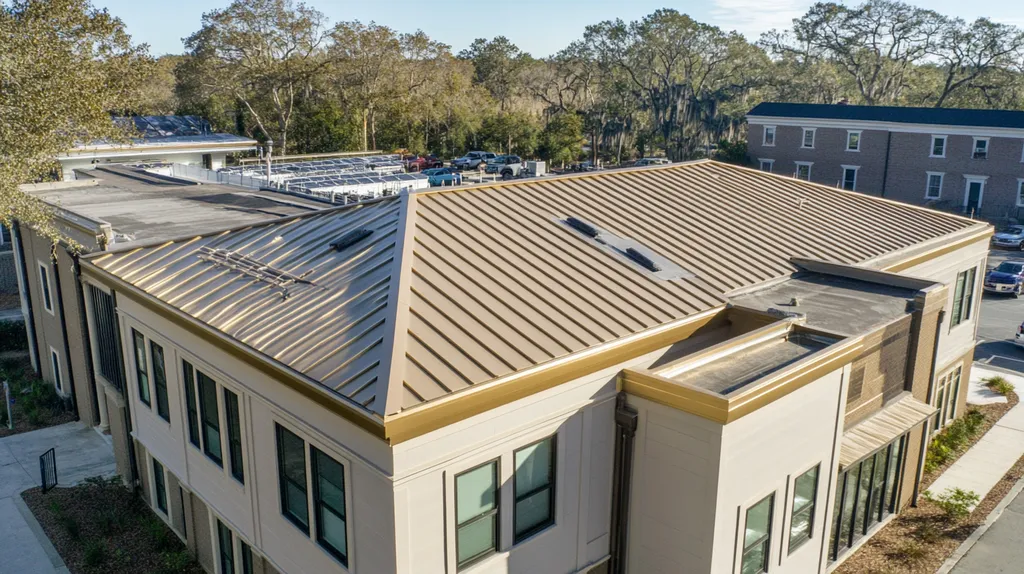
When it comes to selecting roof coating colors, many property owners inadvertently miss out on critical opportunities. Research indicates that the right color can influence energy costs by as much as 30%. Unfortunately, decisions about aesthetic flexibility, branding alignment, and property value often take a backseat, despite their potential to maximize investments. This section delves into these elements, illustrating why a strategic color approach is essential for commercial roofing success.
Aesthetic Flexibility
Aesthetic flexibility in selecting roof coating colors isn’t just a superficial concern—it’s an essential component of a building’s identity. A thoughtfully chosen color can dramatically enhance a structure’s profile, artfully complementing its architecture while shaping the perception of the business within.
For instance, a gentle green or calming blue can harmonize with lush backgrounds in industrial areas, adding local flair. Conversely, a jarring white or electric hue might attract unwanted attention, overshadowing the overall design. The goal is to create a visual narrative that resonates with both occupants and passersby.
Thanks to advancements in coating technology, property owners can now customize colors without compromising performance. This flexibility allows for a unique identity, enabling facilities to stand out in a crowded marketplace.
By prioritizing aesthetic considerations, facility managers can elevate their properties from mere structures to inviting environments that leave lasting impressions on visitors.
Branding and Customization
Branding is another powerful avenue where roof coating color can significantly influence outcomes. A commercial roof can serve as a branding billboard that reflects a company’s identity and mission. Choosing colors aligned with brand aesthetics cultivates a unified image that resonates with clients and customers alike.
For example, a firm focused on sustainability might opt for shades of green, reinforcing their eco-friendly ethos. Tailoring color choices helps businesses break free from cookie-cutter designs, creating unique impressions that set them apart from competitors.
Many manufacturers now offer tailored color options that cater to specific branding needs. Overlooking these customization opportunities limits a property’s ability to enhance recognition and impact. A standout color selection can become a conversation starter, turning roofs into marketing assets.
Incorporating branding into roof color choices is a strategic move. It influences customer perceptions, boosts employee pride, and fosters a more engaged workplace culture.
Potential for Enhanced Property Value
Roof color plays a crucial role in determining property value—a factor that’s often underestimated. Properties that emphasize aesthetic appeal through well-considered color choices can command higher market prices. Studies highlight that investing in curb appeal can enhance property values by as much as 10%.
When buildings adopt attractive color schemes that align with their surroundings, they not only attract buyers but also boost marketability. This simple yet impactful aspect can differentiate properties in competitive real estate landscapes.
Additionally, the right color choice has energy efficiency implications. Lighter colors reflect sunlight, reducing heat absorption and cooling costs—benefits that further enhance property value. It’s a compelling argument for a smart color selection that aligns with performance goals.
Ultimately, thoughtfully chosen roof coating colors are an underutilized opportunity for property owners. Making informed decisions in this arena can lead to meaningful benefits that contribute to long-term value, turning aesthetic choices into powerful investment strategies.
SECTION 4: ROOT CAUSES
Delving into the root causes behind color choices in commercial roofing is essential for property owners. A poor color selection can lead to skyrocketing energy bills and operational inefficiencies. For instance, reflective roof coatings have the potential to trim energy expenses by as much as 20%. Yet, many property owners remain tethered to outdated hues, unaware of the manufacturing constraints, cost factors, and regulatory influences shaping their decisions.
Manufacturing Constraints
Manufacturing processes have a significant impact on the color options available for roof coatings. Many products are restricted to a limited range of colors due to the inherent properties of the materials used. Certain pigments and additives, crucial for achieving reflective technologies, may not mix well, leaving property owners with a color palette as exciting as a beige wall.
This forces many into a corner, prioritizing immediate availability over energy efficiency. Manufacturers must step up and innovate, creating coatings that not only reflect heat but also expand the choice of colors available.
Moreover, the color testing and approval process can be as slow as molasses. Each new color typically requires extensive research to validate its viability, causing delays that stifle property owners’ efforts to enhance roof performance.
In the end, these manufacturing constraints limit property managers’ ability to choose colors that could boost both performance and energy efficiency, hampering potential sustainability gains in the sector.
Cost and Availability Factors
When it comes to roof coatings, the price tag plays a pivotal role. Property owners often find themselves walking a tightrope between budget limitations and the benefits of energy efficiency. Sure, lighter colors can save serious cash on cooling costs, but their initial price can send budgets into a tailspin.
Additionally, color availability varies widely by region, creating disparities that can be frustrating. Some areas might offer only a small selection of reflective coatings, compelling owners to compromise on efficiency for convenience—talk about a lose-lose scenario.
Even bulk purchasing agreements can throw a wrench in the works. Suppliers often promote specific colors that come at a bargain, tempting property owners to settle for less effective alternatives. Being aware of these cost implications is critical for making long-term, energy-efficient decisions.
By understanding these factors, property owners can navigate the often murky waters of roof coating colors and strike a balance that achieves both budgetary considerations and sustainable practices.
Regulatory Influences on Color Choices
Regulations are a common thread weaving through the complex landscape of roof color choices. Local building codes might mandate specific materials or colors to meet predetermined energy standards. For instance, some energy codes require lighter shades to enhance reflectivity and combat urban heat—one more hurdle for property owners to overcome.
While these regulations aim to improve energy efficiency, they can unwittingly limit options, leaving property managers with a few uninspired choices. At times, compliance dictates selections that fall short on both visual appeal and energy performance.
Moreover, incentive programs meant to promote sustainable roofing practices tend to be muddled or inconsistent across different areas, leading to confusion about the advantages of certain color selections qualifying for financial incentives.
Property owners need to stay informed about how these regulations affect color choices. By doing so, they can advocate for better options that serve both compliance and operational efficiency, ensuring that they don’t get trapped in a color conundrum.
DATA DRIVEN EVIDENCE
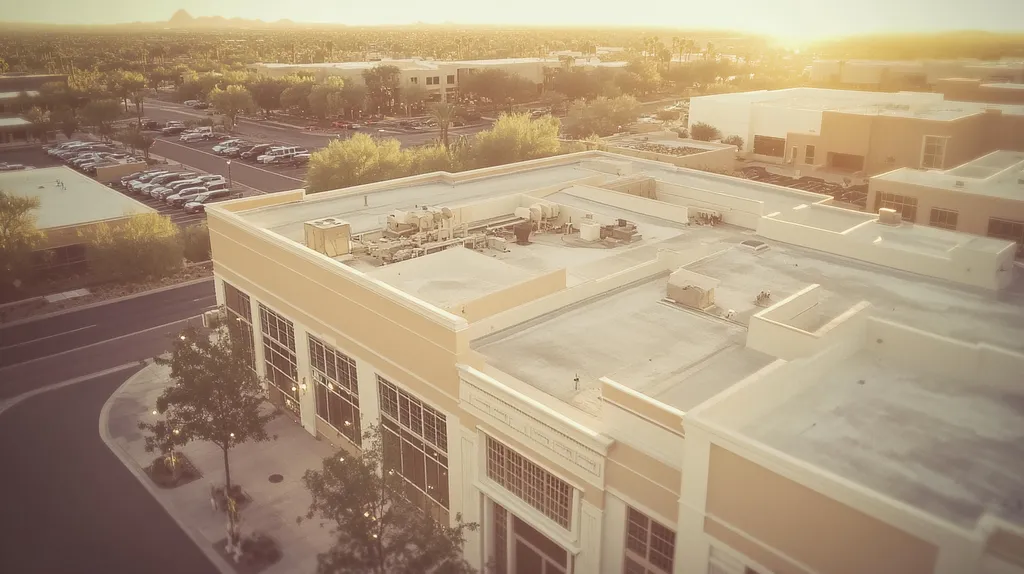
Choosing the right roof coating color is not just another item on a checklist; it’s a game-changer for energy efficiency and roof performance. A 2019 study highlights that light-colored coatings can slash roof surface temperatures by up to 40%. This drop in temperature leads to substantial energy savings, allowing property owners to substantially lower cooling costs. Gaining insights from this data empowers businesses to make smart decisions that enhance operational efficiency, durability, and comfort for occupants.
Reflectance Rates and Energy Savings
Reflectance rates are not just technical jargon; they are the pulse of energy consumption in roofing. Research shows that roofs with high reflectivity can cut cooling costs by up to 15%. This is especially crucial for regions where the sun is relentless. The ASHRAE guidelines champion reflective roof coatings as a straightforward way to enhance energy efficiency.
Moreover, Energy Star-rated materials excel in energy savings. Lower roof temperatures equate to decreased heat transfer into buildings, stabilizing indoor climates. This means less strain on HVAC systems, translating to lower energy bills across the board.
Let’s not forget the environmental angle. Consuming less energy leads to reduced greenhouse gas emissions. By opting for lighter-colored coatings, companies not only save money but also align with sustainability goals.
Property owners are already witnessing this trend firsthand, with reports indicating lower energy costs after switching to reflective roof coatings. The data couldn’t be clearer: reflectance rates influence not only cooling expenses but also the environmental footprint of commercial buildings.
Durability and Performance Metrics
When it comes to roofing, durability is king, and color significantly impacts longevity. Research indicates that lighter colors are often superior at enduring UV exposure compared to their darker counterparts. This advantage can extend service life by several years, making light-colored coatings not just practical but financially savvy.
Additionally, lighter coatings exhibit greater resistance to the thermal expansion and contraction caused by extreme temperature swings. Such fluctuations threaten roofing materials with premature failure, but high-performance coatings mitigate this risk, enhancing durability significantly.
Performance metrics back this up: lighter-colored coatings maintain their adhesion and flexibility better over time. Testing reveals that some high-reflectance coatings retain up to 90% of their original reflectivity after five years, while darker ones show rapid deterioration.
In the end, the data speaks for itself: durability closely aligns with color choice. Smart decisions about coating colors not only improve and extend the life of the roof but also cut down on repair and replacement costs.
Customer Satisfaction and Feedback
Let’s talk about satisfaction—a metric that shouldn’t be ignored in the roofing conversation. Surveys reveal that property owners investing in reflective roofing coatings enjoy higher satisfaction rates. This boost stems not just from energy savings but also from a more comfortable indoor environment.
Feedback from occupants shows that a cooler building enhances productivity. A comfortable workspace means fewer complaints about heat stress and a happier workforce. Satisfied tenants are vital for property owners keen on maintaining high occupancy rates.
Furthermore, repeat business often signals how content customers truly are. Property managers are increasingly leaning toward suppliers providing lighter roofing solutions thanks to positive experiences. This reinforces the notion that selecting the right coating color can impact the bottom line.
Property owners are highly encouraged to sift through customer testimonials and case studies to grasp these benefits fully. This data-driven evidence strongly supports the viewpoint that color choice significantly influences energy savings and overall customer satisfaction.
SECTION 6: ALTERNATIVE SOLUTIONS
Choosing the right roof coating color is not just about looks; it’s a mission-critical decision that massively impacts energy efficiency and roof longevity. Yet too many property owners are tethered to conventional options that may actually harm performance. This section dives into innovative alternatives like custom color matching services, advanced coating technologies, and integrated design strategies, all poised to help property managers rethink their approach to roof coating color selection.
Custom Color Matching Services
Custom color matching services empower property owners to select coating colors that fulfill both aesthetic desires and energy efficiency goals. By using cutting-edge technology, these services ensure that the chosen colors meet specific visual criteria without compromising performance. For instance, a facility manager can pick a shade that seamlessly blends with the surroundings, enhancing the building’s appeal and potentially luring more business.
On the energy front, these tailor-made colors might reflect sunlight more effectively than standard options. Armed with accurate data, property owners can discover that custom shades lead to reduced cooling expenses, making for a win-win situation, especially in warmer climates. Companies that embrace this service typically enjoy lower energy bills and happier tenants.
As sustainability takes center stage in corporate responsibility, these custom solutions represent an exciting opportunity to showcase energy-efficient practices. By selecting colors that enhance both visual impact and green goals, property owners can position their facilities as eco-conscious, thereby attracting a broader clientele.
In summary, custom color matching not only amplifies aesthetic appeal but also drives energy efficiency, making it a robust alternative for modern roofing solutions.
Advanced Coating Technologies
Advanced coating technologies have revolutionized roofing by providing enhanced performance characteristics that surpass traditional solutions. These innovative coatings often incorporate reflective, infrared-blocking, or elastomeric properties, all while maintaining visual appeal. Such advancements can significantly enhance a building’s thermal efficiency, especially handy in sun-drenched urban areas.
For example, a reflective coating can slash rooftop temperatures by as much as 30%, directly translating to reduced energy consumption. Keeping buildings cooler means less stress on HVAC systems, leading to sustained energy savings over time. Facilities utilizing these advanced solutions often benefit from decreased wear and tear on their roofs, fostering a longer lifespan and improved performance.
Furthermore, advanced coatings generally boast better resistance to environmental challenges like UV rays, moisture, and severe temperatures. This durability translates to lower maintenance needs and fewer disruptive repairs, ensuring that roofs remain high-performing and valuable assets. Adopting these technologies not only champions energy efficiency but also fortifies the sustainability narrative within the roofing sector.
Integrated Design and Application Strategies
Integrated design and application strategies advocate a holistic perspective when making roof coating color selections, marrying aesthetics with functionality in a cohesive plan. Instead of treating color selection as a standalone decision, these strategies evaluate climate, building orientation, and local aesthetics to maximize energy efficiency while enhancing visual appeal.
For instance, in hot climates, focusing on lighter colors in certain areas can optimize cooling performance while contributing positively to the building’s overall aesthetic. Additionally, aligning with local architectural styles ensures that the roof complements the entire property, bolstering both its energy efficiency and market value.
This integrated approach also encourages collaboration among architects, roofing contractors, and facility managers, ensuring that decisions are informed by comprehensive data rather than just conventional wisdom. Such teamwork paves the way for innovative solutions tailored to the unique circumstances of each property, amplifying long-term sustainability.
In conclusion, embracing integrated design and application strategies equips property owners to make strategic, informed decisions that enhance both the performance and appearance of their commercial roofs.
The Bottom Line
The $2.3 billion commercial roof coating industry continues pushing outdated color options that inflate energy costs by up to 30% while ignoring proven alternatives.
Manufacturing constraints, regulatory pressures, and misguided industry norms have created a market dominated by inefficient coating colors that undermine building performance.
Property owners who break free from traditional color selections through custom matching services and advanced coating technologies can slash cooling costs by up to 20% while enhancing property values.
As energy costs soar and sustainability pressures mount, the commercial roofing sector must embrace data-driven color choices that prioritize performance over convention.
The evidence is clear: continuing to accept limited color options means leaving significant energy savings and property value on the table.
FREQUENTLY ASKED QUESTIONS
Q. What current practices affect color choice for commercial roofs?
A. Choosing the right color impacts energy efficiency and roof longevity. Most property owners are stuck with outdated color preferences, missing opportunities for better energy savings. Lighter colors reflect heat, leading to reduced cooling costs, particularly vital in warmer climates.
Q. How do systemic issues limit commercial roof color options?
A. Systemic issues like limited color variability hinder innovation and energy efficiency. Property owners often stick to narrow selections based on outdated traditions rather than performance considerations. This reluctance limits their ability to take advantage of potential energy savings and improved building performance.
Q. What missed opportunities arise from poor color choices for industrial roofs?
A. Poor color choices can negatively impact property value, energy efficiency, and branding. A roof’s color can influence customer perceptions and energy costs by up to 30%. By not exploring better options, owners lose out on aesthetic upgrades and potential savings.
Q. What root causes lead to unsatisfactory commercial roof color selections?
A. Factors such as manufacturing constraints and regulatory influences often limit color options. Many property owners are unaware of cost implications, forcing them to settle for uninspired choices that can drive up operational costs and impact energy efficiency.
Q. How can data-driven evidence support commercial roof color decisions?
A. Data shows lighter coatings can reduce roof surface temperatures by up to 40%. Reflective roofs significantly lower cooling costs, making it clear that informed choices have substantial long-term impacts on energy efficiency and occupant comfort.
Q. What alternative solutions exist for commercial roof color selection?
A. Alternatives include custom color matching services and advanced coating technologies. These options allow for enhanced aesthetics without sacrificing energy performance. Integrated design strategies can also help align color choices with functionality and local architectural styles for optimal results.
Q. Why is the choice of coating color important for industrial roofs?
A. The coating color directly affects energy efficiency, durability, and overall aesthetic appeal. Lighter shades help reduce energy costs by reflecting sunlight, while darker colors risk higher cooling expenses. A thoughtful choice can enhance both performance and property attractiveness.






