

Commercial property owners lose an estimated $13 billion annually to pest-related damage, with dark-colored roofs attracting up to 300% more unwanted insects than lighter alternatives.
The color of a commercial roof significantly impacts pest populations through heat absorption and reflection patterns, making it a critical factor in facility maintenance and protection.
By strategically selecting roof colors, facility managers can dramatically reduce pest infestations while improving energy efficiency and extending roof lifespan.
This comprehensive guide examines the key performance factors, financial implications, compliance requirements, and best practices for optimizing roof colors in commercial pest management.
SECTION 1: PERFORMANCE FACTORS
Choosing the right roof color is about more than just enhancing curb appeal; it’s vital for effective pest management in commercial buildings. Higher rates of pest infestations can lead to significant repair costs and potential health hazards. For example, dark roofs absorb more heat, creating an inviting habitat for pests. Therefore, understanding how heat absorption, insulation, and material durability affect pest populations is crucial for facility managers aiming for long-term sustainability.
Heat Absorption and Reflection
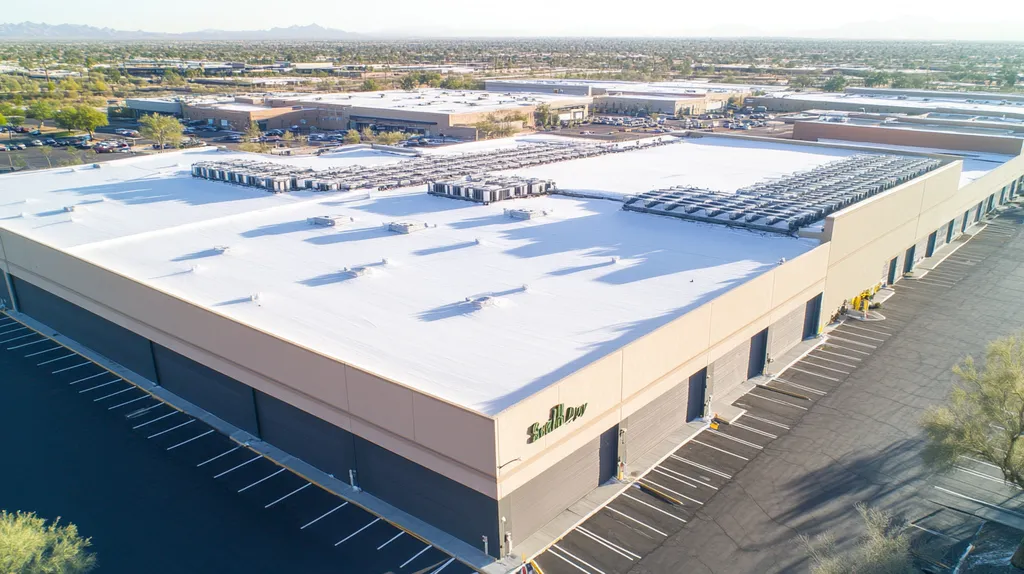
Roof color plays a significant role in heat absorption and reflection, directly impacting the environment on commercial roofs. Light-colored roofs reflect more sunlight, helping to maintain lower temperatures and making them less enticing to pests. For instance, roofs in shades of white or light gray can be up to 50°F cooler than their dark counterparts, greatly reducing the potential for pest habitats.
On the other hand, dark roofs trap heat, providing a warm breeding ground for numerous pests, especially during warmer months. Facility managers should seriously consider installing lighter-colored roofing options to minimize these risks and protect their properties.
A reflective roof color also positively impacts energy costs, lowering the demand for air conditioning. This reduction in energy use inadvertently creates an environment that’s less appealing to pests, providing a dual benefit.
In summary, selecting a roof color that effectively reflects heat not only aids in energy conservation but also plays a pivotal role in pest prevention. For facility managers, making this choice is vital for maintaining a pest-free space.
Key Action Items
Insulation Impact on Pest Habitat
Insulation is crucial in preventing pest infestations, as it helps maintain a stable temperature within a building. Good insulation limits temperature fluctuations, making it less likely for pests to thrive. In contrast, poor insulation can create warm pockets that attract unwanted visitors.
Opting for roof colors that enhance insulation can help make buildings less hospitable for pests. Lighter-colored roofs often work synergistically with specific insulation materials to improve overall climate control, reducing opportunities for pests to nest.
Furthermore, well-insulated roofs help diminish noise pollution, fostering a calm environment. This tranquility can deter pests from seeking shelter inside buildings, as they typically prefer safe and insulated spaces.
Ultimately, choosing roofing solutions that prioritize insulation while factoring in color can significantly improve pest management strategies. Facility managers must recognize this essential aspect when considering roofing options.
Key Action Items
Roof Material Durability
The durability of roofing materials is a key component in effective pest management. Roofs that break down quickly can develop gaps and openings, creating entry points for pests. Selecting high-quality, resilient materials in an appropriate color can help mitigate these risks.
For example, thermoplastic polyolefin (TPO) and ethylene propylene diene monomer (EPDM) membranes are available in reflective colors. These materials not only boast excellent durability but also help maintain lower roof temperatures, further discouraging insects and rodents.
Moreover, roofing that withstands environmental stressors requires less frequent upkeep. By investing in superior materials, facility managers can reduce long-term costs associated with pest-related issues stemming from wear and tear.
In conclusion, the longevity and effectiveness of roofing materials directly contribute to successful pest control measures. Choosing materials that combine durability and appropriate colors can enhance overall building health and lower the likelihood of pest infestations.
Key Action Items
SECTION 2: FINANCIAL CONSIDERATIONS
When it comes to selecting roofing materials for commercial properties, cost is a critical consideration that goes beyond mere upfront expenses. Facility managers must weigh the initial investment against potential long-term savings. Making informed choices regarding roof color can minimize maintenance costs and energy expenditures while also deterring pest populations—ultimately delivering financial benefits that extend past aesthetics.
Initial Cost of Roofing Materials
The initial cost of roofing materials can vary widely depending on color, type, and quality. Lighter-colored materials tend to reflect more sunlight, keeping surfaces cooler and potentially deterring pests. While these options may demand a higher upfront investment, they often lead to less frequent replacements and repairs, balancing initial costs with extended longevity.
Investing in pest-resistant materials might also increase initial expenditures, but this proactive approach pays off by reducing future infestation-related costs. In regions where pest control is a considerable issue, these upfront expenses can be viewed as a smart financial strategy.
It is essential for facility managers to perform a comprehensive cost-benefit analysis. Evaluating factors such as local climate, potential pest control savings, and energy efficiency can significantly shape the overall financial commitment.
Key Action Items
Long-Term Maintenance Savings
Choosing a roof color that lowers heat retention can result in significant maintenance savings over time. Well-selected commercial roofs are more likely to outlast cheaper alternatives that demand frequent repairs or replacements. Lighter-colored roofs can minimize damage caused by temperature fluctuations, often a hidden cost that, if overlooked, leads to expensive fixes.
When roofs attract pests, maintenance needs can escalate substantially, leading to costly inspections and repairs. By addressing pest issues proactively, facilities can save significant amounts in both labor and material costs.
Additionally, lighter-colored materials are often simpler to clean. Reducing dirt and debris accumulation prevents extensive damage that can inflate maintenance expenses. A roof that requires just regular cleaning instead of major repairs can yield considerable savings over the years.
Key Action Items
Energy Efficiency Costs and Benefits
The color of a roof can significantly influence energy efficiency, which directly affects a facility’s operating costs. By reflecting solar radiation, lighter colors help reduce heat absorption, leading to decreased air conditioning expenses during the hotter months.
Research indicates that energy-efficient roofs can cut cooling costs by as much as 15%. This considerable figure highlights the necessity of evaluating energy savings in relation to initial roofing material costs. Facility managers are encouraged to adopt a broader economic perspective to maximize their investments.
Beyond lowering energy costs, a cooler roof can enhance indoor comfort levels. Properties with reduced energy consumption may also qualify for green building certifications or tax incentives, further increasing the financial appeal of selecting higher-quality roofing solutions.
Key Action Items
SECTION 3: COMPLIANCE REQUIREMENTS
Selecting an appropriate roof color is not just a cosmetic choice; it directly affects compliance with a variety of regulations. For facility managers, understanding local building codes and environmental guidelines is essential. Ignoring these regulations can lead to hefty fines and severe operational disruptions. This section will dissect the key compliance requirements associated with roofing color choices.
Local Building Codes and Regulations
Local building codes specify precise requirements for roofing materials, including color, reflectivity, and insulation properties. These regulations can differ significantly from one area to another. For example, some communities advocate for lighter-colored roofs to minimize heat absorption, thereby reducing the impact of urban heat islands.
Facility managers have a responsibility to stay updated on these regulations, as failure to comply may incur penalties. Interestingly, certain codes may also provide incentives for selecting eco-friendly materials or colors that enhance energy efficiency. Gaining insight into these codes empowers facility managers to make roofing choices that adhere to local laws while promoting sustainability.
Consulting with local authorities or building inspectors before initiating a roofing project can save crucial time and resources. By ensuring that the selected color strategy aligns with all requirements, facility managers can navigate potential legal challenges effectively. Additionally, special permits could be necessary for roofing color modifications, particularly in historic districts.
Key Action Items
Environmental Impact Standards
Environmental standards significantly influence color selection for commercial roofs. Many regions have enacted guidelines promoting energy efficiency and heat reduction. These standards are vital in pest control discussions, as lighter-colored roofs typically discourage insect infestations.
For instance, the Environmental Protection Agency (EPA) endorses reflective roofing materials through its ENERGY STAR program. These materials help lower energy costs while also making environments less inviting for pests like roaches and termites. Ignoring these environmental standards may result in higher operational expenses and accompanying pest control challenges.
Facility managers should evaluate how their selected roofing color aligns with overarching environmental initiatives. Compliance not only enhances a facility’s appeal in the market but also mitigates potential liabilities from pest infestations. Building roofs that meet specified environmental criteria contributes to community sustainability efforts.
Key Action Items
Industry-Specific Compliance Guidelines
Some industries impose unique compliance guidelines regarding roofing materials and colors. For example, facilities such as food processing plants and healthcare establishments must adhere to rigorous hygiene and pest control protocols. These settings may necessitate specific colors or materials that support cleanliness and deter pest attraction.
In the food sector, lighter roof colors are often preferred due to their ability to reflect sunlight, which lowers surface temperatures and minimizes pest activity. Understanding these industry-specific guidelines is crucial for facility managers to avoid costly compliance violations.
Additionally, certifications like LEED (Leadership in Energy and Environmental Design) provide a framework for selecting appropriate roofing materials and colors. Achieving such certifications typically requires adherence to specific roofing systems and colors that foster sustainable building practices.
Key Action Items
SECTION 4: RISK MANAGEMENT
Choosing the wrong roof color can significantly escalate pest infestations, posing serious operational risks. Certain shades are known to attract undesirable insects, which can compromise cleanliness and safety within a facility. With the potential for extensive damage and related costs, facility managers must incorporate color selection into their risk management strategies. This section explores the management of pest attraction, weather-related damage, and liability considerations.
Pest Attraction and Infestation Risks
The risk of pest attraction due to roof color is a pressing issue for facility managers. Darker roof colors tend to warm up quickly, creating a welcoming environment for pests such as cockroaches and wasps. Not only do these pests threaten roofing materials, but they also pose health risks to employees and visitors alike.
Research indicates that light-colored roofs may deter various insects. Therefore, making strategic color decisions is crucial for reducing pest activity. Furthermore, a high pest presence can detract from facility aesthetics and may dissuade prospective tenants or clients.
By understanding the link between roof color and pest behavior, managers can align their maintenance strategies accordingly. Simple adjustments in color can foster a more hygienic and pest-resistant environment, ultimately conserving time and resources.
Key Action Items
Damage from Weather and Elements
Additionally, ultraviolet (UV) rays from the sun can affect both roof longevity and resistance to pests. Lighter-colored roofs better reflect sunlight, leading to cooler temperatures that not only reduce pest breeding habitats but also extend the life of roofing materials.
Facility managers should critically evaluate how specific colors interact with local climate conditions and pest activity. Investing in the right roof color may come with an initial cost, but it can yield significant savings by reducing the frequency of repairs.
Key Action Items
Liability and Insurance Implications
Facility managers must also understand the legal and financial repercussions associated with pest management and roof color selection. Pest infestations that harm employees or visitors can lead to costly lawsuits and insurance claims. Liability risks increase when preventive measures are insufficient.
Insurance providers may closely evaluate how effectively a business addresses pest-related issues. Selecting the right roof color can influence insurance claims and liability ratings. Facilities that take proactive measures to reduce pest attraction are typically viewed more favorably by insurers.
Property owners should document their pest management efforts, including their choice of roof color. This documentation assists in negotiations with insurance companies and highlights a commitment to safety and property care.
Key Action Items
SECTION 5: OPERATIONAL PROCEDURES
An effective operational procedure is essential in the fight against roof pests. Facility managers must prioritize regular roof inspections and maintenance to effectively mitigate pest issues. The National Pest Management Association warns that neglected roofs can foster environments ripe for infestations, leading to expensive repairs and health risks. Proactive issues management is critical for saving both time and resources. This section outlines operational practices that can help curb pest populations on commercial roofs.
Roof Inspection and Maintenance Schedules
Establishing a reliable roof inspection schedule is crucial for pest management. Regular assessments help to pinpoint damage, mold, or moisture that could attract pests. Ideally, inspections should occur at least twice a year, with additional checks after extreme weather events.
During inspections, facility managers should identify potential areas where organic debris accumulates, like leaves or dirt, as these are prime attractants for pests. Evaluating drainage systems for proper function is equally important, as standing water can create a breeding ground for insects.
Incorporating a proactive maintenance strategy will enhance roof longevity and reduce pest issues. Promptly addressing any recommended repairs not only helps keep pests away but also extends the roof’s lifespan, yielding long-term savings.
Key Action Items
Pest Control Measures and Integration
Integrating effective pest control measures into roof maintenance is a key part of a comprehensive strategy. Utilizing Integrated Pest Management (IPM) techniques can provide an effective method for managing pests through prevention first and minimal pesticide use only when necessary.
Facility managers are encouraged to partner with licensed pest control professionals to create tailored solutions. These experts can suggest appropriate non-toxic treatments that focus on specific pests without compromising the environment. They can also guide on strategic placement of deterrents like traps or barriers.
Maintaining open dialog with pest control teams is essential for successful pest management. Facility managers should schedule follow-up assessments to gauge the effectiveness of treatments and make necessary adjustments over time.
Key Action Items
Staff Training for Roof Maintenance
Training staff on roof maintenance and pest control is a critical operational procedure. All employees should recognize how their actions can either contribute to or mitigate pest problems. Regular training sessions will ensure team members stay informed about pest risks and appropriate inspection protocols.
By educating employees on pest identification and behavior, they will be empowered to act quickly on potential issues before they escalate. This promotes a culture of vigilance that is vital for effective pest management.
Moreover, staff training should emphasize the importance of maintaining clean, clear roof areas. Proper waste management practices can significantly minimize potential attractants for pests.
Key Action Items
SECTION 5: OPERATIONAL PROCEDURES
In the ongoing fight against roof pests, having effective operational procedures is essential. Facility managers must prioritize regular roof inspections and maintenance to keep pest problems in check. The National Pest Management Association emphasizes that neglected roofs can create ideal conditions for infestations, resulting in costly repairs and health risks. Proactive management is crucial for conserving time and resources. This section outlines operational practices that can successfully reduce pest populations on commercial roofs.
Roof Inspection and Maintenance Schedules
Setting up a consistent roof inspection schedule is key to effective pest management. Regular assessments help identify damage, mold, or moisture that can attract pests. Aim for at least two inspections each year, with additional checks after severe weather events.
During inspections, facility managers should look for areas where organic debris, such as leaves or dirt, tends to accumulate, as these can lure pests. Assessing the functionality of drainage systems is equally vital; stagnant water invites insect breeding and should be addressed promptly.
Incorporating a preventive maintenance plan will enhance the roof’s longevity and alleviate pest concerns. Ensuring swift repairs not only deters pests but also prolongs the roof’s lifespan, leading to long-term cost savings. Documenting inspection results offers valuable data to track pest trends and adjust strategies accordingly.
Key Action Items
Pest Control Measures and Integration
Integrating pest control measures into roof maintenance is crucial for a comprehensive approach. Utilizing Integrated Pest Management (IPM) strategies promotes prevention first, using pesticides only when necessary.
Facility managers should collaborate with licensed pest control experts to develop tailored solutions. These professionals can recommend appropriate, non-toxic treatments aimed at specific pests while emphasizing environmental safety. They can also advise on strategically placing deterrent devices, such as traps or barriers.
Maintaining open lines of communication with pest control teams ensures effectiveness. Facility managers ought to schedule regular follow-ups to assess treatment outcomes. A continuous feedback loop allows for timely adjustments, keeping pest control measures relevant and effective.
Besides chemical treatments, utilizing physical deterrents, like pest screens, can greatly reduce pest access to roof areas while supporting sustainable practices.
Key Action Items
Staff Training for Roof Maintenance
Training staff on roof maintenance and pest management is a vital operational procedure. Every employee should be aware of how their activities can contribute to or alleviate pest issues. Regular training sessions ensure that staff understand the risks associated with pests and inspection protocols.
Providing thorough training on pest identification and behavior empowers employees to take timely action against potential problems. Creating a culture of vigilance is essential for effective pest control.
In addition to pest identification, staff training should cover proper maintenance practices. Emphasizing cleanliness on roofs and proper waste management can significantly reduce the risk of attracting pests.
Finally, fostering communication among team members enhances quick problem identification. Encouraging staff to report unusual sightings or conditions supports a proactive approach to pest management.
Key Action Items
The Bottom Line
With pest-related damages costing commercial properties over $13 billion annually, strategic roof color selection has become a crucial factor in facility management and protection.
Light-colored roofs consistently demonstrate superior pest deterrence, reducing infestations by up to 300% compared to darker alternatives while delivering significant energy savings.
Facility managers who implement comprehensive color optimization strategies, including regular inspections and maintenance protocols, report dramatic reductions in pest-related issues and associated costs.
As environmental regulations tighten and energy costs rise, selecting appropriate roof colors will become increasingly vital for commercial property sustainability and compliance.
The future of commercial roofing lies in integrating pest management strategies with energy-efficient color solutions that protect both buildings and bottom lines.
FREQUENTLY ASKED QUESTIONS
Q. How does a commercial roof color impact pest control?
A. The color of a commercial roof significantly affects heat retention and pest attraction. Darker colors tend to absorb heat, creating an ideal environment for pests, while lighter colors reflect sunlight, keeping the roof cooler and reducing pest activity. Choosing the right color can thus play a crucial role in effective pest management.
Q. What are the financial benefits of choosing a light-colored industrial roof?
A. Light-colored industrial roofs reflect sunlight, leading to reduced cooling costs and lower energy bills. While they may require a higher initial investment, the long-term savings through reduced maintenance and pest-related expenses make them financially advantageous. These roofs can also help businesses qualify for energy efficiency incentives.
Q. What local building codes should I consider for my commercial roof?
A. Local building codes often specify requirements for roofing materials, including color and reflectivity. It’s essential for facility managers to research these codes as they can vary widely. Complying with these regulations can prevent fines and may even offer incentives for eco-friendly materials that reduce heat and pest activity.
Q. How can I manage pest attraction related to my roof color?
A. Selecting a roof color that reflects sunlight can help reduce pest attraction. Lighter-colored roofs are generally less inviting to pests due to lower surface temperatures. Additionally, regular maintenance and inspections are crucial in ensuring that areas inviting for pests, such as organic debris, are promptly addressed.
Q. What should I include in my roof maintenance schedule for pest prevention?
A. Your roof maintenance schedule should include bi-annual inspections to assess for damage, moisture, and debris accumulation. Additionally, checking drainage systems is critical to prevent standing water, which can attract pests. Timely repairs and documentation of findings will ensure effective long-term pest management.
Q. How does roof insulation affect pest management in commercial buildings?
A. Proper roof insulation stabilizes temperature and prevents warm pockets that can attract pests. Choosing roof colors that complement insulation materials enhances overall climate control. This not only fosters a pest-resistant environment but also contributes to energy efficiency by reducing heating and cooling costs.
Q. What steps can I take if I have a pest problem on my roof?
A. Begin by contacting licensed pest control professionals to assess the situation and recommend proper treatments. Additionally, evaluate your roof color and maintenance practices to determine if adjustments could reduce future infestations. Regular inspections and ongoing communication with pest management teams can further prevent recurrence.






