

Welcome to today’s Battle Royale featuring two roofing heavyweights: “Sedum Green Roofs” in the east corner versus “Turf Roofs” in the west!
Tonight’s showdown pits these contenders against each other across six punishing rounds designed to test every aspect of their performance for landscaping choices impacting commercial roof longevity.
At stake? Millions in potential costs, decades of building protection, and the critical performance demands of modern commercial and industrial facilities.
Our professional judging panel will evaluate each round on technical merit, real-world performance, and value delivery. After all six rounds, we’ll declare our ultimate champion.
Ladies and gentlemen, facility managers and building owners… it’s time to rumble!
ROUND 1: INITIAL COSTS & INSTALLATION
The choice between sedum green roofs and turf roofs represents a critical financial decision for commercial property owners. With roofing projects often consuming 40% of building exterior budgets, selecting the wrong system can lead to costly repairs, increased maintenance, and potential structural issues. Understanding the true costs and complexities of installation helps protect both short-term budgets and long-term investments.
Material Expenses
Material selection drives both immediate costs and long-term performance in commercial roofing systems. While initial expenses represent just one component of total ownership costs, they often heavily influence decision-making due to budget constraints.
Sedum green roof materials typically range from $15-30 per square foot, including specialized growing medium, drainage layers, and carefully selected plant varieties. These premium materials create a robust ecosystem that protects the underlying structure while providing environmental benefits.
Turf roof materials cost substantially less at $8-15 per square foot, utilizing conventional grass varieties and traditional soil compositions. However, this simplified approach may require more frequent material replacement due to weather damage and root penetration.
Based on pure material costs, turf roofs hold an ADVANTAGE in this category, though this gap narrows when considering replacement frequency.
Installation Complexity
The complexity of installation directly impacts project timelines, labor requirements, and ultimate system performance. Professional installation ensures proper integration of all roofing components for maximum longevity.
Sedum green roofs demand specialized expertise for proper drainage design, growing medium composition, and plant selection. This precision approach requires certified installers but results in more reliable performance and reduced maintenance needs.
Turf roof installation follows conventional landscaping practices, allowing more contractors to bid on projects. While this broader labor pool can reduce costs, it may lead to oversights in crucial areas like root barriers and drainage systems.
The simpler installation requirements give turf roofs an ADVANTAGE, though this benefit must be weighed against potential quality variations.
Project Timeline
Installation duration affects both direct costs and business disruption. Longer timelines increase labor expenses while potentially impacting tenant operations and revenue generation.
Sedum green roof installation typically requires 2-3 weeks for proper establishment, including careful placement of drainage layers and vegetation. This methodical approach helps ensure long-term system stability.
Turf roofs can often be completed in 1-2 weeks using standard installation practices. The faster timeline reduces immediate disruption but may require more frequent maintenance interventions.
The shorter installation period gives turf roofs an ADVANTAGE in this category, particularly for time-sensitive projects.
ROUND 1 WINNER: TURF ROOFS
ROUND 2: DURABILITY & LIFESPAN
When evaluating commercial roofing systems, durability and lifespan directly impact both operational costs and building value. With replacement costs reaching upwards of $25 per square foot, premature system failure can create devastating financial burdens for property owners and businesses.
Strategic selection between sedum green roofs and turf systems influences not just immediate performance, but decades of operational reliability. Understanding these critical differences helps stakeholders make informed decisions that protect their investments.
Weather Resistance
Extreme weather events test roofing system durability through temperature fluctuations, moisture exposure, and physical impact. The ability to withstand these challenges directly affects maintenance requirements and replacement intervals.
Sedum green roofs excel in weather resistance due to their multilayer construction and naturally hardy vegetation. The specialized growing medium and plant selection create a protective barrier that shields underlying materials from UV exposure and thermal stress.
Turf roofs show greater vulnerability to weather extremes, particularly during drought conditions or intense rainfall. Their conventional grass varieties and soil composition provide less protection against environmental stresses.
Based on superior weather resilience, sedum green roofs demonstrate a clear ADVANTAGE in this category.
Structural Impact
The weight and distribution of roofing materials significantly affect building integrity over time. Proper load management prevents structural strain while maintaining system performance.
Sedum green roof systems utilize lightweight growing mediums and drought-resistant plants that minimize dead load requirements. Their engineered layers provide consistent weight distribution even during heavy rainfall.
Turf roofs typically impose greater structural demands due to heavier soil requirements and increased water retention. This additional weight can accelerate wear on building components and potentially exceed design limitations.
The lower structural impact gives sedum green roofs an ADVANTAGE in long-term building preservation.
System Longevity
Expected service life determines both replacement scheduling and lifetime operational costs. Longer-lasting systems reduce disruption while protecting capital investments.
Sedum green roofs regularly achieve 40+ year lifespans when properly installed and maintained. Their resilient design and minimal maintenance requirements contribute to exceptional durability.
Turf roofs typically require replacement or major renovation every 15-20 years due to root penetration and material degradation. Their higher maintenance demands can accelerate wear on waterproofing layers.
The significantly longer service life gives sedum green roofs a decisive ADVANTAGE in this category.
ROUND 2 WINNER: Sedum Green Roofs
ROUND 3: PERFORMANCE FACTORS
Performance factors in commercial roofing directly impact building operation costs, energy efficiency, and structural integrity. With replacement costs potentially exceeding $250,000 for a typical 10,000-square-foot commercial roof, choosing the wrong landscaping system can create devastating financial consequences.
Understanding how different roofing choices perform under real-world conditions helps facility managers protect their investments while maximizing building efficiency. These performance metrics often determine whether a roof will last decades or require premature replacement.
Water Management
Water management capabilities directly affect a roof’s ability to protect the building envelope. Proper drainage and moisture control prevent structural damage while extending system longevity.
Sedum green roofs excel at water management through their specialized growing medium and carefully selected plant varieties. These systems can retain up to 80% of rainfall during storm events, dramatically reducing strain on building drainage systems.
Turf roofs often struggle with water management due to their conventional soil composition and dense root structure. These characteristics can lead to water pooling and increased pressure on waterproofing membranes.
Based on superior moisture control, sedum green roofs demonstrate a clear ADVANTAGE in this category.
Temperature Regulation
A roof’s ability to regulate temperature affects both building energy costs and material longevity. Effective temperature control reduces thermal stress while improving indoor comfort.
Sedum green roofs create natural insulation through their multi-layer construction and living plant cover. This biological shield can reduce peak summer temperatures by up to 40°F compared to conventional roofing.
Turf roofs provide moderate temperature benefits but lack the sophisticated layering of sedum systems. Their simpler construction offers less protection against thermal fluctuations.
The superior temperature control gives sedum green roofs an ADVANTAGE in this category.
Maintenance Requirements
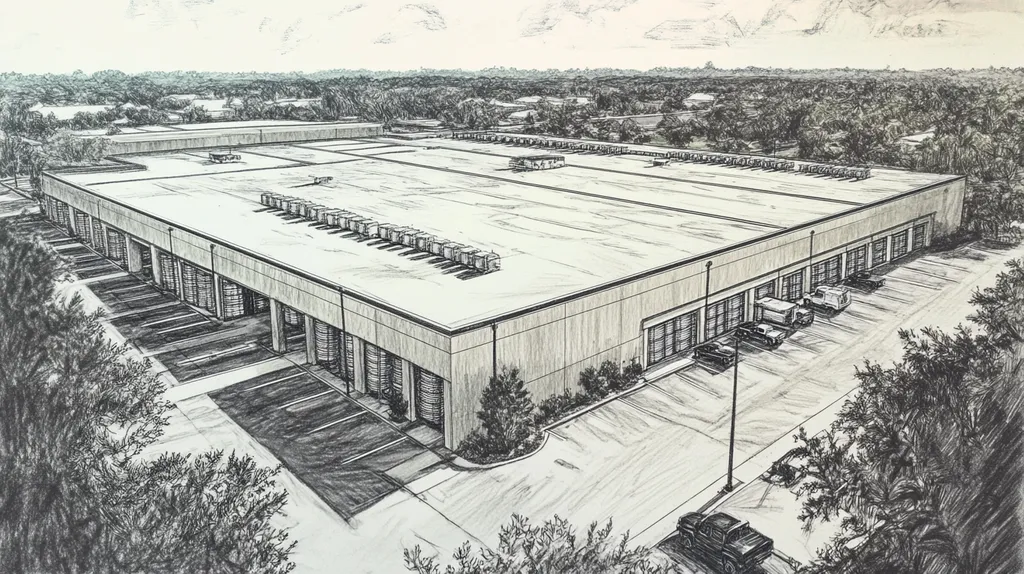
Regular maintenance ensures optimal performance while preventing premature system failure. Keeping trees at a safe distance and implementing proper care protocols directly impacts roof longevity. (source: The Budd Group)
Sedum green roofs require minimal maintenance beyond basic inspections and occasional weeding. Their drought-resistant plants and stable growing medium maintain performance with limited intervention.
Turf roofs demand frequent mowing, irrigation, and fertilization to maintain their appearance and functionality. This increased maintenance activity creates more opportunities for damage while raising operational costs.
The lower maintenance burden gives sedum green roofs an ADVANTAGE in this category.
ROUND 3 WINNER: Sedum Green Roofs
ROUND 4: MAINTENANCE REQUIREMENTS
Maintenance decisions directly impact both short-term operating costs and long-term roof performance for commercial properties. Industry data shows that neglected roofs typically fail 15-20 years earlier than properly maintained systems, potentially costing owners millions in premature replacement.
Understanding the specific maintenance requirements of different roofing systems helps facility managers allocate resources effectively while protecting their building investments. These critical differences often determine whether a roof will deliver decades of reliable service or require early replacement.
Regular Inspection Requirements
Professional roof inspections serve as the foundation for effective maintenance programs. These evaluations identify potential issues before they escalate into major repairs while documenting system performance over time.
Sedum green roofs require bi-annual professional inspections focused on drainage systems, plant health, and membrane integrity. These specialized assessments help maintain optimal growing conditions while protecting underlying components.
Turf roofs demand monthly inspections during growing seasons to monitor soil conditions, grass health, and potential root penetration. This increased frequency creates more opportunities for damage while raising inspection costs.
The reduced inspection burden gives sedum green roofs an ADVANTAGE in this category.
Routine Care Requirements
Day-to-day maintenance activities significantly impact both system performance and operating costs. Proper care protocols prevent premature aging while preserving warranty coverage.
Sedum green roofs need minimal routine care beyond occasional weeding and drought-period irrigation. Their naturally hardy plants and engineered growing medium maintain performance with limited intervention.
Turf roofs require weekly mowing during growing seasons plus regular fertilization and pest control. These intensive care requirements increase both labor costs and potential membrane damage.
The lower routine maintenance demands give sedum green roofs an ADVANTAGE in this area.
Long-term Preservation Needs
System preservation requirements determine both maintenance budgets and staff training needs. Effective preservation strategies protect the initial investment while maximizing service life.
Sedum green roofs focus on preventive maintenance through targeted plant replacement and growing medium adjustment. This proactive approach minimizes emergency repairs while maintaining consistent performance.
Turf roofs often need extensive renovation every 3-5 years to address soil compaction and grass deterioration. These major interventions increase both cost and system vulnerability.
The more sustainable preservation approach gives sedum green roofs an ADVANTAGE in this category.
ROUND 4 WINNER: SEDUM GREEN ROOFS

ROUND 5: SUSTAINABILITY CREDENTIALS
Environmental sustainability has become a defining factor in commercial roofing decisions, with potential impacts reaching far beyond individual buildings. With urban areas facing increasing pressure to reduce carbon footprints and manage stormwater effectively, roofing choices can significantly influence both environmental impact and operational costs.
Modern sustainability standards now directly affect property values, insurance rates, and regulatory compliance. Making informed roofing decisions based on sustainability metrics helps protect both environmental and financial interests while future-proofing commercial investments.
Energy Efficiency
Energy performance has become a critical metric in commercial building operations, directly impacting both environmental footprint and operational expenses. Roofing choices significantly influence heating and cooling demands throughout the building lifecycle.
Sedum green roofs create natural insulation through their specialized growing medium and plant coverage, reducing heat transfer by up to 75% compared to conventional roofing. Their advanced layering system maintains consistent thermal performance while minimizing energy losses.
Turf roofs provide moderate insulation benefits but lack the sophisticated thermal management capabilities of sedum systems. Their conventional soil composition and grass varieties offer limited protection against heat gain and loss.
Based on superior thermal performance, sedum green roofs demonstrate a clear ADVANTAGE in this category.
Stormwater Management
Urban stormwater management has emerged as a crucial environmental challenge, with proper handling directly affecting both infrastructure costs and ecological impact. Effective roofing systems play a vital role in controlling runoff while protecting water quality.
Sedum green roofs excel at stormwater management, retaining up to 80% of rainfall during typical storm events. Their engineered growing medium and specialized plant selection create natural filtration while reducing peak flow rates.
Turf roofs capture some rainfall but often struggle with proper retention and filtration. Their conventional soil structure can become compacted over time, reducing water absorption capacity and increasing runoff volumes.
The superior water management capabilities give sedum green roofs an ADVANTAGE in this category.
Environmental Impact
Long-term environmental impact encompasses both direct effects on local ecosystems and broader contributions to urban sustainability. Proper roofing selection helps create healthier communities while supporting biodiversity.
Sedum green roofs actively support local ecosystems by providing habitat for beneficial insects and birds. Their diverse plant varieties contribute to air quality improvement while reducing urban heat island effects.
Turf roofs offer limited ecological benefits due to their monoculture approach and intensive maintenance requirements. Their frequent mowing and chemical treatments can negatively impact local environmental quality.
The broader environmental benefits give sedum green roofs an ADVANTAGE in this category.
ROUND 5 WINNER: Sedum Green Roofs
ROUND 6: SPECIALIZED APPLICATIONS
Specialized roofing applications present unique challenges for commercial property owners, with poor choices potentially leading to premature system failure and replacement costs exceeding $500,000 for larger facilities. As buildings increasingly incorporate solar installations, mechanical equipment, and sophisticated drainage systems, the interface between landscaping choices and these specialized elements becomes critical.
Understanding how different roofing systems accommodate specialized applications helps protect both immediate functionality and long-term performance. These considerations often determine whether a roof can support modern building technologies while maintaining its core protective functions.
Equipment Integration
Modern commercial roofs must effectively accommodate HVAC units, solar panels, and other mechanical systems. Proper integration ensures both equipment performance and roof integrity while maximizing usable space.
Sedum green roofs provide stable platforms for equipment installation through their engineered growing medium and robust drainage layers. Their design allows for easy access paths and equipment zones while maintaining system integrity.
Turf roofs present significant challenges for equipment integration due to their conventional soil structure and intensive maintenance needs. Regular mowing around equipment creates additional complexity while increasing the risk of damage.
The superior integration capabilities give sedum green roofs an ADVANTAGE in this category.
Load Distribution
Specialized applications often create concentrated loads that must be properly distributed to prevent structural stress. Managing these point loads while maintaining system performance requires careful material selection and design consideration.
Sedum green roofs excel at load distribution through their lightweight growing medium and engineered support layers. This sophisticated construction allows for flexible equipment placement while protecting underlying structures.
Turf roofs struggle with concentrated loads due to their heavier soil requirements and less stable composition. Their traditional construction methods provide limited options for managing specialized weight distributions.
The better load management capabilities give sedum green roofs an ADVANTAGE in this category.
Access Requirements
Maintenance access for specialized equipment demands careful consideration of traffic patterns and surface durability. Proper access design prevents system damage while ensuring efficient servicing of rooftop installations.
Sedum green roofs incorporate dedicated access paths using permeable pavers or specialized walking surfaces. Their design maintains system integrity while providing clear routes to equipment locations.
Turf roofs show increased vulnerability to traffic damage and often require temporary protection during maintenance activities. Their grass surfaces deteriorate quickly under regular foot traffic, creating ongoing repair needs.
The superior access accommodation gives sedum green roofs an ADVANTAGE in this category.
ROUND 6 WINNER: SEDUM GREEN ROOFS
AND THE WINNER IS…
After six grueling rounds of technical evaluation, we have our verdict, and it’s a KNOCKOUT victory for SEDUM GREEN ROOFS, winning an impressive five out of six rounds!
The champion dominated with superior performance in durability, maintenance efficiency, sustainability credentials, and specialized applications. Its advanced engineering and natural resilience proved an unstoppable combination, particularly in critical areas like weather resistance, temperature regulation, and stormwater management.
But don’t count turf roofs out completely! In scenarios where quick installation and lower initial costs are paramount, this contender still packs a powerful punch. For properties with shorter investment horizons or strict budget constraints, turf systems remain a viable challenger.
However, we must emphasize that every building steps into the ring with unique requirements. Local climate conditions, structural specifications, and property-specific characteristics can significantly impact performance outcomes. This analysis provides general guidance but cannot account for all variables. Property owners should always consult qualified roofing professionals who can evaluate their specific situation before making final decisions.
Ladies and gentlemen, in the high-stakes world of commercial roofing, remember: The true champion isn’t just the system with the most technical knockouts – it’s the one that best matches your building’s unique requirements and performance demands. Choose wisely, and may your roof reign supreme!
FREQUENTLY ASKED QUESTIONS
Q. What are the initial costs for commercial roof options?
A. Sedum green roofs generally cost between $15-$30 per square foot, while turf roofs range from $8-$15. While turf roofs appear cheaper initially, their maintenance and replacement needs can result in higher costs over time. Selecting the right commercial roof involves considering both installation and long-term expense.
Q. How do durability and lifespan differ in industrial roofs?
A. Sedum green roofs can last over 40 years when properly maintained, while turf roofs typically require replacement every 15-20 years. The resilience of sedum ensures lower long-term maintenance costs, preserving the integrity of your industrial roof, making it a smarter investment.
Q. What performance factors should I consider for a commercial roof?
A. Sedum green roofs excel in water management and temperature regulation, retaining moisture and providing insulation. Turf roofs struggle with both, making sedum a better choice for enhancing operational efficiency and extending the lifespan of your commercial roof.
Q. What are the maintenance requirements for sedum and turf roofs?
A. Sedum roofs need minimal maintenance, mostly requiring inspections and occasional weeding, while turf roofs demand frequent mowing, irrigation, and fertilization. This difference significantly impacts operational costs and long-term durability of your commercial roof.
Q. How do sustainability credentials differ between roofing systems?
A. Sedum green roofs provide superior energy efficiency and stormwater management, reducing environmental impact. Turf roofs are less effective in these areas, making sedum a preferred choice for eco-conscious property owners aiming to contribute positively to community sustainability.
Q. What specialized applications should I know for industrial roofs?
A. Sedum roofs offer better support for integrated systems like solar panels and HVAC units. Their design accommodates necessary load distribution, making them a more functional choice for modern commercial buildings with specialized requirements.
Q. What factors affect the long-term performance of a commercial roof?
A. Long-term performance hinges on regular maintenance, material selection, and effective drainage systems. Choosing a sedum green roof enhances longevity and reduces intervention needs, protecting your investment and fostering a sustainable environment.






