
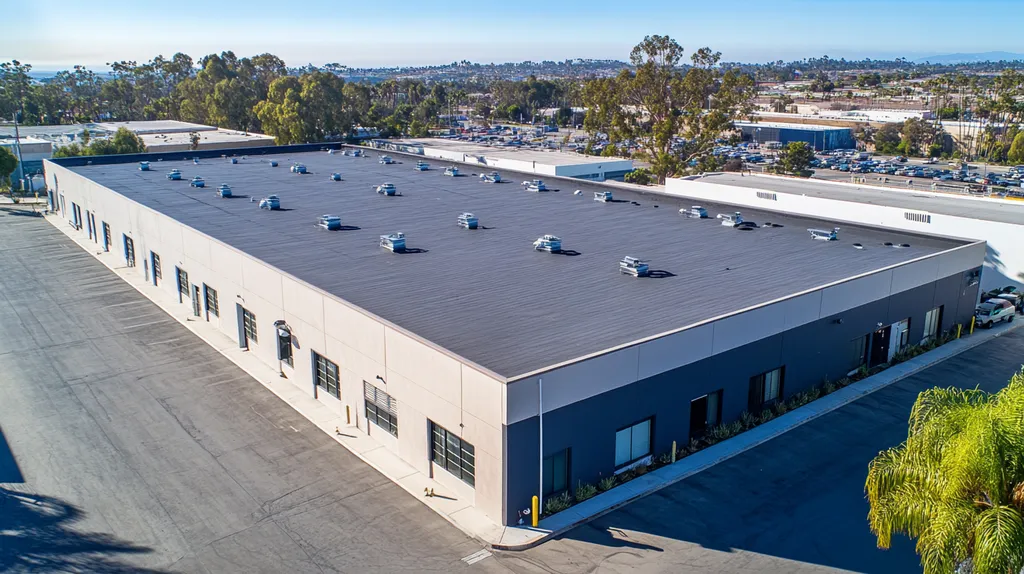
Every year, weather-related roof damage costs U.S. commercial property owners over $1.5 billion in repairs, yet 40% of these issues could have been prevented through early detection. For facility managers, spotting the warning signs isn’t just about maintenance—it’s about protecting their bottom line.
From subtle membrane blisters to obvious storm damage, commercial roofs face a barrage of threats that can quickly escalate from minor nuisances to major catastrophes. Understanding these indicators is crucial for preventing structural failures and budget-crushing repairs.
This guide cuts through the industry jargon to deliver actionable insights on identifying, assessing, and addressing weather-related roof damage before it compromises your building’s integrity.
SECTION 1: THE BASICS EXPLAINED
Ignoring the signs of weather-related damage on a commercial roof is like playing Russian roulette with your finances. The National Roofing Contractors Association reports that a staggering 80% of roofs fail prematurely from neglect and weather-related deterioration. Property owners need to be vigilant and spot these early warning signs, as they can lead to leaks, structural hazards, and spiraling energy costs. The quicker issues are identified, the less daunting the repairs and the better the outcomes for your building.
What It Is (In Plain Language)
Weather-related damage is simply the deterioration a roof undergoes as it battles the elements. Rain, snow, wind, and temperature changes chip away at the roof’s integrity over time. Are your shingles curling? Are there cracks or pools of water that insist on sticking around? Those are common red flags.
For property owners, recognizing these signs early is crucial. Neglecting minor issues can snowball into major disasters with leaks and structural failures. Regular inspections can serve as your proactive defense, helping you catch problems before they become catastrophes.
It is especially important to perform visual inspections after severe weather. Familiarity with the specific damage signs related to your roofing materials can save you a heap of trouble. For instance, metal roofs might start sporting rust spots, while flat roofs can develop troublesome blisters.
By taking a proactive stance, property owners can not only extend their roof’s lifespan but also protect their investment over the long term. A well-maintained roof is a key component in maintaining property value and safety.
Why It Matters (To Your Building)
Weather-related damage doesn’t just threaten the roof; it puts the entire building’s functionality at risk. A leak can lead to water damage, mold, and compromised structural integrity. Catching these issues early is essential for preserving your building’s safety and longevity.
The financial consequences can be severe. Water intrusion can lead to sky-high repair bills—not just for the roof but potentially for sensitive equipment or inventory below. Plus, if damage accumulates without documentation, insurance claims become a nightmare.
Regular checks for weather-related damage will save money in the end. Preventative maintenance is always cheaper than waiting for extensive repairs or a full roof replacement after a crisis blows through. A solid roof condition helps protect funds that could be invested elsewhere.
Your business’s very continuity can hang in the balance. A damaged roof can throw a wrench into operations, resulting in lost revenue and dissatisfied customers. Staying ahead of weather-related dilemmas is vital for ensuring smooth and reliable performance.
How It Works
To catch weather-related damage, property owners must grasp how environmental factors can harm roof systems. Wind can lift shingles or membranes, creating susceptible spots. Meanwhile, rainwater has a habit of pooling on flat roofs, leading not just to leaks but also to added weight stress.
Temperature swings contribute to the problem too, causing roofing materials to expand and contract. This thermal cycling can weaken seams and fasteners, leading to cracks over time. Understanding these interactions is key to keeping your roof performing at its best.
Opting for quality materials and proper installation will go a long way in mitigating potential damage against the elements. They aren’t just whispers of wisdom; they’re necessities to enhance your roof’s resistance.
Adopting a regular inspection schedule allows for timely repairs and maintenance. By doing so, property owners can anticipate issues before they spiral out of control, ensuring both the roof and the rest of the building remain healthy.
SECTION 2: PRACTICAL APPLICATIONS
Weather-related damage isn’t just an annoyance; it’s a ticking time bomb that can blow up a property owner’s budget. Nearly 50% of roofing failures are tied to weather impacts, according to the National Roofing Contractors Association. Spotting issues early can save a small fortune and significantly extend your roof’s lifespan. This section dives into the common signs of damage, optimal times for inspections, and how roofing systems play nice (or not) with other building components.
Common Uses & Examples
Routine inspections are critical for property owners to catch weather-related damage before it spirals out of control. Look out for common culprits such as cracks, ponding water, and blistering. Flat roofs, for instance, are notorious for pooling water, which can swiftly degrade roofing materials and lead to leaks.
Another red flag is granule loss on asphalt shingles, exposing the underlying materials to harmful UV rays and moisture. Hail damage—think dents or punctures—needs immediate attention to prevent further complications.
Flashing can be another sneaky weak point, especially during harsh storms that allow moisture to sneak in unchecked. Regular inspections can reveal these risks and ensure that everything is adequately sealed and functioning.
By identifying these signs of damage early on, property owners can minimize potential costs and safeguard their investments wisely.
When You Need It Most
Timing your inspections is crucial for catching weather-related damage before it takes a toll. Critical inspection periods include right after severe weather events, like storms or hail. These inspections allow property owners to address immediate concerns before they escalate into costly repairs.
Don’t overlook seasonal changes, either. Freeze-thaw cycles in winter can create cracks in roofing materials that worsen over time. Early spring is an ideal time to inspect roofs for any winter-related casualties.
Routine check-ups every six months are generally advisable. However, properties in high-risk weather zones may require quarterly evaluations. Ignoring the timing of these inspections can leave you with a hefty repair bill from cumulative damage.
Understanding when to conduct inspections is key for effective roof management and budgeting for future repairs.
Interactions With Other Systems
Your roofing system doesn’t operate in a vacuum; it interacts closely with other building components. For example, gutters and downspouts play a vital role in managing roof runoff. If they’re clogged, that extra pooling water can amplify roof damage, leading to leaks.
Don’t forget about HVAC units that often sit on rooftops. Their placement must be carefully considered to avoid straining roofing materials. A poorly installed unit could not only create leaks but also worsen existing vulnerabilities.
Insulation, too, is critical for maintaining energy efficiency. If weather-related damage compromises your insulation, you could face skyrocketing energy bills and discomfort in your building.
A holistic approach to managing roofing, drainage, HVAC, and insulation is essential to prevent extensive damage and ensure your building performs optimally.
SECTION 3: KEY TERMINOLOGY DECODED
When it comes to commercial roofing, knowing the lingo is crucial. Misunderstanding essential terms can result in costly mistakes that nobody wants to deal with. With weather-related roof damage being a common issue, familiarizing yourself with industry jargon can empower you to make smarter decisions. This section cuts through the fluff, breaking down the key roofing terms into plain language, while also simplifying the measurement units that are vital in the industry.
Essential Terms Explained
Common roofing discussions often throw around words like “membrane” and “flashing.” A membrane is the waterproof layer that serves as your roof’s shield against leaks. In contrast, flashing is the material installed at joints and transitions specifically designed to keep water out.
Another important term to know is “substrate.” This refers to the base material that supports the membrane. Grasping the differences between these components can drastically affect how long your roof lasts and how well it stands up to the elements.
Also on the radar is “ponding,” which describes water pooling on your roof. This can wreak havoc, leading to accelerated wear and tear. Recognizing this term will help you conduct effective inspections and maintain roof integrity.
A solid understanding of these terms enables clearer communication with contractors and service providers, making it easier for property managers to express their needs accurately.
Industry Jargon Translated
Let’s face it: roofing jargon can feel like a secret language. Terms like “TPO” and “EPDM” pop up frequently, and knowing what they mean can save headaches. TPO, or thermoplastic polyolefin, is a high-efficiency membrane known for its ability to reflect heat and lower cooling costs.
On the flip side, EPDM, or ethylene propylene diene terpolymer, is your go-to rubber roofing membrane, recognized for its toughness and durability. Understanding these materials empowers you when making crucial repair or replacement decisions.
And don’t forget about “R-value,” the measure of insulation effectiveness. A higher R-value means better insulation, which can lead to significant energy savings over time. Being fluent in this jargon isn’t just academic; it’s foundational for making informed choices about roofing replacements.
Measurement & Units Simplified
Measurement units are the backbone of any roofing evaluation. Square footage is vital when calculating the material required for installation or repairs. Most roofing materials are sold by the square, a unit equivalent to 100 square feet, so understanding this helps avoid overspending.
Another key measurement is the “pitch” of a roof, which quantifies the slope. For instance, a roof with a 4:12 pitch rises 4 inches for every 12 horizontal inches. Recognizing how to calculate pitch can aid in effective assessments.
Common terms like “gutter size,” measured in inches, directly influence how efficiently a drainage system works. Being savvy about these measurements not only ensures effective design but can help safeguard your roof against the detrimental effects of weather-related damage.
SECTION 4: DECISION FACTORS
Weather-related damage on a commercial roof can escalate rapidly, leading to financial chaos and structural headaches. Industry studies show that businesses can lose up to 30% of their operational budget on unexpected maintenance. When it comes to roofing, property owners can’t afford to overlook critical decision factors like cost, performance, and lifespan. These elements are the backbone of smart roofing choices that keep buildings safe and budgets intact.
Cost Considerations
Understanding the cost implications of roofing decisions is crucial for property owners. Sure, some materials might come with a lower sticker price, but the long game tells a different tale. An inexpensive roofing system often incurs skyrocketing maintenance and repair costs, quickly surpassing the investment you’d make in a durable option.
Don’t forget, the lifespan of the materials chosen will significantly influence your overall expenses. High-quality roofing may seem pricey upfront, but it stands strong against storms and minimizes future repair costs—saving you a boatload in the long run. Property owners need to factor in these variables while assessing their budget.
Also, consider how investing in sturdy roofing can affect insurance premiums. Durable roofs often lead to reduced rates because they minimize risk. What seems like a short-term saving can morph into long-term financial pitfalls without a thorough cost analysis.
Gripping these layers of cost analysis empowers property owners to make informed choices that protect their financial health while ensuring their assets remain secure.
Performance Trade-offs
The performance of a roofing system has a ripple effect on a property’s overall operational efficiency. Different materials and construction types come with unique benefits and limitations, directly impacting energy costs and durability. For example, a reflective membrane can reduce cooling costs but may falter under heavy foot traffic.
Trade-offs often arise between roofing options. A material that excels in energy efficiency might not stand up well against fierce weather, while something highly durable could lack superior insulation. Property owners should weigh which performance factors best meet their facility’s specific needs.
It’s also important to keep local climate conditions in mind. A performance-driven choice must take into account the weather patterns that could wreak havoc on a roof, ensuring it can withstand potential weather-related damage effectively.
Having a well-rounded grasp of performance trade-offs will guide property owners in making strategic roofing decisions that enhance effectiveness without sacrificing longevity.
Lifespan & Durability Factors
The lifespan and durability of roofing materials are key to a property’s long-term viability. A roofing system that’s built to last not only reduces the frequency of replacements but also minimizes disruptive downtime—something no one wants to deal with. For instance, metal and concrete roofs are much more durable than your run-of-the-mill asphalt shingles.
Advanced coatings and treatments can significantly enhance the lifespan of roofing systems. These protective solutions guard against UV exposure and weather fluctuations, contributing to overall durability. Investing in these enhancements may seem like an extra cost at first but can be a smart gamble against future replacement costs.
Consider incorporating regular maintenance schedules to prolong durability. Relying on reactive maintenance can lead to rapid material degradation, while a proactive approach ensures a longer lifespan. Routine inspections, especially post-storm, are crucial for extending the roof’s viability.
By prioritizing lifespan and durability, property owners can safeguard their investments and ensure a resilient roof that weatherproofs against the elements for years to come.
SECTION 5: COMMON CHALLENGES
Weather-related damage to commercial roofs isn’t just a headache—it’s a budget buster that could cost property owners nearly $100,000 annually. That’s not chump change! Recognizing these challenges is crucial for staying ahead. In this section, you’ll find a rundown of frequent roofing problems, essential warning signs to keep an eye out for, and proactive measures that every property manager should implement to protect their assets.
Frequent Problems & Solutions
Leaks are the notorious villains of commercial roofing, often lurking as a result of aging materials or extreme weather acts. A single stubborn leak can unleash a cascade of water damage, threatening insulation and the building’s overall structure. Property owners should regularly inspect their roofs for wear and tear, keeping an eye out for cracked seams or blistering, which are surefire indicators that trouble is brewing.
Ponding water is another common challenge that typically arises from poor drainage systems. When water hangs around, it amplifies the risk of mold and decay. Implementing a solid drainage solution is imperative to ensure that water has an escape route, preventing prolonged exposure to moisture.
Roof punctures are pesky issues often caused by debris or even foot traffic. These small breaches can morph into significant threats if not addressed. Conducting regular inspections and reinforcing high-traffic areas minimizes the risks associated with these vulnerabilities.
Don’t forget about the flashing around vents and chimneys—it’s the unsung hero that needs attention, too. If flashing deteriorates, it becomes a welcome mat for water seeking entry into your building. Regular maintenance and timely repairs for flashing can prevent costly water intrusion repercussions.
Warning Signs To Watch For
Catching the warning signs of weather-related damage early is essential for maintaining a healthy roof. Property owners must stay vigilant for changes in roofing materials, such as curling shingles or alarming granule loss. Ignoring these red flags can set the stage for much more severe issues down the road.
Water stains on ceilings or walls—a.k.a. the screaming alarm of impending doom—are crucial indicators of hidden leaks. If you see these signs, it’s time to take action. They signal that water is sneaking in and taking a toll on insulation and structural components.
Moss and algae may look harmless, but they scream moisture retention, often a sign of poor sunlight access or drainage issues. This warrants immediate investigation; removing moss and ensuring proper sunlight access can be effective measures to combat moisture woes.
Lastly, don’t overlook skyrocketing energy bills. They often point to roofing problems like inadequate insulation or ventilation. Correlate energy costs with seasons—if you see a spike, chances are there’s an underlying roofing issue that needs addressing.
Preventative Approaches
Being proactive is key to keeping weather-related damage at bay. Regular inspections—ideally twice a year—are the frontline defense against potential problems. Hiring a professional roofing contractor to conduct these assessments ensures issues get identified and tackled before they escalate.
Investing in high-quality roofing materials can pay off in the long run. Cheaper materials may seem attractive initially, but they often spiral into costly repairs and frequent replacements. Go for durable options that can withstand local weather conditions and extend the life of your roof.
Creating a clear maintenance plan that includes debris removal and regular inspections bolsters your roof’s longevity. Piles of leaves and branches can trap moisture, leading to mold and other nasty surprises. Regularly cleaning the roof helps maintain proper drainage and air circulation.
Lastly, don’t underestimate the importance of having an emergency response plan for extreme weather events. Being ready to protect your building during storms or heavy snow can save you from severe structural issues and hefty repair bills. Preparation is your best ally in safeguarding your assets and ensuring operational continuity.
SECTION 6: NEXT STEPS & RESOURCES
If property owners think spotting weather-related damage is where the work ends, they’re sorely mistaken. The real challenge lies in mobilizing action. Procrastinating on repairs doesn’t just throw a wrench in the works; it escalates repair costs and can cause structural damage or inefficiencies in energy use. This section provides essential questions to ask roofing providers, industry standards to consider, and valuable resources for ongoing education to help navigate the often murky waters of roof maintenance and repair.
Questions To Ask Providers
When diving into conversations with roofing contractors, property owners need to arm themselves with specific questions to get to the heart of the matter. Start by inquiring about their inspection procedures—do they cover both internal leaks and visible surface issues? A comprehensive evaluation is non-negotiable.
Next, dig into the materials they propose. Don’t settle for vague answers. Ask about product warranties and how well these materials perform during severe weather. Knowledge of installation tactics can shed light on the expected longevity of the roof.
Requesting references from past projects is also a smart move. A solid track record in commercial buildings speaks volumes about reliability. Plus, asking about recommended maintenance schedules is crucial; knowing how often inspections should be done can help in adopting a proactive care approach.
Lastly, verify their compliance with local building codes and safety regulations. This not only ensures proper installation but also mitigates any legal risks linked to subpar work.
Industry Standards & Guidelines
Grasping industry standards can empower property owners to make savvy decisions. The National Roofing Contractors Association (NRCA) outlines best practices that make for successful commercial roofing projects. Familiarizing yourself with these criteria helps gauge if your contractors are hitting essential benchmarks in safety and performance.
Moreover, the American Society for Testing and Materials (ASTM) offers specifications that can guide you in assessing roofing material quality and installation methods. These standards are crucial in evaluating durability and longevity—both vital for protecting your investments.
Don’t overlook local building department regulations concerning weather-related roofing damage; these can vary widely by region. Complying with these can safeguard you from compliance issues down the road.
Finally, staying updated on the latest roofing technology is a win-win. New innovations boost durability and weather resistance—being in the loop can finely tune your choices for the best outcome.
Further Learning Simplified
Education is key to mastering roof management. Numerous resources can provide valuable insights. Online platforms like NRCA’s educational offerings tackle damage identification and material selection, equipping property owners with essential information.
Webinars and workshops from professional organizations often delve into pressing issues, enhancing comprehension. Looking for hands-on experiences? Check out local seminars for direct interaction with industry experts.
Don’t miss out on industry publications and digital newsletters—they’re treasures troves of information highlighting best practices and emerging trends. Subscribing guarantees you stay ahead of the curve.
Lastly, maintaining relationships with trustworthy roofing professionals can yield insights beyond the typical inspections. Engage in discussions with contractors to better grasp their processes and recommendations—this insight can translate into smarter roof management strategies.
The Bottom Line
Weather-related roof damage costs commercial property owners billions annually, yet most catastrophic failures are preventable through vigilant monitoring and maintenance.
Understanding the warning signs—from subtle membrane blisters to obvious storm damage—isn’t just about protecting your building; it’s about safeguarding your bottom line and business continuity.
Regular inspections, particularly after severe weather events, combined with prompt repairs can extend your roof’s lifespan by up to 25 years while avoiding costly emergency fixes.
The stakes are clear: neglecting these vital signs risks structural integrity, operational disruptions, and financial losses that can exceed six figures.
In today’s climate of increasingly extreme weather patterns, proactive roof management isn’t just smart business—it’s essential for survival.
FREQUENTLY ASKED QUESTIONS
Q. What are common signs of damage on a commercial roof?
A. Common signs include curling shingles, cracked seams, and water pooling. Small blisters or granule loss on asphalt shingles signal damage. Regular inspections can catch these early to prevent bigger issues.
Q. When should I inspect my industrial roof for damage?
A. Inspect your roof after severe weather, especially storms or hail. Seasonal changes, like freeze-thaw cycles in winter, are prime times to look for damage. Regular inspections every six months help catch issues early.
Q. What roofing terms should I know as a commercial property owner?
A. Key terms include ‘membrane,’ which protects against leaks, and ‘flashing,’ which seals joints. Knowing terms like ‘ponding’ (water pooling) helps you understand potential risks and better communicate with contractors.
Q. How do I choose the right material for a commercial roof?
A. Consider durability, cost, and local climate conditions. Higher upfront costs for quality materials often mean lower future maintenance expenses. Balance energy efficiency with weather resistance for optimal performance.
Q. What common challenges do property owners face with roofs?
A. Common challenges include leaks, ponding water, and punctures from debris or foot traffic. Ignoring these problems leads to structural issues and costly repairs. Regular inspections and preventative measures are key to protection.
Q. What questions should I ask my roofing provider?
A. Ask about inspection procedures, materials used, and their warranty. Inquire about maintenance schedules and verify compliance with local building codes. This ensures your contractor meets industry standards for quality work.
Q. How can I prevent weather-related damage to my industrial roof?
A. Schedule regular inspections, invest in quality materials, and maintain proper drainage. Develop a clear maintenance plan and have an emergency response for extreme weather. Proactivity cuts down on future repair costs.






