
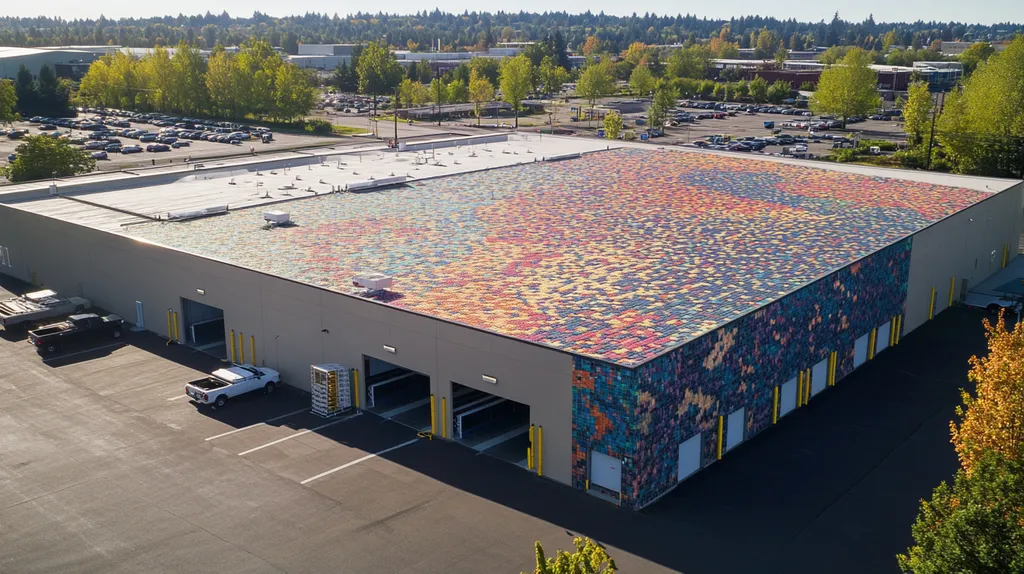
Welcome to today’s Battle Royale featuring two roofing heavyweights: “Flat Roof” in the east corner versus “Sloped Roof” in the west!
Tonight’s showdown pits these contenders against each other across six punishing rounds designed to test every aspect of their performance for Commercial Roof Ventilation.
At stake? Millions in potential costs, decades of building protection, and the critical performance demands of modern commercial and industrial facilities.
Our professional judging panel will evaluate each round on technical merit, real-world performance, and value delivery. After all six rounds, we’ll declare our ultimate champion.
Ladies and gentlemen, facility managers and building owners… it’s time to rumble!
ROUND 1: INITIAL COSTS & INSTALLATION
Commercial roofing decisions carry significant financial implications, with ventilation requirements driving both initial costs and long-term performance. Recent market analysis shows that poor ventilation choices can increase energy costs by up to 30% and reduce roof lifespan by years. Understanding the cost dynamics between flat and sloped roofs – from materials to installation complexity – is crucial for making informed investment decisions.
Material Expenses
Material selection significantly impacts both initial costs and ventilation performance. Flat roof materials like EPDM and TPO typically cost $3-5 per square foot, with ventilation components adding minimal additional expense due to simplified designs.
The importance of ventilation across various regions becomes particularly evident with sloped roofs, where materials and ventilation systems must work in harmony. These systems require specialized components like ridge vents, soffit vents, and proper Above Sheathing Ventilation (ASV), substantially increasing material costs. (source: Metal-Era)
When comparing total material expenses including ventilation components, flat roofs maintain a clear cost advantage, often requiring 40% less investment in materials than comparable sloped systems.
Installation Complexity
Installation complexity directly affects labor costs and project feasibility. Flat roof installation follows a straightforward process, with ventilation systems typically integrated into the roof’s basic design through simple mechanical units or passive vents.
Sloped roof installation demands precise calculation of ventilation requirements, including proper placement of intake and exhaust vents. The need for careful balance between high and low-pressure zones adds significant complexity to the installation process.
For installation efficiency and straightforward ventilation integration, flat roofs demonstrate a clear advantage, requiring fewer specialized skills and less complex coordination between roofing and ventilation systems.
Project Timeline
Project duration affects both direct costs and business disruption. Flat roof installations typically complete 30-40% faster than sloped alternatives, with ventilation system installation running concurrent with primary roofing work.
Sloped roof projects require additional time for proper ventilation system installation, including careful measurement and installation of multiple ventilation components. Weather delays also impact sloped installations more significantly due to safety concerns at height.
The timeline advantage clearly favors flat roofs, offering faster completion and reduced business disruption while maintaining effective ventilation capabilities.
ROUND 1 WINNER: Flat Roof
ROUND 2: DURABILITY & LIFESPAN
Every year, commercial building owners face critical decisions about roofing systems that directly impact their bottom line. Recent industry data shows that improper ventilation leads to premature roof failure in 35% of commercial buildings, resulting in millions in unnecessary replacement costs. Understanding how roof slope affects ventilation, durability, and lifespan is essential for making informed decisions that protect both the building and its occupants.
Impact of Roof Slope on Weather Resistance
The relationship between roof slope and weather resistance directly affects building protection. Flat roofs often struggle with ponding water, which can lead to membrane deterioration and eventual leaks if not properly addressed through adequate drainage systems.
Sloped roofs utilize natural physics to enhance ventilation efficiency, as warm air naturally rises to exit through ridge vents while cooler air enters through lower eave vents. This continuous airflow helps regulate temperature and moisture levels, significantly reducing the risk of material degradation. (source: Metal-Era)
When comparing weather resistance capabilities, sloped roofs demonstrate a clear ADVANTAGE due to their superior natural drainage and ventilation characteristics.
Maintenance Requirements Over Time
Regular maintenance plays a crucial role in extending roof lifespan. Flat roofs require frequent inspections to ensure proper drainage and prevent debris accumulation, which can block ventilation systems and create pressure points on the membrane.
Sloped roofs benefit from their natural ability to shed water and debris, reducing maintenance frequency. Their design also makes it easier to identify and address potential issues before they become major problems.
For ongoing maintenance considerations, sloped roofs show an ADVANTAGE by requiring less frequent intervention while maintaining better natural cleaning capabilities.
Material Longevity and Performance
Material performance varies significantly based on roof configuration. Flat roof membranes typically last 15-20 years under optimal conditions but can fail prematurely if ventilation systems become compromised.
Sloped roof materials, particularly those integrated with proper Above Sheathing Ventilation, often exceed their expected lifespan due to better moisture management and temperature regulation. This enhanced performance results in fewer replacement cycles over the building’s lifetime.
In terms of material longevity and sustained performance, sloped roofs demonstrate an ADVANTAGE through their superior ability to maintain material integrity over time.
ROUND 2 WINNER: Sloped Roof
ROUND 3: PERFORMANCE FACTORS
Performance factors in commercial roofing ventilation directly impact building efficiency and operational costs. Recent industry data shows that inadequate ventilation can increase energy costs by up to 40% while accelerating material degradation. Understanding how roof slope affects ventilation performance has become crucial as energy costs continue to rise and building codes become more stringent.
Ventilation Efficiency
Ventilation efficiency in commercial roofs directly impacts indoor air quality, moisture control, and energy consumption. Both the International Residential Code and International Building Code specify strict requirements for proper ventilation, emphasizing its critical role in building performance. (source: GAF)
Flat roofs typically rely on mechanical ventilation systems to maintain adequate airflow. These systems require careful placement of intake and exhaust points to create effective air circulation patterns.
Sloped roofs benefit from natural convection, where warm air naturally rises to exit through ridge vents while cooler air enters through lower points. This passive ventilation system operates continuously without mechanical assistance.
For overall ventilation efficiency, sloped roofs demonstrate a clear ADVANTAGE due to their natural airflow capabilities.
Moisture Management
Moisture control represents a critical factor in roof performance and longevity. Excess moisture can lead to insulation degradation, mold growth, and structural damage if not properly managed.
Flat roofs face significant challenges with moisture management, often requiring complex drainage systems and regular maintenance to prevent water pooling. Even small imperfections in the roof surface can create areas where moisture collects.
Sloped roofs naturally channel water away from the building, reducing the risk of moisture-related issues. Their design also helps prevent ice dam formation in cold climates by maintaining more consistent roof temperatures.
When considering moisture management capabilities, sloped roofs show a clear ADVANTAGE.
Energy Efficiency
Energy efficiency has become a primary concern for commercial building operators facing rising utility costs. Proper ventilation plays a crucial role in maintaining optimal building temperatures and reducing HVAC load.
Flat roofs often struggle with heat absorption and retention, particularly in warmer climates. This heat gain can significantly impact cooling costs and put additional stress on HVAC systems.
Sloped roofs provide better thermal performance through natural ventilation and reduced direct sun exposure. The continuous airflow helps regulate temperatures more effectively, reducing the burden on mechanical cooling systems.
For overall energy efficiency, sloped roofs demonstrate an ADVANTAGE through superior thermal management.
ROUND 3 WINNER: Sloped Roof
ROUND 4: MAINTENANCE REQUIREMENTS
Maintenance decisions for commercial roofing systems directly impact both operational costs and building longevity. Industry data shows that inadequate maintenance leads to premature roof failure in 40% of commercial buildings, resulting in millions in unnecessary replacement costs. Understanding how roof slope affects maintenance requirements, frequency, and accessibility has become crucial as building owners face increasing pressure to maximize their infrastructure investments.
Routine Inspection Requirements
Regular inspections form the cornerstone of effective roof maintenance. Flat roofs typically require monthly inspections to check membrane integrity, clear drainage paths, and ensure ventilation systems remain unobstructed. These frequent checks often reveal issues that could compromise building protection.
Sloped roofs benefit from their natural ability to shed water and debris, requiring only quarterly inspections under normal conditions. Their design allows for easier visual assessment of potential problems while maintaining proper ventilation through natural airflow. (source: GAF)
For inspection frequency and accessibility, sloped roofs demonstrate an ADVANTAGE through reduced maintenance requirements and better self-maintaining characteristics.
Emergency Response Capabilities
Quick response to roofing emergencies can prevent minor issues from becoming major problems. Flat roofs often present challenges during emergency repairs, as identifying leak sources can be complex due to water traveling horizontally across the membrane.
Sloped roofs typically allow faster identification of problem areas due to their natural drainage patterns. This characteristic enables maintenance teams to locate and address issues more efficiently, reducing potential damage to building interiors.
When considering emergency maintenance capabilities, sloped roofs show an ADVANTAGE through easier problem identification and repair accessibility.
Long-term Maintenance Costs
Maintenance costs significantly impact total ownership expenses over a roof’s lifetime. Flat roofs generally require more frequent maintenance interventions, including regular cleaning of drainage systems and inspection of mechanical ventilation components.
Sloped roofs typically incur lower long-term maintenance costs due to their natural drainage and ventilation characteristics. Their design reduces the frequency of required maintenance while helping prevent common issues like ponding water and debris accumulation.
For overall maintenance cost considerations, sloped roofs demonstrate an ADVANTAGE through reduced maintenance frequency and lower long-term expenses.
ROUND 4 WINNER: Sloped Roof
ROUND 5: SUSTAINABILITY CREDENTIALS
The environmental impact of commercial roofing choices has become increasingly critical as buildings account for nearly 40% of global energy consumption. Recent data shows that inefficient roofing systems can increase a building’s carbon footprint by up to 30% while dramatically raising operational costs. As sustainability regulations tighten and energy prices climb, choosing between flat and sloped roofs has significant implications for both environmental responsibility and financial performance.
Energy Efficiency
Natural ventilation plays a crucial role in reducing a building’s energy consumption and environmental impact. Flat roofs typically rely on mechanical ventilation systems, which consume additional energy and require regular maintenance to maintain optimal performance.
Attic ventilation in sloped roofs works by drawing air in through the eaves and allowing it to circulate within the shared attic space before venting through the ridge, creating a natural cooling effect. This passive system leverages thermal movement where warm air rises and cool air descends, reducing the need for mechanical intervention. (source: Metal-Era)
In terms of energy efficiency through ventilation, sloped roofs demonstrate a clear ADVANTAGE due to their ability to maintain comfortable temperatures without relying on powered systems.
Material Impact
The environmental footprint of roofing materials significantly impacts a building’s overall sustainability profile. Flat roof systems typically require petroleum-based materials and frequent replacement cycles, leading to increased waste and resource consumption.
Sloped roofs often utilize more sustainable materials like metal or ceramic tiles, which offer longer lifespans and better recyclability. These materials can last 50+ years with proper maintenance, reducing the environmental impact of manufacturing and disposal.
For overall material sustainability and reduced environmental impact, sloped roofs show an ADVANTAGE through longer material lifecycles and better recycling potential.
Water Management
Effective stormwater management has become a critical environmental concern for commercial properties. Flat roofs often struggle with water pooling and require complex drainage systems that can become overwhelmed during heavy rainfall.
Sloped roofs naturally channel water away from the building, reducing the risk of water damage and enabling more efficient collection for potential reuse. Their design also helps prevent ice dam formation in cold climates, further protecting building materials.
When considering sustainable water management capabilities, sloped roofs demonstrate an ADVANTAGE through superior natural drainage and reduced maintenance requirements.
ROUND 5 WINNER: SLOPED ROOF
ROUND 6: SPECIALIZED APPLICATIONS
Commercial roofing decisions have far-reaching implications for specialized facilities, where ventilation requirements can make or break operational efficiency. Recent industry data shows that 45% of specialized facilities face significant performance issues due to mismatched ventilation systems, leading to increased energy costs and decreased equipment longevity. Understanding how different roof slopes affect ventilation becomes crucial when designing systems for specific commercial applications.
Industrial Manufacturing Facilities
Manufacturing environments present unique challenges for roof ventilation systems due to high heat loads and process-specific requirements. These facilities often generate significant internal heat and moisture that must be efficiently managed to maintain optimal operating conditions.
Flat roofs offer flexibility for integrating large mechanical ventilation units and allow for strategic placement of exhaust systems. However, they struggle with natural heat dissipation and often require extensive mechanical intervention to maintain proper airflow.
Sloped roofs provide superior natural ventilation through thermal stack effect, allowing heat to rise and exit naturally through ridge vents. Both the International Residential Code and International Building Code recognize the importance of proper ventilation in maintaining building integrity and operational efficiency. (source: GAF)
For industrial manufacturing applications, sloped roofs demonstrate an ADVANTAGE through superior natural ventilation capabilities.
Cold Storage Facilities
Temperature control in cold storage facilities directly impacts energy consumption and product integrity. These specialized environments require precise ventilation management to prevent condensation and maintain consistent temperatures.
Flat roofs present challenges in cold storage applications due to potential condensation points and difficulty maintaining consistent insulation values. Their design often requires complex mechanical systems to prevent ice formation and manage moisture.
Sloped roofs offer better temperature regulation through natural airflow patterns, reducing the risk of condensation buildup. Their design helps prevent ice dam formation while maintaining more consistent internal temperatures.
For cold storage applications, sloped roofs show an ADVANTAGE through superior moisture management and temperature control.
Research and Laboratory Facilities
Research facilities require precise environmental control and often house sensitive equipment that demands stable conditions. Ventilation systems must maintain strict temperature and humidity parameters while managing any potentially hazardous exhaust.
Flat roofs provide convenient mounting locations for specialized ventilation equipment and allow easier access for maintenance. Their design simplifies the installation of complex filtration and exhaust systems often required in laboratory settings.
Sloped roofs, while offering better natural ventilation, can complicate the installation of specialized equipment and exhaust systems. The angular design may require additional engineering to accommodate specific ventilation requirements.
For research and laboratory applications, flat roofs demonstrate an ADVANTAGE through superior equipment integration capabilities.
ROUND 6 WINNER: Sloped Roof
AND THE WINNER IS…
After six grueling rounds of technical analysis, we have our champion! With a dominant 5-1 victory, SLOPED ROOF emerges as the undisputed heavyweight champion of commercial roof ventilation!
The champion’s superior performance was evident across multiple categories, demonstrating knockout advantages in durability, natural ventilation efficiency, maintenance requirements, and sustainability credentials. Its ability to leverage physics for passive ventilation while providing superior moisture management proved devastating to the competition.
But don’t count Flat Roof out entirely! In specialized applications like research facilities and urban environments where equipment installation flexibility is paramount, this contender still packs a powerful punch. Its victory in Round 1’s cost analysis shows it remains a formidable opponent when budget constraints take center stage.
IMPORTANT NOTICE: While this analysis reflects general industry patterns, every building presents unique challenges. Local climate conditions, specific use requirements, and regional building codes all impact final roofing decisions. Property owners should always consult qualified roofing professionals who can evaluate their specific situation before making final selections.
Ladies and gentlemen, in the high-stakes world of commercial roofing, remember: The true victory comes not from following the crowd, but from selecting the right contender for your specific building’s fight. Choose wisely, and may your roof reign supreme!
FREQUENTLY ASKED QUESTIONS
Q. What are the initial costs of a commercial roof?
A. Initial costs can vary significantly between flat and sloped roofs. Flat roofs generally involve lower material costs and simpler installation, making them more budget-friendly. Sloped roofs, however, may require more specialized components, increasing the overall investment needed.
Q. How does roof slope affect durability and lifespan of industrial roofs?
A. Roof slope impacts weather resistance and moisture management, crucial for durability. Sloped roofs effectively channel water away, reducing deterioration risk, whereas flat roofs may struggle with pooling, negatively affecting lifespan. Thus, slope can significantly influence long-term durability.
Q. What ventilation performance factors are relevant to a commercial roof?
A. Key factors include ventilation efficiency, moisture management, and energy efficiency. Sloped roofs typically ensure better airflow due to natural convection, whereas flat roofs rely on mechanical systems. Understanding these dynamics can help maintain energy costs and indoor air quality.
Q. How often should maintenance be performed on a commercial roof?
A. Maintenance frequency differs by roof type; flat roofs may need monthly inspections, while sloped roofs often require fewer, quarterly checks. The slope affects debris removal and drainage efficiency, impacting overall maintenance needs and accessibility.
Q. What are the sustainability credentials of industrial roofs?
A. Sustainability is influenced by energy efficiency, material choice, and water management capabilities. Sloped roofs generally use more sustainable materials and provide superior drainage, minimizing energy consumption and increasing the building’s overall sustainability profile.
Q. How do specialized applications impact commercial roof choices?
A. Specialized facilities often require unique ventilation systems. Sloped roofs provide natural ventilation efficiencies for manufacturing environments, while flat roofs facilitate easier equipment integration in labs. Selecting the right roof type is crucial for operational efficiency in such cases.
Q. How can I decide between a flat roof and a sloped roof for my industrial building?
A. Consider factors like initial costs, longevity, maintenance needs, and specific operational requirements. Evaluate how each roof type addresses ventilation, moisture control, and energy efficiency to determine the best fit for your building’s unique needs and budget.






