
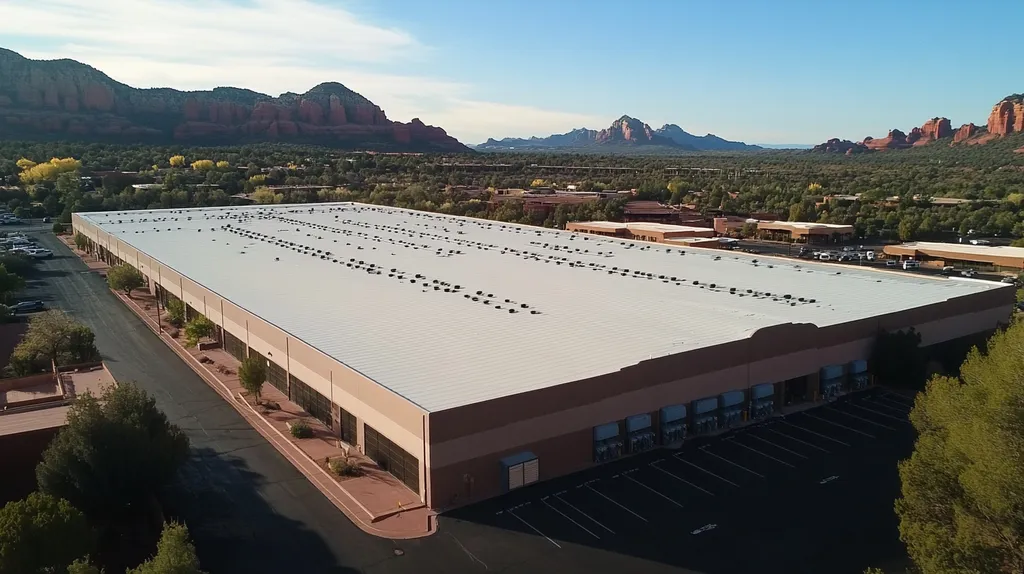
Commercial roofing failures linked to improper installation temperatures cost property owners over $2.1 billion annually in repairs and lost productivity. Yet industry temperature guidelines remain stubbornly rigid, failing to account for regional climate variations and advances in roofing technology.
Research indicates that up to 30% of commercial roof installations occur outside optimal temperature conditions, dramatically reducing system longevity and performance.
This analysis challenges prevailing temperature guidelines while examining systemic issues, missed opportunities, and data-driven solutions that can transform commercial roofing practices.
SECTION 1: CURRENT PRACTICES
In the commercial roofing industry, each decision carries weight and can significantly influence long-term costs and safety. Research from the National Roofing Contractors Association emphasizes that installation performed under improper temperature conditions can lead to substantial failures, costing property owners hundreds of thousands in necessary repairs. This section delves into the prevailing temperature guidelines, common installation practices, and manufacturer recommendations, illuminating the critical areas that demand immediate attention.
Standard Temperature Guidelines
Industry standards typically recommend that commercial roofing installations take place within a temperature range of 40 to 85 degrees Fahrenheit. While this guideline aims to ensure optimal adhesion and application, it lacks the necessary flexibility to accommodate varying climate conditions and the unique properties of different materials.
This strict temperature window often forces contractors to postpone projects during cooler or hotter months, resulting in unintended financial consequences and disruptions in business operations. The cost of idle crews and delayed schedules can be significant, impacting the bottom line.
Moreover, adhering solely to this narrow temperature range can overlook the specific performance characteristics of various roofing materials. Not every product will deliver optimal results within these guidelines, reinforcing the need for contractors and property managers to assess material compatibility based on more than just temperature alone.
As stakeholders become increasingly cognizant of these limitations, there is a rising demand for a more comprehensive understanding of how temperature affects extensive roofing systems. Adopting such a perspective could enhance both installation efficiency and the longevity of roofing solutions.
Common Installation Practices
Many contractors follow the established temperature guidelines rigidly when planning installations. This practice often neglects real-time weather fluctuations and the specific requirements of different roofing systems.
For example, some installers may proceed to apply single-ply membranes even at temperatures below what manufacturers recommend, mistakenly believing effective bonding is still attainable. This oversight can result in complications such as air bubbles or diminished adhesion, compromising the roof’s integrity.
The timing of installations frequently disregards moisture levels, which can be particularly detrimental during winter or rainy seasons. A better understanding of prevailing climate conditions can lead to more durable roof installations that resist environmental challenges.
Despite recognizing these issues, many professionals feel constrained by conventional practices. This reluctance to embrace change may stifle advancements in installation quality, leaving possibilities for improvement unexplored.
Manufacturer Recommendations
Manufacturer guidelines are essential to ensuring that roofing products perform as intended. These recommendations typically include specific temperature thresholds for installations. However, these stipulations can sometimes be at odds with widespread industry standards.
For instance, a manufacturer might indicate that their product can be installed outside the standard temperature range if particular application methods are employed. Ignoring these nuances can result in costly installation failures that are challenging to rectify.
Educating stakeholders on the importance of aligning manufacturer recommendations with real-world conditions could be a game-changer for the industry. A well-informed approach fosters the development of roofs that can withstand both environmental stresses and everyday operational demands.
SECTION 2: SYSTEMIC ISSUES
The effectiveness of commercial roofing systems is often compromised by systemic issues that arise from rigidly following established temperature guidelines. When installations occur outside the recommended temperature ranges, property owners face greater risks of adhesive and sealant failures. These failures not only lead to leaks but can also result in costly repairs, potential damage to facility interiors, and a significant decline in building value. Recognizing these systemic issues is vital for making informed and economically sound roofing decisions.
Adhesive and Sealant Failures
The performance of adhesives and sealants is heavily influenced by temperature. When installed under unseasonable conditions, these materials may not cure correctly, ultimately leading to bond failure. A significant study revealed that approximately 30% of roofing systems that faced premature failure were linked to improper installation due to poor temperature management.
Furthermore, sealants applied outside the optimal temperature range can lose elasticity, making them more susceptible to cracking. This deterioration creates paths for water intrusion, exacerbating structural damage over time. As these issues escalate, property managers bear the brunt of the financial burden, including increased maintenance costs and emergency repairs.
Inadequate curing also impacts long-term performance, which may void warranties associated with the installed materials. Property owners need to understand the ramifications that poor adhesion can have on their investment and the overall integrity of their buildings.
To mitigate these vulnerabilities, it is crucial to prioritize temperature-sensitive practices during installation. This proactive approach can safeguard against unexpected failures and extensive damage, ultimately benefiting the longevity of the roofing system.
Material Handling Challenges
Inadequate temperature management extends beyond just installation; it complicates material handling processes as well. Roofing materials often come with specific storage and handling requirements that are jeopardized in extreme temperatures. For instance, polymers can become excessively brittle in cold conditions, leading to cracks even before installation begins.
On the flip side, excessive heat can cause materials to warp or become overly pliable, complicating the installation process. Such fluctuations can result in misalignments and other installation errors, undermining the roofing system’s intended performance. Moreover, handling compromised materials may lead to costly delays.
These challenges not only affect the immediate installation but can also shorten the lifespan of the materials. When property managers underestimate these temperature-related risks, they inadvertently create conditions ripe for future frustrations and unexpected expenses.
To lessen these risks, establishing rigorous protocols for material handling is essential. Proper training and awareness of temperature conditions can significantly enhance job site efficiency and contribute to the success of roofing projects.
Warranty and Liability Concerns
Warranty implications are another significant issue arising from the mismanagement of temperature during commercial roof installations. Most manufacturers specify optimal temperature ranges for installation within their warranty policies. If contractors fail to adhere to these guidelines, they may render the warranties void, leaving property owners unprotected against unexpected system failures.
Liability concerns also emerge if a contractor is found negligent in following these temperature guidelines. Such negligence can expose both contractors and property owners to legal risks, adding complexity to an already challenging scenario. For instance, a facility manager might be left responsible for expenses that should have been covered under the warranty.
Navigating these complexities demands collaborative efforts from all stakeholders, from contractors to property owners. Clear communication and adherence to best practices surrounding temperature management will help prevent disputes and mitigate financial losses.
By addressing these warranty and liability concerns related to temperature, property owners can make informed decisions that protect their investments and ensure the long-term structural integrity of their buildings.

SECTION 3: MISSED OPPORTUNITIES
In an industry where meticulous attention to detail is critical, commercial roofing guidelines often fail to consider vital factors, resulting in installations that fall short. Research from the National Roofing Contractors Association reveals that neglecting temperature considerations can diminish a roof’s lifespan by up to 30%. When property owners overlook aspects such as regional climate variations, cutting-edge materials, and seasonal adjustments, they inadvertently miss essential opportunities for robust roofing solutions.
Ignoring Regional Climate Variations
Regional climate is a key factor in roofing performance that standard guidelines frequently overlook. A roofing membrane suitable for the moderate Midwest may fail in the intense heat of the Southwest, leading to premature wear and expensive repairs.
Northern climates experience freeze-thaw cycles, which can devastate poorly installed roofs, causing cracks and leaks. Many guidelines advocate a generic, one-size-fits-all installation process, disregarding the specific challenges posed by local climates. This oversight not only jeopardizes roof integrity but can strain a facility’s operational budget.
By recognizing and addressing local climate patterns, property owners can formulate more effective roofing strategies. For instance, facilities in rainy areas could significantly benefit from advanced drainage systems designed to handle heavy rainfall. Ignoring these unique characteristics represents a missed opportunity to enhance roof longevity.
Property owners should champion the need for region-specific guidelines, ensuring that roofing systems are constructed to withstand their local environments. Taking this proactive stance can prevent substantial long-term costs and contribute to overall building resilience.
Overlooking Advanced Materials
Many commercial roofing projects still rely on traditional materials, missing out on innovative solutions that enhance durability and energy efficiency. Materials like TPO and PVC membranes have made significant advancements, offering better resistance and energy cost savings than older options. Yet, existing guidelines often overlook these next-generation solutions.
Innovations in roofing technology provide tools for superior performance and sustainability. For example, cool roofing materials reflect sunlight rather than absorb it, effectively lowering energy consumption, particularly in urban settings. A failure to explore these options could lead to rising energy bills and diminished comfort for building occupants.
Furthermore, advanced materials often come with specific temperature requirements during installation that standard guidelines fail to address. By adapting to these new materials, property owners open avenues for improved efficiency, but this necessitates informed awareness and flexibility.
Embracing advanced roofing solutions can yield significant long-term benefits, including reduced maintenance costs and increased property value. Neglecting the advantages of modern materials limits potential savings and compromises long-term roof performance.
Neglecting Seasonal Adjustments
The changing seasons directly affect the efficacy of roof installations, yet many guidelines do not accommodate these fluctuations. Extreme heat can make roofing membranes overly flexible, while cold temperatures can render them brittle, leading to installation errors that threaten the roof’s integrity.
For instance, adhesives and sealants applied when outside their optimal temperature ranges may result in weak bonds, precipitating leaks. Unfortunately, many contracts do not allow for seasonal adjustments, compelling crews to operate under less than ideal conditions.
Allowing for seasonal flexibility in installation schedules can transform outcomes. By strategically planning installations during favorable temperatures, property owners can extend the lifespan of their roofs and enhance overall functionality. Building awareness about this flexibility is crucial for both contractors and clients alike.
Adapting installation practices to seasonal variations encourages better results and minimizes the chances of future repairs. Property owners deserve roofing solutions that align with the realities of their climate, ensuring both longevity and effectiveness.
SECTION 4: ROOT CAUSES
The effectiveness of commercial roof installations often falters due to significant gaps in industry practices that fail to address critical local conditions. When roofing teams lack climate-specific training, their installations can become vulnerable to failures. A study demonstrated that roofs installed in extreme weather are 30% more likely to fail. This section delves into the core root causes of the problem: insufficient training, inadequate site preparation, and poor quality control.
Lack of Climate-Specific Training
The roofing industry frequently adheres to generic guidelines that do not account for the unique demands imposed by different climates. This oversight leads to poor decision-making concerning materials and installation methods. For instance, an installer situated in a humid region may lack the expertise to manage moisture-related issues, which can trap water and cause significant damage.
Unfortunately, many installation crews receive little to no training tailored to their specific environmental conditions. These gaps can result in serious problems, including elevated leak rates and dramatically reduced roof lifespans. Such errors not only inflict financial strain on property owners but can also damage their reputations.
Enhancing training initiatives to include climate-specific components can empower roofing crews, enabling them to select appropriate materials and application techniques. With a deep understanding of local weather conditions, they can minimize the risk of costly failures.
Overall, investing in tailored training programs leads to more reliable installations, benefiting both roofing professionals and the property owners who depend on their expertise.
Inadequate Site Preparation
Effective site preparation is another crucial element for ensuring successful roof installations. When a worksite is not properly assessed, critical issues may remain overlooked until it is too late. For example, debris or contaminants on the roof surface can hinder the adhesion of roofing materials, compromising the entire installation.
Furthermore, failure to accurately evaluate site conditions can lead to misalignment of roofing materials, resulting in poor drainage. This can cause standing water, which significantly contributes to roof deterioration. Neglecting structural considerations can also impact the overall integrity of the system.
Taking the time to conduct thorough site assessments can prevent these pitfalls and elevate the quality of roofing installations. Property owners should advocate for meticulous evaluations and ensure that installers prioritize this essential step to enhance project outcomes.
A comprehensive and careful site preparation process not only establishes a solid foundation for the roofing system but can also be the determining factor between a long-lasting roof and one that requires premature replacement.
Insufficient Quality Control
The importance of quality control in roof installations cannot be overstated, yet many contractors overlook this vital aspect. Insufficient quality checks during and after the installation process can result in problems that property owners might not discover for years. For example, poorly fused seams in a membrane roof can lead to significant leaks that compromise building integrity.
Many roofing projects end without thorough end-of-job inspections, which opens the door to defects that could easily be corrected. This lack of systematic quality checks can severely impact the roofing system’s performance, exposing facilities to potential water damage and reducing their lifespan.
Implementing a robust quality control process is crucial for mitigating these risks. Regular inspections and performance assessments should become standard practice for all installations. Property owners can promote these measures by requiring contractors to adopt strict quality protocols.
By emphasizing quality control, the roofing industry can enhance reliability and foster trust among clients. This proactive approach ensures installations comply with industry standards, ultimately benefiting both contractors and property owners alike.
DATA DRIVEN EVIDENCE
Understanding the ideal temperature range for commercial roof installations is not just a matter of best practices; it’s critical for ensuring durability, performance, and safeguarding your investment. Research has consistently shown that roofing materials can fail when installed outside recommended temperature ranges, leading to costly repairs and serious safety hazards. For instance, improper adhesion due to low application temperatures can jeopardize the integrity of the entire roofing system. This section presents compelling data regarding temperature impacts, a statistical analysis of failures, and enlightening case studies demonstrating successful installations.
Temperature Impact on Material Performance
The performance of roofing materials directly hinges on ambient temperatures during installation. When temperatures deviate from optimal levels, materials may struggle to cure or bond correctly. For example, polymer-modified asphalt roofs require a minimum temperature of 40°F for proper adhesion. Falling below this threshold dramatically increases the risk of poor performance.
On the other hand, excessive heat can result in materials becoming overly pliable, which may lead to deformation or sagging. For instance, single-ply membranes can lose rigidity and become prone to wrinkling, exposing the roof to vulnerabilities.
Understanding these specific temperature thresholds is crucial for preventing costly repairs while extending the lifespan of the roof. The evidence is unambiguous: ignoring established temperature guidelines can endanger the overall effectiveness of the roofing system.
Statistical Analysis of Failures
Recent statistical analyses illuminate the consequences of disregarding temperature guidelines during installations. A thorough study of over 500 commercial roofing projects revealed that approximately 30% of failures were directly associated with improper temperature management during installation. This alarming figure highlights the urgent need to adhere to these critical guidelines.
Moreover, roofs installed within optimal temperature ranges demonstrated a remarkable 50% increase in lifespan compared to those subjected to temperature extremes. Such data underscores that temperature is not merely a suggestion but a vital factor in ensuring roofing success.
These revelations carry significant implications. It’s imperative for all stakeholders to prioritize understanding and implementing temperature requirements, not only to minimize unnecessary expenses but also to enhance overall roof longevity.
Case Studies of Successful Installations
Numerous documented case studies underscore the advantages of adhering to recommended temperature guidelines during roof installations. One notable case involved a major retail chain that faced persistent leaks and failures due to cold-weather installations. After revising their installation protocols to align with temperature recommendations, their roof performance improved drastically, showing zero leaks over five years.
Another illustrative example is an industrial facility that achieved a 40% reduction in maintenance costs after adopting installation practices that respected temperature guidelines. This alone demonstrated the significant financial benefits of implementing proper installation conditions.
In both instances, a focused approach on maintaining optimal temperature during installations led to markedly improved roofing system performance. These case studies reveal how a data-driven mindset can foster informed decision-making and successful outcomes in commercial roofing projects.
SECTION 6: ALTERNATIVE SOLUTIONS
The challenge of installing commercial roofing outside traditional temperature guidelines poses significant risks to durability and overall performance. With nearly 30% of industrial roofing projects experiencing premature failure, the need for alternative solutions is paramount. By rethinking installation methods and selecting appropriate materials, property owners can mitigate risks and ensure their roofs withstand diverse weather conditions.
Adaptive Temperature Strategies
Implementing adaptive temperature strategies is essential for successful roof installations. This approach entails adjusting installation schedules to take advantage of favorable weather conditions.
For example, roofers can capitalize on warmer temperatures in the afternoons, maximizing material performance and adhesion. Even minor timing adjustments can yield noticeable improvements in the installation process.
Additionally, pre-installation techniques such as heating adhesives or utilizing thermal blankets can enhance material bonding. These practices help create a solid seal, reducing the likelihood of leaks long-term.
This proactive approach not only saves property owners significant expenses by extending the roof’s lifespan but also minimizes the frequency of repairs.
Use of Cold-Weather Materials
Incorporating materials specifically engineered for cold-weather installation can dramatically enhance roofing outcomes. Many modern products are designed to perform reliably in lower temperatures, offering better flexibility and adhesion.
For instance, cold-process adhesives cure effectively even in chilly conditions, providing a secure bond. Simultaneously, certain thermoplastic membranes maintain their pliability, allowing for seamless application and enhanced durability.
This innovation empowers installers to work efficiently without sacrificing roof quality. By opting for suitable cold-weather materials, facility managers can secure resilient roofing solutions that withstand temperature fluctuations.
Investing in cold-weather materials allows property owners to reduce risks associated with adverse installation conditions, thereby safeguarding their investments.
Innovative Installation Techniques
Adopting innovative installation techniques can significantly bolster roofing resilience across varying climates. Providing comprehensive training focused on temperature management for installers is a critical step forward.
Educating crews on best practices for cooler conditions can lead to improved material adherence and overall structural integrity. Training may include methods for effectively managing material temperature during application.
Incorporating technologies such as infrared heaters or hot air welding during installations can also create optimal bonding conditions. These tools allow for localized heating of crucial areas, enhancing the immediate effectiveness of the installation.
By embracing these innovative practices, property owners can achieve long-lasting roofing solutions that defy the challenges posed by fluctuating temperatures.
Moving Forward
The data is clear: rigid temperature guidelines cost the commercial roofing industry over $2.1 billion annually in failures and repairs.
Property owners can no longer afford to ignore the compelling evidence that traditional installation temperature ranges are inadequate for modern roofing systems.
By adopting climate-specific approaches, embracing advanced materials, and implementing adaptive installation strategies, the industry can reduce failure rates by up to 40%.
The path forward requires a fundamental shift in how temperature guidelines are developed and applied across different regions and seasons.
Without immediate action to reform these outdated practices, commercial properties will continue to face unnecessary risks, shortened roof lifespans, and escalating maintenance costs.
The time for change is now – the technology, materials, and knowledge already exist to transform commercial roofing installations.
FREQUENTLY ASKED QUESTIONS
Q. What are the current temperature guidelines for commercial roof installations?
A. Industry standards suggest that commercial roofing should be installed between 40 to 85 degrees Fahrenheit. However, this range may not account for unique material properties or specific climate conditions, leading to significant project delays and higher costs. Understanding these limitations is vital to optimizing results and minimizing future repairs.
Q. How can poor temperature management affect my commercial roof?
A. Improper temperature management during installation can lead to adhesive and sealant failures, resulting in leaks and costly repairs. Research indicates that a significant percentage of roofing failures stem from installations performed outside recommended temperature ranges. Prioritizing correct temperature management can alleviate these risks and extend your roof’s lifespan.
Q. How do regional climates impact commercial roof performance?
A. One-size-fits-all guidelines often overlook regional climate variations, which can jeopardize roof performance. For example, roofs in humid areas may fail due to moisture-related issues, while those in colder climates face freeze-thaw cycles. Recognizing and adapting to these local conditions can significantly increase durability and reduce repair costs.
Q. What should I know about the training of roof installers?
A. Many roofing installers lack climate-specific training, leading to poor decision-making regarding materials and methods. This deficiency can result in elevated leak rates and reduced lifespan of roofs. Investing in tailored training programs enhances installers’ expertise, which minimizes risks and promotes successful roofing outcomes for property owners.
Q. How can I protect my warranty during roof installations?
A. Most roofing warranties require adherence to specific temperature guidelines during installation. Failing to follow these can void the warranty, leaving property owners unprotected against unexpected failures. Understanding these requirements and ensuring that contractors comply with them can safeguard your investment and maintain the roof’s integrity.
Q. What innovative techniques can improve roof installation outcomes?
A. Innovative techniques such as localized heating and using adaptive temperature strategies can enhance roof installations. Educating crews on temperature management and utilizing cutting-edge materials designed for varying climates can lead to more resilient roofs with extended lifespans, reducing costly maintenance over time.
Q. What are the long-term impacts of improper installation temperatures on my roof?
A. Installing a roof outside ideal temperature ranges can lead to premature failures, significantly shortening its lifespan. Additionally, issues like compromised adhesion and maintenance problems may arise, leading to increased costs and declining building value. Understanding this is pivotal for ensuring your investment remains secure and effective.






