
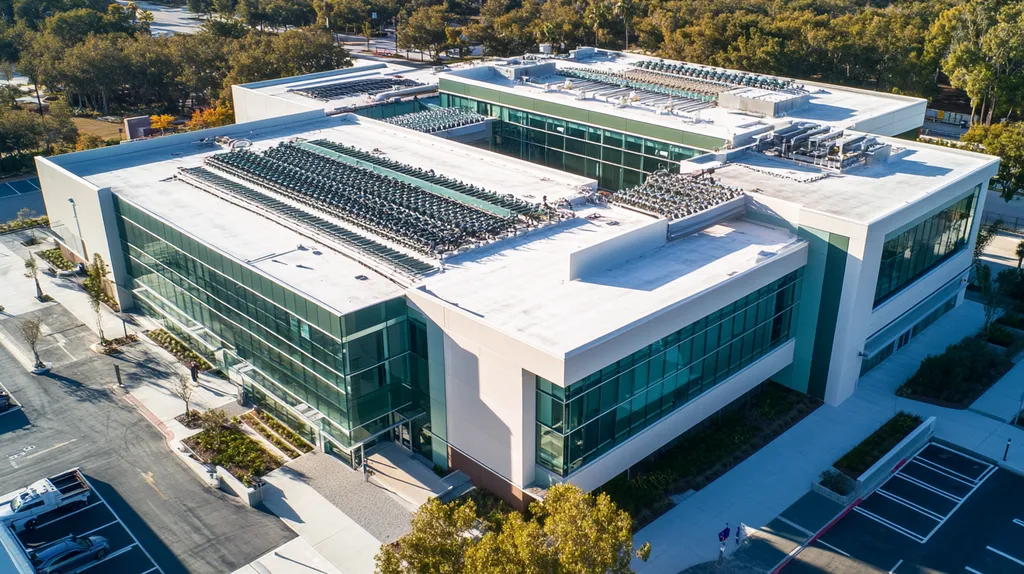
Commercial roofs face a growing threat from pest infestations, with industry data showing damage-related repairs now exceeding $400 million annually across U.S. properties.
From termites compromising structural integrity to birds creating drainage issues, these unwanted visitors pose serious risks that many property owners overlook or misunderstand.
This comprehensive guide examines the most destructive pests targeting commercial roofs, dispels common misconceptions about their impact, and provides evidence-based strategies for protecting these crucial building assets.
SECTION 1: COMMON MISCONCEPTIONS
Many property owners overlook the serious impact that pests can have on commercial roofs. Failing to address signs of infestation can lead to hefty repair bills and safety concerns down the line. Research shows that pest-related damage may boost roofing replacement costs by as much as 30%. Recognizing the true risks posed by these pests is vital for preserving roof integrity and extending its lifespan.
Ignoring Bird Nests as Harmless
Many people dismiss bird nests on commercial roofs as harmless additions. However, these nests can lead to substantial damage over time. Materials used for nesting can trap moisture, resulting in mold growth and extensive water damage.
The added weight from nests can obstruct drainage systems, causing blockages that worsen water pooling and heighten the risk of structural deterioration.
Moreover, bird droppings, which are highly acidic, can corrode roofing materials. This degradation not only shortens the lifespan of the roof but may also cause early replacement to be necessary.
Building owners should take the initiative to routinely inspect and remove bird nests to prevent these escalating costs. Proactive measures can yield significant savings in roofing expenses in the long run.
Underestimating Rodent Damage
Rodents might be viewed as minor nuisances, but their impact on roofing can be considerable. They can gnaw through various roofing materials, such as insulation and waterproof membranes.
The presence of rodents often leaves behind noticeable signs like gnaw marks and droppings, which can undermine the integrity of roofing structures. This weakness can lead to leaks, adding to water damage and facilitating mold growth.
Furthermore, rodent infestations can trigger related pest issues, including insect outbreaks. Dealing with these additional pests can complicate control strategies and inflate repair expenses.
Property owners must remain vigilant regarding the signs of rodent activity and invest in preventive measures. Neglecting these pests can result in extensive and costly damages.
Believing Insects Are Minor Pests
Many property owners mistakenly believe that insects pose little threat to their roofs. In reality, pests like termites and bees can cause significant structural damage. Termites can damage wooden components beneath roofing materials, jeopardizing the roof’s stability.
Meanwhile, bee colonies can create large voids in roofing systems while seeking shelter. This can result in leaks and promote moisture accumulation, further compounding issues.
Additionally, certain insects contribute to the gradual deterioration of roofing materials. Their presence often serves as an indicator of deeper problems, such as water infiltration.
Timely identification and management of insect infestations are essential for preserving roof longevity. Misjudging their risks can lead to unexpected repair costs and decreased property value.
SECTION 2: PRACTICAL IMPLICATIONS
Pests pose critical threats to commercial roofs that can severely compromise structural integrity and safety. Termites can silently weaken the roof framework, leading to expensive repairs, while bird droppings can accumulate and cause significant water damage. Additionally, rodent gnawing increases electrical hazards, potentially igniting fires and disrupting business operations. It’s essential for property owners and facility managers to remain vigilant in addressing these issues to maintain roof integrity and safeguard occupants.
Structural Weakening by Termites
Termites are infamous for their ability to inflict severe structural damage on commercial roofs. They feed on wood and other plant materials, frequently targeting support beams and other vital components. This gradual consumption can create serious risks, leading to roofs that sag or even collapse under stress.
Often, the damage caused by termites goes unnoticed until it becomes critical, making regular inspections essential for early detection. A proactive approach, including routine evaluations and preventative treatments, can save property owners thousands in repairs and liability.
Ignoring termite threats can lead to extreme structural repairs, underscoring the necessity of consistent vigilance in pest management strategies.
Water Damage from Bird Droppings
Bird droppings present a significant danger to commercial roofs, contributing to water damage and the deterioration of roofing materials. The destructive acidity of bird waste can corrode surfaces, degrading protective coatings and creating pathways for leaks.
As droppings accumulate, they can impede drainage systems, leading to standing water that heightens the risks of leaks and mold growth. This not only jeopardizes the roof’s structural integrity but also significantly increases potential repair costs.
Besides the physical damage caused, the presence of birds can attract other pests, making the situation more complicated. Implementing regular cleaning and maintenance practices is vital to prevent the buildup of droppings and keep roofs in optimal condition.
Electrical Risks from Rodent Gnawing
Rodents are not just a nuisance; their gnawing behavior poses significant safety hazards on commercial roofs. They often target wiring insulation, which can expose live wires and drastically raise the risk of electrical fires.
Beyond the immediate safety risks, the damage caused by rodents can lead to operational disruptions, resulting in costly downtime for businesses. Effective rodent control requires a comprehensive strategy that includes sealing entry points and eliminating food sources.
Failure to address rodent infestations can result in substantial expenses and endanger the safety of commercial facilities. Taking rodent management seriously is crucial for safeguarding assets and ensuring smooth operations.
SECTION 3: COST OF MISINFORMATION
The need to address pest-related damage to commercial roofs is critical and urgent. Misunderstandings about which pests can be damaging lead to financial repercussions that can be dire. For instance, property owners may face unexpected expenses that reach thousands of dollars if an infestation goes unnoticed for too long. Such lapses can disrupt operations and chip away at profit margins. This section highlights the serious consequences of neglecting pest threats and clarifies common misconceptions surrounding them.
Unbudgeted Repair Costs
Ignoring pest infestations can lead to repairs that are not only costly but also unexpected. Many property owners mistakenly believe that pests like birds or rodents will not impact their roofs. However, the nesting materials and waste from these animals can slowly weaken roof structures over time.
Imagine a facility manager overlooks early signs of a bird infestation. If unaddressed, the corrosive effects of the acidic droppings could necessitate a roof replacement costing tens of thousands of dollars.
Early detection is crucial for minimizing these expenses. Routine inspections can help property owners avoid a financial crisis due to emergency repairs that could result from an unchecked infestation.
By establishing a proactive pest management approach, property owners can clearly outline a budget for necessary roofing maintenance, helping them avoid the financial strain of sudden repairs.
Loss of Business Due to Infestations
Pest infestations can wreak havoc not only on roofs but also on overall business operations. When pests invade, the indoor environment deteriorates, which can lead to employee dissatisfaction and reduced productivity.
For example, a manufacturing facility may experience costly downtime if pest issues escalate beyond control. This disruption translates to lost revenue and can harm relationships with clients and customers.
Moreover, neglecting pest issues can tarnish a company’s reputation. A single negative review regarding pest management can deter potential clients or customers from engaging with the business.
By prioritizing pest control and ensuring regular roof maintenance, property owners can keep operations running smoothly and safeguard their businesses. The risk of ignoring pest threats is one that many cannot afford to take.
Insurance Coverage Limitations
Many property owners mistakenly believe their insurance policies will cover damages caused by pests. However, failure to understand policy specifics can lead to unpleasant surprises during the claims process. Most insurance policies have exclusions or clauses regarding pest damage.
For instance, if damage from termites occurs and the property owner lacks proof of a regular inspection routine, coverage may be denied. Without appropriate documentation, property owners may face denied claims at crucial times.
Additionally, some insurance providers require a pest management plan as a prerequisite for coverage. Not adhering to these conditions places property owners at risk for unexpected expenses without a safety net.
To avoid these pitfalls, property owners must familiarize themselves with their insurance policies regarding pest-related damage. Engaging with insurers will help ensure adequate coverage and reinforce the importance of preventive measures.
SECTION 4: REALITY CHECK
Commercial roofs serve as a vital shield against the elements, but they also become prime targets for pests. Each year, these infestations can lead to costly repairs and significant business interruptions. Alarmingly, nearly 40% of roofing issues stem from pest damage, underscoring the importance of vigilance. This section focuses on how to identify early signs of infestations, understand what attracts pests, and recognize hidden structural damage that can undermine roof stability.
Identifying Early Signs of Infestation
Detecting pest infestations early can drastically lower damage and repair costs. Property owners should be attentive to visual clues such as droppings, chewed materials, and nesting sites. For example, termite infestations can often be spotted by their signature mud tubes or discarded wings found near roof edges.
Unusual staining or discoloration on the roofing materials is another critical sign to watch for. Water damage caused by pests can create soft spots or discoloration, indicating deeper issues. Regular roof inspections can catch these warning signs before they escalate into major problems.
Property managers should also consider utilizing technology like surveillance cameras or motion detectors to monitor for rodent activity. Combining traditional inspections with modern tools enhances the ability to catch pest issues in their early stages.
Acting swiftly upon noticing these signs can mean the difference between minor repairs and extensive renovations. Building strong partnerships with pest control services is vital for timely interventions.
Understanding Pest Attraction Factors
Comprehending what entices pests to commercial roofs is essential for prevention. Factors such as available food sources, excess moisture, and potential shelter significantly contribute to attracting unwanted invaders. Debris like leaves or open trash containers can create ideal breeding grounds for pests.
Moisture is a particularly strong attractant. Flat roofs, which may retain water, are especially susceptible. Regular inspections and maintenance to ensure optimal drainage are crucial for minimizing moisture-related issues and discouraging pests.
Vegetation near the roofline can also invite pests. Overhanging branches or dense shrubs can provide easy access for rodents and insects. Trimming these plants back can create a barrier that reduces potential access points for infestations.
A proactive approach to pest prevention includes regular cleanings and environmental controls. Maintaining a clean roof is less appealing to pests, creating a safer environment for the structure below.
Recognizing Hidden Structural Damage
Pest infestations can lead to hidden structural damage that may not be immediately detectable. Property owners should be vigilant for water damage signs, as these often indicate pest activity that threatens structural integrity. Sagging or warped roofing materials may suggest serious problems lurking beneath the surface.
Additionally, pests like termites can compromise wooden supports without leaving obvious signs. Regular inspections are critical for identifying these hidden issues before they escalate into major failures. Promptly addressing any signs of weakness is essential.
Improper installation of roofing systems can also heighten vulnerability to pests. Commercial roofs should be evaluated not just for damage but also for compliance with building specifications. Installing barriers and using pest-resistant materials can enhance defense against infestations.
Collaboration with roofing professionals can provide valuable insights into the best materials and practices to prevent damage. Routine evaluations and preventive strategies are necessary for protecting both the roof and the structure it supports.
SECTION 5: EVIDENCE-BASED ALTERNATIVES
Pests pose a serious threat to commercial roofs, causing damage that can lead to extensive repairs and operational disruptions. It’s alarming to note that around 30% of roof failures can be attributed to pest-related problems. Therefore, implementing proactive measures is essential to safeguard these vital structures. Property owners and facility managers must adopt evidence-based practices to effectively counter these risks.
Regular Roof Inspections
Regular roof inspections are vital for catching pest damage before it worsens. These assessments should occur at least twice a year and after severe weather events, since even small leaks can attract pests. Comprehensive evaluations help uncover early indicators of pest activity like droppings, nesting materials, or structural damage.
Inspections conducted by trained professionals are particularly valuable, as they can identify less obvious signs of pest-related issues. For instance, skilled assessors can spot gaps in roofing materials that may serve as entry points for pests. Timely identification of these vulnerabilities allows for immediate action, ensuring the roof’s long-term integrity.
Property owners are encouraged to maintain detailed records of inspections and recommended repairs. This documentation not only serves as a maintenance log but also becomes a valuable resource for future roofing decisions. Regular inspections can ultimately enhance property value by demonstrating a commitment to proactive maintenance.
Investing in a systematic inspection schedule is a cost-effective strategy to guard against wildlife-related damage. The expense of routine checks is minimal when compared to the potential financial burden of extensive pest damage repairs.
Sealing Entry Points and Clearing Debris
Sealing entry points is a foundational element of effective pest management for roofs. Gaps, cracks, and openings allow pests easy access into roofing systems. By using weather-resistant sealants and materials, property owners can significantly decrease potential entryways for pests.
Additionally, a clean roof environment is critical in preventing infestations. Accumulated debris, like leaves and branches, not only attracts pests but can also trap moisture, exacerbating deterioration. Regular cleaning should be integrated into a comprehensive roof maintenance program.
Conducting routine checks for debris will help promptly remove potential pest habitats. This practice also extends the lifespan of roofing materials by preventing water accumulation and the damage associated with it. Effective debris management contributes to a healthier roof ecosystem.
By combining sealing efforts with regular cleaning, property owners establish a strong barrier against pest infiltration. These proactive steps not only safeguard roofs but also enhance energy efficiency by maintaining correct insulation levels.
Installing Deterrents and Barriers
Incorporating deterrents and barriers is a strategic method to minimize pest infestations on commercial roofs. For example, physical barriers such as screens and mesh can effectively block entry points while ensuring adequate ventilation. These solutions are successful at keeping pests away without sacrificing airflow.
Moreover, using chemically-treated materials that repel pests can bolster defenses. Various commercially available products are safe for different environments, adding an extra layer of protection. Choosing eco-friendly options ensures compliance with safety regulations and protects surrounding wildlife.
Installing bird spikes or nets is another effective method for discouraging larger pests like gulls and pigeons, which can inflict substantial damage. These deterrents represent practical, sustainable strategies that help maintain the integrity of roofing systems.
By employing both physical and chemical deterrents, property owners can protect their roofs from both minor pests and major threats. Integrating these strategies into a comprehensive pest management plan ensures the durability and longevity of commercial roofing systems.
SECTION 6: TEST AND VERIFY
Pests can present a severe threat to commercial roofs, leading to expensive repairs and safety concerns. With increasing pressure for property owners to maintain their buildings, understanding effective pest control measures is critical. Implementing proper inspection and verification protocols enables proactive management of these threats. This section highlights essential testing and verification practices necessary for safeguarding commercial roofing systems.
Professional Inspection Protocols
Adopting professional inspection protocols is essential for identifying potential pest issues before they escalate. Skilled roofing inspectors employ advanced techniques to evaluate the roof’s condition and detect signs of pest activity. Inspections should occur at least twice a year, particularly following severe weather events that could facilitate pest infiltration.
During inspections, professionals assess not only the roofing materials but also explore potential entry points, including vents and drains. A detailed report highlighting the findings enables property owners to understand their roof’s current condition. Early detection of infestations leads to timely actions, minimizing risks and associated costs.
Collaborating with pest management experts specializing in commercial roofing can further enhance inspection efforts. These specialists offer tailored insights and recommendations, ensuring thorough protection of roof integrity.
Following inspections, a clear action plan should be established. This plan ought to outline timelines for addressing identified issues and offer strategies for ongoing pest prevention. Regular inspections form the backbone of an effective pest management strategy.
Monitoring for Pest Activity
Continuous monitoring is crucial for detecting pest activity before it escalates into a significant issue. Property owners should establish a tracking system for recording pest sightings and damage over time. This method can reveal patterns in pest behavior, enabling more targeted control efforts.
Utilizing technology, such as monitoring traps, can provide real-time insights into pest presence. These traps notify owners of new infestations and collect relevant environmental data, aiding in understanding pest behavior. Regular updates from these systems inform property managers of potential threats.
Involving building staff in monitoring activities enhances the overall effectiveness of pest vigilance. Training employees to recognize early signs of pest activity fosters a culture of maintenance awareness and shared responsibility.
By implementing robust monitoring systems, property owners not only protect their roofs but also extend their roofing materials’ lifespan. Early interventions based on diligent monitoring can lead to substantial savings in repair and replacement expenses.
Verifying Effectiveness of Control Measures
After implementing pest control measures, verifying their effectiveness is essential. Property owners should regularly assess control strategies to ensure they yield the desired results. This includes reviewing pest activity reports and examining any remaining infestation signs.
Conducting post-treatment inspections allows roofing professionals to evaluate whether pest populations have decreased. Comparing conditions before and after treatment gives property owners valuable insights into the success of management strategies.
Feedback from staff regarding pest sightings should also factor into the evaluation process. Their observations can help identify lingering issues needing further address. Open communication creates a proactive management environment.
If control measures prove inadequate, it may be necessary to reassess the methods applied and adapt accordingly. Consulting with pest management professionals during this review can lead to more effective solutions. Continuous improvement is key to keeping commercial roofs safeguarded against pest damage.
The Bottom Line
With pest-related roofing damage now exceeding $400 million annually across U.S. commercial properties, facility managers can no longer afford to overlook these threats.
Studies show that implementing comprehensive pest management strategies reduces repair costs by up to 60% while extending roof lifespans by 5-10 years.
Regular professional inspections, proper sealing of entry points, and installation of deterrents represent proven solutions for protecting commercial roofing assets.
The most successful approach combines vigilant monitoring with swift intervention when signs of infestation appear.
For commercial property owners, the choice is clear: invest in prevention now or face exponentially higher costs from accumulated damage later.
FREQUENTLY ASKED QUESTIONS
Q. What are common misconceptions about pests on commercial roofs?
A. Many property owners underestimate the serious damage pests can cause. Ignoring early signs of infestations, such as bird nests or rodent droppings, can lead to severe structural damage, resulting in costly repairs. Regular inspections and proactive pest management are essential to maintaining roof integrity.
Q. How can pests damage commercial roofs and affect safety?
A. Pests like termites weaken the roofing structure, increasing the danger of collapse. Bird droppings can cause water damage, while rodent gnawing poses electrical hazards, leading to potential fire risks. Awareness and timely intervention are vital for safety and structural stability.
Q. What financial risks arise from ignoring pest damage on roofs?
A. Overlooking pest infestations can lead to unbudgeted repair costs that can total thousands of dollars. Unexpected repairs disrupt business operations and can significantly diminish property value. Implementing regular inspections helps avoid costly financial repercussions.
Q. How can I identify early signs of infestation on commercial roofs?
A. Early signs of pest infestations include droppings, nesting materials, and unusual staining on roofing materials. Regular inspections are critical for detecting these signs before they lead to major issues. Routine checks can significantly reduce potential damage and repair needs.
Q. What regular maintenance should I perform on commercial roofs to prevent pests?
A. Regular maintenance includes inspections, cleaning debris, and sealing potential entry points. Keeping the roof clear of organic waste and moisture reduces attractants for pests. A systematic approach to maintenance will enhance the lifespan of your roof and prevent infestations.
Q. How can I monitor for pest activity on my commercial roof?
A. Implement monitoring systems that track sightings and damage. Utilizing technology, such as motion detectors or monitoring traps, can enhance detection. Engaging building staff in observational activities fosters a proactive approach to pest management and early intervention.
Q. What types of barriers can be installed to deter pests on roofs?
A. Physical barriers, such as screens or mesh, can effectively block pests without restricting airflow. Additionally, installing bird spikes or using treated materials that repel pests increases the roof’s resilience against infestations. Both methods work together to maintain roof integrity.






