

Every year, commercial properties waste over $6 billion on ineffective and environmentally harmful pest control methods, undermining both building integrity and ecosystem health.
The widespread use of toxic chemicals and reactive approaches has created an unsustainable cycle that threatens local wildlife, water systems, and human health while failing to address root causes of infestations.
This analysis examines how conventional pest management practices fall short, explores systemic issues in current approaches, and presents evidence-based alternatives that protect both commercial properties and environmental well-being.
SECTION 1: CURRENT PRACTICES
The presence of pests in commercial roofing systems is a pressing challenge for property owners. When building integrity and safety are on the line, the existing pest control methods often fall short. Traditional strategies, heavily reliant on chemicals, traps, and baits, perpetuate a cycle that neglects the root causes of infestations. This section delves into the prevalence of these practices and their implications for effective pest management in the commercial roofing sector.
Chemical Pest Control Dominance
Chemical pest control remains the go-to solution in commercial settings. Many facility managers choose these methods for their perceived quick fixes and immediate effectiveness.
However, the overuse of pesticides leads to toxic build-up, endangering non-target species such as beneficial insects. This disruption can impair local ecosystems and have long-lasting repercussions on the building environment.
Moreover, increasing regulatory scrutiny surrounding chemical use is compelling property owners to reconsider their pest control approaches. Compliance with regulations can raise costs and complicate facility management.
This dependency on chemicals poses risks not just to environmental health but also to the reputation of businesses relying on these methods for pest control.
Overreliance on Traps and Baits
While traps and baits are critical components of pest management, heavy reliance on these devices may yield diminishing returns. Numerous commercial facilities lean too heavily on these tools, often dealing with symptoms rather than tackling root issues.
Although these methods may provide temporary relief, they do not prevent future infestations. Facilities can end up pouring resources into traps instead of pursuing long-term sustainable solutions.
Moreover, if traps are not strategically placed or properly utilized, they can create a false sense of security. This mismanagement allows underlying pest issues to persist, leading to higher costs in the future.
Ultimately, without a balanced pest management strategy, an overreliance on traps and baits can undermine both effective pest control and the integrity of the building.
Limited Use of Integrated Pest Management
Integrated Pest Management (IPM) is a comprehensive approach that employs multiple strategies for effective pest control. Unfortunately, its use in commercial roofing is still limited, despite its demonstrated effectiveness.
IPM focuses on understanding pest behavior and ecology, enabling better decision-making. It emphasizes prevention and encourages non-chemical tactics, like habitat modification and the introduction of natural predators.
Sadly, many property owners remain unaware of the advantages of IPM or feel intimidated by its complexity. This knowledge gap fosters a cycle of ineffective pest management practices.
Adopting IPM can yield more robust and environmentally conscious pest control solutions. However, the industry must prioritize education and resource accessibility to facilitate this transition.
SECTION 2: SYSTEMIC ISSUES
Conventional pest control practices in commercial roofing present serious environmental risks, often resulting in harmful chemical runoff. According to the Environmental Protection Agency, a staggering 80 million pounds of pesticides are utilized in U.S. agriculture each year, contributing to soil and water pollution. Tackling these systemic issues is essential to foster sustainable pest management solutions that protect both the environment and the integrity of our buildings.
Environmental Impact of Chemicals
The extensive use of chemical pesticides in roofing systems poses a significant danger to local ecosystems. Many chemicals can seep into the soil and waterways, negatively affecting native plants and animals. A prime example is neonicotinoids, which are widely used but have been linked to the decline of bee populations, important players in our food ecosystem.
Facility managers must consider the broader repercussions of these chemical practices. Besides harming wildlife, potential chemical exposure threatens human health through contaminated air and water sources. As public awareness of these impacts rises, the demand for eco-friendly alternatives becomes increasingly urgent.
Additionally, regulatory agencies are tightening controls on harmful chemicals, making their ongoing use less viable. Therefore, it’s crucial for facility managers to proactively explore environmentally-friendly solutions to avoid complications as legislation evolves.
By reducing chemical dependency, properties can lessen their environmental impact, fostering a healthier ecosystem in the surrounding area. Moreover, shifting pest management strategies can lead to both ecological advantages and significant cost savings in the long run.
Inefficiencies in Single-Method Approaches
Single-method pest control strategies often fail to effectively tackle the root causes of infestations, resulting in persistent issues. While these methods may provide immediate fixes, they overlook long-term sustainability. For instance, relying exclusively on chemical treatments may offer short-term pest control while ignoring the environmental conditions that allow pests to thrive.
This reactive stance creates a cycle of continual chemical applications, fostering resistance among pest populations. As pests become more tolerant, increasingly potent—and potentially harmful—substances are introduced into the environment, perpetuating the cycle of infestations.
Single-method strategies also overlook the diverse nature of pest populations and their specific behaviors. Adopting a tailored Integrated Pest Management (IPM) approach can combine various practices, including biological controls and habitat modifications, leading to healthier roofing systems that more effectively resist pest invasions.
Ultimately, inefficient pest management not only threatens environmental health but also strains financial resources. Property managers need to recognize that investing in comprehensive strategies will yield better results for both their facilities and the larger ecosystem.
Neglect of Building Design and Maintenance
A major systemic issue in pest management is the failure to focus on building design and ongoing maintenance. Many commercial roofs are designed without considering how their layout can impact pest access and survival. Design flaws, such as poor drainage, uncontrolled vegetation, and inadequate repairs, create inviting conditions for infestations.
Furthermore, routine maintenance schedules often neglect the importance of pest control. Regular inspections and timely repairs can proactively identify issues before they escalate into serious infestations. This preventative strategy proves more effective and sustainable compared to reactive measures driven by chemical treatments.
Implementing solid design principles, such as utilizing pest-resistant materials, is crucial to create durable roofing systems. By addressing these critical factors, property owners can mitigate future infestations while reducing reliance on harmful chemicals.
Ultimately, a commitment to integrating robust building design and maintenance practices is vital. This evolution will not only enhance pest management but also contribute to the longevity and sustainability of commercial roofing assets.
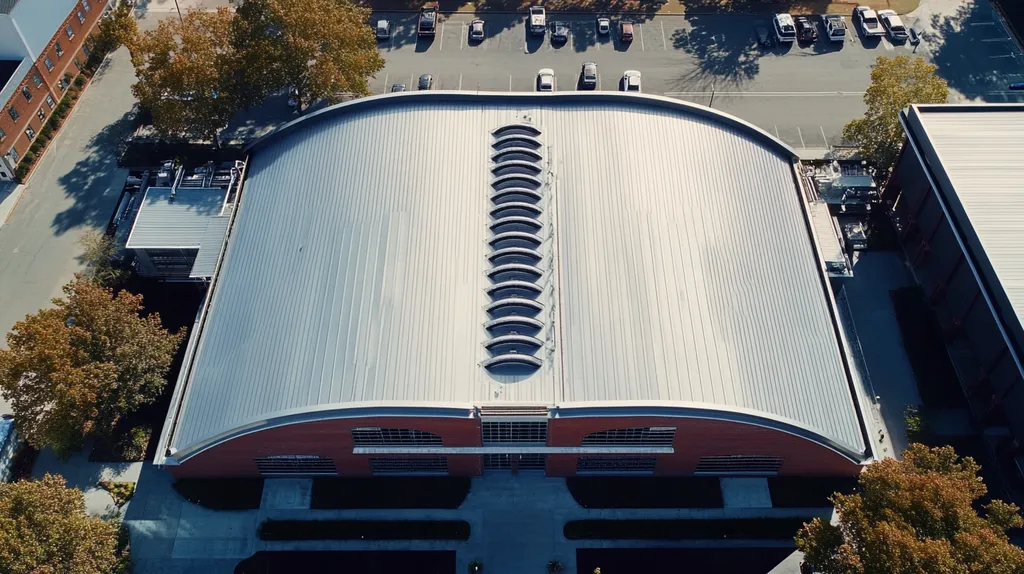
SECTION 3: MISSED OPPORTUNITIES
Many commercial property owners overlook crucial opportunities to adopt eco-friendly pest solutions for their roofs. With pest-related damages costing the industry millions annually, selecting the right roofing materials is not merely a choice but an urgent necessity. Additionally, failing to embrace cultural and biological pest control methods results in an excessive reliance on harmful chemicals. Addressing these missed opportunities can significantly enhance operational efficiency and minimize environmental impact.
Ignoring Roofing Material Selection
The materials used for roofing can greatly influence a building’s susceptibility to pests. Traditional options such as asphalt can trap heat and moisture, creating a welcoming environment for insects. In contrast, selecting materials like metal roofing or modified bitumen can drastically reduce the likelihood of pest colonization.
Moreover, innovative materials infused with pest-repellent properties provide additional protection. Choosing such solutions leads to a healthier building ecosystem while also lowering maintenance expenses. This proactive approach not only safeguards the roof but enhances the overall durability of the structure.
Property owners should prioritize sustainable materials that act as a deterrent to pests, thereby reducing the need for frequent chemical interventions. By opting for roofing solutions designed with both safety and pest prevention in mind, they align with long-term sustainability goals.
Ultimately, making an informed choice about roofing materials serves as a strategic defense against pest problems, contributing to the sustainability of commercial properties.
Overlooking Cultural and Biological Methods
Cultural and biological pest control methods are often sidelined by facilities managers, despite their effectiveness. Cultural techniques, such as regular maintenance and landscaping, help eliminate habitats that attract pests near roofs. These straightforward practices can dramatically lower the chances of pest invasions.
Additionally, biological control strategies encourage the presence of natural predators. By fostering beneficial insects like ladybugs and lacewings, property owners can dramatically shrink pest populations. Incorporating these methods into pest management plans fosters an environmentally friendly and holistic approach to building maintenance.
These practices can also reduce the overall costs associated with pest management. By creating an environment that is less hospitable to pests, property owners can limit the need for costly interventions, resulting in long-term savings.
A shift towards sustainable pest management that includes cultural and biological strategies improves overall environmental health while reinforcing principles of responsible facilities management.
Lack of Proactive Preventative Measures
A significant missed opportunity for many commercial facilities is the absence of proactive preventative measures. Regular inspections, such as checking for leaks, are often neglected, allowing manageable issues to escalate into costly infestations. Scheduling routine assessments of roofs can help identify vulnerabilities before they evolve into major problems.
Neglected drainage systems can result in standing water, which attracts various pests. Implementing barrier methods, such as seals and screens on vents and openings, is another effective strategy that is frequently overlooked. These actions create a defensive layer against pests, significantly reducing reliance on chemicals.
Furthermore, involving employees in pest awareness and prevention training is essential. An informed workforce can significantly contribute to a pest-free environment, with every individual playing a role in maintaining cleanliness and quickly addressing potential concerns.
Summarily, emphasizing and implementing proactive pest prevention strategies is vital for maintaining a healthy roof and ensuring sustainable building management.
SECTION 4: ROOT CAUSES
Identifying the root causes of pest problems in commercial roofing is vital to develop effective management solutions. Insufficient building envelope integrity can lead to water leaks, creating ideal conditions for pest infestations. Studies indicate that over 30% of commercial properties face pest issues due to poor maintenance. Addressing these foundational problems is essential for preventing costly damage and preserving the structural integrity of roofs.
Poor Building Envelope Integrity
The building envelope serves as the first line of defense against unwanted pests. When compromised, it becomes easier for pests to invade. Roofs with damaged membranes or deteriorating flashing can trap moisture, making them attractive to various pests.
Additionally, the choice of roofing materials greatly influences overall building integrity. Inadequate insulation can lead to condensation, creating an environment conducive to mold and pest proliferation. Protecting the building envelope is a crucial step in maintaining a pest-free environment.
Conducting regular inspections and performing timely repairs are key to maintaining the building envelope’s integrity. This proactive approach minimizes vulnerabilities while reducing the risks associated with pest infestations.
Ultimately, addressing building envelope integrity not only helps fend off pests but also improves energy efficiency and extends the lifespan of the roof.
Inadequate Maintenance and Inspection
Consistent maintenance and inspections are essential components of a robust roofing strategy. Without them, minor issues can escalate into major pest problems. According to industry reports, properties with regular inspections experience 40% fewer pest incidents.
Routine maintenance allows facility managers to identify potential weaknesses before they become severe threats. For example, debris accumulation on rooftops can attract rodents and insects looking for nesting sites.
Moreover, sealing and repairing any cracks or gaps in the roof can effectively reduce pest entry points. A systematic maintenance schedule keeps roofs in optimal shape, deterring pests and lessening the need for reactive interventions.
By investing in routine inspections, property owners not only protect their assets but also foster a healthier environment for the individuals who occupy the space.
Unaddressed Entry Points and Vulnerabilities
Pest problems often arise from overlooked entry points and vulnerabilities in a building’s design. Even small openings can serve as gateways for a variety of pests. Rodents, insects, and birds can easily slip through unsealed gaps, vents, or around drainage systems.
For instance, poorly sealed roof penetrations can allow pests direct access to insulation, resulting in increased infestations. Identifying and sealing these weak spots is critical for establishing an impenetrable barrier against pests.
Property owners should also incorporate wildlife management as part of their pest control plan. Installing bird spikes or screens can significantly deter pest entry. Taking these preventive measures addresses the root causes of infestations more effectively than relying solely on traps and toxic chemicals.
Ultimately, confronting entry points with strategic preventive actions is key to maintaining a pest-free roof, safeguarding both property owners and occupants from potential health hazards.
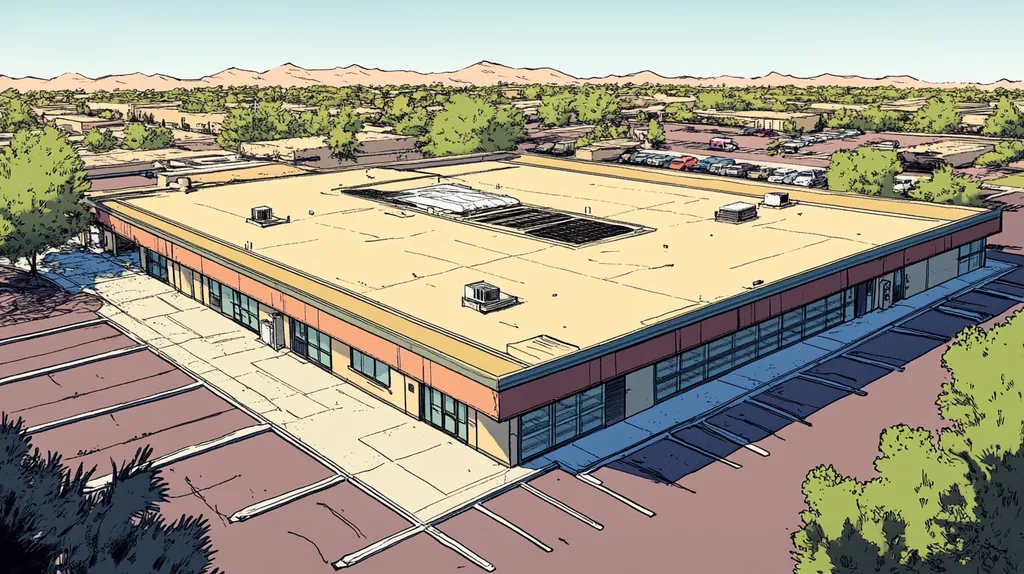
DATA DRIVEN EVIDENCE
The pervasive use of chemical pest control in commercial roofing is a pressing issue that demands immediate attention. With approximately 21 million pounds of pesticides applied to commercial buildings each year in the United States, the consequences extend well beyond simple pest issues. Chemicals not only threaten human health by contaminating air, soil, and water but also harm local ecosystems. This section delves into the statistics on chemical usage and its environmental implications, highlights successful case studies of Integrated Pest Management, and presents research on innovative pest-resistant roofing materials.
Statistics on Chemical Use and Environmental Harm
In commercial roofing, a surprisingly large volume of chemical pesticides is employed. The National Pesticide Information Retrieval System indicates that more than 30% of these chemicals have been linked to adverse environmental effects. This includes detrimental impacts on non-target species, which play crucial roles in maintaining the balance of local ecosystems.
Furthermore, the runoff generated from these chemicals poses severe risks to water quality. Research establishes that pesticide runoff from commercial properties can infiltrate nearby waterways, jeopardizing aquatic life and raising significant public health concerns.
Beyond environmental risks, long-term exposure to these chemicals poses serious health threats to workers in the roofing industry and nearby communities. Current evidence reveals that exposure can lead to issues ranging from respiratory problems to severe health conditions, underscoring the urgent need for safer and more sustainable pest control solutions.
These troubling statistics emphasize the critical importance of shifting to environmentally-friendly practices in commercial roofing, aiming for solutions that safeguard both health and the ecosystem.
Case Studies on Integrated Pest Management Success
Integrated Pest Management (IPM) has emerged as an effective alternative to chemical-heavy approaches. A compelling example can be found in a large manufacturing facility located in Texas, which successfully adopted IPM strategies that included traps, biological controls, and habitat modification. Within just two years, the facility reduced its pesticide reliance by an impressive 70%.
Notably, this shift did not compromise pest management efficacy; rather, employee pest complaints dropped by 60%. Additionally, the healthy environment fostered by IPM translated to reduced maintenance costs, showcasing both operational and economic advantages.
Another case highlights a retail chain that embraced an IPM initiative throughout its warehouses. By training staff and implementing vigilant monitoring protocols, the chain managed to cut pest-related expenses by 50% over three years, revealing substantial financial and ecological perks of effective pest management.
These real-world applications reveal the significant benefits of IPM, illustrating it as a forward-thinking choice that aligns operational efficiency with environmental responsibility in commercial settings.
Research on Pest-Resistant Roofing Materials
Research into pest-resistant roofing materials holds considerable promise for enhancing pest management strategies in the commercial roofing sector. Investigations indicate that materials like metal roofing and specialized membranes not only deter pest infestations but also offer increased durability.
For example, a study published in a leading materials science journal found that roofs treated with specific polymer coatings experienced 40% fewer instances of pest-related damage compared to traditional roofing options. This translates to reduced dependency on chemical treatments, while concurrently extending the roof’s useful lifespan.
Innovative manufacturers are also integrating pest-repellent properties directly into roofing materials, providing a natural barrier against pest ingress without relying on toxic chemicals. Such advancements are aligning with the industry’s shift towards eco-friendly solutions.
Investing in these advanced pest-resistant materials not only protects commercial properties but also promotes a healthier environment, reinforcing the case for sustainable roofing practices.
SECTION 6: ALTERNATIVE SOLUTIONS
The threat of pests in commercial roofing is escalating, posing both structural vulnerabilities and health risks. Traditional extermination methods fall short by failing to target the root causes of these infestations. To safeguard properties and promote environmental health, transitioning to eco-friendly pest management solutions is essential. This section explores alternative strategies, including Integrated Pest Management (IPM), selecting pest-resistant roofing materials, and enhancing building design to proactively mitigate pest issues.
Implementing Integrated Pest Management Strategies
Integrated Pest Management (IPM) presents a comprehensive, environmentally-conscious approach to pest control. By focusing on monitoring and understanding pest behaviors, IPM prioritizes prevention. For instance, conducting regular roof inspections can help identify potential pest habitats before infestations take hold.
One effective method within IPM involves incorporating natural predators into pest management plans. For example, beneficial insects and habitats can be nurtured to keep pest populations in check, thereby reducing the reliance on harmful chemicals. Successful implementation relies on collaboration with pest management professionals who are versed in IPM techniques.
Training staff on IPM principles enhances overall effectiveness. Educated personnel can spot early signs of pest activity and take proactive steps to prevent infestations. This collaborative effort ensures a thorough pest management strategy that addresses current issues while preventing future occurrences.
Ultimately, embracing IPM fosters a responsible and sustainable relationship with the environment. By integrating pest control efforts with ecological considerations, property owners can protect the long-term integrity of their roofing systems.
Selecting Pest-Resistant Roofing Materials
The selection of roofing materials plays a critical role in pest management efficiency. Choosing materials known for their pest-resistant properties can significantly lower the risk of infestations. For example, metal roofs are less attractive to pests and tend to have longer lifespans compared to traditional asphalt roofs.
Additionally, utilizing materials like modified bitumen or single-ply membranes with antifungal treatments can inhibit mold growth and reduce pest activity. Property owners are encouraged to work closely with roofing professionals to identify options that balance durability with pest prevention.
It’s also essential to select materials resistant to moisture, as damp conditions attract various pests. Implementing efficient drainage systems further supports these efforts by preventing water pooling on rooftops. Opting for pest-resistant materials saves money over time by minimizing maintenance and repair costs.
By prioritizing pest-resistant roofing solutions, property owners can bolster both roof durability and their overall pest management strategies.
Enhancing Building Design for Pest Prevention
Thoughtful building design is instrumental in pest prevention. Simple architectural features can significantly reduce pest entry points. For instance, ensuring adequate roof overhangs and effectively sealing vents can minimize access for a wide range of pests.
Another innovative approach involves green roofs, which can create a less hospitable environment for harmful pests. By carefully selecting plants and managing ecosystems, beneficial insects can thrive while deterring harmful species, effectively aligning with sustainable goals.
Additionally, keeping roof spaces clean and organized discourages nesting. Routine maintenance, such as removing debris and controlling vegetation, is vital for maintaining a pest-free environment. Collaborating with design experts familiar with pest-control principles can lead to investments that protect both the building and its occupants.
A harmonious blend of strategic design and diligent maintenance cultivates a robust defense against pest-related challenges, ensuring the longevity and safety of commercial roofing systems.
Moving Forward
The $6 billion wasted annually on ineffective pest control methods represents an urgent wake-up call for the commercial roofing industry.
As environmental regulations tighten and chemical resistance grows, conventional approaches are becoming increasingly unsustainable and costly.
The evidence clearly demonstrates that integrated pest management strategies, combined with pest-resistant materials and improved building design, can reduce chemical usage by up to 70% while providing superior protection.
Property owners who fail to adopt these environmentally-sound solutions risk not only escalating pest control costs but also potential regulatory penalties and reputational damage.
The path forward requires immediate industry-wide commitment to sustainable pest management practices that protect both commercial assets and ecological systems.
FREQUENTLY ASKED QUESTIONS
Q. What are current pest control practices for commercial roofs?
A. Traditional pest control methods for commercial roofs often rely on chemicals and traps. These strategies provide a quick fix but can lead to toxic build-up and ecological disruptions. Many facilities continue using these methods, neglecting the root causes of pest infestations and risking both safety and reputation.
Q. How do conventional practices impact the environment in commercial roofing?
A. Conventional pest control practices can lead to pesticide runoff, harming local ecosystems. Chemicals might infiltrate waterways, threatening aquatic life and public health. As awareness of these effects grows, there’s a pressing need for eco-friendly, sustainable solutions in commercial roofing.
Q. What opportunities are missed by relying on harmful pest control in commercial roofs?
A. Many property owners overlook the benefits of eco-friendly roofing materials and sustainable practices. Ignoring cultural and biological pest control leads to excessive reliance on chemicals, which can escalate pest problems. Embracing these opportunities can significantly enhance operational efficiency and sustainability.
Q. What are the root causes of pest problems in commercial roofing?
A. Root causes include compromised building envelopes and inadequate maintenance. Poor insulation, unsealed entry points, and lack of inspections create ideal conditions for pests. Addressing these issues is essential for effective pest management and maintaining the structural integrity of roofs.
Q. How prevalent is the use of chemicals in commercial roofing pest control?
A. Approximately 21 million pounds of pesticides are applied annually to commercial buildings in the U.S. This extensive chemical use poses serious health and environmental risks, highlighting the urgency for sustainable alternatives that preserve ecosystem health and public safety.
Q. What alternative strategies exist for commercial roof pest management?
A. Alternative strategies include Integrated Pest Management (IPM), using pest-resistant roofing materials, and enhancing building design. These methods focus on prevention and ecological balance, helping to maintain pest-free environments while minimizing chemical dependence and promoting sustainability.
Q. What role does building design play in preventing pest issues?
A. Thoughtful building design can significantly reduce pest entry points. Features like proper ventilation, sealing gaps, and using pest-resistant materials decrease the likelihood of infestations. Regular maintenance and clean roof spaces are also crucial to discourage pest habitats and invasions.






