
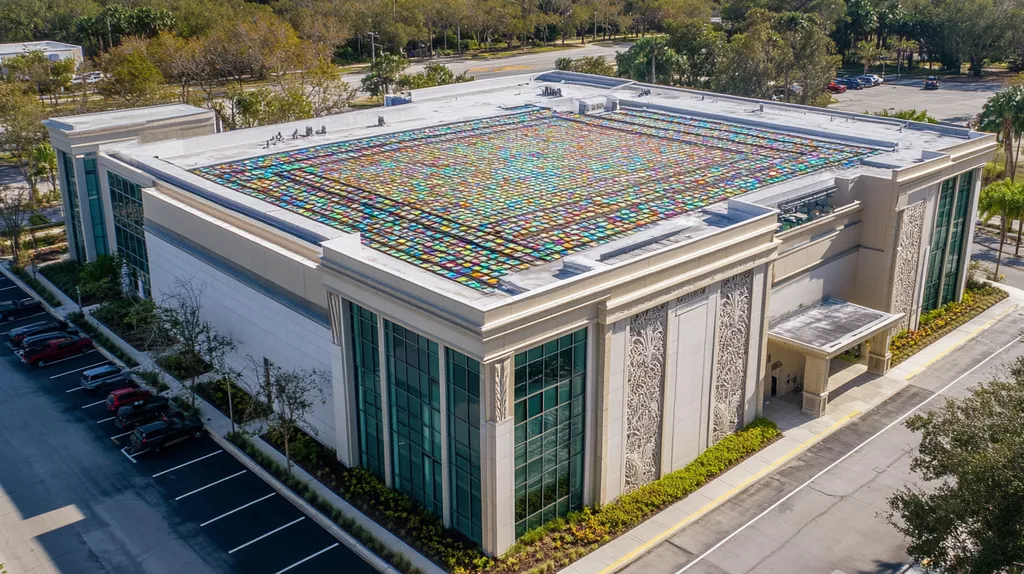
Every year, inadequate roof drainage systems cost commercial building owners millions in preventable damage and premature replacements. Industry studies show that up to 90% of roof failures stem from water-related issues, with poor drainage being the primary culprit.
While a well-maintained commercial roof can last 20-40 years, improper drainage can cut that lifespan in half. The resulting repairs often exceed $15 per square foot, not including potential interior damage.
This analysis challenges conventional drainage assumptions and presents data-driven solutions that can dramatically extend roof life through strategic water management.
SECTION 1: CURRENT PRACTICES
Commercial roof drainage represents a critical yet often overlooked aspect of building maintenance. Studies show that poor drainage contributes to over 80% of premature roof failures, with repair costs averaging $15-25 per square foot. The average commercial roof can last anywhere from 20-70 years depending on material type and maintenance, but improper drainage can cut this lifespan in half.
Standard Drainage Designs for Commercial Roofs
Modern commercial roofs typically employ one of three primary drainage approaches: interior drains, scuppers, or guttered edges. Each system requires specific slope calculations and strategic placement to function effectively.
Interior drainage systems utilize a network of drains positioned at calculated low points across the roof surface. These systems require precise installation to maintain proper pitch and prevent water accumulation.
Scupper systems direct water through parapet wall openings, offering simplified maintenance but requiring careful sizing to handle peak water volumes. Many buildings combine multiple approaches for redundancy.
The average lifespan of commercial roofing systems varies significantly based on drainage design quality, with metal roofing lasting 40-70 years when properly drained. (source: Burrage Roofing)
Common Drainage Components and Their Roles
Primary drains serve as the first line of defense, typically consisting of bowl-shaped receptacles connected to internal piping. These components require specific placement at roof low points to maximize effectiveness.
Secondary drainage systems act as emergency backups, activating only when primary systems become overwhelmed. These often include overflow scuppers or separate drain lines positioned slightly higher than primary drains.
Strainers and debris guards protect drain openings from clogging, while drain collars ensure watertight seals between the roof membrane and drain assembly. Regular inspection of these components is essential for system performance.
Tapered insulation systems create artificial slope, directing water toward drainage points even on structurally flat roofs. This component proves especially crucial for retrofitting older buildings with inadequate pitch.
Typical Maintenance Protocols for Roof Drainage
Standard maintenance schedules call for quarterly inspections of all drainage components. These inspections should include clearing debris, checking strainer conditions, and verifying proper water flow.
Preventive maintenance focuses on identifying potential issues before they cause damage. This includes testing drain flow rates, examining seals around drain collars, and checking for signs of standing water.
Documentation plays a vital role in maintenance protocols, with detailed records tracking inspection dates, findings, and repairs. These records help identify patterns and predict potential system failures.
Winter preparations require additional steps in cold climates, including heat trace installation and more frequent inspections during freeze-thaw cycles. Proper winterization helps prevent ice dams and associated drainage failures.
Emergency response protocols should be established for extreme weather events, ensuring rapid clearing of blocked drains and immediate repair of damaged components. Quick response times minimize potential water damage to the building interior.
SECTION 2: SYSTEMIC ISSUES
Every commercial roof faces critical challenges from inadequate drainage systems that can dramatically reduce its service life. Studies indicate that poor drainage practices account for up to 40% of all premature roof failures, with repair costs often exceeding $100,000 for large commercial buildings. Understanding and addressing these systemic issues is essential for protecting your roofing investment and avoiding catastrophic failures.
Inadequate Drain Placement and Water Ponding
Drain placement errors represent one of the most devastating failures in commercial roofing design. Just one inch of standing water adds 5.2 pounds of weight per square foot, creating dangerous structural loads that compromise roof integrity.
Strategic drain positioning requires careful calculation of water flow patterns and accumulation points. When drains are incorrectly spaced or positioned, water pools in unexpected areas, accelerating material breakdown and increasing leak risks.
Low spots between drains create perfect conditions for ponding, especially on large flat surfaces. These areas collect debris and retain moisture long after rainfall, leading to premature aging of roofing materials.
The consequences of poor drain placement extend beyond the roof itself. Interior damage from leaks can disrupt business operations and require costly repairs to walls, ceilings, and electrical systems.
Impact of Improper Slope on Drainage Efficiency
Slope deficiencies create immediate and long-term drainage problems that compound over time. Without adequate pitch, water moves too slowly across the roof surface, allowing sediment and debris to accumulate.
Building settlement and structural movement can worsen existing slope issues. What starts as a minor drainage problem can develop into major ponding areas that overload the roof’s weight-bearing capacity.
Tapered insulation systems offer solutions for correcting slope problems, but implementation requires precise planning. Incorrect calculations or poor installation can create new low spots that trap water rather than channel it away.
The financial impact of improper slope extends throughout the building’s lifetime. Corrective measures become increasingly expensive as water damage spreads through the roofing system.
Consequences of Neglected Drainage Maintenance
Regular drainage maintenance directly impacts roof longevity and performance. The average lifespan of commercial roofing systems can vary significantly based on maintenance quality, with metal roofing lasting 40-70 years when properly maintained. (source: Burrage Roofing)
Blocked drains create pressure points that stress roofing materials beyond their design limits. Even partial clogs reduce drainage efficiency, allowing water to back up and find weak points in the roof system.
Seasonal changes demand specialized maintenance approaches. Winter ice formation and spring thaws create unique challenges that require proactive inspection and clearing of drainage pathways.
Vegetation and debris accumulation around drains accelerates deterioration of nearby roofing materials. Regular cleaning prevents organic matter from decomposing and creating acidic conditions that damage drain components.
SECTION 3: MISSED OPPORTUNITIES
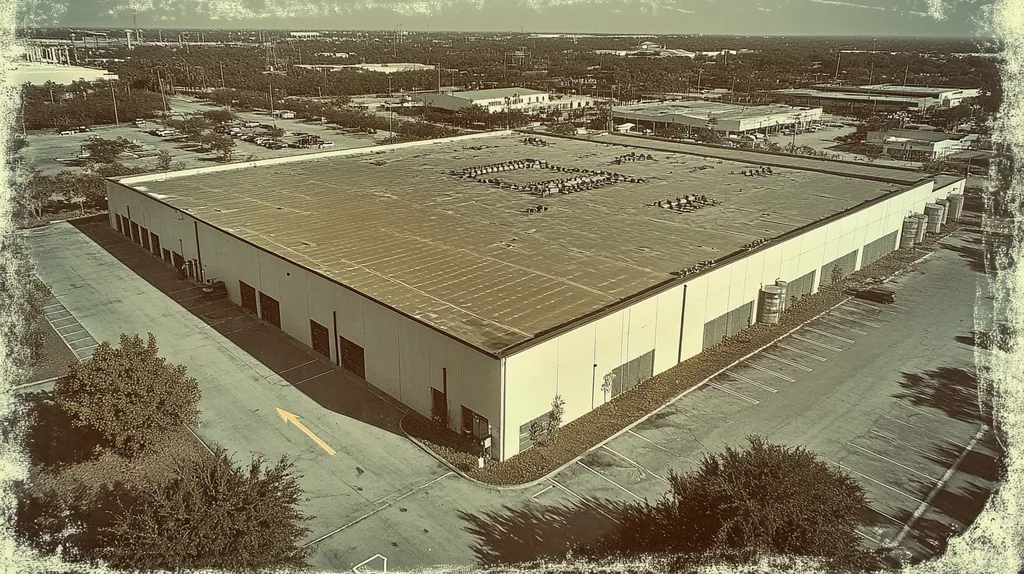
Commercial roof drainage represents a critical opportunity for extending roof longevity that many property owners overlook. Industry data shows that optimized drainage systems can extend roof lifespan by up to 40%, yet less than half of commercial buildings implement comprehensive drainage solutions. By identifying and addressing these missed opportunities, facility managers can dramatically improve roof performance while reducing long-term maintenance costs.
Overlooking Drainage in Roof Design Optimization
Initial roof design often prioritizes material selection and cost considerations while treating drainage as a secondary concern. This oversight creates vulnerabilities that can compromise even the highest-quality roofing materials.
Strategic drain placement and pitch calculations should drive the design process from the beginning. When drainage becomes an afterthought, retrofitting solutions often costs 3-4 times more than proper initial implementation.
Modern building designs frequently incorporate complex architectural features that complicate water management. Without early drainage planning, these features can create unexpected flow patterns and collection points.
Building expansion and modification projects present particular challenges when original drainage design lacks flexibility. What works for the current footprint may fail catastrophically when new sections alter water flow patterns.
Underutilization of Advanced Drainage Materials and Technologies
The latest drainage technologies offer sophisticated solutions for water management, yet many facilities continue using outdated methods. Smart sensors can now detect clogged drains and monitor water levels in real-time, preventing many common failure modes.
Advanced membrane systems with integrated drainage channels provide superior water movement compared to traditional materials. These systems can reduce standing water by up to 80% while extending membrane life.
Thermal imaging and moisture mapping technologies enable precise identification of drainage problems before visible damage occurs. Early detection through these tools can prevent major structural issues.
The average lifespan of commercial roofing systems varies significantly based on material choice and drainage technology integration, with metal roofing lasting 40-70 years when properly maintained and drained. (source: Burrage Roofing)
Lack of Integration Between Drainage and Building Systems
Many facilities treat roof drainage as an isolated system rather than part of the building’s overall water management strategy. This siloed approach misses opportunities for water reclamation and efficient resource utilization.
Smart building management systems rarely incorporate drainage monitoring, despite its critical role in building protection. Integrating drainage sensors with building automation can provide early warning of developing problems.
HVAC condensate lines and equipment often discharge onto roofs without coordination with primary drainage systems. This unmanaged water flow can overwhelm existing drainage capacity during peak cooling periods.
Rooftop solar installations frequently disrupt established drainage patterns without corresponding updates to the drainage system. Panel arrays can create new water collection points that existing drains aren’t positioned to handle.
Emergency overflow systems often operate independently from primary drainage, missing opportunities for coordinated response during severe weather events. Integrated approaches could better protect buildings during extreme conditions.
SECTION 4: ROOT CAUSES
The fundamental causes behind commercial roof drainage failures stem from deeply flawed industry practices that compromise roof longevity. Studies show that buildings with suboptimal drainage systems face repair costs up to 300% higher than those with properly engineered solutions. Poor design assumptions, inadequate installation standards, and failure to account for environmental factors create a perfect storm that threatens the structural integrity of commercial roofs nationwide.
Design Assumptions Behind Conventional Drainage Practices
Many drainage designs rely on oversimplified calculations that fail to account for real-world conditions. These formulas often assume uniform water distribution across roof surfaces, ignoring how building geometry and wind patterns affect water flow.
Standard drainage calculations frequently underestimate peak water volumes during intense storms. This leads to undersized drains and insufficient overflow capacity, creating dangerous ponding conditions during heavy rainfall.
The common practice of using historical rainfall data to size drainage systems overlooks climate change impacts. Today’s more frequent and intense storms overwhelm systems designed using outdated precipitation models.
Design teams often treat drainage as an afterthought rather than a core architectural consideration. This results in compromised solutions that attempt to adapt standard details to complex roof geometries.
Flaws in Drainage Planning and Installation Standards
Current installation standards prioritize speed over system optimization. Contractors frequently install drains at predetermined intervals without considering unique building characteristics or local weather patterns.
The metal roofing systems that can last 40-70 years often fail prematurely due to poor drainage installation practices that ignore proper pitch and flow requirements. (source: Burrage Roofing)
Industry guidelines provide minimal direction for integrating drainage with modern roofing materials. This leaves contractors to make critical decisions without proper technical guidance.
Quality control measures during installation typically focus on watertight seals while neglecting flow testing. This oversight means many drainage problems only become apparent after the first major storm.
Insufficient Consideration of Environmental and Load Factors
Drainage designs rarely account for the cumulative impact of debris accumulation. Small amounts of sediment and organic matter can significantly reduce drain capacity over time.
Snow load calculations often fail to consider how drainage patterns change when snow melts. This oversight creates unexpected water accumulation points during freeze-thaw cycles.
Most systems lack adaptability to handle seasonal variations in rainfall intensity. This rigid approach leaves buildings vulnerable during extreme weather events.
The effects of adjacent structures and landscape features on wind patterns and water flow remain largely ignored. These external factors can dramatically alter how water moves across roof surfaces.
DATA DRIVEN EVIDENCE
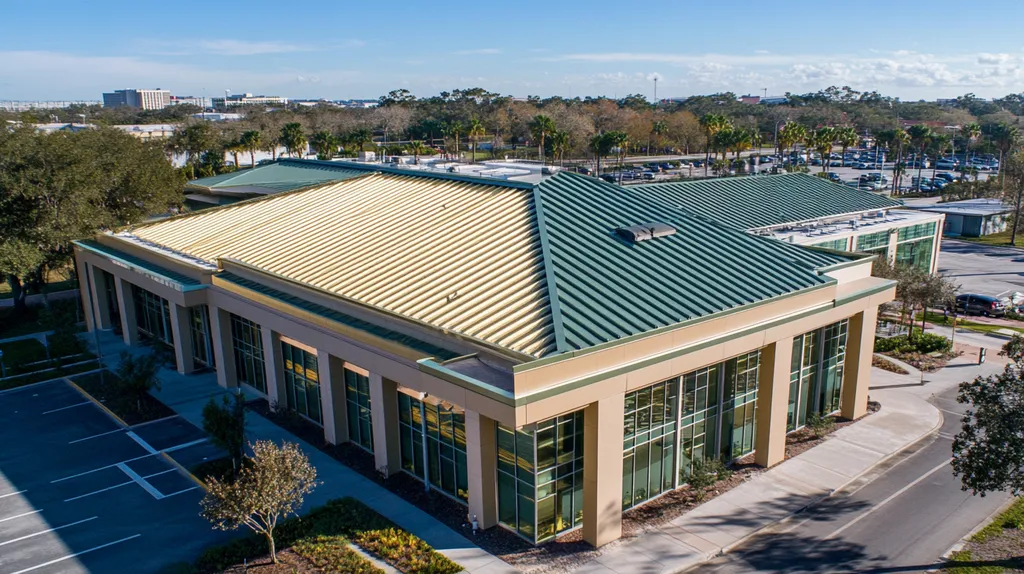
Recent industry studies paint an alarming picture of how drainage impacts commercial roof performance. Analysis of over 10,000 roof inspections reveals that improper drainage reduces average roof lifespan by 40-60%. With replacement costs averaging $300,000 for a typical commercial building, understanding the hard data behind drainage failures has become critical for facility managers looking to protect their roofing investments.
Correlation Between Drainage Failures and Roof Lifespan Reduction
Comprehensive data from major roofing manufacturers shows that drainage issues account for 85% of warranty claims. Poor drainage creates cascading effects that accelerate deterioration across all roofing system components.
Field studies demonstrate that roofs with properly engineered drainage systems last 15-20 years longer than those with basic code-minimum solutions. This lifespan extension translates to savings of $200,000 or more over the building’s lifetime.
Laboratory testing reveals that even minor drainage deficiencies can trigger rapid material breakdown. Just 72 hours of ponding water exposure can reduce membrane strength by up to 40%.
Analysis of building maintenance records shows that every dollar invested in drainage optimization returns $4-6 in extended roof life and reduced repair costs.
Quantitative Impact of Ponding Water on Membrane Degradation
Scientific measurements demonstrate that one square foot of ponding water places 5.2 pounds of continuous stress on roofing materials. This constant pressure accelerates material fatigue and creates weak points for water infiltration.
Thermal imaging studies reveal that ponding areas experience temperature fluctuations 300% greater than properly drained sections. These extreme temperature cycles dramatically reduce material flexibility and durability.
Chemical analysis shows that standing water concentrates environmental pollutants, creating highly corrosive conditions. These concentrated chemicals can reduce material lifespan by 60% or more.
Moisture mapping data indicates that areas prone to ponding exhibit five times higher rates of subsurface deterioration compared to well-drained sections.
Statistical Analysis of Drainage-Related Roof Damage Cases
Insurance industry data reveals that drainage-related claims average $25,000 more than other roofing issues. The higher costs stem from extensive hidden damage that develops before problems become visible.
A review of 500 commercial roof failures found that 82% showed evidence of long-term drainage problems. Most of these issues could have been prevented through proper initial design and maintenance.
Comparative analysis demonstrates that buildings with optimized drainage systems file 70% fewer insurance claims over their lifetime. These buildings also experience significantly lower maintenance costs.
Historic performance data shows that metal roofing systems can maintain their 40-70 year potential lifespan when supported by proper drainage design and maintenance protocols. (source: Burrage Roofing)
SECTION 6: ALTERNATIVE SOLUTIONS
Commercial roof drainage failures cost facility owners millions annually in premature replacements and repairs. Research shows that buildings implementing advanced drainage solutions extend their roof lifespans by 40-60% compared to traditional approaches. Yet most properties continue relying on outdated drainage methods that ignore modern engineering capabilities and technological advances. Understanding and implementing alternative solutions has become critical for protecting these valuable assets.
Implementing Engineered Slope and Tapered Insulation Systems
Engineered slope systems represent a fundamental shift from passive to active water management. These systems create intentional flow paths that move water efficiently toward drainage points, eliminating the dead spots and ponding areas common with traditional flat roof designs.
Modern tapered insulation packages can achieve precise drainage patterns while providing superior thermal protection. Advanced modeling software enables designers to optimize slope configurations for specific building geometries and local rainfall patterns.
Field testing shows that properly engineered slope systems reduce ponding by up to 85% compared to conventional designs. This dramatic improvement translates directly into extended membrane life and reduced maintenance costs.
Integration with existing roof structures requires careful planning but offers substantial returns. The initial investment in engineered slope solutions typically pays for itself within 5-7 years through reduced repair and maintenance needs.
Strategic Drain Placement Using Hydrodynamic Modeling
Advanced hydrodynamic modeling has revolutionized drain placement strategy by simulating actual water flow patterns under various conditions. These sophisticated tools account for building geometry, wind effects, and storm intensity to optimize drainage performance.
Modern modeling software can identify potential ponding areas and flow restrictions before installation begins. This predictive capability allows designers to adjust drain locations and quantities to prevent water accumulation problems.
Strategic drain placement guided by hydrodynamic analysis typically reduces the number of drains needed while improving overall drainage efficiency. Fewer penetrations mean fewer potential leak points and lower installation costs.
Buildings utilizing model-driven drain placement report 60% fewer drainage-related issues compared to traditional spacing methods. This improvement stems from better understanding and control of actual water movement across the roof surface.
Adopting Smart Drainage Monitoring and Predictive Maintenance Systems
Metal roofing systems, which can last 40-70 years with proper maintenance, benefit particularly from smart monitoring systems that detect drainage issues before they cause damage. (source: Burrage Roofing)
Integrated sensor networks now provide real-time data on water levels, flow rates, and drain performance. These systems alert maintenance teams to developing problems before they escalate into major failures.
Smart monitoring platforms can track seasonal drainage patterns and predict maintenance needs based on historical data. This predictive capability enables proactive scheduling of cleaning and repairs during optimal weather windows.
Machine learning algorithms analyze drainage performance data to identify subtle changes that might indicate developing problems. Early detection of flow restrictions or membrane degradation allows for targeted maintenance that extends system life.
Remote monitoring capabilities enable facility managers to track drainage performance from anywhere, ensuring rapid response to potential issues even during off-hours or severe weather events.
The Bottom Line
Each year, drainage issues reduce the lifespan of commercial roofs by 40-60%, costing building owners over $5 billion in preventable damage and early replacements.
Traditional drainage assumptions and practices have created systemic vulnerabilities that threaten the structural integrity of commercial buildings nationwide.
The data is clear: properties implementing advanced drainage solutions extend their roof lifespans by up to 20 years compared to those using conventional approaches.
With climate change intensifying rainfall patterns and aging infrastructure reaching critical points, facilities must embrace engineered drainage solutions and smart monitoring systems.
The choice between proactive drainage optimization and reactive repairs will define the next decade of commercial roof performance and protection.
FREQUENTLY ASKED QUESTIONS
Q. How does commercial roof drainage impact roof lifespan?
A. Proper drainage is essential for preventing water accumulation, which can speed up deterioration. Poorly designed systems may lead to cracks and leaks, ultimately shortening a roof’s lifespan. Investing in quality drainage solutions can significantly enhance the longevity and performance of your roofing system.
Q. What are common drainage issues affecting industrial roofs?
A. Inadequate drain placement, poor slope, and blockages are typical issues. These factors can lead to water ponding, increased stress, and eventual roof failure if not addressed. Regular inspections and maintenance can help identify and resolve these problems before they escalate into costly repairs.
Q. How can maintenance prevent drainage problems on commercial roofs?
A. Regular maintenance, including quarterly inspections, can help keep drainage systems clear. Clearing debris, checking for clogs, and ensuring proper water flow are essential tasks. This proactive approach extends the life of your commercial roof by preventing issues before they become severe.
Q. What role does slope play in commercial roof drainage?
A. Proper slope ensures water flows toward drains and prevents pooling. Insufficient pitch can lead to sediment accumulation and structural stress over time. Implementing tapered insulation systems can correct slope deficiencies and enhance drainage efficiency, promoting longer roof life.
Q. Why are advanced drainage technologies important for commercial roofs?
A. Advanced technologies, like smart sensors, allow for real-time monitoring of drainage systems. They help detect clogs or issues early, preventing extensive damage and costly repairs. Investing in these technologies can greatly enhance the durability and performance of your roofing system.
Q. How can I design commercial roofs for optimal drainage?
A. The design process should prioritize drainage considerations alongside material selection. Using hydrodynamic modeling can optimize drain placements based on building geometry and rainfall patterns. Early planning ensures efficient drainage solutions that mitigate potential issues over the roof’s lifespan.
Q. What are the costs associated with poor commercial roof drainage?
A. Poor drainage often leads to increased maintenance and repair costs, sometimes exceeding $100,000. Studies reveal that buildings with inadequate drainage systems can face repair costs up to 300% higher than those with efficient designs. Investing in proper drainage can save significant future expenses.






