

Commercial building owners lose millions annually due to roofing material failures, with 40% of premature replacements stemming directly from incorrect material selection.
The expanding range of roofing options, from advanced thermoplastics to engineered metal systems, creates both opportunities and risks for property managers seeking optimal performance.
This comprehensive analysis debunks persistent myths about commercial roofing materials while providing evidence-based guidance for matching materials to specific building requirements and environmental conditions.
SECTION 1: COMMON MISCONCEPTIONS
Commercial roofing decisions impact building performance, energy efficiency, and long-term costs. Unfortunately, persistent myths about roofing materials lead many property owners to make costly mistakes. Studies indicate that improper material selection accounts for nearly 40% of premature commercial roof failures, resulting in millions in unnecessary repairs and replacements annually.
Myth: All Flat Roof Materials Perform the Same
Flat roof materials vary significantly in their performance characteristics, making material selection crucial for long-term success. Single-ply membranes like TPO offer superior UV resistance and energy efficiency, while EPDM provides exceptional durability in extreme temperatures.
Built-up roofing systems excel in high-traffic areas but require more maintenance than modern alternatives. Modified bitumen combines durability with ease of repair, making it ideal for buildings with limited maintenance budgets.
Climate conditions dramatically affect material performance. For instance, TPO’s reflective properties provide significant energy savings in hot climates, while EPDM’s flexibility makes it superior in regions with frequent temperature fluctuations.
Understanding these differences enables property owners to select materials that maximize roof performance while minimizing lifecycle costs.
Myth: Metal Roofs Are Always More Expensive Than Membranes
Initial costs tell only part of the story when comparing metal roofs to membrane systems. While metal roofing typically requires a higher upfront investment, its extended lifespan often results in lower long-term costs.
Metal roofs commonly last 40-60 years, compared to 20-30 years for most membrane systems. This longer service life translates to fewer replacement cycles and reduced total ownership costs.
Energy efficiency advantages further enhance metal roofing’s value proposition. Cool metal roofs can reduce cooling costs by 25% compared to traditional roofing materials.
Additionally, metal roofs require minimal maintenance and often carry longer warranties, factors that significantly impact the total cost of ownership.
Myth: Single-Ply Roofs Lack Longevity and Durability
Modern single-ply roofing systems incorporate advanced materials and installation techniques that deliver exceptional durability. Current-generation TPO and PVC membranes feature enhanced UV protection and superior seam strength.
These systems now routinely achieve lifespans of 25-30 years when properly installed and maintained. Their lightweight nature reduces structural load while maintaining excellent puncture and tear resistance.
Single-ply systems also offer superior flexibility in extreme temperatures. This characteristic prevents cracking and splitting, common failure points in older roofing technologies.
Advanced welding techniques create seams stronger than the membrane itself, addressing historical concerns about system reliability. These improvements make single-ply systems a durable, cost-effective choice for many commercial applications.
SECTION 2: PRACTICAL IMPLICATIONS
Material selection errors cost commercial building owners millions annually in preventable repairs and replacements. Studies show that 85% of premature roof failures stem from three key issues: water infiltration, excessive maintenance requirements, and poor energy performance. Understanding these practical implications helps property owners avoid common pitfalls that lead to shortened roof lifespans and increased operational costs.
Performance Gaps: Waterproofing Failures Due to Material Mismatch
Waterproofing failures represent the most immediate threat to commercial roof integrity. TPO systems offer superior waterproofing and reflectivity while maintaining cost-effectiveness and installation simplicity. (source: Heidler Roofing Blog)
Water infiltration through improperly matched materials can damage insulation, corrode structural components, and create ideal conditions for mold growth. Even small leaks can expand rapidly, compromising large sections of roofing within months.
Material compatibility with existing roof structures plays a crucial role in preventing water damage. Mixing incompatible materials often creates weak points where water can penetrate, particularly at seams and transitions.
The cost of addressing water damage extends far beyond simple repairs. Secondary damage to inventory, equipment, and interior finishes often exceeds the cost of proper initial material selection by factors of ten or more.
Maintenance Realities: Labor and Frequency for Different Roof Types
Each roofing material demands specific maintenance protocols that directly impact operational budgets. Regular inspections, cleaning, and preventive repairs vary significantly between material types, affecting both frequency and labor requirements.
Single-ply membranes typically require bi-annual inspections and minimal routine maintenance. In contrast, built-up roofing systems need quarterly inspections and more frequent repairs due to their multiple layers and components.
Weather exposure patterns influence maintenance schedules dramatically. UV-resistant materials may require less frequent inspection in sunny climates, while materials in areas with frequent storms need more regular assessment for damage.
Maintenance accessibility also affects total costs. Some materials require specialized equipment or safety protocols for routine maintenance, increasing both time and expense for standard upkeep procedures.
Energy Efficiency Myths: Misalignment With Reflectivity and Insulation Claims
Surface temperature management represents a critical factor in roofing performance. Dark-colored materials can reach temperatures 50-90 degrees higher than reflective surfaces, dramatically increasing cooling costs regardless of insulation values.
Material density and thermal mass contribute significantly to energy transfer rates. Lighter materials may offer better initial insulation but often provide less protection against temperature fluctuations over time.
Installation method impacts energy efficiency as much as material selection. Improper installation can create thermal bridges that bypass even the highest-rated insulation materials, negating potential energy savings.
Climate zone considerations should drive material choices for optimal energy performance. Materials that excel in warm climates may perform poorly in regions with extreme temperature variations or heavy precipitation.
SECTION 3: COST OF MISINFORMATION
Misinformation about commercial roofing materials drives costly decisions that impact building performance and financial stability. Industry data shows that selecting inappropriate materials based on misconceptions leads to premature failures, increased maintenance costs, and reduced property values. The financial impact extends far beyond initial material costs, affecting everything from insurance premiums to tenant retention rates.
Hidden Expenses: Short-Term Savings vs. Long-Term Repairs
TPO systems offer superior waterproofing and reflectivity while maintaining cost-effectiveness and installation simplicity, making them an economical choice for many commercial applications. PVC roofing systems provide exceptional durability and fire resistance, though at a higher initial cost. (source: Heidler Roofing Blog)
The true cost of inferior materials often manifests in accelerated deterioration rates and increased frequency of repairs. What begins as a minor leak can quickly escalate into major structural damage, requiring extensive repairs that dwarf initial material savings.
Emergency repairs typically cost 3-4 times more than planned maintenance, creating unexpected budget strain. These urgent interventions often disrupt business operations, leading to additional indirect costs through lost productivity and potential damage to interior assets.
Maintenance requirements escalate dramatically with age for lower-quality materials, creating a compound effect on operational expenses. This progressive deterioration often forces premature replacement, effectively doubling or tripling the actual cost of ownership.
Insurance and Warranty Impacts of Improper Material Selection
Insurance carriers increasingly scrutinize roofing material choices when determining coverage terms and rates. Buildings with substandard materials often face higher premiums or limited coverage options, reflecting the increased risk of failure.
Material selection directly affects warranty coverage scope and duration. Many manufacturers void warranties when inferior materials are used in conjunction with their products, leaving building owners exposed to significant financial risk.
The complexity of modern roofing systems means that failure in one component can compromise the entire system’s integrity. Without proper warranty protection, owners must bear the full cost of system-wide repairs or replacements.
Documentation of material quality becomes crucial during insurance claims. Using non-specified or inferior materials often results in claim denials, forcing owners to cover damage costs out-of-pocket.
Resale Value and Tenant Satisfaction: Material Perception vs. Performance
Property valuations increasingly factor in roofing material quality and remaining service life. Buildings with premium roofing systems typically command higher resale values and attract more qualified buyers.
Tenant satisfaction correlates strongly with roof performance and reliability. Persistent issues with leaks or climate control due to poor material choices often lead to increased vacancy rates and reduced rental income.
Modern tenants prioritize energy efficiency and environmental impact in their leasing decisions. Buildings with high-performance roofing materials that deliver superior energy efficiency often secure longer lease terms and higher rates.
The reputation impact of recurring roofing issues can persist long after repairs are completed. This negative perception often requires significant rent concessions or increased marketing expenses to overcome, further eroding property profitability.
SECTION 4: REALITY CHECK
Without proper material selection, commercial roofs can fail catastrophically, leading to six-figure repair costs and business interruptions. Studies show that 73% of premature roof failures stem from mismatched materials for local conditions. Understanding the real-world performance factors of roofing materials – from climate adaptation to foot traffic resilience – is crucial for protecting commercial investments. This section examines critical considerations often overlooked during material selection.
Climate-Specific Performance: Not All Materials Suit All Regions
Regional climate conditions determine roofing material longevity and effectiveness. In areas experiencing frequent freeze-thaw cycles, materials must maintain flexibility to prevent cracking and separation at seams. Coastal environments demand materials resistant to salt spray and high winds.
Temperature extremes affect material performance differently. While TPO excels in hot, sunny climates due to its reflective properties, EPDM provides superior performance in colder regions thanks to its exceptional flexibility at low temperatures.
Rainfall patterns significantly impact material selection. Areas with heavy precipitation require materials with superior water-shedding capabilities and robust seam strength to prevent water infiltration.
High-altitude locations face intense UV exposure, necessitating materials with enhanced UV resistance. Standard materials can degrade rapidly under these conditions, leading to premature failure.
Foot Traffic and Roof Use: Selecting for Durability and Safety
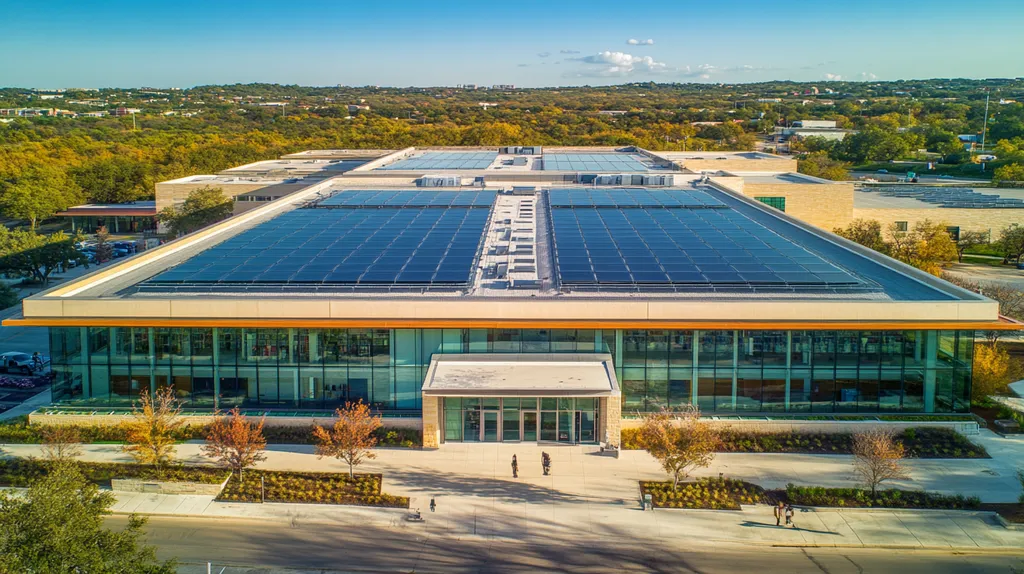
Commercial roofs often serve multiple functions beyond weather protection. Regular maintenance of rooftop HVAC systems, solar installations, and other equipment creates consistent foot traffic patterns that impact material durability.
Walkway requirements vary based on usage patterns. High-traffic areas need dedicated walkway materials or additional protective layers to prevent membrane damage and maintain safety.
Load-bearing capacity becomes critical when roofs house equipment or serve as recreational spaces. Material selection must account for both static and dynamic loads to prevent structural issues.
Safety considerations extend beyond material strength. Surface texture, especially when wet, impacts slip resistance and worker safety during maintenance activities.
Sustainability and Environmental Impact: Beyond Initial Installation
Environmental performance increasingly drives material selection decisions. Cool roofing materials can reduce urban heat island effects and decrease building cooling costs by 15-25% in warm climates.
Recycled content and end-of-life recyclability vary significantly between materials. Metal roofing typically contains 25-95% recycled content and remains 100% recyclable, while many membrane materials offer limited recycling options.
Production energy requirements impact overall environmental footprint. Materials manufactured with lower energy inputs often provide better lifecycle environmental performance despite potentially higher initial costs.
Long-term environmental impact extends to maintenance requirements. Materials requiring frequent replacement or chemical treatments create ongoing environmental burdens beyond initial installation.
SECTION 5: EVIDENCE-BASED ALTERNATIVES
Commercial roofing decisions have far-reaching implications, with material selection directly impacting building performance for decades. Studies show that 40% of commercial buildings operate with outdated or inappropriate roofing materials, leading to excessive energy costs and accelerated deterioration. Modern roofing alternatives offer dramatic improvements in durability, energy efficiency, and lifecycle costs – yet many property owners remain unaware of these options.
TPO and PVC: High-Performance Thermoplastics for Modern Needs
Thermoplastic roofing membranes represent the fastest-growing segment in commercial roofing, driven by superior performance metrics in energy efficiency and durability. These materials reflect up to 85% of solar radiation, reducing cooling loads by 20-30% compared to traditional dark surfaces.
TPO membranes deliver exceptional resistance to ultraviolet radiation, ozone exposure, and chemical damage. Their hot-air welded seams create monolithic surfaces stronger than the membrane itself, virtually eliminating seam failures common in older systems.
Modern TPO and PVC systems maintain flexibility across extreme temperature ranges, preventing the cracking and splitting that plague traditional materials. This adaptability makes them ideal for buildings experiencing significant thermal cycling.
Installation efficiency further enhances their value proposition, with properly trained crews able to cover 20,000 square feet per day. This rapid deployment minimizes business disruption while ensuring consistent quality.
EPDM: Proven Reliability for Low-Slope and Green Roofs
EPDM systems excel in challenging environments where material stability is paramount. Their synthetic rubber composition provides exceptional resistance to thermal shock, maintaining integrity through rapid temperature changes that crack less flexible materials.
Modern EPDM formulations demonstrate remarkable durability, with documented lifespans exceeding 40 years in properly maintained installations. This longevity stems from inherent UV resistance and minimal degradation from environmental exposure.
Large sheet sizes, some exceeding 50 feet in width, minimize seams and potential failure points. This characteristic makes EPDM particularly suitable for expansive low-slope applications where water penetration resistance is critical.
Green roof compatibility represents another key advantage, as EPDM resists root penetration and provides stable waterproofing beneath soil and vegetation. This adaptability supports sustainable building initiatives while maintaining reliable protection.
Metal Roofing: Versatility and Lifecycle Value for Commercial Properties
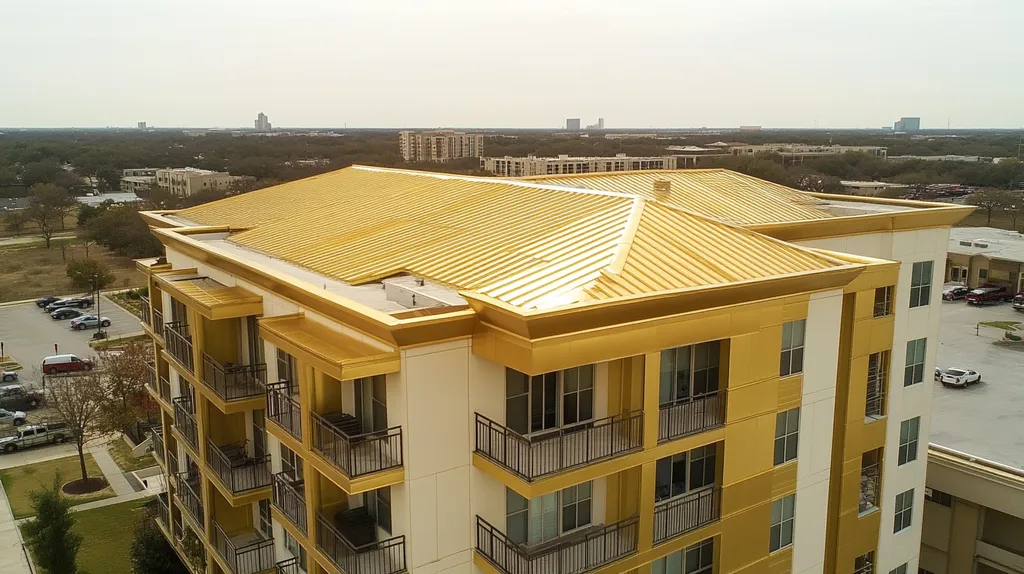
Metal roofing systems deliver exceptional longevity, with properly installed systems routinely lasting 50-70 years. This extended lifespan dramatically reduces lifetime ownership costs compared to traditional materials requiring replacement every 15-20 years.
Advanced coating technologies enhance metal roofing performance beyond simple weather protection. Cool roof coatings can reduce peak roof temperatures by up to 60°F, translating to significant energy savings and extended material life.
Structural advantages include superior wind resistance, with many systems rated for winds exceeding 140 mph. This durability proves particularly valuable in coastal regions and areas prone to severe weather events.
Metal roofing’s inherent recyclability aligns with growing environmental priorities. Most systems contain 25-95% recycled content and remain 100% recyclable at end-of-life, reducing landfill impact and supporting sustainability goals.
Installation flexibility accommodates various architectural designs while maintaining performance integrity. Modern systems offer multiple attachment methods and profile options, ensuring compatibility with virtually any commercial application.
SECTION 6: TEST AND VERIFY
Commercial roofing failures cost property owners millions annually in repairs, replacements, and business disruptions. Studies indicate that 40% of these failures stem from inadequate material testing and verification processes. Without proper testing protocols and ongoing performance tracking, even premium roofing materials can fail prematurely, leading to catastrophic water damage and structural issues.
Material Testing Standards: Understanding ASTM and Manufacturer Specifications
One of the most dangerous misconceptions in commercial roofing is assuming that a leak-free roof indicates perfect condition. Regular inspection and testing by qualified professionals remains essential for identifying potential problems before they escalate into major failures. (source: All American Roofing)
ASTM International standards provide crucial benchmarks for material performance across multiple criteria. Key metrics include tensile strength, tear resistance, weathering resistance, and dimensional stability under various environmental conditions.
Manufacturer specifications often exceed ASTM minimums, establishing additional requirements for installation, maintenance, and warranty compliance. These specifications ensure optimal performance through proper material selection and application methods.
Laboratory testing under controlled conditions validates material performance claims and identifies potential compatibility issues. This verification process prevents costly failures from mismatched or substandard materials.
Field Verification: Best Practices for Inspection and Quality Assurance
Field verification protocols must include both visual inspections and instrumental testing. Core samples, adhesion tests, and seam probes provide quantitative data about material performance and installation quality.
Non-destructive testing methods like infrared scanning and electronic leak detection identify hidden problems without compromising roof integrity. These technologies locate moisture infiltration and insulation deficiencies before visible damage occurs.
Quality assurance programs should establish clear inspection schedules, documentation requirements, and performance thresholds. Regular monitoring ensures early detection of potential issues while repairs remain manageable.
Third-party verification provides unbiased assessment of material performance and installation quality. Independent inspectors help maintain accountability and ensure compliance with specified standards.
Performance Tracking: Metrics for Long-Term Roof Health and ROI
Effective performance tracking requires establishing baseline measurements during installation. Key indicators include membrane thickness, seam strength, insulation R-value, and surface reflectivity.
Digital monitoring systems provide real-time data on roof performance metrics. These platforms track temperature fluctuations, moisture levels, and structural movement to identify developing issues.
Energy consumption patterns offer valuable insights into roofing system efficiency. Comparing pre- and post-installation utility data helps quantify return on investment and validate material selection decisions.
Maintenance costs and repair frequency indicate overall system health and material durability. Tracking these metrics helps optimize maintenance schedules and forecast replacement timing.
The Bottom Line
Commercial roofing material failures cost U.S. businesses over $3.3 billion annually in repairs, replacements, and business interruptions.
Property owners who rely on outdated myths rather than evidence-based material selection face a 40% higher risk of catastrophic roof failure within the first five years.
Modern roofing materials like TPO, PVC, and engineered metal systems offer documented performance advantages that can extend service life by 15-20 years while reducing energy costs by up to 30%.
Success requires matching materials to specific building requirements, environmental conditions, and usage patterns through rigorous testing and verification protocols.
The stakes are clear: proper material selection represents the difference between a reliable, high-performance roof and a chronic source of expensive failures.
FREQUENTLY ASKED QUESTIONS
Q. What are common misconceptions about commercial roof materials?
A. Many believe all flat roofing materials perform similarly, but they differ greatly. Different materials like TPO, EPDM, and metal roofs offer unique benefits for varying climates and needs.
Q. How do material selection errors affect commercial roofs?
A. Incorrect material choices can lead to water infiltration, increased maintenance needs, and energy inefficiency. This ultimately results in costly repairs and shorter roof lifespans for commercial properties.
Q. What are the hidden costs of misinformation about industrial roofs?
A. Misleading information can lead to premature roof failures and higher repair costs. Low-quality materials often result in emergency repairs, lost productivity, and ultimately higher operational expenses.
Q. Why is climate-specific performance important for commercial roofing?
A. Different climates require materials with specific characteristics to ensure longevity and effectiveness. For instance, materials must be flexible in freezing areas and resistant to harsh coastal conditions.
Q. What are the advantages of modern TPO and PVC roofing?
A. TPO and PVC roofs are highly efficient in energy management and durability. They reflect solar radiation, reducing cooling costs and maintain structural integrity through various temperature changes.
Q. How is material testing important for commercial roofs?
A. Proper material testing and verification prevent premature failures. Following standards and regularly inspecting materials ensure they meet performance requirements and prevent costly water damage.
Q. What role does sustainability play in selecting roofing materials?
A. Sustainable roofing materials can significantly lower energy costs and environmental impacts. Selecting options with recycled content and long lifespans not only benefits the environment but also enhances overall efficiency.






