

Welcome to today’s Battle Royale featuring two roofing heavyweights: “Steel Supports” in the east corner versus “Concrete Supports” in the west!
Tonight’s showdown pits these contenders against each other across six punishing rounds designed to test every aspect of their performance for Commercial Roof Support for Fire Suppression System.
At stake? Millions in potential costs, decades of building protection, and the critical performance demands of modern commercial and industrial facilities.
Our professional judging panel will evaluate each round on technical merit, real-world performance, and value delivery. After all six rounds, we’ll declare our ultimate champion.
Ladies and gentlemen, facility managers and building owners… it’s time to rumble!
ROUND 1: INITIAL COSTS & INSTALLATION
When installing fire suppression systems in commercial buildings, the choice of roof support material impacts both immediate costs and long-term facility operations. Property owners face critical decisions that affect construction timelines, worker safety, and bottom-line expenses. Making the wrong choice can lead to budget overruns, extended business disruption, and potential compliance issues.
Material Expenses
Material costs form the foundation of any roofing support project, with significant variations between steel and concrete options. Steel supports typically cost 15-25% less per square foot than comparable concrete systems, primarily due to standardized manufacturing processes and lighter shipping weights.
Steel supports benefit from established supply chains and widespread availability, helping maintain stable pricing even during peak construction seasons. The material’s consistency also reduces waste during installation, further controlling costs.
Concrete supports require substantial raw materials, specialized mixing equipment, and careful environmental conditions for proper curing. These factors contribute to higher material costs and greater price volatility based on local market conditions.
ADVANTAGE: Steel Supports
Installation Complexity
The complexity of installation directly affects labor costs and project timelines. Steel supports arrive pre-engineered and ready for immediate installation, requiring minimal on-site modification and reducing specialized labor requirements.
Most steel support systems can be installed by standard roofing crews with basic training, using common tools and equipment. The lightweight nature of steel components also reduces worker fatigue and improves installation efficiency.
Concrete supports demand extensive formwork, reinforcement placement, and precise mixing conditions. Weather sensitivity and curing requirements add layers of complexity that can slow installation and increase labor costs.
ADVANTAGE: Steel Supports
Project Timeline
Installation speed affects both direct costs and business disruption. Steel support systems typically allow for rapid installation, with most projects completing 30-40% faster than concrete alternatives.
The modular nature of steel supports enables parallel work processes, allowing crews to install multiple sections simultaneously. This efficiency reduces overall project duration and minimizes facility disruption.
Concrete installations follow a rigid sequence of forming, pouring, and curing that cannot be accelerated. Each phase requires quality checks and specific environmental conditions, extending project timelines.
ADVANTAGE: Steel Supports
ROUND 1 WINNER: STEEL SUPPORTS
ROUND 2: DURABILITY & LIFESPAN
When it comes to supporting fire suppression systems, the durability and lifespan of rooftop supports directly impact building safety and long-term operating costs. System failures can lead to catastrophic consequences, including compromised fire protection and potential building code violations that put occupants at risk.
Property owners must carefully evaluate how different support materials perform over decades of exposure to weather, temperature changes, and structural loads. The wrong choice can result in premature system failure and expensive emergency repairs.
Weather Resistance
Rooftop supports face constant exposure to rain, snow, UV radiation, and temperature extremes. Their ability to withstand these environmental stresses directly affects system reliability and maintenance costs.
Steel supports utilize protective coatings and treatments that shield against moisture and UV damage. While these protective layers are highly effective, they require periodic inspection and renewal to maintain their defensive properties.
Concrete supports naturally resist UV degradation and temperature fluctuations without additional treatments. Their dense composition provides excellent protection against moisture infiltration and freeze-thaw cycles.
ADVANTAGE: Concrete Supports
Structural Integrity
The ability to maintain structural stability under constant load is crucial for fire suppression system supports. Any compromise in support integrity can lead to system misalignment or failure.
Steel supports maintain consistent strength characteristics throughout their service life. Their engineered design allows for precise load calculations and predictable performance over time.
Concrete supports can develop hairline cracks from thermal expansion and settlement. While these cracks may not immediately threaten structural integrity, they require monitoring and can worsen over time.
ADVANTAGE: Steel Supports
Maintenance Requirements
Regular maintenance ensures support systems reach their full service life potential. The frequency and complexity of required maintenance directly impact long-term ownership costs.
Steel supports need regular inspections for corrosion and coating integrity. While maintenance procedures are straightforward, they must be performed consistently to prevent deterioration.
Concrete supports require less frequent maintenance but demand specialized expertise when repairs are needed. Their solid construction resists damage but makes repairs more complex when problems do occur.
ADVANTAGE: Concrete Supports
ROUND 2 RESULTS: TIE
ROUND 3: PERFORMANCE FACTORS
When selecting roof supports for fire suppression systems, performance factors directly impact building safety and regulatory compliance. With fire-related property damage exceeding $15 billion annually in commercial buildings, choosing the right support system is critical for protecting assets and lives.
Three key performance metrics determine the effectiveness of rooftop supports: load-bearing capacity, fire resistance, and system longevity. Each factor plays a vital role in ensuring continuous fire protection and minimizing maintenance costs.
Load-Bearing Capacity
Load-bearing capacity determines how effectively supports can handle the weight of extensive fire suppression networks. This includes not only the static weight of pipes and equipment but also dynamic loads from water-filled systems and environmental factors.
Steel supports excel in weight distribution, offering superior strength-to-weight ratios. Their engineered design allows for precise load calculations and consistent performance across varying system configurations.
Concrete supports, while fundamentally strong, add significant dead weight to roof structures. This additional mass can limit design flexibility and require extensive structural reinforcement.
ADVANTAGE: Steel Supports
Fire Resistance
Fire resistance capabilities directly impact system reliability during emergency situations. DEXcell Roof Boards demonstrate how proper materials can help achieve Class A fire ratings for unlimited slope applications, highlighting the importance of comprehensive fire protection. (source: National Gypsum)
Steel supports require specialized fire-resistant coatings to maintain structural integrity during fire events. These protective layers add complexity to installation and maintenance requirements.
Concrete supports naturally resist high temperatures without additional treatment. Their thermal mass and inherent fire-resistant properties provide superior protection during fire exposure.
ADVANTAGE: Concrete Supports
Lifespan
System longevity affects both maintenance costs and long-term reliability. Support systems must maintain their structural integrity through decades of environmental exposure and daily operational stress.
Steel supports face ongoing challenges from corrosion and environmental degradation. While protective treatments help extend service life, they require regular inspection and maintenance.
Concrete supports demonstrate exceptional durability with minimal maintenance requirements. Their solid construction resists weathering and provides stable performance throughout their service life.
ADVANTAGE: Concrete Supports
ROUND 3 WINNER: CONCRETE SUPPORTS
ROUND 4: MAINTENANCE REQUIREMENTS
The ongoing maintenance of fire suppression system supports represents a critical factor in building safety and operational costs. With commercial building fires causing billions in damages annually, proper maintenance of these supporting structures can mean the difference between a functional fire suppression system and catastrophic failure.
Property owners and facility managers must carefully weigh the maintenance implications of their support system choices. Understanding these requirements helps ensure both budget predictability and system reliability over the long term.
Inspection Requirements
Regular inspection schedules are essential for identifying potential issues before they compromise system integrity. The frequency and complexity of these inspections directly impact operational costs and facility management resources.
Steel supports require quarterly visual inspections for corrosion, coating deterioration, and connection integrity. These inspections can typically be performed by in-house maintenance staff with basic training, making them cost-effective and straightforward to implement.
Concrete supports need semi-annual inspections focusing on crack formation, spalling, and settlement issues. These assessments often require specialized expertise to properly evaluate structural integrity, increasing both complexity and cost.
ADVANTAGE: Steel Supports
Repair Procedures
The ease and cost of conducting repairs significantly affects long-term ownership expenses. Support systems that allow for simple, proactive maintenance help prevent costly emergency repairs and system downtime.
Steel support repairs primarily involve surface preparation and coating renewal, which can be completed quickly with minimal disruption to facility operations. Components can often be repaired or replaced individually without affecting the entire system.
Concrete support repairs frequently require extensive preparation work and specialized materials. The repair process often involves longer cure times and may necessitate temporary system shutdown, impacting facility operations.
ADVANTAGE: Steel Supports
Long-term Maintenance Costs
The cumulative cost of maintenance over a support system’s lifespan significantly impacts total ownership expenses. Understanding these long-term implications helps facility managers make informed decisions about system selection.
Steel supports feature predictable maintenance cycles with clearly defined procedures and costs. While they require more frequent attention, the individual maintenance tasks are typically less expensive and can be scheduled during regular facility maintenance periods.
Concrete supports generally need less frequent maintenance but face higher costs when repairs become necessary. Their maintenance expenses tend to cluster into larger, less predictable expenditures that can strain maintenance budgets.
ADVANTAGE: Steel Supports
ROUND 4 WINNER: STEEL SUPPORTS
ROUND 5: SUSTAINABILITY CREDENTIALS
In today’s climate-conscious construction industry, the environmental impact of fire suppression system supports has become a critical consideration for property owners. With commercial buildings accounting for nearly 40% of global energy consumption, every component choice affects both operational sustainability and regulatory compliance.
The environmental footprint of support systems extends far beyond initial installation, influencing energy efficiency, material waste, and long-term environmental impact throughout the building’s lifecycle.
Life Cycle Assessment
Life cycle assessment examines environmental impacts from raw material extraction through end-of-life disposal. This comprehensive evaluation reveals significant differences between steel and concrete support systems in terms of resource consumption and waste generation.
Steel supports demonstrate superior sustainability through their high recycling potential, with most components being 100% recyclable. Their production increasingly utilizes electric arc furnaces powered by renewable energy, reducing carbon emissions by up to 70% compared to traditional methods.
Concrete supports face challenges due to their cement content, which accounts for 8% of global CO2 emissions. While recent innovations in concrete mixing have reduced environmental impact, the material remains difficult to recycle effectively at end-of-life.
ADVANTAGE: Steel Supports
Energy Efficiency
The thermal performance of support systems directly affects building energy consumption. Proper support selection can significantly impact heating and cooling costs while supporting broader sustainability goals.
Steel supports offer excellent thermal break opportunities through modern isolation systems. Their lightweight nature allows for better integration with advanced insulation materials, reducing thermal bridging and improving overall building energy efficiency.
Concrete supports provide natural thermal mass benefits but often create unwanted thermal bridges through the building envelope. Their bulk can complicate insulation efforts and lead to increased energy loss through the roof structure.
ADVANTAGE: Steel Supports
Material Sourcing and Production
The environmental impact of material sourcing and production processes plays a crucial role in overall sustainability. Transportation requirements and manufacturing methods significantly affect the carbon footprint of support systems.
Steel supports benefit from established recycling infrastructure and efficient production methods. Modern steel manufacturing facilities increasingly utilize renewable energy sources and closed-loop water systems, minimizing environmental impact.
Concrete production requires extensive raw material extraction and energy-intensive processing. The heavy weight of concrete components also increases transportation-related emissions throughout the supply chain.
ADVANTAGE: Steel Supports
ROUND 5 WINNER: STEEL SUPPORTS
ROUND 6: SPECIALIZED APPLICATIONS
Modern commercial buildings face increasingly complex demands for their fire suppression systems, particularly as rooftop spaces evolve to accommodate solar installations, HVAC equipment, and other critical infrastructure. The stakes are especially high for specialized applications where standard solutions may fall short of protecting valuable assets and ensuring occupant safety.
Property owners must carefully evaluate how different support systems perform in specialized scenarios that push the boundaries of traditional fire protection strategies. The wrong choice can compromise both safety systems and business operations.
Solar Integration Compatibility
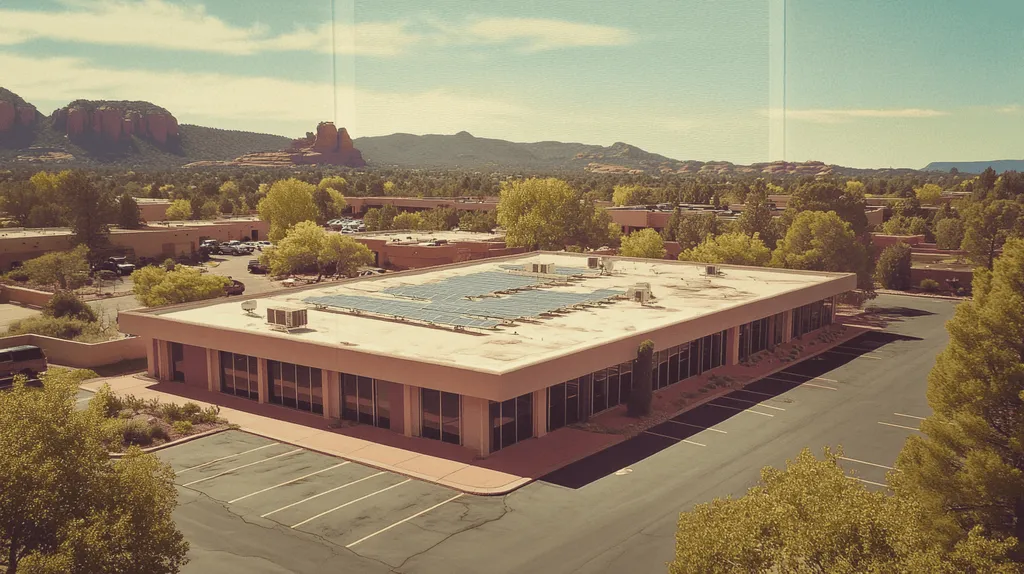
The rapid adoption of rooftop solar installations creates unique challenges for fire suppression system supports. These systems must accommodate both the weight of photovoltaic arrays and maintain proper fire protection coverage. The risks are significant, as rooftop fires can spread rapidly along entire roof structures when solar installations are present. (source: Minimax)
Steel supports offer superior flexibility for integrating with solar mounting systems. Their modular design allows for precise alignment with panel arrays while maintaining required clearances for fire suppression coverage.
Concrete supports present challenges when coordinating with solar installations due to their fixed nature and substantial footprint. Their bulk can interfere with optimal panel placement and complicate maintenance access.
ADVANTAGE: Steel Supports
Seismic Performance
In regions with seismic activity, fire suppression system supports must maintain stability during earthquakes while protecting critical infrastructure. System failure during seismic events can leave buildings vulnerable when fire protection is needed most.
Steel supports demonstrate excellent seismic resistance through their ability to flex without failing. Their lighter weight reduces inertial forces during earthquakes, while engineered connections help maintain system integrity.
Concrete supports, while massive, can develop cracks under seismic stress. Their rigid nature makes them more susceptible to damage during ground movement, potentially compromising the entire fire suppression system.
ADVANTAGE: Steel Supports
Chemical Environment Resistance
Industrial facilities often expose fire suppression supports to harsh chemical environments that can accelerate deterioration. Support failure in these settings can compromise both fire protection and worker safety.
Steel supports rely heavily on protective coatings to resist chemical exposure. While these coatings are highly effective when properly maintained, they require regular inspection and renewal to prevent corrosion.
Concrete supports offer superior chemical resistance through their natural composition. Their dense structure provides inherent protection against most industrial chemicals without requiring additional treatments.
ADVANTAGE: Concrete Supports
ROUND 6 WINNER: Steel Supports
AND THE WINNER IS…
Ladies and gentlemen, after six grueling rounds of technical evaluation, we have our verdict! With a commanding 4-1-1 performance across our championship categories, STEEL SUPPORTS claims the title in this heavyweight clash!
Steel dominated the scorecard with knockout victories in Initial Costs, Maintenance Requirements, Sustainability, and Specialized Applications. Its combination of cost-effectiveness, installation speed, and adaptability proved too powerful for its concrete counterpart to overcome.
But don’t count concrete out completely! This seasoned veteran showed its worth with a decisive win in Round 3’s Performance Factors, particularly excelling in fire resistance and natural durability. For properties in extreme weather zones or highly corrosive environments, concrete remains a formidable contender.
*Important Notice: Every building presents unique structural, environmental, and operational challenges. Local building codes, climate conditions, and specific property requirements can significantly impact support system selection. This analysis provides general guidance but cannot address all variables. Always consult qualified structural engineers and roofing professionals for evaluation of your specific situation.*
And there you have it, fight fans! Remember – in the high-stakes arena of commercial roofing, victory comes not just from choosing the statistical champion, but from matching your facility’s specific needs with the right contender’s strengths. Until next time, this is your Roofing Ringside Reporter, signing off!
FREQUENTLY ASKED QUESTIONS
Q. What are the initial costs for a commercial roof support system?
A. Initial costs for roof support systems vary greatly depending on the material selected. Steel supports generally cost less due to economical manufacturing and installation processes, while concrete options may involve higher expenses related to material and labor complexity. Understanding these costs helps in making financially responsible choices for your building project.
Q. How does the durability of steel and concrete supports compare?
A. The durability of roof supports is critical for long-term safety and cost management. Steel supports tend to require more frequent maintenance due to corrosion risks, while concrete supports are resilient against environmental stressors without additional treatments. Each material’s durability impacts overall operating costs and system reliability over time.
Q. What performance factors should I consider for commercial roof systems?
A. Key performance factors for roof supports include load-bearing capacity, fire resistance, and lifespan. Steel supports typically excel in load-bearing capabilities, while concrete often has better fire resistance. Evaluating these factors ensures that the chosen system meets both safety and operational requirements for your commercial building.
Q. What maintenance is required for commercial roof supports?
A. Maintenance for roof supports involves regular inspections and timely repairs. Steel systems require quarterly checks for corrosion and integrity, while concrete supports need semi-annual evaluations focusing on cracks and settling. Knowing the maintenance criteria helps ensure safety and prolongs the lifespan of your support structures.
Q. How does sustainability factor into roof support choices?
A. Sustainability plays a crucial role in selecting roof supports. Steel supports are highly recyclable and often produced using renewable energy, adding to their eco-friendliness. Concrete, while durable, has a larger carbon footprint due to cement production. Considering these factors helps align your projects with environmental goals.
Q. Can roof supports accommodate specialized applications like solar panels?
A. Yes, roof supports can accommodate solar panel installations. Steel supports offer flexibility for optimized panel placements, maintaining necessary fire protection. In contrast, concrete may complicate coordination due to its fixed structure. Selecting the right material ensures effective integration of both solar systems and fire safety measures.
Q. How do roof supports perform in seismic environments?
A. In seismic zones, selecting the right support type is vital for safety. Steel supports are designed to flex without failure during earthquakes, maintaining structural integrity. Concrete supports, however, can crack under seismic stress, potentially impairing fire safety systems. Evaluating seismic performance helps mitigate risks to occupants and property.






