
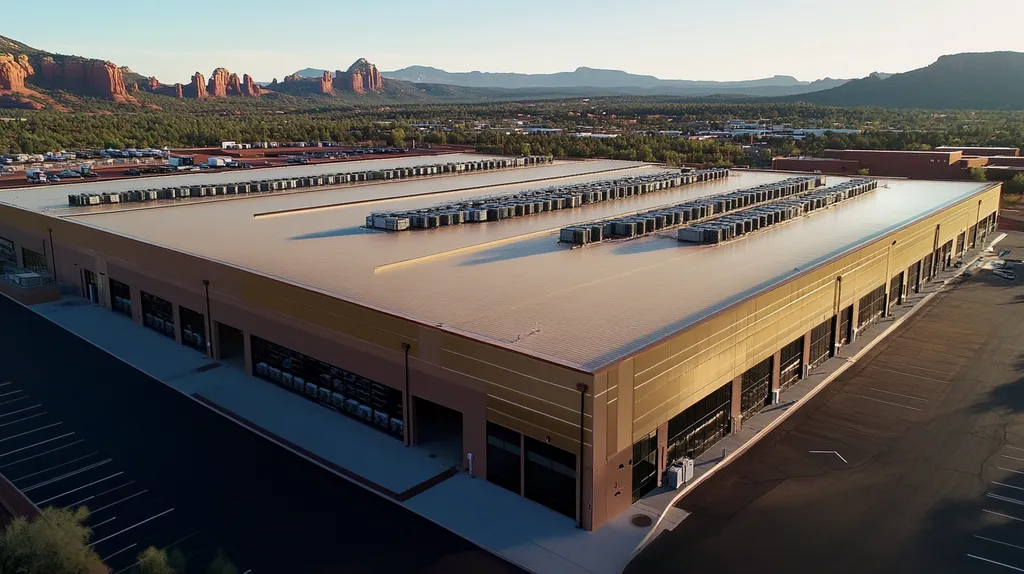
With energy costs soaring and environmental regulations tightening, commercial property owners face mounting pressure to adopt sustainable roofing solutions. Recent studies show that energy-efficient roofing can reduce cooling costs by up to 30%, yet many businesses miss out on valuable tax incentives that could offset implementation costs.
From the 179D Tax Deduction to local energy rebates, numerous financial incentives exist for eco-friendly commercial roofing projects. Understanding these opportunities has become crucial for property owners looking to maximize their return on investment while contributing to environmental sustainability.
This comprehensive guide explores the available tax incentives, eligible roofing systems, and essential steps for successful implementation of energy-efficient roofing solutions in commercial properties.
SECTION 1: FUNDAMENTAL CONCEPTS
As environmental concerns take center stage, property owners are feeling the heat to switch to greener practices. The roofing industry is adapting in response, with novel materials and methods emerging as key players in this transformation. By understanding tax incentives like the 179D Tax Deduction, property owners can ease the financial impact of upgrading to energy-efficient roofing systems.
Understanding 179D Tax Deduction
The 179D Tax Deduction is an invaluable resource for commercial property owners eager to upgrade to energy-efficient roofing. This incentive enables businesses to deduct a portion of their roofing project costs right from their taxable income. The financial relief this provides can be significant for those modernizing their roofs with sustainable materials.
To qualify, buildings must meet specific energy efficiency standards, particularly those that lower heating and cooling costs. This investment in sustainability not only reduces operational expenses but also unlocks valuable tax deductions.
It’s crucial for property owners to familiarize themselves with the documentation required to claim the 179D deduction. Working with a qualified tax professional can simplify the process and help ensure maximum benefits are obtained. Understanding this tax incentive is a vital step for property owners looking to stay competitive in the marketplace.
Neglecting to leverage such incentives can stifle a company’s growth and undermine its environmental objectives. Therefore, understanding the 179D Tax Deduction should be a priority for forward-thinking commercial property owners.
Eligibility Criteria for Energy-Efficient Systems
To qualify for the 179D Tax Deduction, energy-efficient roofing systems must adhere to specific performance standards established by the IRS. Typically, this means implementing upgrades that significantly reduce a building’s overall energy consumption, particularly related to heating and cooling.
Common upgrades that qualify may encompass improved roof insulation, reflective roof coatings, and the use of energy-efficient roofing materials. These enhancements are critical for achieving energy-saving metrics that are necessary for deduction approval.
Additionally, to be eligible, the property must be owned or leased by a business, and the improvements should be made to buildings that are already functional. Regular inspections and certifications from licensed professionals can help demonstrate compliance with these standards.
Property owners should equip themselves with knowledge of these eligibility criteria. Consulting with experts can provide clarity on requirements and facilitate access to available incentives.
Types of Qualifying Roofing Projects
A wide array of roofing projects can qualify under the energy-efficient criteria, paving the way for both sustainability and financial gain. One prominent category is cool roofs, which reflect more sunlight and absorb less heat. This feature reduces a building’s cooling energy needs, making them an attractive option for businesses.
Another innovative option is green roofing systems, which incorporate vegetation. These living roofs enhance insulation and manage stormwater, contributing to broader environmental goals.
Other projects that may qualify include the installation of high-performance roof membranes or advanced insulation techniques that boost overall energy efficiency. As property owners explore these choices, comprehension of their potential tax benefits becomes increasingly essential.
Integrating eco-friendly roofing solutions isn’t just a trend; it’s a vital aspect of responsible property management. Knowing which types of projects qualify ensures that owners can maximize their tax deductions while playing a part in building a more sustainable future.
SECTION 2: SYSTEM COMPONENTS
In today’s commercial roofing landscape, making smart choices about system components is crucial for enhancing sustainability and achieving cost savings. Property owners should prioritize energy-efficient materials that not only solve immediate roofing challenges but also deliver long-term advantages. By incorporating innovative technologies like cool roofs and solar systems, they can unlock significant tax incentives while boosting energy efficiency. This section delves into the essential components that can transform a roofing project into a successful eco-friendly initiative.
Energy-Efficient Roofing Materials
Choosing energy-efficient roofing materials is vital for modern commercial buildings. These materials are specifically designed to reduce heat absorption, helping lower energy consumption. Options like reflective membranes and green roofs play a key role in improving thermal performance, keeping interiors comfortable without straining energy resources.
By selecting energy-efficient materials, property owners can see a decrease in cooling costs and qualify for several tax incentives. Investing in these high-performance solutions not only reduces their carbon footprint but also offers financial relief over time.
Furthermore, the right insulation and underlayment can amplify energy efficiency. For instance, polyisocyanurate insulation systems are celebrated for their excellent R-values, which means they provide outstanding thermal resistance.
Ultimately, commercial property owners should focus on energy-efficient roofing materials that align with their sustainability goals and financial ambitions.
Cool Roof Technologies and Benefits
Cool roof technologies have become increasingly important in combating urban heat islands. These roofs are engineered to reflect more sunlight and absorb less heat, resulting in cooler buildings and enhanced comfort for occupants while extending the lifespan of the roof.
Research shows that implementing cool roofs can reduce air conditioning usage by 10-15%, leading to substantial savings on energy bills. Many states also offer tax credits for cool roofing systems, making this an enticing investment for property owners.
The advantages of cool roofs extend beyond cost savings. They also help diminish greenhouse gas emissions, contributing to the fight against climate change. Businesses adopting this technology take an active role in fostering a healthier environment for all.
For commercial property owners, integrating cool roof technologies presents an excellent opportunity that balances financial benefits with environmental responsibilities.
Solar Integration and Roofing Systems
Integrating solar technology into roofing systems is no longer just a trend; it has become essential for creating sustainable commercial properties. Solar panels can generate renewable energy, leading to remarkable reductions in operational costs. Many businesses report cutting their energy expenses by as much as 30% after switching to solar-integrated roofing.
Additionally, tax incentives for solar installations significantly enhance this option. Federal tax credits, along with various state incentives, can help subsidize the initial investment, making solar integration financially compelling for numerous property owners.
Beyond cost savings, solar roofing systems can increase property value and attract environmentally-conscious tenants or buyers. As sustainability becomes a priority for companies, properties equipped with solar capabilities are more attractive in the competitive market.
In summary, solar technology is not just a financial boon; it also plays a crucial role in supporting a sustainable future for commercial properties.

SECTION 3: IMPLEMENTATION METHODS
In the current landscape, commercial and industrial property owners face mounting pressure to adopt sustainable practices, particularly in roofing. Studies reveal that buildings with energy-efficient roofs can save as much as 30% on energy bills annually. To take full advantage of tax incentives and ensure adherence to energy efficiency standards, effective planning, design, and installation methods are crucial.
Planning and Design for Energy Efficiency
Effective planning starts with understanding a facility’s unique energy requirements. Property owners should work closely with roofing specialists to analyze energy consumption patterns and pinpoint eco-friendly solutions. Utilizing materials like reflective roof coatings and green roofs can dramatically reduce energy demands while enhancing comfort.
Additionally, energy modeling software can be a game changer. This technology enables stakeholders to predict the long-term impact of various roofing options. By evaluating potential savings, property owners can make well-informed decisions that align their financial objectives and environmental goals. A thoughtfully designed roof integrates seamlessly with the entire building system to maximize efficiency.
Lastly, consulting local energy experts can ensure compliance with regional sustainability programs. This proactive approach not only enhances the likelihood of securing tax incentives but also adds to the aesthetic and functional value of the property.
Installation Best Practices for Eco-Friendly Roofs
The installation phase is vital for reaping the benefits of eco-friendly roofing. Choosing qualified contractors with experience in sustainable roofing is essential. Skilled professionals can identify and address potential issues during installation, ensuring that eco-friendly materials are applied correctly to optimize their performance.
Moreover, following best practices such as proper surface preparation and effective weather sealing can prevent future challenges that might compromise energy efficiency. Routine quality control checks during installation are key to catching problems early, thus minimizing downtime and unnecessary costs.
When incorporating renewable technologies like solar panels or green roofs, understanding structural integrity becomes critical. Properly installed systems not only boost energy efficiency but also pave the way for additional tax incentives, making them a win-win for property owners.
Compliance with Energy Efficiency Standards
Compliance with energy efficiency standards is vital for obtaining tax incentives linked to eco-friendly roofing projects. Familiarity with local, state, and federal regulations is a critical element of any roofing endeavor. Collaborating with knowledgeable roofing contractors can simplify navigating the complex landscape of energy codes and available incentives.
Conducting regular audits of roofing projects helps ensure ongoing compliance. Property owners should remain vigilant about changes in legislation, as they can directly impact eligibility for tax benefits. Taking a proactive stance on compliance enhances the chances of qualifying for incentives significantly.
Moreover, obtaining certifications from recognized organizations bolsters a building’s appeal to prospective tenants while further enhancing energy efficiency. Demonstrating compliance with established standards signals a commitment to sustainability, fostering goodwill and encouraging partnerships geared toward environmental responsibility.
SECTION 4: MAINTENANCE REQUIREMENTS
Maintaining eco-friendly commercial roofing systems is crucial for protecting your investment and ensuring optimal energy efficiency. Regular inspections can catch problems before they escalate into costly repairs. For instance, a well-tended green roof can last twice as long as a conventional roof, translating into a more substantial return on investment for property owners.
Regular Inspection and Maintenance Schedules
Establishing a consistent inspection schedule is essential for the longevity of eco-friendly roofing systems. Property owners should plan for at least two inspections each year to evaluate the roof’s condition and its unique features. This proactive strategy can identify wear and tear caused by weather events or biological growth.
For instance, roofs with vegetation require ongoing attention to ensure plant health and proper water drainage. A typical maintenance plan includes clearing away debris, checking for leaks, and assessing the efficiency of any solar panels installed.
Incorporating technology like thermal imaging can enhance inspection accuracy. This tool helps detect hidden moisture issues that might be invisible to the naked eye. Overall, a structured maintenance regimen aims to extend the roof’s lifespan and effectiveness.
Regular maintenance not only safeguards the financial investment but also helps property owners take full advantage of available tax incentives associated with energy-efficient systems. Preventive maintenance can lower operational costs and improve sustainability ratings, attributes that are increasingly important to stakeholders.
Repair and Replacement Strategies
Addressing minor repairs promptly is crucial for maintaining the integrity of eco-friendly roofing systems. Ignoring small issues, such as leaks or damaged membranes, can result in extensive damage that requires costly full replacements. Early interventions often consist of minor repairs, which are considerably more affordable.
For example, ensuring that seams and flashing on energy-efficient membranes remain intact is key to preventing water intrusion and subsequent damage. Replacement materials should always align with existing eco-friendly specifications to maintain the roof’s sustainability benefits.
When complete roof replacement is unavoidable, selecting materials that contribute to ongoing sustainability goals becomes imperative. Many eco-friendly options provide enhanced insulation properties, which can result in greater energy savings and improved overall performance.
Property owners should also maintain thorough documentation of all repairs and replacements. This record-keeping not only aids future maintenance planning but can also influence eligibility for tax incentives linked to eco-friendly upgrades.
Ensuring Long-Term Energy Efficiency
Maintaining long-term energy efficiency is a key component of eco-friendly roofing systems. Regular upkeep is vital to ensure that any energy-saving technologies installed on the roof continue to perform effectively. For instance, debris buildup on solar panels can diminish their effectiveness by up to 25%.
Property owners should schedule routine cleaning for solar panels and green roofs to keep them functioning at peak levels. Additionally, insulating materials should be evaluated and upgraded as necessary to enhance thermal performance.
Investing in reflective coatings can further support energy efficiency by reducing cooling costs during warmer months. Regular inspections can help determine if these coatings are fulfilling their intended purpose.
Ultimately, a dedication to ongoing maintenance and energy efficiency not only extends the roof’s lifespan but also elevates the property’s sustainability profile. This commitment can have a lasting effect on property value and ensure continued eligibility for tax benefits, presenting a strategic advantage for property owners.

SECTION 5: PERFORMANCE METRICS
In today’s competitive market, measuring the effectiveness of eco-friendly commercial roofing projects is essential for property owners and facility managers. As energy expenses continue to climb, accurately quantifying energy savings and overall efficiency is vital for both sustainability and financial success. With data-driven decisions, property owners can unlock significant savings while contributing to environmental preservation. This section explores effective methods for measuring energy efficiency, tracking environmental impact, and conducting comprehensive cost-benefit analyses.
Measuring Energy Savings and Efficiency
Quantifying energy savings is crucial for reducing operational costs. Energy-efficient roofing systems significantly lower heating and cooling demands, resulting in decreased utility bills. To gauge these savings accurately, property owners should employ energy modeling software, which predicts potential savings based on roofing materials and insulation effectiveness.
It’s also important to monitor energy consumption before and after installing eco-friendly roofs. By analyzing utility bills, property managers can assess the actual savings achieved. Additionally, smart meters can offer real-time data, facilitating continuous monitoring of energy efficiency.
Research shows that cool roofs can reduce energy demand by up to 15%, particularly in urban settings. This statistic underscores the tangible benefits these roofs provide, helping to minimize environmental impacts while enhancing building performance.
By regularly evaluating energy metrics, property owners not only maximize their savings but also strengthen their commitment to sustainability, enhancing the marketability of their properties.
Tracking Environmental Impact and Sustainability
Assessing the environmental impact of eco-friendly roofing projects is vital for understanding their benefits. Such evaluations enable property owners to measure reductions in greenhouse gas emissions and overall energy consumption. Utilizing tools like life cycle assessments (LCAs) provides a solid basis for showcasing sustainability improvements.
For instance, green roofs help improve insulation and manage stormwater runoff, which can lessen urban flooding. Tracking these outcomes provides insight into the roof’s contributions to local ecosystems. Metrics like stormwater retention rates and biodiversity improvements are crucial for gauging overall effectiveness.
Furthermore, achieving sustainability certifications such as LEED can enhance a property’s credibility. Buildings with these certifications often attract more tenants and can command higher rental rates, making the initial investment in eco-friendly roofing more worthwhile.
By emphasizing environmental metrics, property owners can present a compelling narrative around their commitment to sustainability, positioning themselves as leaders in eco-conscious development.
Evaluating Cost-Benefit Analysis
Conducting a thorough cost-benefit analysis helps property owners assess the initial investment in eco-friendly roofing against expected savings and environmental advantages. This evaluation must take into account both short-term and long-term financial impacts. While upfront costs may be higher, reduced energy bills, available tax incentives, and increased property value make a strong case for eco-friendly solutions.
Additionally, it’s essential to consider maintenance costs and the lifespan of sustainable roofing options compared to traditional roofs. Many eco-friendly alternatives offer greater durability and lower maintenance requirements, leading to long-term savings.
A comprehensive analysis should incorporate data on material costs, installation fees, and potential tax credits. By gaining a complete financial overview, property owners can make informed decisions that align their fiscal and environmental goals.
Ultimately, a solid cost-benefit analysis should highlight not just the financial metrics, but also the broader impact on sustainability, ensuring that eco-friendly commercial roofing projects effectively contribute to both profitability and planetary health.
SECTION 5: PERFORMANCE METRICS
In the competitive world of commercial real estate, effectively measuring the success of eco-friendly roofing projects is not just beneficial—it’s crucial. With rising energy costs impacting bottom lines, understanding energy savings and operational efficiencies can significantly drive both sustainability and profitability. By using data-driven decision-making, property owners can realize substantial financial gains while actively contributing to environmental preservation. This section highlights practical strategies for measuring energy savings, tracking environmental impacts, and conducting thorough cost-benefit analyses.
Measuring Energy Savings and Efficiency
Assessing energy savings is essential for minimizing operational costs. Eco-friendly roofing systems are designed to lower heating and cooling demands, which leads to reduced utility expenses. To accurately measure these savings, property owners should employ energy modeling software that forecasts potential savings based on roof materials and insulation performance.
Additionally, tracking energy consumption before and after eco-friendly roof installation is crucial. By reviewing utility bills, facility managers can pinpoint actual savings achieved. Smart meters can also provide real-time data for continuous monitoring, helping to ensure energy efficiency remains a priority.
Research indicates that cool roofs can decrease energy demand by as much as 15%, particularly in urban environments. This finding underscores the real-world benefits of adopting such solutions, showing how they not only improve building performance but also mitigate environmental impacts.
Frequent evaluation of energy metrics allows property owners to capitalize on their savings while showcasing their commitment to sustainability, ultimately enhancing property appeal in the market.
Tracking Environmental Impact and Sustainability
Understanding the environmental impact of eco-friendly roofing projects is essential for assessing their benefits. These evaluations help property owners measure reductions in greenhouse gas emissions and overall energy usage. Tools like life cycle assessments (LCAs) empower facility managers to substantiate sustainability gains, providing tangible evidence of eco-friendly initiatives.
For example, green roofs improve insulation and effectively manage stormwater runoff, which reduces the risk of urban flooding. Monitoring these benefits offers insights into how the roofing solution contributes positively to local ecosystems. Key metrics, such as stormwater retention rates and biodiversity improvements, play a vital role in determining overall project efficacy.
Moreover, obtaining sustainability certifications like LEED can bolster a property’s credibility in the market. Certified buildings tend to attract more tenants and can demand higher rental rates, making the upfront investment in eco-friendly roofing financially attractive in the long run.
By emphasizing environmental metrics, property owners can craft a compelling narrative around their sustainability efforts, positioning themselves as pioneers in eco-friendly development.
Evaluating Cost-Benefit Analysis
Carrying out a comprehensive cost-benefit analysis enables property owners to evaluate the initial investment in eco-friendly roofing against anticipated savings and environmental rewards. This analysis should encompass both short-term and long-term financial implications. While upfront costs may be higher, lower energy bills, available tax incentives, and enhanced property values create a persuasive argument for eco-friendly choices.
It is also essential to factor in maintenance costs and the lifespan of sustainable roofing options when comparing them to traditional roofs. Many eco-friendly solutions boast greater durability and lower upkeep, leading to long-term financial benefits.
Conducting a detailed analysis should involve collecting data on material expenses, installation fees, and potential tax credits to provide a comprehensive picture. By understanding their financial landscape, property owners can make informed choices that align with both their economic and environmental objectives.
Ultimately, a robust cost-benefit analysis should encompass not only financial aspects but also the broader sustainability impact, confirming that eco-friendly roofing projects effectively contribute to both profitability and planetary health.
Looking Ahead
With energy costs projected to rise 30% over the next decade, the urgency for commercial property owners to leverage eco-friendly roofing tax incentives has never been greater.
The 179D Tax Deduction and other available incentives can offset up to 50% of installation costs for qualifying projects, making sustainable roofing solutions increasingly attractive from both environmental and financial perspectives.
Success requires careful attention to material selection, proper installation methods, and consistent maintenance protocols to ensure long-term energy efficiency.
By implementing comprehensive performance tracking and embracing emerging technologies like smart sensors and energy modeling, property owners can maximize their return on investment while contributing to a more sustainable future.
The time to act is now – every day delayed means missed opportunities for significant tax savings and reduced operational costs.
FREQUENTLY ASKED QUESTIONS
Q. What is the 179D Tax Deduction for commercial roof projects?
A. The 179D Tax Deduction allows commercial property owners to deduct costs associated with energy-efficient roofing upgrades from their taxable income. To qualify, buildings must meet specific energy efficiency standards. This deduction can significantly ease the financial burden of upgrading to sustainable roofing materials and systems.
Q. Which energy-efficient materials are best for a commercial roof?
A. Energy-efficient materials for commercial roofs include reflective membranes and green roofs. These materials are designed to minimize heat absorption and help lower energy consumption. Selecting high-performance insulation also contributes to energy efficiency, ensuring interior spaces remain comfortable without excessive energy use.
Q. How can I plan for energy efficiency in my industrial roof project?
A. Effective planning involves assessing your facility’s energy needs and collaborating with roofing specialists. Analyzing energy patterns enables you to choose solutions like reflective coatings or green roofs that reduce energy demand. Employing energy modeling software can also help predict potential savings from various roofing options.
Q. What maintenance is required for eco-friendly roofing systems?
A. Regular inspections and maintenance are crucial for eco-friendly roofs to extend their lifespan. Schedule at least two inspections annually to catch issues like leaks or damage. For green roofs, maintaining plant health and drainage is essential. A structured maintenance plan helps ensure long-term energy efficiency and addresses potential costs effectively.
Q. How can I measure energy savings from my commercial roof?
A. Measure energy savings by analyzing utility bills before and after the installation of eco-friendly roofing. Employ energy modeling software to forecast potential savings based on the roofing system’s materials and insulation. Smart meters can also provide real-time data to continuously monitor energy performance.
Q. What are the benefits of cool roof technologies for commercial roofs?
A. Cool roof technologies help reflect sunlight and absorb less heat, leading to reduced cooling needs. This can result in energy savings of 10-15% on air conditioning costs. Additionally, cool roofs contribute to lower greenhouse gas emissions and can qualify for various tax incentives, making them attractive for property owners.
Q. Are there specific tax credits for solar integration in roofing projects?
A. Yes, integrating solar technology into roofing systems may qualify for various tax credits, including federal incentives. Many states also provide additional credits to promote solar installations. These incentives can significantly reduce initial costs, making the transition to solar-integrated roofing financially appealing for commercial property owners.






