

In today’s rapidly urbanizing world, industrial rooftops represent an untapped frontier for preserving biodiversity. With over 60% of the world’s population projected to live in cities by 2030, these vast concrete expanses could provide crucial habitats for displaced wildlife.
Green roofing solutions are transforming industrial buildings into thriving ecosystems, supporting local flora and fauna while delivering tangible benefits to property owners.
This guide explores how industrial roof support systems can enhance urban biodiversity, from basic concepts to practical implementation strategies, helping facility managers make informed decisions about their roofing investments.
SECTION 1: THE BASICS EXPLAINED
In our rapidly urbanizing world, industrial rooftops hold exciting potential to boost biodiversity in cities. With a troubling decline in green spaces, urban wildlife struggles to find habitats, threatening the balance of local ecosystems. Green roofs can be a game-changing solution, offering diverse benefits to property owners and facility managers. Recognizing the fundamental aspects of industrial roof support for biodiversity is essential for embracing sustainable development.
What It Is (In Plain Language)
Industrial roof support for biodiversity means integrating green spaces, like gardens and vegetation, into rooftops in urban areas. Unlike standard rooftops that are often lifeless and gray, green roofs create thriving ecosystems that can attract various species.
Think of green roofs as nature’s lungs in a concrete jungle, greatly enhancing the health of urban environments. By transforming unused roof space into livable habitats, these rooftops can serve as vital corridors for urban biodiversity.
Green roofs rely on special growing materials, advanced drainage systems, and resilient plants designed to thrive in tough conditions. Native plants are commonly used for their ability to adapt, ensuring successful growth in their new rooftop homes.
This innovative strategy not only beautifies buildings but also champions environmental responsibility. It marks a shift in urban planning, recognizing that incorporating natural elements isn’t just beneficial—it’s essential for a balanced ecosystem.
Why It Matters (To Your Building)
Investing in green roofs can bring substantial benefits to industrial buildings while enhancing urban biodiversity. Many property owners may underestimate how these initiatives can influence energy efficiency and insurance premiums. Green roofs offer natural insulation, lowering heating and cooling costs, which leads to significant long-term savings.
Additionally, they proactively manage rainwater by absorbing it, helping to reduce stormwater runoff and lessen the strain on urban drainage systems. This feature is crucial in flood-prone areas, making life easier for facility managers.
Research has shown that buildings equipped with green roofs may enjoy a boost in property value. This means owners can turn what might be seen as an expense into a smart investment with substantial ecological and financial returns.
Furthermore, these roofs can provide inviting recreational spaces for employees and visitors alike, fostering a healthier work environment that boosts morale and productivity.
How It Works
Green roofs consist of several carefully designed layers that work together to promote plant growth and support biodiversity. These layers usually include a waterproof membrane, a drainage layer, a growing medium, and of course, the plants. Each layer serves a unique function, ensuring the system’s effectiveness.
Effective water management is essential. The drainage layer channels excess water while retaining moisture needed by the plants. This balance ensures the plants receive enough hydration without risking structural stability.
Moreover, carefully selected plants create microhabitats that draw in a range of wildlife, from birds to pollinators. This diversity enriches urban ecosystems, playing a vital role in combating climate change and improving air quality by filtering pollutants from the environment.
Installing a green roof is a comprehensive process that requires thoughtful design and planning. Working with experienced roofing professionals is crucial to ensure that installations align with environmental goals while adhering to building codes. The outcome is a robust ecosystem that not only enhances urban landscapes but also provides significant ecological benefits.
SECTION 2: PRACTICAL APPLICATIONS
As urban spaces continue to shrink in green cover, the risk to local biodiversity is alarmingly high. By 2050, over 70% of the global population will reside in cities, creating unprecedented pressure on natural habitats. Incorporating green roofs into industrial buildings not only creates essential ecosystems for various species but also elevates property values. This section delves into the practical applications of green roofs, showcasing common uses, the best scenarios for implementation, and how they interact with other systems.
Common Uses & Examples
Green roofs offer multiple practical applications in industrial settings. They can serve as lush rooftop gardens, promoting employee well-being and enhancing the aesthetic appeal of the building. For example, a manufacturing plant in a congested urban area successfully transformed its flat roof into a vibrant green space that attracts pollinators and birds, boosting morale among workers.
Moreover, green roofs effectively manage stormwater, significantly reducing runoff and the risk of flooding. Studies indicate that these roofs can retain 50-90% of rainwater, providing substantial environmental benefits. Such features not only support local ecosystems but also relieve pressure on city drainage systems.
Rooftop urban farms are another innovative application, contributing to local food production. In warehouse districts, businesses are leveraging green roofs to promote sustainability while engaging with the community. These efforts help address food equity issues while enhancing overall biodiversity.
Utilizing native plant species is crucial for creating a welcoming environment for local wildlife. A recent initiative in Chicago, for example, introduced native flora on industrial rooftops, successfully attracting beneficial insects and native pollinators back to the area (source: Greenroofs.com).
When You Need It Most
Timing is essential for effectively implementing green roofs. During urban redevelopment or new construction, prioritizing biodiverse roofing solutions is crucial. This approach is particularly vital in regions experiencing significant environmental stress due to urban sprawl.
Building retrofits also present excellent opportunities for green roofing solutions. When existing structures undergo renovations, property owners should consider green roofs as a way to mitigate the loss of green spaces. For instance, a textile factory renovation included the installation of a green roof, significantly enhancing the site’s ecological footprint.
Additionally, organizations facing regulatory pressures for sustainability can greatly benefit from adopting green roofs. Many municipalities are now offering incentives for these installations as part of sustainability initiatives, translating into financial benefits. A manufacturing facility in Los Angeles acted upon this opportunity by installing a green roof after a new city ordinance was introduced.
Ultimately, green roofs are most urgently needed in areas with significant threats to biodiversity. Property owners should act swiftly to protect urban ecosystems and take full advantage of the benefits that green roofs offer.
Interactions With Other Systems
Green roofs can create synergies with other building systems, enhancing overall performance. For instance, they improve insulation, leading to reduced energy costs. Testing has shown that buildings equipped with green roofs experience up to a 25% drop in cooling expenses.
These roofs also serve as habitats for urban wildlife, contributing positively to local ecosystems. By cultivating specific plant varieties, property owners can establish networks of green spaces that provide refuge for migratory species and foster biodiversity, reinforcing the resilience of local flora and fauna.
Furthermore, green roofs work harmoniously with stormwater management systems. They capture and filter rainwater, which helps mitigate the risk of urban flooding. A comprehensive assessment in New York City revealed that incorporating green roofs in urban planning could cut stormwater infrastructure costs by millions.
Finally, green roofs can bridge community engagement. Industrial buildings that prioritize biodiversity have the potential to become spaces for education. They can host workshops and events focusing on sustainability, further entwining green initiatives with the urban culture.
SECTION 3: KEY TERMINOLOGY DECODED
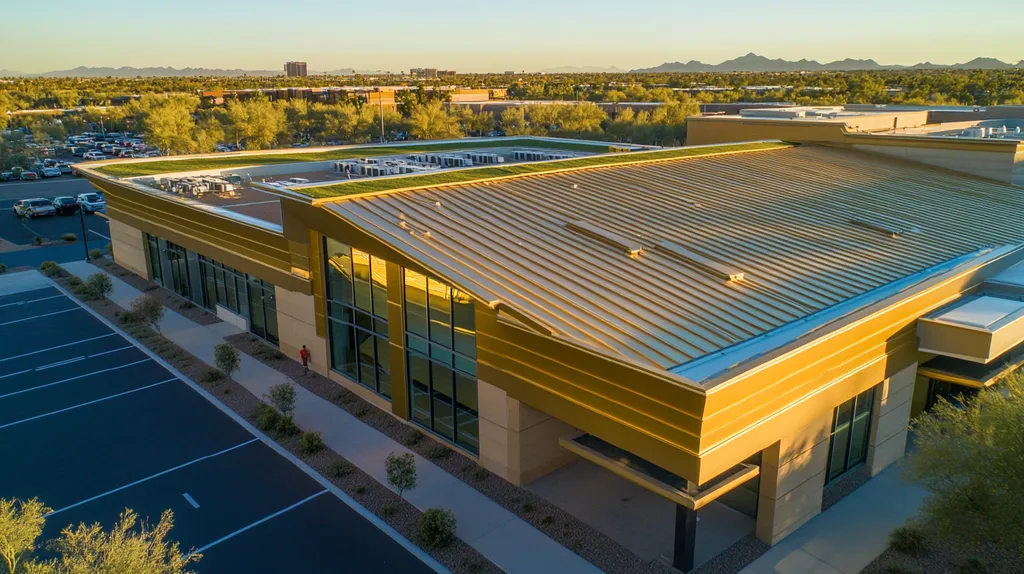
In the realm of industrial roofing and urban biodiversity, understanding specific terminology is not just helpful—it’s essential. As urban areas expand, the need to incorporate green spaces into industrial buildings becomes more pressing. Research shows that urban green roofs can cool local areas by up to 10 degrees Fahrenheit, significantly benefiting nearby ecosystems. This section breaks down important terms and measures, empowering property owners and facility managers to make informed choices in their quest for biodiversity-enhancing roof installations.
Essential Terms Explained
Green roofs form the backbone of discussions about urban biodiversity. This concept involves growing vegetation on rooftops, providing necessary habitats for a variety of wildlife. Biodiversity, in this setting, refers to the range of plant and animal life that can flourish due to these green installations.
Stormwater management is another key term, encompassing strategies for efficiently handling rainwater runoff. Green roofs help by absorbing excess rain, easing the pressure on municipal drainage systems and preventing flooding. They also play a crucial role in filtering out harmful pollutants from rainwater, contributing to cleaner urban water bodies.
The term “urban heat islands” describes city areas that become significantly warmer than their surrounding rural environments due to human activities. Green roofs counteract this phenomenon through insulation and a cooling effect known as evaporative cooling, creating a more inviting atmosphere for diverse species.
Lastly, sustainable development is the practice of crafting urban environments that meet present needs without jeopardizing those of future generations. Incorporating green roofs is vital to this mission as it fosters biodiversity while enhancing energy efficiency and aesthetics in industrial buildings.
Industry Jargon Translated
The phrase “biophilic design” often emerges when discussing modern infrastructure. It signifies the incorporation of natural elements into built environments, benefiting occupant well-being and productivity. Property owners should recognize that a biophilic approach enriches tenant satisfaction and encourages long-term retention.
Another term worth knowing is “ecosystem services,” which refers to the benefits humans gain from nature, such as clean air, climate regulation, and pollination. By installing green roofs, businesses can support these services while simultaneously boosting their brand reputation.
“Zoning regulations” outline permitted land uses within specific areas, essentially determining the feasibility of green roof installations. Understanding these regulations is crucial for property owners, as certain projects may require approval before they can move forward.
Finally, “sedum” is a popular drought-resistant plant often used in green roofs. These hardy plants require minimal water and thrive in urban settings, making them an essential choice for enhancing biodiversity. Selecting the right plant species is vital for the success of any green roof project.
Measurement & Units Simplified
Familiarity with measurement units is advantageous when it comes to green roofs. Area is commonly measured in square feet or square meters, helping determine the amount of vegetation and substrate required for a project. This understanding aids property owners in budgeting effectively for installation and ongoing maintenance.
The soil depth is another essential measurement, typically indicated in inches or centimeters. A minimum of four inches of soil depth is necessary for plant roots to establish themselves, ensuring the overall health and functionality of the green roof.
Water retention capacity, quantified in gallons or liters, is also a critical factor. Knowing how much rainfall a green roof can manage is vital for effective stormwater management and offers insights into the roof’s ability to absorb rainwater, thus reducing flooding risks and alleviating strain on local infrastructure.
Lastly, the biodiversity index is a numerical scale that quantifies the variety and abundance of species within an area. Evaluating this index before and after installing a green roof helps illustrate the environmental advantages gained, potentially supporting future funding and project initiatives.
SECTION 4: DECISION FACTORS
Urban industrial roofing plays a crucial role in supporting local biodiversity—an increasingly urgent need as nearly 70% of the global population is projected to live in cities by 2050. The choices made around roofing can significantly influence urban ecosystems, highlighting the importance of evaluating costs, performance trade-offs, and lifespan durability of biodiversity-supporting roofing options. Property owners need to be equipped with relevant information to make choices that safeguard both their investments and the environment.
Cost Considerations
Cost is usually the first factor on every property owner’s mind when assessing roofing systems that enhance biodiversity. While the initial investment in green roofing options can be higher than traditional roofing, it’s important to weigh those upfront costs against potential long-term savings.
For instance, research indicates that green roofs can lower cooling costs by up to 30%, resulting in significant financial benefits over time. Property owners often find that these initial expenses are compensated by ongoing savings in energy efficiency, stormwater management, and reduced maintenance.
Additionally, exploring incentive programs or grants dedicated to green infrastructure can ease financial burdens. Many municipalities are now offering financial incentives that make the transition to a biodiverse roof much more attractive. Researching local policies that support green roofing initiatives can reveal cost-saving opportunities.
Ultimately, understanding the total cost of ownership—beyond just initial investments—is vital for making informed decisions that promote both economic viability and ecological health.
Performance Trade-offs
Choosing the right roofing system requires careful consideration of performance. Traditional roofs may have a reputation for greater durability, yet green roofs deliver their own set of unique advantages. These include superior stormwater management and improved air quality, both essential for fostering urban biodiversity.
However, potential trade-offs exist. Green roofs often necessitate more maintenance, involving plant care and irrigation. Property owners must balance these requirements against the long-term ecological benefits green roofs provide.
It’s also critical to assess the structural implications of increased weight with green roofs. Older buildings, in particular, require thorough evaluations to ensure structural integrity. Collaborating with roofing professionals who specialize in green technologies can help find the right balance between durability and environmental benefits.
While short-term trade-offs may arise, the enduring ecological contributions usually outweigh these concerns. Embracing a performance-oriented mindset ensures alignment with biodiversity enhancement goals.
Lifespan & Durability Factors
Lifespan and durability are indispensable factors in roofing decisions, particularly concerning sustainability. Traditional roofs typically last between 10 and 30 years, depending on materials and maintenance. In contrast, a well-installed green roof can significantly extend that lifespan.
Research suggests that green roofs may double the longevity of conventional roofing systems by providing better thermal regulation and reducing exposure to damaging ultraviolet rays. This durability can translate into lower lifecycle costs and fewer replacements.
Integrating native plants into green roofs enhances resilience, as these species are better adapted to urban conditions and require less irrigation and maintenance—all contributing to long-term viability. This adaptability is essential for maintaining biodiversity in urban environments.
In the end, investing in durable roofing systems that support biodiversity is beneficial not only for the environment but also for ensuring that property owners meet their operational needs effectively over the long haul.
SECTION 5: COMMON CHALLENGES
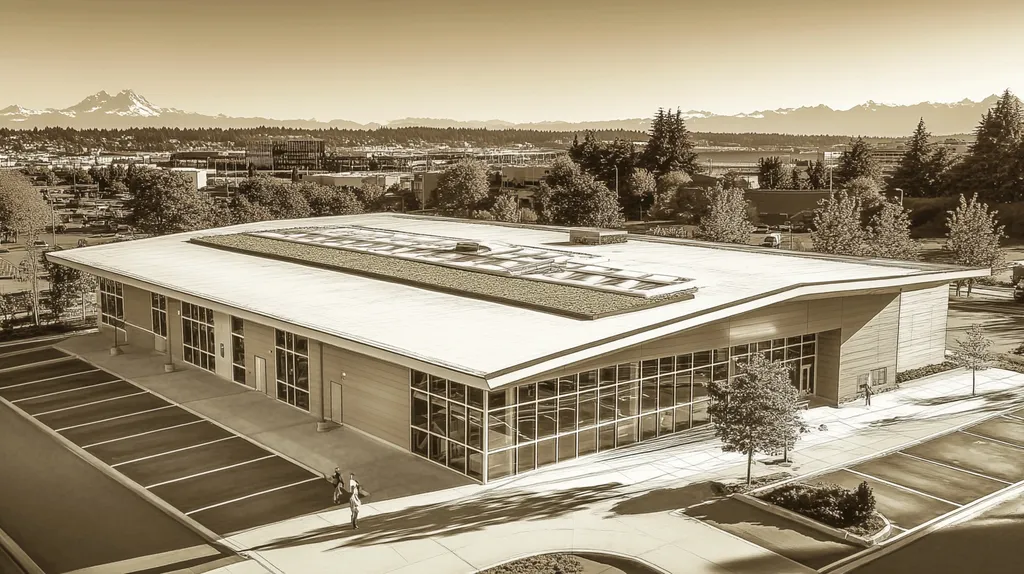
As cities grow and green spaces dwindle, maintaining urban biodiversity is more critical than ever. Industrial rooftops, often neglected, have tremendous potential to support these ecosystems. However, property owners frequently encounter obstacles that hinder effective green roof implementation. From structural challenges to maintenance woes, understanding these issues is vital for creating successful green initiatives. This section explores common challenges, warning signs to monitor, and proactive approaches for cultivating vibrant ecosystems atop industrial buildings.
Frequent Problems & Solutions
A major hurdle is inadequate structural support for the added weight of green roofs. Many roofs were designed primarily for waterproofing, lacking the capacity for soil and plants. To tackle this issue, property owners should collaborate with roofing engineers to evaluate load-bearing capacity before introducing vegetation.
Poor irrigation and drainage systems are another frequent concern. Without them, plants can become either waterlogged or parched, jeopardizing their health. Installing a sustainable irrigation system tailored for green roofs can help ensure plants receive the right amount of water without compromising the roof’s structure.
Pest control also presents challenges for green roofs, where infestations can threaten plant health. Implementing integrated pest management strategies can minimize pests effectively, helping to protect both plants and the diverse insect populations that make green roofs thrive.
Lastly, inadequate maintenance can lead to overgrowth or declining plant health. Establishing a regular inspection routine and a robust maintenance schedule is vital for keeping the ecosystem healthy, ultimately reducing the need for costly restorations.
Warning Signs To Watch For
Vigilance is key for property owners when monitoring the wellness of green roofs. One significant warning sign is sagging or uneven roofing material, which may indicate structural issues. Addressing this early is essential to avoid expensive repairs later.
Another cautionary indicator is excessive water pooling after rainfall. This can lead to root rot and leaks that jeopardize the entire roofing system. Implementing efficient drainage solutions can help tackle this problem effectively.
Unhealthy or wilting plants often signal underlying issues, such as inadequate irrigation or poor soil quality. Regular soil testing and adjusting the planting scheme can ensure plant vitality and robustness.
Active pest populations can also disrupt the ecosystem’s balance. Regular monitoring and timely interventions are crucial for controlling these pests and supporting a diverse array of plant life.
Preventative Approaches
Proactive planning is essential for navigating the challenges of industrial green roofs. Conducting thorough structural assessments prior to implementation can prevent future complications. Working with professionals who specialize in green roofing solutions is crucial for informed decision-making.
Choosing resilient plant species that thrive in specific local conditions enhances the likelihood of green roof success. Native plants typically require less maintenance and offer better support for local wildlife, creating a richer ecosystem.
Establishing regular maintenance routines minimizes growth and pest control problems. Routine inspections allow property managers to catch and rectify issues early, ensuring healthy green spaces thrive.
Lastly, educating staff about the significance of green roofs and biodiversity fosters a culture of sustainability. Cultivating this ethos enhances overall commitment and effectiveness in maintaining these vital urban ecosystems.
SECTION 6: NEXT STEPS & RESOURCES
As urban areas continue to expand, industrial roofs are increasingly pivotal in fostering biodiversity. With projections indicating that over 80% of the global population will reside in cities by 2050, the need to integrate green roofing solutions has never been more urgent. Property owners and facility managers must take action to ensure their roofs not only serve structural purposes but also support the surrounding ecosystem. This section highlights vital considerations for engaging providers, industry standards, and opportunities for further learning.
Questions To Ask Providers
When selecting a provider for green roofing initiatives, property owners should pose specific questions regarding their experience and methodology. It’s worthwhile to ask if the provider has completed successful green roofing projects that boost biodiversity. Understanding the types of materials they plan to use is crucial since some are more effective for supporting local flora and fauna.
Inquire about their maintenance protocols for green roofs, as regular care is essential for sustaining biodiversity efforts. Furthermore, ask how they integrate sustainable practices into their work and the methods they will use to measure success in the long term.
Requesting references from previous clients who have undertaken similar projects can also provide valuable insights into the provider’s reliability and effectiveness in creating biodiversity-rich green roofs. Don’t hesitate to initiate conversations about the overarching benefits of proposed projects—not only in terms of aesthetics but also their ecological impact.
Industry Standards & Guidelines
Several organizations offer guidelines that are extremely helpful for incorporating biodiversity into roofing practices. The Green Roofs for Healthy Cities (GRHC) organization delivers best practices that emphasize environmental benefits and biodiversity. These include recommendations on plant selection and roof design aimed at attracting local wildlife.
The U.S. Environmental Protection Agency (EPA) provides resources related to stormwater management and how green roofs can effectively lower runoff, thereby enhancing urban ecosystems. Familiarity with these guidelines assists property owners in making informed, compliant, and responsible decisions.
Moreover, the LEED (Leadership in Energy and Environmental Design) certification framework provides established standards for green building practices. Integrating green roofing can help meet diverse LEED criteria, further promoting both sustainability and urban biodiversity.
Further Learning Simplified
Those interested in expanding their knowledge of green roofing and biodiversity can access a wealth of resources. Online platforms frequently host tutorials, webinars, and case studies that provide essential insights into creating and sustaining biodiverse environments on industrial roofs.
Local universities and environmental organizations often run workshops and seminars focused on sustainable urban practices. Engaging with such programs can deliver practical insights and abundant networking opportunities.
Additionally, subscribing to industry publications can keep stakeholders abreast of the latest trends and innovations in green roofing. Many resources present intricate topics in an easy-to-understand format, making it simpler for property owners and facility managers to stay informed.
A commitment to ongoing learning and adaptation is fundamental for ensuring that industrial roofs not only fulfill their primary function but also contribute positively to urban biodiversity.
Looking Ahead
By 2050, over 80% of the world’s population will live in urban areas, making the preservation of biodiversity through industrial roof support systems more critical than ever.
The transformation of industrial rooftops into thriving ecosystems represents a crucial opportunity to combat habitat loss while delivering tangible benefits to property owners.
From reduced energy costs to enhanced property values, green roofs offer compelling returns on investment while supporting local wildlife and improving urban air quality.
The time to act is now, as each year of delay means more lost opportunities for urban biodiversity.
By embracing these innovative solutions, industrial property owners can become leaders in urban sustainability while protecting their investments for generations to come.
FREQUENTLY ASKED QUESTIONS
Q. What is commercial roof support for biodiversity?
A. This concept involves transforming rooftops into green spaces that promote diverse ecosystems. By integrating gardens and native plants, industrial roofs can help support urban wildlife, making city environments healthier and more vibrant.
Q. How can an industrial roof benefit my commercial property?
A. Installing a green roof can improve your property’s aesthetics, increase energy efficiency, and manage stormwater effectively. These benefits can enhance property value over time while contributing positively to urban biodiversity, creating a win-win situation.
Q. What are native plants used in industrial roof support?
A. Native plants are species that best adapt to local climates and conditions. These plants are beneficial for green roofs because they require less water and provide habitats for local wildlife, enhancing biodiversity and improving the ecosystem’s resilience.
Q. What are common challenges of a commercial roof?
A. Challenges include structural support for the added weight of soil and plants, proper irrigation, and potential pest issues. Addressing these challenges early through professional assessments can lead to successful green roof installations that sustain urban biodiversity.
Q. What are the cost considerations for an industrial roof?
A. While the upfront investment for green roofs may be higher than traditional methods, they can lead to long-term savings on energy costs and stormwater management. Additionally, local incentives may ease financial burdens, making green roofs more attainable.
Q. What are industry standards for green roofs?
A. Guidelines from organizations like GRHC and the EPA offer recommendations for plant selection and design to enhance biodiversity. Familiarity with LEED certification can also benefit businesses aiming to contribute positively to environmental goals through green roofing.
Q. How can I start a green roof project on my commercial roof?
A. Begin by consulting with professionals who specialize in green roofs. Assess the structural capacity of your building and explore local resources for funding or incentives. Engaging your team in sustainability practices can foster support for the project.






