

As energy costs continue to skyrocket, commercial building owners are facing a critical challenge: finding sustainable ways to slash their utility bills. Studies show that traditional roofing systems can account for up to 30% of a building’s cooling costs.
Enter green roofs – a revolutionary solution that’s transforming how buildings manage energy consumption. These living, breathing systems can reduce heating and cooling expenses by up to 50% while extending roof lifespan by decades.
In this comprehensive guide, we’ll explore the science behind green roofs’ remarkable energy-saving capabilities, examine real-world applications, and provide practical insights for property managers ready to embrace this game-changing technology.
SECTION 1: THE BASICS EXPLAINED
With energy costs continuing to soar, businesses are scrambling for innovative solutions to cut expenses without sacrificing comfort or efficiency. Enter green roofs—a game changer that not only promises substantial energy savings but also champions environmental well-being. Research reveals that buildings featuring green roofs can see a remarkable reduction of up to 50% in energy costs compared to traditional roofing systems. This section will demystify green roofs, explore their myriad benefits, and delve into the science underpinning their energy-saving capabilities.
What It Is (In Plain Language)
A green roof, often referred to as a living roof, is a dynamic roofing system that features a layer of lush vegetation atop a waterproof membrane. This effective alternative integrates soil and plants, creating a vibrant habitat that also acts as an insulator. Unlike conventional roofs that trap heat, green roofs reflect sunlight and help to keep building temperatures cooler.
The typical structure of a green roof comprises several layers: a waterproof membrane, drainage systems, and a soil medium that supports plant life. This setup can accommodate a variety of vegetation, from hardy sedums to more substantial plants, making it highly adaptable for different buildings and climates. Facility managers can therefore tailor green roofs to fit their specific needs and settings.
Apart from their energy-saving capabilities, green roofs enhance the visual appeal of urban landscapes. They do more than just function well; they contribute significantly to the aesthetic charm of a building and its environment, offering benefits that go beyond the surface.
In essence, green roofs signify a transformative leap in roofing technology geared towards sustainability and energy efficiency. They are not merely a cosmetic upgrade but a strategic investment in the future of any property.
Why It Matters (To Your Building)
The significance of green roofs has never been more apparent in today’s commercial and industrial arenas. Not only do they help slash energy consumption, but they also prolong the lifespan of roofing systems. By shielding traditional roofing materials from damaging ultraviolet rays and extreme weather fluctuations, green roofs reduce maintenance costs and delay the need for costly replacements.
Moreover, green roofs play a crucial role in stormwater management. They absorb rainfall, easing the burden on urban drainage infrastructure and minimizing the risk of flooding. This benefit is especially vital for urban buildings, where improper runoff can lead to major infrastructural headaches.
The environmental advantages further enhance their relevance. Green roofs boost air quality, mitigate urban heat island effects, and encourage biodiversity by creating habitats for various species. These ecological benefits align beautifully with the corporate social responsibility initiatives many companies strive to achieve.
In a climate where sustainability is becoming a competitive advantage, green roofs exemplify a forward-thinking strategy for managing buildings. They don’t just decrease energy costs; they also elevate a business’s commitment to protecting the environment.
How It Works
The mechanics of green roofs rely on some straightforward, yet effective, principles of insulation and cooling. The combination of soil and plants serves as a natural insulator, significantly curbing heat transfer into the building. This insulation keeps temperatures down during hot months, translating to lower energy costs.
Additionally, green roofs leverage the natural process of evapotranspiration. Plants absorb heat from their surroundings and release moisture, effectively cooling the air they inhabit. This cooling effect diminishes dependency on air conditioning, leading to reduced electricity consumption and lower energy bills.
During the colder months, the insulating properties of a green roof are equally beneficial, as they help retain warmth within the building. This dual function for temperature regulation throughout the year supports energy-efficient heating and cooling strategies.
By harnessing these natural processes, businesses that adopt green roofing can achieve impressive reductions in monthly energy expenses. In a world where efficiency is paramount, understanding the operational mechanics of green roofs empowers property owners to appreciate their impact on overall costs. (source: PMC)
SECTION 2: PRACTICAL APPLICATIONS
The push for energy efficiency in commercial buildings is more urgent than ever. Green roofs are taking center stage as a powerful solution, boasting energy savings of up to 30% during peak usage times. For property managers keen on slashing operational costs, installing a green roof is no longer a luxury; it’s a strategic necessity.
Common Uses & Examples
Green roofs shine in a variety of commercial contexts. They adorn corporate headquarters, efficiently combating the urban heat island phenomenon. Educational institutions have adopted them not only for their sustainability features but also as interactive educational spaces for students.
In bustling urban settings, green roofs are a smart answer to stormwater runoff—an ongoing dilemma for city planners. Retail environments, such as shopping centers, benefit too, maintaining comfortable indoor climates while attracting eco-friendly customers.
Healthcare facilities are increasingly embracing green roofs as therapeutic landscapes, boosting both energy efficiency and the well-being of patients and staff alike. These installations create calming atmospheres that offer more than just functional advantages.
Lastly, data centers are tapping into green roofs to enhance cooling efficiency, which is a vital consideration given their substantial energy consumption. This highlights the wide-reaching appeal and effectiveness of green roofing solutions across diverse sectors.
When You Need It Most
Timing your green roof installation is key to maximizing energy savings. Peak summer months are critical since excessive heat can severely inflate cooling costs for buildings lacking adequate insulation.
If you’re embarking on new construction, it’s the perfect time to incorporate a green roof from the outset. Retrofitting existing structures is also possible but may necessitate careful structural assessments, affecting both timelines and budgets.
Regions with extreme weather are particularly well-suited for green roofs. Those experiencing harsh winters can cut heating costs, while buildings in hotter climates enjoy substantial cooling savings.
With energy prices on the rise, property owners should consider green roof installations without delay. The longer they wait, the more they risk facing ballooning costs, making prompt action essential for fiscal responsibility.
Interactions With Other Systems
Green roofs don’t just stand alone; they integrate seamlessly with various building systems to boost overall efficiency. For instance, they can enhance HVAC performance by providing natural insulation that makes heating and cooling systems work smarter.
These roofs also pair well with rainwater harvesting systems, allowing captured rainwater to be repurposed for irrigation, which further slashes utility costs.
The habitats that green roofs create not only enhance biodiversity but also contribute positively to environmental health, improving public perceptions and potentially lifting property values.
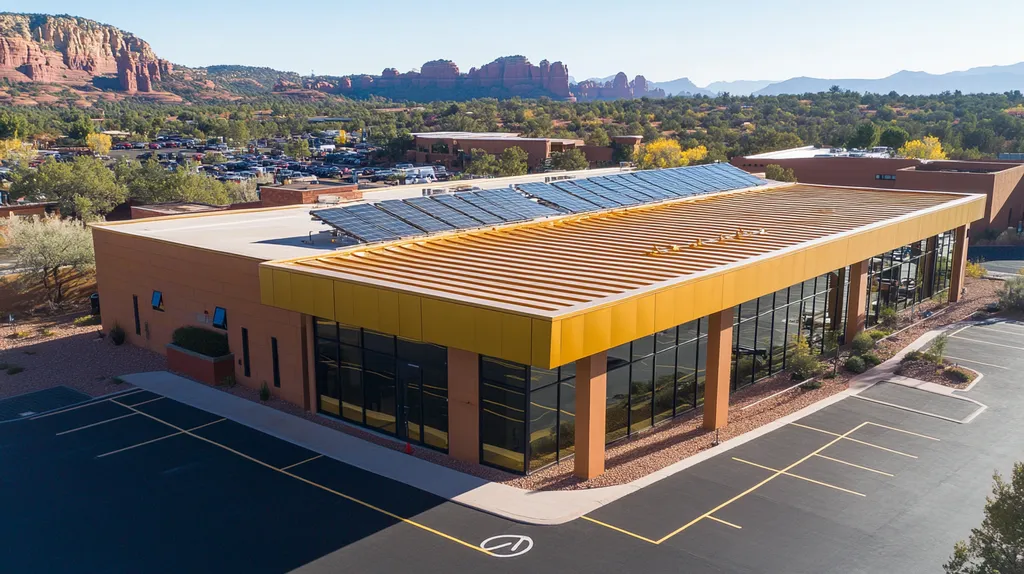
Moreover, combining green roofs with solar panel systems can supercharge energy savings. The cooler roof surface ensures solar panels function more efficiently, amplifying energy conservation all around.
SECTION 3: KEY TERMINOLOGY DECODED
Decoding the terminology associated with green roofs is essential for property owners and facility managers eager to implement smart, energy-saving solutions. Misinterpreting key concepts can lead to costly errors and lost opportunities. For instance, if the term “thermal lag” is misunderstood, it can result in inefficient energy management. This section will clarify essential terms, untangle industry jargon, and simplify the measurement units relevant to green roofing.
Essential Terms Explained
One of the key concepts to comprehend is “thermal mass.” This term refers to a material’s ability to absorb, store, and release heat energy. Green roofs utilize thermal mass to help regulate indoor temperatures, meaning less reliance on air conditioning during hot months.
An equally important term is “evapotranspiration,” which describes the combined process of water evaporating from the soil and plants. This natural cooling effect helps lower roof surface temperatures and enhances energy efficiency. By grasping this concept, facility managers can better understand how green roofs contribute to reduced energy bills.
“Plant selection” is another pivotal factor. Choosing the right plants maximizes a green roof’s energy-saving potential. Climate-adaptive plants enhance both insulation and visual appeal, making it essential to select vegetation suited to local environmental conditions.
Lastly, there’s “insulation R-value.” This measurement indicates a material’s resistance to heat transfer. Green roofs typically have a higher R-value than conventional roofs, signifying greater energy efficiency and cost-saving potential.
Industry Jargon Translated
Terms like “bioswales” might sound complex but are crucial for understanding stormwater management in relation to green roofs. Bioswales are landscape features designed to funnel or filter surface runoff, working in tandem with green roofs to effectively manage stormwater and lower energy costs.
Another vital phrase is “stormwater retention.” This refers to a green roof’s ability to hold water, alleviating strain on municipal drainage systems. Being familiar with this term can help decision-makers appreciate the broader benefits that green roofs provide.
“Sedum” is frequently mentioned in the green roofing realm. These robust succulents are well-loved for their low maintenance needs and drought tolerance, making them excellent choices for urban settings. Knowing about sedum empowers property owners to make informed decisions about plant selection.
Finally, understanding “intensive vs. extensive green roofs” is essential. Intensive green roofs are deeper, support a wide variety of plants, and require more care, while extensive roofs are shallower and more self-sustaining. This distinction helps guide investments into the right green roofing options.
Measurement & Units Simplified
To accurately assess energy performance, facility managers must learn about “energy performance,” commonly represented in “kWh” (kilowatt-hours), which indicates energy consumption. Monitoring these metrics allows for quantifiable insight into the advantages of green roofs.
In terms of temperature regulation, “temperature difference” is a key measurement. It represents the variance between indoor and outdoor temperatures. A well-designed green roof can significantly reduce this difference, resulting in noteworthy energy savings.
Grasping “green roof coverage” is also essential. This term refers to the percentage of a roof area that has vegetation. Higher vegetation coverage usually correlates with better insulation and energy performance, making it a significant goal for green roofing projects.
Finally, understanding “water retention capacity” is crucial. Measured in liters per square meter, it indicates the amount of stormwater a green roof can store. This capacity not only impacts energy efficiency but also plays a significant role in urban water management.
SECTION 4: DECISION FACTORS
Choosing to install a green roof isn’t just another construction decision; it could be a pivotal move that transforms energy costs and overall building performance. Property owners must navigate the complexities of cost considerations, performance trade-offs, and lifespan factors before diving into this eco-friendly upgrade. By understanding these crucial decision factors, they can make informed choices that align with both financial goals and operational efficiency.
Cost Considerations
At first glance, the initial investment for a green roof might seem steeper than traditional roofing options. However, the promise of lower energy bills often justifies this upfront expense. Research indicates that green roofs can cut heating and cooling costs by as much as 30%, depending on factors like climate and building design.
Maintenance costs can vary greatly based on whether property owners choose an intensive or extensive green roof. While extensive green roofs tend to be lower maintenance, their effectiveness can differ, necessitating a careful examination of long-term expenses for both types.
Moreover, it’s essential to look into regional financial incentives or rebates that could significantly lower overall costs. By tapping into local programs, property owners can stretch their green roof investment even further. Ultimately, with careful budgeting, notable long-term savings can become a reality.
Performance Trade-offs
While green roofs boast impressive energy performance benefits, property owners need to balance these advantages with potential challenges. For instance, installation can involve intricate logistics or even structural adjustments based on a building’s design.
The choice of vegetation also plays a role in determining durability and maintenance needs. Selecting plants that thrive in local conditions is paramount to maximizing energy savings and ensuring long-term performance. The right flora will not only provide aesthetic appeal but also promote optimal energy efficiency.
Additionally, understanding the building’s usage patterns is crucial. Conducting a thorough energy audit can reveal whether a green roof would truly enhance energy performance, ultimately aligning with the building’s functional purpose.
Lifespan & Durability Factors
Green roofs are built to last, but their longevity hinges on various factors, including maintenance routines and environmental conditions. While traditional roofs typically last 20-30 years, a well-maintained green roof can endure for 40 years or more, adding to its energy-saving credentials.
Durability is also influenced by the quality of materials used and the craftsmanship of installation. Engaging experienced contractors can vastly enhance the roof’s lifespan, turning it into a sustainable investment. Regular inspections and proactive maintenance are essential for preserving its longevity.
In adverse weather conditions, green roofs exhibit remarkable capabilities. They can absorb stormwater, reducing runoff and flood risks, making them an ideal choice for properties seeking resilience against climate challenges while striving for energy efficiency.
SECTION 5: COMMON CHALLENGES
Implementing green roofs can lead to substantial energy savings, but potential pitfalls require attention. Property owners face challenges like moisture management, appropriate plant selection, and ensuring structural integrity. Failing to address these issues can lead to costly repairs, energy inefficiency, and diminished returns on investment. Fortunately, solutions exist—recognizing and addressing these challenges early can keep green roofs thriving.
Frequent Problems & Solutions
Moisture retention often tops the list of challenges for green roofs. Accumulated water can lead to leaks or damage underlying structural components. To combat this, installation of efficient drainage systems is key. Proper drainage not only prevents damage but also enhances the roof’s overall performance.
Plant selection plays a critical role in the success of a green roof. Not all plants are suited to the unique environment of a green roof, leading to issues like dead vegetation and increased upkeep. Engaging horticultural experts ensures that appropriate, low-maintenance plants are chosen, promoting long-term vitality and energy savings.
Monitoring structural integrity is another vital aspect. The additional weight from saturated soil and vegetation can strain building foundations. Conducting regular assessments and consulting with structural engineers helps maintain safety and stability.
Pest infestations can threaten the health of the plants. Effective pest management strategies, including organic options, safeguard vegetation while preserving the ecological benefits of the green roof.
Warning Signs To Watch For
Property owners should be on the lookout for signs of water damage, such as stains on ceilings or walls. Discoloration could indicate leaks, necessitating immediate inspection and repair to prevent more extensive damage.
Another sign to monitor is plant stress, indicated by wilting or discoloration. This could mean that the plants are unsuitable for the roof’s environment or that drainage issues are at play. Such symptoms warrant prompt investigation to restore plant health.
Surprising jumps in energy costs may also hint at underlying issues with the green roof. If a building isn’t showing the expected energy savings, a root cause analysis of the roof’s condition and performance is essential.
Increased pest activity, such as insects or mold, can signal an ecological imbalance. Regular monitoring and timely interventions can prevent severe infestations that would jeopardize the health of the green roof ecosystem.
Preventative Approaches
Establishing a proactive maintenance schedule is crucial for the longevity of green roofs. Regular inspections help identify potential issues before they escalate, ensuring the roof continues to deliver energy-saving benefits.
Investing in training for maintenance staff is highly beneficial. Knowledge about the specific needs of green roofs—including plant care, pest management, and drainage maintenance—can significantly boost overall system efficiency.
Choosing native plants enhances sustainability and can lower maintenance costs. Native species typically require less water and are better adapted to local climate conditions, promoting resilience.
Additionally, installing a robust drainage system from the outset can prevent water accumulation challenges. Incorporating layers and materials that promote proper drainage ensures the roof functions effectively throughout the year.
SECTION 6: NEXT STEPS & RESOURCES
As energy prices climb and environmental regulations tighten, the call for property owners to explore green roofs has never been more pressing. A well-executed green roof can slash energy consumption by as much as 50%, offering a compelling financial advantage. To effectively navigate this transformative addition, property owners and facility managers must equip themselves with pertinent questions, grasp industry standards, and seek out valuable learning resources.
Questions To Ask Providers
When engaging a green roof provider, it’s crucial to have a clear vision of your project goals. Start by asking about their experience with similar installations—this can provide insights into their past successes, especially regarding energy cost reductions.
Another vital aspect is the maintenance plan. Inquire about the different maintenance options available; a robust maintenance strategy is essential for ensuring the roof’s long-term health and performance.
Understanding the cost breakdown is imperative as well. Request detailed estimates that outline materials, installation, and ongoing upkeep costs, and explore potential financing options or incentives for green roof projects.
Finally, clarify how the green roof system will integrate with existing building structures and energy management systems. This can amplify efficiency and lead to even greater savings over time.
Industry Standards & Guidelines
Adhering to industry standards is crucial for successful green roof implementation. Organizations like Green Roofs for Healthy Cities (GRHC) provide guidelines that define best practices for installation and upkeep. Following these standards can help minimize risks associated with construction and performance.
Property owners should also familiarize themselves with local regulations concerning green roofs. Many municipalities offer incentives or have specific energy efficiency requirements that can significantly impact project outcomes.
Compliance with recommendations from the American Society of Landscape Architects (ASLA) can further assist in the design and implementation of effective green roofs. These standards address important aspects such as plant selection, structural integrity, and water management.
Engaging in industry workshops or certifications can help property managers stay informed about the latest practices and innovations in the green roofing world.
Further Learning Simplified
To delve deeper into the world of green roofs, facility managers should explore online resources and webinars. For instance, Green Roofs for Healthy Cities offers a wealth of articles, case studies, and educational videos that break down the complexities of green roofing.
Books and industry journals also provide in-depth insights into the energy savings and environmental advantages associated with green roofs. Subscribing to pertinent industry magazines can keep managers updated on new trends and innovations.
Networking at industry conferences or joining local chapters focused on sustainable building practices can foster valuable connections and knowledge sharing about successful green roof projects.
Lastly, partnering with local universities conducting research on green technologies can yield exciting data, potential pilot projects, and funding opportunities for green roof implementation.
The Bottom Line
With energy costs projected to rise 30% over the next decade, green roofs represent a critical opportunity that building owners can’t afford to ignore.
The evidence is clear: properly designed and maintained green roofs can slash cooling and heating expenses by up to 50% while extending roof lifespans by decades.
Beyond pure cost savings, these living systems offer additional value through stormwater management, urban heat reduction, and enhanced property aesthetics.
The technology is proven, the benefits are documented, and the financial case is compelling.
For commercial property owners serious about controlling operating costs and boosting sustainability, green roofs aren’t just an option – they’re increasingly becoming an operational necessity in our energy-conscious economy.
FREQUENTLY ASKED QUESTIONS
Q. What is a commercial roof’s energy-saving potential with green roofs?
A. Green roofs can reduce energy costs by up to 50%, making them highly effective. They provide insulation and reflect sunlight, keeping building temperatures cooler and more energy-efficient. This transformation offers businesses significant savings compared to traditional roofing options.
Q. How can an industrial roof benefit from green roofing systems?
A. Industrial roofs equipped with green systems enjoy enhanced energy savings during peak times. These roofs improve indoor climate control and bolster structural longevity while contributing positively to stormwater management. As a result, businesses can operate more efficiently and sustainably.
Q. What is the essential science behind energy savings with green roofs?
A. The science lies in the insulating properties of soil and plants, which mitigate heat transfer. Their cooling effects reduce air conditioning needs and lower energy consumption, contributing to impressive energy savings and more sustainable buildings.
Q. What are the best times to install a green roof on a commercial roof?
A. Ideally, you should consider installation during the summer months for optimal insulation benefits. New constructions offer an excellent opportunity for integration, while retrofitting existing structures requires careful planning to ensure structural compatibility and efficiency.
Q. What common challenges do commercial roofs face with green systems?
A. Common challenges include moisture management and appropriate plant selection. Accumulated moisture can damage underlying structures, while using unsuitable plants can hinder energy efficiency. Addressing these challenges early helps maintain performance and mitigate repair costs.
Q. What key questions should I ask before investing in a green roof?
A. Inquire about the provider’s experience, maintenance plans, and detailed cost breakdowns. Understanding how the roof will integrate with existing systems is also crucial for maximizing efficiency and reducing long-term costs, ensuring a wise investment.
Q. How does local climate affect my industrial roof’s green strategy?
A. Local climate directly influences plant selection and energy savings potential. Regions with extreme temperatures benefit significantly from the insulation and cooling effects of green roofs, leading to substantial energy cost reductions and overall enhanced building performance.






