
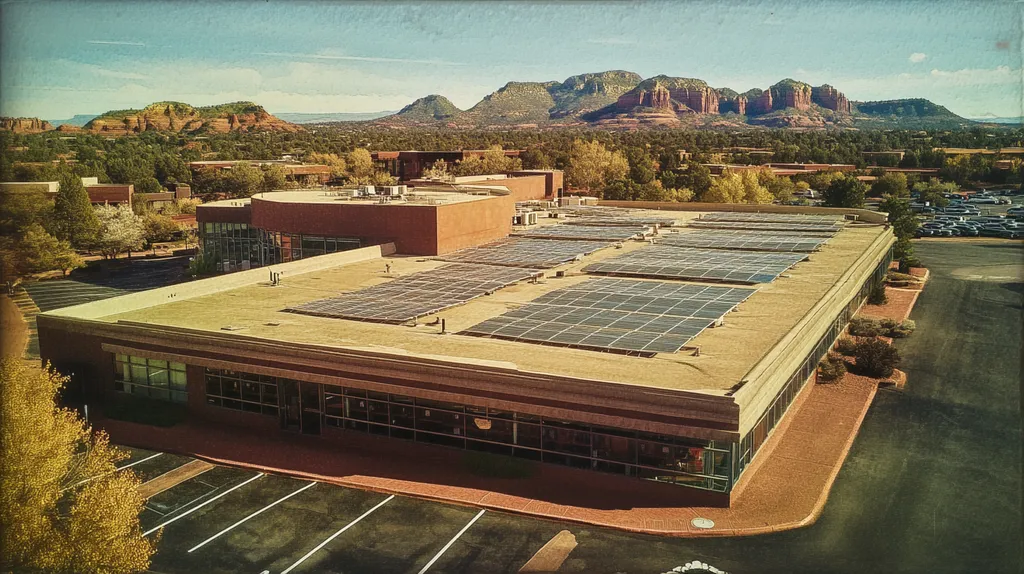
In today’s commercial roofing industry, labor costs account for up to 60% of total project expenses, making them a critical factor that can make or break a building’s budget. Recent market analysis shows that poor labor cost management leads to an average 25% budget overrun on commercial roofing projects.
For property owners and facility managers, understanding the complexities of labor pricing has never been more crucial. From calculating roofing squares to evaluating worker efficiency, each component directly impacts the bottom line.
This comprehensive guide breaks down the essential elements of commercial roofing labor costs, providing decision-makers with the knowledge needed to optimize expenses while maintaining quality standards.
SECTION 1: FUNDAMENTAL CONCEPTS
Grasping the intricacies of labor costs is essential for property owners and facility managers when overseeing roofing projects. Commercial roofing can represent a substantial financial commitment. Miscalculating labor costs can quickly lead to inflated budgets and extended project timelines. For instance, a 10,000-square-foot roof may result in thousands of dollars in unforeseen labor expenses if proper planning isn’t done. By understanding foundational concepts such as roofing squares, the factors that affect labor expenses, and industry pricing standards, decision-makers can approach roofing projects with confidence and clarity.
Understanding Roofing Squares and Labor Costs
In the commercial roofing world, a “square” is a unit marking an area of 100 square feet. Knowing how squares correlate to labor costs is crucial. Typically, labor expenses are calculated per square, meaning the total project cost hinges on the square footage.
For example, if a roofing contractor charges $300 per square for labor, a project requiring 10 squares would sum up to $3,000 solely in labor costs. This straightforward unit-based approach helps clarify overall expenses. However, it’s essential to recognize how the design and type of materials can influence labor intensity.
Certain elements can make these calculations more complex. Roofs with multiple levels or intricate designs usually require more skilled labor. This complexity drives up labor costs, necessitating a thorough analysis by property managers for accurate estimates and to avoid financial surprises.
The clearer the understanding of roofing squares and costs, the better positioned managers will be to budget and negotiate. This valuable knowledge empowers property owners to engage effectively with contractors and safeguard their investments.
Factors Influencing Labor Expenses
Labor costs in commercial roofing vary due to numerous influencing factors that can drastically affect the total expenditure. One of the primary variables is geographic location, as labor rates fluctuate significantly across regions. Urban areas often experience higher labor costs compared to rural regions due to increased living expenses.
Seasonal variations also play a critical role in determining labor costs. During peak roofing seasons, labor availability may decrease, leading to higher rates charged by contractors. For instance, prices tend to rise in summer when demand for roofing work surges. Property managers should take these seasonal trends into consideration when planning and scheduling projects.
Furthermore, the choice of materials can substantially impact labor costs. Specialized roofing systems, like metal or environmentally friendly green roofs, typically require skilled labor, which can command higher wages. Therefore, property managers must be well-informed about how material selections affect labor prices, particularly for unique roofing systems.
In essence, understanding the various factors that influence labor expenses is vital for creating accurate budgeting. By assessing geographic influences, seasonality, and material types, facility managers can anticipate costs more effectively and strategically plan their roofing projects.
Industry Standards for Labor Pricing
Familiarity with industry standards for labor pricing is vital for enabling property owners and facility managers to gauge fair labor costs. Regular surveys and studies conducted by roofing associations offer valuable insights into the average rates that contractors charge per square.
Currently, average labor costs generally range from $200 to $500 per square, depending on various factors discussed earlier. Staying updated on these industry standards empowers property managers to negotiate more effectively and avoid being subjected to excessive bids.
Additionally, industry associations typically provide hourly wage guidelines for different labor types, including both skilled and unskilled workers. Understanding these benchmarks fosters transparency during pricing discussions and builds trust between property managers and contractors.
Ultimately, being aware of industry standards equips facility managers with the knowledge to challenge inflated labor prices. Utilizing this information can lead to smarter budgeting and ensure the overall feasibility of roofing projects.
SECTION 2: SYSTEM COMPONENTS
Understanding the various components of commercial roofing systems is essential for effective cost management. With labor costs on the rise, property owners and facility managers must make informed choices about materials and roof structures. The complexity of a roofing system significantly impacts labor expenses, so factors like material selection, roof design, and specialized systems warrant thorough consideration. Neglecting these details can lead to budget overruns and unforeseen complications.
Types of Commercial Roofing Materials
Commercial roofing materials come in many varieties, each carrying its own cost implications. Common options include TPO, EPDM, and PVC—each offers unique durability and energy efficiency benefits. For example, TPO’s popularity stems from its cost-effectiveness and straightforward installation, often resulting in lower labor costs.
On the other hand, high-end materials like metal or built-up roofing require more intricate installations. This detail means higher labor costs, as specialized skills are often necessary for successful application. Additionally, these specialized skills may not be easily available, potentially prolonging project timelines.
It’s also crucial to align material choices with the building’s purpose and geographical conditions. A roof installed in a hot climate might benefit from reflective materials to lower cooling costs, while those in colder regions prioritize effective insulation. Understanding these finer points can lead to more accurate budgeting.
In the end, selecting the right materials involves balancing upfront costs with long-term performance advantages. Engaging experienced roofing professionals offers valuable insights into both economic factors and the lasting benefits of various roofing types.
Roof Structure and Complexity Considerations
The roof’s structural elements can greatly influence labor costs. For example, a simple flat roof typically requires less labor to install compared to multi-pitched or oddly-shaped roofs. A more complex design can introduce challenges that increase both time and labor rates.
Additionally, multi-layer roofing systems offer durability but demand more labor for installation and maintenance. Roofs that include significant penetrations for HVAC units or skylights present further installation challenges, driving up labor expenses.
The condition and age of the roof’s underlying structure also play a critical role. Older roofs may need extensive repairs before new materials can be applied, which can add unexpected labor costs to the overall project.
Ultimately, understanding how structural complexities impact costs enables property owners to gauge expenses more accurately. Each aspect of the roof’s intricacy should be weighed during the budgeting phase to ensure financial preparedness.
Specialized Roofing Systems and Their Costs
Specialized roofing systems meet unique building needs but often come with higher labor costs. Green roofs, for instance, require a comprehensive layering system that includes waterproof membranes, drainage, and plants. This complexity necessitates skilled labor, which can significantly elevate overall expenses.
Cool roofing systems, likewise, call for specific installation methods to enhance thermal efficiency. These roofs often employ reflective materials and may require additional labor to ensure proper application. While the energy savings can be considerable, the upfront labor costs can appear daunting.
Moreover, specialized systems designed for industrial applications must adhere to stringent regulatory standards. Navigating these regulations can introduce extra layers of planning and labor costs, affecting the overall project budget.
Property owners should thoughtfully assess the benefits and costs associated with specialized roofing options. Involving qualified professionals during the planning phase will help make informed decisions that effectively balance functionality and budget considerations.
SECTION 3: IMPLEMENTATION METHODS
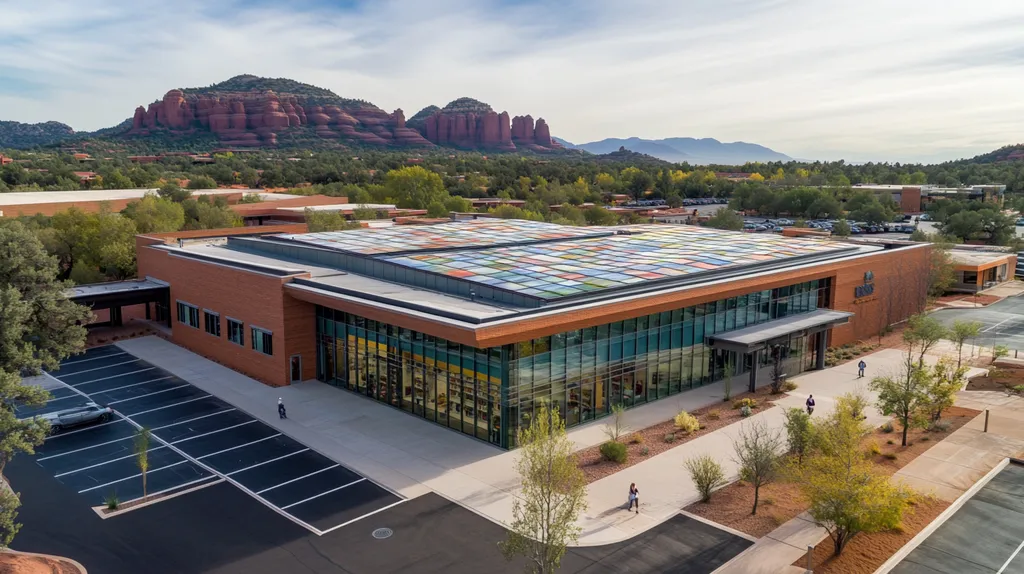
The way roofing projects are executed can significantly impact both labor costs and the quality of the final result. An unexpected delay or oversight can not only inflate expenses but also compromise the safety and durability of the roof. Research suggests that insufficient planning can inflate costs by over 20% due to the need for rework and subsequent delays. In this section, we will delve into pre-installation planning, effective installation techniques, and essential safety protocols that enhance labor efficiency.
Pre-Installation Preparation and Planning
Solid planning forms the core of successful roofing projects. It starts with a comprehensive assessment that considers the building’s design, roof type, and current conditions. This groundwork ensures that both materials and labor are well-matched to the project’s requirements.
Creating a detailed project timeline is essential for setting clear milestones. Without well-defined benchmarks, roofing teams can encounter unplanned delays, which drive up labor costs. A strategic schedule allows resources to be allocated effectively, maximizing labor productivity.
Moreover, obtaining the necessary permits and conducting pre-installation meetings with the crew fosters clear communication. This openness reduces confusion and keeps the team focused on achieving safety and performance standards.
It’s also wise to budget for contingencies. Preparing for the unexpected helps minimize the risks of escalating labor costs due to surprise repairs or additional materials.
Installation Techniques for Different Materials
The installation technique chosen can greatly affect labor costs and the roof’s long-term performance. Different materials—like TPO, EPDM, and metal—require specific handling and installation methods. For instance, TPO often involves labor-intensive hot-air welding, making skilled labor crucial.
Investing in training for workers on specific material installation can enhance their proficiency, ultimately saving time. The higher the skill level, the better the workmanship, which reduces the risk of future repairs that could inflate labor expenses.
Leveraging modern technology, such as digital design tools, can streamline the installation process. These tools facilitate accurate measurements, resulting in waste reduction and more efficient labor use.
Incorporating prefabricated components into the installation process can also be a game changer. Using pre-made elements minimizes on-site labor time and ensures consistent quality control, proving to be a cost-effective strategy in the long run.
Safety Protocols and Equipment Requirements
Strict safety protocols are essential not only for protecting workers but also for managing labor costs effectively. Job site accidents can lead to costly delays and increased insurance premiums. Proper training for all team members can greatly reduce these risks.
Equipping workers with necessary safety gear—such as harnesses and helmets—is crucial. Ensuring compliance with safety regulations helps prevent injuries and keeps labor costs manageable. Non-compliance could lead to fines and project stoppages.
Conducting regular safety audits fosters a culture of safety on the job site. Spotting potential hazards early can save labor hours and protect the overall investment in the roofing project.
Finally, maintaining an open line of communication regarding safety issues keeps employees informed and accountable. When workers feel empowered to report safety concerns, it contributes to a proactive environment that can lead to reduced costs and increased morale.
SECTION 4: MAINTENANCE REQUIREMENTS
Neglecting roof maintenance can lead to steep repair costs, resulting in financial strain for property owners. Studies reveal that effective maintenance can cut emergency repair needs by as much as 60%. By implementing a proactive maintenance strategy, property managers not only extend the life of their roofs but also secure their financial wellbeing. This section will highlight essential maintenance routines, strategic repair options, and preventive measures necessary to keep roofs in peak condition.
Routine Inspection and Maintenance Schedules
Regular inspections are key to identifying issues early, preventing minor problems from becoming major headaches. Experts suggest scheduling inspections twice a year—ideally in spring and fall—since temperature changes can affect roofing materials. These inspections should look for signs of wear and tear, such as punctures, blisters, and ensuring proper drainage.
Regular maintenance not only helps spot minor issues but also keeps track of the roof’s overall health. For example, failing to clear clogged gutters can result in serious water damage if not addressed quickly. Keeping a documented history of inspections and repairs will provide valuable insights into the roof’s life cycle.
Technology can play a pivotal role in modern inspections. Drones, for instance, are increasingly used for safe and comprehensive visual assessments, allowing for detailed inspections, even in hard-to-reach places. This method helps streamline the process and ensure thorough evaluations.
By sticking to a structured maintenance schedule, property managers can better plan for future costs and allocate budgets effectively. This proactive approach not only minimizes interruptions but also positions the roof for optimal performance over time.
Repair and Replacement Strategies
When it comes to addressing roof damage, prompt and effective repair strategies can significantly reduce labor costs. Often, minor repairs, like sealing small leaks, are far more cost-efficient than undertaking a full roof replacement. Focusing on repairs that prolong the roof’s lifespan is a smart business move.
Timing also plays a critical role. Scheduling repairs during off-peak seasons can offer significant savings. Demand for roofing services tends to peak during harsh weather conditions, driving up labor rates. Choosing milder months for repairs can translate to reduced costs.
In some scenarios, it makes sense to weigh the cost of repairs against a complete roof replacement. If repair expenses start exceeding 30% of the roof’s value, replacing the roof might be a wiser investment. This calculated decision can help avoid ongoing repair costs from consuming the budget.
By having a clear plan for repair and replacement, property managers can make informed choices. Evaluating long-term expenses versus immediate needs ensures that maintenance efforts align with the building’s overall strategy.
Preventative Measures Against Common Issues
Implementing preventive strategies can significantly lessen the chances of common roofing issues. Regularly cleaning rooftops and drainage systems keeps debris from accumulating, which can cause water pooling and subsequent leaks. A consistent routine can vastly improve the roof’s integrity and lifespan.
Utilizing roof coatings can also provide an extra layer of protection. Reflective coatings not only lengthen a roof’s lifespan but also enhance energy efficiency by reducing heating and cooling costs. This proactive measure is a win-win for building upkeep and operational expenses.
Moreover, equipping facility staff with knowledge about roof care is critical. Providing guidelines on safe rooftop access and maintenance helps minimize the risk of accidental damage. Engaging staff in routine upkeep fosters a culture of responsibility for the building’s assets.
Ultimately, embracing a comprehensive preventive strategy enables property owners to foresee and address potential roofing problems. This commitment to maintenance enhances the building’s overall integrity and mitigates the risk of costly surprises down the line.
SECTION 5: PERFORMANCE METRICS
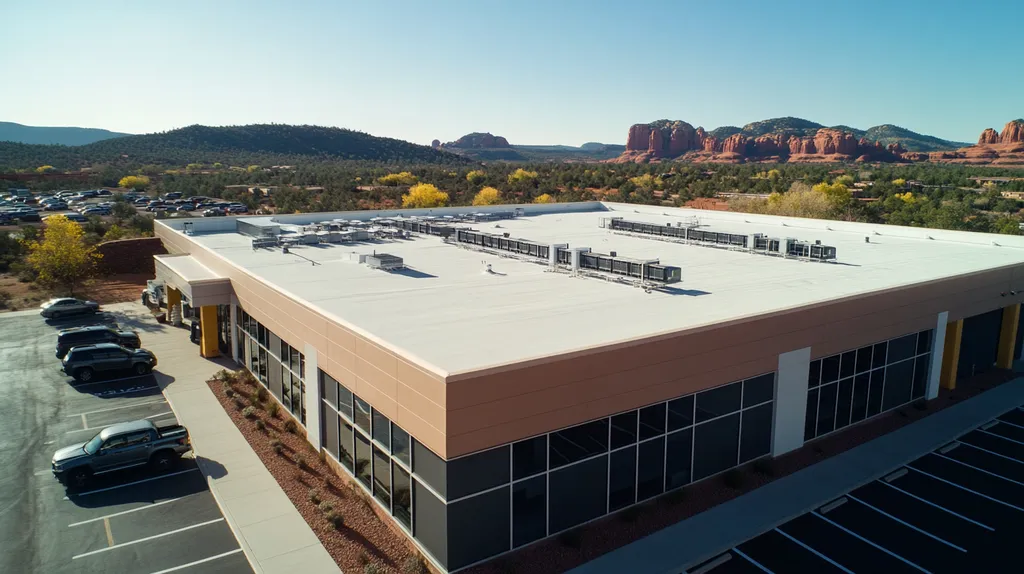
In the fast-paced world of commercial roofing, understanding performance metrics is not just valuable—it’s essential. Poor labor efficiency can lead to soaring costs and delays, affecting the overall budget and tenant satisfaction. Key indicators like labor productivity, material quality, and return on investment (ROI) must be assessed to navigate the complexities of roofing work. This section dives into these vital performance metrics, providing property owners and facility managers with the tools to make informed decisions.
Evaluating Labor Efficiency and Productivity
Labor efficiency stands as a crucial metric in commercial roofing projects. It reveals how effectively roofing teams use their time and skills. By comparing hours worked with the roof area completed, property owners can pinpoint inefficiencies that inflate labor costs.
For example, if a crew takes significantly longer to install a roof than the industry standards suggest, it may signify gaps in training or poor communication. Addressing these issues can boost productivity and reduce overall project expenses.
Moreover, tracking labor performance over time aids in establishing benchmarks against best practices. This data-driven approach empowers roofing contractors to refine processes and adapt strategies that enhance labor efficiency.
Investing in technology to monitor labor productivity can yield significant returns. Tools like time-tracking software provide valuable insights into crew performance, facilitating better management decisions.
Assessing Material Quality and Durability
The quality of roofing materials directly impacts labor and overall costs. While low-quality materials may seem more budget-friendly initially, they often demand more labor for installation and maintenance, ultimately shortening the roof’s lifespan.
For instance, opting for high-grade membranes can streamline installation due to their durability. This choice not only saves time but also decreases the likelihood of future repairs, providing long-term savings.
To make informed decisions, property owners should research material specifications and warranties thoroughly. Understanding the trade-offs between cost and quality helps streamline labor processes and extend roof longevity.
Additionally, implementing a robust quality control process during installation will ensure materials perform as expected. This proactive measure can help prevent future expenses related to premature roofing failures, significantly improving cost-effectiveness.
Measuring Cost-Effectiveness and ROI
Understanding cost-effectiveness and ROI is essential for evaluating roofing investments. This knowledge helps property owners ascertain whether their spending on roofing solutions yields appropriate returns.
Calculating ROI involves assessing both direct expenses like installation and indirect savings, such as reduced energy bills from enhanced insulation. For example, a roof upgrade that results in lower energy consumption can quickly offset initial costs.
Regular maintenance should also factor into ROI assessments. A well-maintained roof extends its lifespan and averts costly emergency repairs, leading to substantial long-term savings.
Establishing clear metrics for ROI supports decision-making processes. Creating a formula for each roofing project that incorporates initial costs, energy savings, and maintenance expenses will clarify the financial benefits of various roofing options, aiding effective budgeting strategies.
SECTION 5: PERFORMANCE METRICS
In the competitive landscape of commercial roofing, grasping performance metrics is more than beneficial—it’s essential for property owners and facility managers. Without a clear understanding of these metrics, labor inefficiency can lead to skyrocketing costs and missed deadlines, jeopardizing both the budget and tenant satisfaction. Key indicators such as labor productivity, material quality, and return on investment (ROI) must be carefully evaluated to guide roofing decisions. This section highlights these critical performance metrics, providing stakeholders with the essential tools to effectively manage roofing projects.
Evaluating Labor Efficiency and Productivity
Labor efficiency is a fundamental metric in commercial roofing projects. It measures how effectively roofing crews utilize their time and skills. By analyzing the hours worked against the square footage completed, property owners can identify inefficiencies that ultimately inflate labor costs.
For instance, if a crew takes significantly longer than the industry standards to install a roof, it may signal issues such as inadequate training or poor communication. Addressing these shortcomings can enhance productivity, leading to reduced overall project expenses.
Additionally, tracking labor performance over time helps establish benchmarks that measure against best practices. This data-driven approach allows roofing contractors to refine their processes, implement best practices, and adopt strategies that optimize labor deployment.
Investing in innovative tools to monitor labor productivity can lead to significant returns. Technologies like time-tracking software provide property managers with valuable insights into crew performance and drive informed management decisions.
Assessing Material Quality and Durability
The quality of roofing materials has a direct impact on both labor and overall costs. While low-cost materials may seem attractive initially, they often require more labor for installation and maintenance, ultimately shortening the roof’s lifespan.
Choosing higher-grade materials, like premium membranes, can reduce installation time due to their superior performance and durability. This choice not only saves labor costs but also minimizes the risk of future repairs, leading to better long-term financial outcomes.
Property owners should perform thorough research on material specifications and warranties. A clear understanding of the trade-offs between cost and quality can empower decision-making that streamlines labor processes and extends roof longevity.
Furthermore, a robust quality control process during installation ensures materials perform as intended. This proactive approach can help prevent premature roofing failures, ultimately improving cost-effectiveness significantly.
Measuring Cost-Effectiveness and ROI
Understanding cost-effectiveness and ROI is vital for evaluating roofing investments. This knowledge allows property owners to assess whether the money allocated to roofing solutions delivers worthwhile returns.
Calculating ROI involves examining both direct costs, such as installation fees, and indirect savings, like reduced energy expenses due to improved insulation. For example, investing in a roof upgrade that leads to lower energy consumption can quickly offset initial expenditures.
Regular maintenance should also factor into ROI assessments. A well-maintained roof can significantly extend its service life and avert costly emergency repairs, resulting in substantial long-term savings.
Establishing clear metrics for ROI can aid in decision-making. Creating a formula for each roofing project that incorporates costs, energy savings, and maintenance expenses will emphasize the financial advantages of various roofing options, guiding effective budgeting strategies.
The Bottom Line
With commercial roofing labor costs representing up to 60% of total project expenses, property owners and facility managers cannot afford to overlook these critical considerations.
Industry data shows that implementing the strategies outlined in this guide can reduce labor costs by 25-30% while maintaining quality standards.
From proper material selection and installation techniques to preventative maintenance and performance tracking, each element plays a vital role in managing labor expenses effectively.
The commercial roofing industry continues to evolve with new technologies and methods, making it crucial for decision-makers to stay informed and adaptable.
By applying these proven approaches to labor cost management, property owners can protect their investments while ensuring their roofing projects deliver maximum value and longevity.
FREQUENTLY ASKED QUESTIONS
Q. What are the fundamental concepts of labor costs for a commercial roof?
A. Understanding the intricacies of labor costs is essential for managing roofing projects. Key elements include roofing squares as measurement units, pricing standards, and factors influencing labor expenses like location and complexity. Being well-informed allows you to negotiate and budget accurately, ultimately saving money and reducing project delays.
Q. How do roofing materials affect labor costs for a commercial roof?
A. Different roofing materials have varying implications for labor costs. Simpler materials like TPO often result in lower labor expenses due to easier installation, while specialized materials such as metal or green roofs may require skilled labor and more intricate installation processes. Selecting the appropriate materials is crucial for managing costs effectively.
Q. What installation methods help control labor costs for an industrial roof?
A. Pre-installation planning, choosing the right installation techniques for materials, and utilizing technology are key methods to control labor costs. Effective scheduling and training improve efficiency, while modern tools, such as digital design software, can streamline the process. Ensuring these elements are considered helps maintain project timelines and budget.
Q. How can proper maintenance save labor costs on a commercial roof?
A. Regular maintenance, such as inspections and timely repairs, can prevent severe issues that lead to costly labor expenses. Addressing problems early, like clogged gutters, saves money over time. Creating a proactive maintenance schedule allows property managers to allocate budgets effectively and maintain roof longevity, reducing unexpected expenses.
Q. What performance metrics should I track for labor costs on a commercial roof?
A. It’s important to evaluate labor efficiency, material quality, and return on investment (ROI) for roofing projects. By measuring productivity to identify inefficiencies, you can reduce costs. Tracking material quality impacts future repairs, while calculating ROI helps assess whether investments in roofing lead to financial benefits.
Q. Are there seasonal factors influencing labor costs for commercial roofs?
A. Yes, labor rates often fluctuate with seasons. During peak roofing seasons, specifically summer, demand increases, causing contractors to charge higher rates. Property managers should plan projects during less busy times or off-peak seasons to take advantage of lower labor costs and better availability of skilled workers.
Q. How can I negotiate labor costs for my industrial roof project?
A. To negotiate effectively, stay informed about industry standards for labor pricing and related costs. Presenting market research can help you communicate your budget constraints clearly. Building a relationship with contractors and being open about your expectations fosters trust, making it easier to arrive at a fair agreement on labor costs.






