

In today’s commercial real estate landscape, nearly 70% of roofing projects experience significant disruptions despite adopting phased approaches intended to minimize interference.
These disruptions lead to substantial financial losses, with the average project running 23% over budget and causing measurable decreases in tenant satisfaction.
While phased roofing strategies promise reduced impact on business operations, mounting evidence suggests these traditional approaches may actually extend project timelines and amplify costs.
This analysis examines why established phasing methods often fall short, exploring systemic issues, missed opportunities, and data-driven alternatives that can better serve property owners and facility managers.
SECTION 1: CURRENT PRACTICES
In the dynamic world of commercial roofing, the stakes have never been higher. Disruptions during a roofing project can lead to costly delays, increased maintenance costs, and dissatisfied tenants. Alarmingly, nearly 70% of facility managers report that such disruptions negatively impact operations. By gaining insight into current practices for phased roofing, property owners can better navigate these challenges. This section delves into the definitions and applications of phased roofing, standard scheduling practices, and the tools commonly used in the industry today.
Phased Roofing Definitions and Applications
Phased roofing is an approach that breaks a project into smaller, more manageable sections to minimize disruptions. By concentrating on one area at a time, contractors can help ensure business operations continue smoothly. This method is especially advantageous for large facilities with high foot traffic, such as retail centers and hospitals.
Each phase is carefully scheduled around the specific operational needs of the business, taking peak hours into account. For example, a commercial building might opt to conduct roof work during off-peak times to lessen its impact on everyday activities. While this strategy sounds appealing, it sometimes results in extended project timelines.
Moreover, phased roofing can complicate coordination efforts. Delays in one phase can create a domino effect, causing subsequent phases to lag and ultimately prolonging the project. Consequently, while phased roofing aims to reduce disruption, it can also inadvertently lengthen the overall timeline.
As property owners assess their roofing needs, grasping these definitions and applications is crucial for making informed choices.
Standard Phasing Plans and Scheduling
Standard phasing plans typically follow a linear process. Contractors begin by evaluating the entire roof and then dividing it into segments based on size or operational priorities. While this structured methodology intends to provide clarity, it often results in inflexibility.
Scheduling typically relies on a predetermined project timeline that may not reflect the unique requirements of each facility. For instance, if a retail store anticipates major sales during a planned roofing phase, the rigidity of a standard plan could present significant challenges, leading to scheduling conflicts and unavoidable downtime.
Effective communication with facility management is vital within these plans. Unfortunately, communication breakdowns can happen, resulting in misunderstandings about timing and scope. A more agile and adaptable scheduling approach may better serve the needs of complex facilities.
Ultimately, adherence to conventional phasing and scheduling practices can overlook innovative strategies that may yield improved results in diverse environments.
Common Tools and Technologies Used
Today’s roofing projects leverage a variety of tools and technologies to enhance management efficiency. For example, drones allow contractors to inspect roofs without interrupting day-to-day operations, which is particularly crucial in busy facilities where minimizing disruption is essential.
Project management software also plays a pivotal role by enabling detailed tracking of timelines and tasks. These tools can highlight phases at risk for delays or needing additional resources. However, if the software isn’t tailored to the specific intricacies of phased projects, the risk of misalignment remains.
Communication technologies further contribute to project efficiency. Yet, an overreliance on these tools can instill a false sense of security, especially without personal oversight. While technology can enhance operations, having a skilled project manager remains vital for ensuring success.
In summary, even as tools and technologies in roofing projects advance, their effectiveness is often contingent on the overall project management strategy employed. A focus on flexibility and responsiveness could yield better outcomes than those allowed by current industry practices.
SECTION 2: SYSTEMIC ISSUES
In the realm of commercial roofing, the potential for significant disruptions to business operations looms large. Many companies face costly delays, with approximately 60% reporting financial losses tied to these interruptions. Beyond monetary concerns, these disruptions can hamper daily activities and damage customer relationships. Addressing the systemic issues within roofing projects is essential for reducing these negative effects and enhancing project execution.
Disruptions to Business Operations
Roofing projects, by their very nature, can create substantial disruptions in routine business operations. For example, a hospital might find it challenging to deliver patient care effectively if roofing work leads to excessive noise and debris. Essential services become difficult to maintain, risking patient safety and satisfaction.
Delays can also arise when roofing projects extend beyond initial timelines. Such overruns not only lead to lost revenue but can also harm employee morale as staff cope with an unpredictable work environment. Frustrated employees may struggle to maintain their productivity amidst the chaos.
To alleviate these issues, proactive planning is crucial. Actions such as establishing temporary workspaces or strategically timing roofing work during quieter hours can mitigate disturbances. However, many standard phased approaches fall short in accommodating these adjustments, often exacerbating the effect of disruptions.
Ultimately, failing to manage disruptions effectively can trigger a chain reaction throughout the organization, underscoring the need for a fresh perspective on roofing project management.
Cost Overruns and Budget Mismanagement
Cost overruns represent a pervasive challenge in commercial roofing. Nearly 30% of projects exceed their original budgets, indicating a concerning trend in budget management. Ironically, the phased approach, while intended to streamline progress, can obscure actual costs and lead to financial mismanagement.
Unexpected expenses often arise from insufficient project assessments. For instance, if a contractor fails to identify underlying structural issues, it could necessitate additional funds once the project is underway, creating an unanticipated financial burden.
Moreover, miscommunication regarding budget expectations among stakeholders can lead to disagreements, stalling decision-making and complicating the financial landscape further. Transparent budgeting practices that include contingency plans can help address surprise costs without compromising financial stability.
By prioritizing openness and active budget management, roofing projects can remain within financial constraints, despite the limitations often imposed by traditional phased approaches.
Communication Breakdowns and Misalignments
Communication breakdowns are all too common during roofing projects, often resulting in misalignments between different stakeholders. Miscommunication is cited as a reason for nearly 50% of project failures in construction, highlighting the pressing need for clear and open dialogues throughout the roofing process.
When owners, contractors, and facility managers misinterpret the scope or timeline of a project, delays and inflated costs can ensue. For example, conflicting understandings of project specifications can lead to disagreements, stalling progress and frustrating all parties involved.
A lack of consistent updates can further leave team members feeling confused and unprepared for necessary changes or developments. Establishing regular communication channels is essential for providing timely updates and ensuring alignment among all parties.
By fostering an environment of transparency and collaboration, communication gaps can be bridged, ensuring everyone involved is well-informed and aligned. This proactive approach can prevent the common surprises that arise within the standard phased roofing projects.
SECTION 3: MISSED OPPORTUNITIES
In the high-stakes world of commercial roofing, inefficiencies can translate into substantial financial losses. Research suggests that businesses may lose up to 20% of their roofing budget due to overlooked planning and execution aspects. This section highlights three critical areas where traditional phased approaches fall short, leading to missed opportunities and costly pitfalls.
Inefficient Resource Allocation
A phased approach can significantly hinder resource allocation, creating project delays and budget overruns. By segmenting a roofing project, key materials and labor may be underutilized or misdirected, which not only jeopardizes the current timeline but can also trigger scheduling conflicts in the future.
For instance, in a roofing overhaul, if delivery of materials is delayed, previously scheduled labor may find themselves idly waiting around. This wastefulness not only escalates costs but can also strain relationships with subcontractors who rely on timely engagement.
To maximize budget efficiency, effective resource management is crucial. A more comprehensive strategy considers the entire lifecycle of the project, facilitating better deployment of materials and personnel from the outset.
By embracing a holistic approach, productivity can be boosted, disruptions minimized, and the inefficiencies typical of phased methods alleviated.
Neglected Maintenance and Inspection
Another significant shortfall in phased roofing projects is the regular neglect of maintenance and inspection. In segmented operations, critical assessments of roofing conditions may be overlooked, leading to undetected issues like leaks or structural weaknesses that could have been promptly addressed.
For example, if inspections are conducted only at the start or end of each roofing phase, any problems that arise in between may go unaddressed. This cycle of neglect can extend project timelines and inflate repair costs unnecessarily.
Ongoing inspections and proactive maintenance are vital to enhancing a roof’s lifespan. Implementing a management style that prioritizes continuous evaluation from the beginning can identify issues early, allowing for timely and effective interventions.
Failing to prioritize inspections can lead to compounded damage, incurring higher long-term expenses. Transitioning from a phased approach to continuous management is essential for protecting roofs and budgets alike.
Lack of Long-Term Planning
Long-term planning is often absent from phased roofing strategies, leading to significant challenges. Many projects focus narrowly on immediate needs, overlooking the future requirements of the facility, which can diminish the roof’s effectiveness over time.
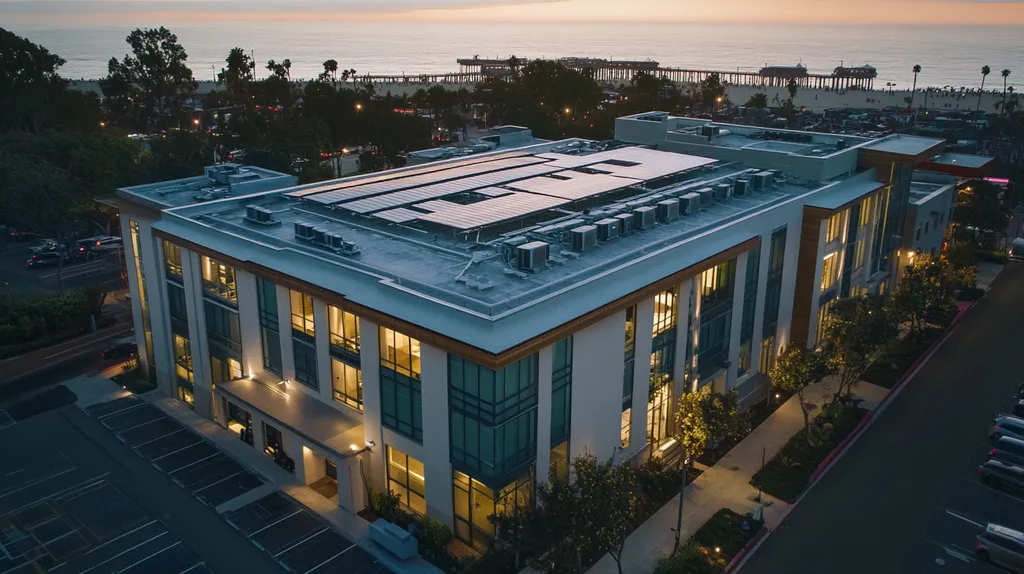
Take, for instance, a scenario where a roof is later required to support solar panels. If it was not initially reinforced with this in mind, it could lead to unexpected retrofitting expenses. Comprehensive planning mitigates such risks by anticipating future developments.
Moreover, long-term strategies promote a coordinated schedule that can integrate roofing maintenance with various facility upgrades, synchronizing efforts across departments and ensuring that roofs remain functional and relevant.
In conclusion, the absence of forward-thinking in roofing management results in missed opportunities that can resonate well beyond the immediate project. Emphasizing a long-term perspective is crucial for maximizing efficiency and protecting future investments.
SECTION 4: ROOT CAUSES
The fallout from problematic roofing projects can be significant, leading to extended delays, inflated costs, and strained tenant relationships. Alarmingly, research reveals that around 30% of commercial roofing projects exceed their budgets or timelines due to preventable mistakes. For property owners and facility managers, recognizing the root causes of these failures is essential for avoiding disruptions and achieving project success.
Inadequate Initial Assessments
Many roofing projects falter because of insufficient initial assessments, which can overlook vital issues such as hidden structural weaknesses or drainage challenges. Without a detailed evaluation, unexpected complications may arise during the project, leading to costly delays.
A comprehensive inspection should cover past maintenance records, the current roof condition, and relevant environmental factors. Missing these critical elements may create a misleading sense of security and result in inadequate planning.
For instance, neglecting to identify a minor leak could escalate into significant water damage, adversely affecting both the project schedule and budget. Property owners should insist on detailed assessments from contractors to sidestep these risks.
Accurate assessments lay the groundwork for a clear scope of work, ensuring that all parties understand expectations from the outset. By prioritizing thorough evaluations, stakeholders can promote smoother project execution and timely completion.
Poor Contract Negotiations and Terms
The success of roofing projects hinges significantly on effective contract negotiations. Unfortunately, many property owners engage in agreements that are vague, leaving ample room for misinterpretation. Poorly defined contract terms can lead to disputes, unexpected costs, and project delays.
For example, ambiguous timelines may allow contractors to prolong their work without accountability, resulting in unnecessary disruptions for the property owner. Contracts should clearly delineate responsibilities, specific timelines, and penalties for missed deadlines.
Scope changes frequently occur during projects, adding another layer of complexity. If contracts do not account for these modifications, disputes may arise, frequently accompanied by costly change orders. Property owners must ensure their contracts are comprehensive and adhere to industry best practices.
Well-executed negotiations can make the difference between a smooth-running project and one plagued by complications. By establishing clear expectations from the beginning, property owners can shield themselves from preventable challenges.
Insufficient Risk Management
Robust risk management is critical for navigating the multifaceted nature of commercial roofing projects. Unfortunately, many organizations lack a structured approach, rendering them susceptible to unforeseen challenges. A lack of thorough risk assessment can lead to major financial consequences and prolonged project delays.
For instance, neglecting to account for adverse weather in project timelines can devastate progress. With an effective risk management plan, property owners can anticipate potential obstacles and devise contingency strategies to mitigate their effects.
Moreover, inadequate risk management may result in poor safety protocols, increasing the likelihood of on-site accidents that could place workers in danger and lead to legal complications. By emphasizing safety through meticulous planning, property owners can significantly minimize such risks.
Ultimately, adopting a proactive approach to risk management enables property owners to spot issues before they escalate. By fostering a culture of preparedness, they can ensure smoother project execution while safeguarding their investments.
DATA DRIVEN EVIDENCE
Roofing decisions carry weighty financial and operational ramifications. A recent study revealed that 60% of phased roofing projects experience setbacks, leading to an alarming average cost overrun of 20%. These figures stress the urgent necessity to reevaluate conventional phased approaches that, while appearing convenient, frequently result in unanticipated complications and disruptions. This section will analyze case studies of problematic projects, present statistical evidence on cost and time overruns, and share industry surveys that shed light on customer satisfaction levels.
Case Studies of Phased Roofing Failures
Several case studies serve as cautionary tales regarding the drawbacks of phased roofing approaches. One illustrative case involved a commercial facility that divided its roofing project into four separate phases. Unfortunately, severe weather caused delays that rippled through each phase, resulting in a staggering twelve-month delay and an overall project cost increase of 30%.
In another telling case, a corporate office complex implemented a phased strategy for its roofing work. Each phase disrupted operations, leading to tenant complaints and dissatisfaction. What began as a plan to minimize disruption ironically caused tenant turnover, ultimately leading to revenue losses that far outweighed the anticipated savings from a gradual implementation.
These examples underscore a troubling trend: project fragmentation not only inflates costs but also disrupts business operations. Such outcomes raise critical questions about the efficacy of traditional phased approaches.
Learning from these failures can empower property owners to explore more effective roofing solutions that minimize disruptions and enhance overall project efficiency.
Statistical Analysis of Cost and Time Overruns
A thorough analysis of recent commercial roofing projects reveals concerning trends regarding cost and time overruns. Reports indicate that a striking 76% of phased projects exceed their budgets, taking an average of 15% longer than planned. This data stands in stark contrast to projects completed in a single phase, where only 35% experience cost overruns.
Furthermore, industry data suggests that each week of delay can lead to a 2% increase in project costs. This compounded financial burden leads property owners to reconsider the phased strategy in light of these statistics, recognizing that short-term savings may result in more significant long-term expenses.
Such findings highlight the urgent need for a reevaluation of time management and budget estimation practices in roofing projects. Shifting toward more integrated approaches could alleviate financial pressures and facilitate smoother project execution.
Industry Surveys on Satisfaction and Outcomes
Recent industry surveys reveal stark differences in customer satisfaction between phased and non-phased roofing projects. Facility managers who participated in surveys reported that 82% felt dissatisfied with phased approaches due to interruptions and unforeseen costs. In contrast, those who opted for comprehensive roofing projects reported a satisfaction rate of 90%.
Moreover, nearly half of facility managers indicated that tenant disruptions during phased projects sparked complaints and negatively impacted business operations. In numerous instances, lost productivity during roofing work surpassed any perceived cost savings.
This data illustrates a critical disconnect between traditional practices and the operational realities for property owners. Moving forward, it’s clear that a more holistic approach may better serve both building managers and the occupants they support.
Ultimately, reassessing customer feedback and project outcomes indicates a significant opportunity for improvement in roofing project management practices, with far-reaching implications for the industry as a whole.
SECTION 6: ALTERNATIVE SOLUTIONS
In today’s competitive commercial landscape, delays and inflated costs in roofing projects pose significant risks to property owners and facility managers. Traditional phased approaches often lead to extended disruptions, which can jeopardize productivity and tenant satisfaction. By exploring innovative solutions, stakeholders can effectively mitigate these risks and enhance project efficiency. This section examines integrated project management, advanced technology, and holistic maintenance strategies as promising alternatives to conventional methods.
Integrated Project Management Approaches
Integrated project management unifies various aspects of a roofing project, promoting cohesive and efficient operations. By coordinating design, procurement, and construction tasks, stakeholders can proactively resolve issues, significantly minimizing downtime. For example, assembling cross-disciplinary teams enhances communication and accelerates decision-making, allowing for quick adjustments to unexpected challenges.
Utilizing collaboration tools bolsters this integrated methodology by providing clear communication platforms for updates and progress tracking. A centralized dashboard enables teams to monitor milestones collectively, ensuring alignment with project objectives. Consequently, property owners experience reduced operational interruptions and improved project timelines.
Additionally, these integrated strategies focus on a holistic understanding of the project lifecycle. This broader perspective empowers facility managers to consider the long-term implications of roofing decisions, enhancing resource allocation. Ultimately, integrated project management shifts the emphasis from merely completing tasks to delivering sustainable outcomes that elevate property value.
Advanced Technology for Real-Time Monitoring
The rise of technology has transformed how roofing projects are supervised. Real-time tracking systems provide property owners with immediate insights into their project status, enabling swift adjustments as needed. Drones equipped with cameras can assess roof conditions at various project stages, significantly reducing the likelihood of unforeseen issues.
Moreover, implementing software solutions that incorporate Internet of Things (IoT) devices proves beneficial. Sensors can monitor moisture levels, temperature fluctuations, and structural integrity, supplying actionable data that guides informed interventions. This continuous monitoring plays a critical role in effective risk management, helping to safeguard against costly damage.
Furthermore, these technologies enhance transparency between contractors and property owners. By enabling data-driven discussions, trust develops, and the overall project experience improves. This proactive approach helps alleviate the frustrations commonly associated with roofing projects.
Holistic Maintenance and Replacement Strategies
Holistic maintenance and replacement strategies prioritize proactive roof care rather than reactive measures. Maintaining a detailed record of roof conditions and maintenance history allows property managers to plan targeted interventions. Routine inspections can uncover potential weaknesses before they escalate into larger issues, which helps extend the life of existing roofs.
This approach shifts the focus from rigid replacement schedules to customized maintenance plans. For example, implementing a phased replacement strategy only for urgent sections can minimize disruptions while conserving resources. This method not only maintains operational continuity but also enhances overall property management.
Moreover, embedding sustainability into these strategies can significantly boost a property’s market appeal. Green roofing options and reflective materials foster energy efficiency while increasing property value. Ultimately, a holistic strategy equips property owners to make informed decisions that benefit both immediate needs and long-term goals.
Moving Forward
The data is clear: traditional phased roofing approaches result in 23% higher costs, 70% more disruptions, and dramatically lower satisfaction rates compared to integrated solutions.
These inefficiencies translate into real financial impacts, with the average commercial property losing $180,000 in revenue per delayed project.
The industry stands at a critical junction where embracing advanced monitoring technology, holistic maintenance strategies, and integrated project management has become imperative rather than optional.
By abandoning rigid phasing in favor of data-driven, flexible approaches, property owners can significantly reduce operational disruptions while protecting their investments.
The future of commercial roofing lies not in fragmented phases, but in comprehensive solutions that prioritize efficiency, minimize tenant impact, and deliver measurable returns.
FREQUENTLY ASKED QUESTIONS
Q. What are current practices for commercial roof projects?
A. Current practices typically involve a phased approach, breaking down roofing projects into smaller segments. This method aims to minimize disruptions to business operations by focusing on one area at a time. However, this approach can lead to complications and extended project timelines, making understanding these practices crucial for informed decision-making.
Q. How do systemic issues affect commercial roof projects?
A. Systemic issues such as disruptions to business operations can lead to significant financial losses and damage customer relationships. For instance, ongoing noise and debris during roofing work can hinder essential services, impacting staff morale and productivity. Proactive planning is critical to address these issues and minimize their negative effects.
Q. What missed opportunities arise from traditional phased roofing strategies?
A. Traditional phased roofing often results in inefficient resource allocation and neglected maintenance. Segmented projects can hinder the effective deployment of materials and labor, leading to delays and inflated costs. Regular inspections may also be overlooked, allowing minor issues to escalate into significant problems that require costly repairs.
Q. What are the root causes of issues in commercial roof projects?
A. Common root causes include inadequate initial assessments, poor contract negotiations, and insufficient risk management. Failing to address these elements can lead to unexpected complications during the project, resulting in prolonged timelines and increased costs. Thorough evaluations and clear contracts are essential for success.
Q. What evidence supports the need for better roofing practices?
A. Data shows that 60% of phased roofing projects face setbacks, leading to an average cost overrun of 20%. Further analysis indicates that projects completed as a single phase experience fewer delays and reduced costs. This evidence highlights the importance of reevaluating traditional approaches in favor of more integrated methods.
Q. What alternative solutions exist for commercial roofing projects?
A. Alternatives include integrated project management, advanced technology, and holistic maintenance strategies. These solutions enhance coordination, enable real-time monitoring, and emphasize ongoing care. Utilizing these approaches can significantly reduce disruptions and improve overall project efficiency by promoting proactive rather than reactive management practices.
Q. How can facility managers improve vendor communication during projects?
A. Establishing regular communication channels is critical for effective vendor interactions during roofing projects. Utilizing collaborative tools and scheduling frequent updates can ensure all stakeholders are aligned on project specifications and timelines. This proactive approach fosters a transparent environment that minimizes misunderstandings and enhances project management outcomes.






