

Commercial roofing failures cost U.S. businesses over $2.5 billion annually, with 40% of these expenses directly linked to poor edge and coating integration. These preventable losses highlight fundamental flaws in traditional roofing practices.
As weather patterns become increasingly extreme, the intersection between roof edges and protective coatings represents a critical vulnerability in commercial buildings. Studies show that properly integrated systems can extend roof life by up to 15 years.
This analysis examines how current practices fall short, explores systemic issues affecting performance, and presents data-driven solutions for enhancing commercial roof durability and efficiency.
SECTION 1: CURRENT PRACTICES
The current landscape of commercial roofing reveals critical challenges in edge protection and coating applications. With weather-related wear and tear taking a toll, studies show that over 50% of commercial roofs exhibit compromised edges. This section examines common practices in roof coating applications and edge protection methods, underscoring their pitfalls and the lack of cohesive integration. Addressing these issues is vital, as they directly influence both the lifespan of roofing systems and the financial health of property owners.
Common Roof Coating Applications
Roof coatings are essential for protecting commercial structures from water damage and UV degradation. Popular options include acrylic, silicone, and polyurethane coatings, each with its own advantages and drawbacks. For example, acrylic coatings are praised for their reflective capabilities but may struggle to adhere properly to certain substrates during high temperatures.
However, compatibility issues are often neglected during installation, leading to early coating failures that can require expensive reapplications. Additionally, discussions about the appropriate application thickness often disregard specific roof conditions, with many contractors relying on generic measurements that compromise long-term durability.
Each roofing system has its own requirements, yet coatings are frequently applied without a careful evaluation of existing materials. This one-size-fits-all approach misses out on maximizing the benefits these coatings could provide, ultimately affecting durability and performance. Hence, tailoring the coating choice to the unique attributes of each roof is crucial.
Property owners must prioritize engaging skilled roofing professionals who can conduct comprehensive assessments before selecting a coating product. This proactive strategy helps ensure effective applications, fortifying roofs against environmental challenges.
Standard Edge Protection Methods
Edge protection is critical for defending roofs against wind uplift and water intrusion. Standard approaches, such as metal coping or flashing, are commonly utilized but may not suit every roofing situation. Many products lack the necessary engineering to withstand the specific weather patterns of certain areas.
Effective edge systems must interface seamlessly with roofing materials to prevent moisture intrusion and minimize wear. Unfortunately, many contractors overlook this aspect, installing edge systems without a detailed understanding of roof dynamics. This oversight can heighten vulnerabilities, leading to leaks and potential structural damage.
A uniform approach to edge protection often fails to consider variations in roof height and slope. Customization is necessary for optimal functionality, yet many properties end up with generic solutions that do not adequately address their unique challenges. An adaptable edge protection system interconnected with the membrane is essential for reducing long-term costs.
Property managers should regularly evaluate the condition of edge protection as part of their overall maintenance strategy. Early detection of weaknesses can help ensure roofs remain sustainable and significantly reduce the need for extensive repairs down the line.
Maintenance Schedules and Inspections
Routine maintenance and inspections are key to preserving the integrity of commercial roofs. Unfortunately, existing industry standards often do not ensure thorough evaluations. Many facilities rely on annual inspection schedules, which can fall short in identifying ongoing wear and tear, particularly in harsh climates.
Neglecting regular inspections may allow minor issues to develop into disastrous failures. Research indicates that most roofing systems begin to show signs of failure within a decade, making early intervention crucial. Adopting a maintenance strategy that includes semi-annual inspections is highly recommended, especially for aging roofs.
Moreover, a disconnect frequently exists between the maintenance of coatings and edge protection. Inspectors may focus on one aspect, while overlooking their interaction, which can leave vulnerabilities at the roof’s edge unaddressed. This lapse can diminish overall roof performance.
Implementing a comprehensive maintenance schedule that integrates both coating and edge protection can significantly extend the lifespan of roofs. Collaborating with roofing professionals who understand both components will ensure a cohesive approach to mitigating risks and safeguarding assets.
SECTION 2: SYSTEMIC ISSUES
Commercial roofing systems are jeopardized by several systemic challenges that can lead to significant financial burdens and safety concerns. Studies reveal that nearly 39% of commercial roofs sustain considerable damage within the first 10 years due to ineffective edge and coating integration. This section delves into three pressing issues: cut-edge corrosion in metal roofs, persistent leaks and water ingress problems, and ongoing surface damage and degradation. Each of these factors illustrates the urgent need to rethink existing roofing methodologies.
Cut-Edge Corrosion in Metal Roofs
Cut-edge corrosion poses a hidden yet critical risk that often remains undetected until substantial damage occurs. Metal roofs, with their exposed cut edges, are particularly susceptible to moisture, which can lead to rust and deterioration over time. Alarmingly, up to 25% of such roofs show signs of corrosion within just five years of installation, primarily due to insufficient protective measures.
This corrosion can severely compromise the roof’s structural integrity, potentially resulting in catastrophic failures in extreme cases. Consequently, property owners might face exorbitant repair costs and the disruption of business operations if a roof needs to be replaced prematurely.
Additionally, visible corrosion detracts from the building’s overall appearance, negatively impacting both property value and tenant satisfaction. To counter these risks, it is essential to employ improved edge detailing and high-quality protective coatings during the installation process, significantly extending the lifespan of the roof.
Owners and facility managers are encouraged to prioritize routine inspections aimed at catching early signs of corrosion. By proactively addressing this issue, they can prevent more severe damage and ensure the longevity of their roofing systems.
Leaks and Water Ingress Problems
Leaks and water ingress rank among the most frequently cited issues by facility managers, often caused by poor integration of roof edges and seams. As a result, water can seep into critical areas of the building, compromising structural elements. Research indicates that nearly 30% of commercial roofs develop leaks within the first seven years, a troubling statistic for property owners.
Compounding these issues are inadequate drainage solutions, which can cause ponding water that rapidly accelerates wear and leads to multiple potential leak points. When water penetrates a building, it can foster mold growth and damage valuable equipment or inventory, leading to taxing repair costs.
To mitigate these risks, property owners must ensure their roofing systems are designed with effective drainage strategies and robust edge details. Regular maintenance and timely updates to roofing systems can help identify and rectify these concerns before they escalate into significant problems.
Failing to address water ingress promptly can not only diminish occupant satisfaction but also decrease property value. Therefore, investing in strategic roofing integration is crucial for achieving long-term advantages.
Surface Damage and Degradation
Surface damage and degradation are inevitable challenges that arise when roofing protections are inadequate, especially under harsh environmental conditions. Exposure to UV radiation, fluctuating weather patterns, and thermal shocks all contribute to the rapid deterioration of roofing surfaces. Studies indicate that unprotected roof surfaces can lose up to 80% of their original integrity after just 10 years of service.
This damage goes beyond compromising the roof’s functionality; it can also lead to soaring energy costs. As the insulation properties of the roofing material decline, heating and cooling systems must work harder, which drives up utility expenses.
Regular application of protective coatings is a proactive measure that can significantly delay surface degradation by reflecting harmful UV rays and minimizing thermal expansion. These preventive strategies represent a cost-effective approach to extending the life of a roofing system.
Addressing surface damage early enhances both the performance and visual appeal of commercial roofs. Property owners should prioritize investment in high-quality roofing materials and coatings, ensuring a more durable and energy-efficient roofing solution.
SECTION 3: MISSED OPPORTUNITIES
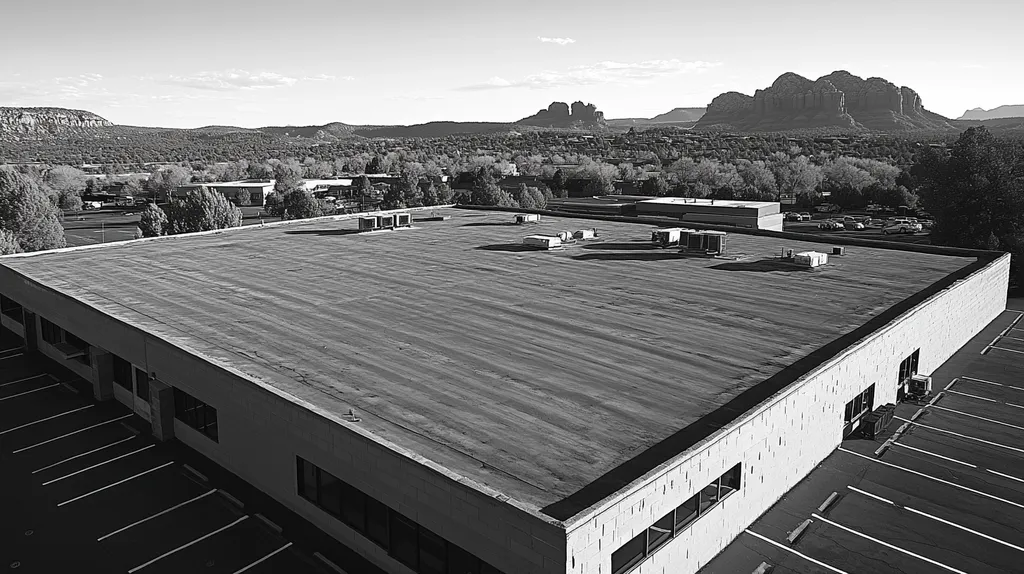
Many commercial roofs operate below their potential due to insufficient integration between roof edges and coatings. According to the U.S. Department of Energy, inadequate thermal management can lead to a staggering 30% increase in energy costs. This section highlights critical energy efficiency gaps, overlooked thermal management, and significant safety risks stemming from established roofing practices.
Energy Efficiency Gaps in Coatings
Energy efficiency is pivotal in managing building operation costs. Unfortunately, many commercial roofs employ coatings that fail to optimize reflective properties, resulting in higher heat absorption and increased cooling needs.
Standard coatings may work adequately in some situations, but their performance often falters in urban areas where heat islands intensify. The neglect of advanced coatings with a high Solar Reflective Index (SRI) leads to missed opportunities for substantial energy savings.
By aligning proper roof edge design with suitable coatings, properties can achieve considerable reductions in energy expenses. Well-designed roof edges enhance drainage and airflow, which are essential for maximizing the performance of reflective coatings.
Failing to address these energy efficiency gaps affects not only operational costs but also undermines the environmental sustainability goals many organizations strive to achieve.
Neglected Thermal Management
Proper thermal management is crucial for extending the lifespan of any roofing system. However, many facilities overlook how poor integration at roof edges disrupts effective thermal regulation, leading to excessive heat accumulation.
For instance, inadequate insulation or unsuitable roofing materials can cause temperatures to rise, resulting in premature material failures. This often translates to more frequent repairs or replacements, inflating costs unnecessarily.
A comprehensive approach to thermal management ensures that roof edges and coatings function in concert, reducing thermal bridging and enhancing overall system efficiency.
Ineffective thermal management not only compromises roofing longevity but also poses risks to the building’s structural integrity, resulting in potentially severe safety and financial consequences.
Overlooked Safety Risks
Safety should be a top priority in property management, yet specific risks tied to roof edge design and coating integration are frequently overlooked. Poorly designed edges can create hazardous conditions such as ice dam formations or standing water.
These dangers can endanger maintenance personnel and pose risks to tenants and visitors. Addressing these safety concerns can involve significant costs, including liability claims and increased insurance premiums.
Additionally, when coatings fail to adhere properly—often due to insufficient integration—the likelihood of leaks rises. Such leaks can promote mold growth, introducing serious health risks.
By addressing these neglected safety risks, property owners can enhance the protection of building occupants and reduce liability, underscoring the urgent need for improved practices in roof edge and coating integration.
SECTION 4: ROOT CAUSES
The long-term effectiveness of commercial roof edge and coating integration is often compromised by a few key root causes. These underlying issues not only threaten the structural integrity of roofing systems but also result in higher repair expenses and potential operational interruptions. Research has shown that using inadequate coatings can reduce a roof’s lifespan by up to 30%. Understanding these critical factors is crucial for property owners making informed roofing decisions.
Inadequate Coating Materials
Many failures in commercial roofing can be traced back to substandard coating materials. Property owners may be tempted to choose cheaper options for immediate savings, but these materials typically lack the durability and UV protection necessary for long-term roof performance.
For instance, a low-quality elastomeric coating may fail to endure extreme weather scenarios, leading to rapid deterioration. This quick degradation can cause water infiltration, which jeopardizes both the roofing system and the building’s interior.
Additionally, coatings that lack proper adhesion can peel or flake, exposing the roof’s core materials to damaging elements. This not only heightens repair costs but also risks business disruptions from unanticipated leaks or structural issues.
Investing in high-quality coatings might demand a larger initial expenditure, but the long-term benefits far outweigh the upfront costs. By selecting the right product, property owners ensure much better roof performance and protection throughout the roof’s lifecycle.
Poor Installation Practices
Even the best materials can fail due to poor installation practices. Inexperienced crews or inadequate training often lead to common problems such as improper surface preparation or insufficient coating thickness.
Failure to adequately clean or prime surfaces reduces the coating’s ability to adhere properly. Consequently, issues like bubbling or peeling may arise, further reducing system effectiveness.
Moreover, installation during unfavorable weather can inhibit proper curing, compromising the coating’s performance. This underlines the necessity of following best practices during installation.
To enhance workmanship, regular training and certification for installation teams are essential. Implementing strict quality control measures ensures that roofs are installed correctly, thereby prolonging their service life.
Lack of Regular Maintenance
A lack of regular maintenance severely impacts the performance of commercial roofs. Property owners often neglect routine inspections and upkeep, allowing small problems to escalate into major issues. For instance, debris that accumulates on roofs can trap moisture, which accelerates deterioration of both the coating and the underlying materials.
Additionally, unnoticed cracks or blisters in coatings tend to evolve into significant leaks if not dealt with promptly. A proactive maintenance strategy can identify potential problems early, thus avoiding costly repairs.
Regular inspections can dramatically extend the lifespan of a roof. These evaluations not only help pinpoint issues but also allow for improvements in edge and coating integration.
By prioritizing routine maintenance, property owners can mitigate risks and maximize their investment in roofing, ensuring long-term durability and protection.
DATA DRIVEN EVIDENCE
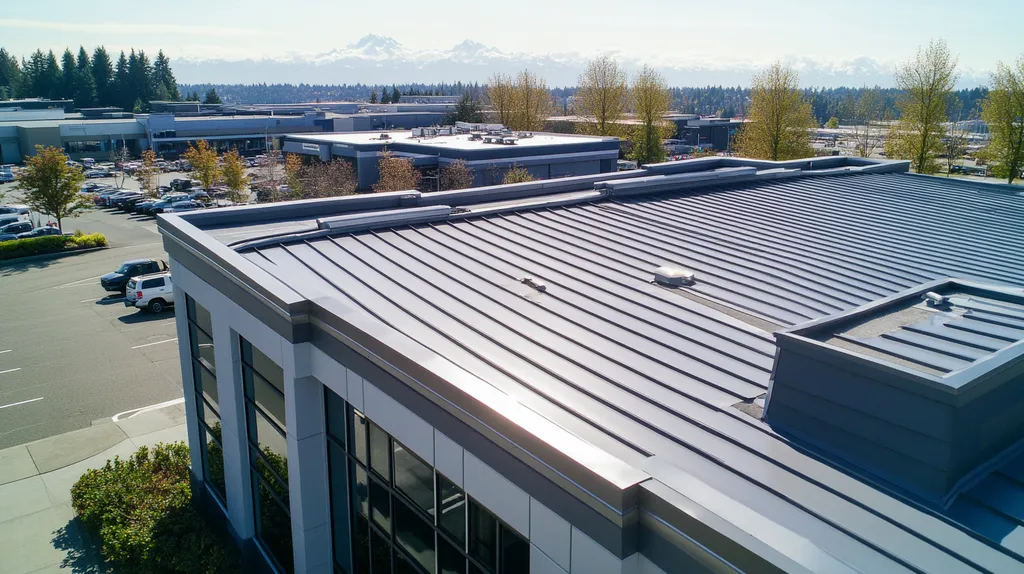
The importance of effective roof edge and coating integration cannot be overstated, especially when considering the financial implications for commercial property owners. Research shows that around 60% of coating failures stem from improper installation and edge detailing. These failures often lead to expensive repairs and operational disruptions, emphasizing the urgent need to rethink traditional methods. The following subsections will examine real-world case studies of coating failures, statistical analyses demonstrating energy savings, and a cost-benefit analysis highlighting the value of integrating effective coating systems.
Case Studies on Coating Failures
Numerous commercial roofs have experienced significant financial losses due to coating failures. One notable case involved a distribution center that suffered severe leaks stemming from inadequate edge detailing. Within just three years, the coating began to peel, resulting in unplanned maintenance costs that exceeded $100,000.
In another example, a manufacturing facility opted for a top-tier coating product but failed to ensure proper integration at the edges. Within months, inadequate edge protection allowed water to infiltrate, resulting in mold growth and downtimes that negatively impacted production. This incident not only incurred repair expenses but also tarnished the facility’s reputation.
These cases illustrate the critical need for precise installation and the effective integration of edge and coating systems. By learning from past failures, property managers can prioritize thorough inspections and ensure that quality assurance processes are in place.
Statistical Analysis of Energy Savings
Energy efficiency plays a vital role in the overall costs of commercial roofing, and the integration of roof edges and coatings significantly influences this efficiency. Studies indicate that reflective coatings can potentially cut energy expenses by up to 30% in hotter climates. However, when coatings fail, property owners miss out on valuable energy savings.
A report that analyzed more than 200 commercial roofs revealed that properties with well-integrated systems achieved approximately $15,000 in annual energy savings compared to those with poorly integrated options. This data underscores the long-term financial advantages of investing in reliable roofing solutions.
Moreover, facilities that neglect edge and coating integration often face higher HVAC operating costs due to increased heat absorption. Such hidden costs are typically not factored into initial budgets, complicating financial planning for property owners.
Cost-Benefit Analysis of Coating Systems
An examination of the cost-effectiveness of roof coating systems shows significant disparities related to the quality of integration. High-quality coating systems, when integrated correctly at the edges, may incur an upfront investment of $2 to $3 per square foot. Conversely, poorly integrated systems can escalate costs to over $10 per square foot when factoring in repair needs and rising energy consumption.
Long-term projections suggest that an initial investment in a well-integrated system could yield a return on investment of 200% over a ten-year period, primarily driven by reduced maintenance expenses and energy savings.
Furthermore, facilities that emphasize effective coating integration often benefit from extended roof lifespans, lowering the frequency of costly replacements. Ultimately, making strategic choices in coating applications and edge detailing not only protects financial resources but also preserves the integrity of properties over time.
SECTION 6: ALTERNATIVE SOLUTIONS
As the commercial roofing industry confronts various challenges, innovative solutions are urgently needed to enhance efficiency and reduce long-term costs. Businesses should not underestimate the impact of advanced coating technologies, which can significantly boost roof durability and performance. Moreover, integrating alternative edge protection systems and adopting proactive maintenance strategies are essential steps for companies aiming to protect their investments and extend the life of their roofing systems.
Advanced Coating Technologies
Advanced coating technologies are revolutionizing the maintenance of commercial roofs. These innovative coatings create a seamless barrier that protects against leaks and harmful UV damage. For example, reflective coatings not only safeguard roofs but also lower indoor temperatures, which can lead to reduced energy consumption for cooling.
By using these modern coatings, property owners can significantly extend the lifespan of their roofs while decreasing maintenance costs. Some coatings even feature self-cleaning capabilities, minimizing the need for frequent inspections and cleaning, making them a sustainable choice.
Importantly, these advanced coatings are designed for compatibility with various roofing materials. This flexibility allows property managers to select the most suitable options for their specific roofing systems, ensuring that they maintain the roof’s overall integrity.
With a focus on durability and efficiency, advanced coating technologies are becoming essential in the industry. They address many of the shortcomings seen in traditional systems, signaling a necessary shift towards innovative roofing solutions.
Integrated Edge Protection Systems
Integrated edge protection systems present a comprehensive approach to maintaining roof integrity. Unlike conventional edge installations, these systems offer thorough safeguards, effectively preventing water intrusion and debris buildup. This enhances the functionality and durability of roofs for extended periods.
Additionally, these systems improve safety for maintenance crews by facilitating better accessibility and structural support, which reduces the risk of accidents during inspections or repairs. Many designs also incorporate drainage features to prevent water pooling, a common cause of structural damage.
Recent advancements in prefabricated edge systems are making an impact. These market innovations streamline installation processes and reduce labor costs, making them appealing to budget-sensitive property owners. Their modular designs allow for easy upgrades or changes as new technologies emerge.
In summary, integrated edge protection systems not only enhance roof performance but also represent significant progress in roofing strategies. They underlie the importance of adopting a holistic view of roof management.
Proactive Maintenance Strategies
Implementing proactive maintenance strategies is crucial to extending the lifespan and optimizing the performance of roofs. Regular inspections, supported by data analytics, allow for early identification of potential problems before they escalate. This preventive approach can translate into substantial long-term savings.
Scheduled maintenance should include comprehensive evaluations of roof seams, edges, and drainage systems. Timely intervention with minor repairs can prevent costly complications later on. Facility managers can also utilize technology for remote monitoring, providing valuable insights that lead to timely proactive actions.
Moreover, maintaining a record of past maintenance activities enhances forecasting for future needs. Understanding the lifecycle of roofing materials and systems supports better budget planning, shifting the focus from reactive repairs to strategic asset management.
By adopting proactive strategies, property owners can protect their assets while ensuring operational efficiency. This transition signals a critical evolution in the approach to roof care in the commercial sector.
Moving Forward
The $2.5 billion annual cost of commercial roofing failures demands immediate action from property owners and industry professionals alike.
Traditional approaches to roof edge and coating integration have proven inadequate, with 40% of roof failures directly linked to poor integration practices.
The data clearly shows that implementing advanced coating technologies, coupled with integrated edge protection systems, can extend roof life by 15 years while reducing energy costs by up to 30%.
As weather patterns become increasingly extreme, maintaining the status quo is no longer viable.
Property owners must embrace proactive maintenance strategies and innovative solutions to protect their investments, ensure operational continuity, and contribute to broader sustainability goals.
FREQUENTLY ASKED QUESTIONS
Q. What are the current practices in commercial roof edge protection?
A. Current practices often rely on standard methods like metal coping, which may not fit every roof. Many contractors overlook critical aspects, such as weather patterns and building dynamics, leading to vulnerabilities. This lack of integration between edge protection and roofing materials can result in costly repairs due to leaks and structural damage.
Q. How do systemic issues affect commercial roofs?
A. Systemic issues like cut-edge corrosion and persistent leaks compromise the lifespan of roofs. Many roofs sustain significant damage within the first decade due to poor edge and coating integration. Addressing these challenges proactively can save property owners from costly repairs and operational interruptions.
Q. What opportunities are missed through inadequate roofing integration?
A. Inadequate integration between roof edges and coatings results in energy inefficiencies and safety risks. This oversight can lead to over 30% higher energy costs, as roofs fail to reflect heat effectively. Property owners often overlook these savings, affecting both their budget and environmental sustainability goals.
Q. What are the root causes of roofing failures?
A. Common root causes include inadequate coating materials, poor installation practices, and lack of regular maintenance. Choosing low-quality materials may save money initially but often leads to premature failures. Regular inspections and proper installation are critical for maximizing the roof’s lifespan and performance.
Q. How important is data-driven evidence in roofing decisions?
A. Data-driven evidence is essential for understanding the financial impacts of roofing practices. Around 60% of coating failures arise from improper installations. Analyzing case studies and energy savings can guide property owners toward making informed decisions that enhance roof longevity and performance.
Q. What are some alternative solutions for common roofing challenges?
A. Alternative solutions include advanced coating technologies and integrated edge protection systems. These innovations improve durability and reduce maintenance costs considerably. Embracing proactive maintenance strategies can also help identify potential issues early, significantly extending the roof’s lifespan and performance.
Q. How can property owners ensure effective commercial roof management?
A. Property owners can ensure effective roof management by prioritizing regular inspections, investing in quality materials, and hiring experienced contractors. Creating a detailed maintenance plan will help address issues before they escalate, maintaining both the integrity of the roofing system and the financial health of the property.






