

In today’s competitive commercial real estate market, a building’s appearance can make or break its value. Studies show that properties with well-maintained, aesthetically pleasing roofs command 5-10% higher sale prices compared to similar buildings with aging or deteriorating roofs.
Yet many property owners overlook the transformative power of roof coatings – specialized materials that can dramatically enhance both visual appeal and protection. Beyond aesthetics, these coatings play a crucial role in extending roof life and improving energy efficiency.
This comprehensive guide examines how roof coatings can boost your building’s market position while providing essential protection for your roofing investment.
SECTION 1: THE BASICS EXPLAINED
Commercial roofs face a variety of challenges as they age, including wear from harsh weather and a decline in aesthetics. The look of a roof can greatly impact not only its durability but also the overall market value of a commercial building. Research indicates that properties with well-kept roofs often achieve higher resale prices, making it essential for property owners to grasp the advantages of applying a roof coating. This section breaks down the idea of roof coatings, their significance, and how they operate.
What It Is (In Plain Language)
A roof coating serves as a protective layer added to the roof’s surface, enhancing both its look and performance. These coatings are usually fluid-applied materials that can smoothly cover various roofing types, including metal, asphalt, and single-ply membranes. Available in a range of colors and finishes, coatings allow property owners to achieve the desired aesthetic without needing major structural changes.
Coatings can breathe new life into aging roofs by concealing imperfections and discoloration. They form a seamless layer that not only improves a building’s appearance but also shields it from UV rays, moisture, and other environmental threats. Thus, a roof coating provides dual benefits: enhanced visual appeal and vital performance support.
Additionally, applying roof coatings is generally less intrusive than carrying out a full roof replacement, making it a more attractive option for many property owners. This budget-friendly solution can yield considerable returns, particularly when considering the importance of aesthetics and roof longevity.
In summary, roof coatings represent a savvy investment, solidifying the building’s exterior while boosting its curb appeal.
Why It Matters (To Your Building)
The look of a roof significantly shapes first impressions. A well-maintained roof enhances a building’s overall attractiveness, fostering positive perceptions among clients, tenants, and visitors. This aspect is crucial in competitive markets, where standing out can lead to higher occupancy rates and increased rental values.
Beyond aesthetics, a roof that has been coated also offers practical benefits that can positively affect property value. These coatings can substantially extend a roof’s lifespan, minimizing the need for repairs and full replacements. This proactive maintenance strategy allows property owners to save money in the long run.
Furthermore, buildings with visually appealing roofs often cultivate a sense of pride among owners, prompting them to invest in other enhancements. This cumulative effort can significantly increase overall property value.
Aesthetically pleasing roofs can also enhance energy efficiency. Reflective coatings can diminish heat absorption, leading to lower energy bills. Thus, property owners gain both financial savings and environmental advantages from upgrading their roof’s appearance (source: Heidler Roofing Blog).
How It Works
The application of a roof coating involves several key steps focused on maximizing its efficiency. First, the roof surface must undergo a thorough cleaning and preparation process. This step eliminates dirt, debris, and old coatings that could interfere with adhesion, setting the stage for optimal results.
Once the roof is ready, the coating material is applied using specialized equipment to ensure even coverage. Various methods, such as roller, spray, or brush techniques, can be employed based on the roof type and condition, guaranteeing that every part receives adequate attention.
After being applied, the coating typically needs time to cure, which allows it to bond seamlessly with the existing roof material. This creates a unified, protective layer that shields against environmental challenges while enhancing the structure’s fresh appearance.
These coatings work by reflecting sunlight and moisture, which reduces thermal expansion and contraction that could lead to leaks. The result is a strong, resilient surface that not only offers aesthetic benefits but also provides significant long-term protection.
With proper care and regular inspections, the life of a roof coating can be extended even further, ensuring ongoing aesthetic and functional advantages for years ahead.
SECTION 2: PRACTICAL APPLICATIONS
In the competitive arena of commercial real estate, the stakes are high. First impressions can be a deciding factor in securing a deal. A well-preserved roof does more than protect the building; it can significantly uplift its aesthetic appeal, which in turn boosts property value. Research shows that buildings featuring attractive roofs can enjoy value increases of up to 10%. This section will explore when roof coatings are most impactful, common uses, and how they interact with other roofing systems.
Common Uses & Examples
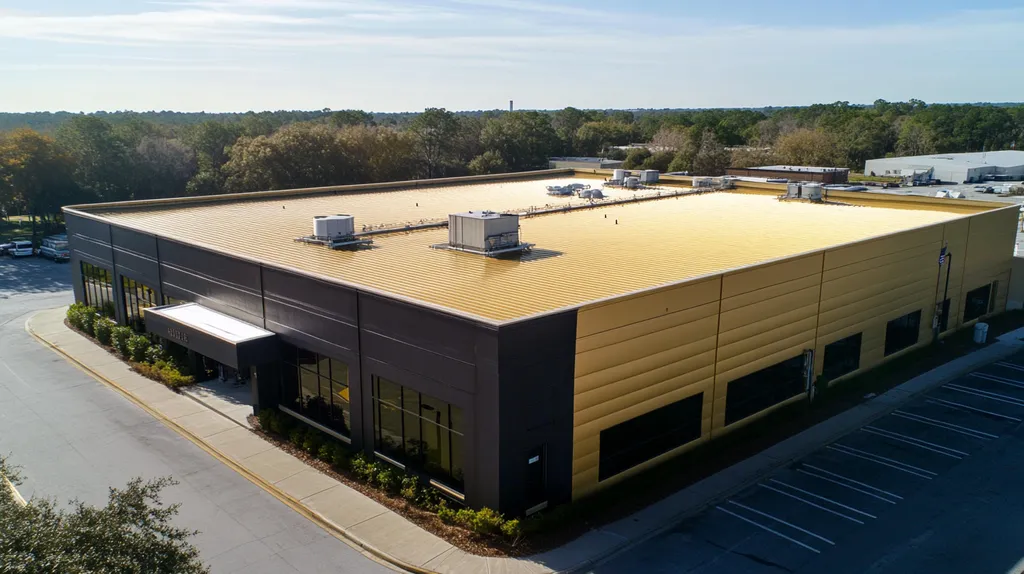
Roof coatings are versatile and effective across numerous building types. They can breathe new life into aging roofs, restoring their original beauty. For instance, applying a white reflective coating on a flat commercial roof not only enhances visual appeal but also boosts energy efficiency by reflecting sunlight.
In retail centers, a bright, clean roof creates a welcoming environment for shoppers. Similarly, logistics facilities benefit from coatings that not only provide protection but also enhance their visual appeal, making a strong impression on clients and suppliers.
Property owners often select coatings for their water-resistant and UV-protective qualities, paving the way for longer-lasting roofing materials. Properly applied coatings can help prevent leaks and lower maintenance costs while keeping the roof looking its best.
High-traffic venues, like recreational centers, also see significant advantages from durable coatings that withstand wear and tear while maintaining a polished appearance for visitors.
When You Need It Most
For property managers, recognizing the right moment to apply a coating is crucial. Roof coatings are especially needed when signs of aging appear, including discoloration, cracks, or pooling water. Waiting too long to address these issues can lead to expensive repairs or the need for a premature roof replacement.
Timing is key for effective application. Spring and fall are ideal seasons for roof coatings, as moderate temperatures help ensure proper curing and adhesion.
Additionally, if a building experiences a change in ownership or occupancy, it’s an excellent opportunity to refresh the roof’s appearance. New tenants or buyers often prioritize a visually appealing exterior, and roof coatings can significantly influence their first impressions.
For buildings situated in high-visibility areas, such as bustling city centers or tourist attractions, choosing to apply coatings can bolster a company’s brand image. An attractive roof contributes positively to the building’s professional facade and community reputation.
Interactions With Other Systems
Understanding the interplay between roof coatings and existing roofing systems is essential for successful application. Coatings can enhance the performance of materials like EPDM or TPO membranes by creating a seamless barrier that prevents moisture intrusion.
Furthermore, these coatings often possess reflective properties, reducing heat accumulation in the underlying materials. This can extend the life of the roof and lower cooling costs, resulting in substantial energy savings.
However, improper application poses risks to existing systems. It’s crucial to consult roofing professionals to ensure material compatibility and avoid problems such as peeling or bubbling.
Regular inspections after applying coatings are vital to maintain their effectiveness. Keeping an eye on any changes in the roof’s condition can help property managers identify potential issues early, ensuring that aesthetic enhancements also lead to long-term benefits.

SECTION 3: KEY TERMINOLOGY DECODED
Navigating the world of roof coatings doesn’t have to be overwhelming. However, understanding key terms is crucial for effective property management. Misinterpretations can lead to costly decisions that impact a building’s longevity and value. By decoding vital terminology, property owners and facility managers can make informed choices that enhance both the appearance and functionality of their roofs. This section will clarify essential terms, translate industry jargon, and simplify measurement units, making the roofing conversation more straightforward for everyone involved.
Essential Terms Explained
Getting familiar with essential terminology surrounding roof coatings can make all the difference. For starters, “elastomeric coatings” refer to flexible roofing materials designed to expand and contract with temperature changes. This quality is crucial for preventing cracking and peeling, which helps maintain the roof’s structural integrity.
Another important term is “reflectivity,” which measures a coating’s ability to bounce back sunlight. A coating with high reflectivity can minimize heat absorption, potentially lowering energy costs and enhancing indoor comfort—key benefits for any commercial building.
“Durability” refers to how long a coating is expected to last and its ability to withstand wear and tear from weather and environmental factors. A durable coating not only extends the roof’s lifespan but also keeps it looking fresh and appealing.
By grasping these terms, property owners can better assess different coating options, ensuring their choices cater to both aesthetic desires and practical requirements.
Industry Jargon Translated
Communication in the roofing industry often involves complex jargon that can cause confusion. For instance, “base coat” and “top coat” are terms that are frequently mixed up. The base coat acts as the foundation layer, enhancing adhesion, while the top coat serves as the final protective and aesthetic layer.
“VOC” stands for volatile organic compounds—chemicals that can be released into the air when coatings cure. Opting for low-VOC products is advisable for environmentally conscious facilities, ensuring a healthier space without sacrificing appearance.
Another common phrase is “overlapping,” which involves layering new coatings over existing ones. This method can save time and costs, but it must be applied carefully to avoid trapping moisture, which jeopardizes the integrity of the roof.
Understanding this jargon empowers property managers to communicate more effectively with contractors, ensuring the final coating solution adheres to regulatory standards while enhancing property value.
Measurement & Units Simplified
When it comes to evaluating roof coatings, specific measurements and units can seem intimidating. The term “square footage” denotes the area of the roof, which is essential for calculating how much coating material will be needed. Accurate measurement helps in budgeting and minimizes wastage.
“Mils” refers to the thickness of the coating, with one mil equal to one-thousandth of an inch. Being aware of this measurement is critical when selecting a coating that provides the necessary durability and protection.
The “solar reflectance index” (SRI) assesses how effectively a roofing surface reflects solar energy, a key factor for energy efficiency. A higher SRI means better performance and can lead to significant operational cost savings for building owners.
Simplifying these measurements empowers property owners to make informed decisions regarding performance and costs associated with roof coatings, maximizing both value and aesthetic appeal for their buildings.
SECTION 4: DECISION FACTORS
Choosing the right roof coating is not just a cosmetic decision; it can significantly affect the long-term value, performance, and lifespan of a commercial roof. With numerous factors to consider, property owners must assess costs, performance trade-offs, and durability. According to industry studies, selecting the appropriate coating can enhance aesthetic appeal, boost energy efficiency, and prolong roof life. Aligning these factors with the building’s overall maintenance strategy is essential for making a smart, informed decision.
Cost Considerations
Cost often tops the list of concerns for property owners evaluating roof coatings. While a premium coating might require a larger upfront investment, it could offer long-term perks, like significant energy savings and a longer-lasting roof. For instance, although a basic acrylic coating appears budget-friendly, investing in a silicone coating may yield superior durability and energy efficiency over time.
It’s important for property owners to consider the total cost of ownership, which includes application fees, maintenance, and potential energy savings. The least expensive option now may introduce higher costs later due to frequent repairs or premature replacements. Conducting a lifecycle cost analysis equips owners to navigate these financial decisions better.
Moreover, partnering with a reputable contractor can affect overall costs. While experienced contractors might charge more upfront, they are likely to deliver quality work that extends the life of the coating. This foresight could save property owners from financial pitfalls, highlighting the importance of meticulous selection.
In the end, a solid understanding of cost-related implications enables facility managers to choose coatings that deliver value beyond aesthetics, making careful evaluation crucial for optimal decision-making.
Performance Trade-offs
Performance is paramount when selecting a roof coating, as it directly impacts the functionality of the building. Different coatings offer various advantages, such as resistance to UV rays or waterproofing properties, while others may be known for their flexibility and bonding strengths. For example, a reflective coating can dramatically lower cooling costs, particularly beneficial in warmer climates.
However, these advantages can come with trade-offs. A coating that excels in reflectivity may require more maintenance to keep its appearance intact, potentially increasing long-term costs. On the flip side, opting for a low-maintenance solution might compromise energy efficiency, affecting overall building performance.
It’s essential for property owners to weigh these trade-offs against their specific goals, whether that’s cutting operational costs or enhancing aesthetics. Each option presents its own set of advantages and drawbacks that need to match the facility’s operational needs.
Additionally, environmental factors in the region should be taken into account, as certain coatings may perform better in specific climates. By customizing the choice based on these unique characteristics, property owners can mitigate performance risks and enhance overall effectiveness.
Lifespan & Durability Factors
The lifespan and durability of roof coatings are critical elements in making an informed choice. Different coatings greatly vary in longevity and their ability to withstand environmental challenges. For instance, silicone coatings are often celebrated for their long life, frequently exceeding 15 years under optimal conditions.
In contrast, some acrylic coatings may necessitate more frequent reapplications, which can lead to increased long-term costs. The durability of a coating also plays a major role in determining how often maintenance issues arise—ranging from minor repairs to extensive overhauls—factors that can influence convenience and budget.
Moreover, the choice of coating material significantly affects resilience against severe weather, such as heavy rain or hail. Elastomeric coatings are particularly notable for their flexibility, enabling them to adapt to temperature fluctuations without cracking.
Investing in a durable coating not only enhances the property’s value but also increases the marketability of the building. To make a savvy investment in commercial roofing, property owners must prioritize durability alongside aesthetics and performance.
SECTION 5: COMMON CHALLENGES
While the idea of applying a roof coating seems straightforward, various hurdles can disrupt the process and lead to issues like costly repairs and declining property value. Neglecting these challenges can have long-term consequences for commercial property owners. It’s crucial to recognize common problems, their solutions, warning signs to watch for, and effective preventative measures to ensure a successful roof coating application.
Frequent Problems & Solutions
One of the most prevalent challenges is insufficient surface preparation before applying the coating. If the roof isn’t thoroughly cleaned or shows defects, the coating won’t stick properly. To solve this, a complete inspection and cleaning are essential before any coating is applied.
Moisture entrapment is another issue that often arises. If coatings are applied during high humidity, it can lead to peeling and blisters as the moisture seeks to escape. Therefore, it’s important to apply coatings only when the weather forecast predicts dry, stable conditions.
Using an incompatible coating type is also a significant risk. Property owners should always consult with roofing professionals to confirm that the chosen coating will work effectively with the existing roofing material.
Finally, uneven application can lead to aesthetic and protective issues. Hiring experienced professionals ensures that coatings are applied evenly, providing optimal performance and appearance while avoiding long-term problems.
Warning Signs To Watch For
Detecting potential problems early is essential for maintaining the roof’s function and appearance. One noticeable warning sign is discoloration or fading in certain areas, which can indicate that the coating is starting to fail. This requires immediate inspection to catch issues before they worsen.
Bubbling or blistering on the surface is another critical warning sign. These formations can lead to moisture retention, causing more severe damage if not addressed swiftly. Early detection often means simpler, more cost-effective repairs.
Be vigilant for cracks or peeling at seams and edges. These areas are prone to water infiltration, which can undermine the roof’s integrity and lead to costly repairs down the line. Regular inspections help identify these issues before they escalate.
Finally, if you notice dirt accumulation or biological growth such as mold, it may signal that the coating is losing its effectiveness. Keeping up with regular cleaning and maintenance is vital to ensure the coating continues to do its job.
Preventative Approaches
Proactive maintenance is key to extending the life of a roof coating. Property owners should schedule regular inspections at least twice a year to catch early signs of wear. This approach allows them to intervene before minor issues turn into major, costly problems.
Additionally, establishing a routine cleaning regimen is crucial for maintaining both the coating’s appearance and functionality. Regularly removing debris and biological growth contributes to the roof’s long-term aesthetic appeal.
Investing in high-quality materials specifically designed for commercial roofs can make a significant difference. Quality products help prevent premature failures and save money on future maintenance and repairs.
Lastly, partnering with a qualified roofing contractor ensures that every step, from material selection to application, follows industry best practices. This collaboration helps mitigate many challenges, enhancing the overall effectiveness of the roof coating project.
SECTION 6: NEXT STEPS & RESOURCES
Understanding roof coatings is crucial for property owners looking to boost their building’s value and efficiency. With nearly 70% of commercial roofs requiring some form of upkeep each year, making informed choices is vital. Knowing the right questions to ask, adhering to industry standards, and leveraging available resources can simplify this decision-making process. This section provides key actions that property owners should take next.
Questions To Ask Providers
When exploring roof coating solutions with potential providers, asking targeted questions can reveal essential insights. Start by inquiring about their experience with similar roofing projects. A reliable contractor should be able to share references showcasing their successful work and expertise.
Next, ask about the specific types of coatings they recommend and the unique benefits each offers. For instance, some coatings prioritize UV reflection, which can lower energy expenses, while others enhance weather resistance.
Don’t forget to discuss warranty options. A reputable contractor will clearly outline both material and labor warranties, providing peace of mind for the long term.
Finally, request an estimate that includes detailed cost breakdowns and projected maintenance needs for the coating. This transparency allows for well-informed decisions moving forward.
Industry Standards & Guidelines
Following industry standards is essential to ensure optimal results when applying roof coatings. Organizations like the National Roofing Contractors Association (NRCA) provide valuable guidelines on best practices for the selection and application of coatings.
These guidelines help guarantee that coatings are applied under the right conditions, which is vital for durability and adhesion. Key factors such as temperature and humidity during application are clearly outlined.
Additionally, certifications from entities like ASTM International lend credibility to roofing products, confirming they meet rigorous testing standards.
Staying abreast of the latest industry advancements is also important. Regularly consulting industry publications and certification bodies keeps property owners informed about emerging best practices and new materials that could benefit their roofs.
Further Learning Simplified
Property owners who wish to expand their knowledge about roof coatings have a wealth of resources available. Online platforms that feature webinars and instructional videos allow individuals to learn conveniently and at their own pace. Many manufacturers also produce comprehensive product information and installation guides.
Attending industry trade shows is another effective way to discover the latest coatings and technologies while networking with professionals and manufacturers.
Consider participating in workshops or seminars hosted by industry organizations. These programs often delve into advanced topics like sustainability and cost-saving strategies associated with roof coatings.
Lastly, don’t hesitate to consult professional roof inspectors for tailored recommendations based on individual building needs. Their expertise can clarify complex information and support informed decision-making.
The Bottom Line
With commercial property values increasingly tied to aesthetic appeal, roof coatings represent a critical investment that can boost market value by 5-10% while extending roof life.
The data is clear: buildings with well-maintained, visually appealing roofs command higher rents, attract better tenants, and sell faster than comparable properties with aging roofing systems.
Property owners who overlook the transformative power of modern coating solutions risk leaving significant value on the table in today’s competitive real estate environment.
By understanding coating options, following application best practices, and maintaining regular inspections, facility managers can maximize both the aesthetic appeal and functional performance of their commercial roofs for years to come.
The choice is clear: invest in your roof’s appearance today, or pay the price in reduced property value tomorrow.
FREQUENTLY ASKED QUESTIONS
Q. What is a commercial roof coating?
A. A commercial roof coating is a protective layer that enhances both the appearance and performance of a roof. These coatings can cover various materials, like metal and asphalt, and come in multiple colors. They rejuvenate aging roofs while shielding them from environmental damage, improving aesthetics and functionality at the same time.
Q. When is it best to apply coatings to an industrial roof?
A. The ideal times to apply coatings are during spring and fall when temperatures are stable. This helps ensure proper adhesion and curing. Look for signs of wear, like discoloration or cracking, as these indicate the right moment for renewal, especially when preparing for new occupants or enhancing visibility in high-traffic areas.
Q. What are the essential terms for understanding commercial roof coatings?
A. Key terms include “elastomeric coatings” which offer flexibility, “reflectivity” measuring sunlight bounce-back, and “durability” denoting the coating’s lifespan. Understanding these concepts helps property owners make informed decisions about selecting coatings that will meet both aesthetic and functional needs for their roofs.
Q. What factors should I consider when choosing a commercial roof coating?
A. Consider the cost, performance trade-offs, and the expected lifespan of different coatings. A more durable option may require a higher upfront cost but could save money over time through reduced maintenance and energy efficiency. Evaluate coatings based on your building’s specific needs and the environment to ensure long-term benefits.
Q. What common challenges do I face when applying roof coatings?
A. Common challenges include insufficient surface preparation, moisture entrapped during application, and uneven coating layers. These issues can lead to problems like peeling and blisters. Planning proper maintenance and choosing weather-considerate application times are essential for avoiding these pitfalls and ensuring a successful coat.
Q. What questions should I ask roof coating providers?
A. Ask about their experience with similar projects and what specific types of coatings they recommend. Inquire about warranty options covering materials and workmanship, and request a detailed estimate, including ongoing maintenance costs. These questions help you gauge their expertise and ensure informed decision-making.
Q. How do I maintain my commercial roof coating?
A. Regular maintenance involves scheduling inspections at least twice a year to catch early signs of wear. Keeping the roof clean and free of debris is essential. If issues like discoloration or bubbling arise, addressing them promptly can extend the coating’s life and maintain its appearance, ensuring ongoing performance.






