
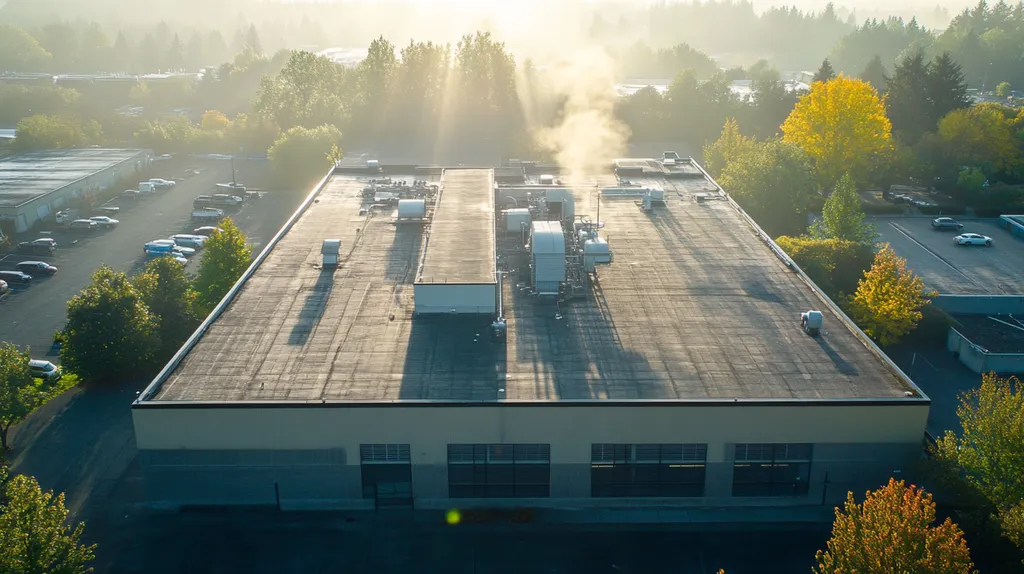
Industrial facilities lose up to 40% of their heating and cooling energy through poorly designed roofs, resulting in millions in wasted operational costs annually. The combination of reflectivity and insulation has emerged as a critical factor in managing these losses.
As energy costs continue to rise, facility managers face mounting pressure to optimize their roofing systems for maximum efficiency. Recent studies show that proper reflectivity alone can reduce cooling costs by up to 30%.
This comprehensive guide examines the vital interplay between roof reflectivity and insulation requirements, offering actionable solutions for industrial property owners seeking to enhance energy efficiency and reduce operational expenses.
SECTION 1: PERFORMANCE FACTORS
In the world of industrial roofing, the choices made can drastically influence a facility’s operational efficiency and environmental footprint. Data indicates that roofs lacking proper design can lead to energy costs soaring by as much as 30%. Thus, grasping the nuances of roof reflectivity and insulation requirements is essential for maximizing energy efficiency and adhering to performance standards. This section explores how reflectivity impacts energy use, the essential role of insulation, and the considerations posed by varying climate zones.
Impact of Roof Reflectivity on Energy Savings
Roof reflectivity is vital for controlling a building’s interior temperature, particularly during the hot summer months. High-reflectivity roofs, also known as “cool roofs,” reflect sunlight and heat, effectively reducing cooling costs. For example, a reflective roof can lower surface temperatures by as much as 30%. This benefit not only leads to energy savings but also extends the lifespan of the roof by reducing thermal stress.
Additionally, buildings with cool roofs contribute to mitigating urban heat islands, fostering a more sustainable environment. The U.S. Department of Energy estimates potential national savings surpassing $1 billion annually if reflective roofing were widespread. Hence, for industrial facility managers, prioritizing the use of high-reflectivity materials is essential.
In making thoughtful decisions about roofing materials with higher reflectivity, property owners can enhance their financial outcomes. Increased energy efficiency translates to reduced electricity costs while aligning with broader sustainability goals and lowering greenhouse gas emissions. Ultimately, investing in scalable reflectivity options is crucial for contemporary roofing strategies.
Key Action Items
Role of Insulation in Thermal Efficiency
Insulation is crucial for maximizing a roof’s thermal performance. Effective insulation inhibits heat transfer, which can lead to significant reductions in heating and cooling costs. In fact, a well-insulated roof can save a facility nearly 40% on energy expenses during peak seasons.
Furthermore, proper insulation enhances the overall comfort within a facility by maintaining consistent indoor temperatures, positively impacting employee productivity. Compliance with energy codes, often mandating specific insulation values, is also a critical consideration for industrial facilities, assisting in the management of operational expenses.
Additionally, robust insulation contributes to the longevity of HVAC systems. By easing the workload on heating and cooling units, facilities can avoid expensive repairs and untimely replacements. The long-term financial benefits from investing in quality insulation practices far exceed initial costs, thus a strategic insulation approach is indispensable for economic success.
Key Action Items
Climate Zone Considerations for Roof Performance
Selecting the appropriate roofing solution hinges on understanding climate zone characteristics, as roof performance can vary drastically with local weather conditions. The choice between reflectivity and insulation becomes paramount, especially when factoring in the specific needs of hotter and cooler regions.
In hotter climates, reflective roofs play a crucial role in cooling, whereas darker roofs might be advantageous in cooler areas by absorbing warmth. Additional variables, such as humidity levels, snowfall, and extreme temperature variations, must also be factored into the decision-making process. For instance, in regions prone to heavy snowfall, added insulation is necessary to prevent ice dams that can cause significant damage.
It’s essential to anticipate how shifting climate trends, such as increased storm intensity, might affect roofing choices. Opting for materials that can adapt to environmental changes is vital for ensuring durability and operational effectiveness. A well-rounded understanding of these regional factors will empower property owners to make informed decisions regarding both roof reflectivity and insulation.
Key Action Items
SECTION 2: FINANCIAL CONSIDERATIONS
Investing wisely in roofing solutions is paramount for industrial facilities. As energy costs climb, the financial repercussions of insufficient insulation and reflectivity become more pronounced. The U.S. Department of Energy highlights that buildings account for 40% of energy consumption, making effective roofing a cornerstone of operational efficiency. This section delves into the critical balance between initial costs and long-term savings, explores energy cost reductions achieved through reflective roofs, and examines the return on investment (ROI) for insulation and reflectivity upgrades.
Initial Cost vs. Long-Term Savings
Property owners often gravitate toward options with lower upfront costs, but this can be a costly mistake. Initial savings may be enticing, but they can mask the larger long-term energy expenditures that follow. Investing in durable, quality materials and better insulation can mitigate heat loss or gain, leading to remarkable savings on energy bills.
For instance, a facility spending $30,000 on a budget roofing solution might see immediate financial relief. However, in ten years, escalating energy expenses could push total spending to over $50,000. This example underscores the importance of considering the entire lifespan of roofing investments.
Careful evaluation of long-term financial impacts is vital. Although a reflective and well-insulated roof may demand a larger initial investment, the payoff typically comes in the form of decreased energy consumption and reduced costs over time. Conducting a thorough cost-benefit analysis can reveal the hidden expenses associated with less effective roofing solutions.
Key Action Items
Energy Cost Reduction Through Reflective Roofs
Reflective roofs are becoming increasingly popular in industrial settings due to their impressive capacity to lower cooling costs. By reflecting solar radiation, these roofs can keep buildings cooler and drastically reduce the energy needed for air conditioning. Facilities can expect cooling savings between 10% and 30% when they implement reflective roofing solutions.
This is particularly significant in urban settings, where reflective roofs can greatly alleviate the urban heat island effect. Dark roofs in cities absorb heat, resulting in heightened temperatures and increased cooling demands. Transitioning to reflective roofing materials can not only decrease energy expenditures but also reduce the strain on local power grids during peak usage times.
Encouragingly, many local governments provide incentives or rebates for adopting energy-efficient roofs. These financial programs can substantially reduce the initial investment for reflective roofing, enhancing its appeal for facility managers.
Key Action Items
ROI Analysis for Insulation and Reflectivity Upgrades
Conducting a thorough return on investment (ROI) analysis is essential when contemplating insulation and reflectivity upgrades. Property owners should assess both quantitative factors, like reduced energy costs, and qualitative benefits, such as increased property value and available incentives. This balanced approach paints a comprehensive picture of financial upsides.
For example, a facility that invests in a well-insulated, reflective roof might recover its costs within five to seven years through savings on energy bills and decreased maintenance requirements. Enhanced insulation can also extend the lifespan of roofing systems, ultimately minimizing replacement costs.
Benchmarking against similar facilities can further strengthen the ROI analysis. Real-world examples demonstrate how insulation and reflectivity improvements have yielded financial benefits, providing compelling data for decision-makers.
Key Action Items
SECTION 3: COMPLIANCE REQUIREMENTS
In today’s industrial landscape, understanding compliance requirements for roofing is not just a legal obligation, but a critical strategy for operational success. Failing to meet these regulations can lead to severe penalties and interruptions in daily operations. For example, facilities that exceed energy consumption limits can face hefty fines along with rising operational costs. This section highlights essential compliance aspects, including ASHRAE standards, local building codes, and green building certifications, each pivotal for ensuring energy efficiency and sustainability.
ASHRAE Standards and IECC Codes
The American Society of Heating, Refrigerating and Air-Conditioning Engineers (ASHRAE) and the International Energy Conservation Code (IECC) provide essential benchmarks for energy efficiency. These standards are designed to minimize energy use while enhancing indoor air quality. Specifically for industrial roofs, ASHRAE outlines minimum insulation values and necessary reflectivity measures aimed at significantly reducing energy costs.
Compliance with these standards is a strategic advantage, preventing costly penalties and promoting long-term savings. For instance, roofs that fail to comply in hot climates could incur heightened cooling costs, directly impacting a facility’s financial performance. In contrast, those that meet the standards can markedly improve their energy performance.
Facilities must also be aware of local interpretations of these standards, as some jurisdictions impose stricter rules than national guidelines. Therefore, engaging with local authorities is crucial for aligning with both ASHRAE and IECC directives, ensuring optimal energy performance that aligns with broader sustainability goals.
Key Action Items
Local Building Codes and Regulations
Local building codes are pivotal in ensuring both safety and structural integrity across varied regions. These regulations often reflect specific climate conditions and local construction practices, which can dictate particular roofing materials or designs aimed at enhancing resilience to weather-related challenges.
Maintaining compliance with local codes not only avoids fines but also minimizes the risks associated with roofing failures. Neglecting these regulations can lead to expensive repairs and operational delays, significantly undermining a facility’s productivity.
To stay compliant, facility managers should regularly consult local building departments for updates on code requirements. This proactive approach not only ensures adherence to local laws but also provides practical insights into best practices prevailing within the community.
Key Action Items
Green Building Certifications and Standards
Green building certifications, such as LEED and Green Globes, carry significant weight in the modern marketplace, promoting sustainable practices and energy-efficient roofing solutions. For instance, roofs that exceed the minimum reflectivity standards can dramatically boost a facility’s sustainability score.
Achieving these certifications not only enhances a property’s marketability but also attracts environmentally conscious tenants or clients. Moreover, properties that boast green certifications generally enjoy lower energy consumption, resulting in decreased operational costs that enhance profitability over time.
Facilities aiming for green certifications should assess their roofing systems to ensure compliance with the required standards for reflectivity and insulation. Investing in compliant roofs not only improves market positioning but also reflects a commitment to corporate social responsibility and sustainable development.
Key Action Items
SECTION 4: RISK MANAGEMENT
Effective risk management in industrial roofing is essential to prevent costly failures. With over 40% of energy loss in commercial buildings linked to inadequate roof insulation, facility managers must actively focus on reflective materials and proper insulation strategies. By proactively addressing heat damage, moisture control, and fire safety, facilities can significantly reduce costs and improve operational efficiency. These measures protect not only the roof but the entire facility’s assets.
Mitigating Heat-Related Damage
Heat-related damage presents a serious risk to industrial roofs. Excessive temperatures can weaken materials, leading to cracks and leaks. Roofs with poor reflective properties absorb heat, raising interior temperatures and increasing energy expenses.
Utilizing reflective roofing materials offers a way to diminish heat absorption. For instance, a white membrane can reduce roof temperatures by up to 30 degrees Fahrenheit. This not only prolongs the roof’s life but also enhances energy efficiency.
Integrating effective ventilation systems is another proactive strategy. By allowing warm air to escape, these systems can help mitigate thermal expansion, a common issue that can lead to roof damage.
Key Action Items
Managing Moisture and Water Intrusion
Moisture intrusion is a critical risk for industrial roofs. Standing water can lead to leaks, mold growth, and structural weakening. Roofs without proper drainage systems face increased repair costs and disruptions to operations.
Incorporating moisture-resistant insulation materials, like closed-cell foam, is crucial for minimizing the risk of water intrusion. This helps maintain consistent interior temperatures and safeguards against leaks.
Regular inspections are essential for detecting vulnerable points. Facility managers should check for compromised seams and flashings, addressing issues quickly to prevent larger problems later.
Key Action Items
Ensuring Fire Resistance and Safety
Fire safety is a paramount concern for industrial facilities, particularly in industries with high ignition risks. Conventional roofing materials may lack sufficient fire resistance, elevating the stakes during an emergency.
Selecting fire-resistant roofing options is key to protecting facilities. Materials such as modified bitumen and metal roofs can withstand higher temperatures and help slow down fire spread. This investment enhances safety and protects lives and property.
Compliance with local fire codes and regulations is also essential. Conducting regular fire safety audits ensures that roofing systems meet necessary safety standards, significantly reducing the risk of fire-related incidents.
Key Action Items
SECTION 5: OPERATIONAL PROCEDURES
Effective roof management in industrial facilities is more critical than ever. With close to 20% of a building’s energy consumption attributed to inefficient roofing systems, optimizing installation practices for insulation, maintaining reflective surfaces, and establishing robust inspection protocols can lead to significant energy savings and improved roof lifespan. This section details essential operational procedures that can enhance roofing outcomes for facility managers and property owners.
Installation Best Practices for Insulation
Proper installation of insulation is key to ensuring energy efficiency in industrial roofs. Following manufacturer guidelines is essential to achieve the specific R-value needed for optimal thermal resistance. A common mistake of inadequate coverage can create thermal bridges, resulting in energy loss and discomfort for occupants.
The choice of insulation material also matters significantly. For instance, opting for rigid foam boards offers better R-values than traditional fiberglass batts. Enhanced durability from high-density insulation materials reduces the frequency of necessary replacements.
Moreover, vapor barriers are vital in preventing moisture accumulation, which can lead to mold growth and structural damage. Correct installation of these barriers during the insulation process is necessary for long-term performance. Finally, securing insulation properly will help resist wind uplift and extend its effectiveness.
Key Action Items
Maintenance Tips for Reflective Roofs
Maintaining roof reflectivity is critical for cost-effective energy management and protecting underlying materials. Even a thin layer of dirt can reduce a roof’s reflectivity by up to 50%, significantly increasing cooling costs. Regular cleaning of surfaces to keep them free from debris, moss, and contaminants is necessary.
Routine inspections should identify any failures in reflective coatings. If coatings show signs of wear or discoloration, they may require reapplication to restore efficiency. Property managers should also schedule professional cleaning at least once a year to tackle stubborn stains.
Additionally, regular checks on rooftop equipment are crucial, as leaks from systems like HVAC can damage reflective surfaces. Ensuring proper functioning of this equipment keeps the roofs reflective and minimizes future maintenance costs. A proactive maintenance approach can significantly enhance roof durability and reduce repair expenses.
Key Action Items
Inspection Protocols for Roof Integrity
Establishing comprehensive inspection protocols is crucial for catching roof issues early. Regular inspections, ideally conducted twice a year, enable the timely identification of wear, leaks, or structural weaknesses. A thorough inspection checklist should include seams, penetrations, and flashing integrity evaluations.
Incorporating drone technology for roof inspections enhances safety while providing detailed assessments without the risks associated with rooftop access. Drones can capture high-resolution images, making it easier to pinpoint areas needing repairs or maintenance.
Documenting inspection findings is essential for maintaining a clear history of roof health. This documentation supports future maintenance decisions and warranty claims. Moreover, employing a qualified roofing contractor for detailed evaluations can provide facility managers with an accurate understanding of the roof’s condition, guiding informed upgrade or replacement decisions.
Key Action Items
SECTION 5: OPERATIONAL PROCEDURES
Effective roof management in industrial facilities is more crucial than ever. With nearly 20% of a building’s energy consumption attributed to inefficient roofing systems, optimizing insulation installation, maintaining reflective surfaces, and implementing robust inspection protocols can significantly reduce energy costs and extend roof lifespan. This section outlines essential operational procedures that can greatly enhance roofing outcomes for property owners and facility managers.
Installation Best Practices for Insulation
Proper insulation installation is fundamental for maximizing energy efficiency in industrial roofs. Adhering to manufacturer guidelines is essential for achieving the necessary R-value, which measures thermal resistance. A common oversight is failing to cover all areas; uninsulated spots can result in thermal bridges, leading to energy loss and discomfort.
Choosing the right insulation material also plays a pivotal role. For instance, rigid foam boards provide superior R-values compared to traditional fiberglass batts. Utilizing high-density insulation materials ensures better durability, minimizing the frequency of replacements.
Vapor barriers are critical in preventing moisture buildup that can cause mold and structural issues. Installing these barriers correctly during the insulation process is necessary for long-term effectiveness.
Lastly, securing insulation adequately helps it withstand wind uplift and atmospheric pressures, ensuring continued effectiveness and contributing to overall energy efficiency.
Key Action Items
Maintenance Tips for Reflective Roofs
Maintaining roof reflectivity is vital for energy savings and protecting underlying materials. Even a thin layer of dirt can cut a roof’s reflectivity by up to 50%, leading to significantly higher cooling costs. Regular cleaning is essential to keep surfaces free of debris, moss, and other pollutants.
Routine inspections should focus on identifying issues with reflective coatings. If coatings start to wear or discolor, they may need reapplication to restore efficiency. Property managers should schedule annual professional cleanings to remove stubborn stains.
It’s also important to conduct regular maintenance on rooftop equipment. Systems like HVAC can leak substances that stain reflective surfaces, decreasing their efficiency. Ensuring proper functioning of this equipment preserves reflectivity and minimizes maintenance costs.
A proactive maintenance approach not only optimizes performance but also extends the roof’s lifespan, reducing potential repair expenses over time. Structured maintenance routines empower facility managers to ensure long-term roof integrity.
Key Action Items
Inspection Protocols for Roof Integrity
Establishing thorough inspection protocols is critical for identifying potential roof issues before they escalate. Regular inspections, ideally conducted every six months, facilitate early detection of wear, leaks, or structural integrity problems. An effective inspection checklist should cover seams, penetrations, and flashing for signs of damage.
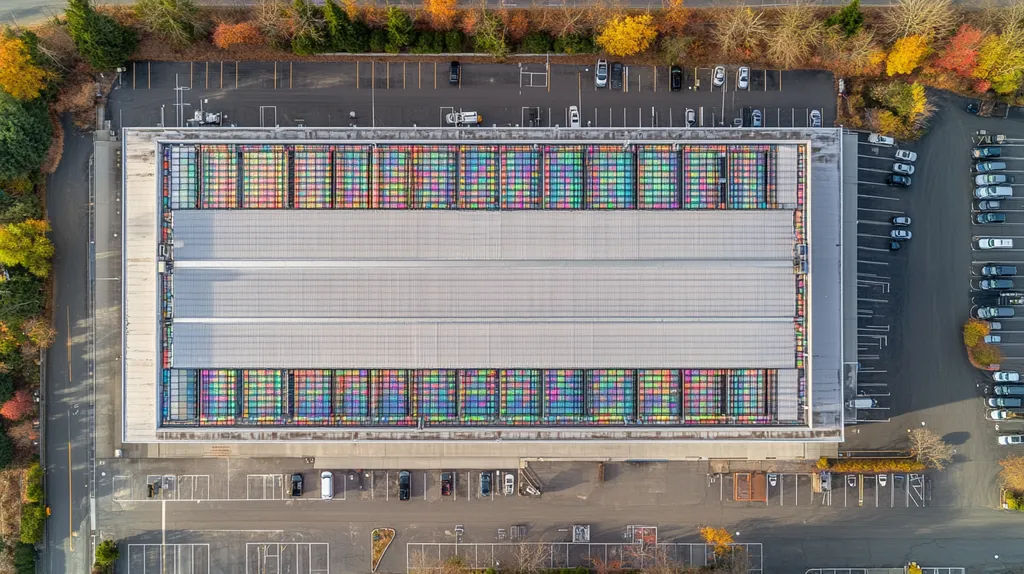
Aerial drone technology is becoming an invaluable tool for roof inspections, allowing thorough assessments while avoiding risks associated with accessing rooftops. Drones can swiftly capture high-resolution images, pinpointing areas needing repair or maintenance.
Documenting inspection findings is equally important. Keeping comprehensive records of findings and actions taken creates a timeline of roof health, assisting with future maintenance decisions and warranty claims. Engaging a qualified roofing contractor for detailed evaluations offers facility managers valuable insights into the roof’s condition.
Key Action Items
Looking Ahead
As industrial facilities face mounting energy costs, with some losing up to 40% of heating and cooling through inefficient roofs, the strategic management of reflectivity and insulation has become mission-critical.
The evolution from traditional built-up roofing to advanced synthetic systems marks a transformative shift in industrial roofing technology, yet many facilities still operate with outdated specifications.
Today’s data confirms that proper reflectivity alone can reduce cooling costs by up to 30%, while adequate insulation can decrease total energy expenses by nearly 40%.
As energy codes grow stricter and sustainability becomes paramount, facility managers who fail to optimize these crucial roofing elements risk significant financial and operational consequences.
The future of industrial roofing lies in the thoughtful integration of reflective materials and advanced insulation systems, supported by rigorous maintenance protocols and compliance standards.
FREQUENTLY ASKED QUESTIONS
Q. How does reflectivity impact cooling costs for a commercial roof?
A. Roof reflectivity plays a pivotal role in regulating interior temperatures. High-reflectivity roofs, known as cool roofs, reflect sunlight, thereby minimizing cooling costs significantly. This can lead to energy bill reductions of up to 30%, ultimately enhancing both savings and roof longevity.
Q. What financial benefits come from upgrading insulation in an industrial roof?
A. Upgrading insulation can lead to substantial long-term savings on energy costs. Good insulation reduces heat transfer, saving a facility nearly 40% during peak seasons. This investment not only lowers expenses but also prolongs the life of HVAC systems and minimizes maintenance needs.
Q. What are ASHRAE standards for industrial roofs?
A. ASHRAE standards set benchmarks for energy efficiency in buildings, including minimum insulation and reflectivity requirements for industrial roofs. Compliance helps reduce energy costs and avoids penalties. Engaging with local authorities ensures adherence to these and potentially stricter regional mandates.
Q. How can a reflective roof contribute to urban sustainability?
A. Reflective roofs help cool down urban areas by reflecting solar radiation, mitigating the urban heat island effect. By lowering surrounding temperatures, they reduce energy consumption for cooling and can lower the overall demand on local power grids during peak periods.
Q. How do moisture issues affect the performance of an industrial roof?
A. Moisture intrusion can lead to significant problems, including leaks and mold growth that compromise structural integrity. Without proper drainage and moisture-resistant insulation, standing water can escalate repair costs and disrupt operations. Regular maintenance helps identify vulnerabilities to prevent further damage.
Q. What should be included in roofing inspection protocols?
A. Comprehensive inspection protocols should cover seams, penetrations, and flashing for damage. Utilizing drone technology can enhance safety and provide accurate assessments. Documenting findings and engaging qualified contractors for periodic evaluations ensures timely identification of issues, optimizing long-term roof performance.
Q. What is the impact of climate zones on industrial roof performance?
A. Climate zones significantly influence roofing requirements, dictating insulation and reflectivity needs. Hotter regions benefit from reflective roofs that lower cooling needs, while colder areas may require darker roofs for warmth absorption. Understanding these factors enables informed decisions for optimal roof performance and longevity.






