

Industrial roofing failures cost businesses over $2.5 billion annually, with 80% of these catastrophic events linked directly to poor substrate material choices.
From moisture infiltration to structural collapse, the consequences of outdated substrate practices threaten worker safety, operational continuity, and the financial health of industrial facilities across North America.
This analysis examines how conventional substrate materials and installation methods fall dangerously short of modern industrial needs, while highlighting innovative alternatives that can dramatically improve roof performance, sustainability, and long-term cost efficiency.
SECTION 1: CURRENT PRACTICES
The choice of substrate materials in industrial roofing is crucial for long-term success. Approximately 80% of roofing failures are linked to unsuitable substrate choices, leading to costly repairs, operational setbacks, and potential safety hazards. This section will explore the commonly used substrate materials, current installation methods, and maintenance practices that define the industry today.
Commonly Used Substrate Materials
Currently, the industry relies on several substrate materials, such as concrete, metal, and wood fiberboard. These options have earned their status due to cost-effectiveness and widespread availability. Yet, many of these traditional materials overlook crucial factors like long-term durability and environmental resilience.
Concrete is a popular choice for its strength; however, it risks cracking over time without proper management. Metal substrates are celebrated for their toughness but can face thermal expansion challenges without sufficient insulation. Wood fiberboard, while effective for insulation, is susceptible to moisture and pest damage.
As the operational demands on industrial roofs evolve, the shortcomings of these conventional materials become increasingly evident. Stakeholders now find it necessary to consider innovative alternatives that offer greater longevity and efficiency.
Emerging materials, such as reinforced polyisocyanurate and thermoplastic options, demonstrate superior thermal resistance and moisture protection. Transitioning to these advanced solutions may significantly reduce the vulnerabilities associated with traditional substrates.
Installation Methods and Standards
The methods of installation and adherence to industry standards significantly impact roofing system performance. Many common practices prioritize expediency and cost savings over quality, which can lead to major structural issues down the road.
Current installation techniques often involve mechanically fastening or adhering the substrate to the roof deck. Unfortunately, this approach frequently results in subpar seals and inadequate adhesion, compromising the effectiveness of the roofing system.
Additionally, compliance with established industry standards varies significantly, as many installation teams lack comprehensive training. This oversight can decrease a roof’s lifespan and increase the need for repairs.
To enhance installation outcomes, property owners should invest time in hiring skilled professionals who are well-versed in the complexities of substrate installation. Emphasizing quality over speed will be crucial in transforming industry norms and improving the reliability of roofing systems.
Maintenance and Repair Practices
Maintenance and repair tend to be neglected aspects of industrial roofing, which can have dire consequences. Many property owners take a reactive approach, addressing issues only after they arise, resulting in costly repairs and inefficiencies.
Standard maintenance practices often include routine inspections and simple fixes. However, these measures frequently overlook deeper substrate problems that could threaten the entire roofing system’s integrity.
The absence of a structured maintenance plan not only heightens safety risks but also leads to unexpected operational disruptions. Facilities managers are urged to adopt a more proactive stance, focusing on substrate integrity and the overall health of their roofs.
Integrating advanced monitoring technologies can help identify potential issues before they escalate. By committing to a comprehensive maintenance strategy, property owners can significantly extend the lifespan of their roofs and ultimately reduce costs (source: Progressive Materials).
SECTION 2: SYSTEMIC ISSUES
Selecting the right substrate materials for industrial roofing is a decision that can have serious consequences. Alarmingly, over half of all commercial roofs experience significant moisture-related problems within the first ten years after installation. Property owners face critical challenges such as moisture infiltration, structural integrity, and environmental risks. By addressing these systemic issues proactively, they can ultimately save significant time and resources.
Moisture Infiltration and Damage
Moisture infiltration is a persistent and dangerous threat to industrial roofs. When substrate materials are poorly selected or inadequately installed, moisture can seep into the roofing system. This can trigger mold growth, promote rust, and degrade insulation, all of which significantly shorten the lifespan of the roof.
Many traditional roofing materials fail to provide a reliable barrier against water, leading to leaks that compromise the entire structure. The expense of dealing with water damage usually far outweighs any initial savings achieved by opting for cheaper or outdated materials.
Once moisture becomes trapped, it can create a cascade of failures that compound problems and escalate repair costs. Additionally, inefficient insulation can lead to skyrocketing energy bills. To reduce these vulnerabilities, property owners should prioritize moisture-resistant substrates capable of withstanding extreme weather and fluctuations in temperature.
Making informed choices, such as integrating protective barriers like moisture or vapor barriers, can play a pivotal role in enhancing the durability of roofing systems (source: MBCI).
Structural Integrity and Load Capacity
The structural integrity of an industrial roof is closely tied to the choice of substrate. Many building managers often overlook their roofs’ load capacity requirements, risking catastrophic failures. A substrate that cannot handle environmental stress can buckle under weight, endangering both safety and property.
For example, heavy snowfall or debris accumulation can place undue stress on inadequately designed roofs. This not only threatens the stability of the structure but also poses risks for personnel working in or around the area. Opting for suitable materials can help owners protect their investments and their workforce.
Interestingly, some prevailing practices recommend lighter materials that may not be equipped to manage industrial demands. While heavier substrates may entail a higher initial cost, they also contribute to enhanced safety and durability. Adhering to load capacity standards is paramount to prevent future liabilities.
Investing in robust materials can fortify a business against unforeseen structural issues, safeguarding both financial and human resources.
Environmental and Fire Risks
Environmental and fire risks are crucial facets of industrial roofing that are often minimized yet bear severe consequences. Many conventional roofing substrates consist of materials that are not only flammable but could also harm the environment. Such substrates pose heightened hazards, particularly in facilities that store or utilize combustible substances.
For instance, certain materials may release harmful emissions when exposed to extreme heat, creating air quality concerns within and around the facility. This jeopardizes employee health and may lead to regulatory penalties for non-compliance with safety standards.
As industries strive for sustainability, opting for environmentally friendly roofing materials is essential. This approach not only mitigates safety risks but also aligns with broader corporate social responsibility initiatives.
Though sustainable substrates may entail higher upfront costs, the long-term advantages in safety and compliance far outweigh initial expenses. By being vigilant about environmental and fire risks, property owners can select substrates that prioritize the welfare of workers and the planet.

SECTION 3: MISSED OPPORTUNITIES
Industrial property owners and facility managers frequently miss critical opportunities that can enhance the performance and longevity of roofing systems. Ignoring advanced materials and the specific needs dictated by climate can lead not only to increased operational costs but also to costly property damage. As the roofing industry moves forward, adhering to outdated practices while overlooking new innovations can squander valuable resources. This section highlights key opportunities that could revolutionize an industrial roofing strategy.
Overlooking Advanced Materials
Many facility managers still depend on traditional substrates, missing out on advanced materials that provide superior durability and performance. Roofing options like thermoplastic polyolefin (TPO) and ethylene propylene diene monomer (EPDM) have been engineered for resilience and energy efficiency, yet legacy materials continue to dominate. This inclination towards the familiar may arise from a lack of knowledge or an aversion to change.
Incorporating advanced materials can drastically extend the lifespan of an industrial roof. For example, TPO roofs are designed to reflect sunlight, lowering cooling costs in warmer climates. This switch can translate into significant long-term savings and enhanced energy efficiency.
Additionally, newer materials often come with warranties that surpass those of traditional options, presenting an advantage in both reliability and financial returns. Overlooking these innovations not only jeopardizes structural integrity but also limits potential cost savings through maintenance and repairs.
By resisting the adoption of advanced materials, the industry stifles innovation and forgoes opportunities that could lead to a more resilient roofing landscape.
Ignoring Climate-Specific Needs
Different climates impose distinctive challenges that should be at the forefront of roofing material selection. However, many industrial properties fail to account for their local weather conditions, resulting in performance issues and escalating repair expenses.
For instance, roofs in regions with heavy snowfall require specific materials that can effectively withstand the weight, unlike roofs designed for areas with extreme heat. Fluctuating temperatures and varying moisture levels greatly affect roofing performance, making it vital to select climate-appropriate substrates.
Additionally, a one-size-fits-all approach may lead to inefficient energy use. Property owners who neglect local climate influences risk inflated energy consumption and increased utility bills. By prioritizing climate-specific materials, facility managers can significantly enhance roof durability and efficiency, ensuring improved long-term results.
Failure to adapt roofing strategies to meet local climate demands not only impacts financial outcomes but can compromise sustainability initiatives. Tailoring solutions to these environmental factors can maximize roofing investments.
Neglecting Energy Efficiency
Energy efficiency is a critical factor in modern roofing design, yet many industrial property owners overlook this essential aspect. Choosing substrates that do not prioritize energy efficiency can lead to skyrocketing operational costs and diminished sustainability. For instance, roofing systems that fail to capture energy savings fall short in overall facility performance.
Materials with high R-values and reflective coatings can dramatically reduce heating and cooling costs. Proper insulation can significantly contribute to energy conservation, lowering both ecological footprints and expenses.
Also, energy-efficient roofs provide an optimal foundation for renewable technologies, such as solar panels, allowing property owners to maximize their investments in sustainable energy solutions. By not focusing on energy efficiency, businesses risk missing out on potential enhancements to property value.
Ultimately, neglecting energy-efficient solutions constitutes a missed opportunity. Facility managers and property owners must recognize the long-term benefits of integrating energy-saving materials and technologies into their roofing plans.
SECTION 4: ROOT CAUSES
The challenges surrounding the selection of appropriate substrate materials for industrial roofs stem from three main root causes: a lack of regulatory enforcement, insufficient contractor training, and prevalent cost-cutting measures. These issues contribute to inadequate roofing solutions that not only elevate repair expenses but also shorten the lifespan of roof systems. Understanding and addressing these root causes is vital for transforming the landscape of industrial roofing for the betterment of all stakeholders.
Lack of Regulatory Enforcement
In the roofing industry, a troubling lack of regulatory oversight, especially regarding substrate materials, is a significant concern. While building codes and standards are established, their enforcement varies widely across different regions. This inconsistency can allow inferior materials to be used unchecked, undermining the structural integrity of roof systems.
For example, some jurisdictions may approve roofing products that fail to meet established national quality standards. This can result in roofs that fail prematurely, costing property owners dearly in repairs and replacements. Without stringent enforcement, contractors may adopt dangerous shortcuts, perpetuating a cycle of negligence that jeopardizes both safety and financial stability.
Enhancing regulatory oversight could drive manufacturers and contractors to improve their practices, ultimately leading to better outcomes for everyone involved in the roofing lifecycle. By advocating for stronger regulations, the industry can foster a culture of accountability and quality that serves all stakeholders.
Insufficient Training for Contractors
Many contractor training programs are lacking, leaving workers underprepared to make well-informed decisions about substrate materials. This gap in education results in poor recommendations and installation practices that do not account for critical factors unique to each project. Inadequate knowledge can lead contractors to use materials inappropriate for specific conditions, undermining the effectiveness of the roofing system.
For instance, some contractors may adopt a one-size-fits-all strategy, failing to consider variables like seasonal weather patterns or the building’s intended use. This oversight can significantly impact both performance and durability, triggering long-term issues that could have been avoided.
Furthermore, ongoing education is crucial for contractors to stay updated on advancements in roofing technology. Without it, they risk becoming stagnant in outdated practices that perpetuate subpar materials. By investing in enhanced training programs and certifications, the industry can empower contractors to adhere to best practices and promote higher-quality choices.
Cost-Cutting Measures
The pressure to reduce costs is a constant in the industrial roofing sector, often leading to compromised material choices. Property owners may prioritize immediate savings over long-term quality, resulting in a reliance on budget-friendly substrates that ultimately fail. This short-sightedness typically ignores the full lifecycle costs associated with roofing solutions.
For example, choosing cheaper substrates might appear financially attractive at first, but it often results in higher maintenance costs and a shortened lifespan. Roofs installed with inferior materials frequently require early replacements, erasing any initial savings.
Additionally, contractors may feel compelled to lower material quality to secure bids, which can damage their reputation and confuse property managers who prioritize cost-effectiveness. A renewed focus on balancing initial expenditures with long-term performance can foster a shift in the industry mindset. When stakeholders acknowledge that investing in high-quality substrate materials yields long-term benefits, meaningful change can happen.
DATA DRIVEN EVIDENCE
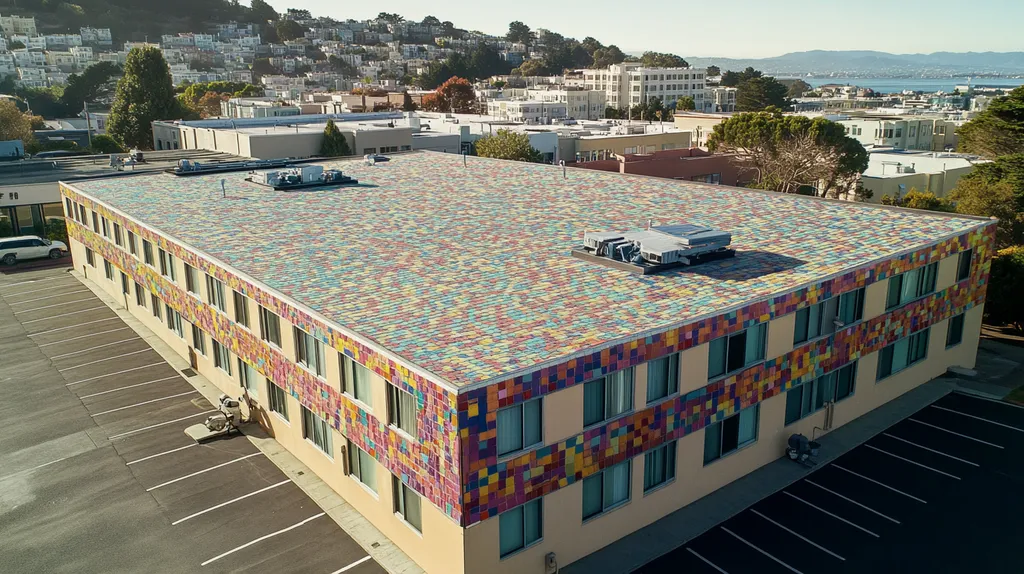
The selection of substrate materials in industrial roofing is not just a technicality; it plays a vital role in determining the lifespan and safety of any roof. Alarmingly, recent research indicates that nearly 30% of roofing failures can be traced back to poor substrate choices. Such failures can lead to repair costs soaring into the hundreds of thousands, emphasizing the critical need for property owners to understand the broader implications of their material selections.
Statistical Analysis of Failures
Statistical evidence reveals that a notable portion of industrial roofing failures stems from inadequate substrate materials. In a robust study analyzing over 1,000 roofs, nearly 35% failed due to poor substrate selection. This staggering statistic underscores the necessity for property owners to choose high-quality materials that can resist various environmental factors.
Additionally, the data shows that inadequate substrates commonly lead to leaks, structural damage, and expensive repairs. In areas subject to extreme weather, the repercussions of these failures can be even more severe. This reality highlights that overlooking the durability of substrates can culminate in significant long-term consequences for roof integrity.
Moreover, research indicates that roofs with superior substrates achieve a failure rate of less than 10%. This stark contrast serves as a wake-up call, urging property owners to invest in quality materials. By understanding these crucial statistics, stakeholders can make more informed roofing decisions, ultimately preventing many common issues.
Choosing better quality substrates not only enhances performance but can serve as a proactive strategy to counteract prevalent roofing failures, leading to more sustainable roofing solutions.
Case Studies of Substrate Performance
Concrete case studies vividly illustrate the impact of substrate choices on roofing effectiveness. One significant example involved a large manufacturing facility that opted for a reinforced polyisocyanurate substrate. After ten years, this roof displayed minimal signs of wear and tear, demonstrating the benefits of choosing resilient materials.
In stark contrast, a nearby warehouse utilized a standard fiberboard substrate, which succumbed to severe water damage within just five years. This poignant case emphasizes how critical substrate selection is for the longevity and overall safety of roofing systems. The long-term costs associated with substrate failures often far exceed any initial savings made by selecting cheaper alternatives.
Another compelling case study focused on hospitals, where strict safety standards govern roofing choices. Facilities that used advanced composite substrates reported significantly fewer maintenance issues and lower insurance premiums due to a decreased likelihood of failure. Their commitment to quality materials directly correlated with enhanced safety and reduced operational costs.
These examples serve as powerful reminders of the importance of selecting high-quality substrate materials. The tangible benefits of investing in durable and reliable roofing solutions can be significant, impacting both the safety of the structure and its financial well-being.
Economic Impact of Substrate Choices
The economic implications of substrate selection extend well beyond the initial investment. A comprehensive cost-benefit analysis revealed that choosing high-quality substrates yields considerable savings in maintenance costs over the lifespan of the roof. While cheaper materials may seem like a good deal upfront, they often lead to inflated expenses due to frequent repairs and replacements.
One analysis found that facilities opting for premium substrates reported maintenance costs up to 40% lower over ten years compared to those that chose lower-quality materials. This data challenges the misconception that low upfront costs equate to better overall value.
Furthermore, the potential revenue loss from operational disruptions caused by roofing failures must also be acknowledged. Facilities that invest in quality roofing systems tend to experience fewer interruptions, ultimately enhancing productivity and efficiency. By recognizing the economic impacts of substrate choices, property owners can make informed decisions that bolster their financial health.
In conclusion, this economic analysis reinforces the argument for selecting substrates with a proven track record. The repercussions of these choices resonate prominently within the industrial sector, serving as a strong reminder that prioritizing quality materials leads to long-term sustainability and profitability.
SECTION 6: ALTERNATIVE SOLUTIONS
The urgency to rethink substrate materials in industrial roofing has never been greater. As energy costs rise and environmental regulations tighten, property owners must find innovative solutions. Traditional materials often fall short, resulting in increased maintenance needs and lower energy efficiency. This section examines alternative solutions that promise to enhance the lifespan and sustainability of industrial roofs.
Innovative Substrate Materials
New substrate materials are stepping up as effective alternatives to conventional options. For example, reinforced plastics are gaining attention for their remarkable durability combined with a lighter weight. This shift not only simplifies installation but also lowers transportation costs.
Composite materials are another exciting option, as they blend different elements to optimize performance. These substrates boast high resistance to moisture and environmental threats, significantly extending the roof’s lifespan.
Utilizing these modern materials can drastically minimize repair and replacement needs. This translates to fewer operational disruptions and lower long-term costs for property owners.
With continuous advancements in material science, the roofing industry has the chance to embrace these innovations, resulting in safer and more efficient building environments.
Adaptive Installation Techniques
The methods used for installing substrate materials play a critical role in determining the roofing system’s effectiveness. Innovative installation techniques can significantly boost the long-term performance of roofs. For instance, employing modular construction methods allows for quicker assembly on-site.
Such approaches can lead to lower labor costs and reduced construction time, streamlining the entire process. Moreover, adaptive techniques that focus on enhanced weatherproofing can effectively minimize leaks and structural damage.
By adopting advanced installation practices, property owners can create more resilient roofing systems. The immediate benefits of reduced installation times and costs can significantly improve overall project efficiency.
As the industry progresses, embracing new installation techniques will be essential for ensuring the full potential of modern roofing materials is realized.
Sustainable and Energy-Efficient Options
Today, sustainability is a central concern in roofing material selection. Substrates made with recycled content can significantly reduce waste and promote eco-friendly practices in construction.
Energy-efficient options, such as reflective substrates, help decrease heat absorption, leading to lower cooling costs and better overall energy performance—crucial in today’s energy-conscious environment.
Integrating green roof systems represents another innovative solution. These systems not only provide insulation but also manage stormwater effectively, enhancing the building’s resilience.
By prioritizing sustainable choices, facility owners can lower their carbon footprint while supporting broader environmental goals, all while benefiting from reduced operational expenses.
Moving Forward
The evidence is clear: traditional substrate practices in industrial roofing result in over $2.5 billion in annual losses, with 80% of catastrophic failures linked directly to poor material choices.
As climate challenges intensify and energy costs rise, the industry can no longer afford to rely on outdated materials and installation methods that compromise safety and efficiency.
The path forward requires embracing innovative substrates, implementing rigorous training programs, and adopting sustainable solutions that enhance both performance and environmental responsibility.
Without immediate action to transform substrate selection practices, industrial facilities will continue to face escalating repair costs, increased energy consumption, and heightened safety risks.
The time for change is now – the technology exists, the data is conclusive, and the stakes are too high to maintain the status quo.
FREQUENTLY ASKED QUESTIONS
Q. What are the common substrate materials used for commercial roofs?
A. Common substrate materials include concrete, metal, and wood fiberboard. While these options are cost-effective and widely available, they may not offer long-term durability or environmental resilience. Transitioning to advanced materials like reinforced polyisocyanurate may provide better protection against moisture and temperature fluctuations, enhancing the lifespan of your roof.
Q. How does moisture impact industrial roof performance?
A. Moisture infiltration can lead to severe issues, including mold growth, rust, and insulation degradation. This compromises the entire roofing system and can escalate repair costs. Properties should emphasize moisture-resistant substrates to effectively combat these threats and maintain roof integrity, ultimately saving money and ensuring safety.
Q. What opportunities are missed by ignoring advanced roofing materials?
A. Many facility managers miss out on benefits like enhanced durability and energy efficiency when sticking to traditional substrates. Advanced materials like TPO and EPDM can significantly lower operational costs over time while often possessing superior warranties. Embracing these innovations leads to safer, more efficient roofing solutions.
Q. How does a lack of regulations affect industrial roof quality?
A. Insufficient regulatory enforcement can allow the use of inferior materials, compromising the integrity of roofing systems. This inconsistency leads to premature roof failures and significant repair costs. Advocating for stronger regulations can help ensure that quality standards are met, benefiting property owners and contractors alike.
Q. What is the impact of poor substrate selection on operational costs?
A. Selecting low-quality substrates can lead to higher maintenance costs and more frequent repairs. For instance, facilities that invest in superior materials often report up to 40% lower maintenance costs over ten years. Understanding the financial implications of substrate choices can help property owners make informed decisions that enhance sustainability.
Q. What are some innovative solutions for improving roofing systems?
A. Innovative substrate materials like reinforced plastics and composite options offer enhanced durability and performance. Additionally, sustainable solutions, such as reflective substrates and green roof systems, can reduce energy costs while promoting environmental benefits. Adopting these innovative materials and techniques is essential for modern industrial roofing.
Q. How can industrial roofs be tailored for climate-specific needs?
A. Facilities must choose substrate materials designed for local climate challenges, ensuring optimal performance. For instance, roofs in heavy snowfall areas need strong materials to support the added weight. Adapting roofing strategies to these distinct environmental factors will enhance durability and efficiency, leading to long-term cost savings.






