
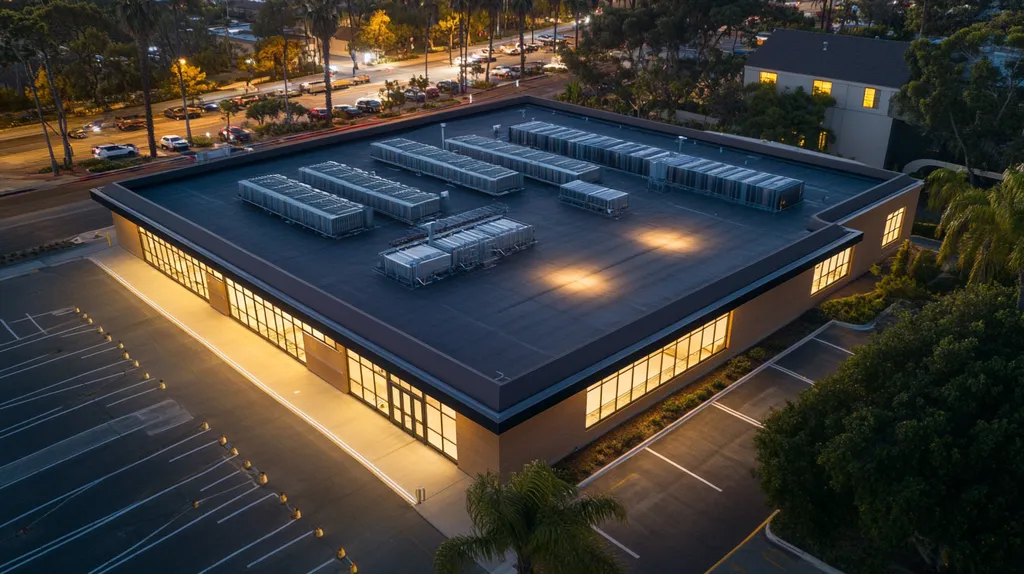
Commercial roof coatings represent a critical yet often neglected investment, with studies showing that proper maintenance can double a roof’s functional lifespan while poor upkeep cuts it by 50%.
For facility managers overseeing millions in roofing assets, implementing systematic coating maintenance strategies has become increasingly urgent as extreme weather events and rising energy costs threaten building integrity.
This comprehensive guide presents actionable solutions across six key areas: performance factors, financial planning, compliance requirements, risk management, operational procedures, and long-term considerations – providing a framework for maximizing coating longevity while minimizing costs.
SECTION 1: PERFORMANCE FACTORS
For facility managers, maintaining the longevity of a commercial roof coating is crucial for minimizing operational costs and ensuring the integrity of the building. Research indicates that inadequate maintenance can cut a roof’s lifespan by as much as 50%, resulting in untimely replacements and soaring expenses. Recognizing the key performance factors is essential for maximizing a roof’s serviceability and return on investment. This section delves into roof coating durability, weather resistance assessment, and membrane condition evaluation—three critical areas for making informed decisions.
Roof Coating Durability
Durability stands as the foundation of a successful roof coating system. High-quality coatings are designed to endure harsh weather, resist wear, and maintain flexibility over time. Even a small crack can grow, resulting in major leaks and moisture problems.
It’s important for facility managers to carefully select the type of coating, as each varies in durability based on factors such as thickness and composition. For instance, silicone coatings typically offer better protection against standing water than acrylic options.
Conducting regular inspections aids in spotting early wear and tear, which indicates when recoating or repairs might be necessary. Additionally, verifying warranty requirements helps ensure compliance and maximizes the lifespan of the roof coating.
Key Action Items
Weather Resistance Assessment
Understanding weather resistance is vital for evaluating a roof coating’s effectiveness. Severe weather events, like heavy rainfall or hail, can compromise even the best coatings if they aren’t designed to handle the conditions. Selecting products tailored for high UV exposure or temperature changes is crucial in many climates.
Facility managers should regularly conduct weather resistance assessments, particularly before and after storm seasons, to pinpoint vulnerabilities and enable timely repairs.
For example, reflective coatings can significantly lower rooftop temperatures, enhancing performance in extreme heat. Analyzing past weather data for the area helps ensure the chosen material can withstand potential climate challenges.
Key Action Items
Membrane Condition Evaluation
A reliable roof coating cannot compensate for a weak underlying membrane. Evaluating the membrane’s condition is crucial, as damage can lead to premature coating failure. Facility managers need to perform thorough inspections to catch any problems that may require immediate attention.
Common issues include blisters, tears, or punctures, which should be addressed quickly to avert moisture infiltration. Techniques such as infrared scanning are effective for detecting hidden leaks or moisture trapped beneath the surface.
Regular maintenance, including debris removal and ensuring proper drainage, greatly enhances a membrane’s performance and extends the lifespan of the coating it supports. Proactive evaluations prevent future headaches and reduce long-term costs.
Key Action Items
SECTION 2: FINANCIAL CONSIDERATIONS
For facility managers and property owners, overlooking the financial implications of roof coatings can lead to unneeded expenses and a decrease in overall asset value. Studies reveal that a well-maintained commercial roof can double its lifespan, translating into substantial savings on future repairs and replacements. Understanding maintenance costs, weighing repair against replacement, and budgeting for reapplication are vital strategies for maximizing the longevity of roof coatings and ensuring strong returns.
Maintenance Cost Analysis
Regular maintenance is the cornerstone of extending a roof coating’s life. Facility managers should factor in costs for inspections, cleaning, and minor repairs. Industry guidelines recommend setting aside 1% to 3% of the building’s total value each year for roof maintenance.
By conducting routine inspections, managers can catch small issues early, avoiding costly repairs later. For instance, resolving minor leaks might cost only a few hundred dollars, while delays can lead to extensive water damage with repair bills soaring into the thousands.
A systematic maintenance schedule aligned with budget cycles will help prevent unexpected costs, allowing for sound financial forecasting and minimizing budget overruns. Tracking expenses over time also provides valuable insights on the effectiveness of current maintenance practices, guiding future budget decisions.
Key Action Items
Repair vs. Replacement Costs
One of the key financial challenges for facility managers is the choice between repairing or replacing roof coatings. While repairs may initially seem less expensive, improper fixes can lead to larger, more costly problems down the line.
A proactive approach to repairs can save building owners up to 30% compared to waiting for issues to escalate. For example, addressing localized damage early on can extend the life of a roofing section and avoid the need for complete replacement.
However, timing is crucial. If a coating is nearing the end of its lifespan, opting for a replacement may be more economical over the long run. Managers should base their decisions on thorough assessments of the roof’s condition, usage, and projected maintenance costs. A documented case study from a leading manufacturer illustrates that investing in a new coating yields returns ten times greater than repeatedly repairing a failing system.
Key Action Items
Budgeting for Coating Reapplication
Coating reapplication is crucial for enhancing the lifespan of a roof, but it requires careful financial planning. Facility managers should prepare for reapplication costs, typically incurred every 5 to 10 years depending on environmental conditions and roof traffic.
To create a sustainable financial strategy, it’s wise to budget 10% to 15% of the original coating cost annually. For instance, if the coating system costs $50,000, allocating $5,000 to $7,500 each year can alleviate the financial burden when reapplication is needed.
Strategically timing the reapplication during off-peak seasons can lower labor costs, while favorable weather conditions can enhance both coating performance and cost efficiency. Additionally, exploring warranties and service agreements can improve budget predictability by incorporating periodic evaluations, assisting facility managers in proactive planning and preventing unforeseen expenses.
Key Action Items
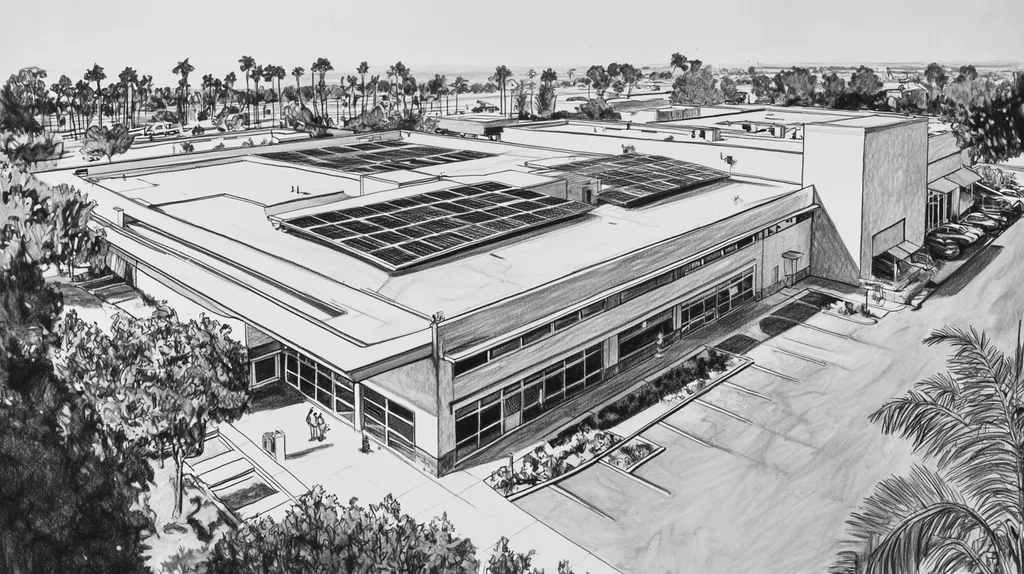
SECTION 3: COMPLIANCE REQUIREMENTS
Compliance with industry standards and regulations is essential for maximizing the lifespan of a commercial roof coating. Failing to adhere to these guidelines can result in expensive repairs, premature coating failures, and even legal complications. For instance, not following warranty requirements might invalidate protections against water intrusion. Facility managers must adeptly manage warranty obligations, regulatory standards, and certification upkeep to safeguard their investments and the integrity of their roofs.
Warranty and Guarantee Compliance
Meeting warranty and guarantee requirements is vital for the longevity of roof coatings. Manufacturers typically provide warranties that cover material defects and application processes, but these warranties are only active if all installation steps are followed precisely.
Facility managers should maintain comprehensive records of inspections and maintenance. For example, roofs with significant ponding may necessitate additional inspections to keep warranties valid. Ignoring these stipulations could disqualify managers from warranty claims, imposing repair costs directly on them.
It is also crucial to differentiate between limited and full warranties. Limited warranties may include specific restrictions based on installation conditions or product types, so property owners must choose their coverage carefully to avoid unexpected expenses.
Key Action Items
Regulatory Standards Adherence
Compliance with local, state, and federal regulations is crucial for safe roofing practices. Many jurisdictions enforce specific safety and building codes that influence both roofing installations and maintenance. For example, environmental regulations may restrict the use of certain chemicals in roofing materials, affecting the types of coatings that can be implemented.
Facility managers should become familiar with applicable codes to avoid fines or penalties. Understanding these regulations not only ensures compliance but also supports environmental sustainability.
Additionally, documentation proving adherence to regulations is vital during inspections. Property owners must keep certifications and inspection reports readily available to demonstrate compliance when required. These records act as critical evidence in case of disputes.
Key Action Items
Industry Certification Maintenance
Maintaining industry certifications is essential for extending the life of roof coatings. Many coatings must be applied by certified contractors to ensure that quality and performance standards are met. Hiring untrained personnel can jeopardize the warranty and accelerate coating failures.
Facility managers should prioritize hiring certified professionals who are knowledgeable about both the products and the proper installation techniques. This approach can significantly enhance the longevity of roof coatings and minimize future maintenance costs.
Moreover, keeping contractors and materials periodically recertified is vital. This guarantees that everyone involved in the roofing project stays updated with the latest industry practices and technologies. Using outdated methods can critically reduce the efficacy of roof coatings.
Key Action Items
SECTION 4: RISK MANAGEMENT
Roof leaks are a significant risk for commercial properties, leading to not only costly repairs but also potential operational downtime. Research indicates that over 90% of roofing failures are due to leaks, highlighting the necessity for effective risk management strategies. Facility managers play a crucial role in early leak detection, structural assessments, and mitigating weather-related damage. This section dives into these essential components for prolonging the life of roof coatings.
Identifying Potential Leaks
Early leak detection is vital for protecting commercial roofs. Regular visual inspections can identify cracks, blisters, and missing flashing before they escalate. Technologies such as infrared thermography are invaluable for pinpointing hidden moisture hotspots that may not be visible during a standard check.
Facility managers should foster a culture where employees report signs of water intrusion immediately, including stained ceilings or unusual dampness. Implementing a systematic reporting process can streamline responses to potential issues, preventing further damage.
Engaging professional roofing contractors for regular, thorough inspections helps cover blind spots that onsite personnel may overlook. Preventive maintenance is less expensive than emergency repairs, ensuring long-term durability of roof coatings.
Key Action Items
Assessing Structural Integrity
Understanding a roof’s structural integrity is crucial for its longevity. A compromised deck can lead to inefficient runoff, stagnant water, and accelerated failure of roof coatings. Facility managers should engage structural engineers for periodic assessments of load-bearing capacity, especially following severe weather events.
External elements such as heavy snowfall or debris can stress the roof’s structure; regular removal of these hazards is vital. Roof designs must also account for environmental impacts to ensure optimal performance.
Investing in high-quality materials enhances the overall strength of the roof, mitigating deterioration over time. Upgrading aging components can create a solid foundation for roof coatings, further extending their lifespan.
Key Action Items
Mitigating Weather-Related Damage
Weather events significantly threaten roof coatings and their durability. Extreme temperatures, heavy rainfall, and high winds can all lead to coating failures. Facility managers should select roofing materials tailored for their specific climate zones to minimize damage.
Implementing effective drainage systems is crucial to reduce risks associated with standing water. Additionally, installing roof coatings with built-in UV protection is advisable, especially in sunny locales.
Having a proactive emergency response plan for severe weather is essential. This plan should outline procedures for post-storm inspections to quickly assess any potential damage.
By employing these strategies, facility managers can effectively mitigate damage risks, extending the life of roof coatings while ensuring that properties remain safe and functional.
Key Action Items
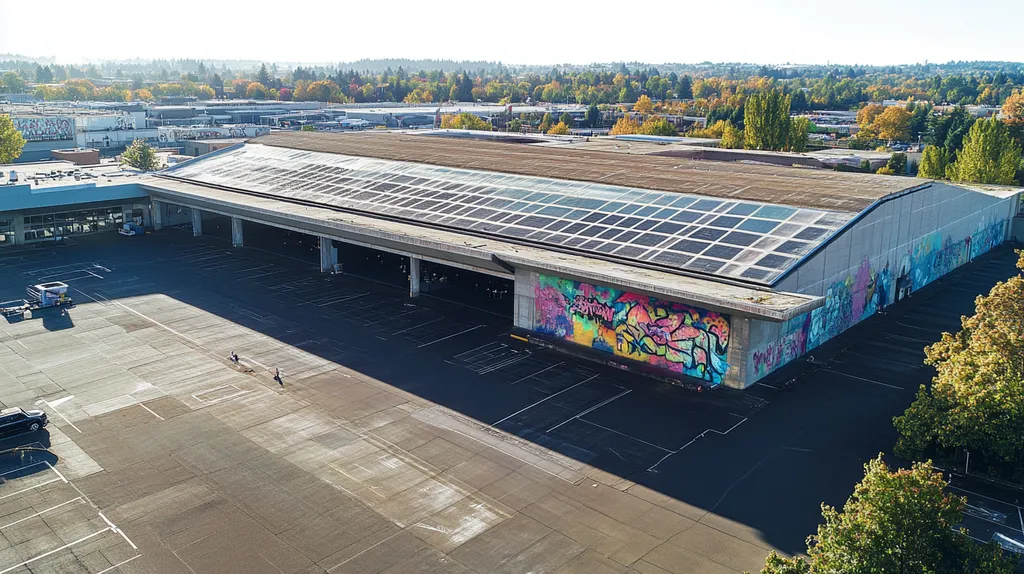
SECTION 5: OPERATIONAL PROCEDURES
Effective operational procedures are essential for extending the life of commercial roof coatings. Rigorous maintenance and proactive measures can prevent costly issues, directly impacting the roof’s longevity. Studies show that facilities with organized maintenance programs can enhance their roof performance by up to 30%. This section highlights key practices that property owners and facility managers should implement.
Regular Inspection Schedules
Regular inspections are fundamental for catching potential problems before they escalate. Implementing a structured schedule—typically including bi-annual inspections—enables early detection of issues such as cracking or discoloration in roof coatings.
Inspectors should pay special attention to seams and transitions, which are often prone to issues. By consistently checking these crucial areas, facility managers can tackle minor concerns before they impact the entire system. Thorough documentation of inspections serves as a valuable record for future reference.
Engaging third-party professionals specializing in roofing can provide an impartial assessment. These experts can also help develop a tailored maintenance plan suited to specific roofing materials. By prioritizing inspections, facilities can protect their investments while ensuring compliance with warranty requirements.
Key Action Items
Debris Removal and Cleaning
Accumulated debris can significantly undermine the effectiveness of roof coatings. Regular cleaning of roof surfaces—particularly around parapets and drainage areas—is vital to prevent trapping moisture and subsequent deterioration. Over time, organic material like leaves and dirt can foster mold growth and lead to rust, jeopardizing the coating’s integrity.
Establishing a debris removal routine helps maintain a clean and functional roofing surface. This process should occur at least quarterly or after notable weather events. Employing qualified personnel with appropriate safety equipment ensures effective cleaning without causing damage.
During cleaning sessions, facility managers should also inspect drainage systems. Clogged gutters and downspouts can cause water to pool, increasing risks of leaks. Addressing these drainage issues not only extends the life of the coating but also protects the building’s interior.
Key Action Items
Professional Inspection Protocols
Implementing a structured professional inspection protocol is critical to thoroughly assess roof conditions. Qualified roofing contractors possess the expertise to evaluate coating systems comprehensively and identify issues that might escape less trained personnel.
Inspections should follow industry standards, utilizing detailed checklists and advanced techniques like infrared scanning to detect moisture intrusion under the coating. Integrating modern technology into inspections enhances diagnostic accuracy.
Moreover, documentation from professional inspections can provide vital insights for budgeting and planning. Analyzing trends over time can help identify recurring issues, facilitating better decisions concerning repairs or replacements. Promoting a culture of professionalism enhances the durability of roof systems.
Key Action Items
SECTION 5: OPERATIONAL PROCEDURES
Effective operational procedures are essential for extending the life of commercial roof coatings. Regular maintenance and thorough attention to detail can help prevent costly repairs while maximizing longevity. Studies indicate that facilities with organized maintenance programs can improve roof performance by up to 30%. This section outlines key practices that property owners and facility managers should implement to protect their investments.
Regular Inspection Schedules
Regular inspections are crucial for identifying potential issues before they develop into costly problems. Establishing a structured schedule, typically consisting of bi-annual inspections, enables early detection of wear, including cracking, bubbling, or discoloration in roof coatings.
Inspectors should concentrate on seams and transitions, as these areas are more prone to issues. By consistently checking these critical zones, facility managers can resolve minor concerns before they lead to more extensive damage. Careful documentation of inspection findings creates a valuable record for future reference.
Hiring third-party professionals who specialize in roofing can provide an unbiased assessment and assist in developing a tailored maintenance plan based on specific roofing materials. Prioritizing a well-structured inspection schedule allows facilities to safeguard their investments and maintain compliance with warranty requirements.
Key Action Items
Debris Removal and Cleaning
Accumulated debris can drastically diminish the effectiveness of a roof coating. Regular cleaning—especially around parapets and drainage systems—is essential to prevent moisture from being trapped and leading to deterioration. Organic materials, like leaves and dirt, can foster mold growth and rust, jeopardizing the coating’s integrity.
Implementing a debris removal routine helps maintain a clean and functional roofing surface, which should be conducted at least quarterly or after severe weather events. Employing qualified personnel equipped with appropriate safety gear is vital for effective cleaning without causing damage.
During cleaning sessions, facility managers should also inspect drainage systems. Clogged gutters or downspouts can redirect water back onto the roof, leading to persistent pooling. Addressing drainage issues not only extends the life of the coating but also protects the building’s interior, preserving its overall functionality.
Key Action Items
Professional Inspection Protocols
Employing structured professional inspection protocols is critical for thoroughly assessing roof conditions. Qualified roofing contractors possess the expertise to comprehensively evaluate coating systems and identify issues that might be overlooked by untrained personnel.
Inspections should follow industry standards by utilizing detailed checklists and advanced techniques like infrared scanning to detect moisture intrusion under the coating. Incorporating technology into inspections increases diagnostic accuracy and fosters informed decision-making.
Additionally, documentation from professional inspections offers valuable insights for budgeting and planning. Analyzing trends over time can reveal recurring issues, allowing for smarter decisions regarding repairs and replacements. Cultivating a culture of professionalism within inspections ultimately leads to more durable roof systems.
Key Action Items
The Bottom Line
With commercial roofing costs averaging $400,000 per replacement, extending coating life through proper maintenance represents a critical opportunity for facilities to protect their investments.
Research demonstrates that systematic maintenance programs can double a roof coating’s functional lifespan while reducing annual operating costs by up to 25%.
Success requires a comprehensive approach spanning regular inspections, professional maintenance, warranty compliance, and strategic financial planning.
Forward-thinking facility managers who implement the strategies outlined in this guide position themselves to maximize coating performance while minimizing lifecycle costs.
Most importantly, taking action now to establish proper maintenance protocols helps prevent the devastating financial impact of premature coating failure.
FREQUENTLY ASKED QUESTIONS
Q. What factors affect the performance of a commercial roof?
A. Factors such as durability, weather resistance, and membrane condition are crucial. Regular inspections help catch issues early, ensuring prolonged performance and minimized maintenance costs.
Q. How can I manage financial considerations for an industrial roof?
A. Establish a budget for maintenance, understand repair versus replacement costs, and plan for reapplication. Maintaining financial discipline prevents unanticipated expenses while maximizing roof longevity.
Q. What compliance requirements should facility managers follow for commercial roofs?
A. Focus on warranty compliance, industry regulations, and certification maintenance. Keeping documented records ensures you meet standards and protects against costly failures.
Q. How do I assess and manage risks related to roof leaks?
A. Regular inspections for early leak detection and structural evaluations are crucial. A proactive approach can significantly reduce the risks of water damage, leading to lower operational downtime.
Q. What operational procedures should I implement for roof maintenance?
A. Establish regular inspection schedules, debris removal, and cleaning routines. These practices prevent costly damages and enhance roof performance, ensuring longer coating life.
Q. What role does employee training play in roof maintenance?
A. Training staff on maintenance procedures and safety protocols fosters a culture of vigilance. Educated employees can report issues promptly, contributing to timely interventions that extend roof lifespan.
Q. How can I improve energy efficiency with my commercial roof?
A. Consider installing reflective coatings or insulation to reduce energy costs. Energy-efficient roofs can lower heating and cooling expenses, turning the roof asset into a cost-saver for your facility.






