

Welcome to today’s Battle Royale featuring two roofing heavyweights: “Reflective Coatings” in the east corner versus “Dark Coatings” in the west!
Tonight’s showdown pits these contenders against each other across six punishing rounds designed to test every aspect of their performance for Local Climate Data for Industrial Roof Coatings.
At stake? Millions in potential costs, decades of building protection, and the critical performance demands of modern commercial and industrial facilities.
Our professional judging panel will evaluate each round on technical merit, real-world performance, and value delivery. After all six rounds, we’ll declare our ultimate champion.
Ladies and gentlemen, facility managers and building owners… it’s time to rumble!
ROUND 1: INITIAL COSTS & INSTALLATION
When it comes to industrial roofing decisions, the stakes couldn’t be higher. A single coating choice can impact decades of operational costs and building performance. Fortune Business Insights reports that nano roof coatings can slash HVAC consumption by 30-40%, making this decision particularly crucial in urban areas where heat island effects drive up cooling demands. (source: Fortune Business Insights)
Material Expenses
Initial material costs for reflective coatings typically run 15-25% higher than dark alternatives. However, these coatings can reflect up to 80% of sunlight, significantly reducing cooling loads and long-term energy expenses.
Dark coatings present an attractive upfront price point but often mask hidden costs. Their heat-absorbing properties can accelerate material degradation and increase cooling demands, especially in warmer climates.
Despite higher initial investment, reflective coatings hold the ADVANTAGE in material expenses when considering total lifecycle costs.
Installation Complexity
Reflective coating installation demands precision and expertise. Surface preparation must be immaculate to achieve proper adhesion and maximize reflective properties, requiring specialized equipment and experienced crews.
Dark coatings offer more forgiving application parameters. Their installation tolerates minor surface imperfections and requires less specialized preparation, reducing labor costs and minimizing the risk of application errors.
The straightforward nature of dark coating application gives them a clear ADVANTAGE in installation complexity.
Project Timeline
Reflective coating projects typically require additional preparation steps and curing time. The need for perfect surface conditions can extend timelines, particularly in facilities with complex rooftop equipment or extensive HVAC systems.
Dark coatings enable faster project completion due to simpler surface preparation requirements. Their more flexible application conditions mean fewer weather-related delays and quicker return-to-service times.
For timeline considerations, dark coatings claim the ADVANTAGE with their efficient installation process.
ROUND 1 WINNER: DARK COATINGS
ROUND 2: DURABILITY & LIFESPAN
When your industrial roof fails prematurely, it’s not just about repair costs – it’s about disrupted operations, damaged inventory, and compromised worker safety. The durability battle between reflective and dark coatings has become even more critical as extreme weather events increase and urban heat islands intensify.
Impact of Weather on Durability
Weather exposure represents the ultimate stress test for industrial roof coatings. UV radiation, thermal cycling, and moisture infiltration constantly challenge coating integrity, making environmental resistance crucial for long-term performance.
Reflective coatings excel in harsh conditions by bouncing away up to 80% of solar radiation that would otherwise degrade the roof surface. Fortune Business Insights reports that these coatings are particularly effective at combating Urban Heat Island Effects in developed areas. (source: Fortune Business Insights)
Dark coatings absorb solar energy, subjecting the roof surface to extreme temperature fluctuations. This thermal cycling accelerates aging and can lead to premature coating failure, especially in hot climates or urban heat islands.
For weather resistance, reflective coatings claim the ADVANTAGE through superior thermal management and UV protection.
Expected Lifespan
Modern industrial roof coatings must deliver decades of protection to justify their investment. Understanding realistic service life expectations helps facility managers plan maintenance budgets and replacement cycles.
Reflective coatings typically last 15-20 years when properly installed and maintained. Their ability to minimize thermal stress and UV damage helps preserve coating integrity and extend service life.
Dark coatings generally provide 10-15 years of service before requiring replacement. Their heat-absorbing properties accelerate aging and can reduce expected lifespan, particularly in warmer climates.
The extended service life of reflective coatings gives them the ADVANTAGE in longevity considerations.
Maintenance Requirements
Regular maintenance plays a crucial role in maximizing coating lifespan. Smart maintenance strategies can extend service life while reducing total ownership costs.
Reflective coatings need periodic cleaning to maintain optimal reflectivity. However, their smooth surface and resistance to biological growth means maintenance visits are typically quick and straightforward.
Dark coatings often require more frequent inspection and maintenance due to accelerated aging and potential moisture-related issues. Their tendency to retain heat can make problems harder to spot during routine inspections.
The lower maintenance burden of reflective coatings earns them the ADVANTAGE in upkeep requirements.
ROUND 2 WINNER: REFLECTIVE COATINGS
ROUND 3: PERFORMANCE FACTORS
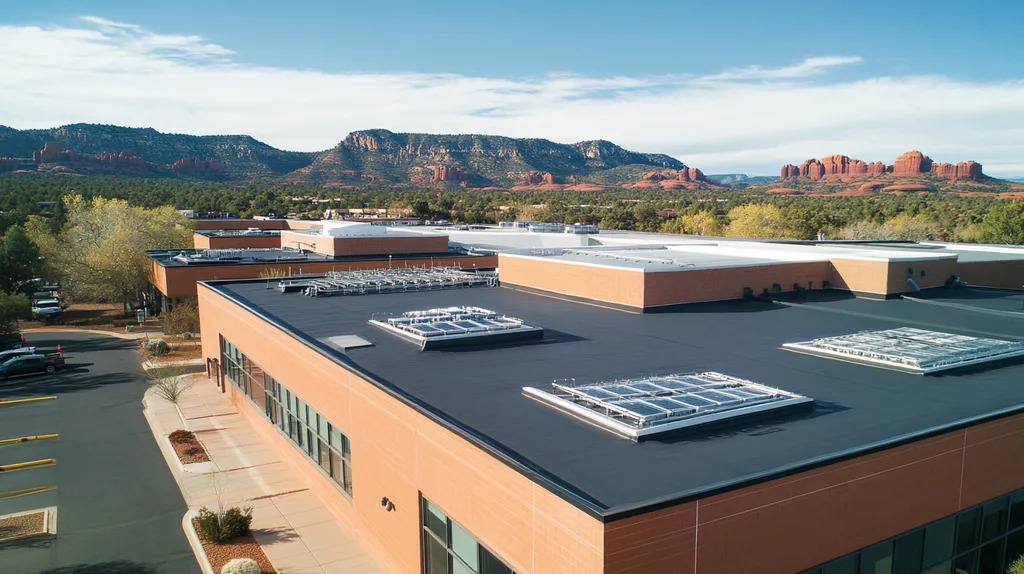
When it comes to industrial roofing performance, local climate conditions can make or break even the best coating system. With energy costs soaring and extreme weather events becoming more frequent, the stakes have never been higher for facility managers choosing between reflective and dark coatings. One wrong choice based on generic specifications rather than local climate data can lead to premature failure and skyrocketing operational costs.
Local Climate Adaptation
Climate conditions dramatically impact coating performance and longevity. From Seattle’s persistent rain to Phoenix’s brutal heat, each region presents unique challenges that demand specific coating characteristics. Choosing a coating that matches local conditions can mean the difference between optimal performance and premature failure. (source: Facilities Net)
Reflective coatings excel in high-temperature regions by minimizing heat absorption and reducing thermal cycling. Their performance actually improves in areas with intense solar exposure, making them ideal for sun-belt facilities.
Dark coatings struggle in hot climates but can provide advantages in colder regions where solar heat gain helps reduce heating costs. However, their heat-absorbing properties make them vulnerable to thermal shock in areas with extreme temperature swings.
For climate adaptation, reflective coatings claim the ADVANTAGE through superior performance across most climate zones.
Energy Management
Rising energy costs have made coating selection a critical factor in facility operating budgets. Smart coating choices can slash HVAC loads and deliver significant ROI through reduced cooling costs.
Reflective coatings can reduce roof surface temperatures by up to 60°F compared to dark surfaces. This dramatic reduction in heat load translates to lower cooling costs and reduced strain on HVAC systems.
Dark coatings absorb and transfer heat into the building envelope, increasing cooling demands during hot weather. This heat absorption can raise internal temperatures by 10-15°F, forcing air conditioning systems to work harder.
The superior thermal management of reflective coatings gives them a clear ADVANTAGE in energy efficiency.
Weather Resistance
Modern industrial coatings must withstand increasingly extreme weather conditions. From intense UV exposure to sudden temperature swings, weather resistance directly impacts coating longevity and performance.
Reflective coatings minimize thermal stress by bouncing away harmful radiation. This reduced thermal cycling helps prevent cracking and delamination, especially in areas prone to dramatic temperature changes.
Dark coatings face accelerated degradation from constant heat absorption. Their tendency to retain heat can lead to premature aging and reduced weather resistance, particularly in regions with high UV exposure.
For weather resistance, reflective coatings secure the ADVANTAGE through superior thermal management.
ROUND 3 WINNER: REFLECTIVE COATINGS
ROUND 4: MAINTENANCE REQUIREMENTS
In the high-stakes world of industrial roofing, maintenance requirements can make or break your bottom line. What seems like a minor coating choice today can cascade into decades of either streamlined upkeep or constant repair headaches. With facility maintenance budgets under increasing pressure, understanding the long-term care requirements of different coating systems has never been more critical.
Inspection Frequency
Dark coatings typically demand more frequent inspections due to their heat-absorbing properties. The constant thermal cycling creates additional stress points that require regular monitoring, especially around seams and penetrations.
Reflective coatings show remarkable stability in surface temperatures, reducing the frequency of required inspections. MDPI reports that these coatings can reduce surface temperatures by up to 51.2%, significantly decreasing thermal stress and the need for constant monitoring. (source: MDPI)
The reduced inspection burden of reflective coatings gives them a clear ADVANTAGE in this category.
Cleaning Requirements
Dark coatings often mask dirt and debris accumulation, making it harder to spot potential problems during routine maintenance. This can lead to overlooked issues that compound over time, requiring more intensive cleaning sessions when problems finally become visible.
Reflective coatings show dirt more readily, making it easier to identify and address problem areas before they become serious. While they may need more frequent light cleaning to maintain optimal reflectivity, these sessions are typically quick and straightforward.
The enhanced visibility and simpler cleaning protocols give reflective coatings the ADVANTAGE in maintenance efficiency.
Repair Complexity
Dark coatings often present challenges during repairs due to their heat-retention properties. The higher surface temperatures can make working conditions more difficult and may limit repair windows to cooler periods.
Repairs on reflective coatings tend to be more straightforward due to cooler surface temperatures and better visibility. The reduced thermal stress also means repairs are typically less extensive when needed.
However, both coating types require similar technical expertise and materials for repairs, resulting in a TIE for repair complexity.
ROUND 4 WINNER: REFLECTIVE COATINGS
ROUND 5: SUSTAINABILITY CREDENTIALS
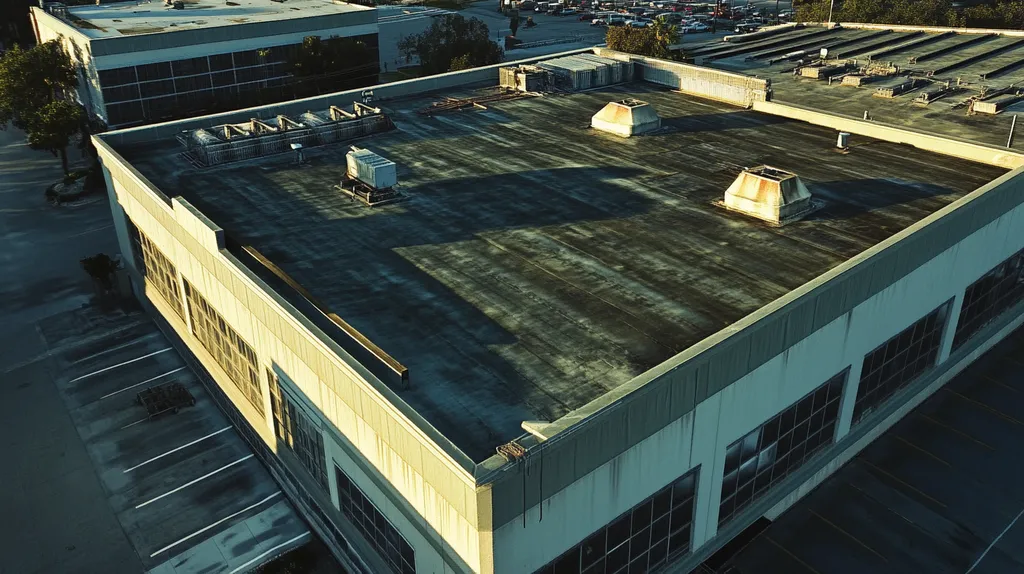
In today’s climate-conscious marketplace, sustainability isn’t just about environmental stewardship – it’s about future-proofing your facility against rising energy costs and regulatory changes. Industrial roofs represent massive surface areas that can either combat or contribute to urban heat islands, making coating choices increasingly scrutinized by stakeholders and regulators alike.
Environmental Impact
Reflective coatings have emerged as powerful tools in the fight against urban heat islands. Their high solar reflectance can reduce local ambient temperatures by up to 5°F, creating a ripple effect of environmental benefits that extends beyond individual buildings.
FacilitiesNet reports that choosing coatings suited to local climate conditions can mean the difference between failure and optimal performance, particularly in extreme environments like Seattle’s rain or Phoenix’s heat. (source: FacilitiesNet)
Dark coatings absorb up to 95% of solar radiation, contributing to heat island effects and increasing local temperatures. This heat absorption creates a negative feedback loop that affects not just the building, but the surrounding community.
For environmental impact, reflective coatings claim the ADVANTAGE through superior heat management and community benefits.
Material Sustainability
Modern reflective coatings incorporate advanced polymers and reflective materials that resist degradation from UV exposure. Their durability translates to fewer replacement cycles and reduced material waste over time.
These coatings often require less raw material during manufacturing compared to traditional dark alternatives. Their lighter composition and reduced material requirements lower the environmental impact of production.
Dark coatings typically demand more frequent replacement due to heat-related degradation. Their shorter service life results in increased material consumption and greater environmental impact from manufacturing and disposal.
The superior longevity and reduced material requirements give reflective coatings the ADVANTAGE in material sustainability.
Carbon Footprint
Reflective coatings significantly reduce cooling energy demands, directly impacting building carbon emissions. Their ability to minimize heat absorption can cut HVAC energy consumption by 20-30% during peak cooling seasons.
The reduced strain on cooling systems extends equipment life and decreases maintenance requirements. This efficiency ripple effect compounds the carbon savings beyond direct energy reductions.
Dark coatings increase cooling loads and accelerate HVAC wear, leading to higher energy consumption and increased carbon emissions. Their heat-absorbing properties create an ongoing carbon penalty throughout their service life.
For carbon footprint considerations, reflective coatings secure the ADVANTAGE through superior energy performance.
ROUND 5 WINNER: REFLECTIVE COATINGS
ROUND 6: SPECIALIZED APPLICATIONS
In the high-stakes world of industrial roofing, specialized applications demand precisely matched solutions. Environmental conditions can vary drastically between facilities – what works for a food processing plant in Miami could spell disaster for a chemical factory in Seattle.
With coating failures costing facilities millions in repairs, production delays, and damaged inventory, getting these specialized applications right has never been more critical. Understanding how coatings perform under specific conditions can mean the difference between optimal protection and premature failure.
High-Humidity Environments
Moisture management becomes critical in facilities with high internal humidity or locations with frequent rainfall. The coating’s ability to prevent condensation and manage moisture can significantly impact building performance and operational costs.
Reflective coatings excel in high-humidity environments by maintaining surface temperatures above the dew point, reducing condensation risks. FacilitiesNet notes that while acrylic coatings can work in humid climates like Seattle, proper application timing becomes crucial for long-term performance. (source: FacilitiesNet)
Dark coatings struggle with moisture management due to their higher surface temperatures creating more dramatic temperature differentials. This can lead to increased condensation and potential moisture-related failures.
For high-humidity applications, reflective coatings claim the ADVANTAGE through superior moisture management capabilities.
Chemical Exposure Resistance
Industrial facilities often expose roofing systems to harsh chemicals through air handling systems or process exhaust. These chemical exposures can rapidly degrade coating systems if not properly matched to the environment.
Reflective coatings typically incorporate advanced polymer technologies that provide superior chemical resistance. Their stable surface chemistry helps maintain reflective properties even under challenging industrial conditions.
Dark coatings can show accelerated degradation when exposed to industrial chemicals, particularly when combined with high surface temperatures. Their heat absorption properties can actually accelerate chemical reaction rates at the coating surface.
The superior chemical resistance of reflective coatings gives them the ADVANTAGE in industrial environments.
Process-Critical Applications
Some facilities require precise temperature control for manufacturing processes or sensitive inventory storage. In these applications, roof coating performance directly impacts production efficiency and product quality.
Reflective coatings provide consistent temperature control by minimizing heat transfer into the building envelope. This stability helps maintain precise environmental conditions crucial for sensitive processes.
Dark coatings introduce additional variables into temperature management equations through their heat absorption properties. This can complicate environmental control systems and increase energy costs in process-critical areas.
For process-critical applications, reflective coatings secure the ADVANTAGE through superior temperature control.
ROUND 6 WINNER: REFLECTIVE COATINGS
AND THE WINNER IS…
After six punishing rounds of technical evaluation, we have our verdict, and it’s a decisive victory for REFLECTIVE COATINGS, winning five out of six rounds in this heavyweight bout!
The champion dominated through superior energy management, sustainability credentials, and specialized application performance. Its ability to slash cooling costs, extend service life, and combat urban heat islands proved an unstoppable combination.
Dark coatings didn’t go down without a fight, claiming victory in Round 1 with lower initial costs and simpler installation. For facilities in cooler climates with tight upfront budgets, dark coatings can still deliver solid performance.
But let’s be clear – while we have a clear winner tonight, every building tells its own story. Local climate conditions, facility operations, and specific property characteristics all play crucial roles in coating selection. This analysis provides general guidance but cannot account for all variables. Property owners and managers should always consult qualified roofing professionals who can evaluate their unique situation.
Ladies and gentlemen, in the high-stakes world of industrial roofing, the championship belt isn’t just about picking the winner – it’s about matching your specific facility’s needs with the right contender’s strengths. Choose wisely, because in this arena, there are no easy rematches!
FREQUENTLY ASKED QUESTIONS
Q. What are the initial costs of a commercial roof coating?
A. Reflective coatings generally cost 15-25% more upfront than dark coatings. However, consider the long-term energy savings thanks to their ability to reduce cooling loads significantly. The initial investment might sting, but it’s your wallet that ends up happy when those energy bills arrive.
Q. How does climate affect the durability of an industrial roof?
A. Climate dramatically impacts the longevity of your roof coating. Reflective coatings are champions in hot conditions, repelling heat and prolonging their lifespan. On the other hand, dark coatings may age faster in warmer climates due to their heat-absorbing nature, leading to costly premature failures.
Q. Can a commercial roof coating affect my energy management?
A. Absolutely! Reflective coatings can cut roof temperatures by up to 60°F, significantly reducing cooling costs and easing strain on your HVAC system. Conversely, dark coatings can elevate internal temperatures, driving up energy demand and causing your cooling system to work overtime.
Q. Which roof coating requires more maintenance?
A. Dark coatings often require more inspections and maintenance due to their heat retention, which speeds up wear and tear. In contrast, reflective coatings need less frequent checking, making life easier for your maintenance crew and extending time between visits.
Q. How sustainable are commercial roof coatings?
A. Reflective coatings excel in sustainability, reducing energy consumption and helping combat urban heat islands. While dark coatings might save you a few bucks upfront, they often lead to higher energy usage and increased carbon emissions, making them less eco-friendly in the long run.
Q. What about specialized applications for industrial roofs?
A. For specialized applications, reflective coatings shine, especially in high-humidity or chemical exposure scenarios. They manage moisture better and resist harsh chemicals, minimizing costly failures, while dark coatings may introduce problems in challenging environments.
Q. Should I consider local climate data when choosing a roof coating?
A. Yes! Choosing based on local climate data is crucial. Reflective coatings work wonders in sunny areas, while dark options might only be beneficial in cool climates. Not considering your local conditions is like wearing a parka during a heatwave – it’s downright silly.






