

Every year, commercial roofing failures in occupied buildings result in over $2 billion in damages, business interruptions, and repair costs across North America. For property owners and facility managers, understanding previous commercial roof projects is crucial for preventing costly mistakes and ensuring occupant safety.
This comprehensive guide examines critical aspects of commercial roofing in occupied buildings, from fundamental concepts and system components to implementation methods and performance optimization strategies.
Drawing from decades of industry experience and data, we’ll explore how proper planning, material selection, and maintenance can dramatically reduce risks while maximizing return on investment.
SECTION 1: FUNDAMENTAL CONCEPTS
Navigating the roofing landscape of occupied buildings is not just important—it’s critical. Each year, the consequences of poor roof maintenance and construction practices add up to millions in damages and injuries. Property owners face the ongoing challenge of selecting the right materials, adhering to building codes, and most importantly, keeping occupants safe. This section will delve into these key concepts, empowering facility managers to make informed, effective decisions.
Understanding Roof Types and Materials
Different roofing types come with their own set of materials and construction techniques, designed to serve specific purposes. Flat roofs are a common choice in commercial environments and typically utilize materials such as TPO, EPDM, or PVC. On the other hand, sloped roofs might feature asphalt shingles or metal panels, each offering unique benefits and considerations.
The choice of roofing material can significantly impact both longevity and performance. Factors such as local climate conditions, the slope of the roof, and the overall building design must all be weighed carefully. For example, a single-ply membrane may excel in humid climates for flat roofs, while metal roofing can offer heightened durability in areas that experience heavy snowfall.
Additionally, innovative materials like green roofs and solar panels are gaining popularity. These options not only improve energy efficiency but also lower utility costs. However, they require special installation practices and ongoing maintenance to achieve their benefits.
A solid understanding of roof types and materials leads not just to compliance but also significantly enhances building performance and occupant comfort.
Building Codes and Regulations
Compliance with building codes and regulations is an absolute necessity in commercial roofing projects. These regulations exist to protect properties and their occupants by ensuring safety and structural integrity. Despite this, many property owners may overlook recent changes in these codes that could impact their roofing initiatives.
Local jurisdictions often impose specific regulations on materials, installation methods, and roofing systems as a whole. For instance, stricter wind uplift ratings apply in hurricane-prone areas, demanding greater diligence in meeting requirements to minimize potential risks.
Failure to adhere to these codes can lead to heavy penalties, including fines and costly delays. It may also place insurance coverage at risk during claims, significantly affecting the financial health of a business.
By thoroughly understanding and complying with regulations, property owners can proactively tackle potential issues, safeguard their investments, and ensure the safety of all occupants.
Occupant Safety Considerations
Occupant safety is of utmost importance during roofing work in occupied buildings. The bustling environment of ongoing construction can disrupt normal operations and pose risks to those in the vicinity. Therefore, it is essential to implement strong safety measures that protect both workers and occupants alike.
Property owners should prioritize effective communication about roofing activities. Utilizing clear signage, sending detailed notifications, and setting up safety barriers can significantly lower risks. Creating a designated work area ensures that day-to-day operations continue smoothly, without interference.
Additionally, workers must adhere to the guidelines set forth by the Occupational Safety and Health Administration (OSHA). This includes wearing appropriate personal protective equipment and following safe work protocols to minimize accidents.
Focusing on occupant safety not only helps prevent accidents but also boosts tenant satisfaction. A well-executed roofing project can maintain business continuity while ensuring a safe atmosphere for everyone involved.
SECTION 2: SYSTEM COMPONENTS
Understanding the key components of a commercial roofing system is vital for ensuring safety and efficiency. If roofs are poorly constructed or maintained, the consequences can be severe—ranging from leaks and increased energy costs to structural damage. This risk is particularly pronounced in occupied buildings, where roof failures can disrupt vital business operations. In this section, we will examine the roof deck, waterproofing membranes, and roof-mounted equipment, offering crucial insights into effective roof management.
Roof Deck and Structural Integrity
The roof deck is the unsung hero of any roofing system—it provides structure and support. When this deck is compromised, the risks escalate dramatically, leading to problems like sagging and even collapse. Water intrusion can weaken the materials, severely diminishing their load-bearing capacity.
Conducting regular inspections is essential for assessing the roof deck’s condition. Property owners should look for warning signs such as rot, corrosion, or delamination. By catching these issues early, businesses can save thousands on repairs and avoid potential safety threats.
The choice of roof deck material plays a significant role in overall performance. Whether it’s steel, concrete, or wood, each material has its unique strengths and weaknesses that affect long-term durability. Understanding these materials enables property managers to make informed decisions based on their specific needs.
Additionally, a well-thought-out drainage system is vital. Effective drainage prevents water buildup and ice damming, thus preserving the structural integrity of the roof. Ensuring that all components function harmoniously is crucial for maximizing longevity.
Waterproofing Membranes and Coatings
Waterproofing membranes form the first line of defense against moisture intrusion. The absence of a reliable membrane dramatically increases the threat of leaks and water damage. High-quality membranes serve as a robust barrier against precipitation, safeguarding the interior of the building.
There are various types of membranes available, including thermoplastic polyolefin (TPO), ethylene propylene diene monomer (EPDM), and modified bitumen. Each comes with its own set of benefits, and property owners should choose based on their local climate and building usage.
Coatings can also amplify waterproofing effectiveness. For instance, reflective coatings minimize heat absorption, reducing cooling costs during hotter months. This not only saves money but also contributes positively to the environment.
Regular maintenance and periodic re-coating extend the life of these waterproofing systems. Building managers should implement a schedule for inspections and maintenance to keep the membrane functioning optimally.
Roof-Mounted Equipment and Accessories
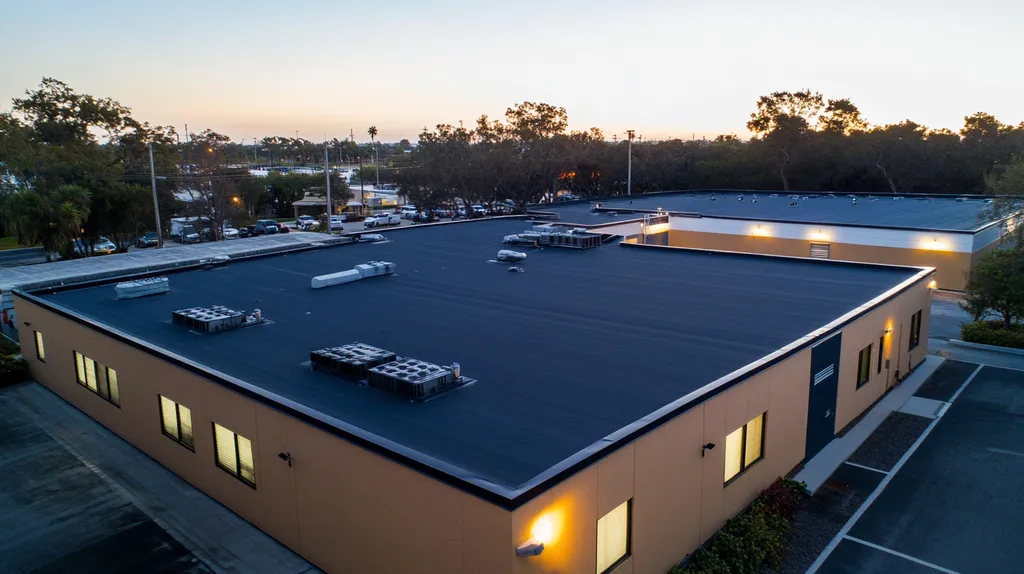
Roof-mounted equipment—like HVAC units and exhaust fans—are essential to building operations, but they can pose challenges if not properly managed. Improper installation or maintenance of these units can create gaps that allow water to infiltrate, leading to potential leaks.
It’s crucial to ensure that all equipment is correctly flashed and sealed. Flashing serves to prevent water from infiltrating joints, which is key to maintaining roof integrity. Regular inspections should identify any wear or damage around these points to mitigate risks.
The weight of roof-mounted equipment can also impact a building’s structural stability. Property owners must be mindful of load-bearing limits and consult structural engineers when installing new units. Proper distribution of weight is necessary to prevent sagging and maintain integrity.
Finally, accessory components like drains, vents, and access points should be well-placed and maintained. Neglecting these elements can lead to significant issues, including flooding or premature roof failure.
SECTION 3: IMPLEMENTATION METHODS
Executing roof repairs in occupied commercial buildings is crucial for maintaining both safety and service efficiency. Research indicates that businesses could experience a loss of up to 30% in productivity during disruptive repairs. This reality highlights the importance of thoughtful planning and execution to mitigate the impact on operations. This section will outline key strategies for effective repair planning, selecting qualified contractors, and minimizing disruptions, ensuring a smooth roofing process for all stakeholders.
Planning and Scheduling Repairs
Effective planning is essential when addressing roof repairs in occupied buildings. A thoughtfully structured schedule can help avoid clashes with daily business operations. Property managers should analyze peak and off-peak hours to schedule repairs that minimize disruption for tenants.
Employing digital tools can greatly enhance scheduling and communication among all parties involved. A transparent timeline allows tenants to make necessary adjustments and prepares them for any changes, facilitating a smoother repair experience.
Incorporating a contingency plan is also wise. This step addresses unforeseen issues such as inclement weather or supply chain delays that could impact timelines. Proactive communication is vital for managing expectations and ensuring all parties remain informed.
Whenever possible, property managers should consider phasing repairs. This approach allows parts of the building to remain operational while others undergo repairs, effectively reducing the overall impact on tenants and minimizing disruptions.
Selecting Qualified Roofing Contractors
Choosing the right contractor is a crucial decision that significantly affects the quality and efficiency of the repairs. Property owners should prioritize contractors with demonstrable experience in working within occupied buildings. Specialized contractors understand techniques that minimize disruption while adhering to stringent safety standards.
It’s advisable to verify the contractor’s credentials, such as licenses and insurance, to mitigate liability risks. Obtaining multiple bids can help ensure competitive pricing without diminishing quality. Potential clients should also consider evaluations and references to assess a contractor’s reliability.
Additionally, discussing the contractor’s previous experience with similar projects can yield valuable insights. Hiring a contractor familiar with specific industry challenges can result in tailored solutions that meet unique needs. The objective is to select a contractor capable of executing complex repairs efficiently.
Clear communication protocols must be included in contracts to ensure that any changes to project scope or unexpected issues are handled swiftly. Open lines of communication foster trust and cooperation, essential elements for successful project management.
Managing Disruptions During Repairs
Despite careful planning, disruptions during repairs can still occur. Effective management practices are necessary to lessen any adverse effects on tenants. Informing tenants ahead of time about the repair schedule and potential inconveniences is crucial for maintaining positive relationships.
Providing regular updates throughout the repair process can help alleviate tenant concerns. Utilizing digital platforms for progress sharing allows everyone involved to stay informed, which can reduce anxiety regarding the project timeline.
Establishing designated work areas is another effective strategy. Clearly marked pathways and visible barriers can help contain the repair activity and separate it from tenant spaces. This not only enhances safety but also contributes to a professional atmosphere during roofing work.
Lastly, setting up avenues for tenant feedback is vital for addressing any concerns promptly. Surveys or direct communication options enable property managers to gauge satisfaction and respond to emerging issues. This level of engagement is key to fostering a positive experience amid necessary roofing activities.
SECTION 4: MAINTENANCE REQUIREMENTS
Commercial roofing systems are your building’s first line of defense, crucial for safeguarding valuable assets and ensuring seamless operations. A staggering 30% of facility managers report roofing issues every year, underscoring the need for proactive maintenance to avoid costly repairs and interruptions. Knowledge of maintenance requirements is essential to maximizing the lifespan and efficiency of roof systems. This section will lay out necessary practices for regular inspections, preventive measures, and emergency repairs that uphold a building’s integrity.
Regular Inspection and Assessment
Regular inspections are essential for catching potential problems before they blow up into major issues. Biannual roof checks can uncover weather-related wear, debris buildup, or unnoticed punctures. Engaging a qualified roofing professional for these inspections ensures thorough evaluations.
Key areas to inspect include flashings, seams, and drainage systems. Many roof warranties require documented inspections to remain valid, making them even more critical. Facility managers should keep records of inspection findings and any required follow-up actions.
Signs of wear like blistering or discoloration should be handled without delay. Promptly addressing minor issues extends the roof’s lifespan and safeguards the overall investment in the building. Detailed assessments provide the data needed for informed maintenance planning.
Consider utilizing technology, such as drones, for aerial assessments. This advanced imaging can reveal damage that isn’t easily visible from the ground, offering a more comprehensive look at the roof’s condition.
Preventive Maintenance Strategies
Preventive maintenance focuses on reducing the likelihood of unexpected repairs. Regularly cleaning gutters and downspouts is vital for maintaining proper drainage. Clogged systems can lead to ponding water, drastically reducing the roof’s lifespan.
Coating applications can also be beneficial, protecting roofing materials from UV damage and physical wear. Not only do these coatings enhance durability, but they can also improve energy efficiency by reflecting sunlight.
Establishing scheduled maintenance contracts with roofing professionals helps ensure these practices are carried out consistently. Regular maintenance creates a predictable budget for roofing expenses, enabling better financial planning.
Tailoring preventive strategies to fit the specific roofing system is crucial. Different materials, whether single-ply, metal, or built-up roofs, have unique care requirements that should be taken into account for optimal longevity.
Emergency Repair Procedures
When an unexpected roofing emergency occurs, having a response plan is vital to minimizing damage. Identifying and preemptively contacting a reliable roofing contractor can save precious time and keep operations smoother.
The first step in a roofing emergency is to assess the situation from a safe distance. Facility managers should avoid climbing onto roofs unless absolutely necessary and instead utilize visual inspections or drones to gauge damage extent.
Once the immediate threat is recognized, implementing temporary solutions like tarping can provide short-term relief until permanent repairs can take place. Quick action can prevent further interior water damage and keep operations on track.
Documentation of the damage and any repair actions is essential for insurance claims and future reference. Property owners should ensure that emergency procedures are clearly communicated to all staff and integrated into building operations training.
SECTION 5: PERFORMANCE METRICS
Understanding the performance metrics of commercial roofs in occupied buildings is essential for anyone managing property. A roof that excels not only protects the investment but also boosts operational efficiency. Alarmingly, the National Roofing Contractors Association notes that roofing issues can contribute to 30% of facility maintenance costs. It’s crucial for stakeholders to evaluate roof conditions, weather resistance, and cost-effectiveness to ensure long-term reliability and value.
Evaluating Roof Condition and Durability
Assessing roof condition and durability is key for any commercial roofing strategy. Regular inspections are vital for spotting wear and tear early, ensuring minor issues don’t snowball into major headaches. For instance, a tiny roof leak left unchecked could lead to thousands lost in repairs or even downtime for the business.
Durability metrics can include the material’s expected lifespan, past maintenance records, and performance under various weather conditions. Evaluating these factors helps identify how well a roofing system stands up over time, allowing property managers to anticipate future challenges.
Employing specific testing methods—like moisture surveys or thermal imaging—can reveal hidden vulnerabilities not visible to the naked eye. This proactive stance enables decision-makers to address issues promptly, safeguarding both the roof and the occupants below.
Ultimately, knowing the roof’s condition empowers property owners to make strategic choices about maintenance, upgrades, or replacements, leading to enhanced durability and overall performance.
Assessing Weather Resistance and Impact
Weather resistance is a fundamental aspect of roof performance. Roofs face unique challenges depending on their climate—from heavy snow to intense UV exposure. Understanding how different roofing materials respond to these conditions is vital for protecting the building underneath.
For example, single-ply membranes may excel in UV resistance, making them ideal for sunny regions, while built-up roofing systems could provide better protection against hail impacts. This kind of material assessment has significant implications for repair cycles and overall operational efficiency.
Dynamic testing methods, such as wind uplift tests or hail impact assessments, offer a clearer understanding of a roof’s ability to withstand harsh weather. Conducting these assessments ensures that facilities make informed choices regarding materials and can prepare for future warranty claims if necessary.
By prioritizing weather resistance and conducting regular assessments, facility managers enhance the roof’s ability to endure severe conditions, thereby protecting both the building and its operations.
Measuring Cost-Effectiveness and ROI
Measuring cost-effectiveness is crucial for understanding the overall return on investment (ROI) of roofing projects. While initial expenditures can be substantial, the long-term savings derived from a well-performing roof often outweigh these costs. Evaluating aspects like maintenance costs, energy efficiency, and potential tax deductions is essential for making sound financial decisions.
For instance, energy-efficient roofs can dramatically lower heating and cooling expenses, providing savings that contribute positively to ROI. Additionally, a roof that requires fewer repairs translates to fewer disruptions, ensuring smooth operations and reduced costs over its lifespan.
Utilizing life cycle cost analysis presents a comprehensive picture of total expenditures versus savings, aiding decision-makers in understanding long-term financial impacts. This approach includes evaluating every phase from installation to maintenance and eventual replacement.
By backing up financial choices with concrete analysis, property owners can allocate budgets more effectively for roofing projects, ensuring that they reap valuable returns on their investments.
SECTION 5: PERFORMANCE METRICS
Understanding performance metrics for commercial roofs in occupied buildings is vital for effective property management. A well-performing roof not only safeguards assets but also enhances day-to-day operations. According to the National Roofing Contractors Association, roofing issues can make up 30% of facility maintenance costs. This highlights the importance of assessing roof conditions, evaluating weather resilience, and determining cost-effectiveness to maintain long-term value.
Evaluating Roof Condition and Durability
Evaluating a roof’s condition and durability is a cornerstone of effective commercial roofing strategies. Regular inspections are critical for spotting signs of wear and tear early on, which prevents minor issues from escalating into major headaches. For example, ignoring a small roof leak can result in thousands of dollars in lost revenue and repairs.
Key factors to consider include the material’s expected lifespan, the history of maintenance, and performance against various environmental challenges. By comparing actual performance with these metrics, property managers can gain valuable insight into how well a roofing system holds up over time.
Additionally, employing advanced testing methods like moisture surveys or thermal imaging can uncover hidden vulnerabilities not visible to the naked eye. This proactive approach enables facility managers to address potential issues promptly, thereby ensuring both safety and efficiency.
In summary, a comprehensive understanding of roof condition empowers property owners to make informed choices about maintenance and upgrades, ultimately extending the roof’s longevity and performance.
Assessing Weather Resistance and Impact
Weather resistance is a critical performance metric that directly impacts the integrity of a roof. Different climates present unique challenges—be it heavy snowfall or intense UV radiation—and understanding how various roofing materials respond to these elements is essential for safeguarding the building below.
For instance, single-ply membranes excel in UV resistance, ideal for sunny climates, while built-up roofing systems offer better defense against hail impacts. Properly evaluating these characteristics helps inform repair cycles and operational efficiency.
Dynamic testing methods—including wind uplift tests and hail impact assessments—provide valuable insights into a roof’s resilience. These assessments guide facility managers in selecting appropriate materials while also generating data that can be useful for future warranty claims.
By prioritizing weather resistance and conducting regular evaluations, facility managers can substantially enhance their roofs’ capacity to endure harsh conditions, thus protecting both the structure and its operations.
Measuring Cost-Effectiveness and ROI
Assessing cost-effectiveness is essential for understanding the overall return on investment (ROI) from roofing projects. Initial expenditures may seem daunting, but the potential for long-term savings makes these investments worthwhile. Evaluating ongoing maintenance costs, energy efficiency, and possible tax deductions plays a crucial role in this financial analysis.
Energy-efficient roofs, for instance, can significantly reduce heating and cooling expenses, contributing positively to ROI over time. Moreover, roofs that require fewer repairs minimize disruptions, resulting in lower operational costs throughout their lifespan.
Incorporating life cycle cost analysis offers a clearer picture of total expenditures versus savings, allowing decision-makers to grasp the long-term financial implications better. This approach evaluates every phase, from installation to maintenance and eventual replacement.
Ultimately, solid financial justifications help property owners allocate budgets more effectively for roofing projects, reaffirming the importance of long-term thinking when making investment decisions to secure valuable returns.
Looking Ahead
With commercial roofing failures causing over $2 billion in annual damages across North America, the stakes for proper roof management in occupied buildings have never been higher.
Success requires a comprehensive understanding of fundamental concepts, system components, and implementation methods, coupled with rigorous maintenance protocols and performance tracking.
Property owners who embrace preventive maintenance strategies, utilize qualified contractors, and implement robust inspection schedules can expect to reduce repair costs by up to 45% while extending roof lifespans by 5-10 years.
As building technologies continue to evolve and weather patterns become more extreme, staying informed about commercial roofing best practices isn’t just good business—it’s essential for protecting valuable assets and ensuring occupant safety.
FREQUENTLY ASKED QUESTIONS
Q. What are the key concepts related to commercial roofing?
A. Key concepts include understanding roof types, materials, compliance with building codes, and safety protocols for occupants. The right material choice and reliable construction techniques can dramatically affect overall effectiveness, longevity, and safety.
Q. What should I know about the roof deck and structural integrity?
A. The roof deck serves as the backbone of a roofing system. Regular inspections for rot or corrosion are vital, as any weakness can lead to significant repair costs or even structural failure. Choose the right deck material based on your building’s needs.
Q. How can I effectively plan and schedule commercial roof repairs?
A. Analyze daily business operations to schedule repairs during off-peak hours, thus minimizing disruptions. Using digital tools for clear communication can also keep tenants informed, while incorporating contingency plans ensures you’re ready for unexpected challenges.
Q. What maintenance tasks should I prioritize for a commercial roof?
A. Regular inspections, debris removal, and gutter cleaning are essential to prevent leaks and prolong the roof’s life. Consider applying protective coatings during maintenance to enhance durability and improve energy efficiency, saving costs in the long run.
Q. How do I assess the performance of my commercial roof?
A. Assess roof performance by regularly checking its condition and durability through inspections and testing methods. Evaluating weather resistance and monitoring overall repair costs will give insights into its effectiveness and help maintain operational efficiency.
Q. What should be included in emergency repair procedures for roofs?
A. Establish a reliable contractor contact for emergencies and assess issues from a distance before making any decisions. Immediate temporary solutions, like tarping, can prevent further damage while you prepare for permanent repairs.
Q. What advanced technologies can aid in roof inspections?
A. Utilizing drones for aerial inspections can provide a comprehensive view of roof conditions that may not be visible from the ground. These advanced technological assessments can lead to more accurate evaluations and better maintenance planning.






