
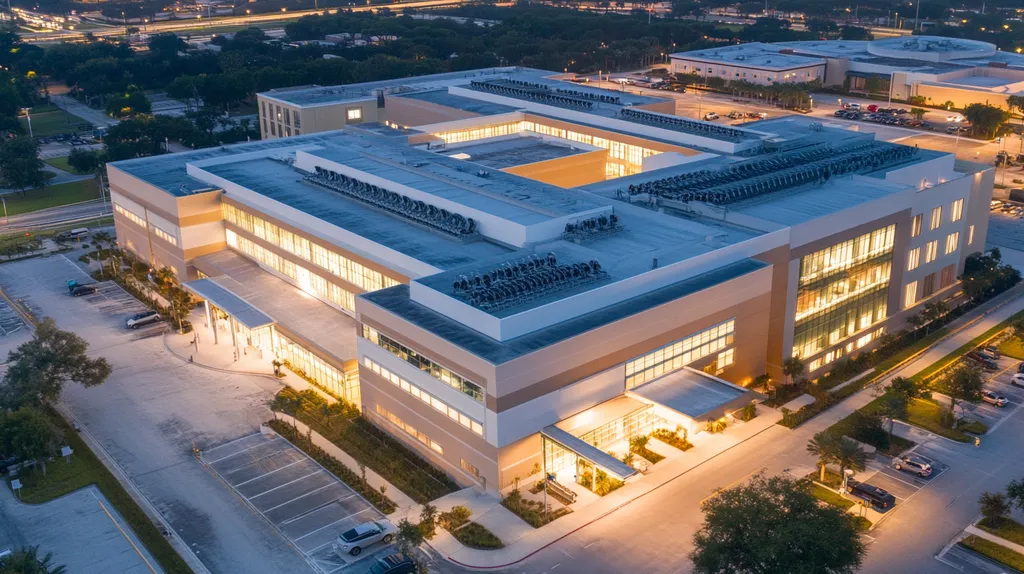
Commercial roof leaks cost U.S. businesses over $5 billion annually in repairs, structural damage, and lost productivity. Despite this staggering figure, many property owners continue to rely on outdated maintenance practices that leave their facilities vulnerable.
Understanding the truth about leak prevention is critical for protecting commercial investments and avoiding catastrophic failures. The difference between proper maintenance and neglect often determines whether a roof lasts 30 years or fails prematurely.
This comprehensive guide examines common misconceptions, explores their costly implications, and provides evidence-based solutions for maintaining watertight commercial roofing systems.
SECTION 1: COMMON MISCONCEPTIONS
Preventing leaks in commercial roofs is not just a maintenance task; it’s an essential part of protecting property investments. Misunderstandings in this area can lead to significant damage and escalating repair costs. Each year, property owners lose billions due to roof-related issues, underscoring the importance of addressing these misconceptions head-on. This section clarifies three prevalent beliefs that can undermine roof integrity: the dangers of ignoring minor leaks, the myths surrounding flat roof drainage, and the misconception that patching is a permanent fix.
Ignoring Minor Leaks
Some property owners think that minor leaks are trivial and can be overlooked. However, this perspective is misleading and can lead to severe consequences. A small drip can quickly develop into extensive water damage, encouraging mold growth and threatening the structural integrity of the building.
For instance, a seemingly insignificant leak might cause water to accumulate under insulation, reducing the roof’s thermal efficiency. This can result in increased energy costs and compromise overall building performance. Neglecting early warning signs not only escalates repair expenses but also puts tenant safety at risk.
Conducting regular inspections that address even minor leaks can yield substantial savings and reduce stress for property owners over time. Early detection is crucial for avoiding larger, more expensive problems.
Facilities managers must acknowledge that small leaks often indicate more significant underlying issues. Taking proactive measures to tackle these leaks is vital for maintaining the long-term health of the roof.
Flat Roofs and Drainage Myths
A widespread misconception about flat roofs is that they don’t require effective drainage solutions. In truth, all roofs, flat or sloped, need proper drainage systems to avoid water accumulation. Without them, water can gather and apply excessive stress to roofing materials, leading to leaks and potential structural failures.
For example, insufficient drainage during heavy rainfall can result in standing water, accelerating the deterioration of roofing materials. This situation can cause significant repair costs and threaten the building’s overall structural integrity.
Property managers must understand the critical role of drainage systems. Installing a system suited to the roof’s specific needs will prevent water buildup and prolong the lifespan of roofing materials.
Flat roofs require diligent maintenance and intelligently designed drainage solutions to ensure water flows away from vulnerable areas. Addressing drainage misconceptions is essential for preventing potential leaks.
Patching as a Permanent Fix
A common fallacy is that patching a damaged area of a roof constitutes a permanent solution. While patching can temporarily seal a leak, it often merely hides the symptoms rather than addressing the underlying issues.
As weather conditions change, the integrity of patches may deteriorate, resulting in fresh leaks. Relying solely on patching can lead facility managers to overlook the comprehensive repairs necessary for long-term durability.
For instance, a patch applied to an aging membrane may provide brief protection but fail to support the underlying structure effectively. A thorough assessment and repairs should always follow patching efforts to ensure enduring results.
Ultimately, property owners must recognize that maintaining a sustainable roof requires detailed inspections and extensive repairs. A holistic approach to roofing challenges will lead to more effective strategies for leak prevention and improve overall roof performance.
SECTION 2: PRACTICAL IMPLICATIONS
Leaks in commercial roofs can result in devastating outcomes, ranging from severe water damage to potential structural failures. A study by the National Roofing Contractors Association indicates that 80% of roofing leaks stem from improper maintenance. Recognizing the practical implications of maintaining a leak-free roof is crucial for property owners and facility managers. This section delves into water damage, the impact on energy efficiency, and the hidden risks tied to neglecting proper maintenance.
Water Damage and Structural Issues
Water intrusion can threaten not just roofing materials but also the fundamental structure of a building. Once leaks are overlooked, they can foster mold growth, posing health risks and compounding damage. Structural components such as plywood and metal beams may weaken over time, leading to costly repairs or even the need for total reconstruction.
For example, a minor leak can incur escalating costs that strain budgets and disrupt operations. Water pooling in vulnerable areas adds additional stress to the roofing system. Implementing regular inspections and maintenance can detect and mitigate these vulnerabilities before they escalate into significant issues.
Property owners should focus on investing in preventive measures, addressing problems as they arise. Ignoring small repairs can result in financial outlays far greater than those associated with routine maintenance. An effective maintenance program can significantly reduce leak-related concerns and promote long-term durability.
Impact on Energy Efficiency
Roof leaks can dramatically diminish a building’s energy efficiency. When water infiltrates insulation, it loses its ability to regulate temperature, leading to soaring heating and cooling expenses. Buildings with compromised insulation often struggle to maintain comfortable indoor climates, resulting in wasted energy and inflated utility bills.
Research has shown that a notable percentage of energy loss in commercial structures is linked to roof deterioration. By investing in proper maintenance, property managers can ensure that insulation remains intact and functional, which translates to lower energy costs and increased comfort for occupants.
Moreover, maintaining roofing systems not only supports financial efficiency but also furthers sustainability goals. Energy-efficient roofs lessen the environmental impact of commercial properties, aligning with current trends toward eco-friendliness. Thus, regular maintenance becomes integral to preserving energy efficiency and reducing operational costs.
Hidden Damage and Safety Risks
The most alarming outcomes of roof leaks often manifest as hidden damages that develop unnoticed over time. Water can infiltrate electrical systems and HVAC units, creating fire hazards and increasing the likelihood of equipment failure. The risks extend to tenants and employees, as unexpected leaks can lead to slips, falls, or electrical incidents.
Additionally, the financial repercussions include replacing damaged equipment and addressing potential liability claims. Facility managers must understand that preventative maintenance is about much more than preserving roofing materials; it is also crucial for ensuring the safety of building occupants.
Conducting regular inspections can reveal hidden dangers before they escalate into serious problems. A comprehensive maintenance plan is vital for pinpointing weak spots, allowing property managers to act swiftly. Neglecting these responsibilities not only invites safety risks but also leads to costly outcomes.
SECTION 3: COST OF MISINFORMATION
Misinformation in commercial roofing can carry significant financial implications. A notable study from 2022 found that 40% of roof leaks result from improper maintenance advice. This misinformation not only places unexpected financial burdens on property owners but also disrupts business operations. Understanding the true costs of these misunderstandings is critical. This section explores emergency repair expenses, premature roof replacement, and the often-overlooked impact on business efficiency.
Emergency Repair Expenses
Emergency repairs can rapidly deplete a facility’s financial resources. Property owners often delay addressing leaks until they escalate into urgent problems, necessitating costly fixes. In such cases, urgent repairs can set a facility back thousands of dollars due to the increased labor and materials required to remedy severe damage.
For example, a commercial building facing an unexpected leak could incur expenses exceeding $5,000 for emergency services and temporary solutions like tarping. Delays in addressing leaks often lead to additional water damage, further compounding repair costs.
The cumulative effect of neglecting routine maintenance can turn manageable roofing issues into overwhelming financial burdens. Failing to combat misinformation leads to unnecessary emergencies, pushing property owners into costly reactive measures rather than proactive upkeep.
Premature Roof Replacement
Overlooking the importance of regular maintenance can result in the untimely replacement of roofing systems. Many roofs are designed to endure for 20 years or more, but incorrect information can substantially decrease their lifespan.
For instance, a property manager might decide to replace an entire roof after dealing with minor leaks that proper maintenance could effortlessly address. This decision could incur expenses in the tens of thousands, overshadowing the relatively minor costs associated with routine maintenance and repairs.
Beyond replacement costs, property owners must also factor in expenses related to labor, disposal of old materials, and the potential downtime during installation. These financial impacts could hinder budgets for other critical projects, thus disrupting overall operational efficiency.
Misinformed decisions can carry lasting financial consequences, highlighting the need for accurate guidance on roofing care.
Loss of Business Operations
A leaky roof can significantly disrupt business operations, causing revenue losses and hampering productivity. When roofing issues arise, businesses are often forced to redirect resources to combat water damage, negatively affecting service delivery.
Operational interruptions can lead to lost income, employee downtime, and damage to inventory and equipment. For manufacturing facilities, even a single day of halted operations can result in substantial financial losses.
Additionally, if these issues lead to service delays or unsafe working conditions, customer trust can diminish, resulting in reputational damage alongside financial repercussions. Investing in accurate roofing maintenance information helps mitigate risks, allowing businesses to continue their operations smoothly while maintaining customer satisfaction.
SECTION 4: REALITY CHECK
Roof leaks can impose significant financial burdens and safety threats on commercial property owners. Studies reveal that unaddressed leaks can lead to structural damage, costing hundreds of thousands of dollars in repairs over time. Regular maintenance and inspections not only preserve property investments but also extend the lifespan of roofing systems. Recognizing the challenges posed by differing materials and the necessity of professional installation enables property managers to make informed, strategic decisions.
Importance of Regular Inspections
Regular inspections are essential for safeguarding the integrity of commercial roofs. Many property owners overlook how quickly minor issues can snowball into major problems. A small crack or tear that goes unnoticed can become a gateway for leaks, resulting in heightened moisture levels and mold growth.
Data indicates that properties subjected to biannual inspections can reduce unexpected leaks by up to 75%. Frequent evaluations allow for prompt detection of vulnerabilities, enabling corrective action before damage accumulates. Additionally, consistent maintenance can significantly enhance the longevity of the roofing system.
Inspections should be viewed as a vital budgetary component rather than an optional task. Real cost savings emerge from proactive leak prevention, as opposed to incurring exorbitant emergency repair bills due to neglect.
By prioritizing regular inspections, property owners not only protect their buildings but also enhance tenant satisfaction and health safety. This proactive approach is a crucial element of effective leak prevention and an overarching maintenance strategy.
Material Variability and Performance
The type of roofing material selected can greatly impact leak prevention during maintenance processes. Not all materials function equally well, especially under varying environmental conditions. For instance, some materials may lack the resilience to endure extreme weather, resulting in premature failures.
Moreover, improper selection of materials can lead to compatibility issues. Using mismatched materials during repairs can undermine the roof’s ability to prevent leaks. Contractors should ensure that all materials are appropriate for the local climate and the specific roofing system installed.
It’s also crucial to consider the age of the roofing materials. Older products nearing the end of their service life may require increased monitoring to ward off leaks. Regular evaluation of material conditions must be included in any comprehensive roof management plan.
Understanding material characteristics and performance can guide owners to make better decisions. Investing in thorough testing and evaluation upfront can stave off costly repairs in the future.
Professional Installation Necessity
Opting for amateur installations to cut costs poses significant risks for property owners. Poorly executed installations are leading contributors to roof leaks. Issues such as inadequate sealing, improper flashing, and the use of subpar materials can culminate in serious long-term problems.
Engaging experienced professionals ensures that roofing systems are installed according to industry standards. Many roofing manufacturers mandate professional installation to validate warranties, underscoring the critical importance of expertise in effective roofing maintenance.
Additionally, a licensed contractor conducts comprehensive inspections during installation, which is essential for identifying potential leak points. The investment in skilled labor yields long-term benefits by significantly reducing the likelihood of costly leaks.
In conclusion, prioritizing professional installation not only secures the roof but also upholds warranty protections and boosts operational efficiency. This investment is grounded in industry expertise and best practices tailored for commercial roofing needs.
SECTION 5: EVIDENCE-BASED ALTERNATIVES
Leak prevention in commercial roofing is critical to safeguarding properties from catastrophic damage. Industry reports indicate that unresolved leaks are a leading cause of structural failure, resulting in repair costs that can exceed tens of thousands of dollars. To combat this persistent issue, property owners and facility managers must implement evidence-based strategies. This section highlights the importance of routine maintenance schedules, the selection of appropriate roofing materials, and the installation of effective drainage systems.
Routine Maintenance Schedules
Establishing a routine maintenance schedule is vital for preventing leaks in commercial roofing. Regular inspections allow for the early identification of minor issues before they escalate into major problems. Experts recommend inspecting roofs at least twice a year and following severe weather events.
During these inspections, technicians should check for vulnerabilities such as loose flashing, ponding water, and debris accumulation. Addressing these problems promptly can prevent water intrusion that leads to leaks. A proactive maintenance plan not only extends the lifespan of the roofing system but also reduces long-term costs.
Maintaining detailed records of inspections and repairs helps track the roof’s condition over time, providing valuable information for future decisions. Such documentation can even serve as evidence for warranty claims if necessary. Following a structured maintenance schedule fosters peace of mind for property owners.
Moreover, regular upkeep enhances safety by minimizing hazards linked to roof failures. Routine maintenance should be viewed not as an expense, but as an essential investment in the property’s longevity.
Choosing the Right Roofing Materials
The selection of roofing materials significantly impacts leak prevention. High-quality options like TPO (Thermoplastic Olefin) and EPDM (Ethylene Propylene Diene Monomer) offer excellent resistance to UV rays and extreme weather. These characteristics help minimize roof degradation over time.
Property owners should consult manufacturer recommendations and adhere to industry standards when choosing materials to ensure long-lasting solutions that mitigate risk. Utilizing multi-layer systems or membranes can provide additional layers of protection against leaks.
Opting for materials with extended warranties adds an extra layer of security, as these often cover leak-related damages, offering financial protection and peace of mind for property managers. Investing in high-quality materials pays off in the long run.
Ultimately, the choice of roofing materials is a critical component of an effective roofing strategy that should not be overlooked.
Proper Drainage System Installation
Effective drainage systems are crucial for preventing water accumulation, which can lead to leaks and structural damage. Flat roofs, in particular, require careful drainage design to avoid standing water. Essential components include the installation of gutters, downspouts, and internal drains.
During roof installation or maintenance, verifying that drains are unobstructed and functioning efficiently is essential. Regular cleaning and evaluation of drainage systems can avert costly leak scenarios. A well-planned drainage layout channels water toward designated areas, significantly reducing pooling risks.
Incorporating slight slopes in the roofing surface can enhance drainage efficiency. These slight inclines ensure that water flows toward drainage points effectively, alleviating stress on roofing materials.
Additionally, property owners should consider local weather patterns and building design when planning drainage systems. Customized drainage solutions can deliver optimal performance tailored to the building’s specific needs, yielding significant leak prevention.
SECTION 6: TEST AND VERIFY
Effective roof maintenance is critical in preventing costly leaks that can wreak havoc on commercial properties. Industry studies show that water damage can lead to expenses soaring into the thousands, or even millions, particularly when leaks are left unaddressed. This section underscores the importance of meticulous inspections, robust leak testing, and strict adherence to industry standards to protect commercial roofs.
Conducting Thorough Roof Inspections
Regular roof inspections are vital for spotting potential leaks before they develop into severe problems. Professionals should conduct inspections at least twice a year and after adverse weather events, focusing on joints, seams, and other susceptible spots.
Utilizing advanced technologies like infrared imaging can significantly enhance the inspection process. This method detects temperature variations, revealing moisture trapped in the roofing structure. Catching these issues early can prevent minor concerns from escalating into costly repairs.
Property owners should maintain a documented inspection schedule that includes photographs and detailed notes about the roof’s condition. This record not only helps in tracking maintenance but also assists in compliance checks with insurance and industry standards.
Ultimately, thorough inspections are not just a good practice; they are essential for preserving the longevity of a commercial roof.
Testing for Leaks and Weak Points
Inspections alone are insufficient; systematic leak testing is crucial to the maintenance process. Professionals can employ water testing methods that simulate rain conditions, allowing them to identify leaks and weak points that aren’t easily visible during a standard inspection.
Pressure testing can also uncover hidden issues within the roof system. Applying air or water pressure to specific sections can reveal vulnerabilities that require immediate repair.
An additional effective method is using dye to trace water intrusions. This technique provides accurate identification of leak sources, ensuring targeted repairs are implemented promptly.
Through timely and comprehensive testing, property owners can significantly reduce the risk of extensive damage, ultimately saving time and money.
Ensuring Compliance with Industry Standards
Compliance with industry standards is not merely about following regulations; it is a critical component of leak prevention. Property owners should familiarize themselves with the guidelines established by organizations such as the National Roofing Contractors Association (NRCA) and the American National Standards Institute (ANSI).
These standards outline best practices for both installation and ongoing maintenance, which can drastically lower leak risks. Regular training sessions for maintenance teams and roofers on these standards ensure that everyone involved is knowledgeable and compliant.
Furthermore, adhering to manufacturer warranty specifications is vital. Many warranties can become void if maintenance guidelines are not followed, potentially leading to expensive repairs that property owners would have to shoulder themselves.
By prioritizing compliance and education, property owners can establish a solid framework for roof maintenance that emphasizes leak prevention and enhances the lifespan of their roofing investments.
The Bottom Line
Commercial roof leaks cost U.S. businesses billions annually, yet most are entirely preventable through proper maintenance and inspection protocols.
The evidence is clear: regular professional inspections can reduce unexpected leaks by up to 75%, while proper material selection and drainage systems significantly extend roof lifespans.
Property owners who implement comprehensive maintenance programs, conduct systematic testing, and adhere to industry standards consistently avoid catastrophic failures and protect their investments.
The choice between proactive maintenance and reactive repairs often determines whether a commercial roof lasts 30 years or fails prematurely, potentially costing hundreds of thousands in damages and business interruption.
Moving forward, facility managers must prioritize evidence-based maintenance strategies to ensure their roofing systems remain watertight and reliable for years to come.
FREQUENTLY ASKED QUESTIONS
Q. What are common misconceptions about commercial roofs and leaks?
A. Common misconceptions include ignoring minor leaks and assuming flat roofs don’t need proper drainage. Many property owners mistakenly believe that patching is a permanent fix, which is not the case. Addressing these misunderstandings is crucial to protect the roof’s integrity and avoid significant damage.
Q. How do leaks affect energy efficiency in industrial roofs?
A. Leaks can significantly decrease energy efficiency by compromising insulation’s ability to regulate temperature. As insulation becomes waterlogged, heating and cooling costs increase. Maintaining the roof’s integrity allows for effective temperature control, ultimately lowering utility bills for commercial properties.
Q. What financial risks come from misinformation on commercial roof maintenance?
A. Misinformation can lead to costly emergency repairs, premature roof replacements, and disruptions of business operations. This can result in significant unexpected expenses and lost revenue. Accurate maintenance guidance is essential for financial management and overall operational efficiency.
Q. Why are regular inspections crucial for commercial roofs?
A. Regular inspections are vital for identifying potential issues before they escalate. Many minor deficiencies can lead to major problems, including leaks. Consistent checks not only help maintain the roof’s integrity but also extend the roof’s lifespan and enhance overall property health.
Q. What are effective strategies for preventing leaks in commercial roofs?
A. Implementing a routine maintenance schedule, choosing appropriate roofing materials, and ensuring efficient drainage systems are key strategies. Regular inspections and timely interventions can significantly mitigate leak risks and prolong the life of roofing systems in commercial properties.
Q. How can I ensure compliance with industry standards for roof maintenance?
A. Familiarizing yourself with guidelines from organizations like the NRCA and ANSI is crucial. Regular training for maintenance personnel on compliance and adherence to manufacturer warranty specifications will solidify your maintenance framework, promoting preventive measures effectively.
Q. What additional factors can influence the performance of a commercial roof?
A. Factors such as weather conditions, roofing material age, and installation quality can all impact roof performance. Understanding these elements helps in selecting appropriate maintenance strategies and materials, ensuring better leak prevention and extending the roof’s service life.






