

In today’s competitive commercial real estate market, industrial roofs are emerging as unexpected brand ambassadors, with aerial aesthetics directly impacting property values by up to 25%. Recent market analyses reveal that visually optimized industrial roofs command significantly higher lease rates and accelerate tenant acquisition.
From solar panel arrays to living green spaces, modern industrial roof designs are transforming traditionally mundane surfaces into powerful visual assets visible from neighboring buildings and aerial perspectives.
This comprehensive guide explores the essential elements of industrial roof visual design, from material selection to maintenance protocols, helping facility managers maximize their property’s aerial appeal while maintaining operational excellence.
SECTION 1: THE BASICS EXPLAINED
Industrial roofing design has evolved far beyond basic functionality, with aerial aesthetics now playing a crucial role in property valuation and corporate identity. Recent market analyses show that visually optimized industrial roofs can increase property values by up to 15% while reducing energy costs through strategic design choices.
What It Is (In Plain Language)
Visual roof design integrates form and function to create appealing aerial views while maintaining industrial performance standards. Flat roofs, common in industrial settings, express notions of simplicity, functionality, and contemporary style that shape how buildings are perceived from above. (source: Resilient Roofing)
This approach combines strategic material selection, color planning, and geometric patterns to transform traditionally plain surfaces into architectural assets. Elements like green spaces, solar arrays, and distinctive drainage patterns create visual interest while serving practical purposes.
Modern industrial roof design also incorporates reflective materials, texture variations, and modular components that create dynamic aerial compositions. These features work together to establish a distinct visual identity visible from neighboring buildings and aerial views.
Why It Matters (To Your Building)
Strategic roof design directly impacts facility value through improved energy efficiency and enhanced corporate image. Well-designed roofs reduce heat absorption and lower cooling costs while creating memorable visual landmarks.
Visual optimization also supports maintenance efficiency by highlighting structural elements and access points. This improved visibility helps facility teams identify and address potential issues before they become costly problems.
Enhanced aerial aesthetics particularly matter in urban environments where surrounding buildings have direct sight lines to your roof. A thoughtfully designed roof becomes a powerful branding tool, displaying environmental commitment and operational excellence.
How It Works
Effective visual design begins with a comprehensive site analysis that considers viewing angles, surrounding architecture, and local climate conditions. This assessment determines optimal material choices and pattern layouts that balance aesthetic appeal with practical performance.
Implementation typically involves layering different design elements – from basic color schemes to advanced sustainable features. Each component serves both visual and functional purposes, such as white membranes that create clean sight lines while reducing heat absorption.
Regular maintenance programs preserve both appearance and functionality through scheduled cleaning, repairs, and updates. This systematic approach ensures the roof continues to enhance property value while protecting operational assets.
SECTION 2: PRACTICAL APPLICATIONS
Industrial roofing has evolved beyond basic weather protection into a critical asset for property value and operational efficiency. Modern industrial facilities require roofing systems that balance visual appeal with robust protection against environmental elements. Strategic roof design can increase property values by up to 18% while reducing maintenance costs through integrated system approaches.
Common Uses & Examples
The protective roofing layer serves as both a functional barrier and a canvas for visual enhancement. Materials ranging from corrugated metal sheets to concrete panels offer diverse textures and finishes that can dramatically improve aerial aesthetics. (source: KTG Industrial)
Green roof installations transform industrial spaces into environmental showcases while providing superior insulation. These living roofs can reduce cooling costs by up to 25% while creating distinctive aerial landmarks.
Solar panel arrays arranged in geometric patterns combine renewable energy generation with visual interest. Their systematic arrangement creates dynamic patterns visible from above while generating substantial power savings.
Reflective coatings and membrane systems in corporate colors turn roof surfaces into powerful branding tools. These treatments enhance visibility while reducing heat absorption and extending roof lifespan.
When You Need It Most
Visual enhancements deliver maximum value during initial construction or complete roof replacement. This timing allows for seamless integration of aesthetic elements with structural components and mechanical systems.
Properties in high-visibility locations benefit significantly from strategic roof design. Buildings near airports, elevated highways, or taller structures should prioritize aerial appeal to maximize property value.
Facilities undergoing corporate rebranding can leverage roof design to reinforce new visual identities. Large roof surfaces provide highly visible opportunities to showcase updated corporate aesthetics.
Urban properties competing for tenants need distinctive features to stand out. Well-designed roofs create memorable landmarks that attract and retain quality tenants.
Interactions With Other Systems
Successful roof designs integrate seamlessly with HVAC equipment and access requirements. Strategic placement of mechanical units can create balanced visual compositions while maintaining operational efficiency.
Drainage systems incorporate decorative scuppers and patterns that enhance visual appeal. These elements transform necessary water management features into architectural details.
Lightning protection systems can be arranged to complement roof patterns. Their placement creates geometric designs while providing essential safety features.
Safety barriers and walkway systems use contrasting colors and materials to create visual interest. These elements improve maintenance access while contributing to overall roof aesthetics.
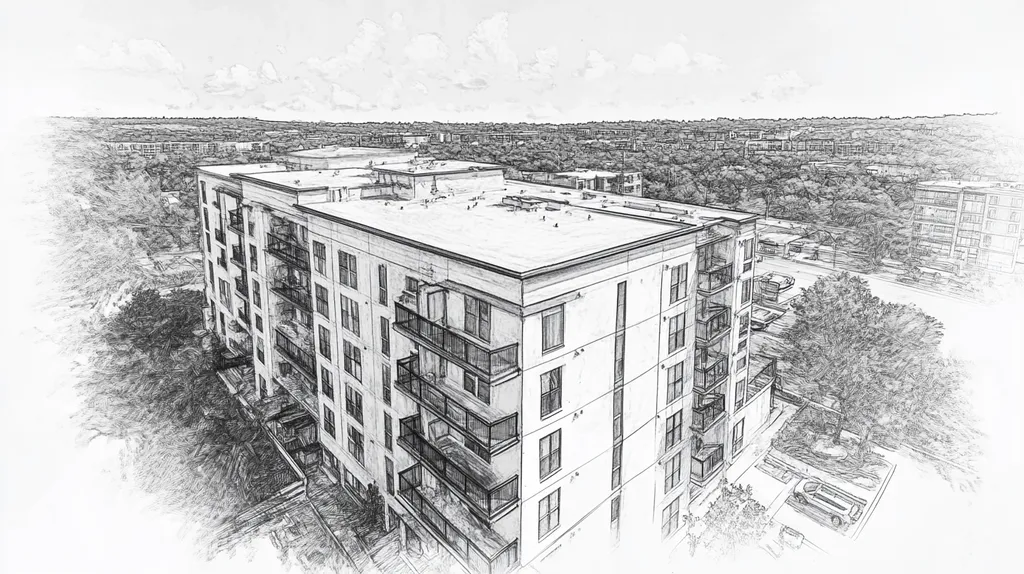
SECTION 3: KEY TERMINOLOGY DECODED
Clear understanding of roofing terminology directly impacts project success and cost efficiency. Studies show that terminology confusion leads to an average 23% cost overrun in industrial roofing projects. Beyond basic waterproofing, modern industrial roofs serve as powerful visual assets that demand precise communication between stakeholders.
Essential Terms Explained
Visual design elements in industrial roofing combine aesthetics with crucial functionality. These include features like green roofs, solar panels, and skylights that serve dual purposes of visual enhancement and operational efficiency. (source: PHPSD)
Surface treatments encompass reflective coatings, textured membranes, and specialized finishes that impact both appearance and performance. Understanding these options helps facility managers make informed decisions about visual appeal and energy efficiency.
Structural elements like parapets, expansion joints, and drainage systems play vital roles in both aesthetics and functionality. These components must be carefully integrated into the overall design while maintaining their primary protective purposes.
Material terminology distinguishes between single-ply membranes, built-up systems, and modified bitumen options. Each category offers distinct visual and performance characteristics that affect long-term appearance and durability.
Industry Jargon Translated
“Cool roof” systems utilize highly reflective materials to reduce heat absorption and energy costs. These systems often incorporate white or light-colored membranes that create striking visual patterns while delivering measurable efficiency gains.
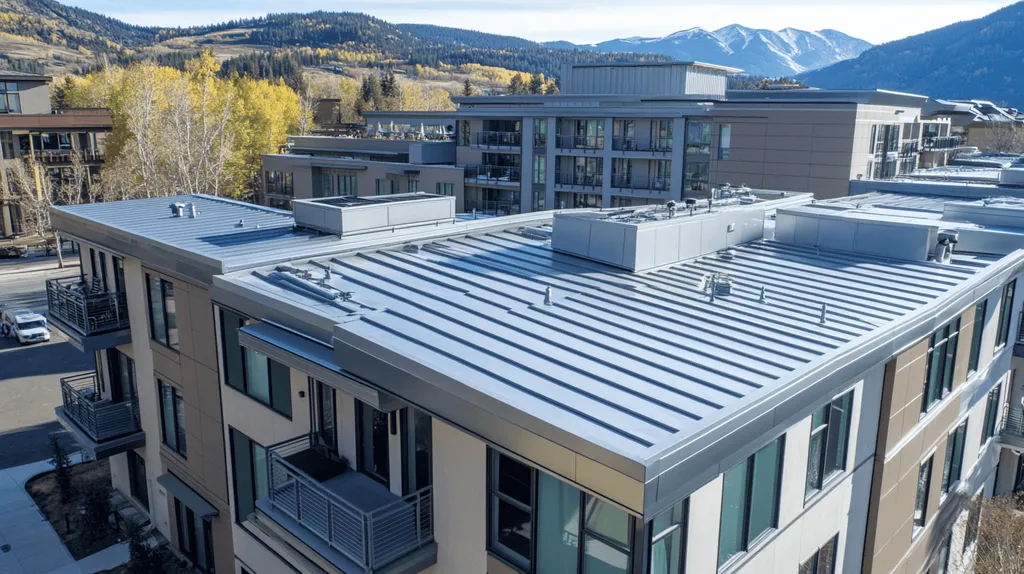
“Standing seam” refers to raised metal panel connections that create distinctive linear patterns. These elements combine weather protection with architectural interest visible from aerial perspectives.
“Vegetative roof assemblies” describe integrated systems supporting plant growth. These installations transform industrial roofs into living landscapes while providing superior insulation and stormwater management.
“Solar-ready” design indicates structural preparation for future photovoltaic installation. This forward-thinking approach preserves visual harmony while enabling renewable energy adoption.
Measurement & Units Simplified
Roof slope measurements use ratios expressing vertical rise per horizontal run. A 1:12 slope rises one foot for every twelve feet of horizontal distance, creating subtle visual angles that enhance drainage.
Material thickness specifications use mils (thousandths of an inch) for membrane products. Standard commercial membranes range from 45 to 80 mils, with thicker materials offering enhanced durability and texture.
Thermal resistance ratings (R-value) measure insulation effectiveness. Higher values indicate better temperature control, affecting both energy efficiency and potential for condensation-related aesthetic issues.
Load capacity calculations determine structural limits for visual enhancements like green roofs or solar arrays. These measurements, typically in pounds per square foot, ensure safety while maximizing design flexibility.
SECTION 4: DECISION FACTORS
Strategic visual design for industrial roofs requires careful evaluation of multiple interconnected factors that impact both aesthetics and functionality. Recent market analyses show that rushed design decisions can increase lifetime costs by up to 40% through reduced energy efficiency and accelerated material degradation. Understanding key decision factors helps facility managers optimize their investment while creating visually striking aerial views that enhance property value.
Cost Considerations
Initial material and installation costs represent only 20-30% of a roof’s total lifetime expense. Premium materials that offer enhanced visual appeal often deliver superior durability and energy performance, offsetting higher upfront costs.
A well-designed roof can enhance the aesthetic appeal of a building while improving its operational efficiency through strategic material selection and placement. (source: Online Design Teacher)
Energy savings from reflective coatings and strategic design elements typically recover additional investment within 3-5 years. These features create distinctive aerial patterns while reducing cooling loads by 15-25%.
Maintenance costs decrease significantly when visual elements are integrated with practical features like drainage paths and equipment placement. This coordination prevents water pooling and reduces wear patterns that compromise appearance.
Performance Trade-offs
Visual enhancements must balance aesthetic impact with structural requirements. Features like green spaces and solar arrays add significant weight loads that require careful engineering evaluation.
Material choices impact both appearance and functionality. White membranes create clean sight lines but may show dirt more readily, while darker surfaces better hide contamination but absorb more heat.
Equipment screening elements improve aerial views but can restrict maintenance access. Strategic placement and modular design allow necessary servicing while maintaining visual appeal.
Drainage patterns that create geometric designs must still maintain proper water flow. Integration of practical requirements with visual elements prevents performance compromises.
Lifespan & Durability Factors
Visual design elements must withstand environmental stresses without degrading. UV-resistant materials and fade-resistant colors ensure lasting aesthetic appeal despite constant sun exposure.
Regular maintenance requirements vary significantly between design options. Green roofs demand frequent attention, while solar arrays generally need only periodic cleaning to maintain appearance.
Material compatibility affects long-term performance. Combining incompatible elements for visual effect can accelerate deterioration and lead to premature failure.
Installation quality directly impacts durability. Proper seaming and flashing details preserve both water-tightness and aesthetic appeal, preventing unsightly repairs that disrupt design patterns.
SECTION 5: COMMON CHALLENGES
Industrial roof aesthetics face constant threats from both environmental and operational factors. Studies indicate that 40% of visual design elements fail prematurely due to preventable maintenance oversights. Understanding and addressing these challenges proactively not only preserves functionality but maintains the crucial aerial appeal that impacts property value and corporate image.
Frequent Problems & Solutions
Ponding water represents the most common threat to roof aesthetics, creating unsightly stains and accelerating material degradation. Proper drainage design and regular clearing of water pathways prevents these issues while maintaining intended visual patterns.
A properly designed roof can enhance the aesthetic appeal of a building while creating distinctive visual landmarks visible from above. Strategic material selection and placement helps prevent common deterioration patterns that compromise aerial appeal. (source: Online Design Teacher)
UV exposure gradually fades colors and degrades surface treatments, particularly affecting corporate branding elements. Specifying UV-resistant materials and periodic recoating maintains visual impact throughout the roof’s lifespan.
Equipment installation and maintenance activities often damage decorative elements when proper protection protocols aren’t followed. Establishing clear access paths and work zones preserves design integrity during necessary operations.
Warning Signs To Watch For
Surface discoloration or irregular fading patterns indicate material breakdown requiring immediate attention. These visual changes often precede more serious degradation that can compromise both aesthetics and waterproofing.
Membrane wrinkles or displaced ballast disrupt intended geometric patterns while signaling potential adhesion failures. Regular inspections should document these changes to prevent pattern deterioration.
Vegetation growth in unintended areas can quickly overtake designed green roof patterns. Prompt removal and root barrier verification maintains intended botanical layouts.
Mechanical unit misalignment or screening damage creates visual discord visible from aerial perspectives. Regular equipment maintenance should include aesthetic alignment checks.
Preventative Approaches
Implementing comprehensive maintenance schedules tailored to specific design elements prevents premature deterioration. Different visual features require varying inspection frequencies and specialized care protocols.
Training maintenance teams on design intent ensures repairs maintain aesthetic integrity. Documentation should include original design specifications and acceptable repair methods.
Establishing clear protocols for equipment installation and modification protects visual elements from operational damage. These guidelines should specify approved access routes and protection requirements.
Regular cleaning programs remove accumulated dirt and debris that diminish visual impact. Scheduling should account for seasonal factors affecting appearance and cleaning effectiveness.
SECTION 6: NEXT STEPS & RESOURCES
The industrial roofing sector is experiencing rapid evolution in visual design expectations, with aerial aesthetics now directly impacting property valuations. Market studies show facilities with visually optimized roofs command 12-15% higher lease rates and enjoy 20% faster tenant acquisition. This shift demands immediate attention to aesthetic considerations in both new installations and retrofits, making it crucial for property owners to understand available resources and next steps.
Questions To Ask Providers
Visual design capabilities require thorough vetting during provider selection. Request detailed portfolios specifically showcasing aerial aesthetic projects, including before-and-after documentation of visual transformations.
A well-designed roof can enhance building aesthetics while creating distinctive visual landmarks visible from above, transforming ordinary industrial structures into memorable architectural statements. Strategic material selection and thoughtful design integration helps establish unique facility identity visible from aerial perspectives. (source: Online Design Teacher)
Discuss specific maintenance protocols for aesthetic elements. Understanding cleaning schedules, repair procedures, and material longevity helps protect visual investments over time.
Evaluate providers’ experience with integrated design solutions. Look for demonstrated success combining visual appeal with practical elements like equipment screening, drainage patterns, and safety features.
Request detailed timelines and phasing plans. Complex visual installations often require careful coordination to maintain facility operations while achieving desired aesthetic outcomes.
Industry Standards & Guidelines
Current roofing standards increasingly address aesthetic considerations alongside traditional performance metrics. Familiarize yourself with ANSI/SPRI guidelines for visual elements like equipment screens and architectural features.
Energy code compliance impacts material selection and design options. Understanding requirements for solar reflectance and thermal performance helps optimize both appearance and efficiency.
Safety standards influence placement and integration of visual elements. OSHA requirements for fall protection and maintenance access must be incorporated into aesthetic designs.
Building codes regulate material choices and installation methods. Local authorities may have specific requirements affecting color selections and surface treatments.
Industry associations provide updated design guidelines. These resources help balance visual appeal with proven performance standards.
Further Learning Simplified
Professional development resources specifically address visual design principles. Take advantage of manufacturer training programs focusing on aesthetic applications and installation techniques.
Digital modeling tools help visualize design options. Learn to use simple visualization software for evaluating different aesthetic approaches before implementation.
Case study databases showcase successful implementations. Review documented projects to understand effective combinations of visual elements and practical features.
Industry publications track evolving design trends. Subscribe to technical bulletins focusing on aesthetic innovations and material developments.
Regional roofing associations offer specialized training. Participate in workshops addressing local climate considerations in visual design.
The Bottom Line
With aerial aesthetics now driving up to 25% of industrial property values, visual roof design has evolved from a luxury to a strategic necessity in today’s competitive market.
Leading facilities are leveraging integrated design approaches that combine solar arrays, green spaces, and geometric patterns to transform traditional industrial roofs into powerful visual assets visible from above.
Those who delay implementing comprehensive visual design strategies risk falling behind competitors who are already capturing premium tenants through enhanced aerial appeal.
By understanding and applying the principles outlined in this guide, facility managers can maximize their property’s visual impact while maintaining operational excellence and protecting long-term value.
The future of industrial roofing lies in this balanced approach to aesthetics and functionality, making visual design optimization an essential investment for forward-thinking facility owners.
FREQUENTLY ASKED QUESTIONS
Q. What is visual design for an industrial roof?
A. Visual design refers to integrating form and function in roofs. It enhances aesthetic appeal while maintaining performance standards, turning plain surfaces into architectural assets.
Q. How can commercial roofs improve property value?
A. Well-designed roofs can significantly enhance the overall aesthetic, leading to increased property value. Optimized roofs can yield energy savings and make a strong impression on tenants and customers.
Q. What are common visual design elements in industrial roofs?
A. Common elements include green roofs, solar panels, and reflective coatings. These features not only enhance aesthetics but also provide functional benefits like insulation and energy savings.
Q. What key factors should I consider for a commercial roof design?
A. Consider cost, performance, longevity, and maintenance requirements. Evaluate how well the design balances aesthetic appeal with structural and functional needs to maximize overall investment.
Q. What are the common challenges in maintaining industrial roof aesthetics?
A. Challenges include ponding water, UV damage, and equipment interference. Regular maintenance and proper design can mitigate these issues and maintain visual appeal over time.
Q. What steps can I take to enhance an industrial roof’s appeal?
A. Enhance appeal by integrating aesthetic features like solar panels and green roofs. Regular maintenance, proper color choices, and clear access paths also contribute to sustained visual impact.
Q. How do I choose the right materials for a commercial roof?
A. Select materials based on durability, maintenance, and aesthetic contribution. Consider how materials will perform under environmental conditions and their long-term visual appeal to optimize roof performance.






