

Urban commercial properties face unprecedented challenges in roofing design, with up to 40% of building energy loss occurring through poorly configured roof systems.
As cities grapple with rising temperatures and intensifying storms, traditional roofing approaches no longer suffice for modern building requirements.
This comprehensive analysis examines common misconceptions about commercial roofing while providing evidence-based solutions for property owners and facility managers.
From innovative green roof technologies to advanced membrane systems, understanding these options has become crucial for maintaining competitive advantages in urban real estate markets.
SECTION 1: COMMON MISCONCEPTIONS
As the commercial roofing sector continues to evolve, property owners are often faced with high-stakes decisions that can significantly influence both construction costs and building longevity. In urban settings, the complexities of roofing systems become even more pronounced, leading to persistent misconceptions. For example, the belief that green roofs are overly expensive may deter investment in environmentally friendly solutions. Additionally, the notion that all flat roofs are inherently leak-prone disregards the advancements in roofing technology. This section aims to debunk these misunderstandings, equipping decision-makers with essential insights for informed choices.
Green Roofs Are Too Expensive
A common misconception among property owners is that green roofs are financially infeasible. While the upfront installation costs may be higher compared to traditional roofing systems, the potential for substantial long-term savings is undeniable. Research shows that green roofs can lead to energy cost reductions of up to 25%, significantly lowering heating and cooling expenses.
Moreover, green roofs typically have longer lifespans than conventional roofs, often lasting 40 years or more. This longevity reduces the frequency and financial burden of replacements, making them a smart investment in the long run.
Additionally, green roofs play a crucial role in stormwater management, potentially decreasing the costs associated with drainage and runoff. Cities frequently offer credits and incentives for green roofing, enhancing their affordability and demonstrating a clearer path to long-term financial benefits.
Ultimately, the initial investment in green roofs can be balanced by the energy savings, extended lifespan, and ecological advantages they provide. By embracing this innovative roofing option, building owners can achieve a more sustainable and financially viable structure.
All Flat Roofs Leak Easily
Another widespread belief is that all flat roofs are inherently susceptible to leaks. While it’s true that flat roofs can experience water pooling, advancements in roofing materials and design have significantly reduced this risk. The integration of high-quality membranes and improved drainage systems greatly minimizes potential leaks.
Modern roofing materials such as thermoplastic polyolefin (TPO) and ethylene propylene diene monomer (EPDM) are specifically designed for durability and resilience against adverse weather conditions. When installed and maintained correctly, these roofs can offer dependable protection against leaks.
Furthermore, flat roofs can be engineered with sloped designs to facilitate efficient water drainage, ensuring runoff rather than stagnation. Regular inspections and proactive maintenance serve to further diminish leak risks, ensuring roofs are kept in optimal condition.
Thus, the stereotype that all flat roofs leak fails to recognize the remarkable technological advancements in roofing systems. With informed choices and diligent upkeep, flat roofs can be both practical and leak-resistant.
More Insulation Is Always Better
The idea that more insulation equates to better performance can lead to confusion and inefficiencies. While sufficient insulation is vital for energy efficiency, excessive insulation can result in complications like moisture accumulation. This moisture buildup may produce mold, structural damage, and shorten the lifespan of roofing materials.
Finding the right balance is important when it comes to insulation. Building codes often specify minimum insulation requirements tailored to different climates, ensuring optimal performance without unnecessary excess.
The type of insulation also plays a significant role. Materials such as spray foam provide high R-values in thinner profiles, allowing effective thermal insulation without the drawbacks of increased thickness. Understanding the specific thermal needs of a building is critical.
In summary, while adequate insulation is essential for energy efficiency, “more” does not always mean “better.” Recognizing the appropriate insulation levels can help maximize a roof’s effectiveness while avoiding potential complications.
SECTION 2: PRACTICAL IMPLICATIONS
Urban environments pose distinct challenges for commercial roofing, making effective stormwater management and energy efficiency critical for property owners. With increasing rainfall and heat retention, neglecting these issues may lead to costly repairs and higher operational expenses. This section delves into the practical implications of urban roof designs, specifically focusing on stormwater management, energy efficiency, and the maintenance challenges that accompany innovative roofing systems.
Impact on Stormwater Management
In urban settings, effective stormwater management is essential due to increased runoff from impervious surfaces. Unique roofing solutions like green roofs and permeable materials offer practical mitigation strategies. For instance, green roofs can absorb significant amounts of rainwater, reducing runoff and the risk of flooding in cities.
Neglecting stormwater runoff can lead to costly building repairs and potential legal repercussions stemming from non-compliance with local drainage regulations. Property owners should assess their roofing systems to incorporate features that enhance water absorption, such as green roofs or integrated rainwater harvesting systems, which can also reduce water usage costs.
Sustainable roofing solutions contribute meaningfully to broader city efforts in stormwater management. As urban areas contend with increased precipitation linked to climate change, adaptable roofing designs become vital for maintaining long-term building viability. Ultimately, a comprehensive stormwater management plan integrated into roof design not only alleviates flooding but also supports the overall longevity of urban structures.
Effects on Energy Efficiency and Costs
Energy efficiency is increasingly urgent for commercial property owners facing rising energy costs. Unique roofing designs, particularly reflective roofs, can radically decrease energy consumption by reflecting sunlight instead of absorbing it. This strategy can lower cooling costs, which is especially beneficial during sweltering urban summers.
In fact, reflective roofing can cut a building’s energy usage by up to 20%, translating to meaningful savings on energy bills. Choosing energy-efficient roofing materials enhances both immediate financial performance and the overall value of the property. Smart roofing solutions enable businesses to better allocate their resources.
Moreover, green roofs provide significant insulation, maintaining stable indoor temperatures throughout the year. As energy prices escalate, the return on investment for these sustainable solutions decreases, making them increasingly attractive for property owners. By adopting modern roofing techniques, businesses not only remain competitive but also support critical sustainability initiatives.
Maintenance Challenges and Solutions
Many property owners may underestimate the maintenance demands associated with unique roofing designs. While options like green roofs offer numerous benefits, they require regular maintenance to sustain their functionality. Routine inspections and diligent maintenance protocols are essential to prevent issues such as leaks and uncontrollable plant growth.
Urban environments present unique challenges, exposing roofs to increased debris and pollutants. Property managers should develop a schedule for regular cleaning and professional inspections to promptly address these challenges. Neglecting upkeep can lead to significant repair costs and diminished roof performance.
Innovative roofing designs often come with specific warranty requirements that necessitate professional attention. It is essential for property owners to engage qualified contractors with expertise in specialized roofing systems to ensure compliance with these standards. A proactive maintenance strategy can significantly enhance the lifespan of a roof and prevent costly missteps.
In conclusion, while unique roofing designs introduce specific challenges, strategic maintenance can help property owners reap their full benefits. Investing in proper care safeguards urban roofs against premature failure and maximizes performance over time.
SECTION 3: COST OF MISINFORMATION
Misinformation about roofing designs can lead to significant financial strain for property owners. For instance, a poorly designed commercial roof can increase expenses by more than 30% beyond initial projections. These additional costs stem from both aesthetic shortcomings and degraded structural integrity. Therefore, recognizing the financial ramifications of incorrect assumptions about roofing is essential for building owners and facility managers.
Financial Consequences of Poor Design
A flawed roofing design can escalate initial construction expenses in surprising ways. Conventional roof designs often neglect critical elements such as effective drainage and adequate insulation. This oversight can prompt unexpected budget adjustments during the construction phase, leading to increased financing costs or delayed project timelines.
Moreover, improper design can result in substantial energy loss. Roofs not equipped with reflective materials or sufficient insulation can cause utility bills to soar, with energy expenses potentially increasing by up to 50%. These upfront financial penalties compound over time, jeopardizing the project’s overall feasibility and return on investment.
Prioritizing strategic roofing design not only prevents these costly mistakes but also safeguards long-term financial health for property owners.
Increased Maintenance and Repair Costs
Commercial roofs adhering to outdated designs are often beset by escalating maintenance and repair expenses. Conventional materials may not withstand the specific demands of urban environments, leading to quicker deterioration. For example, roofs that lack green features may suffer from accelerated wear due to urban heat and pollution.
Building owners may encounter urgent repair needs much earlier than anticipated, sometimes incurring costs that are 70% higher than standard maintenance budgets. Such financial pressures can divert resources away from essential property upgrades and innovations.
Additionally, structural issues and leaks resulting from poor design can lead to unpredictable repair expenses. By employing innovative design solutions early on, property owners can mitigate these unforeseen costs and secure long-lasting roof performance.
Loss of Sustainability Benefits
In a market increasingly focused on sustainability, ignoring advanced roofing designs can result in lost opportunities for eco-friendly benefits. Features like green roofs and modern designs enhance energy efficiency and aesthetic appeal. Without such elements, property owners may miss out on valuable tax credits and incentives for sustainable construction practices.
Poorly designed roofs can contribute to urban heat islands, raising energy requirements and adversely affecting building performance. This results in increased carbon footprints, which may deter environmentally conscious tenants.
Ultimately, failing to adopt innovative roofing solutions means missing out on sustainability benefits that not only protect the environment but also enhance public perception and market competitiveness. Recognizing the importance of modern roofing designs is crucial for aligning with contemporary sustainability trends.
SECTION 4: REALITY CHECK
As urbanization accelerates, the need for innovative commercial roofing designs becomes ever more critical. Traditional roofs struggle to meet the demands posed by climate challenges, leading to issues like urban heat islands, heightened energy use, and a decline in local biodiversity. Innovative roof designs are more than just aesthetic upgrades; they are vital for sustainability and economic efficiency. This section explores successful real-world implementations, the ecological benefits of native plantings, and the cutting-edge materials and technologies shaping the future of roofing.
Real-World Examples of Successful Designs
Several urban commercial buildings showcase how innovative roofing can be a game-changer. The Bullitt Center in Seattle features a green roof that significantly reduces stormwater runoff while enhancing the building’s insulation. This example illustrates how a well-designed roof can lower operational costs and elevate sustainability standards.
Similarly, the California Academy of Sciences in San Francisco boasts a thriving living roof teeming with diverse vegetation. This design not only captures rainwater but also provides vital habitats for local wildlife, enriching the city’s biodiversity. Such successful projects highlight the tangible benefits of reevaluating traditional roofing practices.
These cases show that contemporary roof designs can lead to lower energy consumption and greater overall building performance. Property owners are encouraged to view these pioneering examples as blueprints for their roofing decisions.
Ultimately, these designs signify a pivotal shift toward a more sustainable approach to commercial roofing, aligning with both environmental resilience and operational efficiency.
Benefits of Native Plantings and Biodiversity
Modern roof designs often incorporate native plant species, which offer substantial advantages. Local plants are inherently more resilient to indigenous climates and require less maintenance, providing a sustainable alternative to conventional landscaping that can reduce water and upkeep costs.
Additionally, biodiverse roofs play a vital role in sustaining local ecosystems, attracting essential pollinators such as bees and butterflies. This variety not only beautifies urban settings but also aids air quality improvement and mitigates the urban heat effect. For property owners, these ecological enhancements can lead to increased property values and foster goodwill within the community.
By focusing on native vegetation, building owners can contribute to climate resilience while creating green spaces that benefit both urban dwellers and wildlife. This strategic choice can help differentiate properties in a competitive real estate market, aligning with broader sustainability goals.
In essence, integrating native plantings into commercial roofs not only fosters ecological diversity but also strengthens community ties and contributes to a holistic environmental strategy.
Advanced Materials and Technologies
The roofing industry is witnessing a wave of advancements that improve both performance and sustainability. Cool roofing materials, for instance, effectively reflect sunlight, significantly lowering heat absorption, which, in turn, reduces energy costs and enhances indoor comfort.
Moreover, technologies like green roof systems provide key advantages, such as superior stormwater management and thermal insulation. These innovations protect roofs from harsh urban elements, extending their lifespan and minimizing replacement costs.
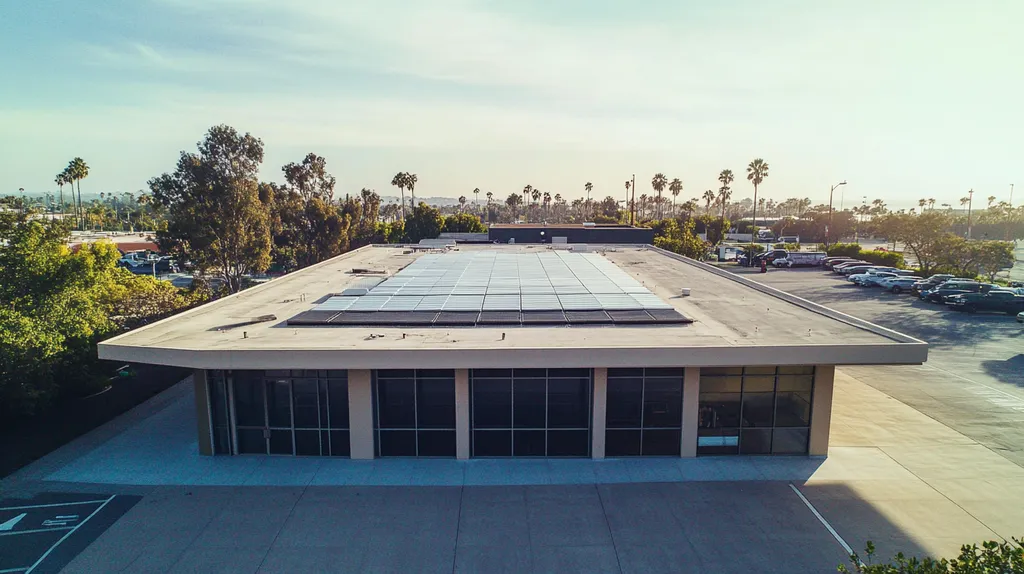
On top of that, integrating solar panels directly into roof designs allows buildings to generate their own energy. Recent developments in photovoltaic technology have enhanced panel efficiency, enabling greater energy capture while reducing reliance on traditional energy sources (source: Amazing Architecture).
Investing in these materials and technologies not only benefits the environment but also can lead to enhanced financial performance for property owners. Energy efficiency improvements and operational savings often yield a rapid return on investment.
In summary, embracing advanced materials and technologies is essential for commercial properties aiming to succeed in an increasingly environmentally conscious marketplace.
SECTION 5: EVIDENCE-BASED ALTERNATIVES
As urbanization accelerates, the need for innovative roofing solutions becomes increasingly urgent. Building owners face mounting pressures to meet climate challenges while aligning with sustainability goals that influence both property values and community welfare. Implementing evidence-based roofing strategies can enhance energy efficiency and bolster urban ecosystems. This section examines the benefits of green roofs, advanced membrane options, and solar technologies as effective alternatives for commercial roofing in urban settings.
Green Roofs for Urban Cooling and Biodiversity
Green roofs are transforming urban landscapes by effectively managing heat and promoting biodiversity. These installations incorporate vegetation that absorbs rainwater and provides insulation, resulting in lower indoor temperatures and a reduction in the urban heat island effect. Properties featuring green roofs often enjoy cooling cost reductions of up to 30%, translating into significant financial savings.
Beyond their thermal advantages, green roofs enhance air quality by filtering pollutants and CO2, while providing habitats for various species that enrich urban biodiversity. Cities like Chicago have recognized this potential, incorporating green roofs into building codes to support environmental health initiatives.
Additionally, green roofs can elevate property values by as much as 15%, thanks to their visual appeal and sustainability credentials. These roofs are frequently eligible for tax incentives and grants, further enhancing their financial attractiveness for building owners.
In summary, green roofs offer a multifaceted approach to urban living, intertwining energy efficiency, aesthetic enhancement, and ecological benefits into a coherent and actionable solution.
Modified Bitumen and TPO Membrane Options
Modified bitumen and TPO (thermoplastic polyolefin) membranes are leading alternatives that effectively address durability and energy efficiency concerns. Modified bitumen is renowned for its resilience against harsh weather, offering excellent waterproofing and longevity for urban roofs exposed to constant wear.
TPO membranes excel in energy efficiency due to their high reflectivity, which minimizes heat absorption. Studies indicate that TPO roofs can lower energy bills by 10-20% compared to traditional roofing options, making them an essential choice for facility managers aiming to keep operating costs low.
Both roofing systems are designed for quick installation, thereby minimizing downtime for businesses. Additionally, modern versions of these membranes utilize recyclable materials, supporting sustainability goals and community standards.
Ultimately, adopting modified bitumen and TPO options allows property owners to comply with contemporary building codes while enhancing roof performance and energy efficiency.
Solar Roofs and Integrated Renewable Energy
Solar roofs represent a transformative pathway to energy independence in urban areas. By embedding photovoltaic panels within roofing materials, commercial properties can capture renewable energy, leading to substantial reductions in utility costs.
Research demonstrates that buildings with solar roofs can achieve energy self-sufficiency, with some even generating surplus energy that can be sold back to the grid. This transition not only improves a property’s sustainability profile but also represents a long-term investment with promising returns.
Moreover, financial options such as solar leasing and power purchase agreements have made solar roofs more accessible for building owners. These arrangements enable minimal upfront investments while maximizing the benefits of solar energy.
By integrating solar technology into their roofing systems, urban properties can lead the charge in renewable energy adoption, setting a positive example for other sectors while contributing to larger environmental objectives.
SECTION 6: TEST AND VERIFY
In urban environments, the stakes for commercial roofing are higher than ever. With rising real estate costs and extreme weather patterns, undetected roof issues can lead to significant financial losses. According to industry studies, nearly 50% of roofing failures stem from inadequate testing and verification methods. This section emphasizes the importance of a proactive approach through regular inspections, testing for leaks, and evaluating energy performance.
Conducting Regular Roof Inspections
Regular roof inspections are essential for preserving the integrity of commercial roofs in urban settings. These assessments provide opportunities to identify potential problems before they escalate, saving both time and money. Building owners should schedule inspections at least twice a year, and even more frequently if environmental factors are severe.
Inspections should cover critical components, including flashing, seams, and drainage systems. Areas that are overlooked can become hotspots for water intrusion or structural damage. Utilizing advanced tools like thermal imaging enhances the inspection process, allowing for the early detection of issues that standard visual checks may miss.
Documentation of inspections plays a crucial role. Keeping detailed records enables facilities managers to observe trends over time, simplifying the planning for necessary repairs or upgrades. Failing to document inspections can result in significant oversights and diminished accountability.
In urban settings, factors such as debris accumulation and pollution can significantly compromise roofing materials. Routine inspections allow for immediate corrective actions, addressing wear and tear that are particularly prevalent in high-density environments. A proactive inspection strategy can dramatically extend the lifespan of roofing systems.
Testing for Water Intrusion and Leaks
Testing for water intrusion is a critical step for commercial roofs, especially in urban areas with heavy rainfall and the potential for significant damage. Water infiltration can lead to costly repairs and disrupt business operations. Implementing moisture detection methods is an effective way to identify leaks before extensive damage occurs.
Building owners should utilize methods like flood testing or infrared thermography to evaluate moisture levels. Such testing techniques allow for accurate identification of leaks that standard inspections might overlook. By precisely locating trouble areas, facilities managers can implement timely and effective interventions.
Furthermore, systematic leak testing should be performed after installation or repairs to ensure that new roofing systems operate as intended and can withstand anticipated weather conditions. Neglecting these tests can lead to premature system failures, resulting in costly repairs.
Undetected leaks can cause extensive damage over time, leading to significant financial consequences. Therefore, establishing a regular schedule for leak testing is essential for protecting investments and ensuring the roof’s longevity. In urban settings, where building codes are stringent, having verified leak-free roofing is critical for compliance and safety.
Evaluating Energy Efficiency and Performance
Energy efficiency is a crucial yet often overlooked aspect of commercial roofing that can significantly impact operational costs. In urban areas, where energy prices are highly variable, regularly evaluating roof performance can lead to substantial savings. A well-insulated roof minimizes heating and cooling demands, contributing to a more comfortable internal environment.
Building owners should carry out energy audits to review their roofing systems’ thermal performance. These audits can reveal insulation deficiencies or air leaks, which may lead to increased energy costs. Addressing such issues via solutions like reflective coatings or upgraded insulation can greatly enhance overall energy efficiency.
Additionally, incorporating green roofing options yields further advantages. Green roofs not only improve insulation but also enhance stormwater management and promote urban biodiversity. By considering sustainability, property owners can develop roofs that offer both economic and environmental benefits.
Regular evaluations of roof performance against energy consumption can uncover opportunities for upgrades or adjustments. Facilities managers should stay informed about contemporary technologies that enhance energy efficiency. Investing in energy-efficient roofing solutions not only preserves assets but also addresses the unique challenges posed by urban environments.
Moving Forward
With urban temperatures rising 2-3°F faster than surrounding areas, commercial building owners can no longer afford to ignore innovative roofing solutions.
The evidence demonstrates that advanced roofing designs offer significant returns through reduced energy costs, enhanced durability, and improved environmental performance.
Studies show that properties implementing these solutions achieve 25-40% reductions in cooling costs while extending roof lifespans by up to 200%.
By embracing green technologies, modern membranes, and integrated renewable systems, building owners position themselves to meet increasingly stringent environmental regulations while protecting their investments.
The future of urban commercial roofing lies not in traditional approaches, but in evidence-based solutions that combine sustainability with superior performance.
FREQUENTLY ASKED QUESTIONS
Q. Is a green roof a viable option for commercial roofs?
A. Yes, green roofs are viable options due to their long-term savings on energy and their extended lifespan. They can absorb rainwater, aiding stormwater management and decreasing operational costs. Moreover, many cities offer incentives that make green roofs financially attractive for commercial property owners.
Q. How do commercial roofs handle stormwater management?
A. Innovative roofing solutions like green roofs help significantly with stormwater management by absorbing rainwater and reducing runoff. Effective drainage systems are also essential to manage precipitation in urban settings, helping to prevent flooding and associated costly repairs.
Q. What are the financial consequences of poor roofing design?
A. Poor roofing design can escalate costs by causing increased energy bills and maintenance due to leakage and inadequate insulation. Initially projected expenses can rise by over 30%, impacting both the budget and the overall financial health of a property.
Q. How can I ensure my commercial roof stays efficient?
A. Regular inspections and maintenance are key to maximizing efficiency. Testing for leaks and evaluating energy performance should be routine to identify potential issues early, thereby enhancing the roof’s longevity and energy efficiency.
Q. What roofing solutions are best for energy efficiency?
A. Reflective roofing materials and green roofs are considered among the best options for energy efficiency. They significantly reduce heat absorption, which lowers cooling costs and promotes a comfortable internal environment throughout the year.
Q. Are innovative roofing designs necessary in urban settings?
A. Yes, innovative roofing designs are essential due to climate challenges like urban heat islands and increased precipitation. These designs improve energy efficiency and enhance stormwater management, making them critical for urban sustainability.
Q. What role do advanced materials play in commercial roofing?
A. Advanced materials, such as cool roofing and high-quality membranes, enhance durability, insulation, and energy efficiency. They increasingly contribute to compliance with sustainability standards while lowering operational costs over time.






