

Welcome to today’s Battle Royale featuring two roofing heavyweights: “Metal Paneling” in the east corner versus “Living Roofs” in the west!
Tonight’s showdown pits these contenders against each other across six punishing rounds designed to test every aspect of their performance for Commercial Roof Visual Appeal.
At stake? Millions in potential costs, decades of building protection, and the critical performance demands of modern commercial and industrial facilities.
Our professional judging panel will evaluate each round on technical merit, real-world performance, and value delivery. After all six rounds, we’ll declare our ultimate champion.
Ladies and gentlemen, facility managers and building owners… it’s time to rumble!
ROUND 1: INITIAL COSTS & INSTALLATION
When evaluating commercial roofing options, the initial investment and installation process can make or break a project’s success. With property values increasingly tied to aesthetic appeal, the choice between metal paneling and living roofs represents a critical decision point for facility managers. Understanding the full scope of costs, complexity, and timelines becomes essential for making an informed choice that balances visual impact with practical considerations.
Material Expenses
Material costs form the foundation of any roofing project’s budget. Metal paneling typically ranges from $7 to $15 per square foot, including necessary underlayment and fastening systems. These costs remain relatively stable and predictable across different regions and seasons.
Living roof materials demand significantly higher investment, typically starting at $20 per square foot and potentially reaching $40 or more. This cost includes specialized water retention layers, root barriers, soil media, and carefully selected vegetation suited to local climate conditions.
Incorporating textures and design elements can enhance visual appeal while affecting material costs differently for each option. Metal panels offer diverse textures and colors with minimal cost impact, while living roofs require careful plant selection that can significantly influence expenses. (source: Heidler Roofing)
ADVANTAGE: Metal Paneling
Installation Complexity
Installation complexity directly impacts labor costs and project success rates. Metal paneling installation follows well-established procedures, requiring standard roofing expertise and conventional equipment. Most commercial roofing crews can complete installations efficiently using familiar techniques.
Living roof installation demands specialized knowledge spanning both construction and horticulture. The process requires careful coordination between multiple trades and often necessitates structural reinforcement to support the additional weight.
Weather sensitivity during installation presents another crucial factor. Metal panels can be installed in various weather conditions, while living roof installation requires specific temperature and moisture levels for optimal plant establishment.
ADVANTAGE: Metal Paneling
Project Timeline
Project duration significantly affects business operations and overall costs. Metal panel installations typically proceed at a predictable pace, with most projects completing within 1-2 weeks for average commercial buildings.
Living roof installations demand extended timelines, often requiring 3-4 weeks minimum for basic installation. This timeline extends further when accounting for initial plant establishment periods and any necessary structural modifications.
Weather delays affect both options differently. Metal panel installations can usually resume quickly after weather events, while living roof installations may face extended delays to ensure proper growing conditions.
ADVANTAGE: Metal Paneling
ROUND 1 WINNER: Metal Paneling
ROUND 2: DURABILITY & LIFESPAN
When investing in a commercial roof, durability and longevity directly impact both aesthetic appeal and financial returns. Weather extremes, UV exposure, and daily wear can rapidly degrade roofing materials, turning an attractive installation into an eyesore. Understanding how different roofing systems age and perform over time helps property owners protect their visual investment while avoiding costly premature replacements.
Weather Resistance
Severe weather events test roofing systems to their limits, making resistance to elements crucial for maintaining visual appeal. Metal panels excel in this category, effectively shedding snow and rain while resisting wind uplift forces up to 140 mph when properly installed.
Living roofs provide natural protection against UV radiation and temperature extremes through their vegetation layer. However, they can become vulnerable during droughts or intense storms, potentially leading to bare patches that compromise their aesthetic appeal.
While both systems offer weather protection, metal panels provide more consistent performance across diverse climate conditions with minimal maintenance requirements.
ADVANTAGE: Metal Paneling
Material Degradation
Metal panels maintain their appearance through specialized coatings that resist fading and corrosion. Modern finish technologies can preserve color integrity for 30+ years, with only minimal cleaning required to maintain aesthetic appeal.
Living roofs naturally evolve over time as plants mature and seasonal changes occur. While this creates dynamic visual interest, it can also lead to inconsistent coverage and appearance if plant species struggle or invasive vegetation takes hold.
The predictable aging process of metal panels offers greater control over long-term visual outcomes compared to the variable nature of living roof systems.
ADVANTAGE: Metal Paneling
Repair Requirements
Metal panel systems typically require minimal repairs, with most maintenance focused on inspecting and maintaining seams and fasteners. When repairs are needed, matching panels and finishes ensures consistent appearance across the roof surface.
Living roofs demand regular attention to maintain plant health and coverage. Repairs often involve replanting or rebalancing soil composition, which can create temporary aesthetic inconsistencies until new vegetation establishes.
The simplified repair process for metal panels helps maintain consistent visual appeal throughout the roof’s lifespan, while living roofs face ongoing challenges in maintaining uniform appearance.
ADVANTAGE: Metal Paneling
ROUND 2 WINNER: Metal Paneling
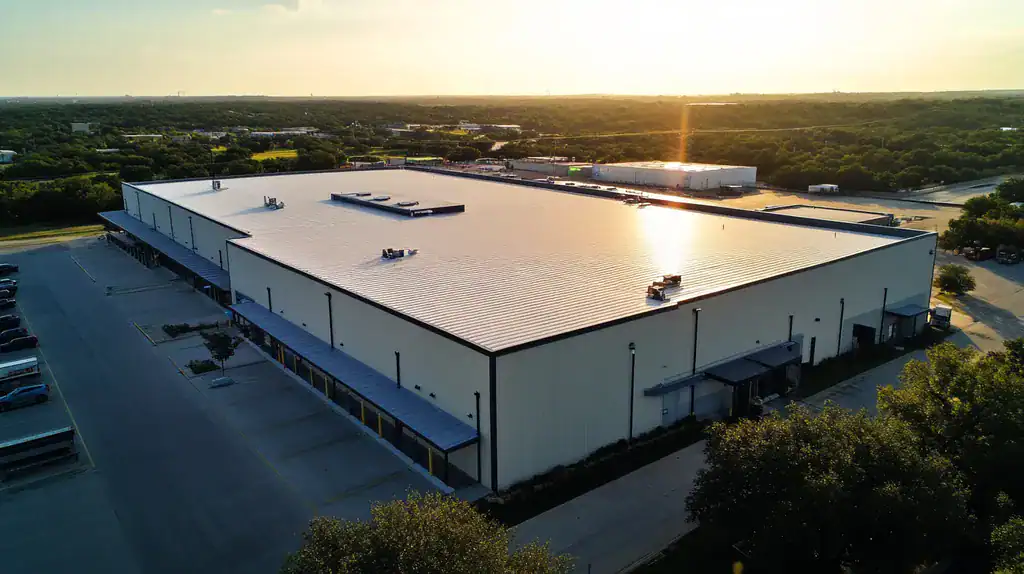
ROUND 3: PERFORMANCE FACTORS
Performance factors make or break a commercial roof’s long-term visual appeal and functionality. As buildings face increasingly extreme weather patterns and rising energy costs, choosing between metal paneling and living roofs requires careful evaluation of how each option maintains its aesthetic value while delivering essential performance benefits.
Durability
Metal paneling offers exceptional resilience against physical impacts, maintaining its visual appeal even under harsh conditions. Its engineered surface treatments resist UV degradation, preventing color fading and surface deterioration for decades.
Living roofs create naturally resilient surfaces through their vegetative layers. However, their appearance can fluctuate based on seasonal changes and local weather patterns, requiring careful species selection to maintain consistent visual appeal.
Metal roofs combine durability with modern design choices such as copper or custom-painted panels, ensuring lasting aesthetic value while resisting environmental stressors. (source: CT Roofing Contractors)
ADVANTAGE: Metal Paneling
Energy Efficiency
Metal panels excel at reflecting solar radiation, reducing cooling loads during peak summer months. Their smooth surfaces shed heat effectively while maintaining consistent surface temperatures, preventing thermal stress that could compromise appearance.
Living roofs provide superior insulation through their multi-layer composition. The combination of growing medium and vegetation creates natural temperature regulation that reduces energy demands while offering dynamic visual interest.
While both systems offer energy benefits, living roofs provide superior thermal performance while enhancing architectural appeal through natural elements.
ADVANTAGE: Living Roofs
Maintenance Requirements
Metal paneling demands minimal upkeep to preserve its appearance. Regular inspections and occasional cleaning maintain surface reflectivity and aesthetic appeal without specialized expertise.
Living roofs require systematic maintenance to ensure consistent plant coverage and health. This includes regular irrigation, weeding, and periodic replanting to maintain their intended visual impact.
The significant difference in maintenance demands makes metal paneling the clear choice for properties seeking to minimize ongoing care while preserving aesthetic value.
ADVANTAGE: Metal Paneling
ROUND 3 WINNER: Metal Paneling
ROUND 4: MAINTENANCE REQUIREMENTS
Maintenance decisions can make or break a commercial roof’s long-term performance and visual appeal. Without proper upkeep, even the most attractive roofing installation can deteriorate rapidly, leading to costly repairs and diminished property value. Understanding the maintenance requirements for different roofing systems helps facility managers protect their aesthetic investment while minimizing disruptions to building operations.
Scheduled Maintenance
Metal paneling systems require minimal scheduled maintenance to maintain their visual appeal. Bi-annual inspections typically focus on examining seams, fasteners, and surface coatings for signs of wear that could impact appearance.
A simple cleaning schedule using standard pressure washing equipment keeps metal surfaces looking pristine. Touch-up painting or coating renewal may be needed every 8-10 years to maintain optimal aesthetics.
Living roofs demand frequent scheduled maintenance to preserve their intended appearance. Monthly inspections during growing seasons are essential to monitor plant health, soil conditions, and drainage systems.
Regular pruning, weeding, and replanting are necessary to maintain consistent vegetation coverage. This intensive care schedule requires specialized knowledge and dedicated maintenance staff.
ADVANTAGE: Metal Paneling
Emergency Repairs
Metal panel systems rarely require emergency repairs when properly installed. When damage does occur, repairs can usually be completed quickly using matching materials that preserve visual consistency.
Most metal panel repairs can be performed in any weather condition, minimizing the risk of extended aesthetic disruption. The modular nature of metal panels allows for selective replacement without affecting surrounding areas.
Living roofs face higher risks of emergency repair needs due to weather events, pest infestations, or plant diseases. These issues can create visible bare patches or dying vegetation that compromise the roof’s appearance.
Emergency repairs to living roofs often require extensive remediation work and may take weeks or months to restore visual appeal as new plants establish themselves.
ADVANTAGE: Metal Paneling
Long-term Care
Metal paneling systems demonstrate exceptional durability with minimal long-term care requirements. The TPO and polyiso combinations used in modern metal roofing systems can maintain their appearance and performance for over 20 years with basic maintenance. (source: Huntsman Advanced Technology Center)
Surface treatments and coatings on metal panels resist UV degradation and maintain color consistency throughout their lifespan. This predictable aging process allows for better long-term aesthetic planning.
Living roofs require continuous evolution of care strategies as plants mature and environmental conditions change. Soil composition must be monitored and adjusted regularly to support healthy plant growth.
The dynamic nature of living roof systems means their appearance will constantly change, requiring ongoing adaptation of maintenance approaches to maintain desired aesthetics.
ADVANTAGE: Metal Paneling
ROUND 4 WINNER: Metal Paneling
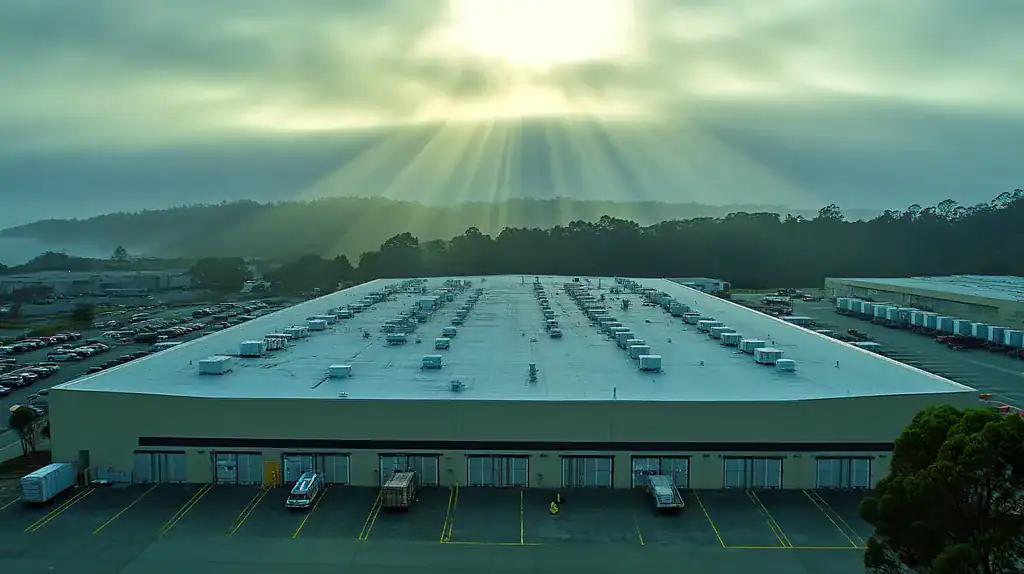
ROUND 5: SUSTAINABILITY CREDENTIALS
As climate concerns intensify, sustainable roofing has moved from a “nice-to-have” feature to a critical business imperative. Buildings now face increasing regulatory pressure and market demands for environmental performance, with roofing choices directly impacting both compliance and operational costs.
Property owners must balance immediate aesthetic appeal against long-term environmental impact, especially as sustainable design becomes a key driver of property values and tenant satisfaction.
Impact on Energy Efficiency
Energy efficiency improvements represent the most immediate path to measurable sustainability gains. Metal paneling’s reflective properties help reduce cooling loads by deflecting up to 70% of solar radiation, contributing to lower energy consumption during peak summer months.
The natural thermal mass of metal also helps moderate temperature swings, though its conductive properties can work against efficiency during extreme weather events.
Living roofs excel at energy efficiency through multiple mechanisms. Their soil and vegetation layers provide superior insulation while also cooling through evapotranspiration, potentially reducing cooling costs by 25-50% during summer months.
Living roofs also maintain more stable interior temperatures year-round, reducing heating and cooling equipment cycling and extending HVAC system lifespans.
ADVANTAGE: Living Roofs
Resource Conservation
Metal panels offer significant resource conservation benefits through their recyclability. Most panels contain 25-95% recycled content and remain 100% recyclable at end-of-life, reducing landfill impact.
Manufacturing metal panels requires substantial energy input, though modern production methods have reduced this impact. The long lifespan of metal roofing helps offset initial resource consumption.
Living roofs transform unused roof space into productive ecosystems that capture rainwater, reduce stormwater runoff by up to 90%, and create new habitats. Their organic components naturally decompose and regenerate, creating closed-loop resource cycles.
The ability of living roofs to support biodiversity while managing water resources provides compelling environmental advantages that metal simply cannot match.
ADVANTAGE: Living Roofs
Environmental Impact
Metal roofing’s environmental footprint centers primarily on production impacts. While manufacturing creates significant emissions, the material’s durability and recyclability help offset these initial environmental costs over time.
Surface treatments and coatings used on metal panels have minimal ongoing environmental impact, though some older finishes may contain compounds of concern.
Living roofs actively improve environmental conditions by filtering air pollutants, reducing urban heat island effects, and supporting pollinator populations. Recent technological advances have made green roofing more efficient while enhancing its visual appeal and environmental benefits. (source: Roof Crafters)
The ongoing positive environmental contributions of living roofs, combined with their ability to enhance local ecosystems, create clear advantages over passive systems like metal panels.
ADVANTAGE: Living Roofs
ROUND 5 WINNER: Living Roofs
ROUND 6: SPECIALIZED APPLICATIONS
Specialized roofing applications present unique challenges that can make or break a commercial property’s success. As buildings become more complex and environmental requirements more stringent, choosing between metal paneling and living roofs impacts everything from energy costs to property values. Understanding how each option performs in specialized contexts helps property managers avoid costly mistakes while maximizing aesthetic and functional benefits.
Climate-Specific Performance
In extreme climate zones, roofing choices directly impact both appearance and functionality. Metal paneling excels in areas with heavy snowfall, allowing accumulation to slide off naturally while maintaining its clean, professional appearance.
The panels’ high wind resistance and impact protection make them particularly suitable for coastal regions and areas prone to severe storms. Their corrosion-resistant finishes maintain aesthetic appeal even in salt-spray environments.
Living roofs struggle in extreme environments, requiring careful species selection and additional maintenance to maintain appearance. While they can thrive in moderate climates, extreme heat or cold can compromise plant health and visual appeal.
ADVANTAGE: Metal Paneling
Urban Integration Requirements
Dense urban environments demand roofing solutions that complement existing infrastructure while meeting strict municipal codes. Metal paneling integrates seamlessly with urban aesthetics, offering clean lines and modern finishes that enhance architectural appeal.
Living roofs transform urban spaces into vibrant green oases, providing visual relief in concrete landscapes. Their ability to reduce stormwater runoff and mitigate urban heat island effects makes them increasingly popular in metropolitan areas.
The growing emphasis on sustainable urban development gives living roofs a clear advantage in city settings, where their environmental benefits align with both aesthetic goals and regulatory requirements.
ADVANTAGE: Living Roofs
Special Use Areas
Commercial properties often dedicate roof spaces for specific purposes beyond basic weather protection. Metal paneling provides stable platforms for HVAC equipment and solar installations while maintaining professional appearances.
Living roofs offer unique opportunities to create usable outdoor spaces, from employee recreation areas to rooftop gardens. These spaces enhance property value while providing aesthetic benefits visible from surrounding buildings.
The versatility of living roofs in creating functional, attractive spaces gives them an edge in properties seeking to maximize rooftop utility. (source: CT Roofing Contractors)
ADVANTAGE: Living Roofs
ROUND 6 WINNER: Living Roofs
AND THE WINNER IS…
Ladies and gentlemen, after six punishing rounds of technical evaluation, we have our verdict! With a commanding 4-2 victory, METAL PANELING claims the championship belt in this commercial roofing showdown!
Metal Paneling dominated the early rounds with superior cost-effectiveness, streamlined installation, and minimal maintenance requirements. Its consistent performance and durability proved decisive factors in securing this historic win.
But don’t count Living Roofs out completely! This green contender showed impressive strength in sustainability and specialized urban applications. For properties prioritizing environmental impact or seeking to create unique rooftop spaces, Living Roofs remains a formidable challenger.
IMPORTANT NOTICE: This matchup evaluated general performance characteristics only. Individual building requirements, local climate conditions, and specific property objectives can significantly impact roofing system selection. All property owners should consult qualified roofing professionals who can evaluate their unique situation before making final decisions.
The bell has rung, and Metal Paneling stands victorious – but remember, champions in the roofing world aren’t crowned by general rankings alone. True victory comes from selecting the system that best matches your specific building’s needs, budget constraints, and long-term objectives. Choose wisely, building owners. Your property’s future depends on it!
FREQUENTLY ASKED QUESTIONS
Q. What are the initial costs of a commercial roof installation?
A. Initial costs vary significantly between roofing options. Metal paneling typically ranges from $7 to $15 per square foot, while living roofs start at $20 and can exceed $40 per square foot due to additional materials like soil and vegetation. Understanding these costs helps facility managers budget effectively.
Q. How do durability and lifespan compare for industrial roofs?
A. Durability is crucial for maintaining visual appeal over time. Metal panels offer longer lifespans with minimal maintenance, while living roofs can be susceptible to seasonal changes affecting their appearance. The resilience of metal panels gives them a clear advantage in long-term performance.
Q. What performance factors should I consider for a commercial roof?
A. Performance factors like durability, energy efficiency, and maintenance requirements heavily influence functionality. Metal paneling excels in durability and low maintenance, while living roofs excel in energy efficiency. Evaluating these properties helps ensure effective long-term performance for commercial roofs.
Q. What maintenance is required for commercial roof systems?
A. Metal paneling requires minimal maintenance such as inspections and occasional cleaning. In contrast, living roofs need regular plant care, including irrigation and pruning. Understanding these maintenance demands can help facility managers ensure long-term visual and functional performance.
Q. How do sustainability credentials differ between metal paneling and living roofs?
A. Sustainability credentials are increasingly important for property value and compliance. Metal paneling offers recyclability, while living roofs provide energy efficiency and stormwater management benefits. Evaluating these aspects can help property owners align their roofing choices with environmental goals.
Q. Which roofing option is better for urban environments?
A. In urban settings, living roofs offer environmental benefits like reducing heat islands and managing stormwater. They present vibrant aesthetics resulting from vegetation. However, metal panels provide a modern, sleek look that complements architectural styles but may lack the eco-friendly advantages of living roofs.
Q. What unique applications require specialized roofing considerations?
A. Specialized applications, such as HVAC support or recreation spaces, demand roofing that meets specific needs. Metal paneling provides a durable base for equipment, while living roofs can enhance aesthetics and function as outdoor spaces. Understanding these needs helps property managers choose the right solution for their unique requirements.






