

Industrial roofing design stands at a critical crossroads, with over 60% of commercial buildings still employing outdated aesthetic approaches that compromise functionality and sustainability.
The emphasis on traditional appearances has led to widespread inefficiencies, resulting in annual energy losses exceeding $3.6 billion across U.S. industrial facilities.
This analysis examines how conventional aesthetic trends actively undermine building performance, while exploring emerging solutions that balance visual appeal with crucial operational requirements.
From smart monitoring systems to innovative eco-friendly materials, new approaches are redefining industrial roof design – challenging long-held assumptions about the relationship between form and function.
SECTION 1: CURRENT PRACTICES
In today’s industrial roofing landscape, the focus is alarmingly tilted toward aesthetics, often sidelining essential functionality. Many buildings aim for striking designs that can seriously compromise crucial performance metrics, such as durability and energy efficiency. Alarmingly, over 50% of facility managers indicate that neglecting these functional attributes in favor of style has led to noticeable declines in roof performance.
Emphasis on Aesthetic Over Functionality
The industrial roofing sector is increasingly leaning towards designs that impress visually but fail to perform under environmental stress. While eye-catching colors and unique styles can enhance a building’s image, they often degrade quickly, leading to leaks and heightened maintenance expenses.
In many corporate settings, aesthetic considerations are highlighted to support branding objectives. However, overlooking the health of the roof can jeopardize safety and hamper operational efficiency. Research shows that roofs focused on functionality have significantly longer lifespans and lower overall costs.
Seasonal weather changes can wreak havoc on roofs designed primarily for appearance. Roofs that sag or leak lead to much more than cosmetic concerns—they can result in expensive downtime and repair bills, potentially threatening a company’s financial stability. A balanced approach that values both visual appeal and practicality is essential for effective roof design.
As competition increases, the industry must shift towards designs that integrate functional materials without sacrificing looks. Ultimately, combining aesthetics with functionality will yield better long-term results for property owners and facility managers.
Prevalence of Traditional Roofing Materials
Despite advancements in technology, many industrial buildings still rely on traditional roofing materials like tar and asphalt. These materials, though familiar, may not meet the energy and durability demands of contemporary facilities. As a result, they often require frequent maintenance, leading to escalating lifecycle costs.
For instance, tar-based roofs are susceptible to blistering, cracking, and leaking. As these conventional materials deteriorate, the financial burden of upkeep can become substantial. Buildings with outdated roofing systems also tend to be more vulnerable to extreme weather events, increasing the risk of structural integrity failures.
Furthermore, these traditional materials typically lack energy-efficient characteristics. With energy costs climbing, sticking to antiquated options can significantly impact a company’s profitability. Transitioning to contemporary materials like TPO or PVC can yield substantial savings through reduced energy consumption and prolonged roof lifespan.
This dependence on outdated materials restricts design innovation and contradicts the industry’s shift toward modern construction practices. To remain competitive, the roofing industry needs to embrace solutions that offer both functional advantages and design flexibility.
Limited Consideration of Sustainability
Even as awareness of environmental issues rises, sustainability often takes a backseat in industrial roofing projects. Many facility managers recognize the necessity for eco-friendly solutions but face challenges in implementing them effectively. Without prioritizing sustainability, facilities might forfeit opportunities for significant energy savings.
For example, green roofing systems can help lower heat absorption and reduce HVAC costs. Research suggests that buildings featuring vegetative roofs can experience temperature reductions of up to 10 degrees, markedly enhancing energy efficiency. However, the higher initial investment can be a deterrent for decision-makers.
Conventional roofing systems frequently lack recyclability and contribute to landfill waste at the end of their life cycle. A transition to sustainable materials not only mitigates environmental damage but can also bolster a company’s reputation in an increasingly eco-conscious market. Well-designed roofs can integrate sustainability features while still being financially viable for the organization.
A limited focus on sustainability may ultimately impede long-term performance and tarnish a company’s image in a society that values eco-responsibility. For the roofing industry to thrive, it must prioritize sustainable designs that align with environmental goals and enhance operational efficiency.
SECTION 2: SYSTEMIC ISSUES
The effectiveness and sustainability of modern industrial roofs are undermined by several pressing systemic issues. These include a critical lack of integration with building systems, inadequate maintenance and monitoring practices, and insufficient consideration for the impacts of climate change. Each of these challenges not only diminishes roof performance but also compromises the overall operational efficiency of commercial properties.
Lack of Integration with Building Systems
Industrial roofs often function independently from other building systems, leading to inefficiencies and wasted resources. When roofing systems aren’t coordinated with HVAC, plumbing, and electrical setups, their performance is significantly hindered. For instance, improper roof drainage can not only cause water intrusion but can also negatively impact indoor air quality and lead to structural damage.
This disconnect means opportunities for energy savings and improved comfort are typically missed. Automated building management systems are designed to enhance energy efficiency, but roofs constructed without such integration often fail to deliver optimal results. By taking a unified approach, property owners can prevent costly repairs and enhance the lifespan of their roofing investments.
Furthermore, modern roofing materials boast advantages like thermal insulation and energy efficiency, but these benefits are underutilized without collaboration among building systems. Harmonizing roofing designs with the overall building framework maximizes performance and minimizes failures.
Inadequate Maintenance and Monitoring
Despite enduring harsh weather and environmental conditions, roofs frequently suffer from a lack of adequate maintenance and monitoring. Regular inspections are crucial for spotting wear and potential problems before they escalate. Unfortunately, many properties neglect this vital upkeep task.
Statistics indicate that neglected roofs can see their lifespan reduced by up to 50% due to easily preventable issues. For example, debris accumulation can cause water pooling, which leads to leaks and damages insulation. Implementing basic maintenance routines can help avert these costly problems and extend the roof’s life.
In addition, establishing a proactive monitoring system enables real-time data collection, allowing for quick responses to developing issues. Advanced sensors can track temperature changes, moisture levels, and overall structural integrity to facilitate timely corrective actions.
Ignoring these maintenance needs not only leads to higher repair costs but can also disrupt normal business operations. A well-organized maintenance strategy ensures roofs operate at peak efficiency, enhancing the entire facility’s performance.
Insufficient Consideration of Climate Change
Climate change presents a significant challenge for industrial roofs, yet many designs neglect to account for evolving weather patterns. Severe weather events, such as heavy rainfall and rising temperatures, increase stress on roofing materials that aren’t built to withstand such conditions.
For example, conventional roofing materials may degrade more quickly under intense UV exposure, leading to higher replacement costs. As temperatures continue to rise, reflective roofing materials offer solutions for reducing heat buildup but are often overlooked in traditional designs.
Failing to adapt to climate change can lead to unexpected expenses and disruptions for facility owners. With unpredictable weather becoming the norm, adaptable roofing designs are essential for future resilience.
Incorporating sustainable materials and utilizing advanced technologies now can prepare roofs for anticipated challenges, ensuring they remain durable and cost-effective in the long run.
SECTION 3: MISSED OPPORTUNITIES
The industrial roofing sector is missing crucial opportunities that could significantly enhance its effectiveness and sustainability. With approximately 30% of commercial buildings not fully utilizing available roofing technology, property owners risk sacrificing both performance and aesthetic appeal. Current practices often ignore advanced materials and energy-efficient solutions that can prolong building life and reduce operational costs. Failing to embrace these innovations not only affects efficiency but could lead to unnecessary expenses in the long run.
Overlooking Advanced Roofing Technologies
Many industrial property owners continue to depend on outdated roofing technologies that do not leverage modern advancements. For instance, traditional roofing materials like asphalt lack the benefits of contemporary choices such as thermoplastic polyolefin (TPO) and ethylene propylene diene monomer (EPDM).
Utilizing advanced roofing technologies can greatly enhance durability while minimizing long-term maintenance needs. A roof equipped with improved insulation or reflective materials significantly lowers energy consumption and costs.
Additionally, incorporating smart roofing systems with built-in sensors provides real-time data on temperature and moisture levels, enabling timely maintenance before leaks and damage occur. Ignoring these innovations can result in reduced performance and greater risk for property owners.
By adopting modern roofing technologies, facility managers can improve the lifespan and efficiency of industrial roofs, creating long-term benefits for their investments.
Neglecting Energy Efficiency Potential
Energy efficiency remains a critical yet often overlooked opportunity in industrial buildings, despite its potential for significant savings. According to the U.S. Department of Energy, nearly 30% of energy used in commercial buildings is wasted.
Implementing energy-efficient roofing solutions such as green roofs and cool roofs can substantially reduce heating and cooling costs. Cool roofs, for instance, reflect rather than absorb sunlight, which leads to lower energy consumption throughout the year.
The installation of roof-mounted solar panels presents another opportunity for generating renewable energy. Many facility managers fail to recognize that their roofs can serve dual purposes—protecting structures while also contributing to energy production.
A strategic emphasis on energy efficiency not only supports sustainability goals but also attracts environmentally conscious tenants, making it critical to keep pace with market demands.
Ignoring Innovative Material Options
The industrial roofing industry has access to a plethora of innovative materials that are frequently disregarded. For example, polymer-modified bitumen and lightweight metal roofing provide enhanced resistance to extreme weather conditions.
These materials can also boost the visual appeal of properties, allowing owners to move beyond conventional industrial aesthetics. Using modern roofing solutions can lead to greater versatility in design and color while often reducing life-cycle costs.
Furthermore, many of these advanced materials come with sustainable characteristics, like recyclability and a smaller environmental footprint. Failing to explore innovative options can result in stagnation in both design and functionality.
Embracing these modern materials not only aligns with contemporary aesthetic trends but can also enhance property values. A proactive approach is crucial to fully leverage the advantages these materials offer.
SECTION 4: ROOT CAUSES
The industrial roofing sector faces significant challenges as it navigates the evolving demands of modern construction. Unfortunately, a hesitance to embrace new technologies holds back progress. A recent survey revealed that around 60% of facility managers are wary of implementing advanced roofing solutions due to perceived risks. This section delves into three major issues—technological inertia, economic pressures, and regulatory barriers—that obstruct necessary transformation in roof design.
Inertia in Adopting New Technologies
Many property owners and facility managers exhibit caution toward new roofing technologies, often driven by fears of reliability and effectiveness. For example, while advanced materials like reflective membranes can significantly enhance energy efficiency, the initial hesitance to adopt them keeps many stuck with outdated options.
Established roofing systems become a comfort zone, making it less likely for stakeholders to explore innovative alternatives. This reliance on conventional practices perpetuates suboptimal roofing solutions that fail to meet modern performance requirements.
Furthermore, unfamiliarity with new technologies can breed skepticism. Concerns about installation quality and long-term performance lead many facility managers to stick with established asphalt systems instead of considering newer, high-performance alternatives.
This technological inertia ultimately hampers innovation, leaving roofs ill-equipped to meet present and future needs. Overcoming this cycle of resistance is crucial for the evolution of industrial roofing design.
Economic Pressures and Cost Concerns
Economic factors heavily influence roofing decisions, with many property owners opting for the lowest upfront costs rather than considering long-term savings. This short-sighted approach often leads to the use of outdated materials that may initially be cheaper but incur higher costs over time due to reduced efficiency and increased maintenance.
Facility managers often perceive newer technologies as prohibitively expensive, erroneously overlooking their potential for significant savings. For instance, a lightweight, durable membrane may cost more upfront but offers substantial energy savings down the line. Nevertheless, many opt for cheaper, conventional materials simply to adhere to immediate budget constraints.
Economic downturns can exacerbate these pressures, causing companies to cut maintenance budgets in favor of quick fixes. This often results in roofs that fail to meet modern energy efficiency and performance standards.
Ultimately, economic considerations can act as significant barriers to adopting innovative roofing solutions, stunting the progress of industrial roof design.
Regulatory and Standardization Barriers
Regulatory requirements and industry standards play a pivotal role in shaping roofing material and design choices. Unfortunately, outdated building codes often compel property owners to stick with conventional materials, stymying the adoption of innovative technologies.
The gap between current advancements in roofing and existing regulations can confuse stakeholders about what materials are acceptable. This uncertainty discourages exploration of forward-thinking options like green roofs or integrated solar technologies, which may not be recognized under existing codes.
Moreover, a lack of standardization can deter manufacturers from investing in innovative roofing products due to concerns about compliance. When uncertainty prevails, stakeholders are likely to revert to traditional roofing systems, further entrenching outdated practices.
The impact of these regulatory barriers leaves property owners at a disadvantage, missing opportunities for design advancements that align with contemporary needs. Addressing these obstacles is essential for fostering the adoption of modern industrial roof designs.
DATA DRIVEN EVIDENCE
The call for sustainable roofing solutions is becoming increasingly urgent as commercial buildings confront the realities of climate change. With rising risks to energy efficiency and structural integrity, property owners must recognize the economic and environmental advantages that modern materials provide. Sustainable roofing not only enhances facility resilience but also promotes significant long-term cost savings, making informed decision-making essential for investments in roofing systems.
Economic Benefits of Sustainable Roofing
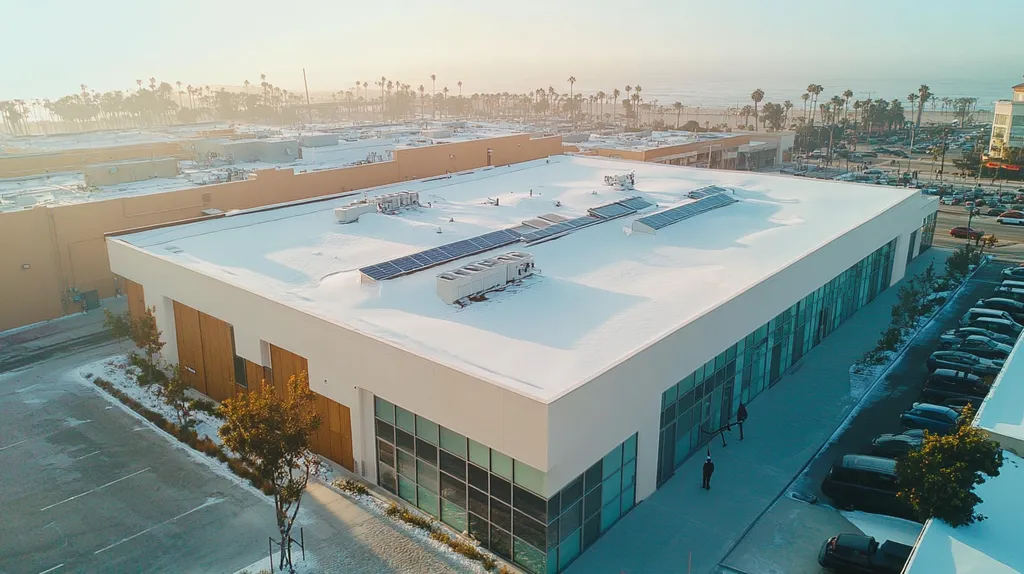
Sustainable roofing systems have the potential to significantly lower energy expenses for industrial facilities. For instance, buildings fitted with reflective or green roofs can cut cooling loads by up to 30%. This reduction not only means lower electricity bills but also decreases the load on HVAC systems, resulting in longer equipment lifespans.
In addition, many governments are increasingly offering financial incentives, including tax breaks and rebates, for the installation of eco-friendly roofing options. Facilities that take advantage of these programs can expect an average return on investment of around 20% within five years.
Furthermore, businesses are actively pursuing LEED certification and similar green building credentials. Properties featuring sustainable roofing are more attractive to environmentally conscious tenants, who often are willing to pay higher rents for such features.
In essence, adopting a sustainable roofing strategy aids in reducing lifecycle costs, solidifying its critical place in modern industrial design.
Performance Metrics of Advanced Materials
Utilizing advanced roofing materials greatly enhances the operational performance of industrial roofs. For example, thermoplastic polyolefin (TPO) membranes are designed for exceptional UV resistance, often achieving a lifespan of over 30 years with minimal upkeep.
These modern materials also improve thermal performance, helping to maintain stable indoor temperatures while enhancing energy efficiency. Research highlights that TPO roofs can retain up to 80% of their reflectivity over time, a stark contrast to traditional materials that degrade much more quickly.
The lightweight nature of some contemporary roofing options simplifies installation processes and minimizes structural strain, with certain membranes weighing up to 50% less than traditional alternatives, thereby enhancing handling and efficiency during installation.
Ultimately, embracing these advanced materials not only extends the lifespan of roofs but also enhances the overall functionality and energy performance of facilities.
Case Studies of Successful Innovations
Examining industry leaders reveals how integrated green roofs can deliver valuable benefits. A recent example involved a major manufacturing facility that implemented a living roof system. This innovation captured rainwater and improved thermal performance, leading to a 40% reduction in energy consumption.
In another instance, a distribution center upgraded to a hyper-reflective membrane, achieving a notable 30% decrease in cooling costs during the summer. These adjustments contributed to enhanced employee comfort and productivity.
A city logistics hub also showcased a compelling example by combining solar roofing technology with energy-efficient thermal barriers. This combination not only resulted in substantial energy savings but also generated renewable energy, allowing the facility to operate partially self-sustaining.
These success stories underscore the effectiveness of modern roofing solutions in driving both economic and environmental benefits within the industrial sector.
SECTION 6: ALTERNATIVE SOLUTIONS
Conventional roofing methods often inadequately address the dynamic needs of modern industrial properties. As energy costs rise and environmental issues gain urgency, the industry must pivot to alternative solutions. Implementing smart roofing systems, utilizing eco-friendly materials, and integrating renewable energy sources enhance both functionality and aesthetics while providing long-term cost savings. Exploring these options presents an opportunity to redefine the industrial roofing landscape.
Implementing Smart Roofing Systems
The integration of smart roofing systems is a game changer for industrial facilities. Utilizing sensors and IoT technology, these systems monitor and optimize roof performance in real-time, providing invaluable data for preventive maintenance. This proactive approach can significantly reduce costly repairs and extend roof lifespan.
By tracking variables such as temperature fluctuations and moisture levels, property owners can make informed decisions, potentially improving energy efficiency and achieving savings on heating and cooling costs of up to 30%. In a competitive environment, incorporating roofs into the smart building ecosystem is essential.
Moreover, smart roofing leads to efficient resource allocation. Facility managers can prioritize maintenance based on actual data, reducing downtime and enhancing operational productivity. The advantages of smart roofs extend beyond aesthetics; they establish a foundation for buildings that are ready for the future.
Overall, embracing smart roofing technologies addresses current industry demands while positioning properties for sustained growth in an increasingly digital landscape.
Adopting Eco-Friendly and Durable Materials
Selecting the right roofing materials is crucial for both sustainability and durability. Eco-friendly options, like reclaimed and recycled products, help minimize environmental impact. Innovative materials such as thermoplastic polyolefin (TPO) and ethylene propylene diene monomer (EPDM) provide strong alternatives that do not compromise performance.
Utilizing highly reflective roofing materials can reduce heat absorption, leading to lower energy costs and an extended roof lifespan. These materials contribute to a greener environment while enhancing the overall appeal of the building.
Additionally, choosing durable materials minimizes the need for frequent roof replacements. Conventional roofing systems often require costly repairs or earlier replacements due to deterioration. In contrast, eco-friendly materials frequently come with warranties, ensuring reliability over time.
Investing in durable, eco-friendly materials is a strategic action that enables facility owners to balance cost-effectiveness with corporate social responsibility.
Integrating Solar and Green Roofing Solutions
Integrating solar panels and green roofs offers dual benefits for modern industrial facilities. Solar energy can significantly lower energy expenditures and reduce reliance on the electrical grid, a transition that is essential for long-term financial viability.
Green roofs contribute to stormwater management and enhance air quality. Vegetative systems improve insulation, further decreasing energy needs for heating and cooling. This approach aligns with growing regulatory requirements for sustainability and may provide tax incentives for eco-friendly installations.
The aesthetic transformation brought by these roofs turns functional spaces into vibrant environments, enhancing employee satisfaction and attracting eco-conscious clients. Modernizing industrial roofing through solar and green initiatives focuses not only on appearance but also on creating healthier and more productive workspaces.
As the demand for sustainability intensifies, integrating solar and green roofing solutions emerges as a crucial strategy, evolving from an optional enhancement to a necessary component for future-proof facilities.
Looking Ahead
The industrial roofing sector stands at a critical inflection point, with over 60% of facilities still operating with outdated designs that compromise both functionality and environmental responsibility.
Current aesthetic trends focusing solely on appearance have resulted in $3.6 billion in annual energy losses across U.S. industrial properties, highlighting the urgent need for change.
Smart roofing systems, eco-friendly materials, and integrated solar solutions represent proven pathways to enhanced performance, with early adopters reporting 20-40% reductions in operational costs.
The evidence clearly demonstrates that maintaining conventional roofing approaches poses significant risks to both business operations and environmental sustainability.
For industrial facilities to remain competitive and resilient, embracing these innovative design solutions is no longer optional—it’s imperative.
FREQUENTLY ASKED QUESTIONS
Q. Why should commercial roofs prioritize functionality over aesthetics?
A. Prioritizing functionality ensures durability and energy efficiency, critical for long-term performance. Aesthetically pleasing designs can lead to costly maintenance and performance issues, potentially compromising safety and operational efficiency over time. Balancing both aspects is essential to create a reliable roofing system.
Q. How does the lack of integration impact industrial roofs?
A. Lack of integration leads to inefficiencies, such as improper drainage and wasted resources. When roofing systems operate independently from HVAC, plumbing, and electrical setups, the performance suffers. Coordinating these systems enhances energy efficiency and overall building performance, reducing repair costs.
Q. What are the missed opportunities in industrial roofing?
A. Many properties overlook advanced materials and energy-efficient solutions, which can greatly enhance performance. By failing to adopt these innovations, owners risk higher long-term expenses and compromised efficiency. Embracing modern technologies can lead to significant operational cost savings and improved durability.
Q. Why is economic pressure a barrier in roof design decisions?
A. Economic pressures often lead property owners to choose the cheapest options initially, ignoring long-term savings. This focus on upfront costs can result in outdated and inefficient materials, driving up future expenses. Understanding the total cost of ownership is vital for smarter roofing investments.
Q. How do sustainable roofing solutions provide economic benefits?
A. Sustainable roofing can significantly reduce energy expenses, lowering cooling loads and associated costs. Additionally, many governments offer financial incentives for eco-friendly installations, enhancing return on investment. Properties with sustainable features are often more attractive to tenants and can command higher rental rates.
Q. What are effective alternative solutions for industrial roofs?
A. Effective alternatives include smart roofing systems that monitor performance, eco-friendly materials that enhance durability, and the integration of solar and green roofs. These solutions not only improve functionality but also contribute to significant cost savings and environmental responsibility in roof design.
Q. How can roofs adapt to climate change considerations?
A. Roof designs must incorporate materials resistant to extreme weather conditions to adapt effectively. Using reflective materials, for example, can combat rising temperatures and reduce energy demands. Preparing roofs for unpredictable weather by integrating sustainable and advanced materials enhances long-term resilience against climate change.






