

In today’s digital age, where aerial imagery drives real estate decisions, your commercial building’s rooftop has become its most visible marketing asset. Recent market analyses show that properties with aesthetically enhanced roofs command 15-25% higher lease rates than those with standard installations.
As drone photography and satellite mapping become standard tools in property evaluation, the appearance of your building’s “fifth façade” can make or break its market position. This comprehensive guide explores how strategic roofing choices can dramatically enhance your building’s aerial appeal while maintaining crucial protective functions.
From material selection to design integration, discover the key factors that transform ordinary rooftops into valuable architectural assets that attract premium tenants and maximize property values.
SECTION 1: THE BASICS EXPLAINED
Commercial roofing has evolved far beyond basic weather protection into a critical asset that directly impacts building value and market appeal. Recent market analyses show that buildings with well-designed, aesthetically pleasing roofs command 10-15% higher lease rates than comparable properties with standard roofing. As aerial imagery becomes increasingly accessible through technologies like Google Earth and drone photography, your building’s “fifth facade” plays an ever-more-important role in property marketing and valuation.
What It Is (In Plain Language)
A commercial roof is a building’s uppermost layer that combines protective functionality with visual design elements that enhance the structure’s overall appearance. Unlike residential roofing, commercial systems must balance durability and aesthetics across much larger surface areas.
Modern commercial roofing integrates multiple components including weatherproofing membranes, insulation layers, and protective coatings. These elements work together to create a system that shields the building while contributing to its architectural identity.
A roof not only protects a building from the elements but plays a significant role in its overall aesthetic appeal, with material choices and design directly impacting the building’s visual harmony. (source: Design Swan)
Common material options include reflective single-ply membranes, architectural metal panels, green roof systems, and modified bitumen. Each option offers distinct visual characteristics while meeting specific performance requirements.
Why It Matters (To Your Building)
Your roof’s appearance directly influences property value through both practical and aesthetic channels. A visually appealing roof system can increase occupancy rates and command higher rents while simultaneously reducing operating costs.
Energy efficiency represents a major benefit of modern roofing systems. Cool roofs can reduce cooling costs by 15-25% in warm climates, while green roofs provide natural insulation and create attractive aerial landscapes.
Weather protection remains crucial, with properly designed roofing preventing costly water damage and structural issues. Advanced materials and proper installation ensure long-term performance while maintaining visual appeal.
Market differentiation through superior roofing aesthetics helps properties stand out in competitive real estate markets. This visibility advantage becomes increasingly important as aerial imagery shapes property marketing.
How It Works
Commercial roofing systems operate through carefully engineered layers that combine protection and aesthetics. The foundation typically consists of a structural deck supporting insulation and weatherproofing components.
Waterproofing layers prevent moisture infiltration while contributing to the roof’s visual characteristics. Modern membranes come in various colors and textures, allowing designers to create distinctive patterns visible from above.
Surface treatments and coatings serve dual purposes, enhancing both protection and appearance. Reflective coatings reduce heat absorption while creating clean, professional aesthetics that appeal to aerial viewers.
Regular maintenance preserves both function and appearance. Scheduled cleaning, repairs, and coating renewal keep the roof performing optimally while maintaining its visual appeal for ground-level and aerial observers.
Professional installation ensures proper integration of all components, creating a cohesive system that protects the building while enhancing its market presence through superior aerial aesthetics.
SECTION 2: PRACTICAL APPLICATIONS
Modern commercial roofing demands careful consideration of both functionality and visual appeal. Studies indicate that buildings with strategically designed rooftops can achieve 15-20% higher property valuations compared to those with basic utilitarian systems. As aerial visibility becomes increasingly important in property marketing, understanding how to effectively implement and maintain attractive roofing solutions has become crucial for property owners and managers.
Common Uses & Examples
Commercial roofing applications range from simple protective covers to sophisticated architectural statements. Modern systems frequently incorporate multiple elements like reflective coatings, decorative patterns, and purposeful color schemes to create distinctive aerial signatures.
Green roofing installations have gained significant traction, particularly in urban environments. These systems combine environmental benefits with aesthetic appeal, creating living spaces visible from above while managing stormwater and reducing heat island effects.
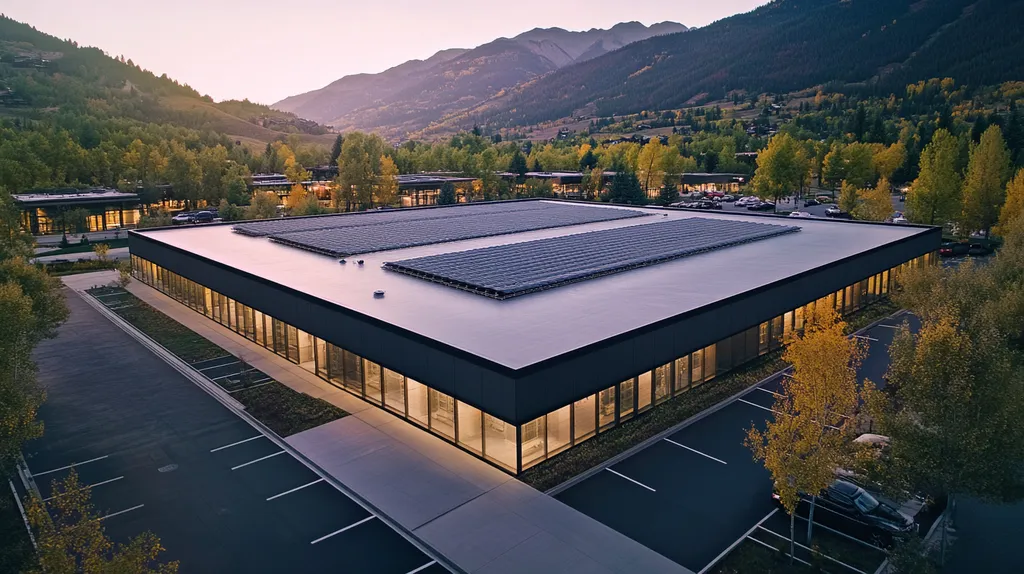
Solar panel integration represents another growing trend in commercial roofing. When properly arranged, these installations create visually striking geometric patterns while generating clean energy and demonstrating environmental responsibility.
Architectural metal roofing offers opportunities for dramatic visual impact through color, texture, and pattern variations. These systems can be designed to complement building branding or create landmark features visible from aerial perspectives.
When You Need It Most
Roof aesthetic improvements become particularly crucial during property repositioning or before major lease negotiations. An upgraded appearance can significantly influence potential tenants’ perceptions and willingness to pay premium rates.
Building owners should consider enhancing their rooftop aesthetics when neighboring properties undergo improvements. Maintaining competitive visual appeal helps prevent value degradation in evolving markets.
Prior to aerial marketing campaigns or property listings, addressing rooftop appearance becomes essential. Professional drone photography and virtual tours have made aerial views a standard part of property marketing.
Major renovations or expansions present ideal opportunities to implement cohesive roofing designs. These projects allow for comprehensive planning that ensures visual harmony across new and existing sections.
Interactions With Other Systems
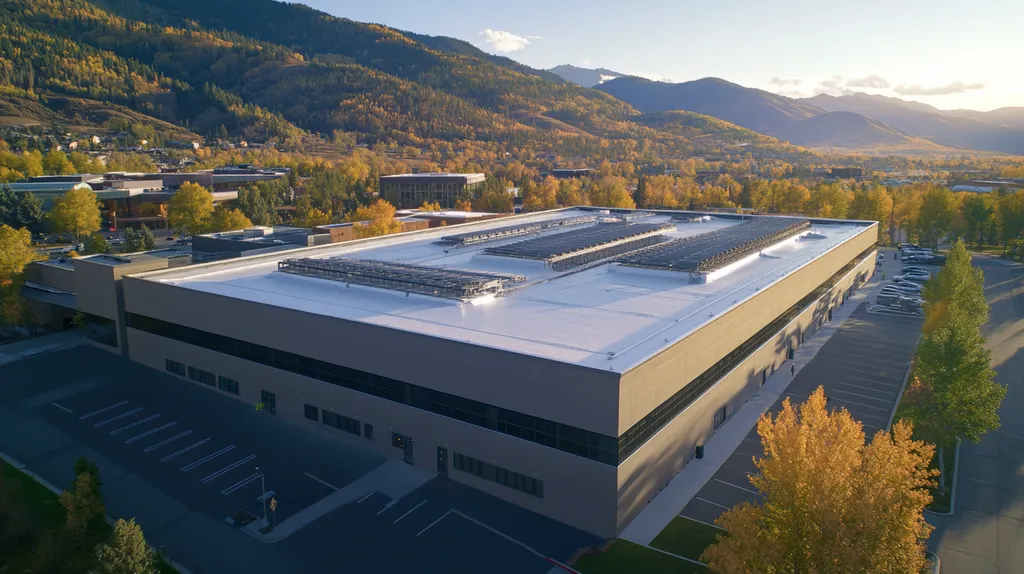
Roofing aesthetics directly impact HVAC efficiency through color choices and surface treatments. Light-colored, reflective surfaces reduce cooling loads while creating clean, professional appearances from above.
Building automation systems can integrate with modern roofing components to optimize performance. Smart sensors and controls help maintain appearance while monitoring conditions that could affect visual appeal.
Drainage systems must be carefully coordinated with aesthetic elements to prevent unsightly water accumulation. Proper integration ensures that visual appeal remains intact during and after precipitation events.
Lighting systems should complement rooftop aesthetics through carefully planned placement and design. Strategic illumination enhances nighttime appearance while supporting safety and functionality requirements.
The selection of roofing materials and designs significantly influences overall building aesthetics and market positioning. A well-designed roof enhances architectural identity while meeting specific performance requirements in ways that elevate property value.
SECTION 3: KEY TERMINOLOGY DECODED
Clear communication about roofing systems directly impacts project success and building value. Studies show that miscommunication due to terminology confusion leads to 23% of commercial roofing failures. In today’s market, where aerial aesthetics drive property values, understanding key roofing terms has become essential for making informed decisions that enhance both functionality and visual appeal.
Essential Terms Explained
Membrane systems dominate modern commercial roofing, utilizing materials like Built-Up Roofing (BUR), TPO, PVC, and EPDM to create waterproof barriers. Each system offers distinct advantages in durability, energy efficiency, and aesthetic appeal. (source: ArchitectureCourses.org)
Substrate refers to the foundational surface that supports the roofing system. Quality substrates ensure proper adhesion and prevent premature aging, directly impacting a roof’s longevity and appearance.
Drainage components include internal drains, scuppers, and downspouts. Proper drainage design prevents water pooling while maintaining clean sight lines that enhance aerial aesthetics.
R-value measures insulation effectiveness, while U-factor indicates heat transfer rate. These metrics help determine energy efficiency and influence both operating costs and environmental impact.
Industry Jargon Translated
Flashing describes the metal or membrane components that protect roof transitions and penetrations. Proper flashing installation prevents leaks while maintaining visual continuity across the roof surface.
Uplift resistance measures a roof’s ability to withstand wind forces. Higher ratings indicate better durability and often correlate with superior aesthetic longevity.
Cool roof systems reflect solar radiation and reduce heat absorption. These systems combine energy efficiency with clean, professional appearances that enhance aerial views.
Vapor barriers control moisture migration through the roof assembly. Understanding their role helps prevent condensation issues that could compromise both performance and appearance.
Measurement & Units Simplified
Square footage calculations determine material quantities and costs. One roofing square equals 100 square feet, providing a standardized measurement for project planning.
Slope ratio expresses roof pitch as rise over run. A 2:12 slope rises 2 inches for every 12 inches of horizontal distance, affecting both drainage and visual impact.
Load calculations consider both dead loads (permanent weight) and live loads (temporary weight). These measurements ensure structural integrity while allowing for aesthetic enhancements.
Coverage terms specify warranty protection periods and conditions. Understanding these metrics helps protect long-term investments in roofing aesthetics and functionality.
SECTION 4: DECISION FACTORS
Making informed roofing decisions directly impacts both immediate costs and long-term property value. Market analysis shows that strategic roofing choices can increase building values by up to 30% through enhanced durability and aerial appeal. Modern commercial roofing demands careful evaluation of materials, performance metrics, and lifecycle costs to optimize both protection and visual appeal from above.
Cost Considerations
Commercial roofing represents a significant capital investment, with costs varying widely based on material selection and installation complexity. Initial expenses typically range from $5-15 per square foot for standard systems to $20-40 for premium solutions.
Energy efficiency plays a crucial role in cost calculations. Reflective coatings and proper insulation can reduce cooling expenses by 15-25%, offsetting higher upfront costs through operational savings.
Maintenance requirements significantly impact total ownership costs. Premium materials often require less frequent repairs and coating renewals, reducing long-term maintenance expenses.
Warranty coverage provides important financial protection. Premium systems typically offer 20-30 year coverage, while basic installations may only guarantee 10-15 years of performance.
Performance Trade-offs
Commercial roof design requires balancing multiple performance factors to achieve optimal results. A well-designed and properly installed roof should provide years of weather protection while minimizing energy costs through appropriate insulation and coloring. (source: Simon Roofing)
Wind resistance capabilities vary significantly between systems. Modified bitumen offers excellent uplift resistance but may sacrifice some aesthetic flexibility compared to single-ply membranes.
Thermal performance differs across material types. While white TPO excels in hot climates, darker EPDM might prove more efficient in cooler regions despite its less appealing aerial appearance.
Load-bearing capacity affects rooftop equipment placement and green roof potential. Structural requirements must balance aesthetic goals with practical limitations.
Lifespan & Durability Factors
Material longevity directly impacts return on investment. Premium systems typically last 20-30 years, while basic installations may require replacement within 15 years.
Environmental conditions significantly affect durability. UV exposure, temperature fluctuations, and precipitation patterns all influence material degradation rates and appearance retention.
Installation quality plays a crucial role in system longevity. Proper techniques and attention to detail can extend service life by 25-40% compared to standard installation practices.
Regular maintenance extends functional lifespan. Scheduled inspections and preventive repairs can maintain both performance and aesthetics throughout the warranty period.
Surface durability affects long-term appearance. Impact-resistant materials maintain their aerial appeal longer, preserving property value through sustained aesthetic quality.
SECTION 5: COMMON CHALLENGES
Commercial roofing challenges can significantly impact both building performance and market value. Industry data shows that 40% of commercial roofs develop serious problems within their first decade, leading to decreased property values and higher operating costs. Understanding and addressing these challenges proactively helps maintain both functional integrity and aerial appeal, protecting your building’s value proposition in an increasingly competitive market.
Frequent Problems & Solutions
Water infiltration remains the most common and costly roofing issue, accounting for over 60% of commercial roof failures. Modern solutions include enhanced membrane systems and sophisticated leak detection technology that identifies problems before visible damage occurs.
Material degradation from UV exposure and thermal cycling creates both functional and aesthetic challenges. Specialized coating systems can extend material life while maintaining attractive aerial appearances.
Poor drainage design leads to ponding water, which accelerates material breakdown and creates unsightly surface conditions. Installing proper slope and drainage systems prevents water accumulation while preserving rooftop aesthetics.
Installation defects cause nearly 40% of premature roof failures. Quality control during installation, including proper seam welding and flashing details, prevents costly repairs while maintaining visual appeal.
Warning Signs To Watch For
Regular roof inspections at least twice a year identify potential weaknesses and damage early, helping to prevent escalating problems. (source: Amazing Architecture)
Surface blistering and membrane separation indicate trapped moisture or adhesion failures. Early detection and repair prevent these issues from expanding into major structural problems.
Discolored or stained roofing materials signal chemical breakdown or biological growth. Prompt cleaning and treatment preserve both protection and appearance.
Visible seam separation or flashing deterioration requires immediate attention. These vulnerabilities can quickly escalate into system-wide failures if left unaddressed.
Preventative Approaches
Implementing comprehensive maintenance programs reduces repair frequency by up to 60%. Regular inspections, cleaning, and minor repairs prevent major issues while maintaining aesthetic appeal.
Advanced monitoring systems track roof performance metrics in real-time. This technology enables predictive maintenance that prevents failures before they impact appearance or function.
Strategic material selection balances durability with aesthetic requirements. Premium systems often provide superior long-term value through reduced maintenance needs and sustained visual appeal.
Professional cleaning services remove debris and biological growth that can compromise roof integrity. Regular cleaning maintains both performance and appearance, protecting property value.
Documentation of all maintenance activities creates valuable historical records. These records inform future maintenance decisions while supporting warranty claims and property valuations.
SECTION 6: NEXT STEPS & RESOURCES
Making informed decisions about commercial roofing requires understanding both technical requirements and aesthetic implications. Market data shows that buildings with well-planned, visually appealing roofs command 25-35% higher valuations than those with basic utilitarian systems. As aerial imagery becomes increasingly central to property marketing, the ability to enhance and maintain attractive rooftop appearances has become a critical factor in building value preservation.
Questions To Ask Providers
Begin by investigating the provider’s experience with aerial aesthetics. Request detailed portfolios showing before/after aerial photos of completed projects, particularly those incorporating decorative elements or distinctive patterns visible from above.
Evaluate their material expertise across different aesthetic options. Qualified providers should explain how various materials, colors, and textures impact both visual appeal and performance, including reflectivity, weathering characteristics, and maintenance requirements.
Discuss their approach to integrating mechanical equipment and roof penetrations. Professional contractors will present strategies for minimizing visual impact while maintaining system integrity and accessibility.
Request detailed maintenance plans that address both performance and aesthetics. Clear protocols for cleaning, coating renewal, and appearance preservation indicate a comprehensive understanding of long-term value protection.
Industry Standards & Guidelines
Primary roofing standards from organizations like NRCA and ASTM establish baseline requirements for materials, installation, and performance. These guidelines ensure that aesthetic enhancements don’t compromise system integrity.
Building codes specify minimum requirements for structural support, drainage, and safety features. Understanding these requirements helps balance aesthetic goals with compliance obligations.
Energy efficiency standards influence material selection and color choices. Requirements for solar reflectance and thermal emittance often align with goals for creating attractive, high-performance roof surfaces.
Safety standards govern the installation of decorative elements and maintenance access. These guidelines ensure that aesthetic features don’t create hazards or impede necessary maintenance activities.
Further Learning Simplified
Professional associations offer educational resources focused on roofing aesthetics and performance. Regular seminars and workshops provide opportunities to explore emerging materials and design techniques.
Technical bulletins from manufacturers detail specific application methods and maintenance requirements. These documents help property owners understand how different systems achieve and maintain desired appearances.
Industry publications showcase innovative roofing projects and emerging trends. Case studies demonstrate successful integration of aesthetic elements with traditional roofing functions.
Online platforms provide access to design visualization tools and product specifications. These resources help property owners evaluate aesthetic options before making significant investments.
Regional contractor associations maintain databases of qualified providers and installation standards. These resources help ensure that aesthetic improvements meet local requirements and conditions.
The Bottom Line
With aerial imagery now driving up to 40% of commercial property evaluations, rooftop aesthetics have become a critical factor in building value.
Market data confirms that properties with strategically designed, visually appealing roofs command 15-25% higher lease rates and overall valuations compared to buildings with basic installations.
As drone photography and satellite mapping continue reshaping property marketing, investing in enhanced rooftop appearances delivers measurable returns through improved market position and tenant attraction.
The integration of aesthetic considerations with traditional protective functions represents the new standard in commercial roofing, making professional guidance and strategic planning essential for property owners seeking to maximize their building’s value proposition.
Success in today’s market demands treating your roof not just as protection, but as your building’s most visible architectural asset.
FREQUENTLY ASKED QUESTIONS
Q. What is a commercial roof in simple terms?
A. A commercial roof is the top layer of a building that protects it and adds aesthetic appeal. Unlike residential roofs, these systems cover larger areas and need to balance durability with attractive design features.
Q. How can a commercial roof increase property value?
A. An appealing commercial roof can enhance a property’s marketability by offering better aesthetics and functionality. When designed well, it can lead to increased property valuations as well as higher rental rates. This makes it a key element in property management.
Q. What are common materials used for an industrial roof?
A. Industrial roofs typically use materials like metal panels, EPDM, TPO, and modified bitumen. Each material varies in durability, insulation properties, and aesthetic appeal, making it essential to choose based on your specific needs and the environment.
Q. How does poor drainage affect commercial roofing?
A. Poor drainage can lead to water pooling, causing leaks and material degradation. Over time, this can reduce the roof’s longevity and negatively affect its visual appeal, ultimately decreasing property value and increasing maintenance costs.
Q. What maintenance should I perform on a commercial roof?
A. Regular inspections, cleaning debris, and repairing damaged areas are crucial for maintaining your commercial roof. Scheduled maintenance helps ensure its longevity and preserves its aesthetic appeal, which is vital for property value retention.
Q. How can I choose the right commercial roofing contractor?
A. Look for contractors with a proven track record in aesthetic roofing projects. Request portfolios, check references, and ensure they can discuss material options and maintenance plans that prioritize both aesthetics and performance.
Q. What are some trends in commercial roofing aesthetics?
A. Current trends include green roofs, solar panel integration, and reflective systems. These options not only improve energy efficiency but also elevate a building’s visual appeal, enhancing its marketability and overall value.






