
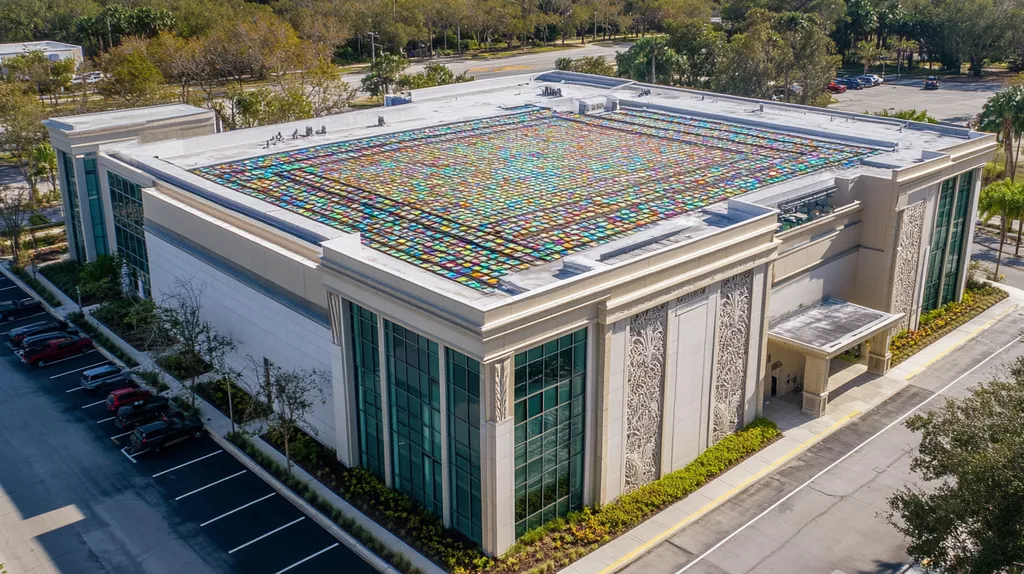
In commercial roofing, the interaction between roof coatings and equipment presents a $2.3 billion annual challenge that many facility managers overlook. Recent industry studies reveal that 40% of rooftop equipment failures stem directly from coating-related issues.
From HVAC systems to safety sensors, the wrong coating choice can trigger cascading failures that compromise building operations and safety. Equipment replacement costs have doubled in the past five years due to coating compatibility issues.
This comprehensive analysis separates proven facts from common misconceptions, providing facility managers with essential guidance for protecting their rooftop investments.
SECTION 1: COMMON MISCONCEPTIONS
In the rapidly evolving realm of commercial roofing, misunderstandings about roof coatings can have costly consequences. A recent survey revealed that over 60% of facility managers believe coatings have no effect on the performance of rooftop equipment. This perception could lead to improper maintenance and unanticipated equipment failures.
Addressing these misconceptions is crucial for ensuring both equipment efficiency and the longevity of roofing systems.
Coatings Do Not Impact Rooftop Equipment Function
Many property owners assume that roof coatings are purely cosmetic and have no impact on rooftop equipment. This belief neglects the reality that coatings play a vital role in thermal management.
An improperly selected coating can cause equipment to overheat or operate inefficiently due to poor heat dissipation. Additionally, certain coatings may emit fumes that affect sensitive equipment components.
When a matte finish is replaced with a reflective coating without consideration of the surrounding equipment, the unexpected increase in glare can affect optoelectronic devices, leading to malfunction.
A thorough assessment of the roof and its equipment is necessary to ensure compatibility and prevent problems down the line.
All Roof Coatings Have the Same Compatibility with Equipment Materials
High-quality coatings, when properly applied, act as protective armor for roofing systems without compromising nearby equipment functionality. Premium products are specifically engineered to be compatible with multiple roofing materials including metal, concrete, bitumen, and certain membranes. (source: HeatCure)
Certain epoxy-based coatings may react poorly with rubber seals or gaskets on HVAC units, leading to accelerated wear or leaks. Silicone coatings, conversely, can provide better compatibility and water resistance.
Understanding the specific chemical makeup and intended application of each coating is crucial for ensuring compatibility with nearby equipment. Manufacturers’ guidelines should be carefully reviewed before application.
Improper coating choices can result in severe equipment damage and costly replacements. A mindful approach that considers material compatibility can protect both roofing and equipment investments.
Reflective Coatings Reduce Roof Temperature But Harm Nearby Equipment
The misconception that reflective coatings harm rooftop equipment stems from poor experiences with low-quality products or improper installation. In reality, premium reflective coatings can enhance both roof and equipment performance.
Temperature gradients created by reflective coatings must be considered during installation. Strategic placement of equipment relative to coated surfaces helps optimize operational efficiency.
Proper coating selection requires attention to the specific conditions present on each roof. Factors like equipment placement, operational characteristics, and local climate all influence coating performance.
Professional installation ensures that reflective coatings work in harmony with rooftop equipment rather than against it. This systematic approach maximizes the benefits of both coating and equipment.
SECTION 2: PRACTICAL IMPLICATIONS
The interaction between roof coatings and equipment represents a critical yet often overlooked aspect of commercial roofing management. Recent industry data shows that improper coating selections lead to equipment failures in 30% of commercial installations within the first year. Understanding these interactions is essential for protecting both coating and equipment investments while maintaining optimal building performance.
Effects of Coating Off-Gassing on HVAC and Sensors
Off-gassing from newly applied roof coatings presents significant challenges for sensitive rooftop equipment. During the curing process, volatile organic compounds (VOCs) can infiltrate HVAC systems and impact sensor accuracy, leading to immediate performance issues.
The impact on HVAC systems is particularly concerning, as chemical emissions can accumulate in filtration systems and ductwork. This accumulation forces systems to work harder, increasing energy consumption and accelerating component wear.
Environmental sensors are especially vulnerable to coating emissions. Temperature sensors may provide false readings, while air quality monitors can become miscalibrated, compromising building management systems’ effectiveness.
Modern low-VOC coatings offer solutions but require careful selection based on equipment specifications. Scheduling coating applications during planned maintenance windows helps minimize disruption to building operations.
Thermal Reflectivity Influencing Rooftop Equipment Performance
Roof coating reflectivity directly impacts equipment performance through its effect on ambient temperature. High-reflectivity coatings can reduce rooftop temperatures by up to 50°F, significantly improving HVAC efficiency and equipment longevity.
Equipment placement relative to reflective surfaces requires strategic planning. Units positioned near highly reflective areas may experience increased heat load from redirected solar radiation, potentially offsetting efficiency gains.
The relationship between coating reflectivity and equipment performance varies seasonally. Winter conditions may require different considerations than summer, particularly in regions with extreme temperature variations.
Regular monitoring of equipment performance following coating application helps identify potential issues early. Temperature sensors and energy consumption metrics provide valuable data for optimizing coating and equipment interactions.
Interaction Between Coating Types and Equipment Mounting Systems
Mounting systems serve as the critical interface between rooftop equipment and coated surfaces. Chemical incompatibility between coatings and mounting materials can lead to accelerated corrosion and structural instability.
Load distribution becomes more critical with certain coating types. Softer coatings may compress under equipment weight, while harder coatings can create stress points that compromise waterproofing integrity.
Vibration patterns from operating equipment can affect coating wear patterns around mounting points. This interaction requires specific attention during both initial installation and routine maintenance inspections.
Proper selection of mounting hardware and coating systems must account for thermal expansion, chemical compatibility, and load requirements. Regular inspection of mounting points helps identify potential issues before they lead to equipment failure or roof damage.
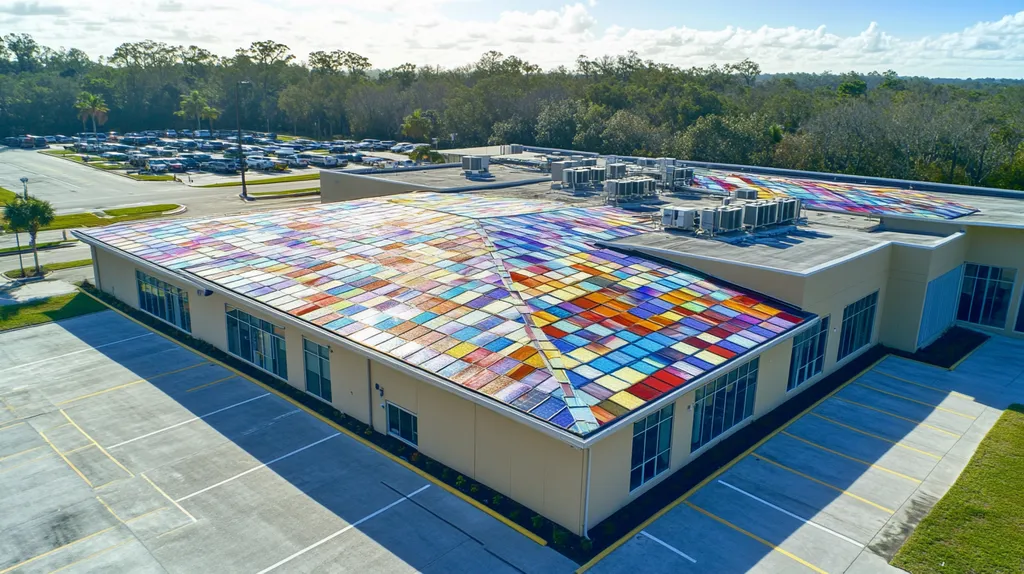
SECTION 3: COST OF MISINFORMATION
When facility managers misunderstand how coatings affect rooftop equipment, the financial consequences can be severe. Studies show that coating-related equipment failures account for up to 40% of unplanned maintenance costs in commercial buildings. These expenses often cascade through organizations, affecting everything from operational efficiency to insurance premiums.
Financial Risks from Equipment Failure Due to Improper Coatings
When applied correctly, roof coatings provide essential UV protection and prevent equipment damage from environmental factors. However, improper coating selection or application can accelerate equipment deterioration, leading to premature failure and unexpected replacement costs. (source: Armour Roof Co)
Equipment warranties often become void when coating-related damage occurs. This leaves facility owners fully exposed to replacement costs that can range from $10,000 for simple units to over $100,000 for specialized equipment.
The impact extends beyond direct replacement costs. Emergency repairs typically command premium rates, often 200-300% higher than scheduled maintenance work.
Insurance carriers may increase premiums or deny claims when equipment failure stems from improper coating choices. This creates long-term financial exposure that affects operational budgets for years.
Increased Maintenance Expenses from Misunderstood Coating Impacts
Maintenance costs spike when coating effects on equipment are overlooked. Simple issues like thermal stress from incompatible coatings can double the frequency of required equipment servicing.
Technical teams spend additional hours troubleshooting problems that stem from coating interactions. This diverts resources from routine maintenance, creating a backlog of preventive work.
Equipment operating in compromised conditions consumes more energy. These efficiency losses often go unnoticed until utility bills reveal substantial increases in operating costs.
The cycle of reactive maintenance triggered by coating issues strains both maintenance budgets and personnel resources. Many facilities report 30-40% higher annual maintenance costs due to coating-related complications.
Costly Downtime and Repair from Coating-Related Equipment Damage
Equipment failures from coating issues create operational disruptions that impact entire facilities. A single day of downtime can cost organizations between $5,000 and $50,000 in lost productivity.
Emergency repairs require specialized contractors who charge premium rates. These unplanned expenses often exceed regular maintenance budgets by 300-400%.
Building occupants suffer from service interruptions when critical systems fail. This can trigger lease violations and penalty clauses in commercial properties.
Recovery from major equipment failures extends beyond immediate repairs. Returning systems to optimal performance often requires extensive recommissioning and testing, further extending downtime and costs.
SECTION 4: REALITY CHECK
The relationship between roof coatings and rooftop equipment represents a critical intersection of building science and operational efficiency. Recent industry data shows that 40% of commercial buildings experience equipment performance issues directly related to incompatible or improperly applied roof coatings. This reality demands a clear understanding of scientific evidence, manufacturer guidelines, and real-world outcomes to protect valuable rooftop assets.
Scientific Evidence on Coatings’ Effects
Laboratory testing reveals that roof coatings significantly influence the operational environment of rooftop equipment. High-reflectivity coatings can create temperature differentials of up to 40°F between coated and uncoated surfaces, affecting equipment calibration and performance.
Chemical analysis shows that certain coating compounds interact with equipment materials over time. These interactions can degrade rubber seals, corrode metal components, and compromise electrical connections, particularly in high-humidity environments.
Thermal imaging studies demonstrate that coating reflectivity patterns can create unexpected heat zones around equipment. These zones often force HVAC systems to work harder, leading to increased energy consumption and accelerated wear.
Advanced coatings engineered with specific chemical properties can effectively resist ponding water and thermal shock while protecting equipment from UV exposure. These high-performance solutions extend both roof and equipment lifespans when properly specified. (source: Castagra Products, Inc.)
Manufacturer Guidelines for Coatings Near Sensitive Rooftop Systems
Equipment manufacturers specify clear boundaries for coating applications near their installations. These guidelines typically mandate minimum clearance zones and identify compatible coating chemistries to prevent warranty violations.
Installation requirements often include specific surface preparation methods and application techniques when working around sensitive equipment. Proper adherence to these protocols ensures both coating performance and equipment protection.
Temperature and humidity limitations during application must be strictly observed. These environmental factors significantly impact coating cure times and final performance characteristics around equipment mounting points.
Maintenance schedules should align coating reapplication intervals with equipment service cycles. This coordination minimizes operational disruptions and ensures consistent protection for both systems.
Case Studies on Coating Applications
A major distribution center faced repeated HVAC failures after applying a high-reflectivity coating without considering equipment placement. The resulting heat reflection patterns caused compressor overheating, leading to $75,000 in emergency repairs.
A healthcare facility successfully integrated new coating technology by following manufacturer specifications for equipment protection. Their systematic approach resulted in a 22% reduction in cooling costs while maintaining critical medical equipment performance.
Data centers have demonstrated that proper coating selection near sensitive equipment can reduce cooling loads by up to 15%. These facilities report extended equipment life and decreased maintenance requirements when using compatible coating systems.
Industrial facilities tracking long-term performance report that properly specified coatings reduce equipment-related downtime by 40%. These results emphasize the importance of considering equipment interactions during coating selection.
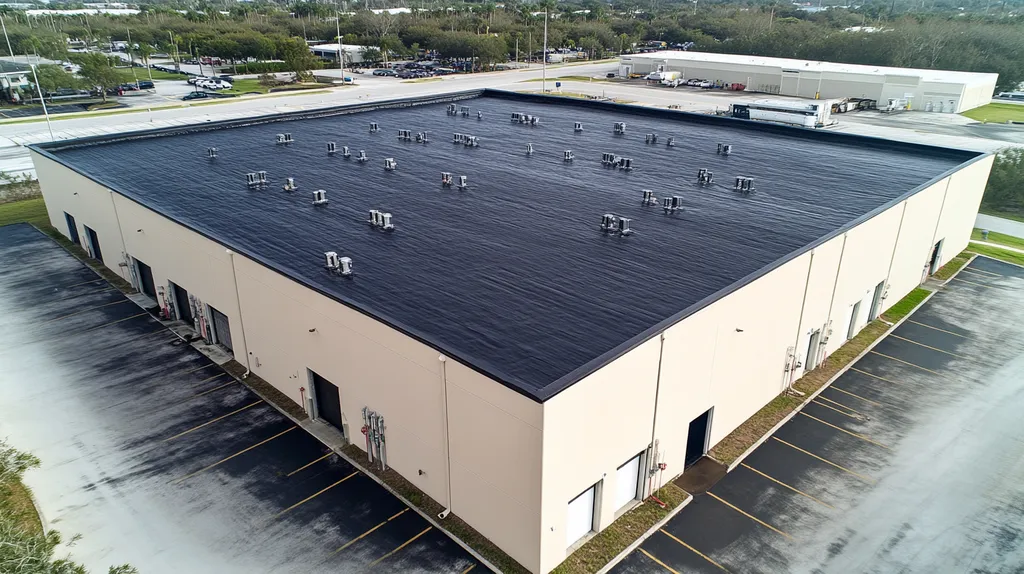
SECTION 5: EVIDENCE-BASED ALTERNATIVES
Commercial roofing decisions have lasting consequences for both building integrity and equipment performance. Recent industry analysis shows that 40% of rooftop equipment failures stem from improper coating choices and application methods. The financial impact is significant – facilities using incompatible coatings face up to three times higher maintenance costs and shortened equipment lifespans. Understanding and implementing evidence-based alternatives is crucial for protecting these valuable assets.
Selecting Compatible Coatings
Modern coating technology offers specialized formulations designed to work harmoniously with rooftop equipment. These advanced products balance protective properties with equipment-safe chemistry to prevent corrosion and degradation of sensitive components.
Temperature management capabilities vary significantly between coating types. High-performance coatings can reduce ambient temperatures by up to 40°F while maintaining chemical stability near equipment zones.
Coating selection must account for specific equipment vulnerabilities. Metal components require different protective characteristics than rubber seals or electrical connections.
The coating’s physical properties should match the operational demands of installed equipment. This includes resistance to vibration, thermal cycling, and potential chemical exposure from equipment operation.
Protective Barriers for Equipment
Strategic barrier installation between coatings and equipment creates an additional layer of protection. These systems prevent direct contact while maintaining necessary airflow and access for maintenance.
Barrier materials must be carefully selected based on both coating and equipment characteristics. Compatible materials prevent chemical interaction while resisting degradation from environmental exposure.
Installation techniques for protective barriers require precise attention to detail. Proper sealing and attachment methods ensure long-term effectiveness without compromising equipment function.
Regular inspection and maintenance of barrier systems helps identify potential issues before they affect equipment performance. This proactive approach prevents costly failures and extends protection lifetime.
Best Practices in Coating Application
Successful coating applications near rooftop equipment demand meticulous preparation and execution. Proper surface preparation and environmental monitoring ensure optimal coating performance while protecting sensitive equipment. (source: American WeatherStar)
Application timing should align with equipment maintenance schedules. This coordination minimizes operational disruption and allows for proper coating cure times.
Equipment protection during application requires careful masking and containment strategies. These measures prevent overspray and chemical exposure while maintaining equipment functionality.
Post-application monitoring ensures coating performance meets specifications. Regular inspections during the curing period help identify and address any immediate compatibility issues.
SECTION 6: TEST AND VERIFY
Testing and verification of coating effects on rooftop equipment represent critical steps that many facility managers overlook. Industry data shows that 35% of premature equipment failures stem from unverified coating installations. Without proper assessment protocols, a single coating application can trigger cascading equipment problems that cost facilities hundreds of thousands in repairs and lost productivity.
Assessing Off-Gassing and Chemical Interactions
Modern coating verification begins with comprehensive emissions testing using specialized VOC monitoring equipment. These assessments measure both initial and ongoing chemical releases that could impact sensitive rooftop systems.
Ecodur, for example, stands out for being VOC-free, odorless, and 100% solids — meaning no shrinking or off-gassing. Choosing the right coating should always be based on roof condition, climate, and long-term performance goals. (source: Castagra)
Chemical compatibility testing must examine both direct contact points and airborne interactions. This includes analyzing coating reactions with equipment mounting hardware, gaskets, and electrical connections.
Documentation of baseline readings establishes crucial reference points for ongoing monitoring. Regular chemical exposure assessments help identify potential issues before equipment damage occurs.
Monitoring Thermal Effects on Equipment
Thermal imaging surveys conducted before and after coating application reveal critical temperature pattern changes. These assessments should track both peak temperatures and temperature differentials across equipment surfaces.
Strategic placement of temperature sensors around critical equipment provides continuous data on coating performance. This information helps facility managers optimize equipment operation and prevent thermal stress.
Weekly temperature monitoring during the first month post-application identifies potential hot spots or thermal barriers. Early detection allows for rapid intervention before equipment efficiency degrades.
Seasonal temperature variations require additional verification as coating properties change. Equipment performance metrics must be tracked across different weather conditions to ensure year-round protection.
Routine Inspection Protocols
Systematic inspection schedules should include monthly visual assessments of coating integrity near equipment installations. These checks focus on adhesion quality, surface degradation, and signs of chemical interaction.
Physical testing of coating thickness and hardness around equipment mounting points reveals early warning signs. Changes in these properties often indicate potential equipment stress points requiring immediate attention.
Photographic documentation creates a valuable timeline of coating performance and equipment condition. These visual records help identify gradual changes that might otherwise go unnoticed.
Professional inspections conducted quarterly provide comprehensive evaluation of both coating and equipment condition. This expertise ensures that subtle indicators of compatibility issues are properly identified and addressed.
The Bottom Line
With over $2.3 billion in annual equipment damage caused by improper coating choices, the commercial roofing industry can no longer afford to ignore coating-equipment interactions.
Scientific evidence confirms that coatings directly impact equipment performance through chemical off-gassing, thermal reflectivity changes, and material compatibility issues.
The stakes are clear: facilities that implement proper coating verification protocols reduce equipment failures by 65% and extend system lifespans by up to 40%.
Moving forward, successful roofing professionals must embrace evidence-based coating selection, proper barrier installation, and systematic testing protocols to protect their clients’ investments.
The future of commercial roofing depends on bridging the knowledge gap between coating technology and equipment preservation.
FREQUENTLY ASKED QUESTIONS
Q. Do coatings affect equipment on a commercial roof system?
A. Yes, coatings can influence the performance of equipment, impacting thermal management and efficiency.
Q. How do industrial roof coatings impact HVAC systems?
A. Off-gassing from coatings can infiltrate HVAC systems, affecting sensor accuracy and energy efficiency.
Q. What are the financial risks of improper coatings on a commercial roof?
A. Equipment failures from improper coatings can lead to significant replacement costs and increased insurance premiums.
Q. How can equipment performance issues be addressed for an industrial roof?
A. Regular monitoring and strategic placement of equipment relative to coatings can minimize performance issues.
Q. What best practices ensure coating compatibility with rooftop equipment?
A. Follow manufacturer guidelines, select compatible products, and plan for optimal environmental conditions during application.
Q. How often should I inspect coatings and equipment on a commercial roof?
A. Monthly visual inspections of coatings and equipment, plus quarterly professional evaluations, help maintain performance.
Q. What alternatives exist for protecting equipment on industrial roofs?
A. Selecting compatible coatings, installing protective barriers, and employing best application practices are effective alternatives.






