

Commercial roof installations shut down businesses nationwide, costing companies millions in lost revenue while contractors work overhead for weeks or months.
A manufacturing facility in Michigan lost $1.8 million in production when poor planning extended their roof replacement from two weeks to eight weeks.
Yet other businesses complete identical projects with zero operational interruption.
The difference lies in understanding minimal-disruption strategies, proper contractor selection, and systematic project management that keeps revenue flowing during construction.
SECTION 1: THE BASICS EXPLAINED
Every year, commercial roof installations bring countless businesses to a grinding halt. Equipment sits idle, employees face safety hazards, and revenue streams dry up while contractors work overhead.
The difference between a smooth installation and a disruptive nightmare often comes down to understanding the fundamentals. Property owners who grasp what commercial roof installation truly involves can demand better planning and execution from their contractors.
What It Is (In Plain Language)
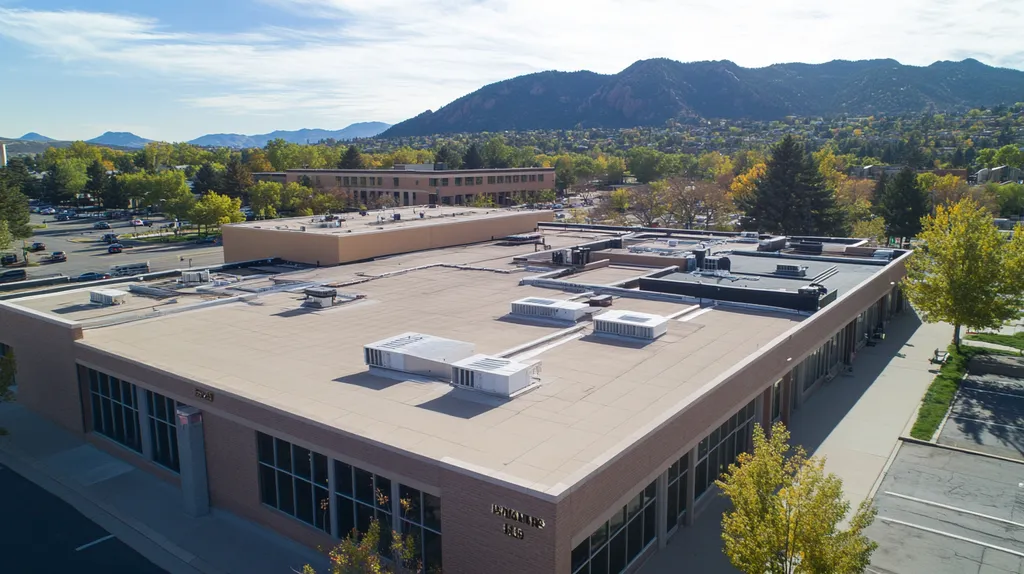
Commercial roof installation means replacing the weatherproof barrier that protects large-scale buildings. Unlike steep residential roofs, commercial systems cover expansive flat or low-slope surfaces that can span tens of thousands of square feet.
The process involves stripping away old roofing materials down to the structural deck. Contractors then build up new layers including insulation, waterproof membranes, and protective coatings designed to withstand heavy foot traffic and extreme weather.
Modern commercial roofing systems use advanced materials like thermoplastic membranes and spray-applied coatings. These materials require specialized installation techniques and equipment far different from traditional shingles.
The scale alone creates complexity that residential projects never face. A typical commercial installation might require coordinating crane operations, material deliveries, and waste removal across multiple building zones.
Success depends on methodical execution where each phase builds upon the previous one. Any shortcuts or mistakes can compromise the entire system and force costly rework.
Why It Matters (To Your Building)
The roof serves as the building’s primary defense against water infiltration and structural damage. A single leak can cascade into equipment failure, inventory loss, and operational shutdowns that cost far more than the roof itself.
Water intrusion creates immediate problems like electrical hazards and slip dangers. Over time, moisture leads to mold growth, insulation degradation, and steel corrosion that can compromise the building’s structural integrity.
Energy efficiency directly correlates with roof performance in commercial buildings. Poor installation allows conditioned air to escape while outside temperatures penetrate the building envelope, driving up utility costs dramatically.
Building codes and insurance requirements demand properly installed roofing systems. Substandard work can void warranties, increase premiums, and create liability issues that persist for decades.
Tenant retention often hinges on maintaining comfortable, leak-free environments. Roof failures that disrupt business operations can trigger lease violations and vacancy issues that devastate property values.
How It Works
The installation process begins with comprehensive structural assessment and material selection based on building usage and climate conditions. Engineers evaluate load-bearing capacity while specifying membrane types, insulation requirements, and drainage solutions.
Phased removal allows contractors to expose manageable sections while protecting the remaining building areas. This approach prevents weather exposure and maintains operational spaces during construction.
Surface preparation determines long-term performance more than any other factor. Crews must achieve proper slope, eliminate debris, and ensure adequate adhesion before installing new materials.
Membrane installation requires precise temperature and weather conditions for optimal bonding. Contractors use specialized welding equipment and adhesives that cure within specific environmental parameters.
Quality control inspections occur at each installation phase to catch problems before they become permanent. Final testing includes flood tests and thermal imaging to verify complete water-tight integrity.
Cleanup and restoration return the building to full operation with minimal evidence of construction activity. Professional teams coordinate material removal, equipment relocation, and site restoration to minimize ongoing disruption.
SECTION 2: PRACTICAL APPLICATIONS
Commercial roof installations typically force businesses to choose between protecting their building and maintaining operations. This false dilemma costs industries millions in lost productivity each year.
Smart property owners recognize that minimal-disruption strategies aren’t luxury upgrades—they’re operational necessities. The key lies in understanding when and how to apply these techniques across different business environments.
Common Uses & Examples
Retail chains deploy phased installation strategies during their busiest seasons to avoid revenue loss. Target stores, for example, coordinate roof replacements section by section, keeping customer entrances and critical departments operational throughout the project.
Manufacturing facilities use weekend-only installation schedules to protect production lines worth thousands per hour in output. Auto plants and food processing operations cannot afford contamination risks or equipment shutdowns during normal business hours.
Healthcare facilities require the most sophisticated disruption control methods. Hospitals coordinate roofing work around patient care areas, using sound barriers and air filtration systems to maintain sterile environments.
Distribution centers leverage overnight installation windows when loading docks sit idle. These facilities process materials that cannot tolerate weather exposure, making traditional shutdown approaches financially impossible.
Office buildings coordinate installations with tenant schedules to prevent lease violations. Multi-tenant properties face complex logistical challenges where disrupting one business can trigger legal consequences across multiple lease agreements.
When You Need It Most
Emergency roof failures during peak business periods create the highest stakes scenarios. Black Friday shopping events, holiday shipping seasons, and fiscal year-end closings cannot accommodate traditional installation timelines.
Seasonal businesses face concentrated risk windows where disruption equals total revenue loss. Resort properties, agricultural facilities, and recreational venues must maintain operations during their brief profitable periods.
Multi-shift operations running 24/7 present ongoing scheduling challenges that demand creative solutions. These facilities generate revenue around the clock, making any shutdown exponentially more expensive than standard business-hour operations.
Temperature-sensitive environments like data centers and pharmaceutical storage require continuous climate control. Even brief HVAC interruptions can destroy millions in inventory or compromise critical computer systems.
High-security facilities with restricted access windows must coordinate installations within tight operational parameters. Government buildings and financial institutions cannot accommodate flexible scheduling that disrupts security protocols.
Interactions With Other Systems
HVAC equipment integration determines whether buildings maintain comfortable temperatures during installation. Rooftop units require temporary relocation or protective enclosures that preserve air quality and climate control throughout the project.
Electrical systems demand careful coordination to prevent power outages that cascade through entire facilities. Solar panel arrays and electrical conduits need specialized handling procedures that maintain energy production during roof replacement.
Fire suppression systems integrated into roof structures must remain fully operational throughout installation phases. Code compliance requires continuous protection, forcing contractors to work around sprinkler lines and emergency access points.
Telecommunications equipment mounted on commercial roofs serves critical business functions that cannot tolerate interruption. Cell towers, satellite dishes, and internet infrastructure require protection strategies that maintain connectivity.
Building automation systems that control lighting, security, and environmental functions need coordination with roofing schedules. Smart building technologies create interdependencies that multiply the complexity of maintaining normal operations during construction.
SECTION 3: KEY TERMINOLOGY DECODED
Roofing contractors speak a specialized language that can leave property managers nodding along while missing critical details about project scope and timing. This communication gap creates costly surprises when installations take longer than expected or require additional work phases.
Understanding roofing terminology isn’t about becoming a technical expert—it’s about protecting your business from unnecessary disruptions. When facility managers can decode contractor language, they make better decisions about scheduling, budgeting, and operational planning.
Essential Terms Explained
“Substrate” refers to the structural foundation beneath all roofing materials, typically concrete or steel decking. Problems with substrate condition can double installation time and force emergency shutdowns during repairs.
“Penetrations” describe any opening through the roof surface, from HVAC units to plumbing vents. Each penetration requires custom waterproofing that adds complexity and installation time to projects.
“Slope” measures roof drainage capability, critical for preventing water accumulation that leads to structural problems. Inadequate slope often requires additional work phases that extend project timelines significantly.
“Membrane” describes the waterproof barrier layer that actually keeps water out of buildings. Different membrane types require vastly different installation methods, weather windows, and curing times.
“Ballast” consists of stones or pavers that hold down certain roofing systems through weight rather than adhesion. Ballasted systems involve heavy equipment and material handling that can disrupt operations for weeks.
Industry Jargon Translated
“TPO” stands for Thermoplastic Polyolefin, a white membrane material that reflects heat and installs relatively quickly. TPO systems typically cause less disruption than traditional built-up roofing methods.
“EPDM” refers to synthetic rubber membranes that offer excellent durability but require specific weather conditions for proper installation. Cold temperatures can delay EPDM projects and extend business disruptions.
“Modified Bitumen” describes asphalt-based systems that use torch application or hot-mopping techniques. These methods create fire safety concerns that can force temporary evacuations during installation.
“Tear-off” means complete removal of existing roofing materials down to the structural deck. Full tear-offs expose buildings to weather and typically require more extensive protection measures during construction.
Early communication about timeline, access restrictions, and safety protocols helps coordinate material deliveries during off-peak times to minimize operational congestion. Experienced contractors use clear logistics planning to optimize workflow and maintain clear access routes during construction activities (source: WCT Roofing Long Buckby).
Measurement & Units Simplified
“Square” represents 100 square feet of roof area, the standard unit for estimating materials and labor costs. A 50,000 square foot roof equals 500 squares, helping property managers verify contractor calculations.
“Mil” measures membrane thickness in thousandths of an inch, where a 60-mil membrane is 0.060 inches thick. Thicker membranes generally last longer but require more installation time and specialized equipment.
“R-value” quantifies insulation thermal resistance, with higher numbers indicating better energy efficiency. Upgrading R-values during installation can extend project timelines but reduce long-term operating costs.
“Scrim” describes reinforcing fabric embedded in membrane materials to add puncture resistance and dimensional stability. Heavy-duty scrim requirements can limit contractor options and affect project scheduling.
“Permeance” measures how much water vapor passes through materials over time, critical for preventing moisture problems. Low-permeance systems require vapor barriers that add installation complexity and potential delay points.
SECTION 4: DECISION FACTORS
Commercial roofing decisions made under budget pressure often backfire spectacularly. Property managers who chase the lowest bid frequently discover that cheap installations require twice as much downtime for repairs and replacements.
The mathematics are unforgiving: a roof failure that forces three days of business closure can cost more than the entire installation project. Smart facility managers evaluate roofing investments through the lens of operational continuity, not just upfront expenses.
Cost Considerations
Installation costs represent only 30-40% of a roof’s total financial impact over its service life. The remaining expenses come from maintenance, energy consumption, and business interruptions that compound over decades.
Material selection directly affects installation speed and disruption duration. Premium membrane systems often install faster than budget alternatives, reducing the days your facility operates under construction conditions.
Labor costs vary dramatically based on installation complexity and weather dependencies. Simple single-ply systems require fewer specialized trades and create shorter project timelines than multi-component built-up assemblies.
Hidden expenses emerge when contractors encounter substrate problems or code compliance issues. These surprises can double project costs while extending business disruptions far beyond original schedules.
Financing options like performance contracting allow businesses to spread costs over time while capturing immediate energy savings. These arrangements often reduce net cash flow impact compared to traditional procurement methods.
Performance Trade-offs
Weather resistance capabilities determine how often emergency repairs will interrupt business operations. Roofing systems rated for extreme wind or hail events prevent the catastrophic failures that shut down facilities for weeks.
Energy efficiency ratings directly correlate with ongoing utility expenses and HVAC system performance. High-reflectance roofs can reduce cooling costs by 15-20% while extending equipment life through reduced thermal cycling.
Installation speed versus long-term durability creates complex decision matrices for facility managers. Fast-installing systems minimize immediate disruption but may require more frequent maintenance windows over their service life.
Fire resistance ratings affect insurance premiums and evacuation requirements during installation. Class A fire-rated materials often allow normal occupancy during construction while lower-rated systems require costly temporary relocations.
Maintenance accessibility features determine future service requirements and associated business interruptions. Walkable roof systems allow routine maintenance without heavy equipment that disrupts parking and loading operations.
Lifespan & Durability Factors
Expected service life directly impacts replacement frequency and the cumulative business disruptions over building ownership periods. A roof lasting 30 years creates half the lifetime interruptions of one requiring replacement every 15 years.
Warranty coverage determines who pays for repairs and replacement labor when systems fail prematurely. Comprehensive warranties that include installation defects provide protection against contractor errors that could compromise business operations.
Material degradation patterns help predict when performance issues will emerge and disrupt operations. UV-resistant membranes maintain flexibility longer, reducing the brittle failures that cause sudden leaks during normal business hours.
Climate-specific durability ratings ensure systems withstand local environmental stresses without premature aging. Roofs designed for specific temperature ranges and precipitation patterns avoid the thermal shock failures that create emergency repair situations.
Manufacturer reputation affects material availability and technical support when problems arise. Established manufacturers provide replacement materials and troubleshooting expertise that minimize downtime during unexpected system failures.

SECTION 5: COMMON CHALLENGES
Commercial roofing projects fail spectacularly when facility managers underestimate the complexity of maintaining operations during installation. A manufacturing plant in Ohio lost $2.3 million in production when unexpected substrate damage extended their roof replacement from two weeks to six weeks.
These disasters aren’t random occurrences—they follow predictable patterns that smart property managers can identify and prevent. Understanding common failure points, recognizing early warning signals, and implementing proven prevention strategies separates successful installations from operational nightmares.
Frequent Problems & Solutions
Weather dependencies create the most frequent project disruptions, with temperature-sensitive materials requiring specific installation windows. TPO and EPDM membranes cannot bond properly in extreme temperatures, forcing work stoppages that can extend projects by weeks during seasonal transitions.
Substrate deterioration discovered during tear-off phases catches facility managers off-guard with emergency structural repairs. Hidden water damage, corroded steel decking, and inadequate insulation support require immediate attention that doubles project timelines and triples disruption periods.
Phased installation strategies provide the most effective solution for maintaining business continuity during complex projects. Breaking large roofs into manageable sections allows operations to continue in unaffected areas while contractors focus work in isolated zones.
Material delivery coordination becomes critical when storage space is limited and weather windows are narrow. Scheduling roof work during off-hours or slow business periods minimizes operational disruption while ensuring crews have adequate materials for continuous progress (source: Creative Roofing Systems, LLC).
Equipment access restrictions in urban environments or multi-tenant buildings require creative solutions for crane placement and material handling. Coordinating with neighboring properties and municipal authorities prevents last-minute logistical crises that halt progress.
Warning Signs To Watch For
Contractor communication patterns reveal project management capabilities long before installation begins. Vague timelines, delayed responses to questions, and reluctance to provide detailed schedules indicate potential coordination problems that multiply during construction phases.
Material procurement delays signal supply chain problems that cascade into extended project timelines. Contractors who cannot confirm delivery dates or provide manufacturer specifications lack the vendor relationships necessary for smooth project execution.
Inadequate site preparation indicates rushed project planning that leads to construction delays. Missing permit approvals, incomplete utility locates, and insufficient staging areas create bottlenecks that extend disruption periods significantly.
Weather contingency planning reveals contractor experience levels with commercial installations. Teams without backup schedules or alternative work sequences struggle to maintain progress when conditions change unexpectedly.
Subcontractor coordination issues become apparent during pre-construction meetings when specialty trades cannot commit to firm schedules. Electrical, HVAC, and waterproofing contractors must synchronize their work to prevent delays that compound throughout the project.
Preventative Approaches
Comprehensive pre-installation inspections using thermal imaging and moisture surveys identify hidden problems before they disrupt construction schedules. These assessments cost a fraction of emergency repairs while preventing the surprise discoveries that shut down operations.
Detailed project phasing plans that account for critical business operations ensure installations work around revenue-generating activities. Smart scheduling protects peak sales periods, shipping deadlines, and tenant requirements that cannot tolerate interruption.
Performance-based contracts with completion guarantees transfer schedule risk from property owners to contractors. These agreements include penalty clauses for delays while incentivizing efficient project management that minimizes business disruption.
Clear communication protocols establish regular update schedules and escalation procedures for addressing problems quickly. Daily progress reports and weekly coordination meetings keep all stakeholders informed while enabling rapid response to emerging challenges.
Emergency response planning prepares businesses for unexpected weather events or equipment failures that could extend project timelines. Backup power systems, temporary weather protection, and alternative workspace arrangements protect operations when construction complications arise.
SECTION 6: NEXT STEPS & RESOURCES
Armed with knowledge about minimal-disruption roofing strategies, property managers still face the critical challenge of selecting contractors and managing projects effectively. Statistics show that 40% of commercial roofing failures stem from poor contractor selection and inadequate project oversight rather than material defects.
The gap between understanding roofing concepts and executing successful installations can cost businesses thousands in extended downtime. Property owners who master the evaluation process, recognize quality standards, and access ongoing education resources transform potentially disruptive projects into smooth operational transitions.
Questions To Ask Providers
Contractor evaluation begins with understanding their specific experience managing business-continuity installations. Ask potential providers to detail their phased installation strategies and provide examples of similar projects completed without operational shutdowns.
Demand comprehensive project timelines that account for weather delays and material delivery schedules. Contractors should explain their contingency planning for temperature-sensitive materials and provide backup schedules for unexpected complications.
Request detailed safety protocols and communication procedures that protect employees while keeping management informed. Quality contractors provide daily progress reports and maintain clear escalation procedures for addressing problems before they become project-stopping crises.
Verify licensing, insurance coverage, and manufacturer certifications that ensure proper installation techniques. Ask for references from recent commercial projects and contact those property managers directly about disruption levels and timeline adherence.
Scheduling roof work during off-hours or slower business periods prevents major operational disruptions while allowing contractors adequate time for quality installation. Phased approaches that divide large projects into manageable sections enable business operations to continue in unaffected areas throughout the construction process (source: Creative Roofing Systems, LLC).
Industry Standards & Guidelines
National Roofing Contractors Association (NRCA) standards provide the foundation for minimal-disruption installation practices. These guidelines emphasize coordinated scheduling, comprehensive safety protocols, and systematic quality control measures that prevent delays.
Building codes and environmental regulations directly impact installation methods and timing requirements. Understanding local compliance requirements helps property managers avoid unexpected work stoppages that can extend projects by weeks.
ANSI safety standards protect workers while maintaining project momentum through injury prevention. Contractors following established safety protocols experience fewer work delays and create safer environments for ongoing business operations.
Manufacturer installation specifications determine warranty coverage and long-term system performance. Adhering to these standards ensures proper material bonding while avoiding premature failures that disrupt operations years later.
Insurance industry guidelines for commercial roofing help property managers understand coverage requirements and risk mitigation strategies. Following these standards can reduce premiums while protecting against catastrophic failures.
Further Learning Simplified
Trade publications like Roofing Contractor magazine and Professional Roofing provide ongoing updates about disruption-reduction technologies and installation innovations. These resources help facility managers stay current with evolving best practices.
Manufacturer training programs and webinars offer accessible education about specific roofing systems and their operational requirements. Understanding material characteristics enables better scheduling decisions and realistic timeline expectations.
Professional organizations host educational workshops focused on commercial roofing management and project oversight. These events provide networking opportunities with experienced facility managers who have successfully navigated complex installations.
Online certification courses for facility management include modules on roofing project coordination and vendor management. These programs build confidence in project oversight while providing frameworks for evaluating contractor performance.
Industry conferences showcase emerging technologies and case studies of successful minimal-disruption installations. Attending these events helps property managers identify innovative solutions and connect with proven contractors in their region.
The Bottom Line
Every day of delayed decision-making costs businesses thousands in potential disruption expenses when roof emergencies force unplanned shutdowns.
The evidence is clear: companies that implement minimal-disruption strategies maintain revenue streams while competitors lose millions during traditional installations.
Property managers now possess the knowledge to demand better contractor performance, recognize warning signs, and protect operational continuity during roof replacements.
The choice is straightforward—continue accepting disruptive installations as inevitable, or leverage proven strategies that keep businesses running smoothly throughout construction.
Start evaluating contractors today using the frameworks outlined here, because the next roof failure won’t wait for convenient timing.
FREQUENTLY ASKED QUESTIONS
Q. What does a commercial roof installation involve and why is it complex?
A. The installation replaces an extensive weatherproof barrier, often over large, flat surfaces. This process includes removing old materials, prepping structural decks, and layering insulation and membranes that require careful coordination. Multiple zones, specialized equipment, and strict quality checks add complexity to protect building integrity and avoid costly errors.
Q. How can minimal-disruption methods protect operations during commercial roof work?
A. Strategies like phased installations and off-hour scheduling let businesses maintain normal activities while work proceeds. Tailoring approaches to facility type—such as weekend work for manufacturers or overnight shifts for distribution centers—minimizes downtime. Careful coordination preserves revenue and limits impact on employees and customers.
Q. What key commercial roofing terms should facility managers understand?
A. Knowing terms like substrate, membrane, and penetrations helps managers anticipate project scope and timing. Understanding materials like TPO or EPDM clarifies installation requirements. This knowledge prevents miscommunication and avoids unexpected delays that can disrupt building operations during the project.
Q. What factors should influence decisions about commercial roof installations?
A. Beyond installation costs, consider long-term impacts like maintenance, energy efficiency, and disruption risks. Durable materials and faster installation can reduce downtime, even if initial costs are higher. Evaluating warranty coverage and climate suitability helps avoid premature repairs and business interruptions.
Q. What common challenges cause disruptions during industrial roof installations?
A. Weather delays, hidden structural damage, and complicated logistics often extend project timelines unexpectedly. Poor communication, supply chain delays, and limited jobsite access can compound these issues. Proactive planning, phased schedules, and clear contractor coordination are key to avoiding costly business interruptions.
Q. How do I choose and manage contractors for a smooth commercial roof installation?
A. Vet contractors by their experience with phased projects and disruption control. Request detailed timelines, contingency plans, and safety protocols. Verify licenses and references, then establish clear communication channels with regular progress updates to ensure the project stays on schedule and minimizes impact on your operations.
Q. What maintenance practices protect my commercial roof after installation?
A. Regular inspections and prompt repairs prevent small issues from escalating into major disruptions. Scheduling routine cleaning, debris removal, and membrane checks maintains system integrity. Early detection of leaks or damage extends roof life and helps avoid unforeseen business interruptions related to emergency repairs.






