

Commercial building owners lose millions annually through preventable roofing-related energy waste, with studies showing up to 40% of cooling and heating costs tied directly to roof system performance.
Despite advances in roofing technology, persistent industry myths continue driving decisions that increase energy consumption while reducing system lifespan.
From misconceptions about dark roofs to oversimplified views of material performance, these common beliefs cost facility managers both immediate operational expenses and long-term infrastructure value.
This analysis examines key roofing myths affecting energy efficiency and provides evidence-based solutions for optimizing commercial roof performance.
SECTION 1: COMMON MISCONCEPTIONS
Commercial building owners face mounting pressure to reduce energy costs while maintaining comfortable indoor environments. Research indicates that roofing choices can impact up to 40% of a building’s total energy consumption. Yet persistent myths about roofing materials and performance continue to drive inefficient decisions, leading to increased operational costs and reduced building efficiency.
Myth: Dark Roofs Always Increase Cooling Costs
While dark roofs do absorb more solar radiation than lighter surfaces, their impact on cooling costs depends heavily on multiple factors beyond color alone. Modern insulation systems and advanced coating technologies can effectively neutralize heat absorption regardless of roof color.
Climate zone and building usage patterns play crucial roles in determining the actual energy impact of roof color. In regions with long heating seasons, dark roofs can actually reduce annual energy costs by capturing and retaining beneficial solar heat.
The thermal mass of dark roofing materials can help moderate temperature swings throughout the day. This stabilizing effect often reduces peak cooling demands and associated energy costs.
Advanced dark roofing systems incorporating proper ventilation and reflective underlayments can match or exceed the cooling performance of lighter alternatives. The key lies in proper system design rather than surface color alone.
Misbelief: Metal Roofs Cause Excessive Heat Build-Up
Contemporary metal roofing systems actually excel at heat management through their inherent ability to quickly release absorbed heat. This rapid heat dissipation helps prevent thermal buildup that could transfer into the building.
Modern metal roofs feature specialized coatings and finishes that can reflect up to 70% of solar radiation. These high-performance surfaces significantly reduce cooling loads compared to traditional roofing materials.
The installation method of metal roofing creates natural ventilation channels that promote airflow and heat removal. This design feature actively contributes to temperature regulation within the building envelope.
When combined with proper insulation, metal roofing systems provide excellent thermal performance in both hot and cold climates. Their durability and energy efficiency often result in lower lifetime operational costs.
Assumption: All Commercial Roofs Perform Equally
Different roofing systems exhibit vastly different energy performance characteristics based on their material composition and installation methods. Single-ply membranes, built-up roofing, and modified bitumen each offer distinct advantages in specific applications.
Regional climate conditions dramatically influence roofing system performance. A system that excels in a hot, humid environment may perform poorly in an area with extreme temperature variations.
Building use patterns and internal heat loads must factor into roofing system selection. Healthcare facilities, data centers, and manufacturing plants each require specialized solutions to manage their unique energy challenges.
Modern roofing technologies offer varying levels of solar reflectance, thermal emittance, and insulation value. Understanding these differences is crucial for selecting systems that optimize energy efficiency and operational costs.
SECTION 2: PRACTICAL IMPLICATIONS
Commercial roofing decisions have immediate and long-lasting effects on building energy performance. Studies demonstrate that roof systems can influence up to 30% of a facility’s total heating and cooling costs. Making informed choices about roofing materials, insulation, and maintenance can mean the difference between an energy-efficient building and one that consistently wastes resources through poor thermal management.
Impact of Roof Color and Material on HVAC Loads
The relationship between roofing choices and HVAC performance extends far beyond simple color selection. Modern roofing systems incorporate multiple layers that work together to manage heat flow and energy transfer throughout the building envelope.
Different roofing materials exhibit unique thermal properties that directly impact HVAC efficiency. For example, thermoplastic membranes can reflect up to 85% of solar radiation, while built-up roofing systems provide excellent thermal mass benefits that help stabilize indoor temperatures.
Regional climate considerations should drive material selection. Buildings in hot climates benefit from highly reflective surfaces and superior insulation, while facilities in colder regions might prioritize heat retention and moisture management properties.
Peak load timing also influences optimal material choice. Facilities with daytime operations typically benefit more from reflective materials, while buildings with 24/7 operations may need solutions focused on consistent thermal performance.
Importance of Proper Insulation and Reflective Coatings
Effective insulation systems create a critical thermal barrier that regulates heat flow in both directions. The right combination of insulation materials and installation methods can reduce HVAC energy consumption by 15-25% compared to minimum code requirements.
Modern reflective coatings work synergistically with insulation to enhance overall system performance. These coatings can maintain their reflective properties for 10-15 years when properly maintained, providing consistent energy benefits throughout their service life.
Strategic placement of insulation layers and vapor barriers prevents condensation issues that could compromise thermal performance. Proper attention to these details during installation ensures long-term energy efficiency and system durability.
Regular evaluation of insulation performance helps identify areas needing attention before they significantly impact energy costs. Thermal imaging and moisture surveys can pinpoint problems invisible to the naked eye.
Maintenance Practices Affecting Energy Efficiency
Preventive maintenance directly impacts roofing system energy performance. Regular inspections and cleaning preserve reflective properties and ensure insulation remains dry and effective at managing heat flow.
Drainage system maintenance prevents water accumulation that could degrade insulation performance. Even minor ponding can reduce thermal resistance and increase energy consumption over time.
Prompt repair of penetrations and seam failures maintains the roof’s thermal barrier integrity. Small breaches in the roofing system can lead to significant energy losses if left unaddressed.
Documented maintenance programs help track system performance and identify trends that could signal developing efficiency issues. This data-driven approach enables proactive interventions before energy costs spike.

SECTION 3: COST OF MISINFORMATION
When commercial building owners make roofing decisions based on outdated information or misconceptions, the financial impact can be severe. Research shows that poor roofing choices can increase annual energy costs by 15-40% while simultaneously reducing system lifespan. Beyond direct energy waste, uninformed decisions about roofing materials and maintenance lead to accelerated deterioration, premature replacement, and decreased property value.
Financial Risks of Ignoring Roof Energy Performance
The immediate impact of poor roof energy performance appears in monthly utility bills. Buildings with inefficient roofing systems typically spend 25-35% more on heating and cooling compared to those with optimized solutions.
These increased operational costs compound over time, often reaching hundreds of thousands of dollars over a roof’s expected lifespan. The burden becomes particularly acute during extreme weather events when HVAC systems struggle to maintain comfortable indoor temperatures.
Poor energy performance also accelerates material degradation. Excessive heat absorption and temperature fluctuations stress roofing components, leading to premature aging and reduced service life.
The financial impact extends beyond direct energy costs to affect property valuation. Buildings with documented energy inefficiencies typically command lower rents and sales prices in today’s efficiency-conscious market.
Expenses from Premature Roof Replacement and Repairs
A properly specified and maintained commercial roof should last 20-30 years. However, systems chosen without regard for energy performance often require replacement in 10-15 years, doubling lifetime ownership costs.
Emergency repairs due to premature failure carry premium costs, often 300-400% higher than planned maintenance. These unexpected expenses wreak havoc on maintenance budgets and facility operations.
The hidden cost of business disruption during emergency repairs can exceed the direct repair costs. Production delays, damaged inventory, and temporary relocations quickly multiply the financial impact.
Shortened replacement cycles create additional waste disposal costs and environmental impacts. Each premature replacement sends tons of material to landfills while consuming new resources unnecessarily.
Hidden Costs of Overlooking Roof System Differences
Different roofing systems offer vastly different energy performance profiles. Selecting the wrong system for a building’s specific needs can increase energy costs by 20-30% annually compared to an optimized solution.
Initial cost savings from choosing basic systems often evaporate within 2-3 years due to higher energy and maintenance expenses. The total cost of ownership over the system’s life typically exceeds that of premium solutions.
Climate-inappropriate systems require more frequent repairs and coating applications. These ongoing maintenance costs can double or triple compared to properly specified solutions.
Incompatible systems may void or limit warranty coverage, leaving building owners exposed to significant financial risk. Understanding system differences becomes crucial for protecting long-term investments.
SECTION 4: REALITY CHECK
Commercial property owners face a critical challenge: up to 70% of roofing systems are improperly specified for their climate zones and building usage patterns. This mismatch leads to excessive energy consumption and premature system failure. Understanding climate-appropriate materials, emerging technologies, and proper assessment protocols has become essential for controlling long-term operational costs.
Evaluating Roof Types Based on Climate and Usage
Climate zone and building function must drive roofing material selection. Hot, sunny regions benefit most from TPO or PVC membranes with high solar reflectance, while cold climates often perform better with EPDM systems that resist thermal cycling damage.
Building usage patterns significantly impact optimal roof system design. Facilities with high internal heat loads require enhanced insulation and ventilation capabilities, while buildings with minimal cooling needs may benefit from heat-absorbing surfaces.
Roof slope and drainage patterns play crucial roles in system performance. Even minor ponding can reduce insulation effectiveness by up to 25% and accelerate membrane degradation.
Local weather extremes demand specific material properties. Areas with high wind exposure need mechanically fastened systems, while regions with heavy rainfall require superior drainage design and membrane durability.
Role of Advanced Roofing Technologies in Energy Savings
Smart roofing systems now integrate temperature and moisture sensors to optimize building performance. These systems can automatically adjust HVAC operations based on real-time roof conditions.
Self-cleaning membrane coatings maintain solar reflectance without regular maintenance. This technology helps sustain energy efficiency while reducing operational costs.
Phase-change materials embedded in roofing systems actively manage heat flow. These materials absorb excess heat during peak hours and release it when temperatures drop.
Vegetative roof sections combined with traditional materials create hybrid systems that maximize energy efficiency. These combinations can reduce cooling costs by up to 25% compared to conventional roofs.
Necessity of Specialized Contractors for Accurate Assessment
Professional roof assessments require advanced diagnostic tools and expertise. Infrared scanning, core sampling, and wind uplift calculations demand specialized training and equipment.
Energy modeling software helps predict system performance across different climate scenarios. This analysis ensures chosen solutions deliver expected savings throughout their service life.
Installation quality directly impacts energy performance. Specialized contractors understand critical details like proper flashing, membrane seaming, and insulation placement that affect thermal efficiency.
Ongoing monitoring and maintenance programs require contractor expertise in energy management. Regular assessments help identify efficiency losses before they significantly impact operating costs.
SECTION 5: EVIDENCE-BASED ALTERNATIVES
Commercial building owners face mounting pressure to reduce energy costs while protecting their infrastructure investments. With roofing systems accounting for up to 40% of building energy losses, the need for proven solutions has never been greater. Modern roofing technologies and materials now offer evidence-based alternatives that deliver measurable reductions in energy consumption while extending system lifespan.
Cool Roof Materials and ENERGY STAR® Certifications
Cool roof systems utilize advanced materials that reflect up to 80% of solar radiation, dramatically reducing heat transfer into buildings. These materials maintain surface temperatures 50-60°F cooler than conventional roofing during peak summer conditions.
ENERGY STAR® certified roofing products must demonstrate consistent performance through rigorous testing. Initial solar reflectance must exceed 0.65, and thermal emittance must remain above 0.75 after three years of exposure.
Performance monitoring of installed cool roof systems shows cooling cost reductions of 15-35% in commercial buildings. These savings persist throughout the system’s service life when proper maintenance practices are followed.
Cool roof technologies have evolved beyond simple white membranes to include a spectrum of colors and textures. Modern materials maintain high reflectivity while meeting aesthetic requirements for various architectural styles.
Combining Insulation with Reflective Membranes for Efficiency
Properly engineered insulation systems work synergistically with reflective membranes to create comprehensive thermal barriers. This integrated approach manages both radiative and conductive heat transfer through the roof assembly.
Multi-layer insulation strategies using different materials optimize thermal performance across seasonal temperature variations. Strategic placement of vapor barriers prevents condensation that could degrade insulation effectiveness.
Advanced membrane systems maintain 85-95% of their initial reflectivity for 15-20 years with proper maintenance. This sustained performance ensures consistent energy savings throughout the roof’s service life.
Installation quality critically affects system performance. Proper attachment methods, seam sealing, and penetration details prevent thermal bridging that could compromise efficiency.
Emerging Technologies: Solar-Integrated and High-Reflectivity Roofs
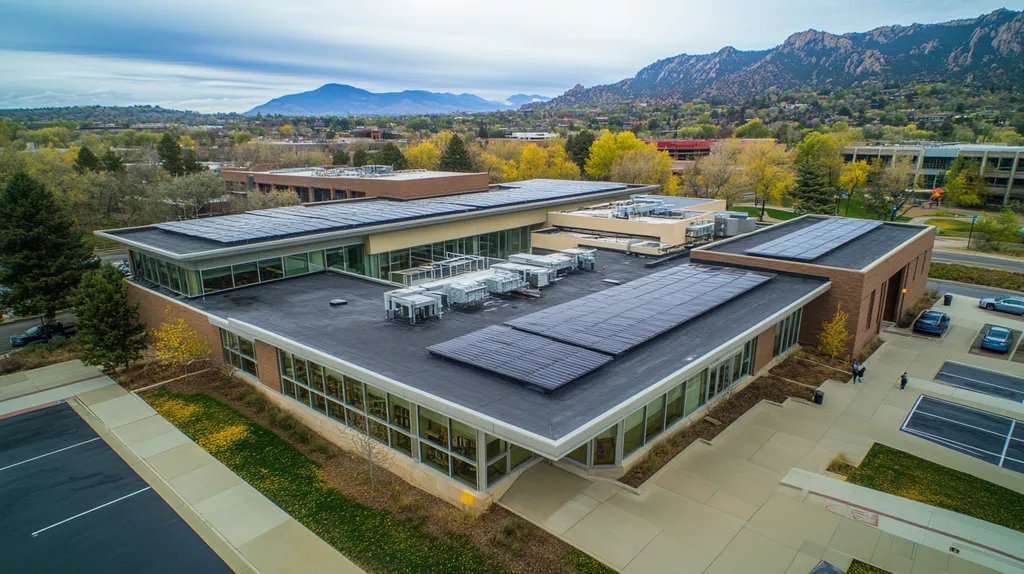
Building-integrated photovoltaic (BIPV) roofing systems generate power while maintaining waterproof integrity. These dual-function systems maximize roof space utilization while reducing grid energy dependence.
Next-generation high-reflectivity materials incorporate phase-change components that actively manage heat flow. These systems absorb excess heat during peak periods and release it during cooler hours to stabilize building temperatures.
Smart roofing systems now integrate sensors and controls to optimize performance based on real-time conditions. Automated monitoring ensures sustained efficiency while alerting maintenance teams to developing issues.
Vegetative roof sections combined with high-performance materials create hybrid systems that maximize energy efficiency. These combinations can reduce peak cooling loads by 25-40% compared to conventional roofs.
SECTION 6: TEST AND VERIFY
Effective energy management for commercial roofs demands rigorous testing and verification protocols. Studies show that up to 40% of commercial buildings operate with undetected thermal inefficiencies in their roofing systems, leading to thousands in preventable energy costs. Without proper assessment measures, even the most advanced roofing solutions can underperform, leaving property owners with inflated utility bills and compromised building comfort.
Conducting Thermal Imaging and Energy Audits
Thermal imaging technology reveals hidden energy losses that visual inspections miss. Advanced infrared scanning can detect temperature variations as small as 0.2°F, pinpointing areas of compromised insulation or moisture infiltration before they cause significant damage.
Comprehensive energy audits establish baseline performance metrics and identify opportunities for improvement. These assessments examine heat flow patterns, air leakage rates, and insulation effectiveness to create data-driven improvement strategies.
Regular thermal assessments help track system degradation over time. Monthly or quarterly scans can detect developing issues before they impact energy bills, allowing for proactive rather than reactive maintenance.
Professional analysis of thermal data provides actionable insights for energy optimization. Experienced technicians can distinguish between normal temperature variations and concerning patterns that require intervention.
Routine Roof Inspections to Identify Inefficiencies
Systematic inspection protocols catch energy-wasting issues early. Monthly visual checks combined with quarterly detailed assessments help maintain optimal system performance throughout the year.
Key inspection points include membrane condition, insulation compression, drainage patterns, and penetration seals. Each of these elements directly impacts thermal performance and energy efficiency.
Documentation of inspection findings creates valuable performance trending data. Tracking system changes over time helps predict maintenance needs and validate energy-saving improvements.
Digital inspection tools streamline data collection and analysis. Modern assessment platforms can generate detailed reports that quantify energy impacts and prioritize corrective actions.
Utilizing Industry Standards and Performance Metrics for Validation
Standard testing protocols ensure consistent performance evaluation across different roofing systems. These measures examine thermal resistance, solar reflectance, and moisture content to verify energy efficiency claims.
Performance metrics provide objective benchmarks for system evaluation. Key indicators include heat flux measurements, temperature differential readings, and energy consumption patterns.
Regular performance validation helps optimize maintenance scheduling and budgeting. Understanding actual system performance enables better resource allocation and more accurate cost projections.
Third-party verification adds credibility to performance claims. Independent testing laboratories can certify energy performance levels and validate efficiency improvements.
The Bottom Line
Commercial building owners lose an estimated $30 billion annually through preventable roofing-related energy waste, with studies showing over 70% of existing roof systems performing well below their efficiency potential.
The evidence clearly demonstrates that outdated myths about roofing materials and performance continue driving decisions that increase operational costs by 25-40% while reducing system lifespans by half.
By embracing evidence-based solutions – from cool roof technologies to advanced monitoring systems – facility managers can reduce HVAC loads by up to 35% while extending roof service life.
The path forward requires moving beyond conventional wisdom to make data-driven decisions about commercial roofing systems, ensuring both immediate energy savings and long-term infrastructure protection.
FREQUENTLY ASKED QUESTIONS
Q. Do dark roofs always increase cooling costs for a commercial roof?
A. Not necessarily. While dark roofs absorb more heat, proper insulation and design can minimize their impact on energy costs. In colder climates, they may even help by retaining heat.
Q. How does roof color affect energy consumption in industrial roofs?
A. The relationship between roof color and energy consumption involves more than just appearance. Factors like the insulation type and local climate determine overall impact on HVAC loads and energy efficiency.
Q. Why should I care about the performance differences between commercial roof types?
A. Different commercial roof types have varying energy performance characteristics affecting energy costs. Selecting the right one is crucial for optimizing energy efficiency and achieving long-term savings.
Q. What maintenance practices improve energy efficiency for commercial roofs?
A. Regular inspections, cleaning, and prompt repairs ensure that insulation remains effective. Maintaining drainage systems and reflective surfaces can significantly enhance a roof’s energy performance over time.
Q. How can misinformation impact my commercial roofing decisions?
A. Misinformation can lead to poor roofing choices, increasing energy costs and reducing system lifespans. Understanding accurate roofing options is essential to avoid financial losses and ensure effective building performance.
Q. What innovative technologies can improve energy efficiency in commercial roofs?
A. Technologies like smart sensors, cool roofs, and solar-integrated systems optimize energy performance. These advancements manage heat flow effectively, resulting in significant energy savings for commercial buildings.
Q. How do I verify my commercial roof’s energy performance?
A. Conducting thermal imaging and energy audits is essential for detecting inefficiencies. Regular inspections and utilizing industry standards ensure your roofing system operates optimally and maintains energy efficiency.






