

For commercial building owners, few decisions carry higher financial stakes than protecting their roofing investment. Industry studies show that 80% of commercial roofs fail before reaching even half their expected service life, often due to preventable factors.
The difference between a roof lasting 30 years versus failing in 10 often comes down to understanding key variables that affect system performance. From installation quality to maintenance protocols, multiple critical factors determine actual roof lifespan.
This analysis separates roofing facts from fiction, examining how material choices, environmental conditions, and maintenance practices impact long-term roof performance and building protection.
SECTION 1: COMMON MISCONCEPTIONS
When it comes to commercial roofing, misinformation can cost building owners hundreds of thousands in preventable repairs and premature replacements. Three critical misconceptions consistently lead to shortened roof lifespans and increased maintenance costs. Understanding these myths is essential for making informed decisions about roof management and protecting your building investment.
The Lifespan is Solely Determined by Roofing Material
While material selection significantly impacts roof performance, it’s only one factor in a complex system. Even premium materials like TPO or modified bitumen can fail prematurely without proper system design and installation methods.
Environmental factors such as UV exposure, temperature fluctuations, and precipitation patterns play crucial roles in determining actual roof longevity. A roofing system that performs well in Arizona may deteriorate rapidly in Florida’s humid climate.
Building use patterns and mechanical equipment placement also affect lifespan. Heavy foot traffic from HVAC maintenance or frequent chemical exhaust exposure can accelerate material breakdown, regardless of initial quality.
The key to maximizing lifespan lies in selecting materials that match both environmental conditions and building use patterns while ensuring proper installation and maintenance protocols.
Installation Quality Has Minimal Impact
Proper installation is arguably more critical than material selection in determining roof longevity. Even minor installation errors can create vulnerability points that compromise the entire system.
Common installation issues include improper membrane seaming, inadequate flashing details, and poor drainage design. These seemingly small oversights often lead to significant problems within the first five years of installation.
Proper attachment methods and substrate preparation are particularly crucial. Skipping steps like moisture testing or using incorrect fastening patterns can void manufacturer warranties and lead to system failure.
Installation quality affects every aspect of roof performance, from weather resistance to energy efficiency. Selecting experienced contractors and maintaining strict quality control during installation pays dividends throughout the roof’s service life.
Regular Maintenance is Unnecessary
The “install and forget” approach remains one of the most expensive misconceptions in commercial roofing. Small issues that could be resolved for hundreds of dollars often escalate into major repairs costing thousands when left unchecked.
Regular inspections can identify potential problems before they cause significant damage. Clogged drains, loose flashings, and surface deterioration are all easily addressed when caught early.
Seasonal maintenance requirements vary by region and roof type. Northern climates require special attention to ice dam prevention, while southern regions must focus on UV protection and hurricane preparedness.
A structured maintenance program typically costs 1-2% of roof replacement value annually but can extend service life by 25-40%. This investment provides significant returns through reduced repair costs and extended replacement intervals.
SECTION 2: PRACTICAL IMPLICATIONS
Understanding the practical implications of roofing decisions can mean the difference between a 30-year roof life and premature system failure. Studies show that 90% of commercial roof failures stem from preventable issues related to ventilation, drainage, and delayed maintenance. For facility managers, recognizing these critical factors isn’t just about protecting an asset – it’s about safeguarding the entire building operation and avoiding catastrophic repair costs.
Effects of Poor Ventilation and Drainage on Durability
Proper ventilation and drainage form the foundation of commercial roof performance. When these systems fail, trapped moisture and standing water create conditions that accelerate material breakdown and compromise structural integrity.
Every inch of standing water adds 5.2 pounds of weight per square foot to the roof structure. This excess weight can cause deflection in the deck, creating additional low spots where water accumulates and compounds the problem.
Heat buildup from poor ventilation can raise membrane temperatures by up to 40 degrees beyond ambient conditions. This thermal stress accelerates aging and can reduce material lifespan by up to 45%.
Implementing proper drainage slopes and ventilation patterns during initial installation costs roughly 2% more but can double the effective lifespan of the roofing system.
Consequences of Ignoring Minor Roof Damage
Small leaks and minor surface damage often develop into major structural issues within 6-12 months when left unaddressed. What starts as a simple repair can escalate into full system replacement if warning signs are ignored.
Water infiltration through minor damage points can saturate insulation, reducing its R-value by up to 75%. This degradation leads to skyrocketing energy costs and creates perfect conditions for mold growth.
The cost multiplier for delayed repairs is substantial. A $500 repair job can balloon into a $15,000 project when underlying damage is allowed to spread throughout the roofing assembly.
Regular inspections and prompt repairs typically cost less than 1% of the roof’s replacement value annually while preventing these expensive escalations.
Role of Local Climate in Roof Performance
Climate conditions directly impact roofing material selection and maintenance requirements. A system perfectly suited for Arizona’s dry heat may fail catastrophically in Florida’s humid, hurricane-prone environment.
Temperature swings cause thermal expansion and contraction that stress seams and flashings. In areas with extreme temperature variations, these movements can break down adhesives and create separation points within five years.
UV exposure levels vary significantly by region and elevation. High-altitude locations may require specialized UV-resistant materials and more frequent protective coating applications to prevent premature aging.
Smart climate adaptation strategies, like selecting region-appropriate materials and adjusting maintenance schedules seasonally, can extend roof life by 25-40% compared to one-size-fits-all approaches.
SECTION 3: COST OF MISINFORMATION
Misconceptions about commercial roofing can devastate a building owner’s bottom line. A single misguided decision about maintenance or repairs can escalate into hundreds of thousands in unexpected costs. Understanding the true financial impact of roofing misinformation has become critical as building operating costs continue to rise and property values become increasingly tied to infrastructure condition.
Financial Risks of Premature Roof Replacement
Replacing a commercial roof before the end of its service life represents one of the largest avoidable expenses in building management. A typical 50,000-square-foot commercial roof replacement can cost between $400,000 and $1,000,000, depending on system type and region.
These unnecessary replacements often stem from misunderstanding normal aging signs versus actual failure indicators. Surface weathering and minor repairs are frequently misinterpreted as signs that total replacement is needed, when restoration or targeted repairs could extend system life by 10-15 years.
The cascading costs of premature replacement extend far beyond the roofing materials and labor. Business interruption, tenant disruption, and potential inventory damage can double or triple the direct replacement costs.
Making informed decisions about timing roof replacement requires understanding both the technical and financial aspects of system performance. This knowledge helps owners avoid costly reactive decisions driven by misperceptions about roof condition.
Increased Repair Expenses from Deferred Maintenance
The misconception that maintenance can be safely deferred creates a dangerous financial spiral. Small issues that could be resolved for hundreds of dollars regularly evolve into major structural problems costing tens of thousands when left unaddressed.
Water infiltration through minor defects can saturate insulation and corrode deck fasteners, compromising the entire roofing assembly. What starts as a simple $500 repair can escalate into a $50,000 partial replacement within 18-24 months.
Emergency repairs typically cost 3-5 times more than planned maintenance due to overtime labor rates and expedited material delivery. These crisis responses also tend to be temporary fixes rather than proper long-term solutions.
The compound effect of deferred maintenance accelerates system deterioration while dramatically increasing lifetime repair costs. Each dollar “saved” by skipping maintenance typically results in $4-$5 in additional repairs over time.
Impact on Building Value and Insurance Claims
Roofing condition directly affects both assessed property value and insurance coverage. Buildings with documented roof problems typically see value reductions of 10-15% during professional assessments.
Insurance carriers increasingly scrutinize roof maintenance history when processing claims. Many now require proof of regular inspections and maintenance to maintain full coverage, with some carriers excluding water damage claims on poorly maintained roofs.
Proper documentation of roof condition and maintenance becomes crucial during property transactions. Buyers frequently demand significant price reductions when roof problems are discovered during due diligence, often 150-200% of actual repair costs.
The combined impact of devaluation and increased insurance risk can far exceed the cost of proper roof maintenance. This hidden cost of misinformation often goes unrecognized until it directly affects property operations or transactions.
SECTION 4: REALITY CHECK
Commercial roof lifespans vary dramatically based on material selection, installation quality, and environmental conditions. While many systems promise decades of service, actual performance often falls short due to preventable factors. Understanding these realities helps property owners make informed decisions about material selection, installation standards, and maintenance protocols that protect their investment and avoid costly premature failures.
Realistic Lifespan Ranges by Roof Type
The lifespan of a commercial roof typically ranges from 20 to 60 years, depending on multiple critical factors including material choice, installation quality, climate conditions, and maintenance frequency. (source: ABSI Group)
Built-up roofing (BUR) systems generally last 20-30 years when properly installed and maintained. These traditional systems offer excellent durability but require careful attention to installation details and regular maintenance to achieve maximum lifespan.
Single-ply membranes like TPO and EPDM typically provide 15-25 years of service. Their performance heavily depends on membrane thickness, attachment method, and seam quality.
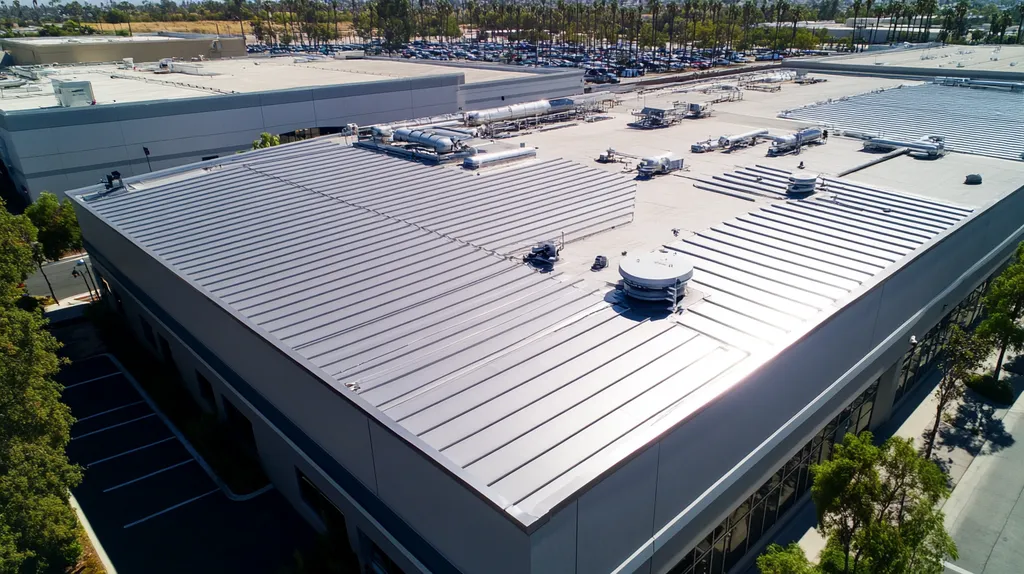
Metal roofing systems can exceed 40 years when properly specified and installed. However, these systems require careful attention to expansion/contraction details and protective coatings to achieve their full potential.
Importance of Professional Installation Standards
Installation quality directly impacts system longevity regardless of material choice. Poor installation practices can reduce expected lifespan by 50% or more, even with premium materials.
Critical installation factors include proper substrate preparation, accurate slope calculations, and correct detail work around penetrations. These elements form the foundation for long-term performance.
Membrane attachment methods must match building conditions and local wind uplift requirements. Incorrect attachment can lead to system failure within the first five years.
Quality control during installation should include multiple inspection points, documented testing procedures, and verification of proper material storage and handling.
Influence of Environmental and Usage Factors
Geographic location significantly impacts roof performance through exposure to UV radiation, temperature extremes, and precipitation patterns. These factors must guide both material selection and maintenance protocols.
Building use patterns create additional stress through foot traffic, chemical exposure, and equipment vibration. High-activity roofs require enhanced protection and more frequent inspections.
Proper drainage design becomes critical in areas with heavy rainfall or snow accumulation. Standing water can reduce system lifespan by 70% while increasing structural loads.
Regular assessment of environmental impacts and usage patterns allows for proactive adjustments to maintenance schedules and protective measures, maximizing system longevity.
SECTION 5: EVIDENCE-BASED ALTERNATIVES
Across the commercial roofing industry, preventable failures cost building owners millions annually in premature replacements and emergency repairs. Studies show that 80% of commercial roofs fail before reaching even half their expected service life. By implementing evidence-based strategies focused on maintenance, material selection, and design features, property owners can dramatically extend roof lifespans while reducing long-term costs.
Implementing Proactive Maintenance Schedules
The lifespan of a commercial roof depends heavily on regular, systematic maintenance that addresses minor issues before they escalate into major problems. (source: Nations Roof)
Effective maintenance programs include quarterly inspections of drainage systems, membrane seams, and penetration points. These inspections should document conditions through photos and detailed reports to track degradation patterns.
Seasonal maintenance tasks must align with local weather patterns. Spring preparations focus on repairing winter damage, while fall maintenance emphasizes drainage clearing and leak prevention.
Emergency repair costs typically run 300% higher than planned maintenance. A structured maintenance program costs roughly 1% of roof replacement value annually while extending service life by 25-40%.
Selecting Materials Tailored to Climate and Building Use
Material selection must account for both environmental stressors and operational demands. High-traffic areas require enhanced membrane thickness and additional protective layers regardless of climate zone.
UV exposure levels vary significantly by elevation and latitude. Roofs in high-altitude locations need specialized UV-resistant materials and more frequent protective coating applications.
Temperature fluctuations create expansion and contraction cycles that stress seams and flashings. Materials must accommodate local temperature ranges without compromising system integrity.
Chemical exposure from building operations requires specific material compatibility. HVAC condensate, kitchen exhaust, and industrial emissions can rapidly degrade standard roofing materials.
Integrating Design Features to Enhance Roof Longevity
Strategic design elements significantly impact system performance. Proper slope and drainage patterns prevent water accumulation that can add thousands of pounds of static load to the structure.
Walkway systems protect high-traffic areas while ensuring safe access for maintenance. These pathways should connect major mechanical units and provide clear routes for regular inspections.
Equipment curb height and flashing details must account for local snow loads and rainfall intensity. Inadequate clearance often leads to water infiltration during severe weather events.
Thermal breaks and expansion joints help manage building movement. Without these features, normal structural shifts can tear membranes and break seals within five years of installation.
SECTION 6: TEST AND VERIFY
Proper verification of commercial roof conditions directly impacts both system longevity and building protection. Industry data shows that 40% of all roof failures stem from undetected issues that could have been identified through systematic testing. Without proper inspection protocols and documentation, minor problems often escalate into catastrophic failures that threaten both building operations and occupant safety.
Methods for Thorough Roof Condition Inspections
The lifespan of a commercial roof depends heavily on systematic inspection methods that identify problems before they compromise system integrity. Quality of installation, regular maintenance protocols, and careful monitoring of local climate impacts all play crucial roles in maintaining roof performance. (source: Burrage Roofing)
Core inspection protocols must include detailed membrane examination, seam testing, and evaluation of all penetration points. These assessments require both visual inspection and specialized testing equipment to detect hidden moisture infiltration.
Advanced diagnostic tools like infrared scanning and electronic leak detection provide crucial data about subsurface conditions. These technologies can identify moisture trapped within the roofing assembly before visible damage appears.
Inspection timing should align with seasonal stress periods, focusing on pre-winter preparation and post-winter damage assessment. Additional inspections become necessary after severe weather events or major mechanical system maintenance.
Monitoring Drainage and Ventilation Effectiveness
Proper drainage and ventilation verification requires systematic monitoring of water flow patterns and air movement throughout the roofing assembly. Standing water that persists for more than 48 hours indicates serious drainage issues that demand immediate attention.
Flow testing of drainage systems should occur monthly during peak rainfall seasons. This testing must include verification that all drains, scuppers, and downspouts maintain proper capacity under heavy water loads.
Ventilation effectiveness requires measurement of both air intake and exhaust volumes. Imbalanced airflow can create pressure differentials that stress roofing components and trap moisture within the assembly.
Temperature differential mapping helps identify areas of heat buildup or excessive thermal transfer. These hot spots often indicate ventilation problems that accelerate material degradation.
Documenting Maintenance and Repair Histories for Validation
Comprehensive documentation creates an actionable record of roof performance and maintenance needs. Each inspection should generate detailed reports including photographs, test results, and specific recommendations for addressing identified issues.
Maintenance records must track both scheduled service and emergency repairs. This documentation helps identify recurring problems that may indicate underlying system deficiencies.
Material warranty compliance requires proof of regular maintenance and timely repairs. Proper documentation ensures warranty coverage remains valid and supports claim processing when needed.
Historical records provide crucial data for planning future maintenance budgets and timing system replacement. Analysis of repair patterns helps predict potential failure points before they create major problems.
The Bottom Line
With 80% of commercial roofs failing prematurely due to preventable issues, understanding the true factors affecting roof lifespan has never been more critical for building owners.
A properly installed and maintained commercial roof system can provide 20-40 years of reliable service, while poor practices can reduce this to just 5-10 years.
The financial implications are stark: premature replacement of a 50,000-square-foot commercial roof can cost upwards of $1 million, not including business disruption expenses.
By implementing evidence-based maintenance programs, selecting appropriate materials, and ensuring proper installation standards, building owners can effectively double their roof’s service life while reducing lifetime maintenance costs by up to 50%.
The choice between proactive management and reactive repairs often determines whether a roof becomes an asset or liability.
FREQUENTLY ASKED QUESTIONS
Q. What misconceptions about commercial roofs affect their lifespan?
A. Misunderstanding that the roofing material alone determines lifespan is common. Installation quality and maintenance also significantly affect durability, making it crucial to consider all factors for optimal roof performance.
Q. How do poor drainage and ventilation affect industrial roof durability?
A. Inadequate drainage and ventilation lead to trapped moisture and heat buildup. These conditions accelerate material breakdown, reducing the roof’s lifespan and compromising structural integrity.
Q. What financial risks come from premature commercial roof replacement?
A. Replacing a roof too soon can cost between $400,000 and $1,000,000. Misinterpreting normal wear as failure may lead to unnecessary expenses that could be avoided with proper maintenance.
Q. What is the realistic lifespan of different commercial roof types?
A. Lifespans vary widely: built-up roofs last 20-30 years, single-ply membranes 15-25 years, and metal roofs can exceed 40 years when installed and maintained properly.
Q. How does local climate influence commercial roof performance?
A. Climate impacts roof material choice and maintenance needs. Factors such as UV exposure and temperature extremes must be considered to ensure the roof’s durability and minimize premature failures.
Q. How can building owners verify commercial roof conditions?
A. Regular inspections and advanced tools like infrared scanning are essential. Documenting findings helps identify problems early and ensures compliance with maintenance protocols, promoting longer roof life.
Q. What design features enhance the lifespan of a commercial roof?
A. Proper slope and drainage patterns prevent water accumulation. Walkway systems protect high-traffic areas while equipment design must account for local weather conditions to enhance roof longevity.






