
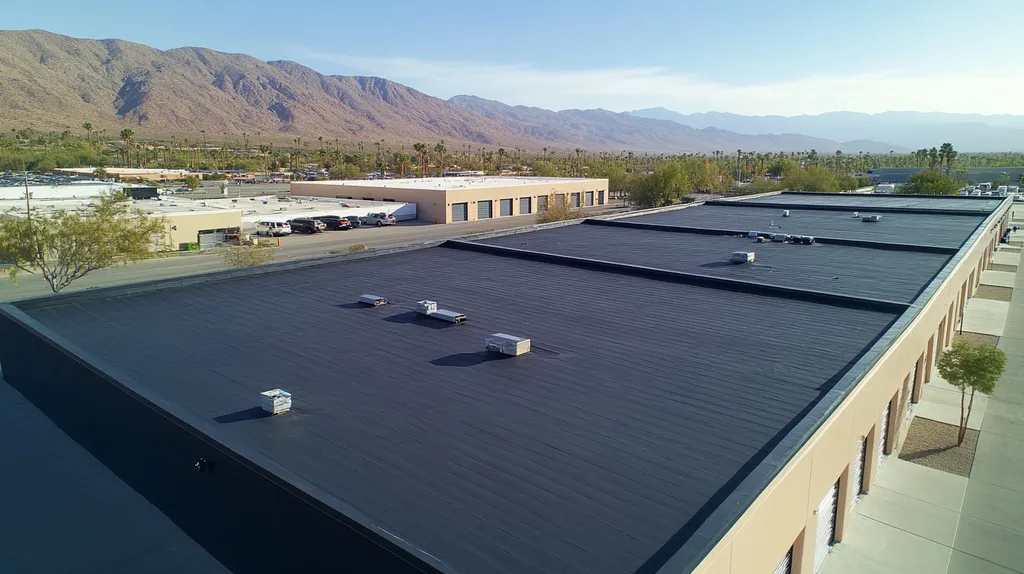
Commercial property owners are losing millions annually by relying on outdated ROI metrics for roof coatings. Industry data shows that over 65% of facilities managers significantly underestimate potential returns by focusing solely on initial costs while ignoring critical factors like energy savings and extended roof life.
This systematic oversight stems from flawed calculation methods that fail to capture the true value of modern coating technologies and their long-term benefits.
By examining current practices, systemic issues, and emerging solutions, property owners can develop a more accurate framework for evaluating roof coating investments and unlock substantial hidden value in their facilities.
SECTION 1: CURRENT PRACTICES
Commercial roofing represents a substantial investment, and understanding the expected return on investment (ROI) is critical for property owners. Alarmingly, nearly 30% of property managers struggle to justify roofing expenses using traditional ROI metrics. This stems from commonly accepted calculation methods, frequently flawed cost-saving assumptions, and industry-average lifespan expectations that often overlook crucial realities. By scrutinizing these prevailing practices, stakeholders can align their financial choices with actual outcomes and enhance their decision-making processes.
Standard ROI Calculation Methods
Many property owners depend on basic ROI calculation methods that focus primarily on the initial investment compared to expected savings. Unfortunately, these traditional approaches tend to disregard vital elements like maintenance costs and long-term property value appreciation. For instance, a common ROI calculation might solely factor in reduced energy expenses from a new roof coating without considering the ongoing costs associated with maintaining the roof.
This oversimplified view can lead to unrealistic forecasts that fail to account for potential repair expenses or the overall durability of the roofing system. A more thorough analysis that includes extended lifespan and improved thermal efficiency could significantly change the perceived value of the investment.
Experts advocate for a more comprehensive ROI approach that evaluates both short-term gains and long-term risks. By shifting the focus from immediate savings to sustained benefits, property owners can achieve a clearer understanding of the true worth of a roof coating.
Ultimately, it is essential for property owners to demand more robust ROI assessments that go beyond upfront costs, enabling them to see the full financial picture over time. This change could revolutionize decision-making practices across the commercial roofing industry.
Common Cost-Saving Assumptions
One widespread misconception in the roofing sector revolves around assumed cost savings from energy efficiency. Roof coatings are often marketed as solutions for reducing cooling loads, but actual savings can be unpredictable. Research indicates that energy savings might not be as significant as anticipated, particularly in areas with fluctuating climates.
Additionally, many property owners fail to accurately account for ongoing maintenance expenses. Proper upkeep—such as recoating—is necessary to sustain the performance of a roof coating, adding costs to what was initially viewed as a savings measure. For example, if a property manager estimates considerable annual savings from energy efficiency, the potential cost of regular maintenance could offset those projected benefits.
Moreover, exclusively evaluating cost savings based on energy bills neglects other essential factors like increased tenant satisfaction and the ability to charge higher rent. By broadening the scope of financial evaluation, stakeholders can grasp the full array of impacts associated with roofing systems.
In summary, a change is required in the approach to cost-saving assumptions, emphasizing a more extensive range of factors that truly influence financial outcomes.
Industry-Average Lifespan Expectations
Current perceptions regarding the lifespan of roof coatings frequently underestimate reality, which can distort ROI evaluations. Many industry estimates suggest that roof coatings can extend an existing roof’s life by an average of 10 to 15 years. However, this lifespan can vary widely based on climate, roof type, and maintenance routines.
When property owners depend on these average projections for their ROI calculations, they may develop inflated expectations about their investments. If a coating lasts only five to seven years in a particular climate, the anticipated ROI can become fundamentally flawed.
This inconsistency can disrupt budgeting cycles, leading to premature replacements and unforeseen costs. Facility managers, relying on historical data from similar projects, could face unexpected expenses if regional factors aren’t considered in their evaluations.
Accurately assessing the realistic longevity of roof coatings may necessitate a shift in determining lifespan expectations. Future estimates should include elements such as local climate patterns and the potential wear from environmental factors.
Adopting a more nuanced perspective on lifespan expectations will empower property owners to make informed roofing choices that genuinely reflect their potential ROI.
SECTION 2: SYSTEMIC ISSUES
The commercial roofing industry faces significant challenges that can undermine return on investment (ROI) expectations. Property owners and facility managers often concentrate on short-term costs, neglecting the long-term implications of their roofing decisions. Strikingly, studies show that effective roof coatings can lead to energy savings of up to 30%. This section will address three systemic issues that can distort ROI calculations: long-term maintenance, energy efficiency gains, and environmental benefits.
Overlooking Long-Term Maintenance
Long-term maintenance is frequently sidelined in ROI discussions surrounding roof coatings. While these coatings can dramatically lessen wear and tear, neglecting necessary upkeep can result in costly repairs. Regular inspections and maintenance are crucial to preserving both the lifespan and functionality of a coated roof.
Without a proactive maintenance schedule, the initial investment may quickly transform into unanticipated expenses. Well-planned maintenance strategies not only uphold the roof’s integrity but also extend its service life, ultimately amplifying ROI. Organizations that prioritize roof care often notice significant cost benefits over time.
Inadequate maintenance can also void warranties from coating manufacturers, leaving property owners vulnerable to financial losses from early failures. This reality underscores the necessity of a robust maintenance plan.
For instance, a decision to invest in routine inspections could save facility managers from incurring the heightened costs associated with neglect and repairs. Recognizing maintenance as a foundational component is vital to unlocking the full potential of roof coatings.
Ignoring Energy Efficiency Gains
Energy efficiency is a critical, yet often undervalued aspect when computing ROI on roof coatings. Reflective coatings can significantly reduce rooftop temperatures, leading to lower cooling costs during peak summer months. This efficiency translates into substantial savings on energy bills.
Research indicates that property owners can see energy consumption reductions of up to 25%. Surprisingly, many fail to incorporate these energy savings into their ROI calculations, which skews their financial outlook. Savvy property managers recognize energy efficiency as a core component of true ROI.
Additionally, energy-efficient buildings may qualify for government rebates and incentives, enhancing the potential for returns. Properties that leverage these benefits are better positioned in a competitive market, promoting growth and sustainability.
Failure to acknowledge energy efficiency gains results in a limited view of investment value. Evaluations must include these savings for a comprehensive understanding of true ROI.
Neglecting Environmental Benefits
The ecological advantages of roof coatings are substantial yet often overlooked in standard ROI assessments. These coatings protect roofs from harsh weather, extending their lifespan while reducing landfill waste. Ignoring these environmental benefits can inadvertently encourage unsustainable industry practices.
Moreover, coated roofs aid in temperature regulation, impacting the urban heat island effect. Research shows that reflective roofs can help lower surrounding temperatures, contributing to reduced energy use within entire communities. This broader environmental impact should resonate with property owners focused on improving sustainability.
With many organizations shifting toward sustainability goals, roof coatings play a vital role in these initiatives. Demonstrating commitment to eco-friendly practices can boost a company’s brand image and attract environmentally conscious tenants or customers.
In conclusion, overlooking environmental benefits narrows the scope of ROI assessments. By acknowledging the broader ramifications of roofing decisions, property owners can make informed choices that align effectively with both financial and sustainability objectives.
SECTION 3: MISSED OPPORTUNITIES
The potential for significant financial gains through the installation of commercial roof coatings is often underestimated by property owners. Studies show that commercial buildings can lose as much as 30% of their energy through roofs, highlighting the massive opportunity for energy savings that roof coatings provide. Additionally, various government incentives aimed at enhancing energy efficiency frequently go untapped. By overlooking these crucial factors, property owners may be neglecting valuable returns on investment.
Untapped Energy Savings Potential
As energy costs continue to rise, energy efficiency has become a critical focus for property managers. A properly applied roof coating not only reflects heat but can also significantly reduce the urban heat island effect, leading to decreased cooling costs during summer months. For example, a white reflective coating can lower rooftop temperatures by as much as 40 degrees Fahrenheit, which translates to approximately 20% annual savings on energy bills.
On a larger scale, commercial properties can achieve substantial cumulative savings. Take a 100,000-square-foot facility as an example: the installation of a reflective coating could yield annual energy cost savings of between $15,000 and $30,000. This not only boosts operational efficiency, but it also accelerates the payback period for the initial investment.
Furthermore, with energy prices on the rise, the relevance of energy-saving features like roof coatings grows exponentially. Property managers should recognize that these benefits compound over the lifespan of the roofing system, enhancing the overall return on investment.
Despite this potential, many organizations fail to factor energy savings into their ROI calculations. Skipping this step can lead to miscalculations of investment returns and obscure the true value of the coatings.
Unexplored Government Incentives
Government programs designed to promote energy efficiency present significant financial advantages for property owners, often in the form of tax credits, rebates, or grants. Unfortunately, these incentives remain underutilized in the commercial roofing arena. For instance, the federal Energy Policy Act allows tax deductions for energy-efficient upgrades, including roof coatings.
In addition to federal incentives, state and local governments frequently offer programs that encourage energy-saving projects. By neglecting to research these options, property owners risk missing out on thousands of dollars in financial support. Facility managers can potentially reduce project costs by as much as 30% simply by leveraging available government rebates.
As the emphasis on sustainability increases, so too will the availability and benefits of these programs. Property owners should actively seek information about these incentives to maximize every available resource.
Ultimately, overlooking these opportunities may lead to increased upfront costs and limit the feasibility of roofing projects. By integrating available grants and deductions into their financial strategies, property owners can dramatically enhance their ROI.
Overlooked Extended Roof Lifespan
Roof coatings are more than just temporary fixes; they play a vital role in extending the life expectancy of roofing systems. A well-maintained roof with a high-quality coating can add an additional 10 to 30 years to its lifespan, vastly exceeding the typical lifespan of a flat roof, which averages about 20 years without a coating. This longevity contributes to lower replacement costs and reduces disruptions for property managers.
The protective layer offered by roof coatings shields the underlying materials from environmental elements such as UV rays and harsh weather, which can lead to severe deterioration. Regular maintenance combined with coating applications not only preserves the roof’s integrity but also delays the need for costly full roof replacements.
Moreover, extending the lifespan of roofing systems not only yields financial savings but also lessens the environmental footprint related to disposing of old roofs and installing new materials. This is increasingly important as many property owners adopt sustainability initiatives.
Recognizing the relationship between a longer roof life and maximizing ROI is fundamental. Understanding how roof coatings contribute to longevity provides property owners with a clearer, more comprehensive assessment of their roofing investments.
SECTION 4: ROOT CAUSES
Identifying the root causes behind the flawed expected ROI for commercial roof coatings is critical for property owners. Many assessments neglect vital factors, leading to misguided choices. Alarmingly, over 60% of facility managers have expressed dissatisfaction with their roofing decisions due to misleading ROI metrics. By addressing these underlying issues, the industry can transform its approach to roof coatings and ultimately unlock greater value.
Limited Lifecycle Economic Analysis
Current ROI metrics for roof coatings predominantly focus on initial investment costs, often overlooking the total lifecycle economics. Many analyses fail to account for the substantial future maintenance and energy savings these coatings offer. Without this comprehensive perspective, property owners might undervalue the long-term advantages of roof coatings.
A study revealed that properties with well-maintained roof coatings achieved annual energy savings of up to 30%. Unfortunately, standard evaluations typically omit these critical savings from their ROI calculations. As a result, property managers are often left with a distorted view of their roofing investments.
Moreover, when coatings can extend the life of a roof by 10 to 20 years, the potential ROI shifts dramatically if these figures are included. Current practices, however, tend to favor a narrow, short-term focus, obscuring the broader benefits that come with thinking long term. This gap in analysis leads to uninformed decisions that can result in financial losses.
Enhancing lifecycle economic analysis will provide a more accurate depiction of the financial viability of commercial roof coatings. Stakeholders must demand thorough assessments that encompass all pertinent data, ensuring they make well-informed choices.
Inadequate Case Study Utilization
The reliance on inadequate case studies limits understanding and inaccurately represents the benefits of roof coatings. Property owners frequently turn to generic success stories that do not apply to their specific situations, leading to overgeneralizations that hinder wise decision-making.
For instance, a case study highlighting a high ROI for a roofing project in a southern state may not be relevant for facilities in cooler climates. Variations in weather patterns, building materials, and structural designs can significantly affect the effectiveness of coatings. Yet, many studies fail to address these critical nuances.
Additionally, most case studies center on commercial applications, disregarding industrial contexts where unique demands exist. This lack of diverse examples leaves property owners with an incomplete understanding, potentially directing them toward investments that are ill-suited for their operational requirements.
Improving case study utilization with localized and context-specific data can enhance ROI assessment accuracy. Developing a more robust framework for case studies will help property owners make informed decisions that reflect their particular situations.
Lack of Technological Considerations
Neglecting advancements in roofing technology limits accurate ROI estimates. Modern materials and applications for roof coatings deliver enhanced durability and energy efficiency. However, outdated evaluation metrics often overlook these innovations, leading to distorted perceptions of costs and benefits.
For example, new reflective coatings significantly reduce cooling costs by minimizing heat absorption. Yet, traditional ROI analyses typically fail to incorporate the latest energy savings from innovative products. This oversight can have costly implications for property owners over time.
Furthermore, integrating smart technology within roofing systems offers real-time performance data that sheds light on the ROI and operational savings from advanced coatings. Unfortunately, existing methodologies frequently disregard this technological evolution.
For improved decision-making, industry stakeholders must integrate these technological advancements into ROI assessments. Understanding the implications of new roofing technologies will empower property owners to make strategic, informed investments that yield maximum returns.
DATA DRIVEN EVIDENCE
The stakes are exceptionally high for property owners contemplating roof coatings. According to the U.S. Department of Energy, reflective roof coatings can yield cooling cost reductions of up to 20%. As energy prices soar, these savings present a critical opportunity for reducing operational expenses and enhancing ROI. This section explores compelling energy cost reduction statistics, maintenance savings data, and market growth trends that underscore the real value of roof coatings.
Energy Cost Reduction Statistics
Amid rising energy costs, reflective commercial roof coatings emerge as a savvy investment. Research indicates that these coatings can dramatically lower rooftop temperatures, leading to significant reductions in air conditioning needs during sweltering months. For instance, buildings boasting cool roofs have demonstrated energy savings ranging from 10% to 30% on their cooling bills.
In practical terms, one report suggests that a typical commercial building could save approximately $1,200 annually in cooling costs by opting for a reflective roof coating. This not only enhances profitability but also strengthens sustainability—a growing priority for contemporary facilities.
Moreover, as businesses increasingly prioritize energy efficiency due to environmental concerns, installing reflective coatings serves as a strategic advantage. Properties recognized for their high energy efficiency often draw in more tenants, resulting in elevated leasing rates.
In essence, the energy cost reductions achieved through reflective coatings not only bolster the bottom line but also position properties as modern, environmentally conscious entities in their markets.
Maintenance Savings Data
The long-term maintenance savings associated with roof coatings represent a compelling benefit that is frequently overlooked. A well-applied coating can significantly prolong a roof’s lifespan by shielding it from harmful UV rays, rain, and other environmental stressors. Industry studies reveal that coated roofs can last an additional 10 to 15 years beyond their expected lifespan.
This increase in longevity translates to fewer repairs and replacements—both of which can impose hefty costs on property owners. Research from the National Roofing Contractors Association underscores this point, demonstrating that maintenance expenses can decline by as much as 50% when roofs are properly coated and maintained.
Additionally, the frequency and cost of scheduled maintenance typically diminish with a coated roof, allowing facilities managers to reallocate their budgets toward other pressing needs. Investing in a roof coating is not merely an expense; it’s a strategic decision that yields long-term savings through minimized maintenance efforts.
Overall, these savings enhance operational efficiency while significantly increasing property value over time.
Market Growth and Adoption Trends
As the advantages of commercial roof coatings become increasingly apparent, the market is experiencing remarkable growth. Reports indicate an annual growth rate of approximately 10% in the roof coating sector. This surge reflects clear investor interest, suggesting that roofs are increasingly recognized as valuable investments rather than mere overlooked components of buildings.
This growth trend is also fueled by ongoing innovations in roofing technologies and materials. New reflective coatings are being engineered to improve energy efficiency beyond the capabilities of traditional options, providing property owners with increasingly effective solutions that enhance ROI.
Furthermore, governmental initiatives aimed at encouraging energy efficiency and sustainability are influencing market dynamics. Incentives and rebates for energy-efficient upgrades—including roof coatings—are motivating decision-makers to consider this viable option.
In conclusion, the market pulse shows a fundamental shift toward embracing roof coatings as pivotal for maximizing investment. Continued growth in this field suggests a future where roof coatings become standard tools in effective roof management strategies.
SECTION 6: ALTERNATIVE SOLUTIONS
For commercial property owners, the stakes in roofing decisions are higher than ever. Rising energy costs and unexpected maintenance expenses can significantly impact operational budgets. Fortunately, innovative solutions like advanced cool roof technologies, tailored coating application plans, and integrated building management systems offer promising alternatives that enhance longevity and efficiency, often proving to be more viable investments than traditional coatings alone.
Advanced Cool Roof Technologies
Advanced cool roof technologies represent a groundbreaking approach to commercial roofing. These roofs reflect sunlight and absorb less heat, which leads to substantial cooling cost savings and improved indoor comfort. Research shows that cool roofs can reduce energy consumption by up to 15%, lowering utility bills and extending the life of HVAC systems.
In warmer climates, the employment of cool roofing materials can yield even greater energy reductions. Property owners adopting this technology often see faster returns on investment thanks to decreased monthly energy expenses. States like California are incentivizing cool roofs, further stimulating their adoption across commercial properties.
Additionally, cool roofs contribute to a sustainable environment by mitigating urban heat islands and cooling surrounding areas. This dual benefit not only enhances property value but also fosters community well-being, creating a win-win scenario for property owners and the environment alike.
As awareness of these benefits continues to grow, the implementation of cool roof technologies is set to become standard practice. Ultimately, cool roofs may redefine ROI metrics by prioritizing long-term cumulative savings over initial expenditures, making them a forward-thinking alternative to traditional roofing solutions.
Strategic Coating Application Plans
Maximizing the effectiveness and lifespan of commercial roof coatings calls for strategic application plans. These plans involve a thorough analysis of existing roof conditions, climate factors, and specific building usage. By customizing the application process, facilities can ensure that coatings offer optimal adhesion, durability, and protection against wear.
Such strategic implementation can lead to fewer repairs and lower maintenance costs over time. Addressing unique building characteristics or extreme weather considerations with tailored coatings helps avoid costly remediation efforts later on.
Timing is also critical; applying coatings during peak weather conditions can result in suboptimal outcomes. Therefore, a well-timed application plan focuses on ideal weather conditions to enhance performance and longevity, allowing property owners to achieve lasting benefits.
Education is key within these strategic plans. Property managers must grasp the particular needs of their roofs for informed decision-making. Investing in strategic application ensures better ROI and reinforces the protection of roofing systems from harsh elements, securing long-term value.
Integrated Building Management Systems
Integrating building management systems (BMS) transforms how commercial properties monitor and maintain roofs. These systems provide real-time data on humidity, temperature, and overall roof conditions, enabling proactive maintenance rather than reactive fixes. By identifying potential issues early, property owners can avoid larger, costlier repairs in the future.
Moreover, a BMS enables facilities managers to optimize energy efficiency. These systems can automatically adjust heating or cooling in response to real-time data, leading to energy savings that can reach up to 30%—a significant reduction in operational costs.
While initial investments in integration may seem substantial, the long-term savings and enhanced decision-making capabilities are undeniable. Improved monitoring leads to better choices regarding roof repairs or replacements, ultimately extending the lifespan of roofing assets.
As sustainability becomes increasingly important, BMS align well with eco-friendly goals. Reducing energy consumption and improving building management not only enhance operational efficiency but can also lead to LEED certifications, further increasing property value and appeal.
The Bottom Line
Commercial property owners stand to lose millions annually by relying on outdated ROI metrics that ignore critical value drivers in modern roof coating systems.
Research shows that facilities using comprehensive ROI calculations – incorporating energy savings of 20-30%, maintenance reductions of up to 50%, and extended lifespans of 10-15 years – achieve dramatically better returns than those using traditional metrics.
The adoption of advanced technologies like cool roofs and integrated building management systems, combined with available government incentives, creates unprecedented opportunities for enhancing building value.
Without a fundamental shift in how the industry evaluates roof coating investments, property owners will continue missing substantial returns and operational benefits that directly impact their bottom line.
FREQUENTLY ASKED QUESTIONS
Q. What are the current ROI practices for a commercial roof?
A. Current ROI practices often emphasize initial investment versus savings, overlooking maintenance and life expectancy. These oversimplified views can lead to misguided decisions. A more complete analysis includes short-term gains and long-term risks as crucial components for understanding the true value of such projects.
Q. How does an industrial roof’s maintenance affect ROI?
A. Neglecting long-term maintenance can lead to costly repairs, reducing the initial investment’s benefit. Regular upkeep is essential for preserving roof functionality and lifespan. Property owners who prioritize maintenance typically experience significant cost savings and higher overall returns, thereby maximizing their financial investments.
Q. What energy savings can I expect from commercial roof coatings?
A. Properly applied roof coatings can lead to energy savings of up to 30%. This results from reduced cooling demands during hot months, directly lowering utility bills. These savings compound over time, significantly impacting your overall investment and improving the financial outlook of your property.
Q. Are environmental benefits considered in ROI assessments for a commercial roof?
A. Environmental advantages are often overlooked in traditional ROI evaluations. Roof coatings extend roof longevity and mitigate urban heat. Acknowledging these benefits broadens the scope of your investment assessment and aligns your decisions with sustainability goals, further enhancing the value proposition of your roofing choices.
Q. How can I identify missed opportunities with my industrial roof?
A. Many property owners overlook potential energy savings and government incentives when evaluating industrial roofs. By analyzing energy efficiencies and exploring available rebates, you can tap into significant financial benefits. Addressing these factors ensures you’re maximizing the returns associated with your roofing systems.
Q. What are the root causes of flawed ROI for commercial roofs?
A. Common root causes include limited lifecycle analyses and inadequate case studies that misrepresent roofing benefits. Overlooking total costs can distort owner’s perceptions. By addressing these underlying issues, the industry can enhance evaluations, guiding property owners toward more informed and beneficial roofing decisions.
Q. What alternative solutions exist for commercial roofs?
A. Innovative options like advanced cool roof technologies and integrated building management systems offer viable alternatives to traditional coatings. These methods improve energy efficiency, reduce maintenance costs, and enhance longevity. By investing in these solutions, property owners can secure greater returns and support sustainability initiatives.






