
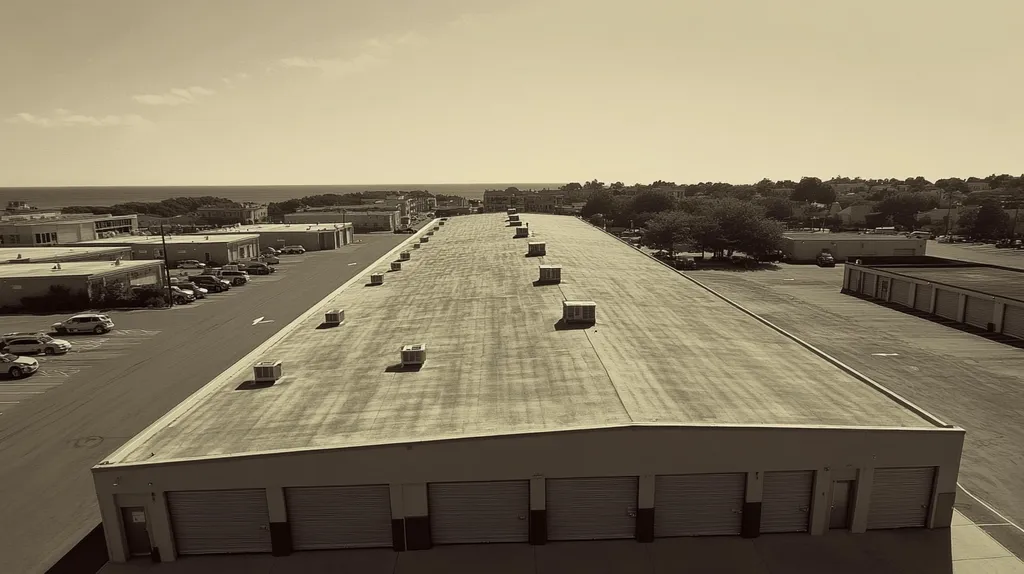
Up to 40% of industrial roofing failures stem from environmental factors affecting coating performance, resulting in billions in repair costs annually. For facility managers, understanding these impacts is critical for protecting assets and preventing catastrophic failures.
From UV radiation and temperature fluctuations to moisture intrusion and chemical exposure, environmental stressors can significantly reduce coating effectiveness and accelerate deterioration. Recent studies show that proper coating selection and management can extend roof life by 15-20 years.
This comprehensive guide examines the crucial environmental factors affecting industrial roof coatings, providing facility managers with actionable strategies for evaluation, selection, and maintenance to maximize performance and minimize costly failures.
SECTION 1: PERFORMANCE FACTORS
Understanding the performance factors of industrial roof coatings is crucial for maximizing the lifespan of roofs and minimizing operational costs. Research indicates that roofs can absorb more than 40% of a building’s energy, driving up cooling costs. Facility managers need to grasp how environmental factors like reflectivity, UV exposure, and moisture management influence coating effectiveness. This section pinpoints these essential considerations to guide smart coating choices.
Reflectivity and Emissivity Impact
Reflectivity and emissivity are key properties that help keep roofs energy-efficient and intact. High reflectivity allows a coating to bounce back sunlight, which can cool the roof and lower indoor temperatures by as much as 20°F. This reduction translates directly into decreased energy use for cooling.
Emissivity relates to how well a material can release heat it absorbs. A coating with high emissivity can efficiently shed heat, enhancing thermal performance further. Selecting materials that excel in both reflectivity and emissivity is essential for maintaining energy efficiency.
Neglecting these factors can lead to increased overheating and accelerated wear on roofing systems, ultimately shortening their lifespan. Investing in coatings that provide strong reflectivity and emissivity can result in significant long-term savings.
Key Action Items
UV Radiation and Heat Resistance
Industrial roofs endure relentless UV radiation, which can harm coating integrity over time. Effective coatings should include UV-blocking agents that protect against this degradation, as coatings lacking UV protection may peel, crack, or lose reflectivity in just a few years.
Additionally, high temperatures can soften materials, weakening their effectiveness and increasing maintenance needs. Coatings crafted for heat resistance maintain their integrity, even under extreme conditions, ensuring lasting protection.
Choosing coatings designed specifically for UV and heat resistance is vital. For instance, modified bitumen systems and certain elastomeric coatings provide excellent durability against these environmental challenges, extending the roof’s lifespan.
Key Action Items
Moisture and Ponding Water Effects
Moisture intrusion and ponding water can drastically affect the performance of industrial roof coatings. Accumulated water can create leaks, leading to significant interior damage and costly repairs. Coatings must demonstrate moisture resistance to combat these risks.
Furthermore, prolonged moisture exposure can weaken the adhesion of coatings, resulting in delamination and early failure. While an effective roofing system should include proper drainage, the choice of coating also significantly influences water management.
Facility managers should seek coatings that not only resist moisture but also possess self-healing properties. This is particularly important in areas susceptible to heavy rainfall, as it reduces risks and increases the durability of roofing systems.
Key Action Items
SECTION 2: FINANCIAL CONSIDERATIONS
Facility managers face significant financial implications when it comes to investing in industrial roof coatings. While the upfront cost of high-quality materials may be a concern, opting for cheaper alternatives can lead to unexpected and costly expenses in the future. Understanding the economic factors associated with different roofing solutions is vital to making informed decisions that protect budgets and enhance overall facility performance.
Initial Cost vs. Long-Term Savings
When it comes to roof coatings, the initial price tag can be a daunting factor. Facility managers may feel compelled to choose lower-cost options to save upfront cash. However, these cheaper choices often sacrifice durability and require replacements sooner than expected, leading to higher long-term costs.
Investing in premium coatings can reduce the need for frequent reapplications, often accompanied by warranties that provide additional financial protection. These warranties translate to fewer surprises in repair costs, allowing for more stable budgeting.
Ultimately, the return on investment from quality coatings is evident through their performance and longevity. Facility managers who evaluate total life-cycle costs rather than just initial prices will find their operational budgets in much better shape over time.
Key Action Items
Energy Consumption and Cooling Costs
Utilizing energy-efficient roof coatings can dramatically influence a facility’s energy consumption. Reflective coatings, for instance, help reduce heat absorption, which can lead to significant savings on cooling costs during warmer months. With rising energy prices, improving energy efficiency is increasingly crucial.
Facilities equipped with reflective coatings may experience cooling cost reductions of up to 30%. Such savings directly bolster the bottom line by lowering long-term operating expenses. Investing in these coatings is a decision that pays off, as lower energy bills can help recoup initial costs over time.
Additionally, energy-efficient coatings contribute positively to sustainability goals, making the facility more appealing to stakeholders. In a world that increasingly values corporate responsibility, investing in these solutions aligns financial and ethical priorities.
Key Action Items
Maintenance and Replacement Costs
The financial aspects of maintenance and replacement are significant and warrant careful consideration. Inferior coatings can dramatically shorten the lifespan of roofing systems, resulting in frequent repairs that can quickly add up. These ongoing maintenance costs can strain budgets unanticipatedly.
Regular maintenance plays a vital role in ensuring that roofs perform as intended. By choosing durable coatings, facility managers can lessen maintenance expenses over time. Proactive measures, such as regular inspections, can identify issues early, preventing larger-scale repairs.
Many high-quality coatings also offer protective features, which can mitigate damage from environmental factors. This extension of service life can result in meaningful cost savings and fewer financial headaches down the line.
Key Action Items
SECTION 3: COMPLIANCE REQUIREMENTS
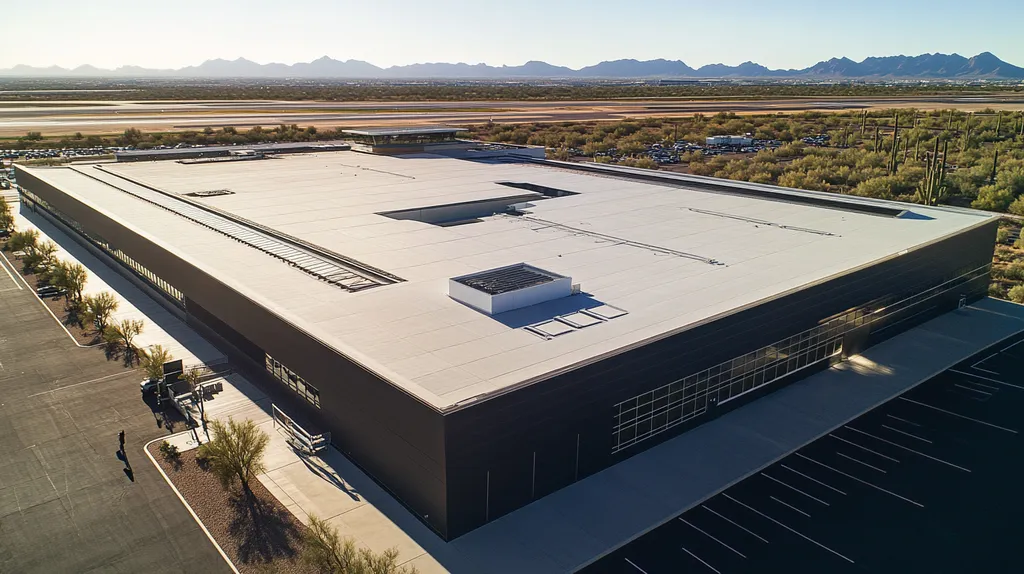
In today’s industrial landscape, compliance with environmental regulations is not just a formality; it’s essential for operational success. Facility managers must navigate intricate legal frameworks to ensure their roofing decisions adhere to local, state, and federal standards. Failing to meet these requirements can result in hefty fines and operational setbacks, which can impact the bottom line. A solid grasp of VOC regulations, environmental impact standards, and local building codes is vital for both roof performance and environmental stewardship.
VOC Regulations and Compliance
Volatile Organic Compounds (VOCs) are a major concern in industrial roofing because they can harm air quality and contribute to environmental pollution. Many regions impose strict VOC regulations that limit the amounts of these chemicals allowed in roofing materials.
Not adhering to these regulations can result in costly fines and expensive remediation activities. Facility managers must ensure their coatings and sealants meet or exceed these standards, promoting a healthier work environment while mitigating risk.
Staying informed about changes in VOC regulations is equally important. As environmental policies evolve, they can influence the availability of roofing products. Regular inspections can help ensure compliance, allowing for proactive management of VOC content in roofing materials.
Key Action Items
Environmental Impact Standards
Environmental impact standards assess the ecological effects of roofing materials, including coatings. These standards often focus on lifecycle impacts such as energy consumption during production and recyclability at the end of a product’s life.
When selecting roofing materials, facility managers should consider these standards. Sustainable products can lead to long-term savings by improving energy efficiency and reducing environmental footprints. Additionally, opting for eco-friendly materials enhances a facility’s appeal in the market.
Adhering to environmental impact standards can also bolster corporate responsibility initiatives. Organizations that prioritize sustainability tend to gain a stronger reputation among customers and stakeholders.
Key Action Items
Local Building Codes and Ordinances
Local building codes are critical for roofing compliance, dictating approved materials, installation methods, and safety standards. Understanding these guidelines is essential for ensuring roofing projects are legally sound and run smoothly.
Each area may have specific requirements, so facility managers should consult with local building authorities before initiating roofing projects. Adhering to local codes not only helps avoid penalties but also ensures the safety and integrity of the building structure.
Some local ordinances may also offer incentives for energy-efficient or sustainable roofing systems. It’s wise to explore any rebates or credits available for environmentally friendly solutions.
Key Action Items
SECTION 4: RISK MANAGEMENT
Effective risk management in roofing is essential to avoid costly repairs. Nearly 30% of industrial roofs experience premature coating failure due to environmental factors, making it crucial for facility managers to prioritize smart strategies. Factors such as weathering, climate, coating durability, and potential leaks must be closely monitored. Addressing these concerns can save money and extend the lifespan of the roofing system.
Weathering and Climate Considerations
The elements can be harsh on roof coatings. Fluctuating temperatures, strong UV rays, and rainfall can wear down coatings quicker than expected. In areas with extreme weather conditions, like heavy rain or snow, coatings may lose their strength, affecting performance.
Facility managers should regularly evaluate local weather patterns to choose coatings that can withstand these specific challenges. For example, elastomeric coatings often perform well in sunny regions, while reflective coatings might be better suited for cooler climates.
Moreover, understanding local environmental conditions helps in planning maintenance and repairs during favorable weather. This approach can prevent extensive damage from weather-induced coating failures.
Key Action Items
Coating Durability and Lifespan
Coating durability is a key factor in the overall performance of roofs. Different materials possess varying levels of resistance to wear from abrasion, chemicals, and temperature changes. Choosing high-quality coatings ensures they can endure various environmental stresses.
For example, polyurethanes and silicones are known for their extended lifespan compared to standard acrylic coatings. Facility managers should factor in these differences to prevent premature failure of coatings.
Regular inspections and protective measures—such as proper drainage systems to reduce standing water—can help extend coating life. Ultimately, durable coatings not only protect the underlying structure but also contribute to overall safety and energy efficiency.
Key Action Items
Potential for Leaks and Structural Damage
Preventing leaks is crucial for preserving the integrity of industrial roofs. If coatings are compromised, it increases the risk of leaks, leading to expensive structural damage and operational downtime. Understanding how environmental factors degrade coatings is essential for proactive management.
Consistent moisture exposure and improper drainage can lead to early coating deterioration, so regular assessments are vital for catching potential leak issues.
Installing high-quality sealants and flashings during the roofing process creates essential barriers against leaks. Additionally, appropriate material choices based on the roof’s design help mitigate risk effectively.
Key Action Items
SECTION 5: OPERATIONAL PROCEDURES
The effectiveness of industrial roof coatings heavily relies on proper operational procedures during their application. Neglecting these steps can lead to costly issues such as premature failures, increased repair expenses, and a shortened roof lifespan. Studies have shown that improper surface preparation can cut coating adhesion by up to 50%. Facility managers must prioritize adherence to best practices to safeguard their investment and ensure the integrity of the roof.
Application Conditions and Timing
Getting the application conditions right is essential for the success of roof coatings. Environmental factors like temperature, humidity, and wind are crucial, as they influence the curing process. For instance, applying coatings when temperatures drop below 40°F can hinder their curing and compromise performance.
The most favorable time to apply coatings is during moderate weather, typically between 50°F and 85°F with low humidity. Facility managers should monitor weather forecasts to avoid applying coatings before rain, which might wash away the coating before it adheres.
Seasonal variations also play a role in successful installations. In areas with significant temperature swings, spring and fall are often the best seasons for coating applications. By evaluating these factors, facility managers can enhance performance consistency and increase the longevity of roof coatings.
Key Action Items
Surface Preparation and Priming
Surface preparation is a crucial step for successful coating application. Thorough cleaning and priming ensure coatings adhere effectively to the substrate. Forgetting to clean surfaces can leave contaminants, resulting in weak bond strength.
Facility managers should start with pressure washing to remove dirt, algae, and grease. After washing, inspect surfaces for remaining oils or chemicals that could affect adhesion. Using an appropriate primer is vital as it seals the substrate and enhances coating bonding.
Different roof types may require specific preparation techniques. For example, metal roofs often need rust removal, while single-ply membranes benefit from tailored primers. Failing to follow proper preparation can lead to blistering and peeling, causing expensive repairs down the line.
Key Action Items
Installation Best Practices and Guidelines
Following installation best practices is vital to achieving the best performance from roof coatings. Manufacturers provide detailed guidelines for their products, which should be strictly adhered to during application.
Coatings should ideally be applied in thinner multiple layers, rather than a single thick layer. This approach encourages proper curing and reduces issues like runs and sags. Facility managers need to ensure that the application team is well-trained in following these techniques.
Additionally, overlapping each coating correctly and observing recommended dry times are critical to prevent issues like delamination. Regular inspections during the application can identify and rectify potential problems early, saving valuable time and resources. After installation, maintaining the coatings through regular inspections for damage is critical for long-term performance.
Key Action Items
SECTION 5: OPERATIONAL PROCEDURES
The performance of industrial roof coatings is highly dependent on the procedures followed during their application. Skimping on timing, surface preparation, or installation techniques can lead to rapid failures, increased costs, and a significantly shorter lifespan. Research indicates that poor surface preparation can reduce coating adhesion by up to 50%. Therefore, facility managers must prioritize best practices to protect their investments and maintain roof integrity.
Application Conditions and Timing
Getting the application conditions right is essential for the effectiveness of roof coatings. Environmental factors like temperature, humidity, and wind play a crucial role in the curing process. For example, coating applications at temperatures below 40°F can hinder performance and lead to improper curing.
The best time to apply coatings is during mild weather, ideally between 50°F and 85°F with low humidity. Facility managers should closely monitor weather forecasts, avoiding application on rainy days that can wash away the coating before it sets.
Additionally, seasonal variations can impact installation success. In regions with large temperature shifts, spring and fall are often the best times for application. Regular evaluations can help determine optimal application windows throughout the year.
Key Action Items
Surface Preparation and Priming
Surface preparation is one of the most critical steps in the coating process. Proper cleaning and priming ensure that the coating adheres effectively to the substrate. Neglecting to clean surfaces can leave contaminants that compromise bond strength.
Facility managers should start by pressure washing the roof to remove dirt, algae, and grease. After washing, it’s essential to inspect surfaces for any oils or chemicals that could affect adhesion. Using the correct primer is also vital, as it seals the substrate and enhances bonding with the coating.
Different roof types may require tailored preparation techniques. For instance, metal roofs often need rust removal, while single-ply membranes benefit from specific primers. Ignoring proper preparation can result in blistering or peeling, leading to expensive repairs.
Key Action Items
Installation Best Practices and Guidelines
Following installation best practices is vital to maximizing the performance of roof coatings. Manufacturers typically provide detailed guidelines for their products, which must be followed closely during application.
For optimal results, coatings should be applied in multiple thin layers instead of a single thick layer. This approach ensures superior curing and minimizes issues like runs and sags. Facility managers should ensure their application team is well-trained in these techniques.
Additionally, proper overlap of each coating and adherence to recommended dry times are crucial to prevent problems like delamination. Regular inspections during the application process can help detect and fix potential issues early, saving time and resources.
Key Action Items
The Bottom Line
Environmental factors remain the leading cause of industrial roof coating failures, with up to 40% of premature degradation directly linked to weathering, UV exposure, and moisture intrusion.
The financial impact is staggering – billions in repair costs annually across commercial and industrial facilities.
Success hinges on three critical elements: proper material selection based on local environmental conditions, meticulous attention to application procedures, and implementation of regular inspection protocols.
As climate patterns become more extreme and environmental regulations tighten, facility managers must prioritize understanding these impacts to protect their assets.
Those who adapt their roofing strategies to account for environmental factors will see significant returns through extended roof life, reduced maintenance costs, and improved energy efficiency.
FREQUENTLY ASKED QUESTIONS
Q. How does reflectivity affect my commercial roof’s performance?
A. Reflectivity plays a vital role in maintaining indoor temperatures. A high reflectivity allows the roof to bounce back sunlight, cooling the building and reducing air conditioning costs. By minimizing heat absorption, you’ll boost energy efficiency and extend the roof’s lifespan.
Q. What costs should I consider for my industrial roof?
A. When evaluating costs, think about both initial investment and long-term savings. High-quality coatings may seem expensive upfront but ultimately save money by reducing the need for frequent maintenance and replacements. Prioritizing durability can lead to better budget management over time.
Q. How can VOC regulations affect my industrial roof choices?
A. VOC regulations impact the materials you can use for roofing. Selecting compliant products is essential to avoid fines and maintain a healthy indoor air quality. Regular inspections will help ensure your roofing materials meet these evolving regulations.
Q. What effects do weather conditions have on my industrial roof?
A. Weather conditions significantly affect roof coatings. Fluctuating temperatures, high UV exposure, and heavy rainfall can all wear down coatings quickly. Understanding local weather patterns helps facility managers choose the right materials and schedule maintenance effectively.
Q. How important is surface preparation for a commercial roof?
A. Surface preparation is critical for ensuring proper adhesion of roof coatings. Clean and primed surfaces enhance bonding, reducing issues like peeling or blistering. Skipping this step can lead to costly repairs due to compromised coating performance.
Q. What should I monitor post-application on my industrial roof?
A. After application, regularly inspect for signs of wear, damage, or leaks. Establishing a maintenance schedule is key to preserving coating performance. Documenting these findings will help you manage long-term roofing health and costs effectively.
Q. How do I choose a contractor for my commercial roof project?
A. When selecting a contractor, consider their experience with industrial roofing systems and coatings. Check references and warranties they offer to ensure quality workmanship. Additionally, confirm they follow best practices and comply with all regulatory standards for roofing materials.






