

As energy costs continue to surge, industrial facility managers face mounting pressure to optimize their buildings’ efficiency. Research shows that non-reflective industrial roofs can absorb up to 95% of solar radiation, driving cooling costs up by thousands per month.
The strategic use of reflective roofing materials offers a proven solution, with documented energy savings of 10-30% in cooling expenses. Additionally, these materials can extend roof lifespan by up to 15 years while supporting regulatory compliance.
This comprehensive guide examines the critical factors facility managers must consider when implementing reflective roofing solutions, from performance metrics and financial considerations to compliance requirements and risk management strategies.
SECTION 1: PERFORMANCE FACTORS
The choice to incorporate reflective materials into industrial roofing systems is increasingly vital. As energy prices rise and environmental concerns continue to escalate, facility owners must focus on optimizing roof performance. Research indicates that non-reflective roofs can lead to internal temperature spikes of up to 20 degrees Fahrenheit during hot summer months. This section will delve into how reflective materials enhance heat absorption and reflection, impact indoor temperatures, and cut HVAC loads, offering facility managers valuable insights for their decision-making process.
Heat Absorption and Reflection
Reflective roofing materials are engineered to minimize heat absorption, providing a stark contrast to conventional dark roofs. These innovative materials can reflect up to 90% of solar radiation, resulting in cooler surface temperatures and a more energy-efficient building.
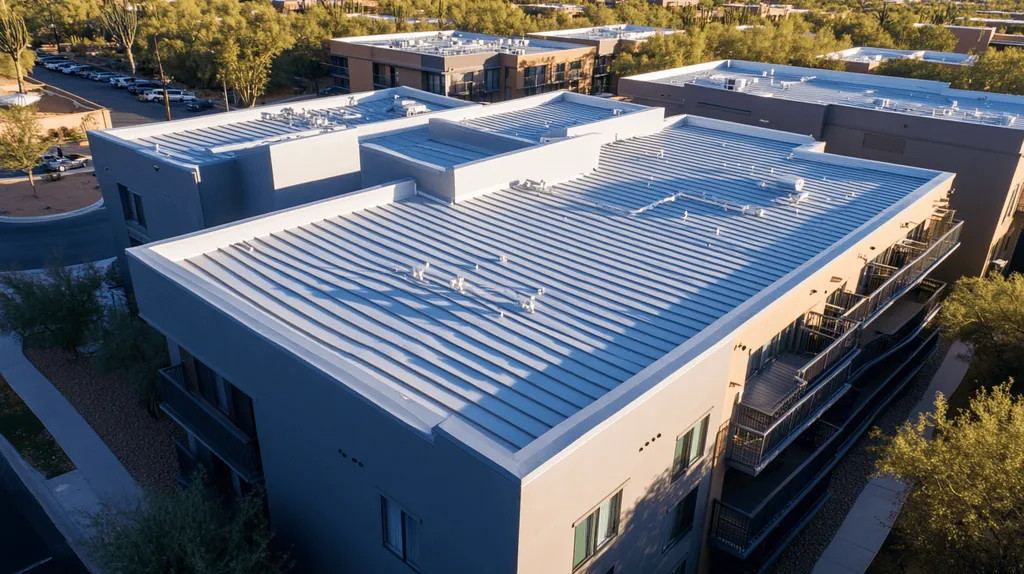
Options for reflective materials vary and include specialized coatings, advanced membranes, and reflective shingles. A prime example is white thermoplastic polyolefin (TPO) roofs, well-regarded in commercial spaces for their remarkable reflectivity and long-lasting performance.
By limiting excess heat entry, these reflective systems significantly contribute to energy conservation, aligning with the industry’s growing commitment to sustainability and reduced environmental impact. With effective reflective roofing, facilities can realize energy savings of 10-35% in cooling costs—making this a prudent investment for property owners.
Key Action Items
Impact on Indoor Temperatures
The benefits of reflective materials extend to indoor climate control, where they can lower temperatures by as much as 20 degrees Fahrenheit. This reduction enhances occupant comfort and can boost productivity levels.
Stability in indoor temperatures is crucial for sensitive operations, such as those requiring strict food storage conditions or precision in manufacturing. Cooler interiors diminish the likelihood of heat-related stress on both equipment and products.
Furthermore, effective temperature regulation aids in managing humidity levels, essential for many industrial applications. Thus, utilizing reflective roofing enhances both employee comfort and safeguards valuable assets from heat damage.
Key Action Items
HVAC Load Reduction
Reflective roofing offers significant benefits in enhancing HVAC efficiency. By minimizing heat ingress, these materials lighten the workload of HVAC systems, leading to notable reductions in energy usage.
Research indicates reflective roofs can lower peak cooling demands by as much as 15%, resulting in reduced utility bills and a longer lifespan for HVAC systems.
Less demand on these systems translates to lower maintenance costs as well. Facilities that incorporate reflective roofing can anticipate reduced frequency of equipment replacements, fostering enhanced operational efficiency. Additionally, decreased energy consumption contributes to lower greenhouse gas emissions, aligning with broader sustainability initiatives.
Key Action Items
SECTION 2: FINANCIAL CONSIDERATIONS
The financial implications of adopting reflective materials for industrial roofs are substantial. Facility managers and property owners face the challenge of balancing upfront costs with long-term savings. As energy prices soar, investing in cost-effective solutions becomes critical. Reflective materials not only lower energy consumption but also enhance roof durability, yielding financial advantages over time. Understanding these financial dynamics can empower managers to make informed, budget-friendly decisions that contribute to sustainability.
Upfront Costs and Installation
Initial investments in reflective roofing materials can seem intimidating. Installation expenses vary based on the choice of materials and the size of the building. However, these initial costs need to be evaluated against potential reductions in cooling demands and energy consumption.
Strategically scheduling installations during planned roof replacements or maintenance can minimize disruptions and optimize costs. This approach integrates new materials smoothly with existing operations, lessening the overall financial burden.
Moreover, many local and state programs offer incentives for energy-efficient updates, potentially offsetting initial expenses. For facility managers, exploring available financial support can significantly shift the investment landscape.
Key Action Items
Long-Term Energy Savings
The primary advantage of reflective roofing lies in its capacity to generate long-term energy savings. Reflective surfaces maintain lower roof temperatures, which prevents excessive heat transfer into buildings.
These materials can reduce cooling costs by as much as 30%. For industrial facilities, this reduction translates into significant monthly savings. For instance, a facility with a $5,000 energy bill could save around $1,500 each month simply by transitioning to reflective roofing.
The cumulative effect of these savings leads to a considerable decrease in overall energy expenses. With escalating energy prices, this facet is crucial for facility managers to consider, enhancing the financial viability of reflective roofing investments.
Key Action Items
Return on Investment Analysis
Understanding the return on investment (ROI) from reflective roofing materials can clarify decision-making. A comprehensive ROI assessment should factor in all costs, including installation, maintenance, and long-term energy savings throughout the roof’s lifespan.
Typically, roofing materials come with warranties ranging from 10 to 30 years. This durability, coupled with energy savings and possible tax credits, strengthens the ROI calculation. For instance, the combination of lower energy costs and a longer roof lifespan could yield over 200% ROI across two decades.
An effective ROI analysis not only demonstrates financial merit but also aids facility managers in justifying investments to stakeholders. Presenting these calculations can foster smarter decisions aligned with organizational financial goals.
Key Action Items
SECTION 3: COMPLIANCE REQUIREMENTS
With escalating energy costs and stricter regulations, facility managers face the urgent task of understanding compliance requirements. Adopting reflective materials for industrial roofs not only enhances energy efficiency but also aligns with vital standards and certifications. Overlooking these compliance aspects can result in expensive penalties and missed opportunities for streamlined operations and cost savings. This section highlights critical compliance issues that facility managers should address when upgrading their roofing systems with reflective materials.
Energy Efficiency Standards
Energy efficiency standards establish key benchmarks aimed at reducing energy consumption in industrial facilities. The Department of Energy (DOE) supports the use of reflective roofing materials, which help lower cooling costs and decrease peak energy demand. By meeting these standards, facilities can benefit from reduced energy bills and qualify for potential rebates.
In addition, various states have enacted energy codes requiring minimum reflectivity levels for commercial roofing systems. Utilizing reflective materials ensures compliance with these regulations while promoting responsible energy use. As energy efficiency reporting becomes more stringent, maintaining compliance gives facilities a competitive edge in the market.
It is essential for facility managers to remain updated on local building codes and energy standards to avoid costly renovations or legal issues. By selecting reflective materials, they can ensure not only compliance but also a commitment to energy conservation.
Key Action Items
Sustainability Certifications
Sustainability certifications are becoming more important in the industrial sector, and reflective roofing can significantly contribute to achieving these credentials. Programs like LEED (Leadership in Energy and Environmental Design) offer points for implementing energy-efficient roofing solutions. Facilities that install reflective materials can earn substantial points toward certification, increasing their appeal to environmentally conscious clients.
Furthermore, reflective roofs combat urban heat islands and promote better overall environmental sustainability. They also enhance occupant comfort while reducing air conditioning loads, leading to even greater energy savings. This synergy of benefits reinforces the value of opting for reflective materials in pursuit of sustainability.
Today’s emphasis on sustainable practices stems from both consumer demand and regulatory pressure. Committing to sustainability not only boosts organizational reputation but can also unlock more favorable financing options.
Key Action Items
Regulatory Compliance
Regulatory compliance entails adhering to established laws regarding building codes and environmental standards. Reflective roofing supports the requirements set by local, state, and federal regulations geared toward reducing energy consumption and fostering environmental stewardship. Non-compliance can lead to hefty fines and operational disruptions.
Many municipalities have enacted regulations to encourage the use of energy-efficient materials, particularly in new developments or renovations. Reflective roofing often surpasses these requirements, mitigating the risk of non-compliance. As government agencies continue to emphasize sustainable practices, meeting these regulations has become increasingly essential.
Additionally, compliance frequently necessitates routine inspections and audits. Facilities that adopt reflective materials may improve their standing during these assessments by showcasing proactive energy management. This may result in less frequent inspections and increased trust from regulatory authorities.
Key Action Items
SECTION 4: RISK MANAGEMENT
Effective risk management is vital for facility managers responsible for industrial roofs. The roofing materials chosen significantly impact longevity and overall performance. While reflective materials offer numerous benefits, they also introduce specific risks that must be addressed. By understanding these risks, facility managers can make informed decisions to safeguard their assets and sustain operational efficiency.
Thermal Expansion and Damage
Thermal cycling refers to the expansion and contraction of roofing materials due to temperature fluctuations. Reflective roofing materials can amplify these effects, causing structural stress and potential damage. If not properly managed, such stress can result in seams failing or blistering, jeopardizing the roof’s integrity.
Facility managers must evaluate their roof’s geographic location and environmental conditions. Areas experiencing severe temperature swings may necessitate additional structural reinforcement. Choosing materials specifically designed to endure thermal variations is crucial for minimizing long-term damage.
Establishing a thermal expansion management plan can mitigate these risks. Regular inspections help identify potential vulnerabilities before they escalate. Proactively addressing any concerns ensures the roof’s long-lasting durability and performance.
Key Action Items
Water and Chemical Resistance
Water intrusion poses a significant risk to industrial roofs, as even small leaks can lead to severe structural issues and costly repairs. While reflective materials help regulate temperatures, they must also offer robust water and chemical resistance to perform effectively.
Facility managers should assess environmental hazards specific to their operations. For instance, roofs that come into contact with chemicals from manufacturing might need specialized coatings to ensure both reflectivity and protection against corrosive agents.
Routine maintenance is essential for spotting early signs of water damage, such as pooling or compromised seams. These inspections should focus on vulnerable areas. Facility managers should maintain clear drainage paths to mitigate the risk of water-related problems.
Key Action Items
Environmental Exposure Risks
Industrial roofs contend with various environmental challenges that may threaten their performance. Issues like UV degradation, severe weather events, and biological growth can compromise the integrity of reflective materials.
UV exposure can deteriorate roofing materials over time, leading to diminished energy efficiency and increased maintenance needs. Choosing UV-resistant reflective coatings can help mitigate this degradation and extend the lifespan of the roof. This consideration is especially critical in regions with high solar exposure.
Additionally, the prolonged effects of rain, wind, and snow can lead to wear. Using reinforced materials adds an extra layer of protection. Regular inspections after severe weather are important for catching potential damage early.
Key Action Items
SECTION 5: OPERATIONAL PROCEDURES
Implementing reflective materials on industrial roofs requires effective operational procedures to maximize their benefits. When facility managers overlook preparation and application techniques, they risk premature degradation and increased costs. Given that reflective roofs can lower cooling costs by 10-30%, strategic planning throughout inspection, application, and maintenance stages is crucial.
Roof Inspection and Preparation
Thorough roof inspection and preparation are foundational before applying reflective materials. Facility managers must assess for existing damage, such as cracks and blisters, which can disrupt proper adhesion. A systematic inspection checklist can guide this process and ensure nothing critical is overlooked.
Cleaning the roof surface extensively is also vital. Accumulated dirt, debris, and old coatings can prevent effective bonding of the reflective materials. Using a pressure washer can create a spotless surface, enhancing adhesion.
All identified issues must be addressed prior to application. Timely repairs are necessary, as neglecting any problems can lead to larger expenses down the line. Sometimes, replacing sections of the roof may prove more economical than patching.
After preparing the roof, conducting a moisture test is essential to check for trapped water, ensuring it won’t compromise the new material. This preventive measure enhances durability and effectiveness of the roofing system.
Key Action Items
Coating Application Techniques
The technique for applying reflective materials is pivotal for achieving optimal performance. A uniform coating ensures that the surface is evenly covered, eliminating thermal inefficiencies that arise from hot spots. Utilizing high-quality equipment, like spray rigs or rollers, can assist in creating a consistent layer.
Application temperature and weather conditions can significantly influence success. It is crucial to apply coatings on dry days, ideally when temperatures range from 50°F to 90°F. Following the manufacturer’s application guidelines guarantees the best outcomes.
For maximum effect, a two-coat application is recommended. The first coat serves as a primer to enhance adhesion, while the second provides the reflective surface necessary for energy efficiency. Allowing adequate drying time between the two coats is essential to securing a durable finish.
Facility managers should document the entire application process, detailing the materials used and the conditions on-site. Such records can be invaluable for future maintenance and warranty claims.
Key Action Items
Maintenance and Monitoring
Consistent maintenance is crucial for preserving the effectiveness of reflective roofs long-term. Regular inspections should be scheduled at least twice a year, plus after severe weather events, to detect and address potential issues before they escalate.
Routine cleaning of the roof surface helps maintain its reflectivity. Dirt accumulation can hinder the energy-saving advantages of the reflective material. Employing gentle cleaning methods, like low-pressure washing with eco-friendly detergents, ensures optimal functionality.
Tracking energy consumption provides valuable insights into the roofing system’s performance. Facility managers should monitor utility bills and HVAC metrics to assess the impact of reflective materials on energy costs.
Having a responsive repair plan is essential. Addressing any wear or damage swiftly prevents the loss of roof integrity. Regularly reviewing and updating the maintenance strategy ensures the roofing system remains efficient and functional.
Key Action Items
SECTION 5: OPERATIONAL PROCEDURES
Implementing reflective materials on industrial roofs demands effective operational procedures to fully harness their benefits. The stakes are significant; neglecting proper preparation and application can result in premature wear and inflated operational costs. According to the U.S. Department of Energy, reflective roofs can cut cooling costs by 10-30%. Facility managers must prioritize attention to roof inspection, coating application, and ongoing maintenance to drive efficiency and cost savings.
Roof Inspection and Preparation
Prior to applying reflective materials, a detailed roof inspection and preparation are indispensable. Facility managers should conduct a thorough survey for existing damage, such as cracks and blisters, which could impede adhesion. Utilizing a checklist can streamline this inspection process and ensure no critical issues are missed.
Extensive cleaning of the surface is a key step. Accumulated dirt, debris, and old coatings must be removed to ensure proper bonding of reflective materials. A pressure washer may be required for achieving a spotless surface that enhances adhesion.
Addressing all identified issues is crucial. Timely repairs must be executed before application, as unresolved problems can lead to greater costs down the line. In some cases, full replacement of roof sections may be more cost-effective than patching.
Once the roof is prepped, conducting a moisture test ensures no trapped water exists that could compromise the new reflective material. This proactive measure minimizes the risk of failures and maximizes overall roofing durability.
Key Action Items
Coating Application Techniques
The application technique used for reflective materials is critical for optimal performance. A uniform coating ensures thorough coverage, preventing hot spots that result in thermal inefficiencies. High-quality equipment, such as spray rigs or rollers, aids in achieving a consistent application across the surface.
Temperature and weather conditions significantly influence success. Coatings should be applied on dry days, ideally when temperatures range from 50°F to 90°F. Adhering to the manufacturer’s application guidelines is essential for achieving the best results.
A two-coat application method is typically recommended for maximum effectiveness. The first coat acts as a primer, boosting adhesion, while the second layer provides the reflective surface needed for energy efficiency. Adequate drying time between coats is crucial for securing a durable finish.
Facility managers should meticulously document the application process, including materials used and environmental conditions at the time. This detailed record can be invaluable for future maintenance or warranty claims, providing a reliable reference for installation.
Key Action Items
Maintenance and Monitoring
Post-application, ongoing maintenance is vital for sustaining the effectiveness of reflective roofs. Regular inspections should be scheduled at least twice a year and after severe weather events to proactively address potential issues before they escalate.
Routine cleaning of the roof surface is essential to preserving reflectivity. Accumulated dirt can hinder the energy-saving benefits of the reflective material. Employing gentle cleaning methods, such as low-pressure washing with eco-friendly detergents, helps maintain functionality.
Monitoring energy consumption provides insights into the roofing system’s performance. Facility managers should keep track of utility bills and HVAC metrics to assess the impact reflective materials have on energy costs.
Having a responsive repair plan is critical. Swiftly addressing any wear or damage prevents compromising the roof’s integrity. Regular reviews and updates of the maintenance plan ensure the reflective roofing system continues to operate at peak efficiency.
Key Action Items
Moving Forward
With energy costs projected to rise 15-25% over the next decade, industrial facility managers face mounting pressure to optimize their buildings’ efficiency and sustainability.
The strategic implementation of reflective roofing materials offers a proven solution, delivering documented energy savings of 10-30% while extending roof lifespans by up to 15 years.
Modern reflective materials not only combat rising temperatures and operational costs but also support compliance with increasingly stringent environmental regulations.
By following proper installation procedures and maintenance protocols, facility managers can maximize their return on investment while future-proofing their buildings against evolving energy efficiency standards.
The time to act is now – every month of delay represents thousands in lost energy savings and puts facilities at risk of non-compliance with emerging regulations.
FREQUENTLY ASKED QUESTIONS
Q. How does a commercial roof’s reflectivity affect performance?
A. Reflective materials minimize heat absorption, keeping indoor temperatures stable and comfortable. With these materials, facilities can significantly reduce energy consumption and enhance HVAC efficiency, ultimately leading to lower operating costs.
Q. What are the financial benefits of an industrial roof upgrade?
A. By investing in reflective roofing, property owners can enjoy long-term energy savings and increased durability. These upgrades can reduce cooling costs significantly, translating into measurable savings on utility bills over time.
Q. How can I ensure compliance for an industrial roof?
A. To ensure compliance, facility managers should research local energy standards, document compliance metrics, and perform regular audits. Staying updated on building codes can help avoid penalties, ensuring that reflective materials meet regulatory requirements.
Q. What thermal risks are associated with reflective roofing?
A. Thermal expansion can stress roofing materials, leading to damage. Facility managers should evaluate the geographic location and monitor temperature changes to select suitable materials and establish a management plan to mitigate these risks.
Q. How do I prepare for a reflective roof application?
A. Thorough roof inspection and cleaning are essential steps. Address existing damage, ensure proper surface bonding, and conduct moisture tests to minimize risks and enhance the effectiveness of the reflective materials during application.
Q. What ongoing maintenance is needed for reflective roofs?
A. Regular inspections, cleaning, and monitoring energy consumption are crucial for maintaining reflectivity. Scheduling bi-annual assessments and promptly addressing damage will help ensure the roof’s longevity and operational efficiency.
Q. What materials are best for reflective roofing systems?
A. Materials like white thermoplastic polyolefin (TPO) roofs offer great reflectivity and durability. Additionally, specialized coatings and advanced membranes can enhance reflective properties, making them suitable options for commercial and industrial applications.






