
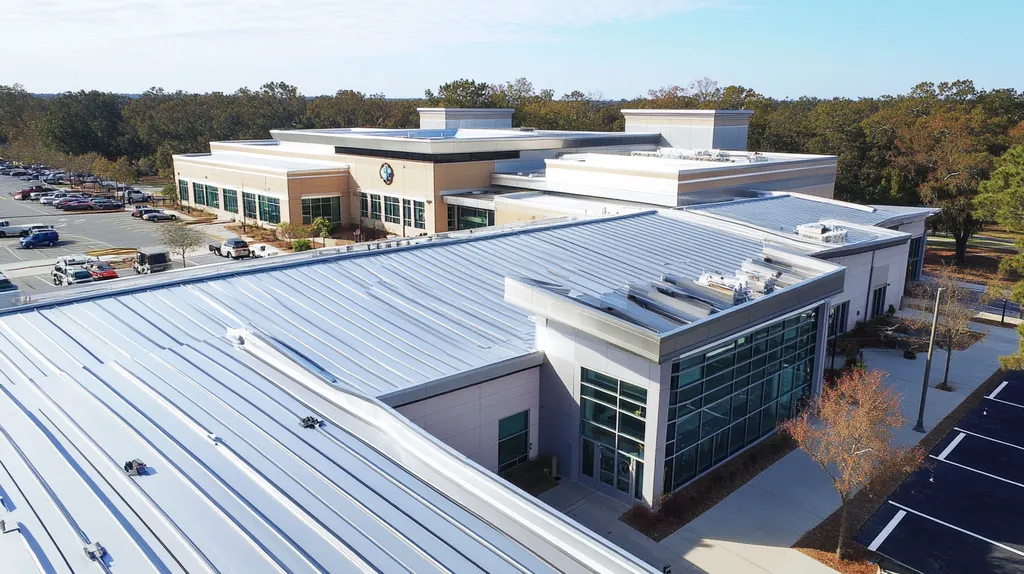
Nearly 40% of commercial roofing projects face significant delays and cost overruns due to misconceptions about after-hours work scheduling. This hesitation to utilize nighttime hours creates unnecessary business disruptions and missed opportunities for efficient project completion.
As facility managers struggle with increasing pressure to minimize operational downtime, understanding the realities of after-hours roofing work becomes critical. Modern lighting technology, specialized safety protocols, and proven scheduling strategies have transformed nighttime commercial roofing into a viable – often preferable – option.
This analysis examines common myths about after-hours roofing work while providing evidence-based solutions for facility managers seeking to optimize their roofing projects.
SECTION 1: COMMON MISCONCEPTIONS
Facility managers may view nighttime work on commercial roofs as a disruptive hassle, resulting in reluctance to schedule necessary after-hours projects. However, several prevalent misconceptions can obscure benefits like enhanced efficiency and reduced operational interference. Studies show that a notable percentage of commercial roofing projects could seamlessly occur during off-peak hours, allowing day-to-day activities to remain almost entirely unaffected. This section will explore three common beliefs about after-hours roofing work, empowering facility managers to make informed decisions.
Myth: Nighttime Work is Always Disruptive
The notion that nighttime roofing projects disrupt regular business operations is not accurate. Many companies operate around the clock, meaning that late-night work can actually minimize interruptions. This flexible timing allows critical services to proceed without a hitch, ensuring that daily operations continue smoothly.
Moreover, working at night often results in quieter environments, which diminishes noise pollution—a real benefit for nearby businesses. For instance, a manufacturing facility that never closes might find that nighttime roofing projects help keep its production schedule intact.
Experienced contractors know how to plan carefully to synchronize their work with the requirements of the facility. With clear communication before project commencement, any initial concerns can be addressed, resulting in a streamlined and effective process.
By focusing on productivity, facility managers can reframe nighttime roofing work from a common misconception to a strategic opportunity.
Belief: After-Hours Work Increases Safety Risks
A widespread belief is that after-hours work raises safety risks for both workers and facilities. In fact, well-trained contractors implement thorough safety measures at all hours. They utilize advanced lighting equipment and adhere to stringent safety protocols—essential for maintaining safety standards during nighttime operations.
Many facilities have surveillance systems in place that monitor activities on the roof, which bolsters safety oversight. For example, a facility equipped with nighttime surveillance can actively oversee the project, ensuring compliance with safety measures throughout the work.
Additionally, the absence of daytime distractions and reduced foot traffic at night can actually foster a heightened focus on safety. With fewer distractions, workers tend to be more vigilant regarding potential hazards, creating a safer environment for on-site operations.
Thus, dismissing after-hours roofing due to safety concerns overlooks the effective strategies that can assure a secure working environment during these projects.
Assumption: All Commercial Roofs Require Daytime Work
Many facility managers assume that all roofing tasks must occur in daylight. However, numerous roofing systems are adaptable to varied work hours. Certain materials, for instance, can be installed more effectively at night due to optimal temperatures and reduced UV exposure.
Moreover, contractors have tailored their techniques to leverage these quieter nighttime opportunities. Projects involving flat roofs may benefit from reduced thermal expansion during cooler nighttime conditions, leading to longer-lasting installations.
Advancements in roofing technology, including heat-reflective materials and specialized adhesives, have also enhanced the feasibility of completing projects after hours. Ignoring these developments limits options for effective project scheduling.
In conclusion, rejecting the idea that all roofing work should be limited to daytime hours opens up a wealth of possibilities for scheduling flexibility and operational efficiency.
SECTION 2: PRACTICAL IMPLICATIONS
Addressing roofing projects after hours isn’t just a scheduling preference; it has profound implications for business operations. A recent survey showed that nearly 30% of facility managers experienced losses due to roofing work occurring during peak business hours. Understanding the ripple effects of after-hours projects is crucial for effective facility management. This section delves into how these decisions influence daily operations, project timelines, and the overall comfort of tenants and employees.
Impact on Business Operations
Scheduling roofing work outside regular business hours significantly minimizes disruptions to daily operations. Businesses staying open during renovations face numerous challenges, including managing noise, safety risks, and access limitations. For example, a retail facility undergoing roof repairs during the day experienced a surge in customer complaints due to excessive noise and debris.
In contrast, after-hours work allows for smooth operations, benefiting the facility’s bottom line. Employees can concentrate on their tasks without distractions, leading to enhanced productivity and morale. Additionally, fewer people on-site after hours translates to a safer work environment, reducing potential hazards.
This choice of scheduling also enhances the facility’s reputation. Clients and tenants appreciate businesses that respect their needs and strive to minimize disruptions. By prioritizing convenience, facility managers can strengthen tenant relationships and boost customer satisfaction.
While after-hours work may incur increased immediate labor costs, these expenses are often offset by long-term benefits, making a strong case for proactive facility management.
Effects on Roofing Project Timelines
Timeliness is essential in roofing projects, and working after hours can accelerate completion rates. Contractors are able to work continuously without the interruptions that come from day-to-day business operations, leading to quicker project turnarounds.
For instance, a manufacturing plant that scheduled night shifts for extensive roof repairs completed the project two weeks ahead of schedule. This not only saves on material and labor costs but also minimizes disruption for the facility.
However, facility managers should be aware of the need for additional coordination. Clear communication among contractors, employees, and stakeholders is vital to ensure safety and efficiency. Everyone involved must be informed of schedules and procedures.
Flexibility in scheduling also helps mitigate weather-related delays. By maximizing work during off-peak hours, crews can take advantage of favorable weather conditions without impacting business operations (source: North American Roofing).
Influence on Tenant and Employee Comfort
Tenant and employee comfort is crucial, and roofing work can greatly affect their experiences. Projects during business hours often lead to high noise levels, restricted access, and safety concerns, disrupting the comfort of everyone in the facility.
By moving roofing projects to after hours, facilities can significantly reduce these disruptive impacts. Employees return to a work environment that remains intact and comfortable, fostering greater focus and productivity. As a result, tenant retention and satisfaction are likely to improve.
Moreover, scheduling work after hours enhances perceptions of the facility. Businesses that prioritize minimizing inconvenience display respect for their occupants, contributing to a more pleasant atmosphere.
In summary, focusing on tenant and employee comfort through after-hours roofing work aligns with best practices in facility management. The long-term benefits, including lower turnover and heightened productivity, reinforce the value of this strategic approach.

SECTION 3: COST OF MISINFORMATION
In the competitive landscape of commercial roofing, misinformation can lead to serious financial repercussions. Inaccuracies or misunderstandings in project planning can result in costly mistakes. Reports indicate that around 30% of construction projects surpass their budgets due to initial errors and poor communication. This section will uncover the financial implications of mismanaged roofing projects, emphasizing the critical importance of getting the right information from the start.
Financial Consequences of Mismanaged Projects
Mismanagement in roofing projects can significantly impact a facility’s financial health. When projections rely on outdated or faulty information, budget overruns can quickly ensue. A recent survey revealed that 40% of facility managers dealt with unexpected costs due to communication breakdowns during roofing projects.
These surprise expenses often stem from unclear project scope or contractor capabilities. Each miscalculation wastes valuable time and resources, which diverts attention from critical business functions and undermines overall profitability. Investing in accurate data and thorough assessments can help prevent these costly oversights.
Increased Labor and Material Costs
Working after hours on commercial roofs frequently means incurring higher labor rates and expedited costs for materials. This primarily arises from the necessity of engaging specialized crews who command higher hourly wages for urgent work. If misinformation results in project delays, labor expenses can escalate quickly.
Moreover, sourcing materials on short notice during off-hours often incurs additional costs. These price jumps can put a strain on the project budget, making it essential to communicate clear timelines and material requirements upfront. Incorporating accurate planning when scheduling after-hours work is key to avoiding unexpected expenses.
Potential for Extended Downtime
Extended delays during roofing projects represent another hidden cost of misinformation. Facility managers must be aware that any setbacks can halt operational productivity. For example, poorly timed roofing projects can disrupt service delivery, resulting in lost revenue and escalating costs for facility owners.
Moreover, extended downtime can harm a facility’s reputation, particularly if services are interrupted for customers. Proactive planning based on reliable data can help mitigate these risks and ensure that roofing work minimizes disruptions to ongoing business operations.
SECTION 4: REALITY CHECK
In today’s fast-paced business landscape, minimizing disruptions during roofing projects is essential for facility managers. A significant number of companies suffer losses due to downtime from construction work. By understanding the realities of after-hours roofing, facility managers can achieve greater efficiency and safer operations. This section provides compelling real-world examples and effective strategies for successfully navigating this often-misunderstood aspect of commercial roofing.
Real-World Examples of Successful After-Hours Projects
Many commercial roofing projects, especially in bustling urban areas, are now routinely carried out after hours. For example, a major retail chain effectively managed a large-scale roofing repair at a high-rise location during nighttime. This strategy ensured minimal disruption to daytime foot traffic and store operations.
Similarly, an office building opted for after-hours work during an extensive roof replacement. This decision resulted in a dramatic drop in tenant complaints, as the process was completed quickly and quietly while the building was unoccupied.
These instances demonstrate that with strategic planning and effective communication, after-hours roofing can be a viable and efficient option. Facility managers can achieve faster completion times while aligning with project expectations, all without impacting daily operations.
Successful planning not only addresses immediate project needs but also fosters overall satisfaction among tenants and clients. This enhances relationships with stakeholders who value consideration for their operational requirements.
Adapting to Peak Business Hours
Facility managers often face challenges posed by peak business hours, which restrict the time available for construction work. To overcome this hurdle without compromising safety or efficiency, strategic scheduling is essential. By analyzing traffic patterns and pinpointing low-activity periods, managers can significantly reduce disruptions.
For instance, some businesses have successfully implemented phased roofing projects. This method allows operations to continue during the day while utilizing nighttime for more disruptive tasks. By breaking the project into manageable segments, facilities can keep interruptions to a minimum.
Moreover, technological advancements play a critical role in this adaptation. Tools like drones and automated measurements enable more efficient planning and quicker execution, allowing teams to work effectively, even beyond conventional hours.
Ultimately, the ability to adjust to a facility’s unique business cycles transforms how roofing projects are managed. This adaptation reduces downtime and enhances the value delivered to building occupants.
Balancing Safety and Efficiency
Safety remains a top priority during any roofing project, especially those conducted after hours. The significance of thorough training and strict adherence to safety standards cannot be overstated. While projects can pose risks if not managed properly, strategic scheduling and appropriate staffing can help mitigate these concerns.
One effective approach is employing dedicated night crews specialized in after-hours work. These trained teams are equipped to handle the unique challenges associated with limited visibility and the absence of daytime staff. For example, robust safety protocols can significantly reduce accident risks during nighttime operations.
Regular safety drills and equipment inspections prior to starting any project ensure that teams are well-prepared and capable. Integrating these practices boosts overall efficiency while reinforcing a culture of safety.
By harmonizing safety measures with efficient roofing strategies, facility managers can optimize outcomes for both the project and all stakeholders involved. This balance transforms after-hours work from a potential risk into a valuable asset.
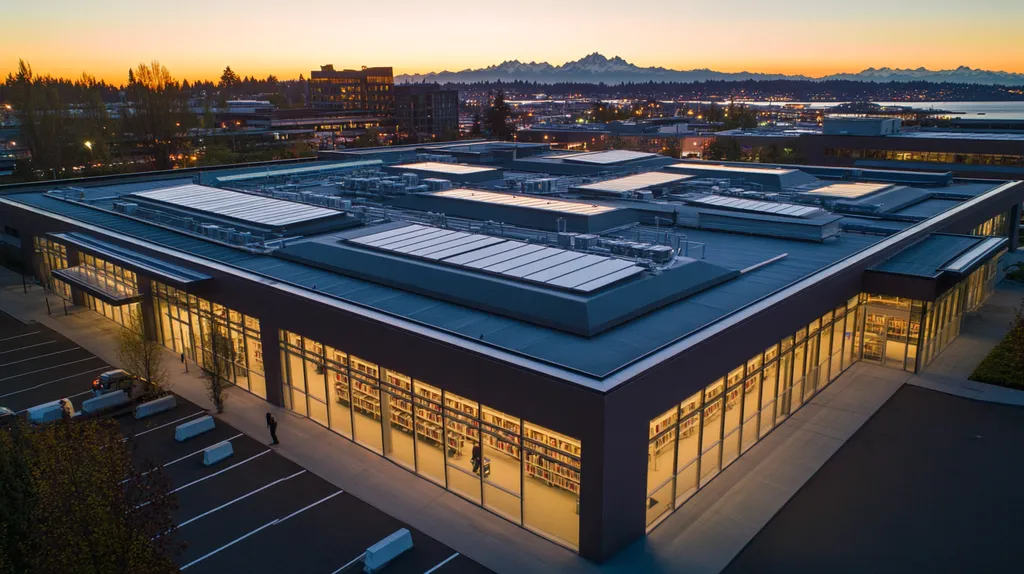
SECTION 5: EVIDENCE-BASED ALTERNATIVES
In the commercial roofing sector, after-hours work can be both a hurdle and a chance for substantial improvement. With nearly 45% of businesses suffering production losses due to daytime construction, it’s clear that strategic planning is essential for success. Facility managers can leverage evidence-based alternatives, such as smart scheduling, advanced safety equipment, and effective collaboration, to ensure roofing projects run smoothly while minimizing disruption.
Scheduling Strategies for Minimal Disruption
Smart scheduling is crucial for after-hours roofing projects. Facility managers should consider staggered work shifts to reduce interference with daily operations. For example, breaking projects into phases allows teams to address less critical areas during peak business hours, keeping essential services running smoothly.
Timing major tasks for off-peak hours can substantially boost productivity. Many roofing companies recommend starting work at dusk and concluding by dawn. This method limits disruptions and takes advantage of cooler temperatures, which can enhance material performance.
Effective communication also plays a pivotal role in efficient scheduling. Keeping stakeholders informed about planned work helps alleviate concerns and encourages collaboration. This transparency ensures everyone is prepared for any temporary inconveniences.
Finally, utilizing advanced software tools can simplify scheduling. Such technology provides real-time updates on project progress and allows for adjustments, significantly reducing the impact on business operations.
Utilizing Advanced Lighting and Safety Equipment
Proper lighting is essential for safe and productive after-hours work. Implementing advanced LED lighting ensures that work areas are well-lit while being energy-efficient. Bright and evenly distributed lighting minimizes accidents by improving visibility for workers on the roof.
Safety equipment is equally critical. Investing in durable personal protective equipment (PPE), such as reflective vests and hard hats, reinforces worker safety. In addition to standard gear, employing high-tech safety systems like harnesses with fall detection capabilities can further reduce risks. These systems automatically alert supervisors if a worker falls, enabling prompt responses to any incidents.
Waste management strategies are also vital. Nighttime operations can create unique debris challenges, so implementing efficient removal procedures before the business day begins helps maintain clear and safe work areas.
Collaborative Planning with Facility Managers
Collaboration between roofing contractors and facility managers is key to executing successful after-hours projects. Involving facility managers early in the planning process often leads to tailored solutions that align with specific organizational needs.
Establishing regular feedback loops facilitates this collaboration. Creating a communication schedule allows both parties to discuss progress and address any issues that arise. This proactive approach reduces misunderstandings and enhances overall efficiency.
Additionally, engaging facility management in selecting roofing materials and methods can ensure that project goals align with broader business objectives. Understanding the unique needs of the facility contributes to better decision-making and project success.
Moreover, documenting the entire planning process ensures accountability and keeps everyone informed about project expectations. This transparency paves the way for smoother operations during after-hours work.
SECTION 6: TEST AND VERIFY
Ensuring safety and quality in commercial roofing is not just a good practice; it’s essential for preventing costly damages and injuries. Alarmingly, studies suggest that 30% of roofing accidents happen due to inadequate safety measures. Facility managers must prioritize testing and verification before, during, and after any roofing project. This section outlines vital steps to ensure successful outcomes through pre-project assessments, adherence to safety standards, and thorough evaluations.
Conducting Pre-Project Assessments
Pre-project assessments are critical for grasping the unique needs of a commercial roof. These evaluations identify existing issues such as leaks or damage that could complicate repairs or new installations. Undergoing a comprehensive analysis enables facility managers to effectively plan and allocate resources, minimizing future challenges.
This assessment process should include a detailed examination of the roofing material and structure. Key factors such as insulation performance, drainage capacity, and structural integrity must be evaluated to prevent future problems. Dedicating time to these assessments can save money and stress in the long run.
Utilizing a knowledgeable team for these evaluations ensures compliance with industry standards while pinpointing potential hazards that might go unnoticed. This diligence is especially important when work is done after hours, as changing conditions and reduced visibility can complicate matters.
Documenting these pre-project assessments establishes a reference point for everyone involved, serving as a guide throughout the entire project. This documentation is crucial for maintaining alignment and accountability during the roofing process.
Implementing OSHA Safety Standards
Adhering to OSHA safety standards is paramount in roofing projects. Compliance not only protects workers but also elevates project quality. When conducting work after hours, these safety protocols become even more vital due to potential visibility challenges and worker fatigue.
OSHA standards mandate specific safety measures, including fall protection, proper scaffolding, and effective hazard communication. These guidelines are designed to keep workers safe from accidents that can lead to severe injuries or fatalities. Facility managers must ensure that safety equipment is readily available and that all workers are trained to use it effectively.
Conducting regular safety briefings prior to each shift is crucial, especially for night work. These briefings serve to reinforce safety practices and provide workers the opportunity to address any concerns. Proactively handling these discussions fosters a culture of safety and responsibility on the job site.
Monitoring compliance with OSHA standards should be a continuous effort throughout the project. Random safety checks can help maintain adherence to essential protocols, ensuring that lapses are caught before they result in accidents. This ongoing vigilance is critical for managing risks associated with nighttime work.
Post-Project Evaluations and Feedback Mechanisms
After completing a roofing project, conducting post-project evaluations is vital for long-term success. Thorough inspections help identify any immediate concerns while assessing the overall work quality. This step is crucial for catching potential problems early before they lead to more costly repairs.
Establishing feedback mechanisms enables facility managers to collect insights from workers, contractors, and inspectors. Engaging all stakeholders provides a holistic view of successes and areas needing improvement. This collaborative approach nurtures a culture of continuous enhancement.
Documenting outcomes from these evaluations can guide future roofing projects. The lessons learned will inform best practices and strategies that enhance both safety and efficiency. Furthermore, feedback should be leveraged to emphasize the importance of maintaining safety standards in subsequent projects.
Lastly, sharing the results of the evaluations with all involved parties strengthens relationships and accountability. Promoting transparency ensures that everyone is invested in upholding quality and safety in future initiatives.
The Bottom Line
With 40% of commercial roofing projects facing preventable delays due to misconceptions about after-hours work, facility managers can no longer afford to ignore this viable solution.
Modern technology, enhanced safety protocols, and strategic scheduling have transformed nighttime commercial roofing into a cost-effective alternative that minimizes business disruption.
The evidence clearly demonstrates that after-hours work, when properly planned and executed, can reduce project timelines by up to 30% while maintaining stringent safety standards.
For facility managers seeking to optimize their roofing investments, embracing after-hours scheduling represents a critical shift from outdated assumptions to evidence-based practices that protect both assets and operations.
The future of commercial roofing lies in flexible scheduling that prioritizes business continuity without compromising quality or safety.
FREQUENTLY ASKED QUESTIONS
Q. Is it true that nighttime work on commercial roofs is always disruptive?
A. No, this is a misconception. Many businesses operate around the clock, allowing nighttime roofing to minimize interruptions. The quiet environment at night also reduces noise pollution, facilitating smoother operations for companies that remain open 24/7.
Q. How can after-hours roofing work impact business operations?
A. Conducting roofing projects after hours significantly reduces disruptions. Employees can concentrate on their work without the distractions of noise or safety hazards, enhancing productivity and maintaining tenant satisfaction by respecting their daily operations.
Q. What are the financial consequences of misinformation in roofing projects?
A. Mismanaged roofing projects may lead to unexpected budget overruns. Issues such as outdated information or poor communication can generate additional costs, wasting valuable resources and potentially disrupting overall facility operations.
Q. Can you give examples of successful after-hours roofing projects?
A. Yes, many retailers complete roof repairs at night to avoid disrupting foot traffic. Similarly, office buildings can resolve extensive roofing issues when tenants aren’t present, resulting in fewer complaints and quicker completion times.
Q. What scheduling strategies help minimize disruption during roofing work?
A. Smart scheduling, such as staggering shifts, can keep essential operations running smoothly. Timing major tasks during off-peak hours maximizes productivity while coordinating communication with stakeholders alleviates concerns about disruptions.
Q. How can safety standards be maintained during after-hours roofing work?
A. Adhering to OSHA standards is critical, especially after hours. Conducting regular safety briefings, maintaining necessary equipment, and evaluating compliance through random checks ensures a safe working environment and protects all workers on-site.
Q. What can I do to ensure quality outcomes in roofing projects?
A. Conduct thorough pre-project assessments to identify existing issues and involve knowledgeable teams in planning. Establishing feedback mechanisms ensures continuous improvement and accountability, enhancing both safety and efficiency in future projects.






