

Nearly 60% of high-slope commercial roof installations fail prematurely due to preventable errors, resulting in billions in repair costs annually across North America. These failures stem from persistent industry myths and installation oversights that continue to plague property owners.
From structural support deficiencies to drainage system failures, the challenges of high-slope installations demand urgent attention and evidence-based solutions.
This comprehensive analysis exposes common misconceptions while providing property managers with actionable strategies to protect their roofing investments and ensure long-term structural integrity.
SECTION 1: COMMON MISCONCEPTIONS
High-slope roofs are often at the center of confusion regarding installation costs and maintenance needs. Many property owners and facility managers fall prey to the belief that these roofs are prohibitively expensive, which can result in poor decision-making. A misjudgment in budget allocation can not only lead to project delays but also cause missed chances for significant long-term savings. It’s crucial for industry stakeholders to debunk these myths to create effective roofing strategies and ensure sustainable property management.
High Slope Roofs Are Too Expensive
A widespread myth is that high-slope roofs come with excessive initial installation costs. While installation can indeed be pricier due to labor and materials, the potential for significant long-term savings is often overlooked. High-slope roofs are designed to last longer, which means fewer replacements and less frequent capital expenditures.
Moreover, their unique design allows for superior water drainage, minimizing risks of leaks and water-related damage that can prompt costly repairs down the line. Property managers should think of high-slope roofs as a wise investment rather than just an upfront cost.
Additionally, many high-slope roofs accommodate energy-efficient materials that help lower heating and cooling costs. This can lead to a noticeable decrease in monthly energy bills, providing further justification for the initial expenditure.
Ultimately, comparing initial costs with long-term rewards indicates that high-slope roofs may not be as financially burdensome as commonly perceived.
Sloped Roofs Require Excessive Maintenance
Another prevalent misconception is that high-slope roofs demand constant attention and upkeep. While every roofing system requires some maintenance, high-slope roofs can actually be easier to maintain than their low-slope counterparts. Their steep angles facilitate the natural removal of debris, leaves, and snow, which helps eliminate risks of clogs and water accumulation.
Furthermore, many materials used in high-slope roofing are engineered for durability, making them more resistant to wear and tear compared to others. This strength leads to fewer maintenance concerns and less frequent inspections.
Proper installation is critical in reducing maintenance needs. When executed by skilled professionals, high-slope roofs offer dependable performance, resulting in significantly lower maintenance interventions.
In conclusion, while no roof is entirely maintenance-free, high-slope roofs can be surprisingly low-maintenance, making them a practical option for commercial properties.
Any Roofing Material Works for High Slope
It’s a fallacy to assume that any roofing material is suitable for high-slope applications. In fact, certain materials excel in sloped conditions due to their design features. For example, tiles, shingles, and metal are ideal for high-slope roofs because they are lightweight and promote effective water drainage.
On the other hand, utilizing materials made for flat roofs, such as some single-ply membranes, can result in performance failures and preventable expenses. These materials might not adapt well to inclines, leading to water pooling and an increased likelihood of leaks.
Selecting the appropriate material not only influences the roof’s performance but also affects its energy efficiency and visual appeal. For instance, metal roofing can reflect sunlight, which reduces cooling costs and enhances overall energy efficiency.
In summary, choosing the right materials for high-slope roofs is crucial. Property owners must engage in thorough research or consult experienced experts to ensure they are making informed choices that align with their roofing requirements.
SECTION 2: PRACTICAL IMPLICATIONS
High-slope roof installations come with distinct challenges that can profoundly affect both building safety and roof longevity. Alarmingly, nearly 60% of commercial roofing failures stem from inadequate installation practices, making it essential for property owners and facility managers to grasp these concerns. Key issues include ensuring adequate structural support, implementing efficient water drainage, and addressing safety during installation and maintenance. Tackling these challenges leads to optimized roof performance and significant long-term cost savings.
Structural Support and Load-Bearing Capacity
Robust structural support is vital for high-slope roofs, as they must bear various loads such as snow, wind, and even rooftop equipment. Engineers may inadvertently underestimate these demands, jeopardizing the entire building’s integrity. For instance, roofs lacking sufficient support can sag or even collapse under the weight of heavy snowfall, resulting in expensive repairs and operational disruptions.
Moreover, calculations for load-bearing capacity should account for roofing materials, insulation, and the potential weight of maintenance equipment. Skipping thorough assessments poses significant liabilities. Property owners must be proactive and may need structural reinforcements to comply with local building codes and to guarantee safety.
While many property owners appreciate the visual appeal of high-slope roofs, it’s paramount that they prioritize structural integrity. A strategic investment in proper support solutions can avert severe damage down the line.
In the end, understanding and addressing structural requirements will significantly enhance roof performance and safety, thereby protecting the investment made by property owners and facility managers.
Water Drainage and Ventilation Issues
Effective water drainage is a critical concern for high-slope roofs, as flawed systems can lead to standing water and leaks. With a slope greater than 3:12, roofs can experience rapid runoff; however, this can also lead to challenges during heavy rainfall. If drainage systems are not carefully designed, water may back up, increasing the risk of leaks and structural damage.
Equally important is the role of ventilation in preventing moisture build-up. Poorly ventilated roofs can hold heat and humidity, accelerating wear on roofing materials and complicating drainage issues. While building codes often specify ventilation standards for high-slope roofs, compliance is sometimes overlooked.
To ensure longevity, high-slope roofing systems must incorporate effective drainage and ventilation strategies. Addressing these factors upfront will mitigate costly repairs stemming from water damage while improving energy efficiency.
By adhering to best practices regarding drainage and ventilation, property owners can establish a solid foundation for maintaining high-slope roofs effectively.
Safety Concerns During Installation and Maintenance
The safety risks associated with installing and maintaining high-slope roofs are significant and should never be underestimated. Slips and falls are among the leading causes of workplace injuries, particularly on steep surfaces. Without proper safety measures, workers face potentially life-threatening hazards that could result in severe accidents.
Implementing fall protection systems, such as harnesses and guardrails, can greatly reduce these risks. Unfortunately, many contractors neglect these essential safety protocols, often due to time constraints or budget considerations. This carelessness not only increases liability but may also lead to costly legal repercussions for property owners.
Additionally, maintenance activities necessitate specialized training and equipment to ensure worker safety. Regular inspections and cleanings should be performed by professionals experienced with high-slope systems to minimize risks.
By establishing stringent safety guidelines and utilizing suitable equipment, property owners can foster safer working conditions. This not only safeguards workers but also enhances the long-term performance of the roof itself.
SECTION 3: COST OF MISINFORMATION
The implications of misinformation in high-slope roof installations can be dire. Property owners and facility managers face not only immediate financial setbacks but also long-term operational challenges. Reports indicate that poorly installed roofs might incur maintenance costs that exceed the original installation expense by an astonishing 10 to 20 times over their lifespan. Recognizing these financial pitfalls is essential for safeguarding investments and ensuring durable roofing solutions.
Financial Consequences of Poor Installation
When a high-slope roof is improperly installed, the financial repercussions can be significant. Property owners may find themselves grappling with unexpected leaks, structural failures, and the urgent need for costly repairs.
Emergency repair costs can average between $8,000 to $20,000, depending on the severity of the issues. Delays in addressing these problems not only escalate costs but can also lead to further, more extensive damage.
Additionally, if the installation fails to meet local code requirements or violates manufacturer warranties, property owners may discover that repairs or replacements aren’t covered by insurance, leaving them to shoulder the full financial burden.
This highlights the importance of investing in quality installations from the outset, which can mitigate the risk of these costly pitfalls and emphasize a commitment to compliance and excellence.
Long-Term Maintenance and Repair Costs
Misinformation often results in the use of inferior materials or techniques that can substantially inflate long-term maintenance costs. For instance, improper flashing can cause a roof to require repairs within a few years instead of lasting for decades.
Statistics show that property owners can end up spending up to 40% more on maintenance due to premature service needs stemming from poor installations. This spells not only higher repair bills but also significant operational interruptions.
Moreover, neglecting to adhere to recommended maintenance protocols can exacerbate these ongoing costs. Many property owners are surprised to learn that following routine maintenance can greatly extend the lifespan of their roofs, ultimately leading to lower overall expenses.
Grasping these implications is vital for making informed decisions and developing effective long-term strategies for roof upkeep.
Impact on Building Value and Insurance
The consequences of misinformation reach beyond immediate costs, influencing overall building value and insurance premiums. A poorly installed roof may lead to significant depreciation, which can deter potential buyers when the property is on the market.
In a real estate landscape where thorough inspections are the norm, properties with defective roofing systems tend to attract little attention. Research indicates that a well-maintained roof can enhance a property’s value by as much as 15%.
Insurance companies are also likely to raise premiums for properties plagued by roofing issues. When assessors evaluate risks, a history of poor installations can raise a red flag, often resulting in increased costs over time.
By prioritizing high-quality installations, property owners can not only protect their investment and maintain property value but also mitigate insurance-related risks, demonstrating the real benefits of informed roofing decisions.
SECTION 4: REALITY CHECK
The stakes are high when it comes to high-slope roofs. While they offer compelling benefits such as enhanced aesthetics and superior drainage, the challenges associated with their installation can lead to significant setbacks. Alarmingly, an estimated 30% of high-slope roofs fail prematurely due to improper installation practices. This section breaks down the real advantages of high-slope roofs, the common challenges faced during their installation, and the critical importance of selecting the right materials to maintain structural integrity and performance.
Actual Benefits of High Slope Roofs
High-slope roofs are not just visually appealing; they also provide practical advantages. Their steep angles encourage efficient water drainage, significantly lessening the risk of ponding and subsequent leaks. Industry research consistently shows that buildings with high-slope roofs have a markedly lower instance of water-related damage compared to their low-slope counterparts.
In terms of aesthetics, high-slope roofs can elevate a property’s visual profile, making it more attractive to potential tenants. This appeal can be a game-changer in competitive real estate markets, impacting overall property value and tenant retention.
Energy efficiency is another crucial benefit. High-slope roofs can accommodate materials that reflect solar energy, resulting in reduced energy costs for cooling. Properties can see savings of up to 20% on energy bills, providing a strong return on investment over time.
Moreover, their effective drainage capabilities often result in fewer repairs and provide easier access for maintenance. This can dramatically extend the lifespan of the roofing materials, making high-slope roofs a smart choice for many commercial properties.
Common Challenges and Real Solutions
While high-slope roofs have their advantages, they also come with unique challenges that complicate their installation. The steep angles pose significant safety hazards, increasing the risk of falls during both installation and maintenance. To mitigate these dangers, it’s vital to enforce strict adherence to safety protocols and utilize appropriate harness equipment.
Improper installation techniques can lead to serious issues such as leaks or structural damage. To avoid this, hiring experienced contractors who specialize in high-slope roofing is essential for successful outcomes.
Weather conditions can add an additional layer of complexity; high winds can easily displace roofing materials during installation. Scheduling work during favorable weather and employing wind-resistant materials can help minimize these risks.
Finally, the intricacies of high-slope designs may drive up overall costs. However, viewing these higher initial investments as necessary for long-term savings is critical. Property owners should focus on lifecycle costs rather than just upfront expenses to ensure sound financial planning for their roofing investments.
Importance of Proper Material Selection
The choice of materials used for high-slope roofs is crucial for ensuring both durability and performance. While opting for cheaper materials may seem tempting, it can lead to severe complications, including leaks and a shortened roof lifespan. Investing in high-quality, weather-resistant materials is essential.
Materials like metal or premium shingles are typically recommended for high-slope roofs due to their resilience and adaptability to varying climates. Property owners must also consider local weather conditions to ensure that selected materials are well-suited for the specific environmental challenges.
Additionally, proper insulation plays a vital role in energy efficiency and can yield significant long-term cost savings. Poor insulation will lead to heat loss, driving up energy bills and reducing the overall comfort of the building.
Finally, engaging knowledgeable suppliers and contractors can provide critical insights into material compatibility and innovative solutions. A thoughtful approach to material selection will not only improve roof performance but also enhance the overall value of the property.
SECTION 5: EVIDENCE-BASED ALTERNATIVES
High-slope commercial roofs come with unique challenges that can lead to steep financial losses if not properly managed. Alarmingly, studies show that inadequate installation and design can result in leakage rates exceeding 80%. For property owners and facility managers, embracing evidence-based alternatives for high-slope roof installations is not just beneficial—it’s essential. This section highlights the importance of optimal roof pitch and aesthetics, the advantages of combining different roof types, and the innovation in drainage and ventilation systems.
Optimal Roof Pitch and Design Aesthetics
The pitch of a roof plays a critical role in its performance and longevity. A steeper pitch can enhance water drainage, significantly reducing the likelihood of leaks. However, achieving the right balance between functionality and design aesthetics is crucial.
Opting for an excessively steep pitch may complicate installation and maintenance tasks. Alternatively, a moderately steep design can optimize drainage while still appealing visually. This approach minimizes the risk of standing water, which is a primary cause of structural damage.
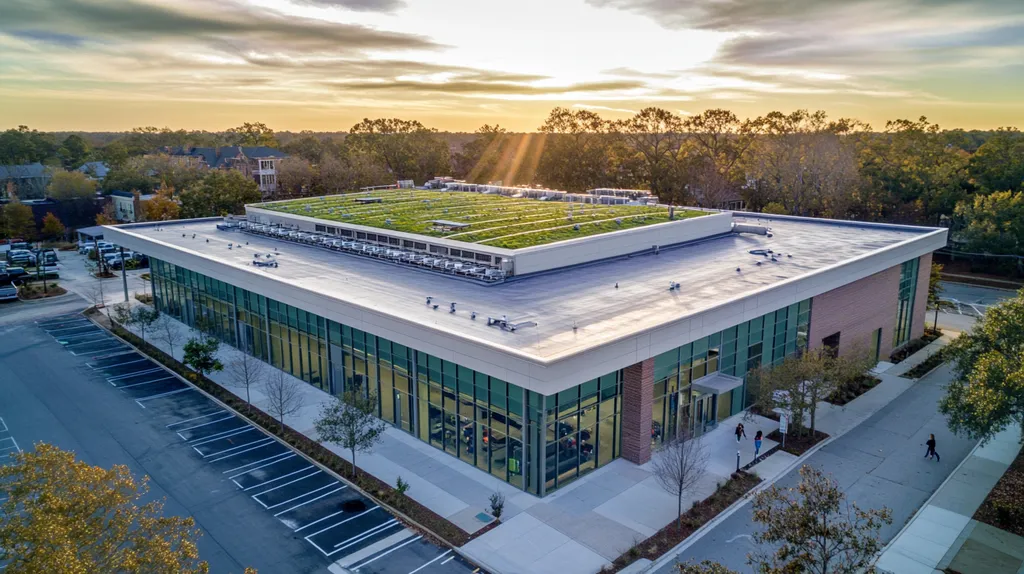
Incorporating contemporary architectural trends, such as green roofs or living spaces, into high-slope designs enhances both visual appeal and sustainability. These innovative designs not only captivate potential tenants but also contribute to energy efficiency, creating a win-win scenario for property owners.
Ultimately, analyzing local weather patterns and adhering to building codes is vital for determining the ideal pitch for high-slope roofs. This evidence-based strategy advances durability while ensuring satisfaction among property owners.
Combining Different Roof Types and Materials
Utilizing a mix of roof types can provide considerable benefits for high-slope applications. For instance, combining metal roofs with traditional asphalt shingles creates a more resilient and adaptable roofing system. Each material offers distinct advantages, such as weight savings and improved insulation.
This hybrid approach allows for greater design flexibility, tailored to specific site conditions. Metal roofing excels in extreme weather, while asphalt shingles offer a cost-effective solution for lower-impact areas.
In addition, using varied materials can address specific thermal performance challenges. Reflective surfaces help mitigate heat accumulation, ultimately leading to energy savings during peak summer months. This innovative approach can translate into lower cooling costs for property owners.
By applying evidence-based design principles, property managers can enhance roof performance while effectively managing budgets. This strategy fosters increased building lifespan and minimized maintenance responsibilities.
Advanced Drainage and Ventilation Systems
Effective drainage and ventilation systems are vital for high-slope roof installations. Subpar designs can result in water accumulation, leading to mold growth and structural degradation. Property owners should prioritize systems that align with best engineering practices.
Implementing advanced drainage mechanisms, such as tapered insulation systems, ensures a positive slope that directs water toward designated drainage points. This proactive design approach greatly enhances the durability of roofing materials.
Moreover, integrating well-designed ventilation systems reduces heat-related stress on the roof membrane. Innovations like dynamic ventilation systems adjust to external conditions, enhancing air flow and maintaining consistent internal temperatures.
Ultimately, utilizing state-of-the-art drainage and ventilation technologies fosters superior roof performance. Property owners who embrace these advancements are positioned to enjoy longer service life and reduced maintenance needs.
SECTION 6: TEST AND VERIFY
High-slope commercial roofs face substantial challenges that can threaten their durability and overall performance. Regular testing and verification processes become indispensable in confirming that these roofs can endure harsh weather conditions and function safely. Studies reveal that neglecting to assess structural integrity can lead to repair costs that burden property owners by hundreds of thousands of dollars. This section delves into critical testing methods for high-slope roof installations, including thorough inspections, wind resistance evaluations, and the verification of essential safety features.
Conducting Regular Roof Inspections
Regular inspections are essential for the health of high-slope roofs. They allow facility managers to spot minor issues before they escalate into far more significant problems. Roofing professionals recommend conducting these inspections at least twice a year, particularly following severe weather events when potential damage is most likely.
During these assessments, trained personnel can evaluate the condition of roofing materials, drainage systems, and flashings. Thorough inspections may uncover punctures, worn membranes, or debris accumulation. Addressing these issues early can stave off leaks and reduce the risk of structural damage, ultimately saving substantial money on repairs.
Moreover, documenting each inspection creates a vital history for ongoing maintenance. Property owners can utilize this information to prioritize necessary repairs and allocate budget resources effectively. Proactive inspection schedules not only enhance the roof’s lifespan but also improve the safety of the entire building.
Investing in regular roof inspections is a clear commitment to quality and sustainability in building maintenance. The costs associated with neglect can lead to significant financial losses and operational disruptions, making this practice a necessity.
Testing for Wind Resistance and Aerodynamics
Wind resistance is a crucial factor when it comes to high-slope roofs, which are particularly susceptible to wind uplift and aerodynamic forces. Proper testing is essential to ensure that the roofing system can withstand harsh weather conditions. Industry standards indicate that wind loads vary greatly based on geographical location, which emphasizes the need for localized testing.
Using wind tunnel tests or simulations enables engineers to measure how roofing systems react under extreme conditions. These tests evaluate airflow, pressure points, and design vulnerabilities. The insights gained can guide the selection of materials and installation practices, resulting in safer, more efficient roofing solutions.
Conducting wind resistance testing not only safeguards the roof’s integrity but also ensures compliance with local regulations. For instance, high-slope roofs in areas prone to high winds must meet stringent industry standards to avoid catastrophic failures.
By prioritizing tests for wind resistance, property owners can mitigate liability risks. Ensuring roofs withstand local wind conditions protects the investment and enhances occupant safety.
Verifying Structural Integrity and Safety Features
Verifying structural integrity is a critical requirement for high-slope roof installations. This process confirms that the roof can carry its own weight while resisting environmental stressors like snow and heavy rain. Building codes typically outline specific load requirements which must be met both during and after installation.
Routine evaluations of roof structures should be conducted to identify signs of distress, such as sagging or cracking. Regular structural assessments can detect weaknesses, allowing for corrective measures before they escalate into significant issues.
Additionally, safety elements such as guardrails, walkways, and safety anchors must also be included in the verification process. These features are essential not only for worker safety but also for adherence to occupational safety regulations.
Consistently verifying structural integrity and safety features enhances confidence in the roof’s performance. Property owners can feel secure knowing their buildings are protected, leading to improved asset management and reduced liability.
Moving Forward
With over $8 billion lost annually to premature high-slope roof failures, the commercial roofing industry stands at a critical crossroads.
The evidence clearly demonstrates that proper installation techniques, material selection, and ongoing maintenance protocols are non-negotiable elements for success.
Advanced testing methods, improved safety measures, and innovative drainage solutions now offer property owners unprecedented opportunities to protect their investments.
By embracing evidence-based practices and rejecting common misconceptions, facility managers can significantly extend roof lifespans while reducing long-term costs by up to 40%.
The future of high-slope commercial roofing depends on industry-wide adoption of these proven strategies, supported by rigorous testing and verification protocols.
FREQUENTLY ASKED QUESTIONS
Q. Are high-slope roofs too expensive for my commercial roof?
A. Many people believe high-slope roofs are costly to install. However, their long-term savings in maintenance and energy efficiency often outweigh initial expenses, making them a wise investment for property owners.
Q. Do high-slope roofs require excessive maintenance for my industrial roof?
A. Contrary to popular belief, high-slope roofs can be easier to maintain compared to low-slope roofs. Their angles facilitate natural drainage, reducing debris accumulation and associated maintenance needs.
Q. Can any roofing material be used for high-slope commercial roofs?
A. Not all roofing materials are suitable for high-slope applications. Using materials designed for flat roofs can lead to performance issues, while lightweight options like tiles or metal are better suited for sloped conditions.
Q. What happens if structural support for my high-slope roof is inadequate?
A. Insufficient structural support can lead to sagging, leaks, or even roof collapse under heavy loads. Ensuring proper reinforcement per local codes is essential for preventing severe issues and protecting your investment.
Q. How does misinformation impact my industrial roof’s value?
A. Misinformation regarding roofing installations can lead to costly repairs and reduced property value. A well-maintained roof can boost property value, while poor installations can significantly depreciate it.
Q. What are the main benefits of high-slope roofs for commercial properties?
A. High-slope roofs offer improved water drainage, enhanced aesthetics, and energy efficiency benefits. All these attributes contribute to a longer lifespan and lower maintenance needs, making them appealing choices for property owners.
Q. How can I ensure my high-slope roof meets safety standards?
A. Regular inspections and adherence to safety protocols are crucial for compliance. Utilizing trained professionals for maintenance tasks ensures that safety features like guardrails are tested, protecting both workers and the roof’s integrity.






