

Historic building codes impact over 60% of commercial roofing projects, yet widespread misconceptions about these regulations cost property owners millions in unnecessary repairs and compliance violations annually.
The complexity of navigating both modern safety requirements and preservation guidelines creates significant challenges for facility managers and roofing professionals.
This analysis examines six critical areas where outdated assumptions about historical building codes lead to costly errors, exploring evidence-based solutions that balance code compliance with practical implementation.
SECTION 1: COMMON MISCONCEPTIONS
Misunderstandings surrounding historical building codes can lead to financial loss and safety hazards in commercial roofing projects. Property owners and facility managers who overlook these codes risk compromising both their roofs’ structural integrity and occupant safety. This section will clarify three prevalent misconceptions: the belief that historic codes are lenient, that variances are rarely granted, and that all historic roofs must be replaced.
Historic Codes Are Too Lenient
It is a common assumption among industry professionals that historic building codes impose few requirements for commercial roofs, which can encourage unsafe practices. In truth, these codes are established with rigorous standards aimed at ensuring safety and longevity. They often stipulate minimum insulation levels and specific materials tailored to local environmental factors.
Relying on the notion of leniency may result in the use of inferior materials that cannot endure harsh conditions. Research indicates that properties constructed under robust historic codes exhibit a significantly lower failure rate during extreme weather events. By properly interpreting these codes, property owners can make informed roofing decisions that prioritize safety.
Moreover, many historic codes require adherence to specific architectural styles, affecting the selection of roofing materials. Neglecting such requirements not only poses a risk to structural integrity but may also incur substantial fines or necessitate major renovations.
Ultimately, viewing historic codes as lenient can jeopardize the durability of roofing systems and lead to higher repair costs. It is vital for commercial roofing professionals to grasp the stringent standards embedded in these regulations.
Variances Are Rarely Granted
Another widespread misconception is that obtaining variances from historic building codes is nearly impossible. This belief can limit the options for property owners seeking necessary repairs or upgrades. While variances indeed involve a thorough review process, many jurisdictions are receptive to granting them under the right circumstances.
For instance, a property owner looking to upgrade to a more modern roofing system might qualify for a variance by demonstrating that their proposal adheres to safety standards and enhances the building’s durability. Successfully navigating this process typically requires collaboration with local planning authorities.
Contrary to popular belief, experienced professionals often find that effective communication and well-prepared variance applications can significantly increase the chances of approval. Adapting historic structures to fulfill modern needs should not be regarded as an unattainable goal.
By understanding the variance process, property owners can explore innovative roofing solutions that respect historical integrity while addressing contemporary performance needs. Rejecting the notion that variances are exceedingly difficult to secure allows for more advantageous roofing options.
All Historic Roofs Need Replacement
Finally, many property owners mistakenly assume that any signs of wear on historic roofs mean a complete replacement is necessary. This misconception overlooks valuable preservation techniques capable of prolonging the lifespan of these roofs and preserving their architectural significance. Historic roofs often possess distinct features that contribute to their charm.
Patching and repairing historic roofing systems can frequently prove to be more effective and cost-efficient than outright replacement. Skilled contractors are equipped to address specific damage, restore original materials, and improve drainage systems to mitigate future issues.
Moreover, replacing historic roofing can trigger violations of local preservation regulations, leading to fines and legal difficulties. It is crucial for property owners to evaluate their roofs thoroughly, weighing both aesthetic and structural considerations.
Partnering with professionals who are knowledgeable about the subtleties of historic roofing can uncover solutions that prioritize preservation while maintaining safety and compliance. By moving past the belief that all historic roofs must be replaced, owners can embrace restorative strategies that uphold a building’s historical value and functionality.
SECTION 2: PRACTICAL IMPLICATIONS
The stakes for commercial roofing professionals are notably high, as historical building codes often create a tug-of-war between compliance and preservation. Property owners and facility managers must deftly navigate these complexities to ensure both the durability and safety of their buildings. Outdated regulations may mandate roofing systems that clashing with modern materials and technologies, potentially leading to costly repairs or premature replacements. This section explores critical areas where historical codes significantly influence decision-making in roofing projects.
Compliance vs. Preservation
Balancing compliance with historical building codes against the need to preserve a building’s aesthetic qualities can be a challenging endeavor. Many of these codes emphasize original materials, which often fail to meet today’s performance standards.
This tension becomes clear in structures that mandate slate or clay tiles, despite these materials being costly and less energy-efficient compared to today’s options. Facility managers must strike a delicate balance, ensuring the building’s historical character is maintained while also keeping operational costs manageable.
Seeking variances can further complicate this balancing act, as acquiring approval for modern materials can be a lengthy process. Such delays can strain budgets and disrupt business continuity.
Property owners should invest time in understanding local regulations and collaborating closely with roofing professionals. This proactive approach can streamline the compliance process while preserving the unique historical elements of the building.
Impact on Roofing Materials
Historical building codes play a crucial role in determining the types of roofing materials permitted on commercial properties. The emphasis on traditional materials can restrict the use of innovative solutions that would enhance durability and energy efficiency.
For instance, many codes still call for heavy asphalt shingles or tar roofing, which limits options for modern, lighter materials like thermoplastic polyolefin (TPO) or ethylene propylene diene monomer (EPDM). Such restrictions can lead to higher energy consumption, driving up overall operational costs over time.
Moreover, contractors may encounter difficulties sourcing traditional materials, especially if production has ceased. This dependency can result in inflated labor costs and extended installation timelines.
To navigate these challenges, proactive engagement with local building authorities is essential. A focus on selecting materials that uphold historical integrity while also meeting modern efficiency standards can lead to more sustainable roofing solutions.
Structural Integrity Concerns
Following outdated building codes may compromise the structural integrity of commercial roofs. Many older codes do not account for advancements in engineering or the evolving nature of environmental challenges.
This oversight can produce roof systems that inadequately respond to contemporary stressors like increased wind loads or severe weather events. A roof built solely according to historical guidelines might fail to provide proper drainage, resulting in issues like water pooling and leaks.
To ensure structural resilience, comprehensive assessments should form an integral part of any renovation project. Neglecting these evaluations can lead to long-term damage, escalating repair costs, and diminished property values.
Therefore, consistent communication among roofing professionals, engineers, and local authorities is vital. Aligning historical compliance with current structural requirements is crucial for ensuring the longevity and safety of commercial roofs.

SECTION 3: COST OF MISINFORMATION
The financial implications of misinformation about historical building codes can be significant for commercial properties. Property owners and facility managers may incur hefty penalties, unexpected repair costs, and operational downtime. A recent study found that non-compliance can inflate renovation costs by as much as 30%. To minimize these risks, it is essential to understand the ramifications of outdated regulations.
Financial Burden of Non-Compliance
Neglecting to comply with historical building codes often results in serious financial penalties. Regulatory agencies impose fines that can severely strain budgets, especially for smaller businesses. Facilities that fail to meet compliance requirements may face fees ranging from hundreds to thousands of dollars, posing a threat to overall financial health.
Furthermore, failing to comply can lead to project delays and extended timelines. These interruptions can raise labor costs and slow down progress. For properties that rely on timely occupancy for revenue, such setbacks can be detrimental.
Insurance complications arise as well; insurers may refuse coverage or increase premiums for properties that do not adhere to regulations. This additional financial burden compounds the challenges posed by outdated roofing practices.
In the end, the financial repercussions of non-compliance extend beyond immediate expenses. They may jeopardize future business opportunities and partnerships, underscoring the importance of staying informed about current building codes.
Misguided Material Choices
Selecting improper roofing materials based on obsolete information can result in significant waste. Misguided material choices frequently compel property managers to invest in products that fall short of current performance standards. This miscalculation leads to inadequate protection, ultimately driving up long-term costs.
For example, some roofing materials may not align with modern energy efficiency demands. Utilizing outdated insulation or reflective materials could increase energy costs due to poor temperature management. This approach disregards contemporary sustainability trends in commercial roofing.
The implications of misguided material choices reach beyond initial purchasing costs. Inferior materials often wear out prematurely, necessitating replacements sooner than anticipated. These premature failures create a cycle of financial strain that encompasses ongoing maintenance and retrofitting expenses.
To mitigate these risks, affiliated professionals should stay abreast of materials compliant with historical codes. This knowledge opens doors to energy savings and enhanced durability. Aligning with current regulations yields a more favorable return on investment.
Unnecessary Repairs and Replacements
Decisions made in ignorance of accurate historical building codes often lead to needless repairs. Facilities may replace roofs that could have remained functional with proactive maintenance. This can contribute to unnecessary spending, affecting overall operational budgets.
Additionally, roofs constructed with outdated materials tend to require frequent repairs. Persistent issues, such as leaks and damage, can set off a costly cycle that drains resources faster than expected. Ensuring roof efficiency is paramount for sustaining long-term property value.
Moreover, unnecessary replacements can disrupt daily business operations. Downtime affects productivity and vendor relationships, leading to further income losses. Making informed, compliant roofing choices is essential to maintaining uninterrupted service.
Ultimately, a rigorous focus on historical building codes can keep costs manageable. Avoiding unnecessary repairs improves profitability and extends the lifespan of roofing systems, making a compelling case for prudent decision-making in roofing management.
SECTION 4: REALITY CHECK
Recognizing the evolution of building codes is essential for every commercial roofing professional. These codes, deeply rooted in historical events, continue to influence today’s roofing decisions. For instance, stringent fire safety regulations were enacted after catastrophic fires, shaping both material choices and installation practices. It’s crucial for property owners to understand these developments to ensure compliance and safeguard their investments.
Evolution of Building Codes
Building codes have undergone significant transformations over the years, evolving in response to major fires, natural disasters, and advancements in construction technology. The Great Chicago Fire of 1871 catalyzed the implementation of more rigorous fire codes, which directly influenced the materials and methods used in roofing. These early regulations were foundational in establishing modern standards focused on public safety and building longevity.
As urbanization progressed and new roofing materials entered the market, these codes adapted to meet emerging challenges. The arrival of lightweight roofing materials in the mid-20th century necessitated a reevaluation of fire resistance strategies. Thus, understanding this historical context is crucial for roofing professionals tasked with navigating current regulations that still bear the influence of past events.
However, remnants of outdated codes can result in inefficiencies. For instance, older roofs designed for heavier materials often do not accommodate modern, lighter options, potentially compromising structural integrity. Identifying these gaps can empower professionals to make informed roofing decisions that better align with contemporary standards.
As building codes continue to evolve, roofing specialists must remain vigilant about regulatory changes affecting both new builds and renovation projects. This proactive approach enables professionals to guide clients accurately regarding compliance requirements that ensure safety and durability.
Historical Roofing Materials
Throughout history, the choice of roofing materials has varied widely, influenced by resource availability and environmental factors. In the early 20th century, materials like slate and tile were favored for their durability and visual appeal. However, these options required significant structural support, impacting the overall building design and construction costs.
The introduction of asphalt shingles fundamentally changed the roofing landscape, offering a cost-effective and versatile alternative that became the go-to for many commercial properties. Despite this shift, many historic buildings still showcase materials that reflect their period, posing compliance challenges with the current codes.
Owners of historic properties often wrestle with outdated roofing materials that fail to meet today’s safety and energy efficiency standards. Decisions regarding modifications to these roofs must judiciously balance preservation with compliance, as replacing original materials can conflict with regulations emphasizing historical authenticity.
Fortunately, advancements in roofing technology—including synthetic materials designed to replicate traditional aesthetics—present solutions that respect historical context while fulfilling modern requirements. This understanding of a roof’s historical framework can facilitate effective roofing choices that honor the past while catering to present needs.
Code Adaptations for Historic Buildings
Compliance with contemporary building codes can be particularly challenging for historic structures, especially regarding roofing. Many municipalities have developed guidelines designed to ensure that renovations honor the original architectural style while adhering to safety regulations. This creates a delicate balance for property owners aiming to modernize their buildings.
For instance, local preservation boards may impose regulations on the use of specific materials, complicating compliance even further. A property owner wishing to replace a worn roof may be required to use original materials that no longer align with modern fire or energy efficiency codes.
Adaptive codes offer potential pathways, permitting some leeway in material selection while still prioritizing safety. By navigating these restrictions effectively, property owners can identify roofing solutions that fulfill both compliance mandates and preservation objectives.
Engaging local building authorities early in the renovation process can yield valuable insights. Partnering with skilled roofing contractors familiar with the intricacies of historic codes ensures that property owners can manage compliance while safeguarding the unique character of their buildings.
SECTION 5: EVIDENCE-BASED ALTERNATIVES
As the roofing industry evolves, striking a balance between modern materials and the preservation of historic structures becomes increasingly critical. With over 60% of urban buildings categorized as historic, property owners and facilities managers must implement sustainable and compliant roofing practices. This urgency calls for innovative approaches that modernize roofs while honoring their historical significance. This section highlights evidence-based alternatives that facilitate effective roofing renovations within the context of heritage preservation.
Using Modern Materials in Historic Contexts
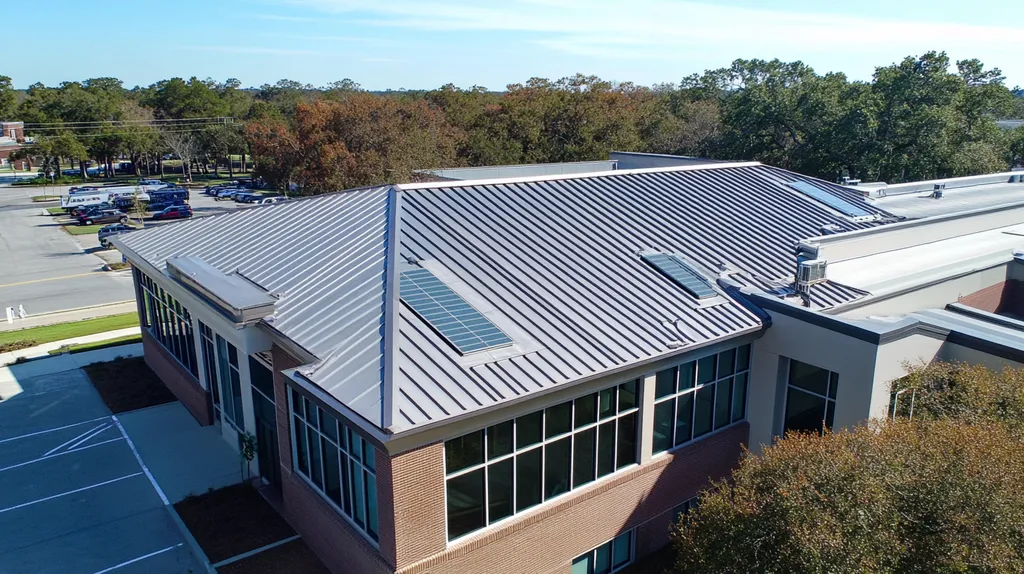
Modern roofing materials provide superior performance and durability while addressing the unique challenges posed by historic roofs. For instance, synthetic slate and metal roofing solutions can emulate traditional aesthetics while offering exceptional weather resistance. This adaptability empowers property managers to adhere to contemporary building codes without compromising the architectural integrity of their buildings.
Innovative materials such as thermoplastic polyolefin (TPO) and ethylene propylene diene monomer (EPDM) membranes deliver outstanding waterproofing and energy efficiency. These options can complement a range of architectural styles found in historic properties. By integrating modern materials, property owners can achieve substantial long-term savings both in maintenance and energy costs.
To ensure compliance and preservation, it is essential that owners collaborate with preservation experts when selecting modern materials. This partnership can minimize the risk of undermining a building’s historical value while fulfilling modern regulatory requirements.
Ultimately, incorporating modern materials into historic contexts allows property owners to innovate while respecting the unique narratives embedded in their buildings.
Adaptive Reuse of Historic Roofs
Adaptive reuse is a strategic approach that focuses on preserving historic roofs while integrating modern functionalities. This practice entails renovating existing roofing structures for new uses, such as the installation of rooftop gardens or solar panels. Maintaining the original roof enables property owners to uphold a building’s historical integrity while promoting sustainability.
For example, a historic warehouse may be retrofitted with a green roof, enhancing insulation and reducing stormwater runoff. These adaptations not only support environmental initiatives but can also yield tax incentives and increase property value. Moreover, such solutions often comply with local building regulations, ensuring both safety and effectiveness.
Implementing adaptive reuse strategies necessitates collaboration with preservation specialists and engineers to ensure that modifications align with historical restoration guidelines. This careful planning minimizes potential conflicts with local codes.
In conclusion, adaptive reuse provides an appealing option for property owners looking to balance historical preservation with modern utility.
Code-Compliant Restoration Techniques
Employing restoration techniques compliant with modern building codes is essential for the upkeep of historic roofs. Using compatible materials and repair methods can ensure that restoration efforts honor the original design while meeting current safety standards. This dual focus on preservation and compliance can be achieved through thorough assessments and meticulous planning.
When repairing features like slate roofs, it is vital to utilize slate that matches the original in type and color. This approach not only maintains the aesthetic integrity of the structure but also aligns with code requirements for safety and maintenance. Furthermore, ensuring proper ventilation and insulation in restoration projects supports energy efficiency standards.
Conducting comprehensive inspections enables the identification of underlying issues in historic roofs, allowing for proactive measures that adhere to modern regulations. This forward-thinking strategy helps prevent extensive future repairs and preserves historical character.
By using code-compliant restoration techniques, property owners can ensure that their historic roofs remain functional and safe, thus fostering the preservation of architectural heritage alongside adherence to modern standards.
SECTION 6: TEST AND VERIFY
Ensuring compliance with historical building codes is vital for the structural integrity and safety of commercial roofs. Noncompliance can lead to severe penalties and jeopardize safety, making proactive testing and verification of roofing systems essential. Property owners and facility managers must adhere to stringent inspection practices and confirm that all work aligns with current codes. This section addresses critical steps in the verification process.
Conducting Roof Inspections
Regular roof inspections are crucial for identifying potential issues that could violate building codes. These evaluations should be performed by certified professionals familiar with both current regulations and historical codes. Inspectors are equipped to spot any materials that may no longer adhere to updated compliance standards.
During inspections, it is essential to examine all roofing components, including drainage systems and flashing. Inadequate drainage can cause water accumulation, posing structural risks and potentially violating specific code requirements. Routine inspections not only support compliance but also extend a roof’s lifespan.
Property owners should keep documented records of inspection findings and subsequent actions. This documentation is valuable for compliance verification and can be beneficial during audits or insurance assessments. Proper record-keeping demonstrates a genuine commitment to safety and adherence to regulations.
Engaging a third-party inspector provides an unbiased evaluation. This expert can clarify both compliance with historical specifications and identify necessary upgrades to meet current standards.
Testing for Code Compliance
Testing for code compliance involves a series of assessments to ensure roofing systems meet established standards. Common approaches include material testing, structural evaluations, and environmental impact analyses. Each assessment serves to confirm compliance with both historical and modern regulations.
For instance, when replacing roofing materials, it is critical to ensure that new options replicate the weather-resistance properties of the originals. Inadequate material selection could impair the roof’s functionality and historical authenticity, leading to compliance challenges.
Thermal imaging tests can also be employed to detect hidden moisture accumulation, which may violate building codes related to insulation and ventilation. Early detection allows for prompt remediation before further issues occur.
Comprehensive testing should include all facets of the roofing system. By proactively addressing any discrepancies, property owners can mitigate legal liabilities and ensure the long-term performance of their roofs.
Documenting and Certifying Compliance
Documenting and certifying compliance represents the final step in affirming that roofing projects align with historical building codes. This process necessitates the creation of detailed reports that capture inspection findings, testing results, and any corrective measures undertaken. Property owners should maintain these records as a part of their building’s documentation.
Certification from a reputable third-party authority strengthens compliance claims. Such certification can be crucial for future real estate transactions, financing, or insurance considerations. Property owners should seek official organizations specializing in roofing compliance for this validation.
Additionally, it is important to update documentation regularly to reflect ongoing maintenance and any new requirements resulting from evolving regulations. Keeping records current signals proactive management and a sustained commitment to compliance.
Ultimately, thorough documentation and certification not only protect investments but also build trust with stakeholders, ensuring compliance is recognized throughout the property management lifecycle.
Moving Forward
The financial impact of misunderstanding historical building codes affects over $2.3 billion in commercial roofing projects annually, making proper code interpretation essential for the industry’s future.
Property owners and facility managers who fail to balance preservation requirements with modern safety standards risk significant penalties, ranging from $10,000 to $50,000 per violation.
As building technologies continue to evolve, successful commercial roofing projects will depend on evidence-based approaches that integrate contemporary materials while respecting historical guidelines.
The industry must move beyond outdated assumptions and embrace code-compliant solutions that protect both architectural heritage and structural integrity.
Ultimately, the future of commercial roofing lies in strategic compliance that preserves historical value while meeting modern performance demands.
FREQUENTLY ASKED QUESTIONS
Q. Are historical building codes too lenient for commercial roofs?
A. Historical building codes are designed with rigorous standards to ensure safety and durability. Viewing them as lenient can lead to incorrect material choices that jeopardize structural integrity. Properly understanding these codes helps make informed decisions that prioritize safety and compliance.
Q. How do historical building codes affect commercial roofing projects?
A. Historical building codes create a balance between compliance and preservation in roofing projects. They may impose material restrictions that affect energy efficiency and operational costs, thus requiring property owners to understand these regulations and collaborate with roofing professionals for optimal solutions.
Q. What are the financial impacts of misinformation on roofing codes?
A. Misinformation regarding historical codes can result in severe financial penalties, unexpected repair costs, and project delays. These factors strain budgets and operational timelines, ultimately affecting a property’s financial health. Understanding current regulations is crucial to avoid these costly pitfalls.
Q. How have building codes evolved in relation to roofing materials?
A. Building codes have adapted over the years due to incidents like catastrophic fires and new material innovations. Historical events catalyzed stricter regulations that still influence modern roofing decisions, necessitating a deep understanding of past codes for current compliance and safety.
Q. What are the alternatives to traditional materials for historic roofs?
A. Modern materials like synthetic slate, TPO, and EPDM provide durability while respecting historic aesthetics. These alternatives enhance energy efficiency and comply with contemporary building codes, allowing property owners to balance preservation with modern performance requirements effectively.
Q. Why is testing essential for compliance with roofing codes?
A. Testing ensures that roofing systems meet both historical and modern regulatory requirements. This involves thorough inspections and material assessments to detect compliance issues. Regular testing helps to maintain structural integrity while avoiding future legal liabilities and operational hazards.
Q. What steps ensure compliance with historical roofing codes?
A. Ensuring compliance involves conducting regular inspections, thorough documentation, and collaborating with experienced roofing professionals. Engaging local authorities early in renovation processes can provide insights into specific compliance mandates related to historical structures, aiding in effective project execution.






