
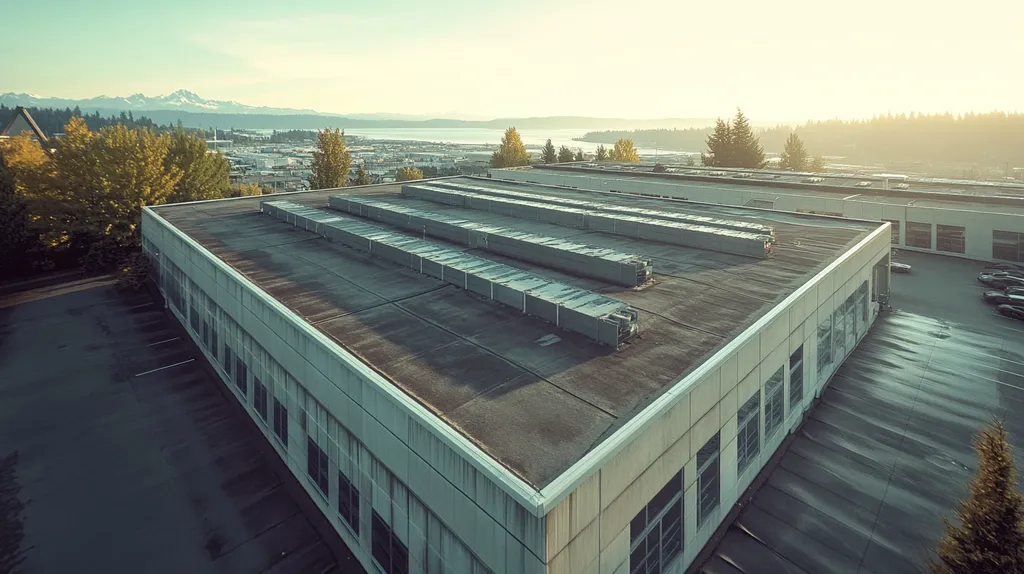
Every year, commercial property owners face millions in repair costs due to preventable tree damage to their roofs. Studies show that 30% of commercial roof failures stem from poorly managed tree branches and resulting debris accumulation.
The stakes are significant: a single fallen branch can puncture a roof membrane, leading to water damage that cascades through multiple building systems.
Understanding the relationship between trees and commercial roofs isn’t just about maintenance—it’s about protecting valuable business assets and preventing costly emergency repairs.
This comprehensive guide examines the critical aspects of tree branch management, from identifying early warning signs to implementing proven preventative measures that extend roof longevity.
SECTION 1: THE BASICS EXPLAINED
Tree branches might appear innocuous from the ground, but they pose a hidden threat to the longevity of commercial roofs. Research indicates that allowing branches to overhang can lead to significant wear and tear on roofing systems. For property owners, recognizing the crucial need for a safe distance between trees and roofs is vital for avoiding hefty repair and replacement costs. This section breaks down the fundamentals of how tree branches impact roofing, making it clear why this issue deserves immediate attention.
What It Is (In Plain Language)
While tree branches are a natural part of our environment, they can be a major liability for commercial roofs. When branches grow too close, they can rub against roofing materials, causing wear and tear that may not be immediately visible. Additionally, during storms, the risk of falling branches becomes a serious concern, potentially puncturing roofs and leading to vulnerabilities.
Left unchecked, these interactions can result in dangerous complications like punctures or leaks. Business owners often find themselves facing unanticipated repair bills that disrupt operations. Understanding the relationship between tree branches and roofing is essential for maintaining a roof’s integrity.
In essence, tree branches can be both a tree’s natural growth and a roof’s worst adversary. Property managers need to frequently evaluate their landscapes to effectively reduce these risks.
This proactive approach not only extends the roof’s lifespan but also helps to prevent expensive breakdowns. Regular assessments should be part of any property owner’s maintenance strategy to ensure that tree growth doesn’t endanger their roofs.
Why It Matters (To Your Building)
The influence of tree branches on a building’s roof goes beyond just looks; it has direct consequences for structural integrity. Debris accumulation from overhanging branches can trap moisture, leading to mold growth and degradation of roofing materials. This not only compromises the roof but also sets the stage for significant water damage during heavy rain.
In addition, high winds can snap branches, sending them crashing onto roofs and causing immediate physical damage. Repair costs can quickly spiral out of control, taking property owners by surprise with expenses that exceed basic patches.
Furthermore, navigating insurance claims for storm damage can become tricky if the roof is deemed improperly maintained due to tree interference. This situation could lead to higher premiums or denied claims, creating a serious financial impact on a business.
Ultimately, protecting a roof from tree branches is essential for safeguarding a building’s investment and preserving its visual appeal. Property managers must take proactive measures to mitigate the risks posed by nearby trees.
How It Works
The dynamics of how tree branches affect roofs are straightforward yet significant. When branches rub against roofing materials, they wear down protective layers, which can eventually lead to leaks and further deterioration.
Moreover, debris like leaves can block gutters, resulting in overflow that exacerbates structural problems if not addressed promptly. This blockage can redirect water where it shouldn’t go, causing extensive damage over time.
Seasonal changes can heighten these challenges. For example, strong winds can uproot branches during storms, which may cause damage that could have been avoided. The pressure from branches swaying in the wind adds additional stress to roofing materials, which shortens their lifespan.
In summary, understanding the interaction between tree branches and roofing enables property owners to adopt effective maintenance practices. Regularly scheduled inspections and timely trimming can greatly lessen the risks associated with overhanging trees.
SECTION 2: PRACTICAL APPLICATIONS
Tree branches are not just a nuisance; they can inflict serious damage on commercial roofs. A striking 20% of roof damage in commercial buildings can be traced back to falling branches and the accumulation of debris. Not only does this damage shorten the roof’s lifespan, but it can also lead to hefty repair bills down the line. Property owners and facility managers must grasp how to effectively manage tree branches to ensure the longevity and health of their roofs. This section will provide practical strategies, highlight specific scenarios needing attention, and illustrate how tree management intersects with other vital building systems.
Common Uses & Examples
Regular tree maintenance is crucial for safeguarding commercial roofs. By eliminating overhanging branches, the risk of damage from falling debris during storms or high winds is significantly reduced. For example, pruning branches that hang within six feet of the roof can substantially decrease the chance of physical impacts. Additionally, trimming trees minimizes the risk of leaves and debris clogging gutters, which can trap moisture — the ultimate adversary of roofing materials.
Many property owners integrate annual tree assessments into their roof maintenance routines. These assessments identify trees that could pose risks, allowing for timely interventions before issues escalate. In high-traffic areas, proactive tree pruning is essential to avoid accidents and liability concerns. In short, regular tree management is a critical investment; it’s not just about aesthetics—it’s an integral component of protecting and preserving the roof.
When You Need It Most
There are specific scenarios that demand immediate attention when it comes to tree management and roofs. Storm season is particularly precarious, as branches are more likely to detach and damage roofs. Furthermore, during spring and fall, leaf buildup can become significant, leading to drainage problems. To stay ahead of these challenges, property managers should schedule pruning before these critical periods to ensure their roofs are prepared for Mother Nature’s wrath.
Moreover, special inspections should follow severe weather events to assess any potential new hazards. Property owners often mistakenly assume that trees appearing undamaged from afar are safe, which can lead to a false sense of security. This oversight can result in unanticipated repair expenses. Staying mindful of seasonal changes is essential to maintaining both the trees and the integrity of the roof.
Interactions With Other Systems
Tree branches can impact various building systems beyond just the roofing structure itself. Debris accumulation in gutters, for instance, can disrupt water flow, leading to overflow and potential water damage within the building. This relationship between trees and roofing systems extends beyond mere aesthetics and requires careful consideration when managing landscapes.
Additionally, branches close to HVAC systems can lead to complications, as leaves and debris might clog filters, forcing HVAC units to work overtime and consequently increasing energy costs. Facilities managers should recognize these interconnections and develop a comprehensive maintenance strategy that includes trees, roofs, and other essential building elements.
To effectively mitigate risks, an interdisciplinary approach is vital. Collaborating with landscaping and roofing professionals can yield a more robust strategy for managing vegetation while safeguarding roof integrity. By prioritizing these interactions, property owners can significantly reduce long-term costs and enhance the overall resilience of their commercial properties.
SECTION 3: KEY TERMINOLOGY DECODED
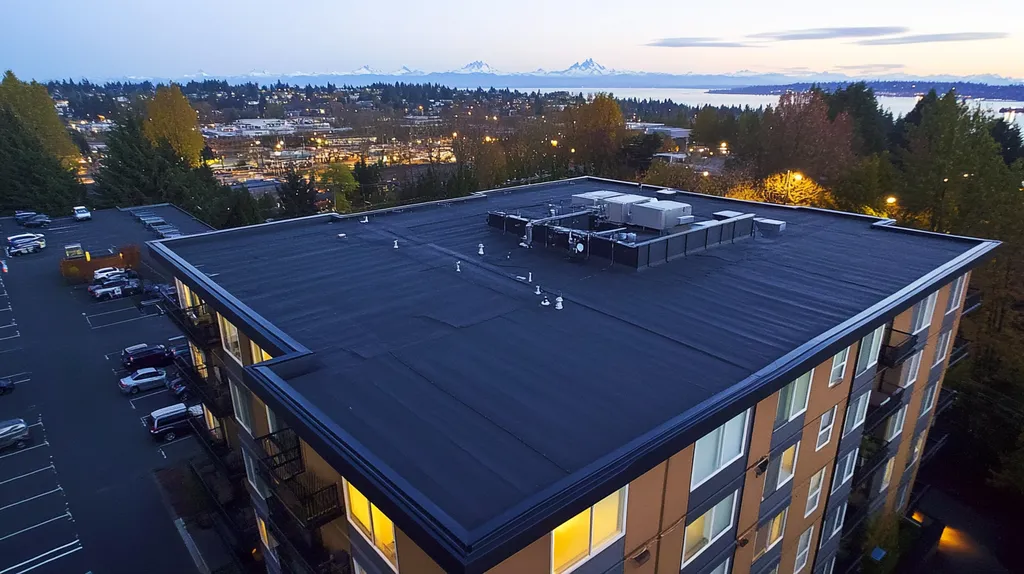
Navigating the world of roofing terminology is crucial for property owners and facility managers. Misunderstandings around basic terms can lead to negligence that may compromise the integrity of commercial roofs. For example, underestimating the concept of “debris accumulation” can put a roof at serious risk. By familiarizing themselves with key terms, property stakeholders can engage in more effective proactive maintenance. This section decodes essential terminology, ensuring clarity for all involved in managing commercial properties.
Essential Terms Explained
First up is “debris accumulation,” a critical term that refers to the build-up of organic materials like leaves and branches on a roof’s surface. This accumulation can trap moisture and create conditions ripe for mold growth, leading to serious degradation of roofing materials over time. Recognizing this term underscores the necessity of regular inspections to maintain roof health.
The term “overhang” is another vital concept. It describes the portion of the roof that extends beyond the walls of the building. When tree branches encroach upon this space, they increase the risk of physical damage from falling limbs and hinder proper roof ventilation.
Next, “water ponding” is essential to understand. This occurs when water collects on flat roofs due to insufficient drainage. Large branches can obstruct gutters and drainage systems, worsening this problem and leading to structural complications.
Finally, the term “roof membrane” refers to the waterproof layer that protects a building. Damage to this membrane from falling branches can result in leaks and costly repairs, making awareness of this term indispensable for property managers.
Industry Jargon Translated
The term “impact resistance” often comes up in roofing discussions. It measures a roof’s ability to withstand damage from falling objects, such as tree branches. A higher impact resistance generally indicates a more durable roofing system, especially important in areas with heavy tree cover.
Another common term is “drainage system,” which encompasses the components responsible for removing excess water from a roof. Poorly maintained drainage systems, particularly with the prevalence of neighboring tree branches, can result in severe water damage and escalating maintenance costs.
You might also encounter the term “thermal expansion.” This refers to how roofing materials expand and contract with temperature shifts. Overhanging trees can cause shading that interferes with these temperature variations, potentially leading to premature wear.
Lastly, “insulation value” refers to a roofing system’s efficiency in retaining heat. Nearby trees can affect airflow and temperature stability, influencing a building’s overall energy efficiency and operational expenses.
Measurement & Units Simplified
Understanding roofing measurements is vital for evaluating conditions. “Square footage” is a key unit, indicating the area of the roof that requires inspection or maintenance. Larger roofs are more prone to issues stemming from tree branches, making this measurement particularly relevant.
“Roof pitch” is another essential term. Measured in degrees or ratios, it defines the slope of the roof. Different pitches affect how debris and branches impact drainage, which in turn can influence water flow and accumulation.
Moreover, “wind uplift resistance” measures a roof’s capability to endure wind forces. Nearby trees can disrupt airflow dynamics, influencing these resistance metrics and potentially increasing the risk of wind-related damage.
Finally, understanding “weight load” is crucial. This term indicates the maximum weight a roof can safely support, including debris from tree branches. With accumulation, roofs can quickly approach or surpass this limit, risking structural complications.
SECTION 4: DECISION FACTORS
Tree branches can wreak havoc on commercial roofs, making their management essential for long-term success. The financial stakes are high: ongoing maintenance issues and damage from falling limbs can disrupt business operations and inflate repair costs. It is critical for property owners to grasp the decision factors involved, which encompass cost management, performance considerations, and the durability of roofing materials.
Cost Considerations
Failing to manage tree branches can quickly inflate roofing costs. Regular maintenance like trimming and monitoring does incur expenses, but these costs pale in comparison to the hefty bills associated with roof damage. A single leak resulting from branch punctures can escalate into thousands of dollars in repairs, potentially causing significant interior damage as well.
Investing in proactive tree management not only prevents these unforeseen costs but also proves financially wise in the long run. Property owners should assess tree-related expenses as an investment that safeguards the roof and the overall property budget. Setting aside a dedicated fund for tree maintenance could ultimately reduce the need for reactive repairs and replacements.
Furthermore, neglecting tree management can lead to increased insurance premiums. Properties with documented ongoing damage risk penalties or higher rates. A modest investment in maintaining trees can help keep insurance costs stable, allowing businesses to allocate resources more effectively.
Understanding how tree branch management directly influences roofing costs empowers property owners to make informed financial decisions that protect both their roofs and their bottom line.
Performance Trade-offs
The impact of tree management extends beyond costs—it influences the very performance of roofing materials. Roofs regularly subjected to tree hazards often experience premature wear, shortening their lifespan. This dynamic must be evaluated when selecting roofing materials, as tree interference can compromise even the most durable systems.
For instance, roofing membranes like TPO and EPDM, while resilient, may nonetheless be susceptible to punctures from falling branches. Such damage can disrupt energy efficiency, increasing heating and cooling costs. Property owners must carefully weigh these performance implications against potential cost-saving choices involving different materials.
Professional roofing assessments play a vital role in determining the most suitable materials for properties located near trees. By considering protective measures—such as installing barriers or selecting robust materials—property owners can enhance roof performance while managing tree-related challenges effectively.
Balancing these trade-offs fosters an environment where roofs can withstand both external pressures and internal demands, ultimately optimizing their longevity.
Lifespan & Durability Factors
The presence of tree branches can significantly shorten the lifespan of a commercial roof. Debris like falling leaves and twigs often leads to clogged drainage systems, resulting in water pooling and accelerated wear over time. Relying solely on occasional debris clearing is ineffective without prioritizing ongoing tree management.
In addition to obstructing drainage, tree branches can cause physical harm to roofing materials. For example, punctures made by heavy branches can lead to leaks and jeopardize the building’s structural integrity. Opting for more durable roofing materials may mitigate some risks, but careful evaluation of the surrounding environment is essential.
Some roofing systems boast longevity but may underperform in tree-populated areas. Conducting assessments to understand specific conditions can empower property owners to make smart investments that consider both durability and associated risks.
By integrating tree management into roofing decisions, property owners can substantially extend their roofs’ lifespans while enhancing their resilience against environmental factors.
SECTION 5: COMMON CHALLENGES
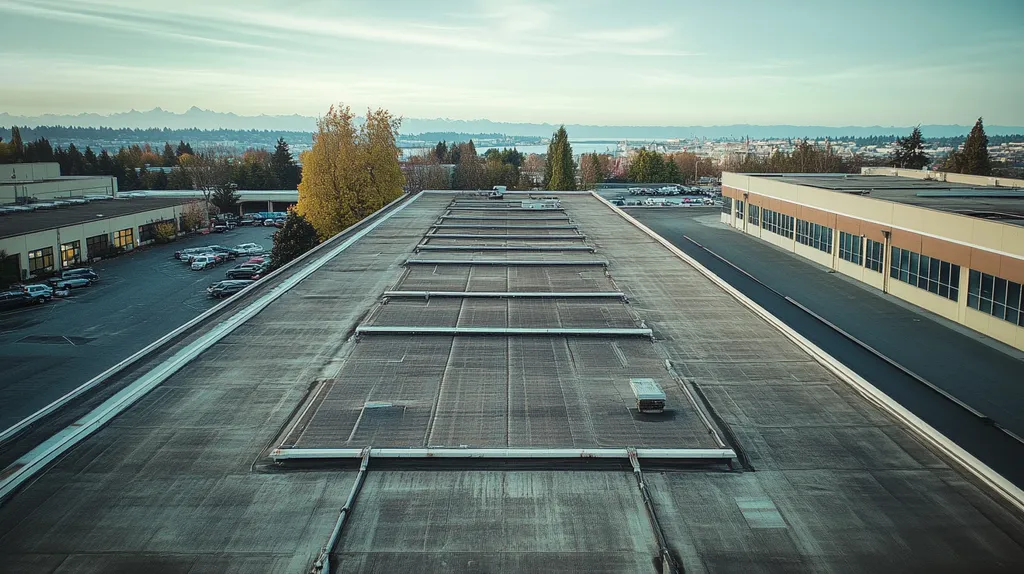
Tree branches present a significant threat to the integrity of commercial roofs. With over 30% of roofs suffering damage from falling branches and debris, property owners must recognize the potential challenges these natural elements bring. By identifying frequent problems, being alert to warning signs, and implementing effective preventative measures, owners can greatly enhance the longevity of their roofs and safeguard the underlying structures.
Frequent Problems & Solutions
Tree branches can lead to various roofing issues, with punctures and tears in roofing materials being among the most common. Such damages expose roofs to water infiltration, resulting in leaks and mold growth. To combat this, regular inspections are crucial—property owners should check for visible damage, especially after storms or heavy winds.
Another common issue is debris accumulation, which traps moisture and fosters the growth of moss or algae. This can wear down roofing materials over time. An effective solution is to schedule routine cleanings, ensuring that gutters remain clear and surfaces are free from debris that obstructs drainage.
Moreover, fallen branches can block access points on roofs, complicating maintenance activities. Maintaining a clear perimeter allows for easy access during inspections and repairs. Consistently trimming or removing overhanging branches can effectively prevent these barriers and maintain safe access.
Engaging with tree care specialists can also help identify branches posing threats to roof structures. Their expertise allows property managers to make informed decisions regarding tree maintenance, which ultimately enhances the roof’s condition while prolonging its lifespan.
Warning Signs To Watch For
Property owners should be vigilant for warning signs of tree-related damage. Visible cracks or holes in roofing materials are immediate red flags; these issues can escalate quickly, leading to more severe structural concerns. Prompt attention is necessary to reduce the risk of water leaks and associated damage.
Another warning sign to look out for is the discovery of moss, algae, or other vegetation growing on the roof. This growth often indicates retained moisture and can lead to the deterioration of roofing materials if left unchecked. Regular roof inspections should include checks for these types of vegetation.
Sagging or uneven roof surfaces could signal potential structural weakening due to accumulated water or debris. Identifying such issues early allows for timely repairs, preventing them from expanding into larger, costlier problems.
Finally, property owners should monitor for water stains on ceilings or walls inside the building. These stains are strong indicators of leaks, potentially worsened by debris from tree branches. Taking immediate action to identify and resolve the source of leaks can prevent further damage and costly repairs.
Preventative Approaches
Implementing preventative strategies can significantly enhance a commercial roof’s resilience to tree-related challenges. Establishing a routine maintenance schedule ensures regular inspections and prompt repairs, identifying potential issues before they escalate into costly damage.
Regular tree maintenance is essential for protecting roofs. Property owners should actively manage tree growth by pruning branches that hang over the roof. Collaborating with certified arborists can ensure that pruning strategies are both safe and effective, promoting the health of the trees while safeguarding the roof.
Moreover, installing protective barriers or mesh can minimize debris accumulation on roofs. These barriers redirect falling leaves and branches, decreasing the risk of water retention and premature wear on roofing materials.
Lastly, documenting roof inspections and repairs provides invaluable insights over time. Keeping detailed records allows property managers to identify recurring issues and improve future maintenance and budgeting decisions, ultimately protecting their investment.
SECTION 6: NEXT STEPS & RESOURCES
The impact of tree branches on commercial roofs is an urgent concern for property owners. Neglected roofs can lead to serious issues—ranging from costly repairs to potential safety hazards. A single fallen branch can cause thousands of dollars in damage, emphasizing the importance of proactive management. Understanding the next steps and available resources empowers facility managers to make informed decisions regarding tree maintenance, roof inspections, and contractor choices.
Questions To Ask Providers
Engaging qualified roofing professionals is essential for effective roof maintenance. Start by inquiring about their experience with tree-related damage. They should demonstrate a solid understanding of issues like sap accumulation or mold growth caused by nearby branches.
Next, ask about their inspection protocols. A reputable provider should outline their schedule for inspections, particularly after severe weather. It’s also wise to discuss specific preventative measures they recommend for trees that are in close proximity to roofs.
Additionally, find out how they manage tree debris removal. Effective debris management is crucial to prevent small problems from becoming major roofing challenges.
Finally, request recommendations for tree trimming services. Many roofing professionals collaborate with trusted arborists who can help ensure that tree care aligns with maintaining roof longevity.
Industry Standards & Guidelines
Adhering to industry standards is vital for effectively managing the effects of tree branches on roofs. The National Roofing Contractors Association (NRCA) offers guidelines that stress the importance of regular inspections in relation to surrounding landscaping.
Moreover, the American National Standards Institute (ANSI) provides best practices for tree care and management. Following these guidelines can significantly reduce risks to roofs and buildings.
Understanding the impacts of weather on tree growth and roof durability is also critical. Local climate conditions can affect how trees interact with roofs, with the Roof Report providing insights on these relationships. These resources help property managers align their maintenance strategies with modern best practices.
By actively referencing these standards, property managers can better protect their investments while ensuring compliance with safety regulations.
Further Learning Simplified
Investing in education about tree maintenance and its implications for roofs can be highly beneficial. There’s a wealth of online resources—including webinars and articles centered on tree management. The International Roofing Expo also hosts educational sessions covering various maintenance topics, including tree impact.
Local workshops focusing on landscape management near commercial buildings can also be invaluable. These events often feature experts in tree trimming and roofing, fostering collaboration among attendees.
Joining industry groups or associations offers additional opportunities for knowledge expansion. Many of these platforms provide newsletters and updates on current trends, ensuring property owners stay informed.
Staying educated enables property owners to make proactive decisions that protect their roofs and support long-term integrity.
The Bottom Line
Tree branch management represents a critical yet often overlooked aspect of commercial roof maintenance, with industry data showing $500 million in annual damages from preventable tree-related issues.
The stakes couldn’t be higher – a single severe weather event can transform minor tree interference into catastrophic roof failure, potentially disrupting operations and threatening valuable business assets.
Property owners who implement comprehensive tree management strategies, including regular inspections, professional pruning, and debris removal, can extend their roof’s lifespan by up to 25%.
By taking action now to address tree branch risks, facility managers protect not just their roofing investment but also safeguard their entire building’s structural integrity for years to come.
The evidence is clear: proactive tree maintenance isn’t just about preventing problems—it’s about ensuring the long-term success of commercial properties.
FREQUENTLY ASKED QUESTIONS
Q. How do tree branches impact my commercial roof?
A. Tree branches can wear down roofing materials through rubbing, which may lead to leaks. Falling branches during storms can puncture roofs, causing significant vulnerabilities. Regularly assessing the distance between trees and your roof is crucial for maintaining roof integrity and preventing costly repairs.
Q. What are effective strategies for managing tree branches near industrial roofs?
A. Implementing regular tree maintenance, like pruning, significantly reduces risks from falling debris. Assessing tree health annually helps identify hazards before they escalate. Furthermore, strategic planning for tree locations can facilitate proper roof drainage, preventing water-related issues that could threaten the roof’s lifespan.
Q. What key terms should I understand regarding commercial roofs?
A. Familiarize yourself with terms like “debris accumulation” and “overhang.” These concepts explain the risks posed by branches and help you communicate effectively with roofing professionals. Understanding “water ponding” is also crucial, as it relates to roof drainage and potential damage caused by nearby trees.
Q. How does tree branch management affect roofing costs?
A. Effective tree branch management helps prevent significant roofing repairs, ultimately saving money over time. Regular maintenance mitigates damage risk, which can lead to more manageable expenses compared to emergency repairs. Additionally, proper management can keep insurance premiums lower by reducing liability associated with tree damage.
Q. What are some common challenges caused by tree branches?
A. Common challenges include punctures in roofing materials and debris accumulation, which can trap moisture and promote mold growth. Property owners must conduct regular inspections, especially following storms, to catch these issues before they escalate into costly repairs.
Q. What questions should I ask roofing professionals regarding trees?
A. Inquire about their experience with tree-related issues and their inspection protocols. Ask about recommended preventative measures for tree maintenance and their strategies for debris removal. This ensures you’re hiring knowledgeable professionals capable of protecting your investment effectively.
Q. What resources can help me learn about tree management for roofs?
A. Utilize resources such as industry guidelines from organizations like NRCA and ANSI. Attend local workshops or webinars focusing on roofing and landscape management to gain practical knowledge. Engaging with professional associations can provide ongoing education and updates on best practices.
Q. How can I proactively protect my commercial roof from tree damage?
A. Establish a routine maintenance schedule for inspections and tree management. Regularly trim overhanging branches and install protective barriers to minimize debris accumulation. Documenting maintenance actions will help identify recurring issues and optimize future protective measures for your roof.






