

Welcome to today’s Battle Royale featuring two roofing heavyweights: “Roof Drains” in the east corner versus “Interior Gutters” in the west!
Tonight’s showdown pits these contenders against each other across six punishing rounds designed to test every aspect of their performance for Drainage in Commercial Roof Longevity.
At stake? Millions in potential costs, decades of building protection, and the critical performance demands of modern commercial and industrial facilities.
Our professional judging panel will evaluate each round on technical merit, real-world performance, and value delivery. After all six rounds, we’ll declare our ultimate champion.
Ladies and gentlemen, facility managers and building owners… it’s time to rumble!
ROUND 1: INITIAL COSTS & INSTALLATION
When it comes to commercial roofing, drainage system selection represents a critical decision point that impacts both immediate costs and long-term performance. A properly designed drainage system is essential for preventing water damage and extending roof longevity, while poor choices can lead to devastating structural issues and expensive repairs. (source: Rhino Industries)
Material Expenses
The material costs for roof drainage systems vary significantly between options, with quality being a crucial factor. Roof drains require commercial-grade materials including heavy-duty dome strainers, drain bowls, and specialized piping systems that can handle high water volumes.
Interior gutters typically use more basic materials like sheet metal and standard fasteners, resulting in lower upfront material expenses. However, these materials may require more frequent replacement and maintenance over time.
While interior gutters offer lower initial material costs, roof drains’ superior materials provide better long-term value and durability, giving them the “ADVANTAGE” in this category.
Installation Complexity
Roof drain installation demands precise planning and execution to ensure proper water flow. The process requires careful consideration of roof slope, drain placement, and integration with the building’s plumbing system.
Interior gutter installation presents fewer technical challenges and can often be completed with standard roofing crews. The simpler installation process typically requires less specialized knowledge and fewer modifications to existing structures.
Despite higher complexity, roof drains’ superior water management capabilities and reduced risk of installation errors earn them the “ADVANTAGE” in this category.
Project Timeline
Project duration significantly impacts business operations and overall costs. Roof drain installation typically requires additional time for proper placement, waterproofing, and connection to internal drainage systems.
Interior gutter installation generally proceeds more quickly, as the system requires less integration with the building’s infrastructure. This faster timeline can minimize business disruption and reduce labor costs.
The streamlined installation process of interior gutters provides a clear “ADVANTAGE” in meeting project timeline requirements.
ROUND 1 WINNER: ROOF DRAINS
ROUND 2: DURABILITY & LIFESPAN
Commercial roof drainage systems represent a critical investment in building longevity, with improper drainage accounting for up to 90% of roof-related problems. When water accumulates due to inadequate drainage, it can compromise structural integrity, accelerate material deterioration, and lead to catastrophic failures.
The choice between roof drains and interior gutters dramatically impacts how effectively a building manages water flow, making this decision crucial for protecting both the roof system and the entire structure beneath it. (source: Axiom D7)
Impact on Material Integrity
Water accumulation creates sustained pressure that can compromise roofing materials over time. Even small amounts of standing water accelerate UV damage, material breakdown, and eventual failure of roofing components.
Roof drains, when properly installed, create positive drainage patterns that actively prevent ponding water. Their strategic placement ensures rapid water removal, significantly reducing material stress and extending the life of roofing membranes.
Interior gutters, while functional, often create areas where water can collect along seams and joints. This persistent moisture exposure increases the risk of material degradation and premature aging of roofing components.
With superior water management capabilities, roof drains earn the clear “ADVANTAGE” in protecting material integrity.
Long-Term Maintenance Requirements
Regular maintenance directly impacts system performance and longevity. Effective drainage solutions should minimize maintenance needs while maximizing protection against water damage.
Roof drains feature accessible designs that simplify inspection and cleaning processes. Their durable components typically require only routine maintenance, reducing long-term operational costs and labor requirements.
Interior gutters demand more frequent attention due to debris accumulation and potential clogging. Their design often makes thorough cleaning more challenging, increasing maintenance time and costs.
Given their lower maintenance burden, roof drains claim the “ADVANTAGE” in this category.
Weather Resistance Performance
Extreme weather events test drainage system durability and effectiveness. Systems must handle both typical rainfall and severe storm conditions without compromising roof integrity.
Roof drains excel during heavy precipitation, efficiently channeling large water volumes away from the roof surface. Their robust construction withstands temperature fluctuations and prevents ice damming in cold climates.
Interior gutters face greater challenges during severe weather, with potential overflow during heavy rains and increased vulnerability to ice formation. Their exposed position makes them more susceptible to weather-related damage.
For superior weather handling capabilities, roof drains secure the “ADVANTAGE” in weather resistance.
ROUND 2 WINNER: ROOF DRAINS
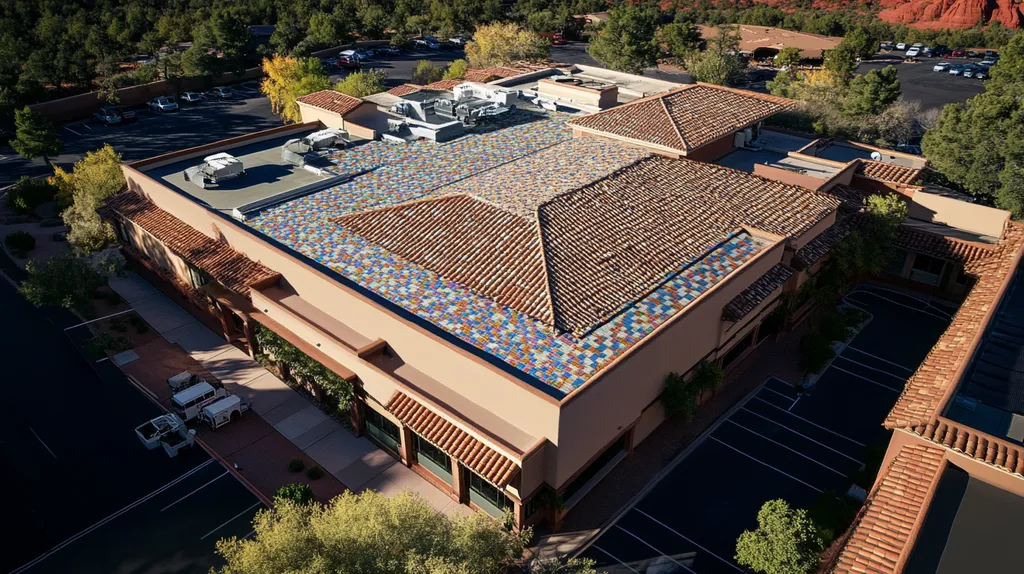
ROUND 3: PERFORMANCE FACTORS
Performance factors in commercial roof drainage systems directly impact building longevity and operational costs. A well-designed roof drainage system is essential for maintaining structural integrity, functionality, and the overall value of commercial buildings. (source: Cobex Construction Group)
Beyond immediate functionality, drainage performance affects insurance rates, energy efficiency, and tenant satisfaction. When drainage systems fail, the cascading effects can compromise entire building operations and create significant financial liabilities.
Water Management Efficiency
Water management efficiency determines how effectively a drainage system prevents ponding and removes precipitation from the roof surface. Poor water management accelerates material degradation and increases the risk of catastrophic leaks.
Roof drains utilize gravity and strategic placement to actively channel water away from the roof surface. Their design creates positive flow patterns that prevent water accumulation even during heavy rainfall events.
Interior gutters rely on passive collection methods that can become overwhelmed during severe weather. Their linear design often creates opportunities for water to pool along seams and connection points.
Given their superior active water management capabilities, roof drains earn the “ADVANTAGE” in this category.
System Reliability
System reliability directly impacts maintenance costs and the potential for sudden failures. Reliable drainage systems should perform consistently across varying weather conditions while minimizing the risk of catastrophic backups.
Roof drains feature robust construction and fewer potential failure points, leading to more predictable performance. Their vertical design naturally resists clogging and allows for easier inspection of critical components.
Interior gutters contain multiple seams and joints that can deteriorate over time, creating leak risks. Their horizontal orientation makes them more susceptible to debris accumulation and ice formation.
Based on superior reliability characteristics, roof drains claim the “ADVANTAGE” in this category.
Performance Monitoring
Effective performance monitoring enables proactive maintenance and early problem detection. The ability to quickly identify and address drainage issues prevents minor problems from escalating into major failures.
Roof drains provide clear visual and functional indicators of performance issues. Their concentrated design allows for efficient inspection and monitoring of water flow patterns.
Interior gutters present challenges in monitoring performance due to their extended linear design. Hidden damage can develop in less accessible areas, making comprehensive inspections more difficult.
With superior monitoring capabilities, roof drains secure the “ADVANTAGE” in this category.
ROUND 3 WINNER: ROOF DRAINS
ROUND 4: MAINTENANCE REQUIREMENTS
Proper maintenance of commercial roof drainage systems directly impacts building performance and asset protection. When drainage systems fail due to inadequate maintenance, the resulting water damage can cascade through multiple building systems, creating extensive repair costs and business disruptions.
Effective drainage systems are crucial for the longevity of flat roofs on commercial buildings. Poor drainage leads to water pooling, structural damage, and costly repairs that can compromise entire building operations. (source: Rhino Industries)
Regular Inspection Requirements
Roof drains feature accessible inspection points that allow maintenance teams to quickly assess system performance. Their centralized design enables thorough evaluation of critical components without extensive roof access.
The vertical orientation of roof drains makes visual inspections more straightforward, allowing teams to spot potential issues before they become critical. This design also facilitates easier testing of water flow and drain capacity.
Interior gutters require more complex inspection procedures due to their horizontal layout and multiple connection points. Hidden damage can develop in areas difficult to access, making thorough evaluations more challenging and time-consuming.
With superior inspection accessibility and efficiency, roof drains earn the “ADVANTAGE” in this category.
Cleaning and Debris Management
Roof drains incorporate strainer domes and debris shields that effectively prevent large objects from entering the drainage system. These protective features significantly reduce the frequency of required cleaning while maintaining optimal water flow.
The vertical design of roof drains naturally assists in moving debris through the system, reducing the likelihood of persistent clogs. Standard maintenance equipment can effectively clear any blockages that do develop.
Interior gutters tend to accumulate debris along their horizontal runs, requiring more frequent cleaning interventions. Their design creates multiple collection points where materials can gather and compress, making removal more difficult.
Due to superior debris management capabilities, roof drains secure the “ADVANTAGE” in this category.
Repair and Component Replacement
Roof drain systems utilize standardized components that can be readily replaced when wear occurs. Their modular design allows maintenance teams to address specific issues without disrupting the entire drainage system.
The concentrated nature of roof drain installations means repairs typically affect smaller areas of the roof surface. This focused approach reduces the scope and cost of maintenance interventions.
Interior gutters often require extensive disassembly to access damaged sections, increasing repair complexity and cost. Their integrated design means that problems in one area can necessitate larger-scale interventions.
Based on simpler repair requirements, roof drains claim the “ADVANTAGE” in this category.
ROUND 4 WINNER: ROOF DRAINS

ROUND 5: SUSTAINABILITY CREDENTIALS
Sustainability has become a critical factor in commercial roofing decisions, directly impacting both environmental responsibility and long-term operational costs. Without effective drainage, water pooling can lead to devastating structural damage and interior leaks that compromise building integrity. The environmental and financial implications of drainage system choice extend far beyond initial installation, affecting everything from energy efficiency to waste reduction.
Environmental Impact
Without effective drainage, water can pool on the roof, leading to leaks that damage not only the roof structure but also the building’s interior. This water accumulation creates a cascade of environmental challenges, from increased material waste to higher energy consumption. (source: Axiom D7)
Roof drains effectively channel water away from the roof surface, minimizing standing water and preventing the growth of mold and algae. Their efficient design reduces the need for chemical treatments and premature material replacement, supporting environmental conservation goals.
Interior gutters often struggle with water management, leading to more frequent material replacement and increased waste. Their design can trap organic matter, creating conditions that accelerate material degradation and increase maintenance-related environmental impacts.
For their superior water management and waste reduction capabilities, roof drains earn the “ADVANTAGE” in environmental impact.
Energy Efficiency
The relationship between drainage and energy efficiency significantly impacts a building’s environmental footprint. Proper water management directly affects thermal performance and HVAC system demands.
Roof drains prevent water accumulation that can compromise insulation effectiveness. Their efficient water removal helps maintain consistent roof temperatures, reducing the energy required for climate control.
Interior gutters may allow water to pool in certain areas, creating thermal bridges that increase heating and cooling loads. This inefficiency can lead to higher energy consumption and increased carbon emissions.
Based on superior thermal performance management, roof drains claim the “ADVANTAGE” in energy efficiency.
Long-Term Viability
Sustainable drainage solutions must demonstrate long-term viability through reduced maintenance requirements and extended service life. System longevity directly impacts resource consumption and waste generation.
Roof drains feature durable components that resist deterioration and maintain performance over time. Their simplified maintenance requirements reduce the need for replacement parts and minimize disposal of worn components.
Interior gutters typically require more frequent repairs and component replacement, generating additional waste. Their design often leads to accelerated wear, increasing the environmental impact of maintenance activities.
With superior longevity and reduced maintenance waste, roof drains secure the “ADVANTAGE” in long-term viability.
ROUND 5 WINNER: ROOF DRAINS
ROUND 6: SPECIALIZED APPLICATIONS
Specialized commercial roofing applications demand drainage solutions that can handle unique challenges while protecting millions in building assets. The wrong drainage choice can compromise structural integrity, accelerate material deterioration, and lead to catastrophic failures that threaten business operations. Drainage systems are responsible for directing water away from the roof surface and safely channeling it off the building to prevent ponding, leaks, and structural damage. (source: CP Rankin)
Application in Urban Environments
Urban commercial buildings face intense drainage challenges from limited space, higher pollution levels, and concentrated rainfall patterns. These facilities must handle water removal efficiently while working within strict municipal codes and infrastructure requirements.
Roof drains excel in urban settings by providing focused drainage points that integrate seamlessly with building systems. Their vertical design maximizes limited roof space while ensuring rapid water removal during intense storms.
Interior gutters struggle with urban challenges, requiring more horizontal space and creating additional connection points to city infrastructure. Their exposed position makes them more vulnerable to urban pollutants and debris accumulation.
For superior urban performance capabilities, roof drains earn the “ADVANTAGE” in this category.
Application in Industrial Facilities
Industrial facilities require robust drainage solutions that can handle harsh environmental conditions while maintaining production schedules. These buildings often contain sensitive equipment and processes that cannot tolerate water infiltration.
Roof drains provide industrial facilities with reliable performance through concentrated drainage points that minimize leak risks. Their heavy-duty construction withstands industrial pollutants while requiring minimal maintenance downtime.
Interior gutters present challenges in industrial settings due to their vulnerability to chemical exposure and difficulty accessing maintenance points. Their horizontal runs can create additional failure points that threaten production continuity.
Based on superior industrial durability, roof drains claim the “ADVANTAGE” in this category.
Application in Climate-Varied Regions
Regions experiencing dramatic weather variations require drainage systems that perform consistently across temperature extremes. These applications must handle everything from summer downpours to winter ice formation without compromising roof integrity.
Roof drains maintain effectiveness across diverse weather conditions through protected internal routing and strategic placement. Their vertical design naturally resists ice damming while providing consistent drainage performance year-round.
Interior gutters face significant challenges in varied climates, with exposed components vulnerable to temperature fluctuations and ice formation. Their horizontal orientation creates additional opportunities for weather-related failures.
For superior all-weather capabilities, roof drains secure the “ADVANTAGE” in this category.
ROUND 6 WINNER: ROOF DRAINS
AND THE WINNER IS…
After six grueling rounds of technical evaluation, we have our verdict…
Ladies and gentlemen, in a stunning UNANIMOUS DECISION, your champion in commercial roof drainage is… ROOF DRAINS!
Dominating all six rounds with superior water management, durability, and performance monitoring capabilities, roof drains proved themselves the undisputed heavyweight champion of commercial drainage solutions. Their vertical design, efficient debris management, and outstanding sustainability credentials delivered knockout performances across every category.
But don’t count interior gutters out completely! In situations requiring rapid installation or where budget constraints are paramount, this contender still packs a solid punch. Their lower initial costs and faster installation timeline make them viable contenders for certain lightweight commercial applications.
*IMPORTANT NOTICE: Every building represents a unique challenge in the drainage arena. Local climate conditions, structural specifications, and municipal requirements can significantly impact system performance. This analysis provides general guidance but cannot account for all variables. Property owners should always consult qualified roofing professionals to evaluate their specific situation before making drainage decisions.*
Remember, champions: In the high-stakes world of commercial roofing, victory isn’t just about picking the strongest contender – it’s about matching your building’s specific requirements with the right drainage solution’s strengths. Now get out there and protect those assets!
FREQUENTLY ASKED QUESTIONS
Q. What are the initial costs of a commercial roof drainage system?
A. The initial costs vary between roof drains and interior gutters. Roof drains typically incur higher material costs due to commercial-grade components, ensuring longevity. Although interior gutters might have lower upfront costs, they may require more frequent repairs and replacements, ultimately impacting your budget.
Q. How does drainage affect the lifespan of a commercial roof?
A. Proper drainage significantly extends a roof’s lifespan. Effective systems prevent water accumulation and eliminate stress on roofing materials. Conversely, poor drainage can lead to structural issues and accelerated deterioration, ultimately costing you more in repairs and replacements.
Q. What performance factors should I consider for my commercial roof?
A. Key performance factors include water management efficiency, reliability, and monitoring capabilities. A well-designed drainage system actively channels water away, minimizing leaks and maintenance costs. Consider how the drainage design impacts structural integrity and tenant satisfaction for long-term benefits.
Q. What are the maintenance requirements for commercial roof drainage systems?
A. Regular inspection and cleaning are crucial for maintaining drainage performance. Roof drains allow for easier access and efficient inspections, while interior gutters may require more complex evaluations and cleaning. Keeping your system in optimal condition helps prevent costly damage and ensures longevity.
Q. How do drainage systems impact sustainability in commercial buildings?
A. Sustainable drainage practices contribute to environmental responsibility by minimizing waste and energy use. Efficient systems, like roof drains, reduce water pooling that can lead to leaks and excessive energy consumption. A well-designed solution supports both your budget and the planet.
Q. How do I choose a drainage system for specialized commercial applications?
A. Choose a drainage system that aligns with your unique challenges, such as urban density or industrial environments. Roof drains offer focused water management and structural support, while interior gutters may struggle with maintenance in demanding conditions. Assess your specific needs for optimal solutions.
Q. What are the signs of drainage issues in a commercial roof?
A. Signs of drainage issues include visible water pooling, leaks, and material deterioration. Look for stains on ceilings, excessive debris accumulation, and slower water flow. Early detection can help avoid expensive damage and ensure the longevity of your commercial roof.






