

In the high-stakes world of industrial real estate, a staggering 65% of facility managers report that outdated roof coatings are actively diminishing their property values. Despite manufacturers’ bold claims about aesthetics, most conventional coating approaches fall embarrassingly short.
The costs run deeper than curb appeal – studies show poorly coated industrial roofs can spike cooling costs by 30% while accelerating structural deterioration. Yet the $14 billion coating industry keeps pushing the same tired solutions.
This analysis exposes the systemic failures of established coating practices while examining emerging alternatives that actually deliver on both visual appeal and performance.
SECTION 1: CURRENT PRACTICES
In the cutthroat world of commercial real estate, the aesthetics of an industrial roof hold more weight than many property owners might think. According to the National Roofing Contractors Association, a well-kept and visually appealing roof can boost property values by as much as 10%. As owners strive to blend function with flair, it’s essential to grasp current coating practices. This section explores the prevalent types of coatings, the tangled web of regulations, and the installation hurdles that the industry faces.
Common Coating Types and Applications
When it comes to industrial roofing, several coatings reign supreme. Elastomeric coatings are a go-to for their impressive flexibility and sunlight-reflecting capabilities, slashing energy bills in the process. Meanwhile, polyurethanes stand tall against the elements, providing solid protection from harsh weather and chemical threats. Acrylic coatings are also popular, known for their fast-drying nature and easy application.
Each coating has its niche, designed for various roofing materials and settings. For example, silicone coatings thrive in humid environments thanks to their waterproof properties. On the flip side, asphalt-based coatings are often the choice for older roofs in need of some serious TLC. Choosing the right coating can dramatically affect both the roof’s longevity and the building’s overall curb appeal.
Industry trends point toward a growing preference for reflective coatings, driven by energy efficiency and sustainability objectives. As property owners become increasingly eco-conscious, the demand for these innovative solutions is set to rise, pushing manufacturers into a next-gen coating arms race.
However, let’s not ignore the elephant in the room: many traditional coatings have aesthetic shortcomings that can’t be brushed aside. Far too often, they result in roofs that look anything but inviting, putting a damper on property value and attractiveness.
Industry Standards and Regulatory Compliance
Navigating the maze of industry standards is no cakewalk, but it’s crucial when evaluating roofing coatings. The American Society for Testing and Materials (ASTM) sets performance benchmarks that coatings must meet to ensure durability and efficiency. Compliance isn’t just box-ticking; it’s vital for product effectiveness and adherence to safety regulations.
Moreover, local building codes often come with their own baggage, dictating requirements for fire safety, energy efficiency, and environmental concerns. Being in the know about these regulations helps property owners dodge potential fines and mitigate compliance risks.
Yet even with all these regulations, the coatings on the market may fall short of addressing the environmental challenges we face today. Property managers are left juggling minimum compliance while striving for an aesthetic that makes sense in a modern context.
As the landscape evolves, filling the gap between regulatory adherence and visual appeal will be paramount. The push for more attractive, compliant coating options is becoming increasingly loud, and it’s a call that manufacturers can’t ignore.
Typical Installation Methods and Challenges
Installing roof coatings generally involves a few common methods, each with its perks and pitfalls. Spray applications are renowned for their speed and even coverage, while rollers and brushes shine in detailed areas needing precision. But these methods come with their own set of challenges.
Weather conditions can throw a wrench in the works, delaying installations, and surface prep often takes more elbow grease than initially anticipated. Plus, an improper application can lead to issues like peeling, cracking, or an early demise for the coating.
Logistical headaches also complicate matters, especially when dealing with rooftops that are high or hard to reach. To address these obstacles, facility managers often have to work hand in hand with roofing contractors to craft custom strategies tailored to specific requirements.
Despite these challenges, the pursuit of resilience and aesthetic appeal remains strong. Investing in better installation techniques can unlock both short-term and long-term benefits, making a property that much more marketable.
SECTION 2: SYSTEMIC ISSUES
When it comes to enhancing industrial roof aesthetics with coatings, property owners often find themselves navigating a minefield of pitfalls. Rising costs and maintenance headaches can turn what should be simple upgrades into financial burdens. Unbeknownst to many, improper application can worsen issues like moisture buildup, putting the roof’s integrity at risk. Recognizing these systemic problems is vital for making savvy roofing decisions.
Cost and Maintenance Implications
The financial stakes involved in coating an industrial roof can catch property owners off guard. While initial investment costs often lure them in, the long-term maintenance expenses tend to lurk in the shadows, waiting to pounce. Coatings may be marketed as cost-effective solutions, but many require frequent reapplications to keep their benefits intact.
For instance, while the sticker price for a warehouse coating might seem appealing, it could call for reapplication every three to five years. Those reoccurring costs can pile up and put a serious strain on facility budgets. Property managers need to keep a close eye on the cumulative impact of these expenses when choosing a coating system.
Moreover, not all coatings are created equal. Some might shine on aesthetics yet fall flat on durability, leading to even more frequent upkeep. For facilities relying on financial predictability, these sneaky hidden costs can morph into a budget nightmare.
Conducting a thorough cost-benefit analysis is paramount before selecting a coating. Understanding the total lifecycle cost of a product will help prevent aesthetic upgrades from transforming into an economic ball and chain.
Limited Breathability and Moisture Trapping
A significant concern lurking beneath many roof coatings is their limited breathability. Traditional coatings can seal roofs tighter than the lid on a pickle jar, trapping moisture beneath the surface. This moisture buildup can foster condensation, becoming a cozy home for mold and deterioration.
For example, when moisture gets cozy under a non-breathable coating, it can lead to structural vulnerabilities and might even trigger costly repairs. This emphasizes the need for coatings that permit vapor permeability while enhancing aesthetics.
Furthermore, trapped moisture doesn’t just attack the roofing material; it also gnaws away at the underlying insulation. This degradation can balloon energy costs and hamper overall building efficiency. Therefore, an informed choice would involve selecting products designed for breathability while optimizing for visual appeal.
If left unchecked, moisture issues can gnaw away at a roof’s longevity. The ideal coating should elevate aesthetics without jeopardizing the roof’s functional integrity.
Professional Application Requirements and Skill Gaps
Applying roof coatings is more than just slapping on paint; it requires specialized skills that can be as elusive as unicorns in some markets. Qualified professionals who understand proper application techniques are essential to achieving a successful installation.
Facility managers often underestimate the importance of professional application. A hastily applied coating can result in uneven finishes, premature wear, and poor adhesion. The end result? An eyesore disguised as an aesthetic upgrade.
Ongoing training and certification are crucial as product technologies keep evolving. The industry is seeing a surge of new coating systems pitched as game-changers. However, without properly trained personnel, these innovations can quickly turn into wasted opportunities.
Thus, facility managers must prioritize hiring skilled applicators who can handle the nuances of different products. Investing in expert skill sets leads to quality results, ensuring that those desired aesthetic upgrades endure the test of time.
SECTION 3: MISSED OPPORTUNITIES
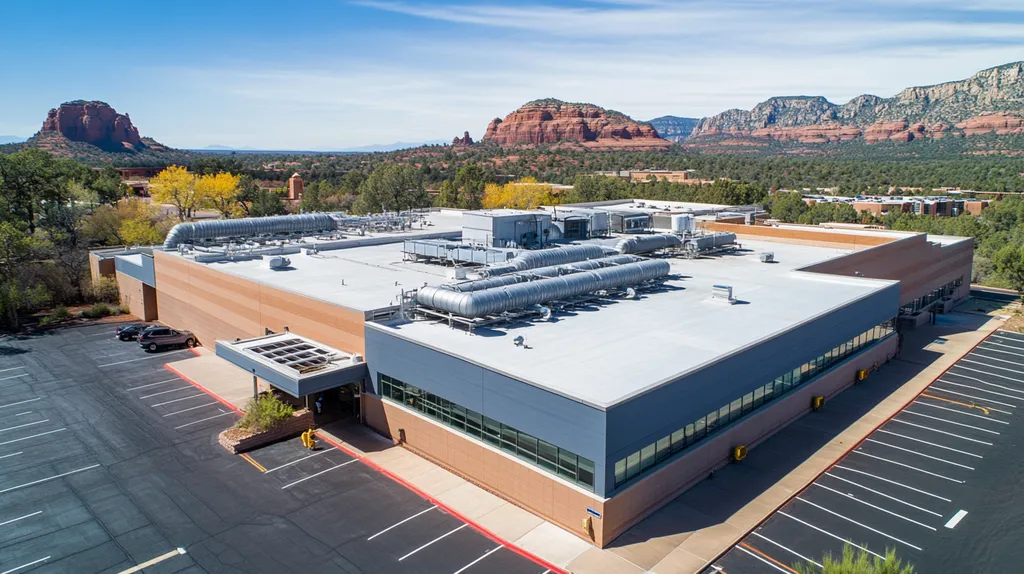
The current approach to industrial roof coatings often leads to substantial missed opportunities for property owners and facility managers. Many overlook the significant energy efficiency benefits that reflective coatings can provide. An industry study has shown that improperly coated roofs can hike cooling costs by up to 30%. Furthermore, the aesthetic enhancements and durability improvements touted by innovative coatings frequently remain untapped, exposing facilities to unnecessary operational and financial risks. This section will dive into three critical areas where current practices fall short.
Overlooked Energy Efficiency Benefits
Energy efficiency in the industrial sector is increasingly crucial, yet many decision-makers underestimate the role roof coatings play in reducing energy consumption. Reflective coatings, in particular, can dramatically decrease roof surface temperatures and lower the cooling load on HVAC systems.
Research indicates that using reflective roofs can cut energy costs by as much as $0.50 per square foot annually. This amounts to substantial savings over the life of the roof. However, many facilities cling to outdated coatings that absorb heat instead of reflecting it.
Choosing the wrong coatings can inflate a building’s energy demands, leading to disappointing operational expenses. Facility managers must weigh initial costs against long-term savings when choosing roofing solutions.
As energy prices surge, the importance of energy-efficient coatings becomes crystal clear. Ignoring these benefits not only saps profitability but also undermines operational efficiency.
Neglected Aesthetic and Color Options
Aesthetics often take a back seat in the industrial roofing sector, yet they can significantly shape how a facility is perceived. Many modern coatings come with color options that can elevate the visual appeal of a building. Choosing the right color can present a more professional front and reinforce brand identity.
For instance, lighter colors can enhance not just aesthetics but also energy efficiency. Surprisingly, many industrial properties default to dull, uninspired colors that miss out on this potential. This neglect risks lost business opportunities and can even hurt employee morale.
Emerging coating technologies boast customizable color options, paving the way for creative solutions that grab attention. However, clinging to outdated mindsets can leave many facilities stagnant and deprived of benefits.
In a competitive market, prioritizing visually appealing roof coatings should be non-negotiable for any facility aiming to stand out. Ignoring these options can leave a company and its reputation underserved.
Unexplored Durability and Longevity Potential
The lifespan of an industrial roof heavily relies on the quality of its coating. Unfortunately, many facilities focus on short-term cost savings without considering the long-term durability of their roofing system. Quality coatings protect roofs from UV damage, moisture intrusion, and extreme weather, significantly increasing their longevity.
High-quality elastomeric coatings, for example, can add years to a roof’s life. Facilities that invest in appropriate coatings could see a roof lifespan increase of 20% or more, translating to major savings on repairs and replacements over time.
However, many current coating options fail to meet evolving industry standards for durability. This oversight can lead to premature failures, triggering costly repairs that impact operational budgets.
Implementing advanced coatings that emphasize durability should be on every savvy facility manager’s radar. Overlooking these crucial options can lead to elevated downtime and maintenance costs, ultimately jeopardizing the facility’s bottom line.
SECTION 4: ROOT CAUSES
Understanding the root causes of aesthetic coating failures is essential for property owners and facility managers. A staggering 30% of coating applications suffer premature failures, leaving roofs looking less than stellar and compromising the overall value of the building. Identifying issues like poor material choice, inadequate surface prep, and insufficient flexibility in extreme weather can guide better roofing decisions and save on costly repairs.
Material Selection and Compatibility Issues
Choosing the right materials for roof coatings is critical for achieving the desired visual impact. Many coatings fail because they clash with the roof’s existing materials. For example, putting an acrylic coating over a silicone roof can lead to disastrous results like blistering and peeling.
This compatibility trouble isn’t just an annoyance; it can lead to extensive repairs. Property owners should understand that not all coatings play nice with every roofing substrate. Misalignment on material choices can both ruin aesthetics and compromise the roof’s structural integrity.
Additionally, chemical interactions between the coating and the roof can be a minefield. A little research and a consultation with experts can prevent these premature failures from becoming a reality. Investing time in selecting compatible materials means securing a longer-lasting, visually appealing roof.
Ultimately, compatible material selection is not merely about looks; it’s foundational for longevity and cost efficiency in roofing solutions.
Inadequate Surface Preparation and Adhesion
Surface preparation might seem like a chore, but it’s essential for any roof coating’s success. Neglecting steps like proper cleaning, priming, or repairs can result in less-than-stellar adhesion. Dirt and debris left on the surface act as barriers, hindering effective bonding.
When adhesion fails, the fallout is immediate. Flaking and peeling coatings not only ruin the roof’s visual appeal but put the underlying substrate at risk for further damage. This makes meticulous surface preparation non-negotiable.
Moreover, thorough surface treatment boosts a coating’s durability. Ensuring surfaces are contaminant-free and primed properly extends the lifespan of coatings significantly. Property owners must make surface prep a priority in their roofing strategy.
Inadequate preparation can lead to aesthetic shortcomings and increased maintenance costs down the road, making it an issue that won’t just disappear.
Lack of Flexibility in Extreme Weather Conditions
Extreme weather can wreak havoc on roof coatings, and many traditional options simply can’t hang tough. Coatings that lack flexibility suffer in fluctuating temperatures, with brittle materials cracking in the cold and losing their protective properties.
Conversely, high temperatures can lead to rapid degradation if the coatings aren’t designed for heat. Property owners must recognize that aesthetics are closely linked to how well a coating performs under harsh weather conditions.
Some modern coatings can expand and contract effectively, maintaining integrity amidst diverse weather changes. Investing in flexible options ensures that roofs remain both visually appealing and functional regardless of the season.
Not considering flexible solutions can bring about costly repairs and a significant decline in aesthetic value as coatings wear out over time. Investing wisely pays off, especially when the forecast is unpredictable.
DATA DRIVEN EVIDENCE
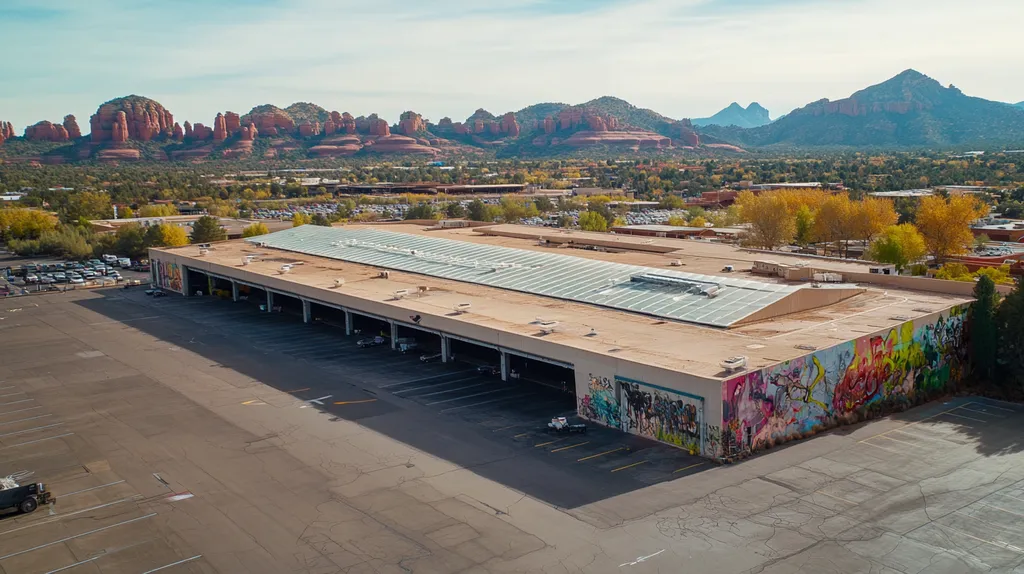
The call for dramatic improvements in industrial roof aesthetics comes with compelling data. Rising energy costs highlight the urgency of understanding how different coatings perform—this knowledge can make or break budget planning. Research demonstrates that enhancing aesthetics not only prolongs roof life but also elevates tenant satisfaction. Therefore, for property owners and facility managers, delving into the evidence surrounding coatings is essential for making wise decisions.
Performance Metrics of Different Coatings
Exploring the performance metrics of coatings reveals striking contrasts in durability and functionality. While acrylic coatings typically boast a lifespan of just 5–10 years, silicone coatings can shine for up to 20 years when properly maintained. This difference dramatically impacts energy efficiency, as reflective coatings can lower rooftop temperatures by 30%—an attractive benefit for any property.
Strong data supports the effectiveness of high-reflective coatings in not just enhancing aesthetics, but also in slashing cooling costs. For instance, a study found that buildings equipped with these coatings enjoyed energy savings of around 15% annually. This correlation makes a compelling case for integrating appearance and financial performance into roofing decisions.
Moreover, coatings featuring UV resistance act as a vital barrier against harsh weather conditions. Research indicates that roofs treated with advanced coatings maintain their structural integrity longer. Such performance metrics demonstrate that a coating’s selection is critical not only for aesthetics but for operational longevity and cost-effectiveness.
In summary, understanding the performance associated with various coatings emphasizes the necessity of making informed selections that enhance both visual and structural vitality.
Case Studies on Coating Failures and Successes
Case studies provide illuminating insights into how different coatings can affect industrial roofs. Take, for instance, a manufacturing facility in Ohio that chose a budget-friendly coating—it buckled under environmental stress and failed in just three years, leading to a staggering $150,000 repair bill.
On the flip side, consider a distribution center in California that invested in a premium reflective coating. Not only did it beautify the building, but it also delivered noteworthy energy savings, decreasing its energy bills by 20% after just five years. This contrast underscores why facilities should commit to thorough research on roofing materials.
These examples highlight the significant consequences of coating choices. Facilities that prioritize effective aesthetic enhancements through sound product selection typically enjoy improved performance and happier tenants.
Ultimately, examining these case studies reinforces the idea that smart coating decisions lead to enhanced aesthetics—benefits extending far beyond mere visual appeal and integrating seamlessly into operational success.
Statistical Analysis of Cost and Energy Savings
Statistical analysis highlights the tangible cost and energy savings linked to various roof coatings. A study from an industry research group discovered that industrial roofs with high-reflectivity coatings can save up to 30% on cooling costs annually—equating to substantial dollar savings over a roof’s lifespan.
These coatings also significantly impact maintenance costs. Facilities with well-maintained coatings report approximately 25% lower maintenance expenditures, emphasizing the importance of investing in durable roofing solutions.
Additionally, effective coatings can extend roof life by an impressive average of 5–10 years. This longevity is essential for budget planning, as fewer replacements lead to more predictable financial forecasting for property managers.
In conclusion, rigorous statistical analysis illustrates the financial and operational benefits of high-quality roof coatings. These insights confirm that considerations of aesthetics can align with energy efficiency and long-term savings—making them a priority for savvy property owners.
SECTION 6: ALTERNATIVE SOLUTIONS
The urgency to elevate industrial roof aesthetics is at an all-time high. As businesses strive for a polished image and look to trim energy costs, the limitations of outdated coating methods become increasingly clear. Fortunately, innovative alternatives are emerging that offer dazzling visuals alongside improved roof longevity and efficiency. This section highlights advanced coating technologies, integrated roofing systems, and best practices for application and maintenance that align with today’s aesthetic demands.
Advanced Coating Technologies and Materials
The latest coating technologies are game-changers that enhance both functionality and appearance. Today’s elastomeric coatings flex with temperature changes, drastically minimizing the risk of cracking. Specialty options, including reflective and textured finishes, not only boost aesthetic appeal but also ramp up energy efficiency.
For example, cool roof coatings reflect sunlight, keeping buildings cooler and slashing HVAC costs along the way. Products enriched with ceramic microspheres offer additional resilience against the elements, ensuring that aesthetic upgrades stand the test of time.
Moreover, eco-friendly coatings crafted from sustainable materials resonate with brands that prioritize green initiatives, enhancing a company’s image while contributing to energy savings.
In selecting modern coatings, property owners should focus on the twin pillars of aesthetics and performance. Implementing these advanced solutions can make a transformative impact, increasing property value while maintaining essential functionality.
Integrated Roofing Systems for Optimal Performance
Integrated roofing systems take a comprehensive approach to roof aesthetics and performance. By combining various components—like membranes, insulation, and coatings—these systems work together in harmony. This ensures that visual enhancements do not jeopardize any vital functional aspects of the roof.
For instance, a high-performance membrane can support aesthetically pleasing coatings that also provide critical protective qualities. Systems utilizing reflective surfaces, paired with durable materials, forge a unified barrier against harsh weather while boosting visual impact.
Additionally, integrated systems can lead to simpler maintenance processes, cutting down on downtime and long-term expenses. This not only eases the maintenance load for facility managers but also keeps roofs in optimal condition.
By investing in integrated systems, property owners can achieve a cohesive aesthetic that promotes both operational efficiency and visual allure, making them a superior choice over the conventional approach.
Best Practices for Application and Maintenance
Executing best practices for the application and ongoing maintenance of roofing coatings is crucial for sustaining attractive aesthetics. Proper surface preparation can dramatically enhance adhesion and durability. Prioritizing steps like cleaning, priming, and repairing existing surfaces can significantly impact final results.
Timing also matters; applying coatings during optimal weather conditions minimizes the risk of improper curing or adhesion failures. Continuous training for applicators on new techniques and materials helps prevent the common pitfalls that can undermine both look and longevity.
After application, conducting regular inspections and maintenance is key. Facility managers should be proactive in addressing wear and tear, as timely interventions can go a long way in extending the life of coatings while preserving their visual appeal.
By embracing these best practices, property owners can ensure their roofs not only look stunning but also provide robust protection and enduring value over the long term.
Moving Forward
The $14 billion coating industry stands at a critical inflection point, with 65% of industrial roofs actively deteriorating due to outdated coating practices.
The data is clear: conventional approaches to aesthetic enhancement through coatings are failing both visually and functionally, costing facility owners millions in repairs and lost property value.
While emerging technologies offer promising alternatives, the industry must address core issues of material compatibility, application expertise, and maintenance protocols before meaningful progress can occur.
Without dramatic shifts in coating selection and installation practices, industrial property owners will continue hemorrhaging money on solutions that compromise both aesthetics and structural integrity.
The path forward demands embracing advanced coating systems that deliver on both visual appeal and performance – the stakes for industrial real estate are simply too high to maintain the status quo.
FREQUENTLY ASKED QUESTIONS
Q. What are the common coatings for a commercial roof?
A. Common coatings include elastomeric, polyurethanes, and acrylics. Each type serves specific needs, such as enhancing durability or energy efficiency. Choosing the right coating is crucial for maximizing aesthetics and longevity.
Q. How does an industrial roof’s aesthetics impact property value?
A. A visually appealing industrial roof can boost property values by up to 10%. Attractive roofing helps convey professionalism and care, which can positively influence potential buyers or tenants.
Q. What are the systemic issues with coatings on industrial roofs?
A. Many coatings suffer from high maintenance costs and moisture trapping, which can lead to premature failures. Recognizing these pitfalls is crucial to making smarter choices when selecting roofing materials.
Q. How do coating failures occur on commercial roofs?
A. Coating failures often result from poor material choices and inadequate surface preparation, leading to peeling or flaking. Identifying root causes can help prevent costly repairs and aesthetic shortcomings in roofing.
Q. What are the energy efficiency benefits of reflective coatings on industrial roofs?
A. Reflective coatings can cut energy costs significantly by lowering roof temperatures. This reduces HVAC workload and can lead to annual savings of up to $0.50 per square foot in cooling expenses.
Q. How can property owners choose the right coatings for aesthetic upgrades?
A. Conducting a thorough cost-benefit analysis and considering compatibility with existing materials are essential steps. Prioritize coatings that enhance aesthetics without compromising durability or performance for optimal results.
Q. What are the best practices for maintaining coatings on a commercial roof?
A. Consistent inspections and timely repairs are crucial for maintaining roof aesthetics. Proper surface prep during application and regular maintenance checks can prevent deterioration and prolong the roof’s visual appeal.






