

The selection of proper roof slope represents one of the most critical yet frequently misunderstood aspects of commercial building design, with incorrect specifications leading to an estimated $3.7 billion in annual repair costs across North America.
Research from the National Roofing Contractors Association indicates that up to 40% of all commercial roof failures stem from inadequate slope design and drainage issues.
This comprehensive analysis examines common misconceptions, practical implications, and evidence-based solutions for determining optimal roof slopes, enabling property owners and facility managers to make informed decisions that protect their investments while maximizing building performance.
SECTION 1: COMMON MISCONCEPTIONS
Choosing the correct slope for a commercial roof is a decision that can significantly impact safety, longevity, and costs. Misunderstandings about roofing slopes often lead to misguided choices, resulting in severe consequences such as water damage and expensive repairs. This section will clarify three prevalent misconceptions regarding commercial roofing slopes, helping property owners and facility managers make informed decisions that enhance the performance of their buildings.
Flat Roofs Are Truly Flat
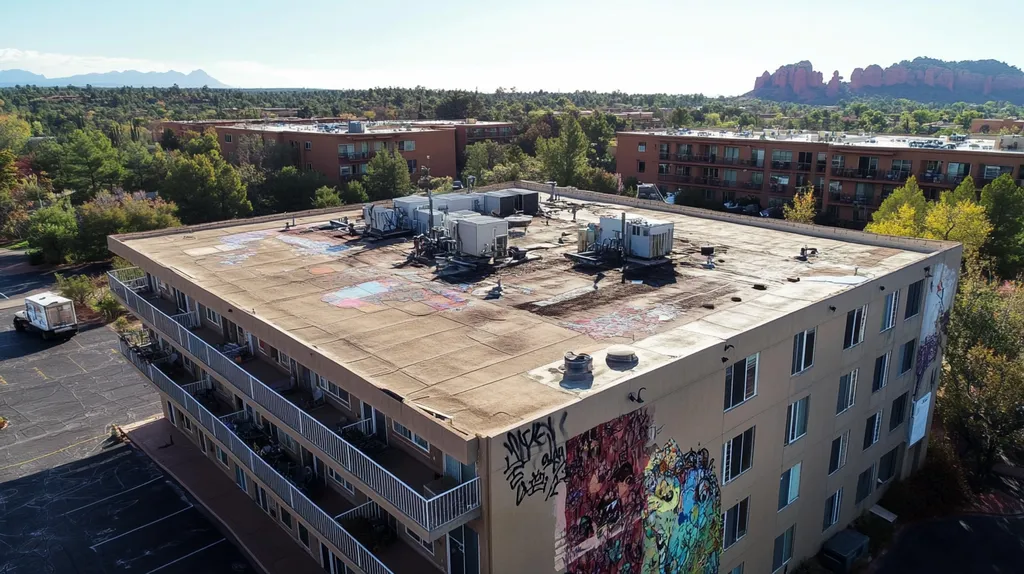
A common belief among property owners is that flat roofs are perfectly level. In reality, most flat roofs incorporate a slight slope designed to facilitate proper drainage. Ignoring this fact can lead to significant issues, such as water pooling, which can contribute to leaks and structural damage.
This misunderstanding can affect installation practices, with some roofers striving for a completely flat surface and overlooking essential drainage requirements. The result could be moisture-related complications that compromise the roof’s integrity and escalate maintenance expenses.
To function effectively, a roof should ideally have a slope of at least 1-2%. This incline directs rainwater toward drains, preventing dangerous pooling that could jeopardize structural stability.
Recognizing the difference between truly flat and low-slope roofs is fundamental for making sound design and maintenance decisions. A clear understanding of a roof’s actual slope empowers property owners to choose appropriate materials and installation methods.
Any Material Works on Any Slope
Another widespread misconception is that any roofing material can be utilized regardless of roof slope. This notion disregards critical principles of roofing design, as some materials are better suited to specific slopes, affecting their durability and overall performance.
For instance, built-up roofing excels in low-slope applications due to its multilayer structure, which enhances protection against water infiltration. On the other hand, asphalt shingles are typically favored for steeper slopes, as they effectively channel water off the roof.
Using inappropriate materials can lead to premature roof failures. For example, applying materials designed for steep slopes on a low-slope roof can cause water retention, resulting in leaks and substantial damage.
Investing in roofing materials tailored to specific slope conditions is crucial. Property owners must be informed about the best materials for their roof configurations to avoid costly mistakes and improve overall roof longevity.
Low-Slope Roofs Are Always Cheaper
Many individuals assume that low-slope roofs are automatically less expensive than steep-slope roofs. While this may seem true during initial installation, hidden costs can accumulate over time due to ongoing maintenance and repair needs.
Low-slope roofs are often more prone to water accumulation and require meticulous drainage planning. This might necessitate the installation of specialized materials that can increase initial costs, as well as regular maintenance to avert water-related concerns, potentially nullifying any upfront savings.
Additionally, warranty issues may arise if low-slope roofs are not adequately maintained. Many roofing systems include warranties that may be invalidated if drainage guidelines are not properly adhered to, leading to unexpected financial liabilities for property owners.
Understanding the long-term ramifications of selecting a low-slope roof is essential. Misestimating both immediate and future costs can severely affect a property’s financial sustainability and return on investment.
SECTION 2: PRACTICAL IMPLICATIONS
Choosing the right slope for a commercial roof is not merely a design choice; it holds immense weight in determining the building’s durability and maintenance costs. Industry studies reveal that improper slopes can lead to severe drainage issues, culminating in water pooling, structural deterioration, and inflated repair expenses. A comprehensive understanding of how slope affects drainage, material compatibility, and structural integrity is critical for property owners and facility managers seeking to safeguard their investments.
Impact on Drainage and Maintenance
The slope of a commercial roof is crucial for ensuring optimal water drainage. Insufficiently sloped or completely flat roofs are prone to standing water, causing leaks, mold growth, and potentially significant roof failure. To promote effective drainage, industry standards suggest a minimum slope of 1% to 2%.
Facilities lacking adequate drainage often see maintenance costs soar due to more frequent repairs. Property managers should conduct regular inspections for pooling water and signs of drainage issues to mitigate potential damage. An effective drainage system not only extends the roof’s lifespan but also cuts down long-term maintenance costs.
Incorporating features like roof drains, scuppers, or gutters may enhance drainage capabilities, making it vital to consider these elements in slope selection. Proper roof slope transcends compliance; it ensures the roof performs well, saving property owners from costly consequences.
In summary, effective drainage management through appropriate slope design significantly reduces the risk of water damage and maximizes the operational life of the roof, providing benefits to the overall facility management strategy.
Material Compatibility and Limitations
The slope of a commercial roof directly impacts the compatibility of roofing materials. Certain single-ply membranes require a minimum incline to function correctly, while built-up roofing can accommodate flatter designs. The incorrect choice of materials can lead to significant performance problems.
Selecting materials that align with the roof’s slope fosters better water management and enhances overall durability. When property owners choose roofing styles that neglect slope considerations, they risk incurring frequent repairs and higher energy costs due to inadequate insulation.
Moreover, roofing systems like green roofs necessitate specific drainage configurations that can be compromised without proper slope. This complexity underscores the importance of consulting professionals during material selection.
Collaborating with roofing experts to evaluate material compatibility based on the roof slope ensures optimal performance and minimizes future expenses, bolstering the longevity of the roofing system.
Structural and Weight Considerations
When determining the appropriate slope for a commercial roof, it is essential to consider structural and weight limitations. A steeper roof pitch may necessitate increased structural support, which can elevate initial construction costs. Understanding the building’s architecture empowers property owners to make informed slope decisions.
Accumulated weight from snow or debris can impose risks on the roof’s structural integrity, especially in regions prone to heavy snowfall. It is crucial for structural engineers to assess local conditions to guarantee that the roof design promotes safety and functionality.
A sloped roof can also provide advantages such as improved ventilation and energy efficiency, but these benefits must be weighed against the potential need for structural reinforcements. Finding the right balance between aesthetics, slope, and structural integrity enhances overall building performance while ensuring compliance with safety standards.
In conclusion, a proactive assessment of structural implications related to roof slope is vital for ensuring safety and maximizing the commercial property’s value.
SECTION 3: COST OF MISINFORMATION
The financial implications of misinformation in commercial roofing can be immense. Misconceptions regarding roof slope often lead to inflated construction costs, heightened maintenance demands, and decreased energy efficiency. Research suggests that poor slope design may increase overall expenses by as much as 30%, adversely affecting both budgets and profitability. For facility managers and property owners, challenging these misconceptions is vital for making informed, cost-effective decisions.
Increased Construction Costs
Selecting an incorrect roof slope can lead to substantial construction expenses. Roofs lacking adequate drainage may require additional labor and materials to rectify slope issues. For example, a flat roof with poor drainage can necessitate costly rework that not only impacts the roofing system but may also jeopardize the building’s structural integrity.
Contractors might need to implement expensive solutions such as installing drains or modifying the roof design during construction, resulting in unanticipated budget overruns. Accurate knowledge of appropriate slope parameters helps ensure that initial estimates reflect true construction costs.
Additionally, rigorous building codes often dictate specific roof slope requirements. Non-compliance can result in steep fines or project delays, further straining financial resources. Thus, adhering to best practices in slope selection is crucial to avoiding these costly pitfalls.
Addressing slope misinformation early in the planning phase is essential to prevent escalating costs over time. By investing in reliable information, property owners can sidestep these additional expenses and safeguard their financial interests.
Higher Maintenance and Repair Costs
Misinformation about roof slope frequently leads to unexpected maintenance and repair expenses. Poor drainage resulting from an inadequate slope can create conditions for water pooling, which accelerates roof deterioration. Consequently, unanticipated repairs may arise, straining budgetary resources.
For instance, a commercial building with a roof that accumulates water due to inadequate slope risks issues such as mold growth and structural damage. These situations necessitate costly reparations and can disrupt business operations, impacting overall productivity.
Moreover, if the roof design does not incorporate an efficient slope, maintenance tasks may become more complex and frequent. Facilities managers may find themselves managing additional inspections and repairs beyond what was planned, leading to increased administrative burdens.
Ultimately, the hidden costs associated with maintenance driven by misinformation can severely diminish a property’s overall value. By understanding the importance of selecting the proper slope, property owners can establish a more durable and cost-effective roofing solution.
Energy Efficiency and Long-Term Savings
The consequences of slope misinformation also extend to energy efficiency, with significant implications for long-term savings. Roofs that fail to facilitate proper drainage can trap heat, causing HVAC systems to operate less efficiently. This inefficiency results in inflated energy bills, which can place stress on operating budgets.
For example, a wrongly designed sloped roof may lead to uneven energy distribution, resulting in soaring utility costs. Understanding how slope influences insulation and ventilation is crucial for enhancing energy performance within a building.
Choosing the correct roof slope can improve a building’s insulation efficiency, leading to decreased energy usage and lower greenhouse gas emissions. These outcomes align with many organizations’ sustainability goals.
In the long term, the savings generated from enhanced energy efficiency can offset the initial investments in quality roofing design. Armed with reliable information about appropriate roof slope, property owners and facility managers can make choices that enhance both financial health and environmental responsibility.
SECTION 4: REALITY CHECK
Selecting the right slope for a commercial roof is critical, influencing not just performance and longevity, but also the aesthetic appeal of the building. An inappropriate slope can lead to serious drainage issues, soaring maintenance costs, and even structural failures. Research from the National Roofing Contractors Association (NRCA) indicates that improper roof pitch can be responsible for up to 20% of roofing failures. To mitigate these risks, property owners and facility managers must evaluate roof pitch alongside local building codes, climate conditions, and design trends.
Understanding Roof Pitch and Its Measurement
Roof pitch, often represented as a ratio of vertical rise to horizontal run, is vital for efficient drainage and water management. For example, a 4:12 pitch translates to a four-inch rise for every twelve inches of horizontal distance. Accurate measurement and understanding of these ratios can prevent costly renovation errors.
A common misconception is that steeper roofs always perform better. Actually, a pitch that is excessively steep can complicate installation and may not suit all roofing types. Conversely, flatter roofs, when engineered correctly, can provide cost-effective solutions appropriate for low-slope techniques.
Furthermore, it’s crucial for property owners to recognize that different roofing materials often come with specific slope requirements to perform optimally. For instance, certain membrane roofing systems work well with low-slope designs, while traditional asphalt shingles typically require a steeper pitch to ensure proper drainage.
Ultimately, a thorough understanding of roof pitch metrics enables stakeholders to make informed decisions, ensuring roofing solutions are designed not just for durability, but also for success.
Importance of Local Building Codes and Climate
Local building codes establish minimum slope requirements for various roof materials, often tailored to regional climate conditions. For example, roofs situated in areas prone to heavy snowfall generally adopt steeper pitches to mitigate snow accumulation and prevent structural damage. Adhering to these regulations is essential not only for reasons of safety but also for maintaining warranty validity.
Disregarding local building codes can lead to steep financial consequences, including fines, project delays, and expensive redesign efforts. Facilities that do not comply risk facing legal liabilities should roof failures occur.
Climate plays a significant role in roof selection and design decisions beyond regulatory compliance. In hotter climates, a slight slope may enhance airflow and reduce heat retention, whereas in humid regions, a proper pitch facilitates efficient water runoff and prevents leaks.
Ultimately, recognizing and adhering to local building codes and climate-specific guidelines are vital factors in selecting the appropriate slope for commercial roofing projects.
Visual and Aesthetic Considerations
While the functional aspects of roof pitch are critical, aesthetic considerations are equally important for enhancing property value and appeal. A thoughtfully selected roof slope can improve a building’s visual character, positively impacting its overall attractiveness and branding potential.
For instance, commercial buildings located in suburban neighborhoods might benefit from slopes that harmonize with nearby residential structures, whereas urban developments often favor flat or low-slope roofs that align with modern design philosophies. Choosing a slope that complements surrounding architecture can enhance community perceptions.
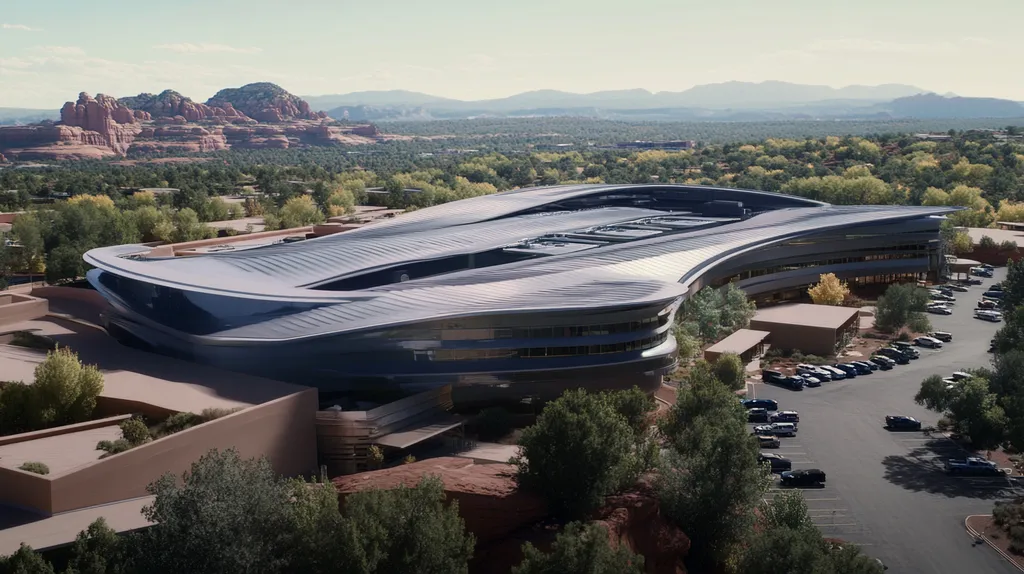
Moreover, current design trends may advocate for unique and unconventional roof profiles, which could integrate distinctive angles or features. Such designs necessitate careful planning and expert consultation to achieve a balance between aesthetics and functionality. Advanced design software can aid in visualizing how different slopes will enhance a building’s appearance.
Striking a balance between visual appeal and functionality ultimately supports both the immediate aims of property owners and the long-term value of assets, making it essential to thoughtfully incorporate aesthetics into the planning process.
SECTION 5: EVIDENCE-BASED ALTERNATIVES
Selecting the appropriate slope for a commercial roof is essential for ensuring its long-term sustainability and functionality. A poor choice in roof slope can lead to severe issues including leaks, structural damage, and early wear. According to industry statistics, 80% of roof failures stem from inadequate installation and material selection. By evaluating various slope options and their corresponding material suitability, property owners can make informed decisions that guarantee durability and cost-effectiveness.
Suitable Materials for Different Slopes
The selection of roofing materials is heavily dictated by the angle of the roof. Low-slope roofs typically utilize membranes such as TPO (Thermoplastic Olefin) and EPDM (Ethylene Propylene Diene Monomer) due to their exceptional waterproofing abilities and durability. These materials effectively manage light to moderate water accumulation, significantly reducing the risk of leaks.
In contrast, steep-slope roofs benefit from traditional materials like asphalt shingles or metal panels, which are adept at shedding water and resisting the burden of heavy snow. These materials not only facilitate efficient drainage but also tend to be easier to install and maintain on pitched surfaces.
Choosing the right roofing material based on slope can preempt costly future issues. For example, using a heavy, moisture-retaining material on a low-slope roof may lead to accelerated deterioration and frequent repairs.
Ultimately, grasping the relationship between roof slope and material selection enables property owners to create a balanced, effective, and enduring roofing solution.
Benefits of Steep-Slope vs. Low-Slope Roofs
Understanding the distinct advantages of steep-slope and low-slope roofs is vital for informed decision-making. Steep-slope roofs are especially beneficial in regions experiencing heavy rainfall and snowfall since they effectively shed water, thereby minimizing the risk of ponding. This design choice not only enhances drainage but can also support better ventilation, leading to reduced energy costs and extending the lifespan of roofing materials.
Moreover, steep-sloped roofs often carry an aesthetic advantage, contributing to the overall character and appeal of commercial buildings.
Conversely, low-slope roofs are generally more cost-effective and simpler to install, offering a valuable choice for businesses aiming to curb initial expenses. These roofs provide flat spaces that can accommodate HVAC installations, solar panels, or even rooftop gardens, maximizing utility in otherwise unused areas.
Ultimately, the decision between steep and low-slope roofs should consider several factors, including local climate conditions, building architecture, and the long-term maintenance strategy.
Innovative Solutions for Specific Needs
With ongoing advancements in roofing technology, innovative solutions continue to emerge, catering to specific building requirements. One notable example is the use of green roofs on low-slope designs. These eco-friendly roofs utilize vegetation to manage stormwater effectively, enhance insulation, and improve visual appeal.
Additionally, integrating solar panels is another innovative approach that can be tailored to various roof slopes. By optimizing the slope for solar collection, property owners can enhance energy efficiency while safeguarding roof integrity.
Another remarkable alternative includes the implementation of spray foam roofing on low-slope surfaces. This technique not only provides exceptional insulation but also seals gaps to prevent leaks, significantly extending the roof’s operational life.
By exploring these innovative alternatives, property owners can boost the functionality and sustainability of their commercial roofs, ensuring they meet the demands of modern building requirements.
SECTION 6: TEST AND VERIFY
Guaranteeing the correct slope for a commercial roof is a non-negotiable aspect of effective roofing management. Inadequate designs can lead to severe water damage, draining valuable resources from businesses. The National Roofing Contractors Association estimates that roofs may account for about 15-20% of a building’s overall value, underlining the importance of comprehensive assessment procedures. Property owners and facility managers must emphasize tailored evaluations and drainage tests to safeguard investments and ensure operational effectiveness.
Conducting Site-Specific Assessments
Before determining an appropriate roof slope, a site-specific assessment is imperative. Each commercial building features unique attributes and challenges that can greatly impact slope requirements. For instance, structures located near water bodies may necessitate steeper slopes to mitigate the risk of flooding.
Additionally, the regional climate plays a key role in the optimal selection of slope. Areas subject to heavy snowfall require greater pitches to avoid snow accumulation, while regions with minimal rainfall may permit lower slopes without adverse effects.
Advanced surveying techniques provide valuable measurements and insights regarding existing drainage capabilities. Conducting these assessments proactively can help identify potential drainage issues before they escalate into costly repairs.
Ultimately, tailored assessments ensure that the chosen roof slope aligns with the specific environmental and functional needs of the building, facilitating long-term sustainability and performance.
Testing for Water Drainage and Leakage
Once a slope has been selected, verifying proper water drainage is crucial for ensuring that the roof performs adequately. Simulating wet conditions allows for an evaluation of how effectively the roof manages rainwater, highlighting potential vulnerabilities.
Using techniques such as water flow testing, professionals can track drainage paths and identify weak points in the system. For example, if water accumulates in particular areas, it may indicate the need for slope adjustments or modifications to the drainage system.
Leak detection methods, such as infrared thermography, are also essential. This technique enables the identification of moisture accumulation beneath roofing materials, allowing for early intervention before significant damage occurs.
Conducting these tests regularly—especially following severe weather—is essential for maintaining the integrity of the building and prolonging the lifespan of the roofing system.
Regular Inspection and Maintenance Protocols
Routine inspections are critical for sustaining the effectiveness of a sloped roof. Scheduled evaluations can identify minor concerns before they develop into serious issues. Research has shown that properties subject to regular inspections experience 40% fewer unexpected repairs.
A comprehensive maintenance protocol should encompass visual inspections, drainage assessments, and checks for wear and tear. These proactive measures are vital for ensuring that the roof’s slope remains efficient over time.
Keeping detailed records of inspections and maintenance activities enhances accountability and aids in tracking the roof’s performance throughout its lifecycle. This data becomes invaluable for future upgrades and repairs.
Consistent care not only preserves the functionality of the roof but also bolsters the overall property value, providing assurance for owners and facility managers alike.
The Bottom Line
With commercial roofing failures costing businesses billions annually, selecting the appropriate roof slope remains a critical decision that demands evidence-based planning and meticulous execution.
Research demonstrates that up to 40% of roof-related issues stem directly from improper slope selection and drainage problems, highlighting the urgent need for informed decision-making in this arena.
The integration of proper slope considerations with material selection, building codes, and climate factors creates a framework for sustainable, cost-effective commercial roofing solutions.
By dispelling common misconceptions and embracing data-driven approaches to slope selection, property owners and facility managers can significantly reduce maintenance costs while extending roof lifespans by 25-40%.
The future of commercial roofing depends on this shift toward precision engineering and systematic verification of slope specifications.
FREQUENTLY ASKED QUESTIONS
Q. Is it true that flat roofs are actually flat?
A. Flat roofs typically have a slight slope to promote drainage. This slope helps prevent water pooling and potential leaks. Ignoring the actual slope can lead to water-related issues and costly repairs.
Q. How does the slope of a commercial roof impact maintenance?
A. An appropriate slope helps direct water away from the roof, reducing pooling and maintenance needs. Insufficiently sloped roofs often incur higher maintenance costs due to frequent repairs necessitated by water damage.
Q. Can misinformation about roof slope increase costs?
A. Yes, misconceptions regarding slope can lead to increased construction, maintenance, and energy costs. Adhering to correct information helps avoid these financial pitfalls, ensuring better budget management for property owners.
Q. Why is roof pitch important in commercial roofing?
A. Roof pitch influences drainage efficiency and material suitability. Proper measurement ensures effective water management and helps avoid costly design flaws. Understanding pitch ensures successful roofing solutions that meet durability requirements.
Q. What materials are best for different roof slopes?
A. Low-slope roofs often use membranes like TPO for effective waterproofing, while steep-slope roofs require shingles or metal panels for drainage. Selecting suitable materials based on slope is vital for long-term roof performance.
Q. How can I assess the proper slope for my commercial roof?
A. Conducting a site-specific assessment helps evaluate the unique characteristics affecting slope requirements. Additionally, professional drainage testing can verify proper water management and highlight potential vulnerabilities in the existing system.
Q. What are some innovative roofing solutions for modern commercial needs?
A. Innovative options include green roofs for stormwater management and solar panel installations tailored to maximize efficiency. These solutions enhance both sustainability and roofing functionality, addressing contemporary building requirements effectively.






