
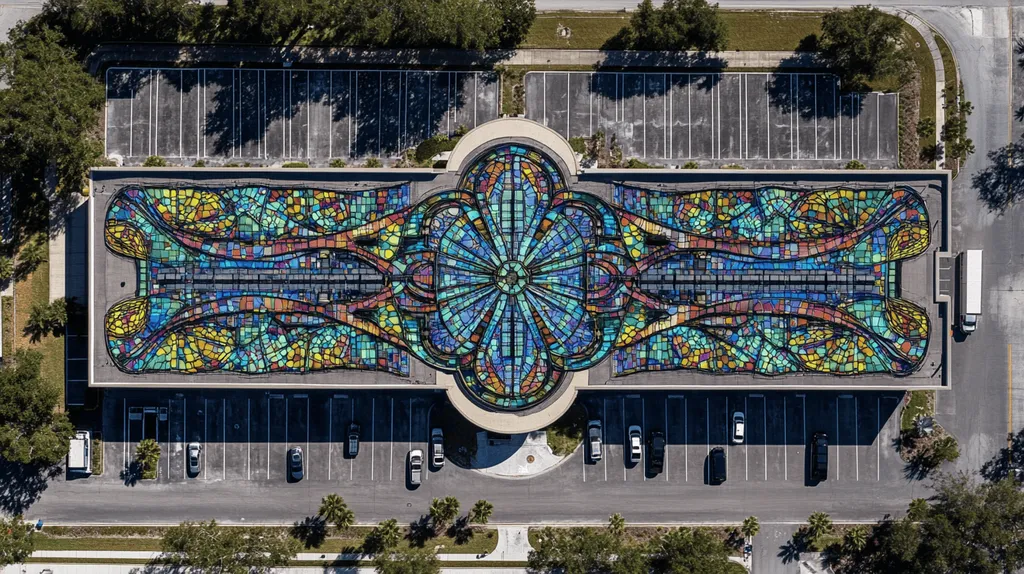
In cities across America, dark roofs are silently intensifying a critical environmental threat. The EPA reports that urban areas now experience temperatures up to 7°F higher than surrounding regions, with commercial buildings contributing significantly to this dangerous heat island effect.
While reflective roof coatings have emerged as a popular solution, mounting evidence suggests these conventional approaches may be falling short of their promises. Complex measurement challenges, regional climate variations, and overlooked alternatives have created gaps between expected and actual performance.
This analysis examines why current urban heat island strategies require urgent reassessment, and explores evidence-based solutions for property owners seeking truly effective cooling measures.
SECTION 1: CURRENT PRACTICES
The urban heat island effect is a growing concern in cities worldwide, where surface temperatures are significantly higher than in surrounding rural areas. In fact, the U.S. Environmental Protection Agency reports that urban regions can be up to 7°F warmer than their non-urban counterparts. This troubling reality urges property owners and facility managers to reassess current cooling strategies, including the implementation of cool roof mandates and the materials used. As the push for energy efficiency intensifies, a clear understanding of these existing practices is crucial for making informed decisions.
Cool Roof Mandates and Regulations
Cool roof mandates have gained momentum in many urban areas, aiming to combat the urban heat island effect by promoting the use of reflective roofing materials. In response, some cities have enacted regulations that require commercial buildings to adopt cool roofs as part of their broader energy efficiency initiatives. However, these mandates often prioritize adherence to regulations over actual performance improvements, which limits their effectiveness in significantly reducing heat absorption.
While the movement toward cool roofs is encouraging, there is marked inconsistency in the criteria that define what qualifies as a “cool” roof. Such variances can confuse property owners who may invest in materials that do not meet the necessary performance benchmarks. Furthermore, even with compliance, the underlying issues of heat retention in urban settings often remain unaddressed, diminishing the intended benefits.
Moreover, the effectiveness of cool roof mandates can falter under extreme weather conditions. During severe heat waves, even highly reflective roofs may not sufficiently cool buildings. Thus, relying solely on mandated cool roofs could be a temporary fix rather than a comprehensive solution to the urban heat island dilemma.
In summary, while the intention behind cool roof mandates is commendable, their implementation often lacks the detail required to achieve meaningful impact, signaling a clear need for reassessment of these strategies.
Common Materials and Applications
Common materials in cool roofing systems include reflective coatings, single-ply membranes, and white or light-colored asphalt shingles. These products are designed to reflect solar radiation, thereby reducing heat absorption significantly. However, property owners often face challenges in navigating a market rife with varying claims about product effectiveness and durability. Not every material marketed as “cool” delivers the expected performance improvements.
Additionally, the application processes for many of these systems are critical yet often overlooked. Improper installation can lead to rapid degradation of materials, compromising their reflective properties and leading to costly repairs. This issue creates an unnecessary cycle where property managers consistently confront premature failures and the need for replacements.
Compounding the difficulties is the geographical variability of roofing materials. A product that performs excellently in one climate may underperform in another region. It is essential for property owners to consider local weather patterns, building orientation, and shading from adjacent structures when choosing roofing materials. This complexity underscores the necessity for tailored solutions rather than generic, one-size-fits-all approaches.
Ultimately, while widely used cool roofing materials boast significant benefits, their actual effectiveness may be compromised due to improper application and insufficient consideration of specific urban environments, calling for a targeted understanding of material performance.
Energy Efficiency Claims
Energy efficiency claims surrounding cool roofs often tout significant energy savings and reduced cooling costs, promising enticing financial returns for property owners. However, these assertions can sometimes be misleading. While they may hold true in controlled studies, the actual outcomes can differ dramatically across diverse building types and climates.
The energy savings driven by a cool roof hinge on several factors including local climate, building orientation, and the cooling methods employed. For instance, reflective roofing may not yield substantial savings in inherently cooler climates or during mild seasons, especially if it fails to complement the building’s thermal dynamics. Such discrepancies can lead to unanticipated higher energy expenditures.
Furthermore, utility rebates and incentives linked to energy-efficient roofs can create a false sense of security when evaluating roofing options. These programs often emphasize short-term gains without addressing the long-term needs of the building’s overall infrastructure, potentially delaying necessary improvements elsewhere.
In conclusion, while energy efficiency claims highlight the advantages of cool roofs, property owners need to critically evaluate these promises to ensure they align with the unique requirements of their properties. Making informed decisions in this space is essential for truly maximizing the benefits of roofing solutions.
SECTION 2: SYSTEMIC ISSUES
The challenges in addressing urban heat island effects are not just minor inconveniences; they represent a growing crisis that drives up energy costs and intensifies environmental strain. According to the U.S. Environmental Protection Agency, urban areas can reach temperatures 5°F higher than their rural surroundings, primarily due to heat trapped by conventional roofing solutions. This systemic issue highlights the urgent need for consistent measurement protocols, an understanding of climate and location variabilities, and a careful consideration of winter heating penalties linked to commercial roof coatings.
Inconsistent Measurement Protocols
The assessment of roof coatings often suffers from inconsistent measurement protocols, creating a barrier to effective decision-making. Studies frequently utilize varying methods to gauge reflectivity and thermal performance, leading to conflicting results that confuse property owners.
In some cases, evaluations depend on lab tests, while others rely on real-world field measurements. These differences in methodology can warp the perceived benefits of roofing materials, leaving stakeholders uncertain about their investments. Such discrepancies can hinder the adoption of innovative solutions and inadvertently perpetuate reliance on traditional materials, which worsen heat island effects.
To address these challenges, implementing standardized measurement protocols across the industry is vital. Doing so would establish a reliable data foundation, foster confidence in the efficacy of commercial roof coatings, and encourage property owners to explore effective alternatives.
Climate and Location Variabilities
The climate and geographic location of a building fundamentally influence the performance of roof coatings. A one-size-fits-all approach does not accommodate the diverse conditions that different regions experience. For example, a highly reflective roof might excel in a sunny, arid climate but struggle in areas with frequent cloud cover or precipitation.
This variability impacts energy efficiency, comfort, and operational costs throughout the year. In colder regions, the same reflective roofing that minimizes cooling costs in summer can lead to higher heating expenses in winter months, potentially negating any financial advantages achieved during warmer seasons.
To maximize the effectiveness of urban heat island mitigation strategies, understanding regional climate patterns is essential. Tailoring roofing solutions to specific environmental conditions can enhance performance and make substantial contributions to energy efficiency.
As weather patterns continue to evolve with climate change, it becomes increasingly important for stakeholders to adapt their roofing strategies. Ongoing assessments will ensure that roof coatings remain relevant and effective in combating urban heat islands.
Winter Heating Penalties
While many commercial roof coatings promise energy savings during hot months, they can also bring about winter heating penalties. A reflective roof that benefits cooling costs may inadvertently increase heating costs in colder regions, presenting a significant challenge for property owners.
Studies indicate that buildings with reflective roofs often experience higher heat loss during winter, leading to inflated energy bills. This issue is particularly critical for facilities with high energy demands, such as hospitals or data centers, where cost considerations are paramount.
Overlooking this aspect can result in unexpected expenses, undermining the overall economic viability of chosen roofing materials. Understanding the delicate balance between summer cooling benefits and winter heating costs is crucial for informed decision-making.
Property managers must evaluate their buildings’ year-round energy requirements to make well-informed choices regarding roof coatings. Only by adopting this comprehensive approach can they truly optimize energy efficiency and minimize unintended costs.
SECTION 3: MISSED OPPORTUNITIES
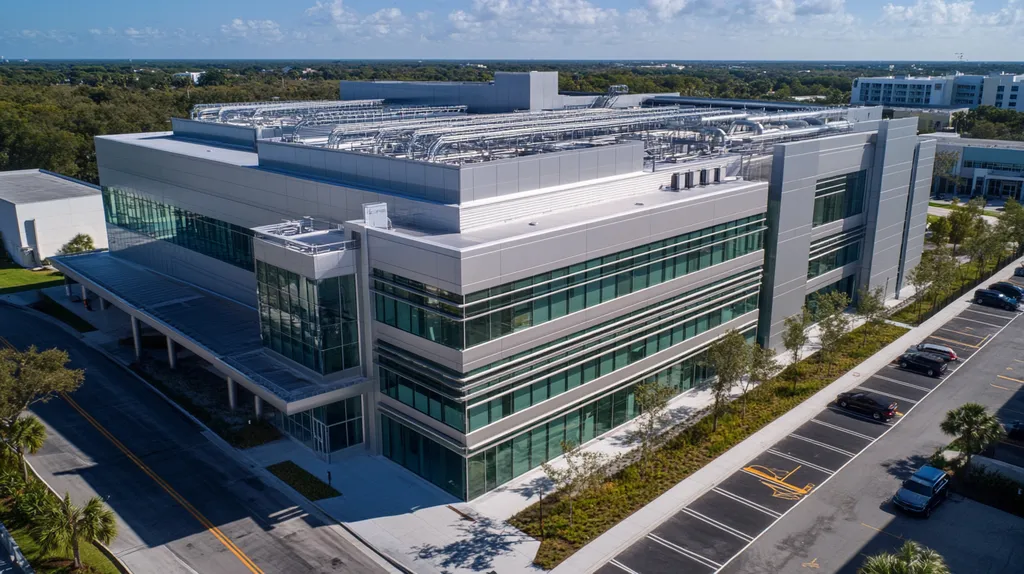
The fight against urban heat islands (UHIs) demands immediate and comprehensive action. Many property owners place too much emphasis on commercial roof coatings while neglecting a wealth of complementary strategies. This oversight can lead to increased energy costs, lower property values, and decreased tenant comfort. To truly diminish the impact of urban heat, it is vital to seize these overlooked opportunities and adopt a more holistic approach to urban heat mitigation.
Overlooking Other Mitigation Strategies
While roof coatings play a crucial role in combating heat, relying exclusively on them limits potential gains. Cool roofs can reduce heat absorption by an impressive 80%, but incorporating additional strategies such as reflective pavements and green roofs can boost overall effectiveness. For instance, reflective pavements not only lower surface temperatures but also enhance the benefits of cool roof technologies.
Integrating energy-efficient HVAC systems with roofing solutions can amplify the positive impact. These systems can decrease overall energy consumption while improving indoor climate control. Such an all-encompassing strategy supports property owners and facility managers in achieving greater long-term cost savings and sustainability.
By failing to implement an integrated approach, the full potential of roof coatings is compromised, leading to rising operational costs. The synergies created by employing multiple methods can create a more formidable defense against UHIs.
Diverse strategies not only enhance the sustainability credentials of buildings but also increase appeal in the real estate market. Properties that embrace comprehensive solutions are likely to experience higher occupancy rates and improved tenant satisfaction.
Neglecting Urban Tree Canopy Impact
The significance of the urban tree canopy in curbing UHIs is frequently underestimated. Trees provide essential shade and help lower surface temperatures, leading to immediate cooling benefits for buildings and their environments. Prioritizing urban forestry in conjunction with roof coatings is critical for maximizing their combined impact.
Research demonstrates that strategically planted trees can reduce city temperatures by several degrees. This decrease not only promotes occupant comfort but also results in more efficient operation of cooling and heating systems.
Moreover, businesses that invest in urban greenery can enhance their brand image. An attractive landscape filled with greenery draws environmentally conscious tenants, thus potentially increasing property value.
It’s essential for property owners and city planners to reevaluate their strategies. Combining urban greenery with roofing solutions can create a powerful synergy that effectively combats urban heat.
Ignoring Hardscape and Pavement Effects
The contribution of hardscapes and pavements to UHIs cannot be overlooked. Although commercial roof coatings can reflect sunlight, asphalt and concrete still absorb and radiate heat, worsening urban heat conditions. To address this challenge, innovative materials like permeable pavements and reflective aggregates should be considered.
Replacing traditional pavement options with these alternatives can significantly reduce heat retention, enhancing the overall thermal efficiency of properties and their surroundings. Ignoring hardscape improvements leads to missed opportunities for heat reduction and optimal energy performance.
An integrative approach that includes advancements in both roofing and pavement solutions can significantly bolster sustainability efforts. The benefits extend beyond individual buildings, positively impacting the environmental health of the community as a whole.
SECTION 4: ROOT CAUSES
The urgency surrounding urban heat islands (UHIs) cannot be overstated. According to the U.S. Environmental Protection Agency, surface temperatures in urban areas can be up to 10°F higher than their rural counterparts. This rise in temperature leads to increased energy costs, exacerbated air pollution, and heightened health risks for vulnerable populations. Understanding the root causes of ineffective urban heat management is essential for property owners and facility managers seeking practical solutions. Key issues include a lack of standardized research methods, insufficient data on the long-term efficacy of existing solutions, and a disregard for varying building types and roof slopes.
Lack of Standardized Research Methods
The roofing industry suffers from a significant gap in standardized research methods related to UHI mitigation. Various studies employ different criteria and methodologies, making comparisons challenging. For example, some research prioritizes short-term temperature reductions, ignoring essential seasonal and environmental variations.
This disparity creates confusion around which coatings genuinely deliver effective results. Consequently, property owners may invest in solutions that fall short of expectations, resulting in higher energy consumption and escalating costs.
Additionally, this lack of uniform standards discourages widespread adoption of the most effective products. Industries thrive on data-driven decisions, and without reliable metrics, stakeholders may hesitate to embrace innovative solutions that could combat the UHI crisis.
Ultimately, addressing this gap in research is critical for advancing effective technologies that can meaningfully reduce UHI effects.
Insufficient Data on Long-Term Efficacy
Another significant hurdle is the scarcity of long-term data on the effectiveness of commercial roof coatings in mitigating UHI effects. Most studies focus on immediate outcomes, which can be deceptive for long-term decision-making. A coating may demonstrate exceptional initial performance, but without robust data on its durability, property managers find it difficult to make informed choices.
For instance, many coatings lose their reflective properties over time due to environmental factors like weathering and pollution. This can lead to unexpected maintenance costs for property owners who trusted their initial investments.
Moreover, the lack of tracking for long-term performance of urban rooftop strategies generates skepticism among stakeholders. Bridging this knowledge gap is essential for crafting effective, financially viable solutions to combat UHIs.
To bolster confidence in roof coating investments, rigorous, long-term studies must become a priority within the industry. This will empower stakeholders to maximize returns while actively contributing to environmental sustainability.
Disregard for Building Type and Slope
Effective UHI mitigation strategies must consider the unique characteristics of different building types and roof slopes. Conventional approaches often employ a one-size-fits-all model that fails to deliver tangible benefits. For example, flat roofs require distinct coating applications compared to sloped roofs, which operate under different drainage and rainfall conditions.
This lack of tailored solutions can lead to suboptimal performance and wasted resources. A sloped roof may derive more benefits from a coating designed to repel water rather than a reflective finish that may not work effectively in that context.
Additionally, the materials used in a coating can behave differently when applied to various architectural styles and surface stresses. By ignoring these critical factors, property owners may miss out on optimizing their investments in roofing solutions.
It is essential for manufacturers and providers to develop comprehensive solutions that address the diverse needs of different buildings. This targeted approach can greatly enhance the effectiveness of commercial roof coatings in combating urban heat islands.
DATA DRIVEN EVIDENCE
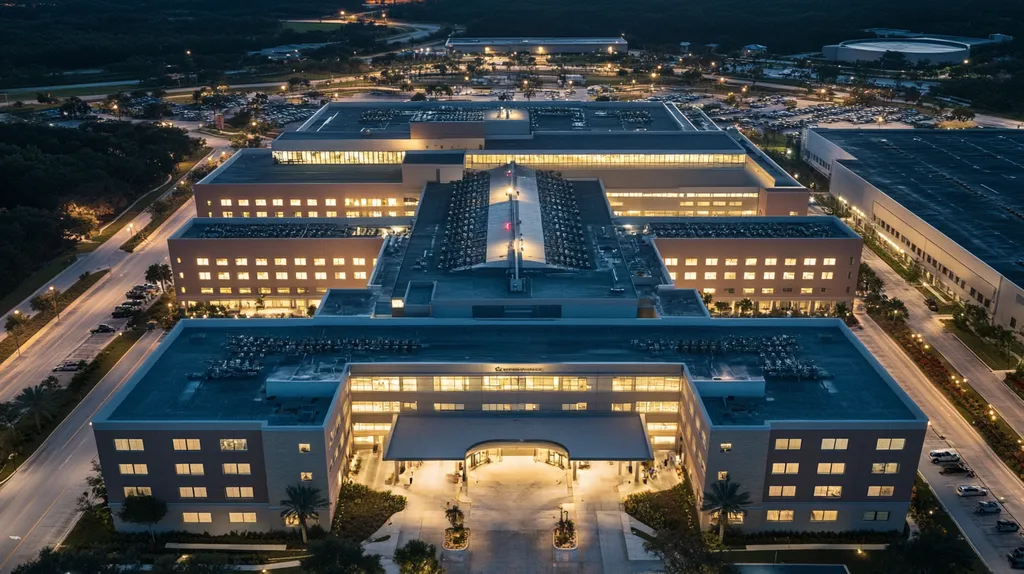
The urgency to tackle urban heat islands (UHIs) has never been more pressing. Research indicates that urban areas can experience temperatures that are several degrees higher than nearby rural regions, contributing to soaring energy bills and serious public health risks. Effective solutions, such as commercial roof coatings, must be prioritized. This section unveils compelling studies on UHI reduction, the implications for energy costs, and the significant impacts on public health and air quality.
Studies on Urban Heat Island Reduction
Research consistently shows that urban heat islands raise temperatures significantly, driving up energy demand. According to the Environmental Protection Agency (EPA), reflective roof coatings can lower roof surface temperatures by as much as 50 degrees Fahrenheit. This reduction serves to cool surrounding air, mitigating the UHI effect effectively.
A pivotal study published in *Environmental Science & Technology* reported that cities employing more vegetation and reflective surfaces could lower peak summer temperatures by up to 2.5 degrees Celsius. This evidence strengthens the case for integrating commercial roof coatings as a strategic measure against UHIs.
Innovative cool roofing initiatives have proven successful in various urban environments. For example, the Cool Roofs Initiative in Los Angeles documented a notable decrease in surface temperatures due to reflective coatings on commercial roofs, offering a replicable model for other cities.
These findings highlight the urgent need for a shift towards more sustainable roofing solutions that can effectively address urban heat challenges, reinforcing cooler, healthier urban landscapes.
Energy Consumption and Cost Analysis
Energy efficiency remains a critical focus for commercial and industrial buildings, especially within urban locales. Traditional roofing materials can trap heat, resulting in excessive air conditioning use and rising energy costs. Conversely, studies show that reflective roof coatings can cut energy expenses by up to 20%.
Notably, research by the Lawrence Berkeley National Laboratory reveals that cool roofs significantly reduce cooling energy demand, leading to long-term cost savings. On an average commercial building, this can equate to annual savings amounting to thousands of dollars.
Additionally, reflective coatings can prolong the life of roofing systems by minimizing maintenance needs. With lowered energy usage, buildings become less dependent on power plants, easing the strain on electrical grids.
The financial advantages of adopting roof coatings go beyond immediate savings. They align with sustainability goals and can enhance property values, making them a savvy investment for forward-thinking property owners.
Public Health and Air Quality Impacts
The ramifications of urban heat islands extend deeply into public health, affecting air quality in cities. Elevated temperatures can intensify smog formation, resulting in respiratory issues and heat-related illnesses. A study from the National Oceanic and Atmospheric Administration (NOAA) found that UHIs contribute to elevated smog levels, leading to increased healthcare costs and a lower quality of life for residents.
Moreover, reflective roof coatings can have a meaningful impact on air quality by reducing pollution levels. Research indicates that cooler roofs lead to lower urban temperatures, which directly diminishes ground-level ozone, a primary component of smog.
For example, cities that have adopted green roofing and reflective coating solutions have reported decreases in asthma-related hospitalizations during peak heat events. This public health improvement makes a strong case for incorporating reflective roofing materials into urban development strategies.
In summary, adopting commercial roof coatings is not merely an energy-efficient approach; it is critical for enhancing public health and improving urban air quality.
SECTION 6: ALTERNATIVE SOLUTIONS
The urgency to tackle the urban heat island (UHI) effect is escalating, leading to soaring energy costs and increased health threats in metropolitan areas. The Environmental Protection Agency indicates that urban temperatures can soar by 5°F to 7°F compared to rural environments. This pressing reality calls for property owners and facility managers to explore integrated solutions, innovative roof designs, and updated policies that promote effective urban heat mitigation.
Integrated Urban Heat Island Mitigation
A comprehensive approach to mitigating urban heat islands is essential for sustainable city development. This strategy involves the integration of green roofs, reflective surfaces, and strategic planting of trees and vegetation. Research from the National Oceanic and Atmospheric Administration demonstrates that urban green spaces can drastically lower surface temperatures, creating immediate cooling effects.
Collaboration among city planners, architects, and property owners leads to multifunctional urban environments. For example, parks paired with commercial buildings enhance aesthetic appeal while simultaneously improving energy efficiency. This combination not only lowers cooling loads but also represents a significant opportunity for energy savings.
Furthermore, adopting these integrated solutions fosters community resilience and promotes biodiversity in urban areas. Cities like Chicago have successfully executed such strategies, resulting in decreased heat concentrations thanks to their coordinated efforts. This holistic methodology addresses UHI issues while supporting thriving urban ecosystems.
Ultimately, integrated solutions ground urban planning in sustainability, fostering healthier communities. Property owners who embrace these strategies can aid in climate adaptation while enjoying reduced operational costs.
Smart Roof Design and Protective Coatings
Innovative roof designs can transform how commercial buildings interact with their surrounding environments. Advanced coatings that reflect solar radiation can significantly lower rooftop temperatures. Research indicates that reflective surfaces can decrease cooling energy consumption by as much as 20%.
These modern roofs are engineered for peak energy efficiency. For instance, certain coatings are formulated to deliver consistent performance throughout varying weather conditions, ensuring property owners realize energy savings year-round. This durability empowers facility managers to optimize energy efficiency regardless of climate changes.
Moreover, smart roofs can synergize with renewable technologies such as solar panels. By combining reflective coatings with energy systems, property owners enhance their investments. This dual-functionality not only mitigates heat buildup but also contributes to sustainable energy generation.
By selecting these advanced roof designs paired with protective coatings, property owners show their dedication to sustainability. The substantial cost-saving benefits, combined with environmental advantage, make these modern solutions a crucial choice for contemporary facilities.
Incentives and Policy Adjustments for Cool Roofs
Promoting the adoption of cool roofs effectively requires targeted incentives and strategic policy changes. Many municipalities are beginning to understand the advantages of cool roofs and are now offering tax credits and rebates to incentivize property owners. Such financial support can significantly reduce installation costs, encouraging a transition to these beneficial roofing options.
Furthermore, cities can revise building codes to prioritize the use of reflective roofing materials. Establishing these regulations can reshape market expectations and spur innovation within the roofing sector. By creating standards, local governments can guide property owners toward embracing more sustainable practices.
Successful initiatives abound, such as in Los Angeles, where cool roof programs have resulted in lower neighborhood temperatures. Property owners involved in these initiatives report decreased energy expenditures, thereby paving the path for wider acceptance and implementation of cool roofs.
Incentives and proactive policies not only support individual property owners but also enhance community well-being. By establishing a supportive framework that promotes the use of cool roofs, urban areas can significantly mitigate heat impacts and elevate the overall quality of life.
Looking Ahead
The evidence is clear: conventional approaches to urban heat island mitigation through commercial roof coatings are falling short of their promises, costing property owners millions in wasted investments and missed opportunities.
Studies show that reflective coatings alone reduce surface temperatures by up to 50°F, yet cities continue experiencing dangerous temperature increases of 7°F or more above surrounding areas.
The path forward requires an integrated strategy combining smart coating technologies, urban forestry, and innovative hardscape solutions.
Only by addressing measurement inconsistencies, regional climate variations, and building-specific requirements can the commercial real estate sector effectively combat rising urban temperatures.
The stakes couldn’t be higher – the health of our cities and the sustainability of our buildings depend on getting this right.
FREQUENTLY ASKED QUESTIONS
Q. What are the current strategies in commercial roofing for urban heat reduction?
A. Current strategies for urban heat reduction focus on cool roofs, which utilize reflective materials to minimize heat absorption. However, many municipalities prioritize regulatory compliance over performance improvements, which can limit their overall effectiveness. Property owners should seek a deep understanding of these materials and their long-term capabilities to make informed decisions.
Q. How do systemic issues impact the effectiveness of industrial roof coatings?
A. Systemic issues such as inconsistent measurement protocols can significantly undermine the effectiveness of industrial coatings. Variations in data collection lead to confusion for property owners who rely on those metrics for their decisions. Standardizing measurement approaches can establish a clearer understanding of product performance, enabling better investment choices.
Q. What opportunities are missed when only using commercial roof coatings?
A. Relying solely on commercial roof coatings overlooks the potential benefits of integrated strategies like green roofs and reflective pavements. Combining these methods can enhance cooling effects and lead to greater energy savings. A comprehensive approach not only improves efficiency but also boosts property value and tenant satisfaction.
Q. What are the root causes of ineffective urban heat management?
A. Key root causes include a lack of standardized research methods and insufficient long-term data on coating efficacy. These gaps lead to property owners making uninformed choices, which can increase energy consumption and costs. Understanding these limitations is crucial for developing effective urban heat management strategies.
Q. What does the data say about energy savings from roof coatings?
A. Studies indicate that reflective roof coatings can cut energy expenses by up to 20%. Additionally, by reducing cooling demand, these coatings help lower overall operating costs for commercial buildings, making them a financially savvy option. Long-term benefits also enhance sustainability efforts and property values.
Q. How can integrated solutions improve urban heat management?
A. Integrated solutions that combine green roofs, reflective surfaces, and strategic landscaping can drastically reduce urban temperatures. Collaborating city planning efforts leads to multifunctional spaces that enhance aesthetics and energy efficiency. Such holistic strategies not only mitigate heat but also support biodiversity and community resilience.
Q. What incentives can support the adoption of cool roofs?
A. Financial incentives such as tax credits, rebates, and updated building codes can encourage the adoption of cool roofs. By offering such support, municipalities can guide property owners towards more sustainable roofing options. Successful cool roof programs often lead to reduced energy costs and improved neighborhood temperatures.






