
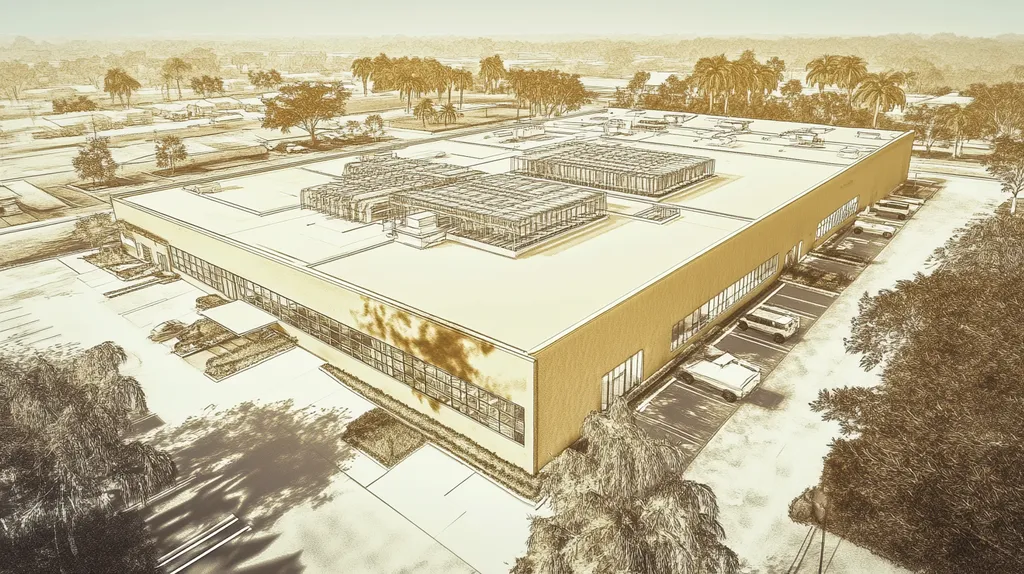
A staggering 40% of industrial roof failures could be prevented through proper training and maintenance protocols, yet many facilities continue to operate with undertrained staff handling critical repairs.
From OSHA compliance violations costing companies millions annually to preventable water damage destroying inventory, the stakes of inadequate roof repair training are astronomical.
This comprehensive guide equips facility managers with actionable solutions across six vital areas: performance monitoring, financial planning, regulatory compliance, risk management, operational procedures, and long-term optimization strategies.
SECTION 1: PERFORMANCE FACTORS
Performance factors are the backbone of any successful industrial roofing system, and understanding them is essential for facility managers. A staggering 30% of roof failures can be attributed to poor maintenance, highlighting the urgent need for regular checks and proactive measures. Ignoring these vital factors can lead to expensive repairs, safety risks, and invaluable downtime. This section covers three pivotal areas: Surface Condition Assessment, Drainage System Evaluation, and Membrane Integrity Checks.
Surface Condition Assessment
A thorough surface condition assessment serves as an early warning system for potential roofing issues. Regular inspections can uncover cracks, blisters, and signs of wear that could undermine a roof’s strength. If left unchecked, these small problems can escalate into major leaks and structural damage.
Utilizing visual inspections along with advanced technologies like infrared thermography can reveal moisture lurking beneath the roofing membrane. Identifying these hidden issues early on can result in significant cost savings for the facility over time.
To ensure that wear and damage are promptly detected, facility managers should establish a routine schedule for surface assessments. Consistent documentation of findings helps track the roof’s condition, making it easier to advocate for necessary repairs or replacements when the time comes.
Key Action Items
Drainage System Evaluation
The efficiency of a facility’s drainage system directly impacts the longevity and effectiveness of the roof. Clogged or improperly designed drains can create serious problems, such as leaks and structural weakening. Therefore, effective rainwater management is a must; without it, water pooling could lead to costly repairs.
Facility managers should conduct routine inspections of gutters, downspouts, and scuppers to check for clogs or damage. Regular maintenance and cleaning are vital to prevent overflow issues that can arise during heavy storms. Keeping the drainage system in optimal working order should be a key focus in any maintenance strategy.
It’s also essential to evaluate how the drainage system interacts with the roofing membrane. Misalignments can worsen pooling, underscoring the importance of conducting these assessments frequently.
Key Action Items
Membrane Integrity Checks
Maintaining membrane integrity is key to ensuring a roof’s longevity and performance. The membrane stands as the first barrier against the elements, making it crucial to identify any punctures, seam failures, or degradation quickly to prevent leaks and moisture infiltration.
Facility managers should carry out both physical inspections and non-destructive testing methods to evaluate membrane condition. This should include checking seam adhesion and identifying wear patterns that may reveal weak spots. Addressing any issues found immediately can prevent escalated damage.
Additionally, the type of roofing membrane used has a significant impact on long-term durability. Familiarity with the strengths and weaknesses of various materials can guide future maintenance and repair plans. Investing in quality roofing membranes initially can lead to reduced costs in repairs and maintenance down the road.
Key Action Items
SECTION 2: FINANCIAL CONSIDERATIONS
Grasping the financial impacts of industrial roof repairs is not just important—it’s essential for safeguarding operations and minimizing losses. A roof in disrepair can lead to operational disruptions and financial headaches that ripple through an entire organization. With just one leak, the potential costs can escalate rapidly, causing damage beyond repair. Facility managers must take a proactive approach by conducting thorough cost-benefit analyses, budgeting for preventive maintenance, and assessing the return on investment for any roofing upgrades. Each of these elements plays a crucial role in ensuring both financial health and long-term sustainability.
Cost-Benefit Analysis of Repairs
Conducting a cost-benefit analysis is the key to making wise decisions about roof repairs. This analysis involves comparing the immediate costs of repairs against the long-term savings that can be achieved by avoiding further damage. For instance, a leak could result in extensive interior damage and productivity losses if not addressed quickly. By calculating these potential costs, facility managers gain a clearer picture of the financial stakes on the table.
Moreover, timely repairs can enhance energy efficiency, leading to lower utility bills. Using reflective roofing materials is one strategy that can significantly decrease energy consumption, allowing for greater savings in the long run. Investing wisely can ultimately yield a solid return, reinforcing the importance of making informed financial choices.
Choosing high-quality repair materials may come with higher upfront costs, but their durability can translate into substantial long-term savings. A thorough cost-benefit analysis empowers managers to prioritize immediate repairs while also ensuring financial efficiency moving forward. Regular audits help catch underlying issues early, preventing future expenses associated with extensive damage or loss.
Key Action Items
Budgeting for Preventive Maintenance
Establishing a budget for preventive maintenance is vital for protecting roofing assets. Ensuring regular upkeep can drastically reduce the burden of major repairs down the line. Facility managers should consider setting aside a specific percentage of the overall budget—usually around 1-3% of the building’s value—for preventive maintenance. For a facility valued at $1 million, this translates to an annual budget of $10,000 to $30,000.
This proactive financial strategy helps to identify minor issues before they spiral into costly repairs, allowing for uninterrupted operations. Routine preventive maintenance tasks often include inspections and gutter cleanings that can save time and money.
Additionally, adhering to regular maintenance is crucial for maintaining warranties, as neglect can lead to increased costs for repairs or replacements. A well-planned budget not only protects these investments but also enhances safety, further extending the lifespan of the facility. By integrating preventive maintenance into the budget, facility managers support a safer, more reliable operational environment.
Key Action Items
ROI on Roofing Upgrades
The return on investment (ROI) for roofing upgrades is often undervalued but critical in facility management. Upgrading roofing systems can lead to energy efficiency improvements, decreased maintenance costs, and higher property values. For instance, modern materials like TPO or EPDM can result in energy savings that exceed 20% annually, significantly improving annual budget allocations.
Beyond energy savings, making energy-efficient upgrades might yield tax incentives or rebates, adding to the financial benefits and enhancing the overall financial landscape. These considerations should play a significant role in ROI discussions, underlining the value of investing in high-quality materials and technologies.
Diving deeper, roofs that are designed for enhanced durability reduce the frequency and costs of replacements. This longevity maximizes the investment over time, making upgrades worthwhile. Furthermore, aesthetically pleasing roofs can attract tenants and increase leasing opportunities, with the potential for positive financial impacts felt both immediately and in the long run. Focusing on ROI encourages a forward-thinking approach in facilities management.
Key Action Items

SECTION 3: COMPLIANCE REQUIREMENTS
Compliance requirements for industrial roof repairs are crucial—not just regulatory checkboxes but the foundation of worker safety and building integrity. Noncompliance with OSHA regulations, for instance, can result in hefty fines and operational disruptions. Facility managers must navigate an intricate landscape that encompasses OSHA regulations, local building codes, and environmental standards, safeguarding their facility, workforce, and the community at large.
OSHA Regulations for Roof Access
The Occupational Safety and Health Administration (OSHA) enforces vital regulations for roof access that facility managers need to prioritize. For instance, employees working at heights exceeding six feet must utilize fall protection systems. This commitment not only protects workers but also mitigates potential legal liabilities for facility managers.
Neglecting these safety protocols can lead to dangerous accidents and severe injuries. Notably, falls rank among the leading causes of workplace injuries in construction, underscoring the importance of robust safety measures and comprehensive training.
Regular training sessions focusing on OSHA guidelines can empower workers to perform tasks safely and effectively, including the proper use of personal protective equipment (PPE) and safe ladder practices. By embracing OSHA compliance, facility managers foster a safer working environment that enhances overall operational efficiency.
Key Action Items
Local Building Codes and Standards
Local building codes and standards form the backbone of any successful industrial roofing project. These regulations outline specific design, material, and construction practices essential for safety and reliability. For example, certain regions may require specific load-bearing capabilities for roof structures, particularly in areas prone to heavy snowfall.
Disregarding local codes risks incurring expensive rework and possibly compromising the structural integrity of the building. Ensuring compliance helps ensure roofing systems are robust enough to endure local weather challenges, thereby minimizing long-term maintenance costs.
To steer clear of violations, it’s crucial for facility managers to engage with local authorities early in the roofing process. This proactive stance can streamline approval protocols and identify potential compliance issues upfront.
Key Action Items
Environmental Compliance Checks
Environmental compliance checks are essential for safeguarding both the facility and the surrounding community. Various regulations dictate the proper disposal of roofing materials and the handling of hazardous substances. For example, roofs containing asbestos must be managed according to stringent Environmental Protection Agency (EPA) guidelines.
Noncompliance can result in severe penalties, lawsuits, and damage to a company’s reputation. Addressing environmental compliance not only minimizes risks but also fosters a culture of corporate responsibility.
Conducting regular environmental audits can uncover potential compliance gaps before they escalate into more significant issues. Facility managers should prioritize collaboration with environmental consultants to ensure all regulations are met.
Key Action Items
SECTION 4: RISK MANAGEMENT
Managing risks associated with industrial roofing is critical for protecting both property and personnel. Unexpected leaks or structural failures can lead to significant financial losses; a report indicated that businesses lose an average of $7,600 yearly from roof leaks alone. By identifying potential risks early, facility managers can mitigate financial strains and avoid operational disruptions. This section will delve into how to pinpoint leak sources, assess structural integrity, and combat weather-related damage.
Identifying Potential Leak Sources
Leak detection should be a proactive part of every facility management strategy. Roofing systems, exposed to various elements, are prone to leaks, but with regular inspections, issues can be spotted before they develop into costly problems. Look out for poor seam conditions and ruptured membranes, as these are common culprits.
Flashing—the metal strips that redirect water—serves as a critical line of defense against leaks. Facility managers must ensure that flashing is intact and secure; even minor damage can lead to substantial water ingress if not addressed in a timely manner.
Keeping drainage systems clear of debris is essential in preventing pooling water, which amplifies leak risks. Regular cleaning of catch basins and gutters should be a key aspect of your maintenance schedule.
Employing advanced technologies, such as infrared scanning, boosts leak detection efforts by revealing hidden leaks that traditional inspections may miss, adding another layer of security to roofing systems.
Key Action Items
Assessing Structural Integrity Risks
The structural integrity of a roof is essential for workspace safety. A compromised roof can pose serious safety hazards, including the risk of sudden collapses. Facility managers should conduct regular inspections of the underlying support structure to ensure it can safely handle any added loads.
Consideration must be given to weights from equipment or accumulated snow, which can exceed safe limits. Consulting structural engineers for thorough assessments becomes vital, especially in industries with specific load requirements, such as manufacturing or warehousing.
Aging materials used in the roofing system itself should also be monitored for signs of deterioration, as they could lead to both leaks and safety hazards if they fail to support structural loads.
Key Action Items
Mitigating Weather-Related Damage
Severe weather can severely impact industrial roofs, so it’s crucial to adopt effective mitigation strategies. Facilities in regions susceptible to extreme conditions must ensure their roofs are designed to withstand high winds, heavy rainfall, or snowfall. Evaluating roof types suited to specific climates can be a game-changer.
To bolster resilience against severe weather events, consider installing reinforcements, such as upgraded materials or additional membrane layers. Implementing preventive measures, like wind uplift analysis, can forecast potential complications before they arise.
Establishing a comprehensive weather response plan is also vital. This plan should outline emergency protocols for various weather scenarios, enabling facility managers to act swiftly to avert damage.
Ultimately, investing in risk management helps safeguard building assets while prioritizing employee safety. Preparedness is crucial in minimizing overall risk exposure.
Key Action Items
SECTION 5: OPERATIONAL PROCEDURES
Effective operational procedures are vital for reducing risks and extending the life of industrial roofs. Postponed repairs can result in extensive water damage, diminished energy efficiency, and costly operational pauses. Research indicates that neglecting regular inspection schedules can inflate repair costs by up to 30%. This section highlights the necessity of establishing inspection schedules, utilizing comprehensive checklists, and effectively prioritizing repairs.
Scheduling and Timing of Inspections
Creating a consistent inspection schedule is crucial for any facility manager serious about roof maintenance. Ideally, inspections should take place twice a year—before and after harsh weather seasons—to catch potential issues early and limit maintenance expenses.
The timing of these inspections can make a difference; conducting them during mild weather prevents complications from extreme conditions. Inspections shortly after heavy rainfall or snowfall provide a chance to assess any damage caused by the weather. By establishing a predictable inspection rhythm, facility teams can allocate their resources more efficiently.
It’s also beneficial to assign inspection responsibilities to enhance accountability. Designating a specific team member or hiring an expert ensures thoroughness and consistency, which can improve the roof’s longevity and overall performance. Maintaining a centralized record of inspection dates and findings supports informed future decisions.
Key Action Items
Inspection Checklist Implementation
A solid inspection checklist is essential to guarantee thorough evaluations of an industrial roof. The checklist should encompass critical aspects such as membrane integrity, flashing conditions, and debris accumulation, directing inspectors to the most important areas and ensuring comprehensive assessments.
Safety protocols must also be included in the checklist, ensuring compliance with regulations during rooftop inspections. Digital tools can enhance the inspection process, allowing teams to document findings with photos and notes directly in real-time. This integration greatly improves accountability and minimizes the chances of missing significant issues.
Moreover, a standard checklist promotes consistent training for both new and existing staff, fostering a culture that values meticulousness. Regular training sessions can reinforce the importance of following the checklist diligently, significantly impacting the long-term reliability of roofs. Over time, insights from the checklist can guide necessary adjustments, keeping inspections aligned with best practices.
Key Action Items
Post-Inspection Repair Prioritization
Following inspections, effectively prioritizing repairs is vital for efficient roof management. Not all issues necessitate urgent action; some may pose immediate threats while others can be scheduled for resolution later. For instance, a major leak discovered during an inspection must be addressed right away to prevent further internal damage.
Facility managers should categorize repairs into three levels: immediate, short-term, and long-term. Immediate repairs tackle urgent safety or structural integrity concerns, while short-term fixes might involve patching up minor leaks. Meanwhile, long-term repairs could encompass full replacements of roofing membranes or substantial structural upgrades.
Communicating the priorities clearly to the maintenance team is essential for a smooth repair process. A color-coded priority system can help visually indicate which repairs demand urgent attention, enhancing team efficiency. Following up on prioritized repairs keeps the team accountable and allows for evaluation of the response effectiveness, contributing to proactive roof management.
Key Action Items
SECTION 5: OPERATIONAL PROCEDURES
Effective operational procedures are vital for reducing risks and extending the life of industrial roofs. Delayed repairs can lead to severe water damage, decreased energy efficiency, and costly operational pauses. Research shows that not sticking to regular inspection schedules can inflate repair costs by up to 30%. This section highlights the urgency of scheduling inspections, implementing comprehensive checklists, and prioritizing repairs efficiently.
Scheduling and Timing of Inspections
Creating a consistent inspection schedule is essential for facility managers dedicated to roof maintenance. Ideally, inspections should take place twice a year—once before and once after harsh weather seasons. This advance planning helps catch potential issues early, reducing overall maintenance costs.
Timing matters too; consider scheduling inspections during mild weather to sidestep complications caused by extreme conditions. Inspections shortly after heavy rainfall or snowfall provide an opportunity to assess any damage. A predictable inspection rhythm allows facility teams to allocate their resources effectively.
Assigning responsibility for inspections boosts accountability. Designating a specific team member or utilizing an external expert ensures thorough, consistent evaluations that improve both roof longevity and overall performance. Documenting inspection dates and findings in a centralized system aids in tracking issues over time.
Key Action Items
Inspection Checklist Implementation
An effective inspection checklist is crucial for thorough evaluations of an industrial roof. This checklist should cover essential areas, including membrane integrity, flashing conditions, and debris accumulation, helping inspectors focus on high-priority points.
Safety protocols also need to be part of the checklist to ensure compliance with regulations during inspections. Digital tools can enhance this process by allowing teams to capture photos and notes in real time, leading to improved accountability and reducing the risk of missing critical issues.
A standardized checklist fosters consistent training for both new and existing staff, encouraging a detail-oriented culture. Regular training sessions on checklist adherence can significantly improve the quality of inspections, impacting long-term roofing reliability. Ultimately, these checklists become a framework for ongoing roof care.
Key Action Items
Post-Inspection Repair Prioritization
After inspections, it’s essential to prioritize repairs effectively for streamlined roof management. Not all issues require immediate action; some may present urgent risks, while others can be addressed later. For example, a significant leak should be tackled right away to prevent internal damage.
Facility managers should classify repairs into three categories: immediate, short-term, and long-term. Immediate repairs focus on safety or structural concerns, short-term fixes might include patching minor leaks, and long-term repairs could entail full membrane replacements or substantial upgrades.
Communicating these priorities clearly to the maintenance team is crucial for an efficient repair process. A color-coded chart can visually indicate which repairs demand urgent attention versus those that can wait, fostering transparency and improving team responsiveness. Regular follow-ups ensure that prioritized repairs are completed on time.
Key Action Items
Looking Ahead
Industrial roof repairs represent a $12 billion annual investment across U.S. manufacturing facilities, yet 40% of catastrophic failures could be prevented through proper training and maintenance.
The stakes have never been higher, with the average roof failure causing over $250,000 in damages and weeks of operational downtime.
Facility managers must embrace a comprehensive training approach that addresses performance monitoring, financial planning, compliance requirements, risk assessment, operational procedures, and long-term optimization.
Only by implementing rigorous inspection schedules, maintaining detailed documentation, and prioritizing preventive maintenance can facilities protect their valuable roofing assets.
The future of industrial roofing lies in proactive management, data-driven decision making, and investment in proper training protocols.
FREQUENTLY ASKED QUESTIONS
Q. What are the key performance factors for a commercial roof?
A. Performance factors include surface condition assessments, drainage evaluations, and membrane integrity checks. Regularly addressing these aspects can significantly extend the lifespan of your roof and prevent costly repairs.
Q. How can I budget for industrial roof maintenance costs?
A. Consider setting aside around 1-3% of your facility’s value for maintenance. This proactive budgeting allows for timely repairs and minimizes the risk of extensive damage, ensuring your roof remains in top condition.
Q. What are the compliance requirements for an industrial roof?
A. Compliance requires adherence to OSHA regulations, local building codes, and environmental standards. Understanding these guidelines ensures safety, legal compliance, and protection for your facility and workforce.
Q. How can I identify leak sources in my commercial roof?
A. Schedule regular inspections to assess conditions like flashing integrity and drainage cleanliness. Using advanced technologies, like infrared scanning, helps pinpoint hidden leaks before they cause significant damage.
Q. What should I include in a roof inspection checklist?
A. Your checklist should cover membrane integrity, flashing conditions, debris accumulation, and safety protocols. This comprehensive approach ensures thorough evaluations and helps maintain high standards for roof care.
Q. How do I prioritize roof repairs after inspections?
A. Classify repairs into immediate, short-term, and long-term categories. Urgent issues should be addressed first, while other repairs can be scheduled based on severity and available resources for effective management.
Q. What additional resources can help with industrial roof training?
A. Look into industry associations offering training programs, webinars, and certifications tailored to roof maintenance. Engaging with experienced professionals can fill knowledge gaps and enhance your team’s skills.






