
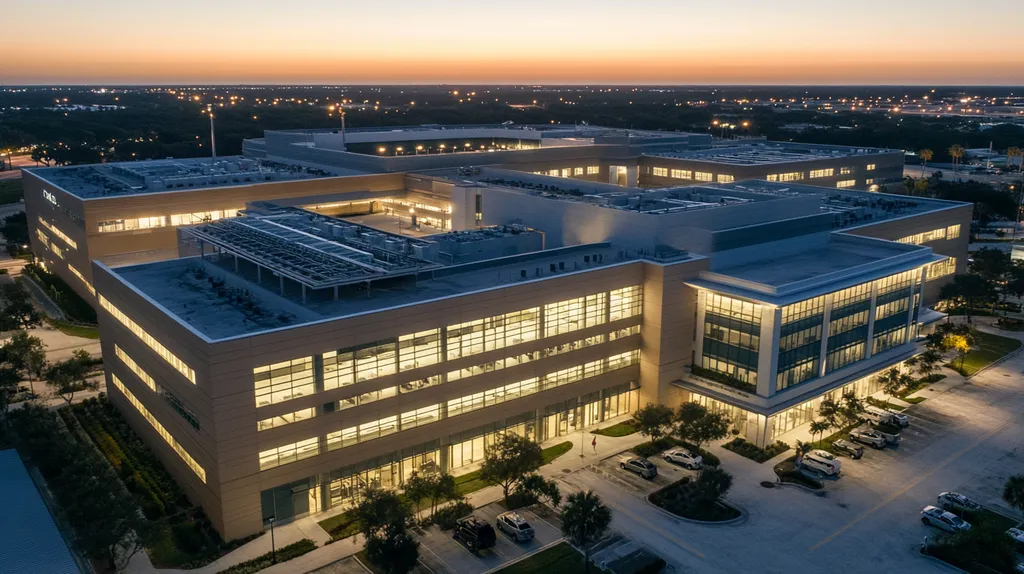
Welcome to today’s Battle Royale featuring two roofing heavyweights: “TPO” in the east corner versus “PVC” in the west!
Tonight’s showdown pits these contenders against each other across six punishing rounds designed to test every aspect of their performance for Best Practices for Disposing of Commercial Roof Systems.
At stake? Millions in potential costs, decades of building protection, and the critical performance demands of modern commercial and industrial facilities.
Our professional judging panel will evaluate each round on technical merit, real-world performance, and value delivery. After all six rounds, we’ll declare our ultimate champion.
Ladies and gentlemen, facility managers and building owners… it’s time to rumble!
ROUND 1: INITIAL COSTS & INSTALLATION
When commercial roofing systems reach their end of life, property owners face critical decisions that impact both immediate costs and long-term facility operations. The choice between TPO and PVC roofing systems represents a significant investment, with installation costs often reaching hundreds of thousands of dollars for large commercial facilities. Understanding the nuances of material expenses, installation requirements, and project timelines becomes essential for making informed decisions.
Material Expenses
The material cost differential between TPO and PVC significantly impacts project budgets. TPO materials typically cost 30-40% less than comparable PVC membranes, making them particularly attractive for large-scale installations.
TPO’s competitive pricing stems from simpler manufacturing processes and lower raw material costs. The material’s increasing market share has also driven down production costs through economies of scale.
PVC commands premium pricing due to its advanced chemical formulation and enhanced durability features. However, its recyclability can offset some costs, as total recycling expenses depend on project size and transportation logistics.
TPO holds a clear ADVANTAGE in material expenses, though savvy facility managers should consider lifecycle costs alongside initial pricing.
Installation Complexity
Installation complexity directly affects labor costs and the potential for installation errors. TPO membranes feature lighter weights and greater flexibility, allowing faster positioning and fewer seams.
The heat-welding process for TPO proves straightforward, requiring less specialized training for installation teams. This translates to lower labor costs and a broader selection of qualified contractors.
PVC installation demands more precise temperature control during welding and careful attention to chemical compatibility with adjacent materials. These requirements often necessitate more experienced installation crews.
With its simpler installation requirements and lower technical barriers, TPO gains another ADVANTAGE in this category.
Project Timeline
Project duration impacts both direct costs and business disruption. TPO installations typically complete 20-30% faster than equivalent PVC projects due to simplified handling and installation procedures.
The faster curing times of TPO heat-welded seams allow for quicker water-tight completion. This reduces vulnerability to weather delays and accelerates project completion.
PVC installations require more precise scheduling around optimal welding conditions and longer curing periods. Additional time must also be allocated for specialized detail work around penetrations and edges.
The efficiency and speed of TPO installation earns it a clear ADVANTAGE in project timelines.
ROUND 1 WINNER: TPO
ROUND 2: DURABILITY & LIFESPAN
Commercial roofing systems must withstand decades of harsh environmental conditions while maintaining their protective integrity. The choice between TPO and PVC significantly impacts replacement cycles, with premature failures potentially costing facility owners millions in emergency repairs and business disruption.
Chemical Resistance
Chemical exposure from industrial processes, cleaning agents, and environmental pollutants can severely degrade roofing membranes. TPO membranes offer good baseline resistance to common chemicals but may show vulnerability to prolonged exposure to industrial solvents.
TPO’s chemical composition can vary between manufacturers, leading to inconsistent performance when exposed to harsh chemicals. This variability requires careful specification review to ensure compatibility with facility operations.
PVC membranes demonstrate superior resistance to chemicals, oils, and industrial pollutants. Their consistent formulation provides reliable protection across diverse industrial environments.
PVC earns a clear ADVANTAGE in chemical resistance due to its superior formulation stability and proven track record.
UV and Weather Resistance
Continuous exposure to ultraviolet radiation and weather extremes tests the limits of roofing materials. TPO membranes incorporate UV stabilizers and reflective properties that maintain performance in sun exposure.
However, early generations of TPO showed accelerated degradation in high-heat environments. While newer formulations have improved, long-term performance data remains limited.
PVC membranes excel in UV resistance through their inherent chemical structure. Decades of field performance demonstrate reliable protection against weather extremes without significant degradation.
The proven long-term UV and weather resistance of PVC earns it an ADVANTAGE in this category.
Physical Durability
Physical impacts from maintenance traffic, debris, and equipment installation challenge roofing system integrity. TPO membranes provide good puncture resistance and maintain flexibility throughout their service life.
The recyclability of PVC roofing can significantly reduce disposal costs while generating value from salvaged materials. Major projects have achieved up to 95% material recycling rates, demonstrating the sustainable potential of PVC systems. (source: Roofing Elements Magazine)
PVC membranes typically demonstrate superior tear resistance and dimensional stability. Their proven track record in demanding applications gives them an edge in long-term performance.
PVC claims another ADVANTAGE in physical durability through superior material properties and proven performance.
ROUND 2 WINNER: PVC
ROUND 3: PERFORMANCE FACTORS
Commercial roofing disposal practices have evolved significantly as environmental regulations tighten and landfill costs escalate. With over 1.2 billion square feet of roofing materials reaching end-of-life annually in North America, property owners face mounting pressure to implement responsible disposal strategies that balance environmental stewardship with financial constraints.
Environmental Impact
The environmental footprint of roofing disposal extends far beyond landfill space consumption. Heat-welded TPO membranes can be efficiently separated from insulation and other roofing components, facilitating material recovery and recycling.
TPO’s simpler chemical composition allows for more straightforward recycling processes. The material can be ground and repurposed into new roofing products or used in other construction applications.
PVC disposal presents greater environmental challenges due to its chlorine content and complex additive formulations. While technically recyclable, finding facilities equipped to process PVC roofing remains difficult in many regions.
TPO claims the ADVANTAGE in environmental impact through its superior recyclability and reduced processing requirements.
Regulatory Compliance
Meeting disposal regulations requires careful documentation and certified handling procedures. TPO materials generally face fewer restrictions due to their limited chemical content and established recycling pathways.
The straightforward composition of TPO simplifies compliance documentation. Most waste management facilities readily accept TPO materials without requiring special handling or permits.
PVC disposal often triggers additional regulatory oversight due to potential chemical leaching concerns. Many jurisdictions classify PVC as requiring special handling, increasing documentation requirements and disposal costs.
TPO’s simpler regulatory pathway earns it the ADVANTAGE in compliance considerations.
Cost Implications
Disposal costs can significantly impact project budgets and facility operating expenses. TPO’s lighter weight reduces transportation costs, while its recyclability often qualifies for reduced tipping fees at waste management facilities.
The growing network of TPO recycling programs provides cost-effective alternatives to landfill disposal. Some manufacturers even offer credit programs for returned TPO materials.
PVC disposal typically incurs higher costs due to specialized handling requirements and limited recycling options. The material’s weight and processing needs often result in premium disposal fees.
TPO secures another ADVANTAGE through lower overall disposal costs and potential recycling credits.
ROUND 3 WINNER: TPO
ROUND 4: MAINTENANCE REQUIREMENTS
Effective maintenance strategies dramatically impact the longevity and performance of commercial roofing systems. Industry data shows that over 80% of roof failures stem from inadequate maintenance rather than material defects. With replacement costs averaging $12-15 per square foot, the stakes for proper maintenance planning are significant for facility budgets and operations.
Inspection Requirements
Regular inspection programs form the foundation of effective roof maintenance. TPO systems typically require semi-annual professional inspections, with additional checks after severe weather events or nearby construction activities.
TPO’s lighter color makes damage identification straightforward, while its uniform surface allows for efficient visual assessments. The material’s flexibility also simplifies inspection of seams and penetrations.
PVC systems demand more frequent inspections due to their complex chemical composition and potential for plasticizer migration. Their darker surface can mask early signs of degradation, requiring more thorough examination protocols.
TPO claims an ADVANTAGE in inspection requirements through simpler protocols and easier damage identification.
Repair Procedures
The complexity and cost of repairs significantly impact maintenance budgets. TPO membranes allow for straightforward repair procedures using heat-welding techniques that most roofing contractors can perform effectively.
Local repairs on TPO systems typically require minimal surface preparation and achieve full strength within hours. The material’s consistent composition ensures reliable patch adhesion across manufacturers.
PVC repairs demand more precise temperature control and chemical compatibility testing. The material’s specialized formulation often requires manufacturer-certified contractors for warranty-compliant repairs.
TPO earns another ADVANTAGE through simpler, more cost-effective repair procedures.
Cleaning Requirements
Surface cleanliness directly affects energy efficiency and membrane longevity. TPO surfaces resist dirt accumulation and typically require only annual cleaning with standard commercial detergents.
The smooth finish of TPO membranes allows rainfall to naturally remove most contaminants. When cleaning is needed, standard pressure washing equipment proves effective without risking membrane damage.
PVC systems require more frequent cleaning to maintain reflectivity and prevent chemical degradation. Their textured surface tends to trap debris, necessitating specialized cleaning solutions and techniques.
TPO secures a final ADVANTAGE through reduced cleaning requirements and simpler maintenance procedures.
ROUND 4 WINNER: TPO
ROUND 5: SUSTAINABILITY CREDENTIALS
The roofing industry generates over 11 million tons of waste annually in North America, with disposal costs rising 15% year over year. As landfill capacity shrinks and environmental regulations tighten, facility managers must carefully evaluate the end-of-life implications of their roofing choices. Understanding the sustainability credentials of TPO and PVC systems has become crucial for both environmental compliance and cost control.
Recyclability of Materials
The recyclability of roofing materials directly impacts both disposal costs and environmental footprint. TPO membranes feature a simpler molecular structure that allows for straightforward recycling into new construction products.
Most TPO manufacturers now operate take-back programs that accept clean membrane material. The recycling process requires minimal chemical processing and produces few waste byproducts.
PVC recycling faces significant technical challenges due to its complex chemical composition. The presence of chlorine and various additives requires specialized processing facilities that are not widely available.
The superior recyclability and established recycling infrastructure gives TPO a clear ADVANTAGE in this category.
Chemical Impact and Disposal Safety
Safe disposal practices must address both environmental protection and worker safety. TPO’s chlorine-free composition eliminates many hazardous waste concerns during disposal or recycling operations.
The material produces no toxic emissions when processed and requires no special handling procedures. This simplifies compliance with environmental regulations while reducing disposal costs.
PVC disposal presents greater environmental risks due to potential chlorine gas release during processing. Many facilities require additional safety protocols and monitoring when handling PVC waste.
TPO claims another ADVANTAGE through reduced chemical impacts and simpler handling requirements.
Resource Conservation
The efficiency of material recovery significantly affects sustainability performance. TPO’s uniform composition allows for nearly complete material recovery when properly processed.
The material can be efficiently separated from other roofing components without specialized equipment. This reduces energy consumption during recycling while maximizing the amount of recoverable material.
PVC recovery often requires more intensive processing due to material degradation and contamination concerns. The additional energy and resource requirements reduce the net environmental benefit.
TPO earns a final ADVANTAGE through superior resource conservation potential.
ROUND 5 WINNER: TPO
ROUND 6: SPECIALIZED APPLICATIONS
Commercial roofing disposal represents a critical challenge for the construction industry, with over 20 billion pounds of roofing waste entering landfills annually. Specialized applications for material recovery and reuse can dramatically reduce environmental impact while lowering project costs. Understanding these options becomes essential as disposal regulations tighten and landfill fees continue rising.
Material Recovery Methods
The effectiveness of material recovery directly impacts both environmental performance and project costs. TPO membranes can be efficiently separated from insulation and other components through mechanical processes that preserve material integrity.
Advanced recycling equipment allows TPO to be ground into uniform particles suitable for manufacturing new construction products. The material’s consistent composition ensures reliable quality in recycled products.
PVC recovery requires more complex chemical separation processes due to its specialized formulation. The presence of reinforcing materials and chemical additives complicates material separation.
TPO claims the ADVANTAGE through simpler recovery methods and better material preservation.
Processing Requirements
The complexity of processing directly affects disposal costs and environmental impact. TPO processing requires minimal specialized equipment, allowing more facilities to handle the material effectively.
TPO’s thermoplastic nature enables direct reprocessing without chemical modification. The material can be efficiently sorted, cleaned, and prepared for recycling using standard equipment.
PVC processing demands strict environmental controls and specialized handling procedures. Many facilities lack the necessary equipment and permits for PVC recycling.
TPO earns another ADVANTAGE through reduced processing requirements and broader facility acceptance.
End-Use Applications
Successful material recovery depends on viable end-use markets for recycled content. TPO’s consistent properties and minimal contamination make it suitable for various construction applications.
A sustainable recycling strategy requires high quality reclamation in the tear-down, reprocessing efficiency and a ready customer base for the recycled product. Major projects have achieved up to 95% material recycling rates, demonstrating the sustainable potential of well-planned recovery programs. (source: Roofing Elements Magazine)
PVC’s complex chemical makeup limits its potential applications in recycled form. The material often requires additional processing to meet specifications for new products.
TPO secures a final ADVANTAGE through broader end-use possibilities and established recycling markets.
ROUND 6 WINNER: TPO
AND THE WINNER IS…
After six grueling rounds of technical evaluation, we have our verdict… With a dominant 5-1 performance, TPO emerges as our undisputed champion in commercial roofing disposal practices!
TPO’s victory stems from its commanding performance in cost efficiency, maintenance simplicity, and superior sustainability credentials. This heavyweight delivered knockout punches in environmental impact, regulatory compliance, and material recovery potential.
But don’t count PVC out completely, folks! This veteran contender proved its worth in Round 2, demonstrating superior chemical resistance and physical durability. For facilities facing extreme chemical exposure or demanding industrial environments, PVC remains a formidable challenger.
*Important Ringside Notice*
Remember, every building represents a unique match-up of conditions and requirements. Local regulations, climate factors, and facility-specific demands can significantly impact performance. While this analysis provides general guidance, property owners should always consult qualified roofing professionals who can evaluate their specific situation before making final decisions.
Ladies and gentlemen, in the high-stakes arena of commercial roofing, victory belongs to those who carefully match their facility’s specific requirements with the right material’s strengths. Choose wisely, and may your roof serve as the undisputed champion of building protection for years to come!
FREQUENTLY ASKED QUESTIONS
Q. What are the installation costs for a commercial roof system?
A. Installation costs vary significantly based on the choice between TPO and PVC. TPO materials are typically 30-40% cheaper than PVC, making them appealing for large commercial projects. However, initial costs should be weighed against lifecycle expenses for a more informed decision.
Q. How does the durability of TPO and PVC commercial roofs compare?
A. PVC membranes offer superior chemical and UV resistance compared to TPO. PVC’s consistent formulation ensures long-term performance under various environmental stresses. While TPO has improved over the years, PVC remains the more durable choice for harsh conditions and demanding applications.
Q. What are the best disposal practices for commercial roof materials?
A. Effective disposal involves selecting materials based on their recyclability and compliance with environmental regulations. TPO is easier to recycle and incurs lower disposal costs compared to PVC. Planning for recycling and adhering to legal guidelines can mitigate waste management expenses and environmental impact.
Q. How often should I inspect my commercial roof system?
A. Regular inspections are crucial for roof maintenance, with TPO systems typically requiring semi-annual check-ups. Inspections should also occur after severe weather events or construction activities nearby. These practices can catch damage early, preventing costly repairs and extending the roof’s lifespan.
Q. How eco-friendly are TPO and PVC commercial roofs?
A. TPO roofs are generally considered more eco-friendly due to their higher recyclability and lower chemical impacts during disposal. PVC poses challenges because of its chlorine content, complicating recycling efforts. Choosing TPO can significantly reduce your environmental footprint.
Q. What specialized applications exist for commercial roofing disposal?
A. Specialized applications for recycling roofing materials can include mechanical separation of components from TPO. This process preserves the integrity of the materials for future construction products. In contrast, PVC recovery often faces technical hurdles, making TPO the preferred choice for efficient disposal and lower projected costs.
Q. What should I consider for maintenance of industrial roofs?
A. Maintenance of industrial roofs requires regular inspections, timely repairs, and proper cleaning procedures. For TPO, maintenance is simpler due to its straightforward repair methods and less frequent cleaning needs. Being proactive can prevent costly issues and significantly extend the life of your roofing system.






