
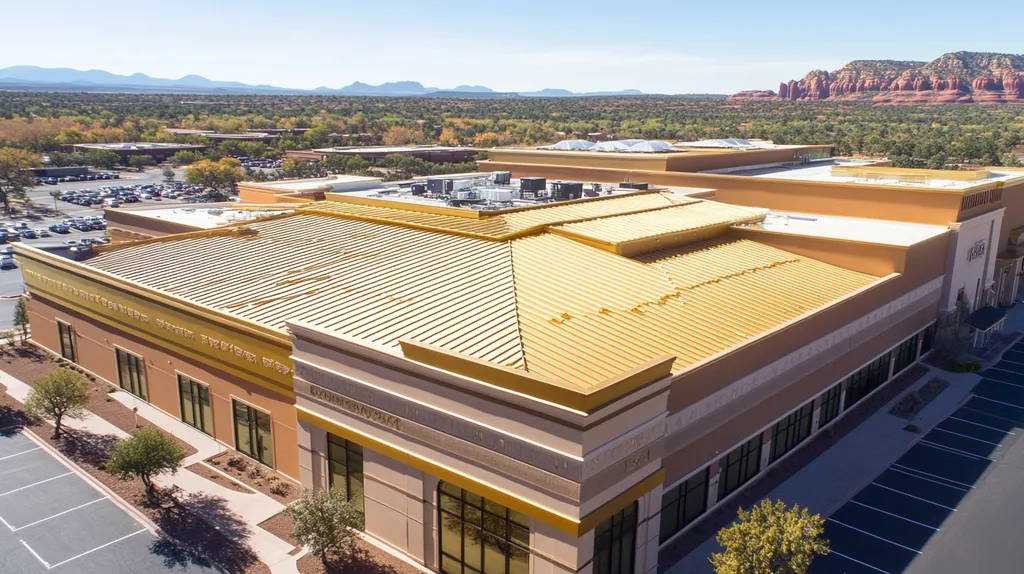
In the past decade, commercial roofing technology has advanced more dramatically than in the previous fifty years combined, yet studies show 70% of facilities still rely on outdated maintenance practices that reduce roof lifespans by up to 30%.
As construction materials evolve and smart sensors transform maintenance protocols, property professionals face mounting pressure to adapt or risk premature roof failures that can cost upwards of $1M in repairs and business disruption.
This comprehensive guide examines how emerging technologies – from AI-powered drones to self-healing membranes – are revolutionizing commercial roof performance, maintenance requirements, and overall lifespan.
SECTION 1: PERFORMANCE FACTORS
The condition of a commercial roof directly impacts a facility’s efficiency and performance. Ignoring roof maintenance can lead to costly repairs and premature replacements. Surprisingly, studies reveal that roofs account for 20% of a building’s value and can be responsible for up to 40% of its total heat loss. Recognizing key factors that influence roofing longevity is vital for property professionals. This section delves into the role of smart technology, the energy-saving benefits of cool roofing, and advancements in waterproofing materials.
Real-Time Monitoring with Smart Sensors
Smart sensors are transforming how property managers oversee commercial roof maintenance. These innovative devices provide real-time insights into temperature, moisture levels, and structural integrity. By keeping tabs on these critical metrics, property owners receive alerts about issues before they escalate into major damages.
For instance, a sudden moisture leak identified by a sensor can prompt immediate maintenance actions, potentially saving thousands in water damage repairs. Moreover, consistent data collection allows for timely inspections and maintenance, significantly extending the lifespan of roofing materials.
As sustainability gains prominence, smart technology supports eco-friendly practices. The data collected can optimize energy usage, further enhancing roof performance and overall building operations.
Key Action Items
Impact of Cool Roofing on Energy Efficiency
Cool roofing materials provide significant advantages, particularly in lowering energy consumption. By reflecting sunlight and reducing heat absorption, these roofing options help keep buildings cooler, thereby decreasing the demand for air conditioning. This is especially beneficial for commercial properties that feature expansive, flat roofs.
In warmer climates, cool roofs can reduce cooling energy usage by as much as 30%. This reduction not only translates to lower utility bills but also extends the roof’s lifespan by mitigating thermal expansion and contraction.
Recent studies also show that adopting cool roofing can improve indoor comfort and help alleviate the urban heat island effect. With heightened awareness of environmental impacts, many building codes now support or require the implementation of cool roof technologies.
Key Action Items
Durability of Advanced Waterproofing Materials
Advanced waterproofing materials play an essential role in extending the lifespan of commercial roofs. Innovations in waterproofing technologies offer superior protection against leaks and water damage, which can lead to significant issues like mold growth and costly repairs.
Materials such as thermoplastic polyolefin (TPO) and polyvinyl chloride (PVC) are designed for exceptional durability and resistance to extreme weather. These membranes not only effectively waterproof roofs but also endure UV radiation, high temperatures, and punctures.
With a thoughtfully chosen waterproofing system, commercial roofs can last for 20 years or longer, representing both economic benefits and a reduction in material waste. Additionally, ongoing advancements are focused on self-healing polymers that can autonomously mend small punctures, preventing minor issues from escalating.
Key Action Items
SECTION 2: FINANCIAL CONSIDERATIONS
As the financial landscape becomes increasingly competitive, property owners must recognize that roofing decisions have far-reaching cost implications. A roof that fails prematurely can lead to unforeseen expenses, demanding urgent financial attention. Research indicates that proactive maintenance can reduce roofing costs by up to 50% over time, making it essential for property professionals to grasp the financial nuances of roofing technology.
Cost Savings through Proactive Maintenance
Embracing proactive maintenance transforms the economic viability of commercial roofing systems. Routine inspections enable property owners to spot and address minor issues before they escalate into costly repairs. For example, a facility that committed to quarterly inspections successfully identified a small leak, saving them a potential $40,000 emergency repair bill.
These regular inspections not only extend a roof’s lifespan but also maximize the return on investment. Manufacturers recognize this commitment, often offering warranties that cover repairs linked to inadequate maintenance, which can further shield property owners from financial risk.
Ultimately, investing in proactive maintenance is a strategy that preserves both immediate finances and the long-term value of a property, laying the groundwork for sustainable operational success.
Key Action Items
Energy Efficiency and Reduced Cooling Costs
Leveraging technology in roofing systems can lead to significant energy savings and reduced cooling costs. Modern materials, including cool roofing membranes and reflective coatings, help lower indoor temperatures and lessen the dependence on air conditioning. Reports show that transitioning to a reflective roof can reduce summer cooling costs by as much as 25%, translating into substantial annual savings.
In addition to immediate cost benefits, energy-efficient roofs often qualify property owners for utility rebates or tax incentives, enabling a quicker recovery of initial investments. As energy prices continue to rise, embracing sustainable roofing options becomes increasingly vital for budget-sensitive facility managers.
Incorporating technological advancements in roofing not only benefits the environment but also strengthens financial performance by reducing overall energy expenditures, reinforcing a healthier bottom line.
Key Action Items
Long-Term Cost Benefits of Sustainable Materials
Investing in sustainable roofing materials presents formidable long-term financial rewards. Eco-friendly options, such as advanced thermoplastics and recycled materials, not only enhance durability but also demand less maintenance over time. This durability leads to significantly lower replacement costs, creating a financially advantageous scenario.
For instance, buildings utilizing well-engineered green roofs often enjoy lifespans exceeding 50 years, while traditional roofing solutions may necessitate replacement every 20 years, resulting in frequent, costly outlays. Choosing sustainable materials delivers immediate savings and positions properties for future value appreciation.
Moreover, sustainable roofs can elevate property values by appealing to environmentally conscious tenants and buyers, underscoring the growing market demand for eco-friendly features. Thus, the financial rationale for sustainable roofing materials not only addresses current needs but also enhances marketability for years to come.
Key Action Items

SECTION 3: COMPLIANCE REQUIREMENTS
Navigating compliance requirements is essential for maximizing the lifespan of commercial roofing products. Failing to adhere to building codes or environmental regulations can result in expensive repairs, fines, and legal complications. The U.S. Department of Energy indicates that ignoring energy efficiency standards can lead to unnecessary energy loss and increased operational costs. This section explores key compliance issues that property professionals must prioritize.
Adherence to Building Codes and Regulations
Building codes exist to guarantee safety and structural integrity. Compliance isn’t merely advisable; it’s crucial to protect occupants and assets. Non-compliance can lead to penalties, delays, and the potential for expensive rework down the line.
Local jurisdictions have specific codes concerning roof construction and materials; therefore, property managers should investigate local regulations before selecting roofing technologies. For example, failing to use compliant materials may nullify warranties, resulting in unexpectedly high long-term costs.
Additionally, as roofing technology evolves, so do the regulations surrounding it. Staying updated on these changes—like those affecting energy efficiency from enhanced insulation—can significantly impact a property’s operational efficiency.
Key Action Items
Environmental Compliance with Green Roofing
Green roofing systems are becoming increasingly popular as sustainable solutions, but they come with their own set of environmental regulations. Understanding these compliance requirements is vital to harnessing the full benefits of such systems. For instance, green roofs significantly aid stormwater management by minimizing runoff while enhancing the sustainability of the building.
However, municipalities often impose specific requirements concerning plant types, soil composition, and drainage systems for these installations. Disregarding these guidelines may result in unsustainable designs that disrupt local ecosystems.
Using renewable materials and environmentally friendly practices can also facilitate LEED certification, leading to increased property values and appeal. This emphasizes the importance of adhering to environmental standards alongside waste reduction strategies.
Key Action Items
Safety Standards for Roof Inspections and Maintenance
Prioritizing safety during roof inspections and maintenance is paramount. Regular inspections hold substantial compliance implications that directly affect personnel safety and the roof’s lifespan. The Occupational Safety and Health Administration (OSHA) outlines specific guidelines regarding fall protection, equipment use, and emergency response, and every facility manager must adhere to these protocols.
Neglecting proper safety measures can lead to accidents, costly interruptions, and potential legal consequences. For instance, inadequate safety could result in worker injuries, igniting insurance claims and triggering increased premiums. Regular training ensures that team members remain informed about safety standards.
Utilizing technology for inspections—like drones or infrared cameras—can enhance safety by minimizing the need for personnel on rooftops, all while meeting compliance standards. This proactive strategy aligns with regulations and fosters a longer roof lifespan.
Key Action Items
SECTION 4: RISK MANAGEMENT
Effective risk management is essential for ensuring the longevity and reliability of commercial roofs. Unnoticed leaks and structural stresses can lead to extensive damage, sometimes inflating repair costs up to three times the initial estimates. By leveraging advanced technologies like sensors and drones, property professionals can proactively identify roofing vulnerabilities, significantly enhancing both safety and durability.
Detecting Leaks and Structural Stress with Sensors
Modern sensors are revolutionizing how property managers oversee roof conditions. These devices monitor temperature, moisture levels, and structural integrity in real-time, allowing for immediate action upon detecting anomalies. Prompt identification of leaks can result in substantial savings by averting costly future repairs.
For example, some sensors immediately alert facility managers when water is detected, enabling quick inspections and remediation to prevent significant water damage and structural problems.
Predictive analytics can also be integrated with these sensors, utilizing historical data to forecast potential issues. This transformation from a reactive to a proactive approach not only extends the roof’s life but also ensures financial resources are used wisely.
Key Action Items
Mitigating Weather-Related Damage
Weather events can inflict serious wear and tear on commercial roofs if left unchecked. With climate trends indicating an increase in severe weather patterns, implementing effective mitigation strategies has never been more critical.
Smart roofing systems equipped with weather sensors provide timely updates on approaching storms or adverse conditions. This information empowers property managers to undertake preventative measures, such as covering vulnerable areas with tarps or reinforcing weak spots in preparation for harsh weather.
Using reflective roofing materials can further reduce damage by minimizing thermal shock during temperature fluctuations. These advanced materials are engineered to withstand extreme conditions, protecting roofs from the expanding and contracting effects of heat.
Key Action Items
Reducing Maintenance Risks with Drone Inspections
Drones are transforming the landscape of roof maintenance with their ability to conduct safe, detailed inspections without the hazards associated with traditional methods. These aerial devices streamline the inspection process and ensure thorough evaluations of roof conditions.
Drone technology enhances safety by reducing the need for personnel to climb onto roofs, thereby minimizing the risk of accidents. High-resolution imaging can pick up minor issues like cracks or wear, allowing for timely interventions before they escalate into major repairs.
Moreover, drone inspections can be performed frequently, ensuring minimal disruption to daily operations while maintaining compliance with industry standards. This consistent monitoring not only verifies warranty terms and regulatory adherence but also leads to better risk management and improved roof longevity.
Key Action Items

SECTION 5: OPERATIONAL PROCEDURES
The durability of commercial roofing systems hinges upon the operational procedures employed during their maintenance and inspection. With more than half of facility managers identifying roof maintenance as their primary concern, the use of technological innovations can lead to substantial improvements. By adopting advanced techniques like AI-powered drone inspections and thermal imaging, property professionals can detect issues early, thereby significantly extending the lifespan of their roofs. This section outlines actionable procedures that leverage technology for optimal roofing performance.
Implementing AI-Powered Drone Inspections
AI-powered drone inspections are transforming the landscape of roofing assessments. Unlike traditional manual inspections, which are often lengthy and susceptible to error, drones equipped with sophisticated imaging technology can swiftly survey extensive roof areas. These drones effectively identify problems such as cracks, delamination, and membrane wear more efficiently than ever before.
These high-tech devices collect data, which AI algorithms analyze to forecast potential failures. This proactive approach enables facility managers to tackle roof issues before they escalate, thus increasing the roof’s lifespan. Additionally, by utilizing drones, safety risks associated with manual inspections are minimized, protecting personnel while ensuring comprehensive evaluations.
For instance, a commercial facility that implemented drone inspections reported a 30% reduction in maintenance costs due to early issue detection. By embracing this technology, property owners can not only enhance the accuracy of inspections but also optimize their maintenance budgets over time.
Key Action Items
Conducting Thermal Imaging and Moisture Detection
Utilizing thermal imaging and moisture detection is crucial for uncovering hidden threats within roofing systems. Undetected moisture can lead to severe problems such as mold growth and structural deterioration, jeopardizing both the roof’s integrity and the health of its occupants.
By employing thermal imaging technology, facility managers can visualize temperature discrepancies on roof surfaces, highlighting areas where moisture may be trapped. This non-invasive approach is highly effective for uncovering leaks that traditional inspections might miss.
Complementing thermal imaging is moisture detection technology, which offers precise evaluations of water presence within roofing layers. By integrating these techniques into regular maintenance, facility managers can prevent extensive repairs or replacements, ultimately saving significant costs. For example, a retail center implementing thermal imaging achieved a remarkable 40% drop in water-related repair expenses.
Key Action Items
Integrating Solar-Integrated Roofing Systems
Solar-integrated roofing systems offer a progressive way to enhance roof longevity while generating renewable energy. These systems not only provide sustainable energy solutions but also add to the durability of roofing materials. By marrying aesthetics with practicality, solar panels can protect roofing membranes from extreme conditions, which may prolong their lifespan.
Moreover, roofs designed to accommodate solar installations typically utilize high-quality materials that can resist harsh environments. This durability can result in an extended lifespan for the entire roofing system, and buildings that adopt these technologies often see enhanced energy efficiency alongside lower operational expenses.
Implementing solar-integrated roofs also aligns with green building standards as organizations increasingly focus on sustainability. Property owners can benefit from available incentives and rebates connected to renewable energy investments.
Key Action Items
SECTION 5: OPERATIONAL PROCEDURES
The longevity of commercial roofing systems is critically influenced by the operational procedures employed during maintenance and inspections. As over 50% of facility managers identify roof upkeep as a major concern, leveraging technological advancements can yield substantial benefits. Embracing innovative inspection techniques like AI-powered drones and thermal imaging allows property professionals to detect issues early, thereby ensuring a longer roof lifespan. This section explores actionable procedures that utilize technology to optimize roofing performance.
Implementing AI-Powered Drone Inspections
AI-powered drone inspections are revolutionizing roofing assessments, moving beyond the limitations of traditional methods. Manual inspections are often slow and prone to human error, whereas drones outfitted with cutting-edge imaging technology can swiftly cover vast roof areas, pinpointing issues such as cracks and membrane wear with remarkable efficiency.
Additionally, these drones gather data analyzed by AI algorithms to predict potential roof failures. This proactive maintenance approach enables facility managers to address issues before they escalate, enhancing the overall lifespan of the roofing system. Importantly, utilizing drones mitigates safety risks associated with manual inspections, protecting staff while ensuring comprehensive evaluations.
For example, a commercial facility that implemented drone inspections reported a 30% reduction in maintenance costs due to the early identification of problems. By adopting this technology, property owners improve inspection accuracy and optimize their maintenance budgets.
Key Action Items
Conducting Thermal Imaging and Moisture Detection
Thermal imaging and moisture detection are crucial for identifying hidden problems in roofing systems. Unnoticed moisture can result in serious issues such as mold growth and structural deterioration, threatening both the roof’s integrity and occupant health.
Using thermal imaging, facility managers can visualize temperature variations on roof surfaces, revealing areas where moisture may be trapped. This non-invasive method effectively detects leaks that traditional inspections commonly miss.
Furthermore, moisture detection technology provides precise evaluations of water presence within roofing layers. Combining both methods allows for proactive prevention of extensive repairs, ultimately saving property owners significant costs over time. A retail center that utilized thermal imaging achieved a striking 40% reduction in water-related repair expenses.
Key Action Items
Integrating Solar-Integrated Roofing Systems
Solar-integrated roofing systems offer a cutting-edge approach to enhancing roof longevity while generating renewable energy. These systems not only provide sustainable energy solutions but also contribute to the durability of roofing materials. By combining aesthetics with utility, solar panels protect roofing membranes from extreme weather, potentially prolonging their lifespan.
Additionally, solar-integrated roofs often utilize high-quality materials that are designed to withstand harsh conditions. This enhanced durability can lead to a longer lifespan for the entire roofing structure, with buildings that adopt these solutions often experiencing increased energy efficiency alongside reduced operational expenses.
Implementing solar-integrated systems also contributes to meeting green building standards as organizations increasingly prioritize sustainability. Property owners can take advantage of incentives and rebates linked to renewable energy investments, yielding both environmental and financial gains.
Key Action Items
The Bottom Line
The commercial roofing industry stands at a technological crossroads, with studies showing that facilities embracing smart technology extending their roof lifespans by up to 40% compared to those using traditional methods.
From AI-powered drones to self-healing membranes, emerging technologies are revolutionizing how property professionals approach roof maintenance and longevity.
While initial investment in these advanced systems may seem substantial, industry data reveals a typical return on investment within 3-5 years through reduced repair costs and energy savings.
As climate challenges intensify and sustainability requirements grow more stringent, property professionals who fail to adopt these technological solutions risk facing premature roof failures and significantly higher long-term costs.
The future of commercial roofing clearly belongs to those who embrace these innovations, making technological integration not just an option, but an imperative for sustainable facility management.
FREQUENTLY ASKED QUESTIONS
Q. How can smart technology enhance commercial roof performance?
A. Smart technology, like real-time monitoring sensors, provides critical data on roof conditions. By assessing temperature and moisture levels continuously, property managers can address issues proactively, minimizing risks of damage and maximizing the roof’s lifespan.
Q. What financial benefits are tied to proactive commercial roof maintenance?
A. Proactive maintenance can cut roofing costs by up to 50% over time. Regular inspections help identify minor issues before they develop into costly repairs, ensuring long-term savings and maximizing investment returns.
Q. How should compliance with building codes affect commercial roof choices?
A. Compliance ensures safety and structural integrity, which are vital for occupancy and asset protection. Property managers must familiarize themselves with local regulations to avoid penalties and ensure the longevity of their roofing systems.
Q. How do sensors assist in risk management for commercial roofs?
A. Sensors monitor key metrics like moisture and temperature, allowing for early leak detection. This proactive approach helps prevent extensive damage, significantly lowering repair costs and enhancing the roof’s reliability and lifespan.
Q. Why is thermal imaging important for commercial roof maintenance?
A. Thermal imaging identifies hidden moisture issues, protecting roof integrity and avoiding costly repairs. By visualizing temperature variations, facility managers can detect vulnerabilities early, ensuring proactive maintenance and minimizing water-related damage.
Q. How does solar integration influence commercial roofing systems?
A. Solar-integrated roofing systems enhance energy efficiency while adding durability. They protect roofing materials from extreme conditions and can qualify property owners for incentives, leading to lower operational costs and extended roof lifespan.
Q. What are the potential consequences of neglecting roof inspections?
A. Neglecting inspections can lead to serious issues like leaks and structural damage. This oversight not only increases repair costs significantly but can also reduce the roof’s lifespan and overall building value, impacting financial returns.






